...

FAQs On Gour

Malda , West Bengal, India
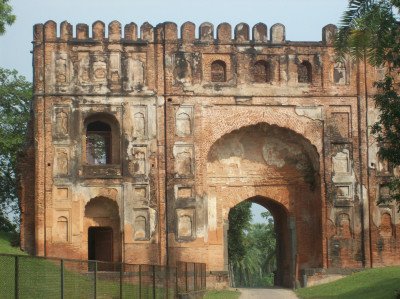
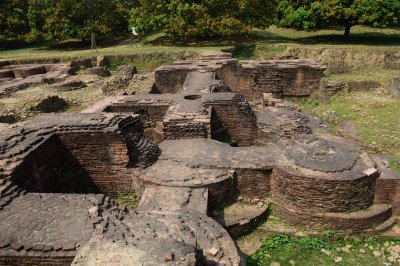
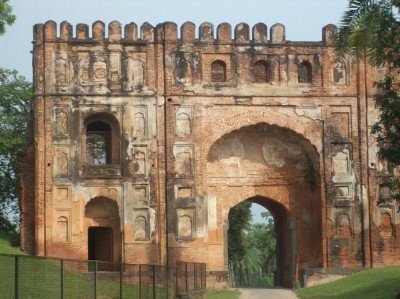
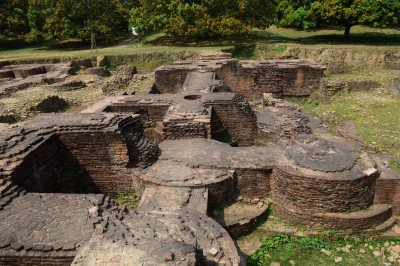
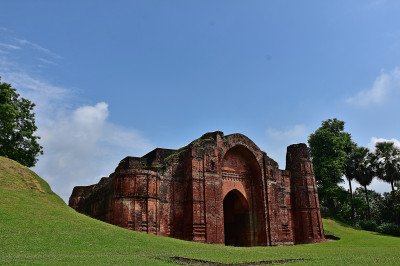
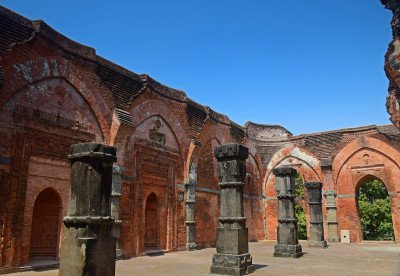
Gour stands as one of the most historically rich archaeological sites in India, representing the rise and fall of several powerful dynasties that ruled Bengal.ion more compelling and engaging. Suggested change: 'chronicling the dramatic rise and eventual decay of several powerful dynasties that once ruled Bengal.'" type="suggestion"> It served as the capital of ancient and medieval Bengal for over seven centuries, originally known as Lakshmanavati during the Hindu Sena rule. After the Islamic conquest in the 13th century, it was renamed Lakhnauti and remained the seat of the powerful Bengal Sultanate until the capital briefly shifted to Pandua and then returned to Gour. The sheer scale of the ruins speaks to the city's former opulence, covering an area spanning parts of modern-day Malda district in India and some parts of Bangladesh. The primary structures visible today date predominantly from the 14th to 16th centuries, showcasing a unique fusion of indigenous Bengali and Sultanate Islamic architectural styles. The ruins are spread across a vast, lush landscape, interspersed with mango orchards, giving the place an air of solemn beauty. Key monuments here include the magnificent Dakhil Darwaza (the main gateway to the citadel), the towering Firoz Minar, and the colossal Baro Sona Masjid (Great Golden Mosque). While the city eventually fell into decay, partly due to shifting river courses and a deadly plague in the late 16th century, its remnants offer an unmatched insight into the political, economic, and cultural apex of Bengal before the Mughal and British eras. The history preserved in these brick and stone remnants attracts archaeologists, historians, and pilgrims alike, keen to walk the grounds that once commanded the entire eastern subcontinent. The vastness requires careful planning to cover all the important surviving structures, each telling a silent story of royal power and religious fervor.

Ans:- Gour, located in the Malda district of West Bengal, serves as one of the most prominent historical capitals of ancient and medieval Bengal, boasting a legacy that spans over a millennium. It flourished brilliantly as a political and cultural epicenter under the Hindu Sena dynasty, the Buddhist Pala rulers, and later as the dazzling capital of the independent Bengal Sultanate. The strategic location along the banks of the shifting Ganges river made it a booming hub for international trade, culture, and governance.

Ans:- Gour is geographically positioned along the India-Bangladesh international border in the southern region of the Malda district in West Bengal. It is located roughly 12 to 25 kilometers from Malda Town, which is exceptionally well-connected by express trains to Kolkata, Siliguri, and Guwahati. From Malda Town railway station or the central bus terminus, tourists can easily hire full-day private cabs, reserve motorized auto-rickshaws, or hop on frequent local buses to tour the expansive ruins.

Ans:- The sprawling archaeological landscape of Gour is dotted with spectacular medieval monuments that reflect its rich historical past. The absolute must-visit attractions include the majestic Bara Sona Mosque (Great Golden Mosque), the unique Firoz Minar resembling the Qutub Minar, the strategic Dakhil Darwaza, the sacred Kadam Rasul Mosque, the ornate Chika Mosque, the Tantipara Mosque, and the historic Lukochori Gateway. Each structure exhibits distinct architectural phases ranging from early terracotta works to grand stone structures.

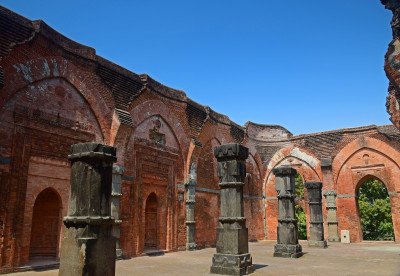
Ans:- The Bara Sona Mosque, or the Great Golden Mosque, stands as the largest and most imposing architectural monument still surviving in the historic city of Gour today. Built by Sultan Nusrat Shah in 1526, this massive stone-clad structure originally featured twelve magnificent gilded domes that shone brilliantly under the golden rays of the sun, giving it its iconic name. It features a spacious open courtyard and a beautiful multi-arched facade that showcases the peak of stone craftsmanship.

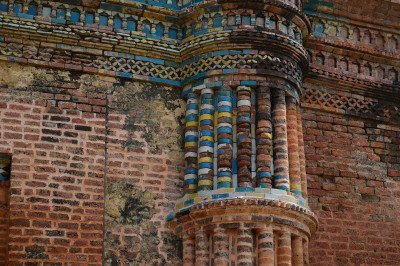
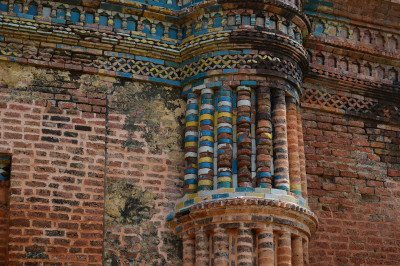
Ans:- The Firoz Minar is a striking five-storied tower measuring approximately 26 meters in height, constructed during the late fifteenth century by Sultan Saifuddin Firoz Shah. Often fondly compared to the Qutub Minar of Delhi, it served the dual purpose of a victory tower celebrating military conquests and a minaret for calling the faithful to prayer. The bottom three stories are uniquely dodecagonal (twelve-sided), while the upper stories are perfectly circular, beautifully adorned with exquisite terracotta decorations.

Ans:- While there are no hotels or commercial lodges inside the core protected archaeological zones of Gour, Malda Town acts as the primary base camp for all incoming tourists. Malda Town offers an extensive array of accommodation options including well-maintained West Bengal Tourism Development Corporation (WBTDC) tourist lodges, affordable budget hotels, and modern business hotels. Staying in town allows easy day trips to Gour while enjoying comfortable urban amenities, reliable room service, and transport links.

Ans:- The ideal season to explore the vast, open-air archaeological ruins of Gour is undoubtedly during the cool winter phase from early November until the end of February. The ambient temperature fluctuates between a highly pleasant 12°C and 25°C, making the extensive walking tours between scattered monuments highly enjoyable. Traveling during monsoon season offers lush green landscapes but heavy rains can hamper outdoor exploration, while the summer heat can be quite oppressive and challenging.

Ans:- While it is not strictly mandatory, hiring an experienced local tour guide is highly recommended to fully comprehend the deep historical context, hidden architectural secrets, and fascinating royal folklore associated with Gour. Because the ruins are widely scattered across several square kilometers, a knowledgeable guide or a seasoned local driver can efficiently navigate the routes, ensuring you do not miss hidden gems like the Chamkati Mosque or the ancient palace boundary walls.

Ans:- Photography using standard handheld digital cameras, smartphones, and mirrorless systems is fully permitted and free for tourists across all the open monuments in the Gour complex. However, commercial video production, documentary filmmaking, and the operation of aerial drones require explicit, formal written permissions and security clearances from the Archaeological Survey of India. Tripods are generally allowed for personal photography, provided they do not block standard tourist walkways or cause structural safety hazards.

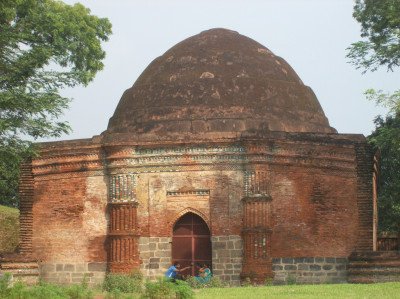
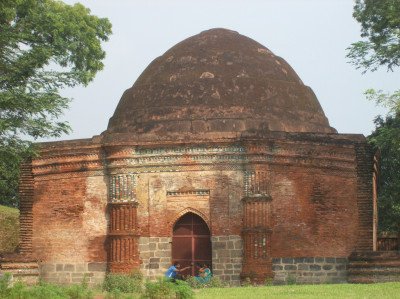
Ans:- The Chika Mosque is a fascinating, single-domed square structure dating back to the fifteenth century, believed to have been built by Sultan Yusuf Shah in 1475. Interestingly, local folklore and historical analysis suggest that despite its name, the building was predominantly used as a high-security prison or an administrative court by the Sultans rather than a traditional house of prayer. The name 'Chika' literally translates to bats in the local dialect, derived from the thousands of bats that once infested the dark, abandoned interiors.

Ans:- The Archaeological Survey of India has taken commendable steps to improve basic tourist infrastructure by setting up clean public restrooms, drinking water booths, and manicured green lawns at major sites like the Bara Sona Mosque and Firoz Minar. However, since many smaller monuments are located in rural farmlands or remote spots, it is highly advisable for tourists to carry their own bottles of filtered drinking water, basic emergency medicines, and umbrellas to safeguard against sudden weather shifts.

Ans:- Gour is located in extreme geographic proximity to the international border separating India and Bangladesh, with several ancient structures sitting just a few hundred meters away from the border fencing. Due to this highly sensitive geopolitical positioning, visitors will frequently see Border Security Force (BSF) outposts and patrols throughout the region. Tourists must carry valid national identity cards like Aadhaar or Passports, and are strictly advised against wandering near the international border lines after sunset.

Ans:- Tourists visiting the Gour region must sample Malda's world-famous mango varieties, especially the luscious Fazli, Himsagar, and Langra, if traveling during the summer season. In terms of traditional sweets, the legendary 'Kansat' and 'Roshokodomba' are local culinary masterworks available in nearby markets. For souvenir shopping, visitors highly prefer purchasing exquisite handmade Fazilpur silk sarees, traditional terracotta folk toys, and beautiful wooden handicrafts crafted meticulously by local rural artisans from Malda.

Ans:- Children and elderly individuals can comfortably visit major sites like the Bara Sona Mosque compound, which features smooth, well-paved walking paths, wide lawns, and resting benches. However, exploring the entire expansive layout of Gour involves significant walking over uneven ground, and ascending the steep steps of certain structures like the Firoz Minar is not recommended for senior citizens with joint issues. Planning a customized tour using a private AC vehicle ensures maximum comfort for families.

Ans:- The vast majority of the core monuments in Gour are strictly protected and systematically preserved by the Archaeological Survey of India (ASI). Ongoing conservation efforts focus on preventing structural collapse, restoring intricate terracotta artwork using traditional lime-surkhi mortar, and landscaping monument surroundings to control soil erosion. Despite challenges from natural aging and climate impacts, these aggressive preservation measures ensure that the magnificent legacy of the Bengal Sultanate remains alive for future generations of global travelers.
Information about New and Updated Locations() of West Bengal Has Been Added :-
Card subtitle

Note:-

Information provided here in good Faith and for reference only.

All information and pictures will be updated soon, please keep visiting.

Near Places
...
Adina Deer Park

Some quick example text to build on the card title and make up the bulk of the card's content.

Go somewhere
...
Adina Eco Tourism Park

Some quick example text to build on the card title and make up the bulk of the card's content.

Go somewhere
...
Adina Mosque

Some quick example text to build on the card title and make up the bulk of the card's content.

Go somewhere

...
Baishgazi Wall

Some quick example text to build on the card title and make up the bulk of the card's content.

Go somewhere
...
Ballal Bati

Some quick example text to build on the card title and make up the bulk of the card's content.

Go somewhere
...
Baroduari Mosque

Some quick example text to build on the card title and make up the bulk of the card's content.

Go somewhere
...
Chika Mosque

Some quick example text to build on the card title and make up the bulk of the card's content.

Go somewhere
...
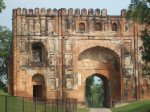
Dakhil Darwaza

Some quick example text to build on the card title and make up the bulk of the card's content.

Go somewhere
...
Eklakhi Mausoleum

Some quick example text to build on the card title and make up the bulk of the card's content.

Go somewhere
...
Gour

Some quick example text to build on the card title and make up the bulk of the card's content.

Go somewhere
in Other Cities