...

FAQs On Senchal Lake & Wildlife Sanctuary

Darjeeling, West Bengal, India
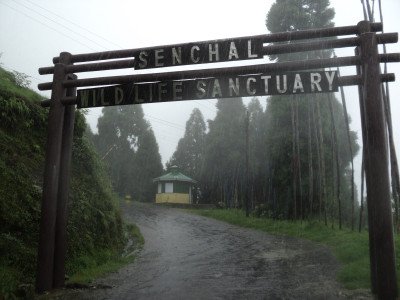
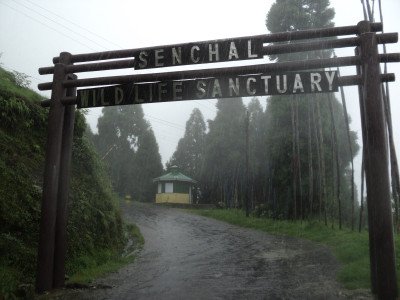
Senchal Lake and Wildlife Sanctuary is a pristine and serene nature reserve located in the outskirts of Darjeeling. Established in 1915, it is one of the oldest wildlife sanctuaries in India, covering an area of 38.6 square kilometers. The sanctuary is a haven for nature lovers, with a variety of fl ora and fauna, including rare and endangered species. The sanctuary is home to a wide range of animals, including barking deer, wild boar, Himalayan black bear, and Indian leopard. The sanctuary is also rich in bird life, with a variety of native and migratory birds. The two Senchal lakes, which are a part of the sanctuary, are the main source of water for the town of Darjeeling. The lakes are a beautiful and peaceful place to relax and unwind, with a series of well-laid-out paths and small bridges. The surrounding forests are a great place for nature walks, bird watching, and trekking, with a variety of trails that lead to stunning viewpoints. The sanctuary is a great place to learn about the unique flora and fauna of the region and to enjoy the peaceful and serene atmosphere.

Ans:- Senchal Lake is located about 10 km southeast of Darjeeling town. It is situated within the Senchal Wildlife Sanctuary, one of the oldest wildlife sanctuaries in India.

Ans:- Senchal Lake is the primary source of drinking water for the town of Darjeeling. It is a man-made reservoir that collects water from the surrounding hills and is vital for the region's water supply.

Ans:- The Senchal Wildlife Sanctuary is a protected forest area covering about 38 sq. km. It is home to a variety of flora and fauna, including rare orchids, different species of birds, and some wild animals. It was declared a sanctuary in 1915.

Ans:- Yes, there is an entry fee to enter the Senchal Wildlife Sanctuary. The fee is used for the maintenance and conservation of the forest and its wildlife.

Ans:- While the sanctuary itself is known for its dense forests, there are some viewpoints within the area that offer glimpses of the majestic Mount Kanchenjunga and other Himalayan peaks on a clear day.

Ans:- The sanctuary is home to a variety of animals, including the Himalayan black bear, barking deer, leopards, and various species of civets. It is also a paradise for bird watchers, with a rich diversity of avifauna.

Ans:- The best time to visit is during the months of March to May and October to November when the weather is pleasant and the views are clear. The monsoon season is not ideal due to heavy rainfall and leeches.

Ans:- You can hire a taxi from Darjeeling town to reach the sanctuary. The drive is scenic and takes about 30 to 45 minutes.

Ans:- Yes, the sanctuary has several trekking trails that are perfect for nature lovers and adventure enthusiasts. A permit may be required for certain trails, so it's best to check with the forest authorities.

Ans:- No, boating is not allowed in Senchal Lake as it is a protected reservoir and a source of drinking water for Darjeeling. The area is primarily for viewing and not for recreational water activities.

Ans:- Yes, as a protected area, there are certain restrictions. Visitors must adhere to the rules and regulations, such as not littering, not making loud noises, and staying on designated paths to protect the environment and wildlife.

Ans:- It is advisable to wear comfortable walking shoes, carry a water bottle, a camera, and a pair of binoculars for bird watching. A light jacket is also recommended as the weather can be cool.

Ans:- While the environment is beautiful, picnicking is not generally encouraged inside the core sanctuary area to prevent littering and disturbance to the wildlife. There are designated picnic spots near the entrance or outside the main area.

Ans:- The Senchal Wildlife Sanctuary is located at an altitude of approximately 2,400 meters (8,000 feet) above sea level, which contributes to its cool climate and diverse ecosystem.

Ans:- The Senchal Wildlife Sanctuary was established in 1915, making it one of the oldest in the country. It was created to protect the vital catchment area for Darjeeling's water supply and the unique Himalayan flora and fauna of the region. ###
Information about New and Updated Locations() of West Bengal Has Been Added :-
Card subtitle

Note:-

Information provided here in good Faith and for reference only.

All information and pictures will be updated soon, please keep visiting.

Near Places
...
Aloobari Monastery

Some quick example text to build on the card title and make up the bulk of the card's content.

Go somewhere
...
Badamtam Tea Estate

Some quick example text to build on the card title and make up the bulk of the card's content.

Go somewhere
...
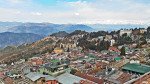
Batasia Loop

Some quick example text to build on the card title and make up the bulk of the card's content.

Go somewhere
...
Bengal Natural History Museum

Some quick example text to build on the card title and make up the bulk of the card's content.

Go somewhere
...
Bhutia Busty Monastery

Some quick example text to build on the card title and make up the bulk of the card's content.

Go somewhere

...
Bijanbari

Some quick example text to build on the card title and make up the bulk of the card's content.

Go somewhere
...
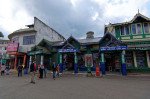
Chauk Bazaar

Some quick example text to build on the card title and make up the bulk of the card's content.

Go somewhere
...
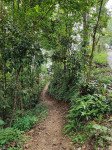
Chota Mangwa

Some quick example text to build on the card title and make up the bulk of the card's content.

Go somewhere
...
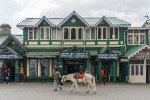
Chowrasta & The Mall

Some quick example text to build on the card title and make up the bulk of the card's content.

Go somewhere
...
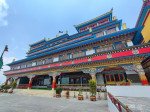
Dali Monastery

Some quick example text to build on the card title and make up the bulk of the card's content.

Go somewhere

in Other Cities