...

Srimanta Sankaradeva Kalakshetra

Guwahati, Assam, India
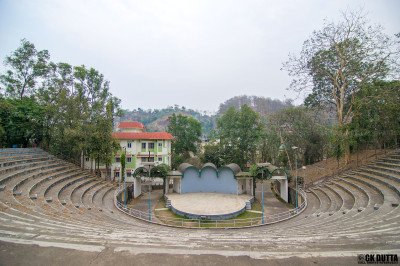
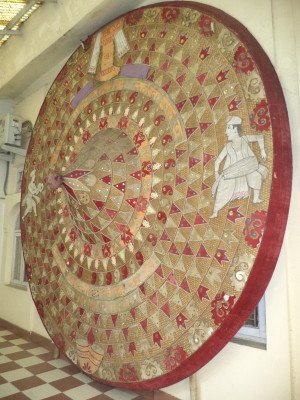
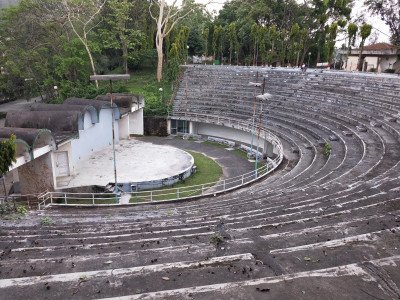
Srimanta Sankaradeva Kalakshetra, commonly known as the Kalakshetra, is a massive non-profit cultural institution in Guwahati, Assam, dedicated to preserving and promoting the rich cultural heritage of Assam and the entire Northeast region of India. Established in the 1990s, it is named after the gr eat 15th-16th century Assamese polymath, saint-scholar, poet, playwright, and social-religious reformer, Mahapurusha Srimanta Sankardeva, who played a pivotal role in the cultural and spiritual upliftment of the region. The institution serves as a living memorial and a dynamic hub for the arts. The sprawling complex is divided into several sections, each focusing on different facets of the region's diverse culture and history. The Central Museum is a key attraction, housing a rich collection of artifacts, traditional costumes, musical instruments, weaponry, and historical relics representing the various ethnic communities of Assam. The Lalit-Kala Bhavan showcases contemporary and traditional art and sculptures. For literary enthusiasts, the Sahitya Bhavan functions as a library and archive, preserving rare books and manuscripts related to Assamese literature and history. The complex also features an Open-Air Theatre, which is one of the largest in the region, capable of hosting grand cultural performances, festivals, and folk dances like the Bihu. A unique element is the Artist's Village (Shilpgram), a meticulously crafted replica of a traditional Assamese village, offering visitors a glimpse into the rural life and indigenous architectural styles of Assam. Furthermore, a dedicated Bhupen Hazarika Museum honors the legendary Assamese singer and composer. The entire complex is beautifully landscaped with scenic gardens, creating a peaceful and informative environment for visitors to immerse themselves in the deep cultural narrative of the region. It is often regarded as the largest cultural congregation center in Northeast India.

General information

  • ...

    Ideal Duration:

    3 to 4 hours (Ideal for a thorough visit)
  • ...

    Place Type:

    Cultural Institution, Museum, Art & Heritage Cente
  • ...

    Entry Fees:

    General Entry Fee for Indian Citizens: The standard entry fee for adults who are Indian citizens is typically around Rs.30 to Rs.50 per person. The fee is nominal and ensures access to the general premises, gardens, and many of the main buildings. It's an affordable cultural e...
    General Entry Fee for Indian Citizens: The standard entry fee for adults who are Indian citizens is typically around Rs.30 to Rs.50 per person. The fee is nominal and ensures access to the general premises, gardens, and many of the main buildings. It's an affordable cultural excursion.

    Fees for Children and Foreign Nationals: Children (usually between 5 to 14 years) have a reduced entry fee, which is often around Rs.10 to Rs.15. Foreign Nationals usually have a higher, differential entry fee, which can be around Rs.100 or more. This tiered pricing is standard in many Indian heritage and cultural sites.

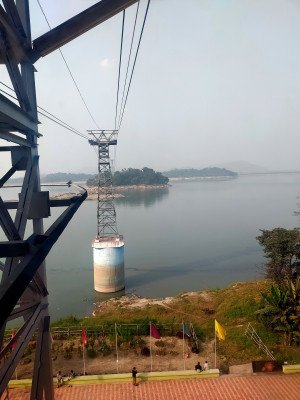
    Additional Charges for Specific Attractions: While the general entry ticket grants access to the compound, some specific attractions inside may have separate, small charges. For example, there can be a separate ticket for the Sound and Light Show (often around Rs.30 to Rs.50), and a separate fee may apply to enter the Bhupen Hazarika Museum or for the use of the small cable car/rides in the children's area.

    Photography and Parking Fees: There is usually a charge for carrying a still camera (around Rs.100), and a higher fee for professional photoshoots. Vehicle parking is also chargeable, with rates varying for two-wheelers, cars (around Rs.50), and buses. It is advisable to check the current, official price chart at the entrance ticket counter as rates are subject to change by the governing body.
  • ...

    Timing:

    Regular Timings (Opening and Closing): The Srimanta Sankaradeva Kalakshetra is generally open seven days a week, including Sundays and public holidays. The standard operating hours are from 10:00 AM to 7:00 PM (with ticket sales typically closing an hour earlier). However,...
    Regular Timings (Opening and Closing): The Srimanta Sankaradeva Kalakshetra is generally open seven days a week, including Sundays and public holidays. The standard operating hours are from 10:00 AM to 7:00 PM (with ticket sales typically closing an hour earlier). However, it is essential to check the latest timings before your visit, as they can occasionally change, especially on public holidays or due to special events.

    Ideal Visit Time (Best Part of the Day): The ideal time to visit is during the late morning (around 10:30 AM) to catch the opening and explore the indoor museums before the midday heat sets in. Alternatively, the late afternoon (4:00 PM onwards) is excellent. The light is softer, perfect for outdoor exploration and photography in the gardens and the Artist's Village. Visiting during this time allows you to stay for the popular Sound and Light Show which begins in the evening (usually after 5:30 PM or 6:00 PM, depending on the season).

    Sound and Light Show Timings (Seasonal Variation): The timing for the evening Sound and Light Show changes with the seasons due to daylight hours. From October 1st to February 28/29th (Winter), the English show is usually around 6:15 PM. From March 1st to September 30th (Summer/Monsoon), the English show is often at 7:00 PM. There are also shows in the Assamese language that precede the English show. Plan your arrival based on the show you wish to see.
  • ...

    Special Events:

    Bihu Festivals Celebrations: The Kalakshetra is one of the most important venues for the celebration of Bihu, the principal festival of Assam. During Rongali Bihu (or Bohag Bihu) in April, the premises buzz with activity. The Open-Air Theatre hosts massive cultural program...
    Bihu Festivals Celebrations: The Kalakshetra is one of the most important venues for the celebration of Bihu, the principal festival of Assam. During Rongali Bihu (or Bohag Bihu) in April, the premises buzz with activity. The Open-Air Theatre hosts massive cultural programs, including synchronized Bihu dance performances, folk songs, and traditional sports, drawing huge crowds. These celebrations are a spectacular showcase of Assamese cultural vitality.

    Theatrical and Cultural Performances: Throughout the year, especially during the cooler months from October to March, the Kalakshetra regularly hosts various theatrical productions, including the traditional Bhaona (a mythological play format developed by Sankardeva). It also organizes dance recitals, music concerts, and folk-art demonstrations from various communities across the Northeast, making it a continuous stage for regional artists.

    Art Exhibitions and Workshops: The Lalit-Kala Bhavan and other venues frequently host art and craft exhibitions, showcasing the work of both established and emerging artists. Additionally, workshops on traditional crafts like mask-making (Mukha Shilpa), handloom weaving, and pottery are organized, allowing visitors to engage directly with the cultural practices. These specialized events attract artists and cultural enthusiasts.
  • ...

    Best Photo Spots:

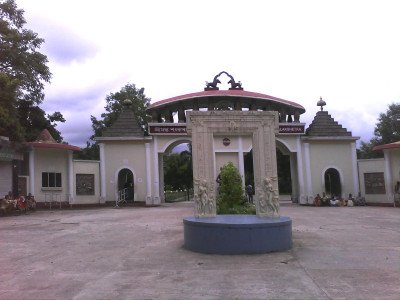
    The Main Entrance Gate and Statue: The massive, aesthetically designed entrance gate, often adorned with traditional Assamese motifs like the Jaapi (a traditional conical hat), is an imposing and iconic starting point for photographs. Just inside, the large statue of Sriman...
    The Main Entrance Gate and Statue: The massive, aesthetically designed entrance gate, often adorned with traditional Assamese motifs like the Jaapi (a traditional conical hat), is an imposing and iconic starting point for photographs. Just inside, the large statue of Srimanta Sankardeva provides a solemn and powerful backdrop, symbolizing the purpose of the institution.

    The Artist's Village Facades: The replica houses in the Artist's Village are a photographer's delight. The unique architecture—especially the stilt houses—made of natural materials like bamboo and wood, set against the backdrop of lush greenery, offers authentic, rustic, and colorful photo opportunities. Capturing the details of the carvings, the traditional implements, and the overall village scene is highly recommended. Morning and late afternoon light is best here.

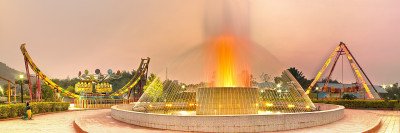
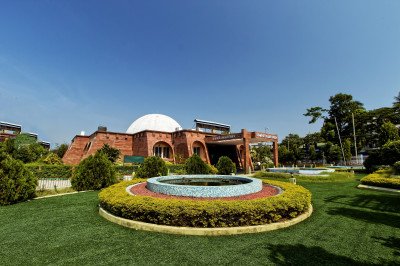
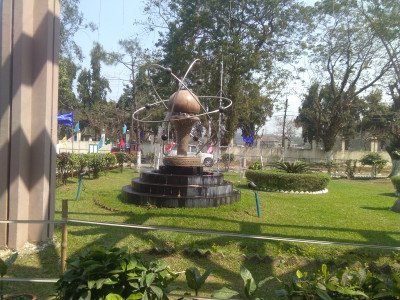
    The Scenic Gardens and Water Bodies: The landscaped gardens, with their well-manicured lawns, fountains, and scattered cultural sculptures, offer beautiful frames. The combination of green nature and traditional art installations allows for creative, wide-angle shots and tranquil portraits. Look for the small, reflective water bodies or ponds within the complex for peaceful, mirrored compositions.

    The Open-Air Theatre During a Performance: If you are lucky enough to visit when a performance is happening, the massive scale of the Open-Air Theatre (Mukta Mancha) and the colorful costumes and dynamic movement of the dancers provide unparalleled photo opportunities. The vibrant energy and the cultural richness of events like Bihu can be captured in lively, high-impact photos.

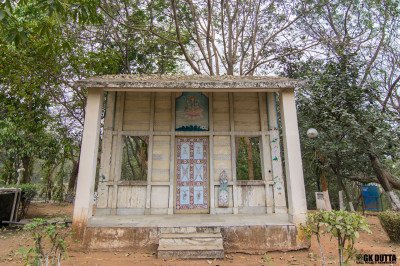
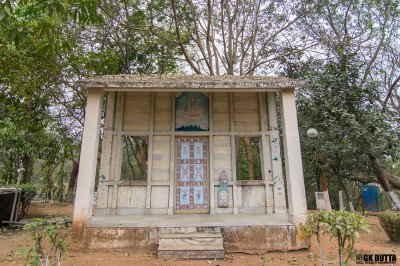
    The Interior of the Kirtan Ghar: The Kirtan Ghar is modeled after a traditional prayer hall and provides a glimpse into the spiritual architecture of Assam. Inside, the dim lighting, the central altar (Singhasan), and the detailed woodwork offer opportunities for dramatic and atmospheric shots, emphasizing tradition and reverence.

    (Note: Always check rules for photography inside religious/cultural structures. )

Photo Gallery

...
Darjeeling
Queen of Hills • Tea Gardens
...
Darjeeling
Queen of Hills • Tea Gardens
...
Darjeeling
Queen of Hills • Tea Gardens
...
Darjeeling
Queen of Hills • Tea Gardens
...
Darjeeling
Queen of Hills • Tea Gardens

Things To Do

  • ...
    Explore the Central Museum's Collections: The Central Museum is the heart of the complex. Spend a good amount of time here exploring the diverse exhibits. Focus on the sections displaying traditional attire of different ethnic groups like the Bodo, Mising, Karbi, and Tiwa. Look for the traditional tools, weaponry (like the Dao), and household items used historically. The museum provides excellent context on the social, economic, and cultural life of Assam.

    Witness Art at the Lalit-Kala Bhavan: The art gallery, Lalit-Kala Bhavan, showcases a beautiful range of visual arts, including paintings, sculptures, and handicrafts, from both contemporary local artists and traditional forms. Pay attention to the use of natural dyes and materials in traditional paintings and the detailed craftsmanship in the sculptures, which often depic...
    Explore the Central Museum's Collections: The Central Museum is the heart of the complex. Spend a good amount of time here exploring the diverse exhibits. Focus on the sections displaying traditional attire of different ethnic groups like the Bodo, Mising, Karbi, and Tiwa. Look for the traditional tools, weaponry (like the Dao), and household items used historically. The museum provides excellent context on the social, economic, and cultural life of Assam.

    Witness Art at the Lalit-Kala Bhavan: The art gallery, Lalit-Kala Bhavan, showcases a beautiful range of visual arts, including paintings, sculptures, and handicrafts, from both contemporary local artists and traditional forms. Pay attention to the use of natural dyes and materials in traditional paintings and the detailed craftsmanship in the sculptures, which often depict scenes from Sankardeva's life or local folklore.

    Stroll Through the Artist's Village: Take a leisurely walk through the Artist's Village (Shilpgram). Observe the construction of the traditional Assamese houses. This is a great opportunity for photography and to understand the architectural adaptation to the local environment. If possible, interact with any artisans who might be demonstrating crafts like weaving, pottery, or bamboo work, and perhaps purchase authentic handmade souvenirs directly from them.

    Relax in the Heritage Park and Gardens: The Kalakshetra is set amidst beautifully maintained lawns and gardens. Take time to relax, especially during the cooler hours of the day. The landscaping includes statues and installations that depict Assamese cultural themes and folklore. There are also designated children's park areas, making it family-friendly.

    Attend a Performance at the Open-Air Theatre: Check the schedule for any cultural events, plays, or performances happening at the massive Open-Air Theatre (also known as the Mukta Mancha). Attending a live Bihu dance, a folk music concert, or a Bhaona (traditional theatrical performance) provides a vibrant, unforgettable cultural experience that brings the museum artifacts to life. These events are especially common during festival seasons like Bohag Bihu (April).

    View the Sound and Light Show: The complex hosts a regular Sound and Light Show in the evening, detailing the life and contributions of Srimanta Sankardeva and the cultural history of Assam. This is a highly recommended activity to cap off your visit, offering an engaging narrative experience. Show timings vary by season, so check in advance.

    Visit the Bhupen Hazarika Museum: Make sure to visit the dedicated museum for Dr. Bhupen Hazarika. It's a journey through the life of a cultural legend, filled with memorabilia that showcases his contribution to the global music scene while remaining deeply rooted in Assamese traditions.

    Shopping for Authentic Assamese Crafts: The complex houses emporiums and curio shops that sell authentic Assamese handicrafts, silk products (like Muga and Pat silk), traditional jewelry, bamboo and cane products, and the Gamusa (a traditional Assamese towel/scarf). This is an excellent place to buy high-quality, authentic souvenirs and support local artisans.

Resturants

Show All

Information

  • ...

    Why Famous:

    Largest Cultural Hub in Northeast India: The primary reason for its fame is its status as the largest and most comprehensive cultural complex in the entire Northeast Indian region. It acts as a single-window platform showcasing the cultural diversity, history, and artistic ...
    Largest Cultural Hub in Northeast India: The primary reason for its fame is its status as the largest and most comprehensive cultural complex in the entire Northeast Indian region. It acts as a single-window platform showcasing the cultural diversity, history, and artistic excellence of all the ethnic communities of Assam and the neighboring states. This unique and massive collection under one roof is unparalleled.

    Tribute to Srimanta Sankardeva: It is named after Srimanta Sankardeva, a figure comparable to Shakespeare or Martin Luther in the Assamese context, and is a vital center for Neo-Vaishnavite culture and philosophy. It preserves the memory and teachings of the reformer who unified Assamese society through art forms like Bhaona (theatrical performance) and Borgeet (devotional songs).

    Preservation of Assamese Heritage: The Kalakshetra is renowned for its active role in the preservation of endangered traditional art forms, crafts, and historical artifacts. The Central Museum's collection of rare textiles, ancient manuscripts, and ethnic articles makes it a significant repository of Assamese history, attracting historians, researchers, and cultural enthusiasts from across the globe. Its commitment to hosting and promoting traditional performances further solidifies its reputation as a guardian of regional culture.
  • ...

    Architecture:

    A Blend of Traditional and Modern Design: The architecture of the Srimanta Sankaradeva Kalakshetra is a fascinating blend of traditional Assamese architectural styles and modern structural design. The complex is spread over a vast area (sources indicate a very large campus ...
    A Blend of Traditional and Modern Design: The architecture of the Srimanta Sankaradeva Kalakshetra is a fascinating blend of traditional Assamese architectural styles and modern structural design. The complex is spread over a vast area (sources indicate a very large campus but exact dimensions in acres are variable, it is often described as one of the largest cultural complexes in Northeast India), designed to accommodate multiple thematic buildings and open spaces. The core concept is to recreate the spiritual and cultural environment associated with Srimanta Sankardeva's philosophy. Traditional Assamese Elements (Assamese Namghar Style): Many of the buildings, particularly the central Kirtan Ghar (a place for devotional singing), draw inspiration from the traditional Assamese prayer house, the Namghar. These structures often feature a wooden, stilt-supported framework with sloping roofs, reflecting the indigenous building techniques adapted to the region's climate. The Artist's Village is the best example of this, featuring authentic Chang Ghars (stilt houses) and traditional thatched huts, showcasing the distinct architectural patterns of various tribal and non-tribal communities like the Bodo and Mising.

    Open-Air Theatre and Exhibition Halls: The main Open-Air Theatre is a massive structure designed to accommodate thousands of spectators, with modern acoustics and seating arrangements. Its design is functional yet aesthetically integrated into the natural landscape. The various Bhavans (Museum, Art Gallery, Library) are housed in modern buildings that use durable materials like concrete but incorporate traditional motifs and carvings, particularly in the façade and entrance, to honor the regional aesthetic. The overall layout is spacious, with careful attention paid to integrating the built environment with the surrounding greenery, making it a peaceful and visually appealing space.
  • ...

    How To Reach:

    By Air (For Out-of-State/International Visitors): The nearest airport is the Lokpriya Gopinath Bordoloi International Airport (GAU), located approximately 35 to 40 KMS from the Kalakshetra. Upon arrival, you can easily hire a pre-paid taxi, an airport taxi, or use ride-shar...
    By Air (For Out-of-State/International Visitors): The nearest airport is the Lokpriya Gopinath Bordoloi International Airport (GAU), located approximately 35 to 40 KMS from the Kalakshetra. Upon arrival, you can easily hire a pre-paid taxi, an airport taxi, or use ride-sharing services like Uber or Ola directly to the Kalakshetra in Panjabari. The journey takes about 1 to 1. 5 hours, depending on traffic. This is the fastest and most convenient method for travelers arriving from other parts of India or abroad.

    By Train (For Long-Distance Travelers): The main railway station is Guwahati Railway Station (GHY), which is located in the heart of the city, approximately 11 to 12 KMS from the Kalakshetra. Guwahati is well-connected to all major cities across India via a robust rail network. From the station, you can easily find taxis, auto-rickshaws, or local city buses heading towards the Panjabari area. The journey time from the station to the complex is about 25 to 40 minutes, depending on traffic congestion in the city center.

    By Road (Inter-State and Local Driving): Guwahati is well-connected by National Highways, including NH27 and NH17, which link it to other states in the Northeast and mainland India. The Kalakshetra itself is easily accessible by road, situated on Panjabari Road. If driving from within Guwahati, the route is straightforward, often taking 20 to 30 minutes from the main city areas. Bus services from nearby cities like Shillong or Tezpur often stop at the Inter-State Bus Terminus (ISBT), from where you would need to take a local taxi or bus to the final destination (ISBT is about 13-15 KMS away).

    By Local Transport (Within Guwahati): The most common local transport options are Auto-Rickshaws, Cycle-Rickshaws (for short distances), and ride-sharing services (e. g. , Uber/Ola). Auto-rickshaws are readily available and can take you directly to the gate, but it is advised to settle on a fare before starting the journey or ensure the meter is used. City Buses also ply routes that go near Panjabari, offering the most economical way to travel, though they can be crowded. For ease and comfort, a hired taxi or ride-share is the best option for tourists.
  • ...

    Weather and Best Time to Visit:

    The Peak Season:

    Winter (October to March): This is undoubtedly the best time to visit Guwahati and the Kalakshetra. The weather is cool, pleasant, and dry, with daytime temperatures ranging from 10°C to 25°C. This weather is ideal for le...
    The Peak Season:

    Winter (October to March): This is undoubtedly the best time to visit Guwahati and the Kalakshetra. The weather is cool, pleasant, and dry, with daytime temperatures ranging from 10°C to 25°C. This weather is ideal for leisurely exploring the vast outdoor grounds, the Artist's Village, and the gardens without the discomfort of heat or rain. The maximum number of cultural festivals, exhibitions, and outdoor performances, including the major Bihu celebrations in April, fall within or around this peak tourist period. October, November, and February are particularly perfect months.

    The Moderate Season:

    Summer (April to June): This period is characterized by hot and humid conditions, with temperatures often soaring above 30°C before the monsoon arrives. While all indoor museums are accessible, outdoor activities can be challenging during the peak hours of the day (11 AM to 4 PM). If visiting during this time, it is best to plan your visit for the early morning or late afternoon and evening to enjoy the open spaces and the Sound and Light Show.

    The Low Season:

    Monsoon (July to September): The monsoon brings heavy rainfall to Assam. While the rain makes the surrounding hills and gardens lush green and beautiful, it can restrict movement within the complex, particularly in the outdoor areas like the Artist's Village. Crowds are thinner, which can be a plus for some visitors. Indoor museums, the library, and the Lalit-Kala Bhavan are fully accessible. If you choose this time, be prepared with rain gear and flexible timing to accommodate sudden downpours.
  • ...

    Near Tourist Places:

    1.

    Assam State Zoo cum Botanical Garden: Approx. 6-7 KMS 2.

    Regional Science Centre: Approx. 7-8 KMS 3.

    Basistha Ashram Temple: Approx. 7-8 KMS 4.

    ISKCON Temple Guwahati: Approx. 8-9 KMS 5.

    Tirupati Balaji Temple (Guwahati): Approx. 9-10 KMS 6.

    Guwahati Planetarium: Approx. 11-12 KMS 7.

    Assam State Museum: Approx. 12-13 KMS 8.

    Dighalipukhuri Park/Lake: Approx. 12-13 KMS 9.

    Umananda Temple (Peacock Island): Approx. 13-14 KMS (requires ferry ride) 10.

    Kamakhya Temple (Nilachal Hill): Approx. 18-20 KMS

Tourism Tips

  • ...
    Health & Safety and Well-being:

    • Hydration: Especially during summer and the transition seasons, carry a water bottle to stay hydrated while exploring the large complex grounds.

    • Footwear: Wear comforta...
    Health & Safety and Well-being:

    • Hydration: Especially during summer and the transition seasons, carry a water bottle to stay hydrated while exploring the large complex grounds.

    • Footwear: Wear comfortable walking shoes as you will be covering a significant distance between the various Bhavans and the outdoor areas.

    • Insect Repellent: Given the lush, green, and semi-forested setting, it is advisable to carry and use mosquito/insect repellent, especially if planning to stay until the evening for the Sound and Light Show.

    • Photography Rules: Pay attention to the signs; photography may be restricted or chargeable in certain museum areas. Respect these rules.

    Packing Essentials:

    • Appropriate Attire: While there is no strict dress code, modest clothing is always respectful when visiting cultural centers. Light cotton clothes are best for summer, and light to medium woolens for the winter months (December to February).

    • Rain Gear: If visiting during the monsoon (June to September), a sturdy umbrella and raincoat are absolute necessities.

    • Camera/Phone: Don't forget your camera for the beautiful architecture and scenic spots, but be prepared to pay the camera fee.

    Accommodation and Stay:

    • Proximity: The Kalakshetra is located in the Panjabari area, which is slightly away from the main commercial hub of Paltan Bazaar, but many good hotels and homestays are available in the nearby areas like Beltola, Khanapara, and G. S. Road.

    • Variety: Guwahati offers a wide range of accommodation, from luxury hotels to budget-friendly guesthouses. Booking in advance, especially during the peak winter season or major festivals like Bihu, is highly recommended.

    Other Important Tips:

    • Plan for the Day: Since the complex is vast, look at a map upon entering and prioritize the sections you wish to see (e. g. , Central Museum, Artist's Village, Sound & Light Show).

    • Check Show Timings: If you want to attend the Sound and Light Show or any other cultural performance, check the timings immediately after purchasing your entry ticket and plan the rest of your visit around it.

    • Food: There are eateries and small canteens within the complex offering snacks and local Assamese cuisine. Note that the Kalakshetra is a strictly vegetarian campus, and outside food/drinks may not be allowed.

Reviews

FAQs

Guwahati Itineray And Cost:-

Information about New and Updated Locations() of Assam Has Been Added :-
Card subtitle

Note:-

Information provided here in good Faith and for reference only.

All information and pictures will be updated soon, please keep visiting.

Near Places
...
Accoland

Some quick example text to build on the card title and make up the bulk of the card's content.

Go somewhere
...
Assam State Museum

Some quick example text to build on the card title and make up the bulk of the card's content.

Go somewhere
...
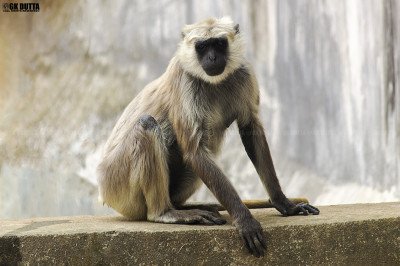
Assam State Zoo cum Botanical Garden

Some quick example text to build on the card title and make up the bulk of the card's content.

Go somewhere
...
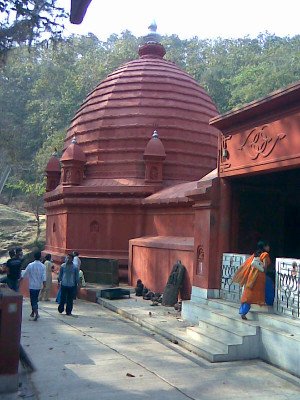
Basistha Temple & Ashram

Some quick example text to build on the card title and make up the bulk of the card's content.

Go somewhere
...
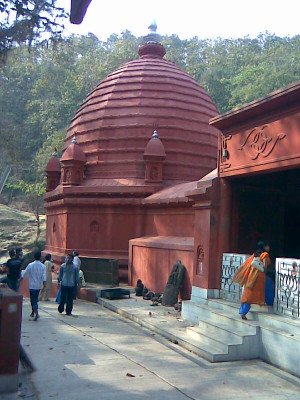
Basistha Temple

Some quick example text to build on the card title and make up the bulk of the card's content.

Go somewhere
...
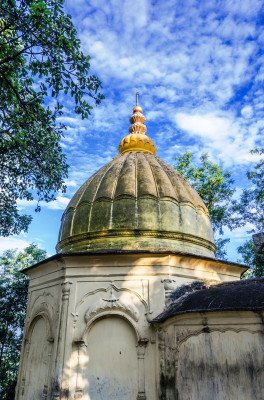
Bhubaneswari Temple

Some quick example text to build on the card title and make up the bulk of the card's content.

Go somewhere
...
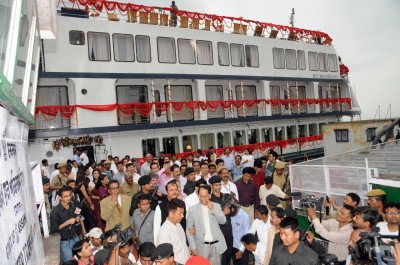
Brahmaputra River Cruise

Some quick example text to build on the card title and make up the bulk of the card's content.

Go somewhere
...
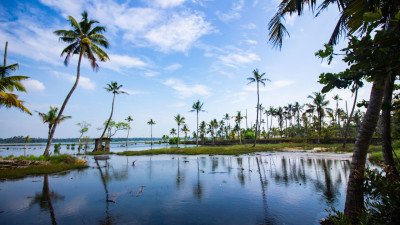
Chandubi Lake

Some quick example text to build on the card title and make up the bulk of the card's content.

Go somewhere
...
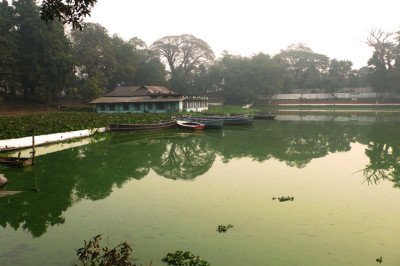
Dighali Pukhuri

Some quick example text to build on the card title and make up the bulk of the card's content.

Go somewhere

...
Dipor Bil

Some quick example text to build on the card title and make up the bulk of the card's content.

Go somewhere
in Other Cities