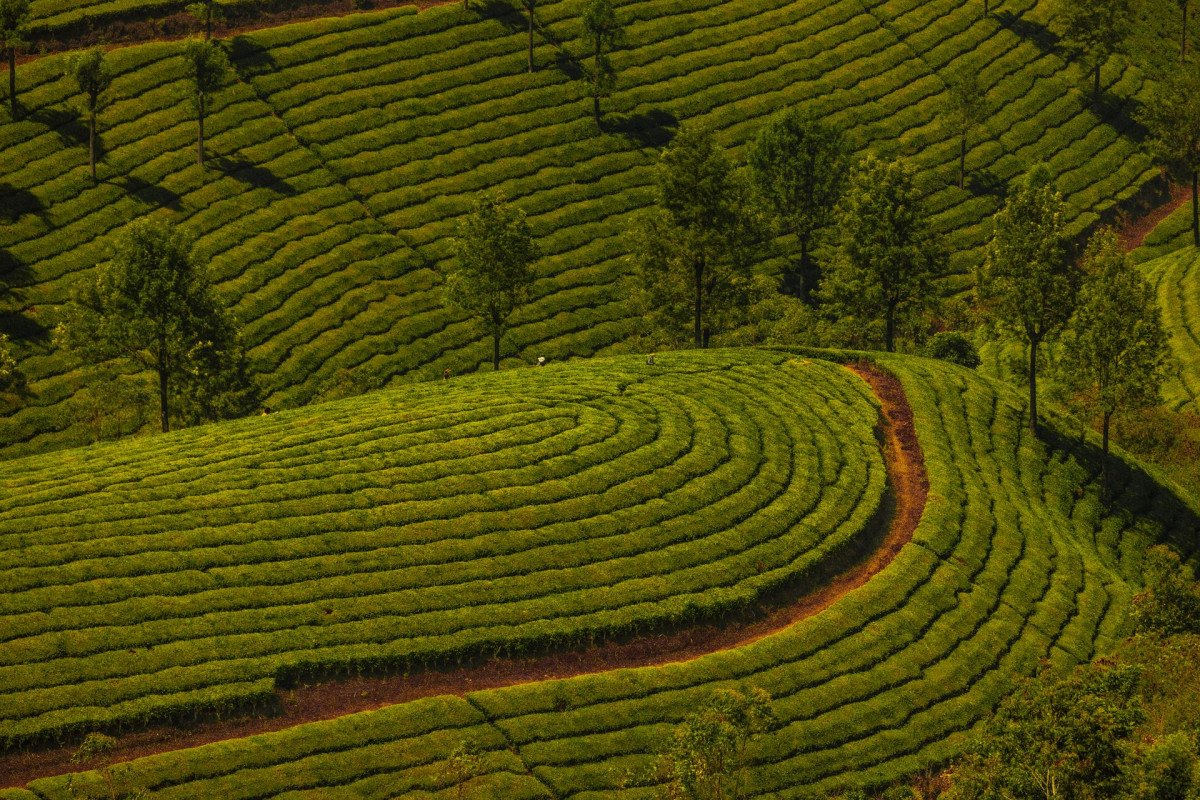
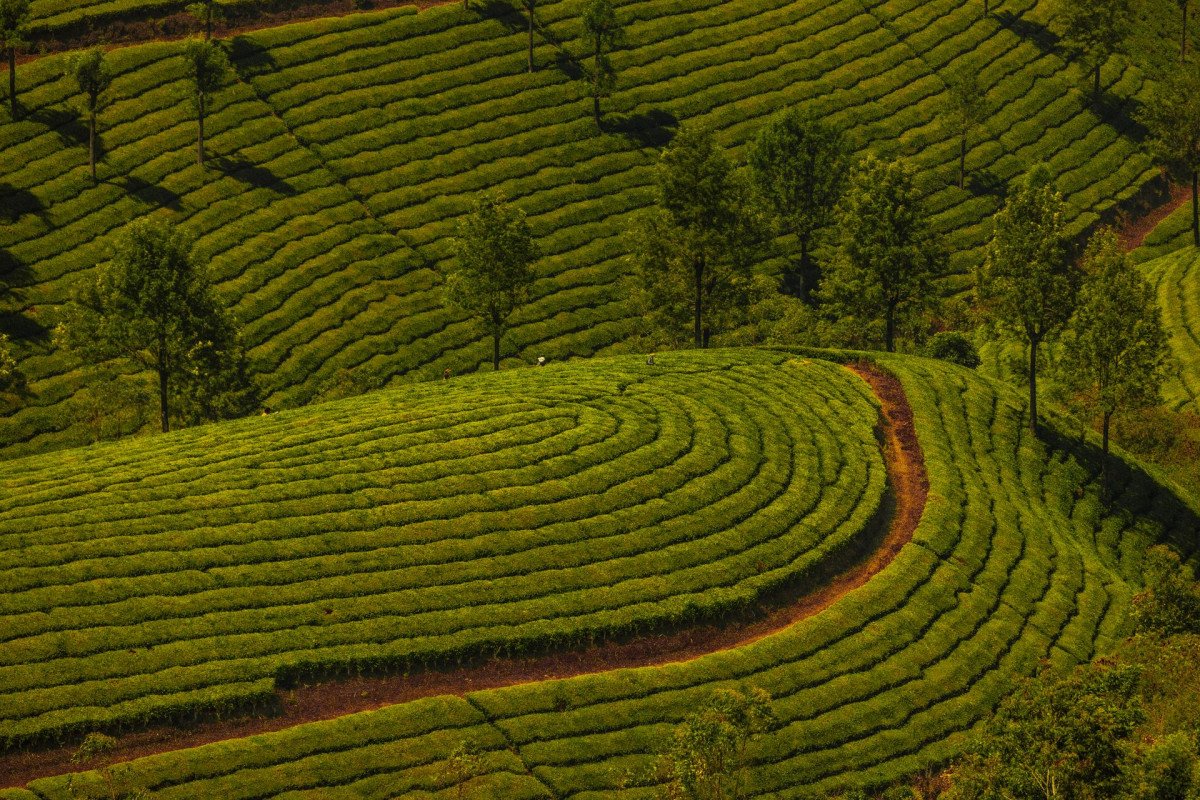
Makaibari Tea Estate
General information
-
Ideal Duration:
3 to 4 Hours (Full Tour/Tasting):Place Type:
Tea Tourism/Agricultural Heritage/Eco-Tourism:Entry Fees:
Mandatory Guided Tour Fee: A fixed, non-negotiable fee is charged for the factory and estate tour, which is mandatory for all visitors. This fee includes the services of a certified guide and the tea tasting session at the end. It ensures a managed, educational experience....Mandatory Guided Tour Fee: A fixed, non-negotiable fee is charged for the factory and estate tour, which is mandatory for all visitors. This fee includes the services of a certified guide and the tea tasting session at the end. It ensures a managed, educational experience.
Photography and Videography Fees: While simple phone photography is usually included, any commercial-grade photography, use of high-end equipment, or videography may require a special, high-value permit fee. Always clarify the policy before using professional gear.
Homestay Package Fee: The homestay experience is offered as an all-inclusive package fee that covers accommodation, meals (authentic local cuisine), and a guided introduction to the village and estate life. This fee must be booked and paid for in advance.Timing:
Regular Timings: The factory tour and viewing hours are generally from 9:30 AM to 4:30 PM. The estate and homestay area are open 24 hours for residents, but tourism activities are strictly limited to daytime.
Ideal Visit Time: The optimal t...Regular Timings: The factory tour and viewing hours are generally from 9:30 AM to 4:30 PM. The estate and homestay area are open 24 hours for residents, but tourism activities are strictly limited to daytime.
Ideal Visit Time: The optimal time for a visit is the morning, between 10:00 AM and 1:00 PM. This is usually when the tea processing machinery is running (especially during peak season), providing the most active and informative factory tour experience.Special Events:
The First Flush Festival (March/April): Every year, the first week of harvesting the new, delicate tea leaves in spring (March or April) is marked by a small, spontaneous "First Flush" celebration. This event is not a formalized festival but a spontaneous cultural burst of ...The First Flush Festival (March/April): Every year, the first week of harvesting the new, delicate tea leaves in spring (March or April) is marked by a small, spontaneous "First Flush" celebration. This event is not a formalized festival but a spontaneous cultural burst of joy. The workers celebrate the first pluck of the high-quality leaves with traditional music, drumming, and dancing. Visitors staying in the homestays may be invited to join the cultural events and partake in the first tasting of the year's most premium harvest.Best Photo Spots:
The Factory Chimney and Slopes: The classic composition is taken from a mid-slope position, framing the old, historic factory building with its distinct chimney, set against the backdrop of the undulating tea slopes and the mountain sky.
The Clo...The Factory Chimney and Slopes: The classic composition is taken from a mid-slope position, framing the old, historic factory building with its distinct chimney, set against the backdrop of the undulating tea slopes and the mountain sky.
The Close-up of the Tea Plucker: A respectful portrait or candid shot of a tea picker with their basket, capturing their hands expertly plucking the leaves, provides a powerful human element to the landscape photography. Always ask permission first.
The Wooden Signpost and Misty Road: The estate's main wooden signpost, often covered in moss, makes for an evocative picture. Frame it with the misty road leading into the tea bushes, symbolizing the entrance into the historic plantation.Photo Gallery
Things To Do
-
Take the Guided Factory Tour: This is essential. Join the official tour to witness the entire process of tea production, from the moment the tea leaf arrives to the final packaging.
Learn about the four stages: withering, rolling, fermentation (oxidation), and drying. The delicate art of the Darjeeling 'second flush' is explained in detail.
Participate in an Authentic Tea Tasting Session: After the tour, take part in a formal tea tasting. Sample the different varieties produced by the estate, such as the famous Silver Tips, First Flush, and Muscatel second flush. Learn to distinguish the subtle flavor and aroma profiles of each brew.
Walk the Tea Slopes with Tea Pickers: Walk through the steep, rolling slopes and observe the tea pickers at work (seasonal, usu...Take the Guided Factory Tour: This is essential. Join the official tour to witness the entire process of tea production, from the moment the tea leaf arrives to the final packaging.
Learn about the four stages: withering, rolling, fermentation (oxidation), and drying. The delicate art of the Darjeeling 'second flush' is explained in detail.
Participate in an Authentic Tea Tasting Session: After the tour, take part in a formal tea tasting. Sample the different varieties produced by the estate, such as the famous Silver Tips, First Flush, and Muscatel second flush. Learn to distinguish the subtle flavor and aroma profiles of each brew.
Walk the Tea Slopes with Tea Pickers: Walk through the steep, rolling slopes and observe the tea pickers at work (seasonal, usually from March to November). If permitted, you might even try your hand at plucking the "two leaves and a bud," the traditional method used for quality Darjeeling tea.
Experience the Village Homestay: If time permits, book an overnight stay with one of the families in the estate's villages. This is the ultimate cultural immersion, sharing meals and daily life with the workers who manage the tea, offering insights into local Nepali culture.
Visit the Estate Nursery: Explore the tea plant nursery where new seedlings are raised. This area, often quiet and protected, demonstrates the initial and most vital stage of the tea plantation's life cycle and is key to long-term sustainability.
Buy Fresh, Organic Tea at the Outlet: Purchase the famous Makaibari tea directly from the estate's retail outlet. The prices may be premium, but the quality, freshness, and direct sourcing are guaranteed, providing the best value.
Learn about Biodynamic Farming: Spend time with the estate's guides to understand the principles of biodynamic farming, including the use of compost preparations and the correlation between planting cycles and the phases of the moon. This knowledge is a huge takeaway for visitors interested in sustainability.
Restaurants
● 33 Dream Cafe
Address: Near Railway Station, Kurseong
Distance: 4.0 KM
Details: 33 Dream Cafe is a quaint and artistic cafe that focuses on creating a cozy environment for its guests. It is known for its personalized service and a...
Food List: Dreamy Pancakes', 'Spicy Momos', 'Grilled Sandwich...
● Amarjeet Hotel Restaurant
Address: Hill Cart Road, Kurseong
Distance: 4.1 KM
Details: Amarjeet Hotel Restaurant is a classic, long-standing establishment in Kurseong that serves hearty Indian and Punjabi cuisine. It is highly regarded f...
Food List: Butter Chicken', 'Garlic Naan', 'Dal Tadka', 'Pane...
● Cafe Kurseong Diaries
Address: Amarjeet Hotel, Kurseong
Distance: 4.1 KM
Details: Cafe Kurseong Diaries is a vibrant, multi-level cafe and restaurant that has become a hub for the local youth and tourists alike. Located on the 4th f...
Food List: Pizza', 'Cafe Latte', 'Pasta Carbonara', 'Chicken ...
● Chia Verandah
Address: Makaibari Tea Estate, Kurseong
Distance: 0.5 KM
Details: Chia Verandah is a world-class restaurant located within the prestigious Makaibari Tea Estate. It offers an exceptional dining experience with sprawli...
Food List: Tea-Infused Chicken', 'Organic Veg Platter', 'Fres...
● Margaret's Deck
Address: Hill Cart Road, Kurseong
Distance: 8.2 KM
Details: Margaret's Deck is a stunning tea lounge and restaurant situated on the slopes overlooking the Margaret's Hope tea garden. It is famous for being one ...
Food List: Darjeeling Tea', 'Scones', 'Clotted Cream', 'Fruit...
Show AllInformation
-
Why Famous:
World-Renowned Organic Pioneer: Makaibari is globally famous as a pioneer in organic and biodynamic tea cultivation since the 1970s. Its commitment to ecological harmony, using natural cycles rather than chemicals, sets it apart in the commercial tea world and draws interna...World-Renowned Organic Pioneer: Makaibari is globally famous as a pioneer in organic and biodynamic tea cultivation since the 1970s. Its commitment to ecological harmony, using natural cycles rather than chemicals, sets it apart in the commercial tea world and draws international buyers and environmentalists.
The Signature Silver Tips Tea: The estate produces the famous Silver Tips Imperial tea, which has commanded record-breaking prices at international auctions, cementing Makaibari's reputation for producing the highest quality, most exquisite and rare Darjeeling tea in the world.
Authentic Homestay and Cultural Exchange: Unlike other estates that only offer factory tours, Makaibari is famous for its unique village tourism model, where tourists stay with the families of the tea workers, offering an immersive, firsthand experience of the Nepali and local hill culture. -
Architecture:
The Colonial Factory Complex: The centerpiece is the main factory building, which maintains its original colonial-era architecture, often featuring stone foundations, large open windows for natural light and ventilation (crucial for tea processing), and high ceilings. The i...The Colonial Factory Complex: The centerpiece is the main factory building, which maintains its original colonial-era architecture, often featuring stone foundations, large open windows for natural light and ventilation (crucial for tea processing), and high ceilings. The internal layout is functional, designed around the flow of the tea processing stages: withering, rolling, fermenting, drying, and sorting.
The Traditional Manager's Bungalow: The estate is famous for its historical Manager's Bungalow, a grand structure built in the typical hill colonial style with extensive use of dark wood, a central fireplace, wide verandas, and often surrounded by meticulously kept gardens. This building represents the administrative and social center of the estate.
Dimension: The total estate spans over 600 hectares (approx. 1,500 acres), of which about 270 hectares are planted with tea. The main factory building covers an area of roughly 8,000 square feet. The estate is divided into several sections, or divisions, with villages nestled within the plantation area, creating an integrated human and agricultural landscape. -
How To Reach:
By Air: The closest airport is Bagdogra (IXB), approximately 56 KMS away. The taxi ride to Makaibari takes around 2 hours. Since the estate is well-known, most pre-booked taxi drivers will find the main gate easily.
By Train: New Jalpaigur...By Air: The closest airport is Bagdogra (IXB), approximately 56 KMS away. The taxi ride to Makaibari takes around 2 hours. Since the estate is well-known, most pre-booked taxi drivers will find the main gate easily.
By Train: New Jalpaiguri (NJP) railway station, about 61 KMS distant, is the nearest major rail link. A private cab for the 2. 5-hour drive is the best option. You can also take the DHR Toy Train to Kurseong and then hire a local taxi for the final 6 KMS downhill.
By Road: Makaibari is located about 6 KMS from the central Kurseong Clock Tower. It is accessed via a distinct, downhill road that branches off the main highway, following signs. The road is well-marked but can be steep and narrow in sections.
By Local Transport: From Kurseong town, you can hire a private taxi for a dedicated trip. It is generally recommended to book a return trip, as finding a taxi on the spot outside the estate can be difficult. The ride takes about 15-20 minutes. -
Weather and Best Time to Visit:
Peak Harvest Seasons (March/April and October/November): This is the best time for a visit. March/April offers the delicate First Flush, and October/November offers the flavorful Autumn Flush and clear weather. The factory and fields will be most active during these periods.
Read MorePeak Harvest Seasons (March/April and October/November): This is the best time for a visit. March/April offers the delicate First Flush, and October/November offers the flavorful Autumn Flush and clear weather. The factory and fields will be most active during these periods.
Post-Monsoon (September to December): The hills are at their lushest green, the weather is crisp, and visibility is excellent. The estate is beautiful, and the atmosphere is perfect for walking and outdoor activities.
Different Parts of the Day:
Morning: Highly recommended for seeing the factory in full operation (especially during plucking season) and for the clearest lighting for landscape photography of the tea slopes.
Mid-day: Ideal for the tea tasting session and the factory tour, as the light is even and strong.Near Tourist Places:
Ambotia Shiva Temple & Orange Garden: 4 KMS
Dow Hill Eco Park: 7 KMS
DHR Museum (Kurseong): 6 KMS
Netaji Subhas Chandra Bose Museum (Giddapahar): 4 KMS
Giddapahar View Point: 4. 5 KMS
Eagle's Crag (Durpin Dara): 6. 5 KMS
Bokar Monastery: 7 KMS St.
Mary's Hill: 9 KMS
Mahananda Wildlife Sanctuary: 33 KMS
Darjeeling Town Center: 24 KMSTourism Tips
-
Health & safety: Wear sturdy, non-slip shoes, as the tea slopes are steep and can be muddy. If staying overnight, be prepared for basic, rural homestay living, including simpler bathroom facilities. Be careful of insects, especially during the humid summer months. Do not ...Health & safety: Wear sturdy, non-slip shoes, as the tea slopes are steep and can be muddy. If staying overnight, be prepared for basic, rural homestay living, including simpler bathroom facilities. Be careful of insects, especially during the humid summer months. Do not smoke or use open flames inside or near the factory due to fire hazards.
Packing: Bring warm clothing, as the weather in the tea gardens can change quickly. Carry cash, as the estate's outlet may not always accept cards, and homestay payments are typically cash-only. Bring a good camera to capture the stunning, expansive landscape.
Accommodation: Booking a homestay within the Makaibari estate is the definitive experience. Alternatively, staying in a hotel in Kurseong town provides easy access for a day trip to the estate.
Other Important Tips: Respect the privacy and daily routines of the homestay families and the workers. Always ask permission before taking close-up pictures of people. Do not attempt to pluck tea leaves unless invited to do so by a guide.
Reviews
FAQs
Ans:- Makaibari Tea Estate is world-renowned for being one of the oldest tea estates in India and a pioneer in organic, biodynamic farming. It was the first tea estate to be certified for organic farming in India. The estate is unique because it integrates human habitation within the tea plantation, functioning as a sustainable village ecosystem. Their dedication to biodiversity, forest conservation, and high-quality artisan tea production makes them a benchmark for ethical and sustainable tea farming globally.Ans:- Yes, tourists can visit Makaibari, but it is highly recommended to plan your visit in advance. The estate offers guided tours where visitors can learn about the biodynamic tea production process, from plucking the tea leaves to the sophisticated manufacturing stages. These tours are an educational experience that provides insight into how premium organic tea is made. It is best to contact the estate management or a local tour operator to confirm availability and book your visit beforehand.Ans:- Yes, Makaibari is famous for its unique 'homestay' concept, which allows guests to stay with local families within the estate. This provides a genuine cultural immersion, where visitors can experience the day-to-day life of the tea garden workers, enjoy authentic local food, and understand the deep connection between the people and the land. It is a highly sought-after experience for those looking for an eco-friendly and socially responsible way to travel in the hills.Ans:- Makaibari is famous for its high-quality black, green, and white teas. It is particularly known for its 'Silver Tips Imperial,' which is considered one of the most expensive and exclusive teas in the world. The biodynamic method of farming, which follows lunar cycles and focuses on the health of the entire ecosystem, imparts a distinct, refined flavor profile to their teas, which are highly prized by tea connoisseurs across the globe for their complexity and character.Ans:- Yes, during the active harvesting season, visitors can often participate in the tea-plucking process under the guidance of experienced workers. It is a great way to understand the labor-intensive nature of the industry and appreciate the skill required to select only the finest leaves for production. This hands-on experience is a major highlight for many tourists, as it connects them directly to the source of their morning cup of tea.Ans:- The best time to visit Makaibari is from March to November, which covers the primary harvesting seasons. Spring (March/April) is particularly lovely for the 'first flush' harvest, which produces some of the most delicate and flavorful teas. Autumn is also a great time, with pleasant temperatures and clear views of the surrounding hills. It is recommended to avoid the peak monsoon months if you prefer dry, easy walking paths for exploring the garden.Ans:- Yes, booking in advance is essential. Makaibari is a working tea estate, and tours are conducted to minimize disruption to the daily operations of the garden and factory. To ensure you have a spot on a guided tour and to make arrangements for a knowledgeable guide, you should contact their official office or authorized travel partners at least a few days to a week before your intended visit, especially during the peak tourist season.Ans:- Yes, children are welcome to visit the estate, and it can be a wonderful educational experience for them to see where tea comes from and learn about nature and sustainability. Parents should ensure that children remain supervised at all times, especially near the tea processing machinery in the factory or on uneven paths in the garden. It is a very family-friendly environment that promotes a love for nature and agriculture.Ans:- Yes, you can purchase authentic Makaibari tea directly from their estate shop. Buying from the source is the best way to ensure you are getting genuine, high-quality organic tea. They offer a range of products, from their signature Silver Tips to everyday blends. The staff can also provide guidance on the different types of tea available, making it a perfect place to buy unique, high-quality gifts for friends and family back home.Ans:- The estate is accessible by car from Kurseong, but the roads leading to the deeper parts of the plantation can be narrow and steep. Most tourists use a local taxi to reach the main office or visitor center. The final part of the journey might involve a short walk through the beautiful tea bushes, which is part of the charm of the visit. Ensure your driver is familiar with the route, as it is tucked away in the hilly landscape.Ans:- Wear comfortable, breathable clothing and sturdy walking shoes, as you will likely be walking on slopes and possibly through the garden paths. Layers are recommended because the temperature can change depending on your movement and the time of day. Since it is a natural, outdoor environment, it is also a good idea to wear sunscreen and a hat, especially on sunny days, to protect yourself while touring the expansive gardens.Ans:- Yes, visitors are expected to follow basic rules to preserve the organic and biodynamic integrity of the garden. This includes not picking leaves unless explicitly allowed, not littering, and maintaining silence in designated areas. You must follow the instructions of your guide regarding where you can go within the factory and the fields. These restrictions are in place to ensure both the safety of the visitors and the quality of the tea production.Ans:- Biodynamic farming at Makaibari treats the entire estate as a living, self-sustaining organism. It involves using natural compost, avoiding all chemical fertilizers and pesticides, and aligning agricultural activities with the cycles of the moon and stars. The goal is to enhance the soil health and the biodiversity of the entire ecosystem, which includes the tea bushes, the shade trees, the local animals, and the humans who work there, resulting in a more resilient and flavorful tea.Ans:- Yes, the guided tour includes a visit to the tea factory, where you can see the traditional machinery used to process the tea leaves. You will learn about the stages of withering, rolling, fermenting, and drying. The smell of fresh tea leaves inside the factory is an unforgettable experience. The tour provides a behind-the-scenes look at the technical skill and tradition that goes into transforming raw leaves into the final product.Ans:- Similar to other areas in the hills, mobile network coverage at Makaibari can be inconsistent. While you may get signal in certain spots, it is not reliable throughout the entire estate. This is often seen as a benefit, allowing visitors to disconnect and fully enjoy the serene, beautiful environment of the tea garden. It is best to have all your travel arrangements and necessary offline information prepared before arriving at the estate.Kurseong Itineray And Cost:-
Makaibari Tea Estate Tourism:-
Information about New and Updated Locations() of West Bengal Has Been Added :-
Card subtitle
Note:-
Information provided here in good Faith and for reference only.
Near Places
Ambootia Tea Estate
Some quick example text to build on the card title and make up the bulk of the card's content.
Go somewhere
Ambotia Shiva Temple & Orange Garden
Some quick example text to build on the card title and make up the bulk of the card's content.
Go somewhere
Bhangzang Salamander Lake
Some quick example text to build on the card title and make up the bulk of the card's content.
Go somewhere
Chimney Heritage Park
Some quick example text to build on the card title and make up the bulk of the card's content.
Go somewhere
Dow Hill Eco Park
Some quick example text to build on the card title and make up the bulk of the card's content.
Go somewhere
Eagle's Crag
Some quick example text to build on the card title and make up the bulk of the card's content.
Go somewhere
Forest Museum
Some quick example text to build on the card title and make up the bulk of the card's content.
Go somewhere
Giddapahar View Point and Temple
Some quick example text to build on the card title and make up the bulk of the card's content.
Go somewhere
Grotto View Point
Some quick example text to build on the card title and make up the bulk of the card's content.
Go somewhere
Hill Cart Road
Some quick example text to build on the card title and make up the bulk of the card's content.
Go somewhere
Kettle Valley Viewpoint
Some quick example text to build on the card title and make up the bulk of the card's content.
Go somewhere
Makaibari Tea Estate
Some quick example text to build on the card title and make up the bulk of the card's content.
Go somewhere
Netaji Subhas Chandra Bose Museum
Some quick example text to build on the card title and make up the bulk of the card's content.
Go somewhere
Sitong Village
Some quick example text to build on the card title and make up the bulk of the card's content.
Go somewhere
St. Andrew s Church, Kurseong
Some quick example text to build on the card title and make up the bulk of the card's content.
Go somewhere
St. Mary s Hill Church
Some quick example text to build on the card title and make up the bulk of the card's content.
Go somewherein Other Cities