Maithan Temple
General information
-
Ideal Duration:
1 to 2 hours (Sufficient for temple visit, prayers, enjoying the view, and a brief exploration of the vicinity).Place Type:
Religious/Spiritual Site, Historical Monument, TouEntry Fees:
No Official Entry Fees (Free Admission):There are no official entry fees to visit the Maithan Temple (Bhairabi Temple). This is common for many religious sites in India where the focus is on pilgrimage and worship, making the spiritual experience accessible to all visitors,...No Official Entry Fees (Free Admission):There are no official entry fees to visit the Maithan Temple (Bhairabi Temple). This is common for many religious sites in India where the focus is on pilgrimage and worship, making the spiritual experience accessible to all visitors, irrespective of their financial capacity. The temple is freely open to all devotees and tourists.
Donations and Offerings Encouraged:While entry is free, visitors are highly encouraged to make donations (bhakti-daan) towards the maintenance of the temple and its daily rituals. Designated donation boxes or counters are usually available. Furthermore, pilgrims will need to purchase materials for offerings (flowers, sweets, prasad, incense sticks, ghee lamps) from the local stalls before entering the main shrine. The cost of these offerings is variable but generally low, and it is a customary part of the temple visit. The revenue generated from these offerings and donations is vital for the temple's upkeep and charitable activities.Timing:
Regular Timings:The temple generally opens early in the morning, around 6:00 AM, and remains open until the evening, around 8:00 PM. These timings are typically consistent throughout the week. The core rituals (puja and aarti) are usually performed during this window. It ...Regular Timings:The temple generally opens early in the morning, around 6:00 AM, and remains open until the evening, around 8:00 PM. These timings are typically consistent throughout the week. The core rituals (puja and aarti) are usually performed during this window. It is important to note that these hours might be extended during major festivals like Durga Puja or Navratri to accommodate the larger influx of devotees.
Ideal Visit Time (Part of the Day):The ideal visit time is the early morning (around 6:00 AM to 9:00 AM) or late afternoon/early evening (around 4:30 PM to 6:30 PM). The early morning offers a tranquil atmosphere, a chance to witness the first aarti in peace, and the cool, comfortable temperature is perfect for climbing the long stairs. The late afternoon is best for catching the beautiful sunset view over the Brahmaputra River and the Kolia Bhomora Setu from the viewpoint behind the temple.Special Events:
Durga Puja and Navratri:The most significant and grandly celebrated special event at Maithan Temple is the annual Durga Puja and the nine-night festival of Navratri. Since the temple is dedicated to Goddess Bhairabi (an aspect of Durga), these festivals hold immense religio...Durga Puja and Navratri:The most significant and grandly celebrated special event at Maithan Temple is the annual Durga Puja and the nine-night festival of Navratri. Since the temple is dedicated to Goddess Bhairabi (an aspect of Durga), these festivals hold immense religious and cultural importance. The temple becomes a vibrant hub of activity, with thousands of devotees congregating to offer prayers and witness the special rituals and ceremonies. Elaborate decorations, devotional music, and traditional Assamese cultural performances mark the occasion, turning the temple complex into a magnificent spectacle of faith and tradition.
Animal Sacrifices (Historical/Ritualistic):Historically and ritually, the temple has been known for sacrificial offerings, which may include goats, ducks, and pigeons, particularly during major festivals like Durga Puja. While the practice is sensitive and its public visibility may vary, it is an intrinsic part of the temple's deep-rooted Shakta tradition and is a noteworthy special event and aspect of its worship custom, attracting a certain section of devotees.Best Photo Spots:
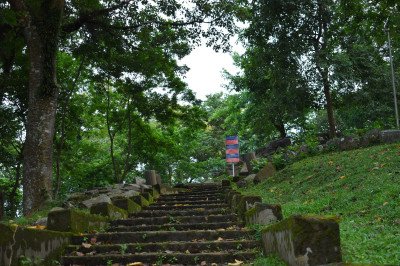
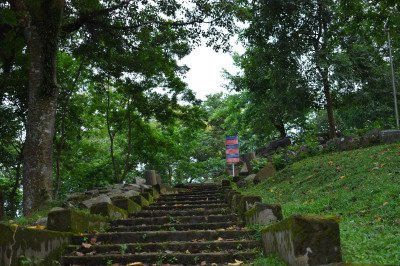
The Long Flight of Stairs:The long, impressive flight of stairs leading up to the main temple complex is an excellent spot for photography. You can capture the entire ascent, symbolizing a spiritual journey, or use the symmetrical lines for a dramatic architectural shot. I...The Long Flight of Stairs:The long, impressive flight of stairs leading up to the main temple complex is an excellent spot for photography. You can capture the entire ascent, symbolizing a spiritual journey, or use the symmetrical lines for a dramatic architectural shot. It's great for capturing human interaction with the monument. Viewpoint of the Brahmaputra and Kolia Bhomora Setu:The elevated area behind the temple, which overlooks the Brahmaputra River and the Kolia Bhomora Setu, is arguably the best photo spot. This provides a breathtaking landscape shot, especially during the golden hours (sunrise or sunset), with the river meandering under the long bridge. It is ideal for panoramic pictures.
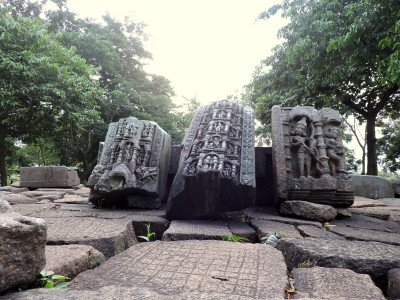
Intricate Stone Carvings:Focus on the ancient, detailed stone carvings and sculpted images (dating back to the 9th century) found on the temple walls and stone remnants. These close-up shots capture the artistic and historical essence of the site, showcasing the skilled craftsmanship of the past. Look for the ornate doorways and carved figures for detailed shots.
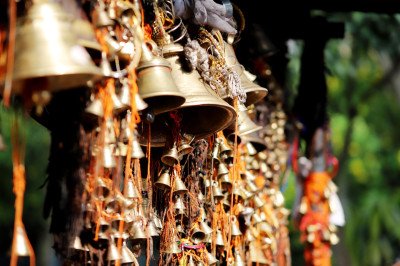
Local Stalls and Offerings:The vibrant and colorful local stalls near the temple entrance, selling flowers, earthen lamps, incense, and sweets for offerings, offer a perfect opportunity for cultural and documentary photography, capturing the lively atmosphere and the devotion of the pilgrims.Photo Gallery
Things To Do
-
Seek Blessings and Offer Prayers:The primary activity is to ascend the long staircase and offer prayers to Goddess Bhairabi (Durga). As a respected Siddha Pitha, devotees visit with deep faith to seek the Goddess's blessings for the fulfillment of their desires. You can purchase offering materials like flowers, sweets, incense, and ghee lamps from the local stalls near the temple entrance.
Witness Daily Rituals and Aarti:Visitors can observe the daily pujas (worship rituals) and aarti (light offering ceremony) performed by the temple priests, especially during the morning and evening hours. These rituals are performed according to traditional Assamese customs and provide an authentic spiritual experience.
Enjoy the Panoramic River View:Take time to appreciate the scenic beauty from the temple's ...Seek Blessings and Offer Prayers:The primary activity is to ascend the long staircase and offer prayers to Goddess Bhairabi (Durga). As a respected Siddha Pitha, devotees visit with deep faith to seek the Goddess's blessings for the fulfillment of their desires. You can purchase offering materials like flowers, sweets, incense, and ghee lamps from the local stalls near the temple entrance.
Witness Daily Rituals and Aarti:Visitors can observe the daily pujas (worship rituals) and aarti (light offering ceremony) performed by the temple priests, especially during the morning and evening hours. These rituals are performed according to traditional Assamese customs and provide an authentic spiritual experience.
Enjoy the Panoramic River View:Take time to appreciate the scenic beauty from the temple's elevated position. The view of the mighty Brahmaputra River and the Kolia Bhomora Setu is spectacular, offering excellent photo opportunities and a tranquil moment of reflection, especially during sunrise or sunset.
Explore Ancient Carvings:Carefully look for the detailed and historically significant 9th-century stone carvings and sculpted images found on the temple stones and around the premises. These artistic remnants are a testament to the region's ancient craftsmanship and cultural legacy.
Visit Local Stalls and Markets:Near the temple, local vendors sell religious paraphernalia, traditional snacks, and sometimes handloom or handicraft items. Interacting with these local stalls gives a taste of the local culture and supports the community. This is also the place to buy materials needed for offerings.
Plan a Visit During Durga Puja or Navratri:If your travel dates permit, plan your visit during the Navratri or Durga Puja festivals. The temple celebrates these events in a very grand and vibrant manner, allowing visitors to witness the region's festive spirit, cultural performances, and traditional rituals in full swing.
Meditate or Reflect in Tranquility:Despite being a popular religious site, the hillock location offers spots for quiet contemplation. The peaceful atmosphere, away from the immediate city bustle, is conducive to meditation and spiritual reflection. Find a quiet corner to absorb the divine energy.
Explore Nearby Bamuni Hills:Combine your visit with a trip to the nearby Bamuni Hills ruins. This site, located just a couple of kilometers away, contains the archaeological remains of a 9th-10th century temple complex, providing a deeper historical context to your spiritual journey in Tezpur.
Take Photographs:Capture the architectural details, the long flight of stairs, the vibrant local stalls, the beautiful natural surroundings, and, most importantly, the stunning views of the Brahmaputra and the bridge.
Information
-
Why Famous:
Association with Banasura's Daughter, Usha:The temple's primary fame stems from its deep connection to Hindu mythology. It is widely believed that Usha, the daughter of the powerful demon King Banasura who ruled Sonitpur (Tezpur), regularly worshipped Goddess Bhairabi (Durg...Association with Banasura's Daughter, Usha:The temple's primary fame stems from its deep connection to Hindu mythology. It is widely believed that Usha, the daughter of the powerful demon King Banasura who ruled Sonitpur (Tezpur), regularly worshipped Goddess Bhairabi (Durga) at this very site. This mythological link gives the temple immense spiritual significance and makes it a revered Siddha Pitha (a place where wishes are fulfilled) and a major Shakti Peeth in Assam for the Shakta sect of Hinduism.
View of Kolia Bhomora Setu:The temple is strategically located on a hillock, offering one of the best vantage points in Tezpur. From the back of the temple complex, visitors are treated to a stunning, panoramic view of the majestic Brahmaputra River and the impressive Kolia Bhomora Setu, a long bridge connecting Sonitpur and Nagaon districts. This picturesque backdrop significantly adds to its popularity among both pilgrims and sightseers, making it a favorite spot for viewing the river and the surrounding landscape. -
Architecture:
Assamese Style Temple Architecture:The architecture of the Maithan Temple primarily reflects the traditional Assamese style. The temple complex is not marked by the towering gopurams (gateways) common in South Indian temples, but rather a more modest, indigenous design. Th...Assamese Style Temple Architecture:The architecture of the Maithan Temple primarily reflects the traditional Assamese style. The temple complex is not marked by the towering gopurams (gateways) common in South Indian temples, but rather a more modest, indigenous design. The central shrine, which is dedicated to Goddess Bhairabi (Durga), is the main focus. The structure’s overall design is a representation of the cultural and artistic heritage of Assam. The temple is typically built with stone, and remnants of intricate carvings and sculpted images are prominent, particularly on the inner walls and doorways. These carvings are of historical importance, with some art work on the stone carvings dating back to the 9th century AD, indicating an older architectural foundation or the use of salvaged materials from previous structures.
Entrance and Dimension Detail:A distinctive feature of the temple is its entrance, which is characterized by a very long staircase leading from the main road up to the temple complex. This ascent adds a sense of pilgrimage and devotion to the visit. While precise overall dimensions (like length and width of the main mandapa or sanctum) are not easily documented for the renovated structure, the scale of the entrance staircase itself is notable. The interior of the temple is adorned with sculpted images that showcase a charmingly old-world, yet captivating, artistic style. Although the temple has been structurally affected by past earthquakes, leading to a slight tilt in some parts, the preserved 9th-century stone carvings remain a highlight, offering a glimpse into the region’s rich artistic past and the craftsmanship of the Pala dynasty era. The overall design emphasizes simplicity, spiritual sanctity, and integration with the hillock setting, overlooking the scenic surroundings. -
How To Reach:
From Place Name:
TezpurBy Air:The nearest domestic airport is Tezpur Airport (Salonibari Airport, IATA: TEZ), located approximately 10 km to 15 km from the city center and the temple. Air India operates flights connecting Tezpur to major cit...From Place Name:
TezpurBy Air:The nearest domestic airport is Tezpur Airport (Salonibari Airport, IATA: TEZ), located approximately 10 km to 15 km from the city center and the temple. Air India operates flights connecting Tezpur to major cities like Kolkata and Guwahati. From the airport, local taxis, auto-rickshaws, or pre-booked cabs can be hired to reach the Maithan Temple. The nearest major international airport is Lokpriya Gopinath Bordoloi International Airport (Guwahati, IATA: GAU), which is about 180 km away. This airport is well-connected to all major Indian cities (Delhi, Mumbai, Bengaluru, Chennai) and a few international destinations. From Guwahati, one can take a bus or hire a taxi for the approximately 4-5 hour road journey to Tezpur and then proceed to the temple.
By Train:Tezpur city itself does not have a major railway station. The nearest convenient railway stations are Dekargaon Railway Station (around 10 km from Tezpur city center) and the nearest major station is Rangapara North Railway Station (RPN), located approximately 30 km away. Rangapara North is better connected with major cities across Assam and the rest of India. Travelers coming from distant cities like Delhi or Kolkata often take a train to Guwahati Railway Station (GHY) or Rangiya Junction (RNY) and then continue their journey to Tezpur by road (bus or taxi) or take a connecting local train to Dekargaon or Rangapara North. From these stations, local taxis or auto-rickshaws are available to reach the temple.
By Road:Tezpur is exceptionally well-connected by road, thanks to national highways, especially NH37. Assam State Transport Corporation (ASTC) and numerous private buses run regularly between Tezpur and major cities/towns in Assam (like Guwahati, Jorhat, Dibrugarh, Silchar, Nagaon) and neighboring states like West Bengal (Siliguri). The road journey from Guwahati to Tezpur takes about 4 to 5 hours. For the Maithan Temple, which is on the outskirts, one can hire a taxi, ride a local bus, or take an auto-rickshaw directly from the Tezpur bus stand or any point in the city.
By Local Transport:Within Tezpur, the most convenient local transport options to reach the Maithan Temple are auto-rickshaws and taxis (cabs). Auto-rickshaws are readily available and can be hired for a direct trip or even for a full-day city tour that includes the temple. Local buses also ply on routes passing near the temple. For a more traditional experience over shorter distances, one can also find cycle rickshaws. Always agree on the fare before starting the journey, especially with auto-rickshaws. -
Weather and Best Time to Visit:
Different Types of Seasons:
Winter Season (October to March): This is the ideal and best time to visit the Maithan Temple and Tezpur overall. The weather is cool, pleasant, and comfortable, with temperatures typically ranging from 10°C to 25...Different Types of Seasons:
Winter Season (October to March): This is the ideal and best time to visit the Maithan Temple and Tezpur overall. The weather is cool, pleasant, and comfortable, with temperatures typically ranging from 10°C to 25°C. The skies are generally clear, which is perfect for sightseeing, climbing the temple stairs, and enjoying the clear view of the Brahmaputra and the Kolia Bhomora Setu. Festivals like Durga Puja (usually October) and Magh Bihu (January) fall during this period, offering a vibrant cultural experience. Avoid the peak summer (hot and humid, March to June) and the monsoon season (heavy rainfall, May to September) which can cause travel disruptions.
Different Parts of the Day:Early Morning (6:00 AM - 9:00 AM) This is the most peaceful time for a visit. The air is fresh, the temperature is cool, and you can witness the morning rituals (puja and aarti) in a serene environment. It’s also the best time for photography as the morning light is soft. Late Afternoon/Evening (4:30 PM - 6:30 PM) Ideal for pilgrims who wish to avoid the day's heat. The main attraction during this time is the spectacular sunset view over the river, which is a memorable sight from the temple viewpoint. -
Near Tourist Places:
1.
Bamuni Hills (Historical Ruins):
Approximately 2 km (from city center: 5 km). 2.
Mahabhairab Temple (Lord Shiva Shrine): Approximately 3 km. 3.
Agnigarh Hill (Historical/Mythological Park): Approximately 6 km. 4.
Da-Parbatia (Ancient Temple Ruins): Approximately 10 km. 5.
Chitralekha Udyan or Cole Park (Public Park): Approximately 5 km. 6.
Hazara Pukhuri (Large Historic Tank): Approximately 6 km. 7.
Ganesh Ghat (Riverbank Spot): Approximately 6 km. 8.
Padum Pukhuri (Lake and Park): Approximately 6 km. 9.
Kolia Bhomora Setu (Bridge Viewpoint): Approximately 7 km (closest viewing distance). 10.
Haleswar Temple (Lord Shiva Temple): Approximately 15 km.
Tourism Tips
-
Health & Safety:
Wear Appropriate Footwear: The temple requires visitors to climb a long flight of stairs to reach the main shrine, so wear comfortable, non-slip footwear.
Carry Water: Even in winter, carry bo...Health & Safety:
Wear Appropriate Footwear: The temple requires visitors to climb a long flight of stairs to reach the main shrine, so wear comfortable, non-slip footwear.
Carry Water: Even in winter, carry bottled water, especially for the climb.
Respect Wildlife: Since the temple is on a hillock and near forested areas, be aware of your surroundings, though incidents are rare. Guard your belongings in crowded areas, especially during festivals.
Packing:
Dress Code: As a religious site, dress modestly. For women, covering the shoulders and knees is advisable. For men, a shirt and trousers are appropriate.
Layers in Winter: If visiting during October to March, pack light to medium woolen clothes, as mornings and evenings can be quite chilly.
Rain Gear: If visiting near the monsoon (even before or after the peak), carry a light raincoat or umbrella.
Accommodation:Tezpur has various accommodation options, ranging from budget-friendly guesthouses to mid-range and boutique hotels. It is best to book in advance, especially if traveling during the peak season (October to March) or major festivals like Durga Puja. Staying closer to the city center offers better access to transport and other amenities.
Other Different Topics:
Photography: Photography is generally permitted in the temple complex and the viewpoint, but it is advised to be respectful and not photograph the inner sanctum (the main deity) if explicitly restricted.
Local Culture: The local language is Assamese, though people in the city and tourist spots often speak and understand Hindi and English. Be polite and respectful to the priests and local customs.
Local Transport: Always negotiate the fare with auto-rickshaw drivers before starting the journey to avoid misunderstandings, as they may not use meters.
Reviews
FAQs
Tezpur Itineray And Cost:-
Information about New and Updated Locations() of Assam Has Been Added :-
Card subtitle
Note:-
Information provided here in good Faith and for reference only.
All information and pictures will be updated soon, please keep visiting.
Near Places
Agnigarh Hill
Some quick example text to build on the card title and make up the bulk of the card's content.
Go somewhere
Agnigarh View Point
Some quick example text to build on the card title and make up the bulk of the card's content.
Go somewhere
Bamuni Hills
Some quick example text to build on the card title and make up the bulk of the card's content.
Go somewhere
Bhairabi Temple
Some quick example text to build on the card title and make up the bulk of the card's content.
Go somewhere
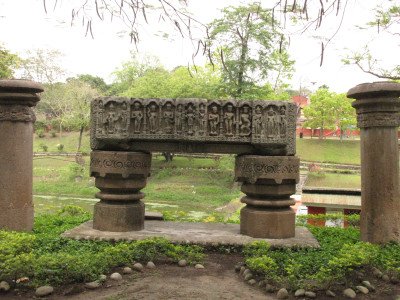
Bharali New Bridge Tezpur Side
Some quick example text to build on the card title and make up the bulk of the card's content.
Go somewhere
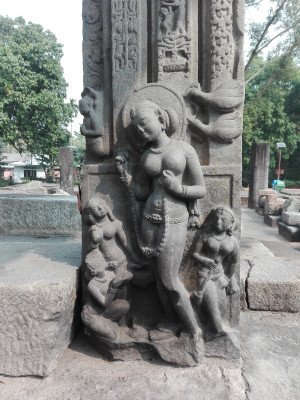
Bhomoraguri Historical Stone
Some quick example text to build on the card title and make up the bulk of the card's content.
Go somewhere
Bura Chapori Wildlife Sanctuary
Some quick example text to build on the card title and make up the bulk of the card's content.
Go somewhereChitralekha Udyan
Some quick example text to build on the card title and make up the bulk of the card's content.
Go somewhere
Da-Parbatia Gate
Some quick example text to build on the card title and make up the bulk of the card's content.
Go somewhere
Da Parbatia
Some quick example text to build on the card title and make up the bulk of the card's content.
Go somewherein Other Cities
