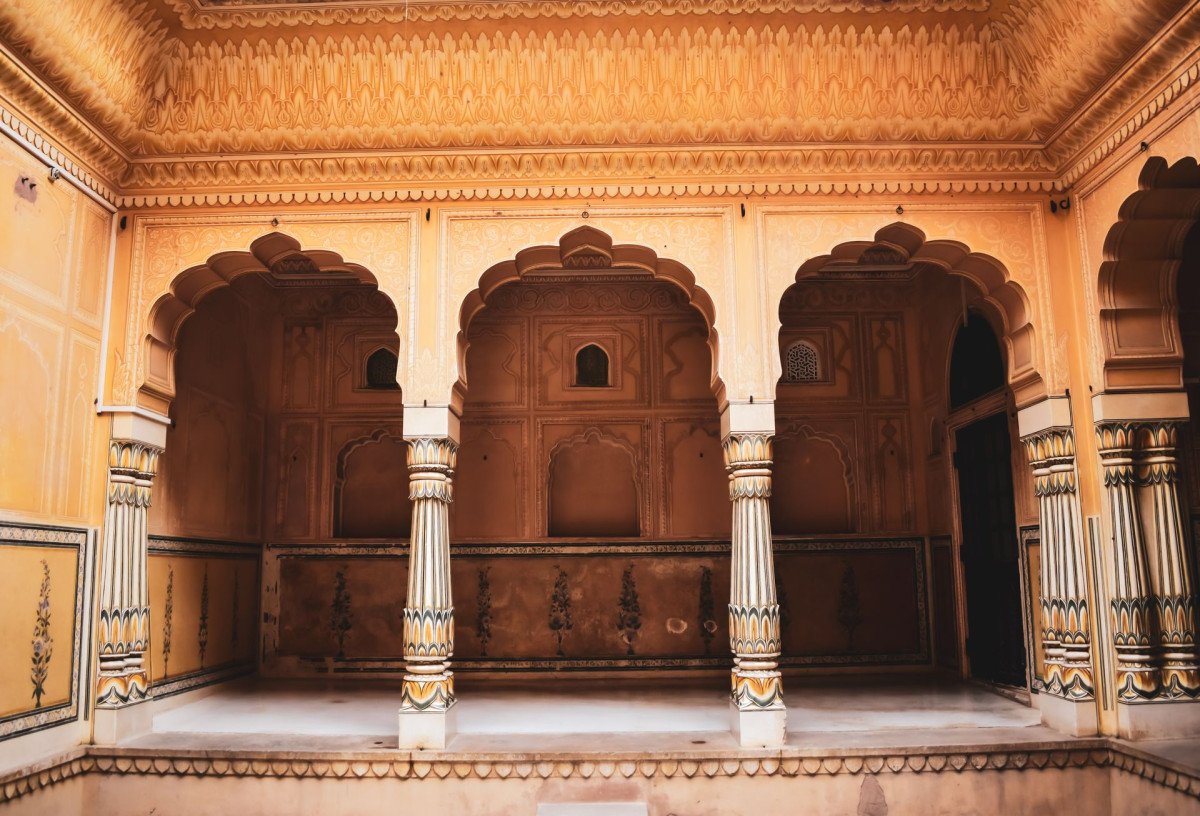
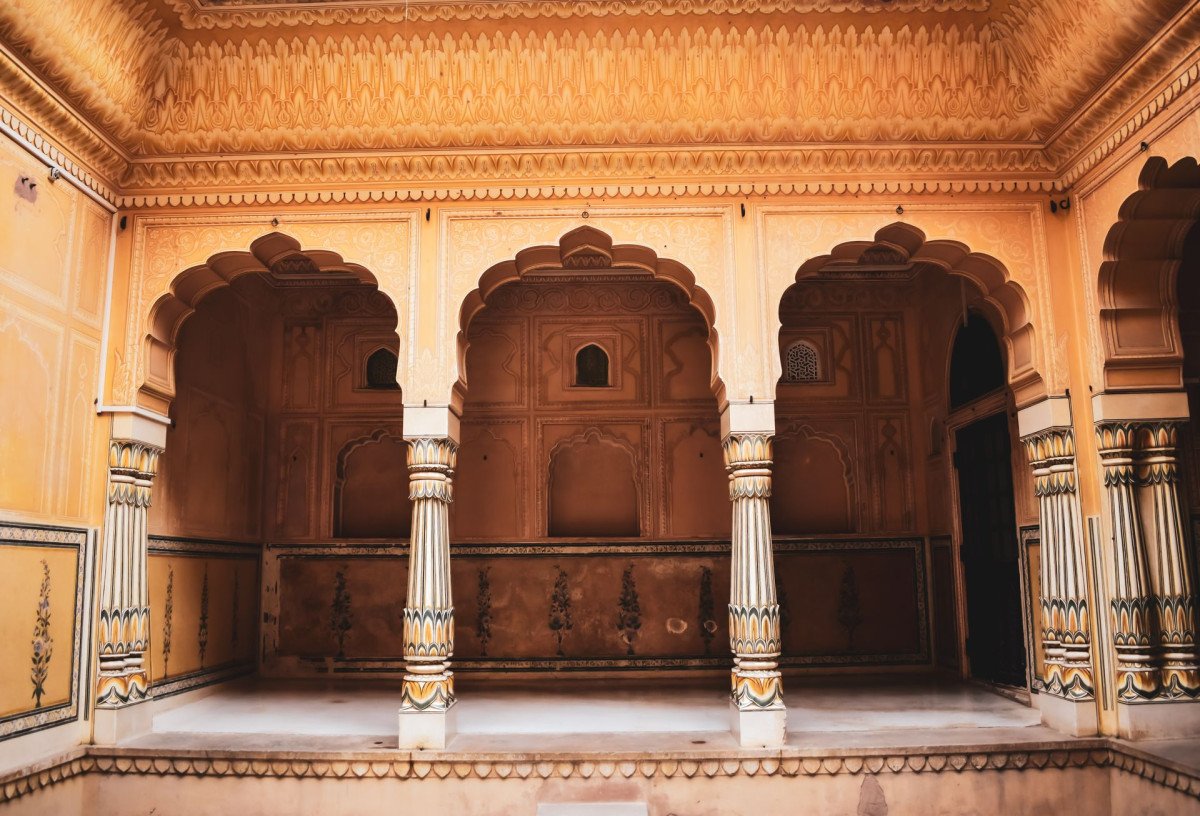
Kangla Fort
General information
-
Ideal Duration:
3-4 hours:Place Type:
Ancient Fort/Sacred Site:Entry Fees:
Nominal Entry Fee: The entry fee is nominal, usually around INR 10 to INR 50 for Indian adults and a slightly higher but reasonable amount for foreign nationals (e. g. , INR 100). This fee supports the maintenance of the large complex.
Electric ...Nominal Entry Fee: The entry fee is nominal, usually around INR 10 to INR 50 for Indian adults and a slightly higher but reasonable amount for foreign nationals (e. g. , INR 100). This fee supports the maintenance of the large complex.
Electric Bus/Boat Fee: There is a separate, nominal fee for the electric bus tour (e. g. , INR 50 per person) and a potential, separate charge for a boat ride on the inner moat (if available). These are optional services.
Camera Fee: There is typically no separate fee for still cameras for personal use, but a fee may be charged for video cameras or professional filming equipment, which must be declared.
Museum Entry: The nominal entry fee usually includes access to the Kangla Museum inside the complex. The fee structure is designed to be highly accessible to the public.
:Timing:
Regular Timings: The fort is open from 7:00 AM to 5:00 PM daily. The museum generally adheres to slightly shorter hours (9:00 AM to 4:00 PM). The fort remains open seven days a week.
Weekly Holiday: There is typically no weekly holiday for ...Regular Timings: The fort is open from 7:00 AM to 5:00 PM daily. The museum generally adheres to slightly shorter hours (9:00 AM to 4:00 PM). The fort remains open seven days a week.
Weekly Holiday: There is typically no weekly holiday for the main fort area, but the Kangla Museum may be closed on Mondays (check ahead).
Ideal Visit Time: Early Morning (7:00 AM to 10:00 AM) is the most ideal time, offering the coolest temperature for walking and the softest light for photography, especially around the moat and the Kangla Sha. Avoid the mid-day heat.
Late Afternoon: The hour before closing (4:00 PM to 5:00 PM) is perfect for sunset viewing and capturing the beautiful, warm light on the fort structures.
:Special Events:
Kangla Uttra (Pakhangba) Rituals: The fort is the permanent site for the most sacred rituals of the indigenous Sanamahism faith, particularly those related to the royal deity Ebudhou Pakhangba, which happen throughout the year and are deeply significant for the Meitei commun...Kangla Uttra (Pakhangba) Rituals: The fort is the permanent site for the most sacred rituals of the indigenous Sanamahism faith, particularly those related to the royal deity Ebudhou Pakhangba, which happen throughout the year and are deeply significant for the Meitei community. Manipur Statehood Day (January 21): The fort, as a symbol of state sovereignty, often hosts cultural parades or commemorative events on Manipur Statehood Day.
Festival of Colors (Holi/Yaosang): The area around the fort, especially near the temples, becomes a hub of activity during the Yaosang festival (the Manipuri version of Holi, typically in March), with special prayers and community gatherings.
Anniversary of Handover: The anniversary of the fort's handover in 2004 is a deeply meaningful, often quiet, commemorative event, sometimes involving dignitaries and cultural programs within the complex.
:Best Photo Spots:
The Kangla Sha Statues: The best spot is directly in front of the massive, reconstructed royal lions (Kangla Sha), ensuring a wide-angle lens captures their full scale and the backdrop of the fort gate.
The Sunset Over the Moat: Photographing...The Kangla Sha Statues: The best spot is directly in front of the massive, reconstructed royal lions (Kangla Sha), ensuring a wide-angle lens captures their full scale and the backdrop of the fort gate.
The Sunset Over the Moat: Photographing the ramparts and the water of the moat during the sunset hour, with the temple domes or palace ruins silhouetted against the sky, creates a dramatic and evocative image of the fort's ancient power.
The Govindajee Temple Dome: A close-up or low-angle shot of the distinctive twin domes of the Shree Shree Govindajee Temple highlights the religious architecture within the fort complex, often framed beautifully by the surrounding trees.
The Central Flag Post: Capturing the national flag flying high over the fort (where the Union Jack once stood) provides a powerful, symbolic image of the fort's modern identity and the reclamation of its sovereignty.
:Photo Gallery
Things To Do
-
Take the Electric Bus Tour: The best way to cover the vast area (237 acres) is to take the nominal-fee electric bus tour, which stops at all the major points (Kangla Sha, Govindajee Temple, Museum, ruins) and provides guided historical commentary. This is highly recommended for first-time visitors.
Visit the Kangla Museum: Spend time inside the museum to see the collections of artifacts, royal photographs, and historical documents that tell the story of the Manipur kings, the Anglo-Manipuri War, and the fort's occupation.
Pay Respects at the Shrines: Visit the revered Shree Shree Govindajee Temple and the traditional Meitei shrines for Ebudhou Pakhangba and Nongshaba, observing the unique blend of Vaishnavite and indigenous religious rituals.
Photo with the Kangla Sha:...Take the Electric Bus Tour: The best way to cover the vast area (237 acres) is to take the nominal-fee electric bus tour, which stops at all the major points (Kangla Sha, Govindajee Temple, Museum, ruins) and provides guided historical commentary. This is highly recommended for first-time visitors.
Visit the Kangla Museum: Spend time inside the museum to see the collections of artifacts, royal photographs, and historical documents that tell the story of the Manipur kings, the Anglo-Manipuri War, and the fort's occupation.
Pay Respects at the Shrines: Visit the revered Shree Shree Govindajee Temple and the traditional Meitei shrines for Ebudhou Pakhangba and Nongshaba, observing the unique blend of Vaishnavite and indigenous religious rituals.
Photo with the Kangla Sha: Get your iconic photograph with the massive, reconstructed Kangla Sha statues, ensuring you capture their imposing scale and symbolic significance as the fort’s guardians.
Walk the Ramparts: Take a walk along the remaining ramparts and parts of the moat to appreciate the fort's historical defenses and its strategic location in the center of Imphal city, on the banks of the Imphal River.
Historical Research: Utilize the fort as a resource for historical learning, focusing on the sites associated with the 1891 war and the subsequent occupation, which are critical to understanding modern Manipur.
Enjoy the Gardens: Relax in the beautifully maintained lawns and gardens that cover large parts of the fort complex, offering a peaceful, green space in the city center.
:
Information
-
Why Famous:
Symbol of Sovereignty: Its fame stems from its identity as the sacred and political heart of Manipur for over 2,000 years, symbolizing the sovereignty, culture, and civilization of the Meitei people, and being the place where their kings ruled. The Handover of 2004: The high...Symbol of Sovereignty: Its fame stems from its identity as the sacred and political heart of Manipur for over 2,000 years, symbolizing the sovereignty, culture, and civilization of the Meitei people, and being the place where their kings ruled. The Handover of 2004: The highly emotional and symbolic handover of the fort from the Assam Rifles to the people of Manipur in 2004 is a globally famous event, signifying the end of a long occupation and the reclamation of a sacred national symbol.
The Kangla Sha: The two fierce, mythical royal lions (Kangla Sha) are iconic symbols of Manipur’s heritage, often featured in state insignia and art, and their imposing presence at the fort's entrance makes them a famous landmark.
Home to the Pakhangba Deity: The fort is home to the sacred shrines of the indigenous Meitei deities, particularly Ebudhou Pakhangba (a dragon-like royal deity), making it a major site for the indigenous Sanamahism religion.
: -
Architecture:
Indigenous Royal Architecture: The architectural legacy is vast, featuring a complex blend of ancient Meitei royal architecture (temples, gates, and palace ruins) and the simple, functional style introduced during the British occupation (barracks, administrative buildings). ...Indigenous Royal Architecture: The architectural legacy is vast, featuring a complex blend of ancient Meitei royal architecture (temples, gates, and palace ruins) and the simple, functional style introduced during the British occupation (barracks, administrative buildings). The original palace structures were generally simple, built of wood and thatch, which is why many remain as ruins today, while later structures were built with brick and stone.
The Kangla Sha (Royal Lions): The most striking architectural feature is the pair of large, reconstructed stone or concrete figures of the Kangla Sha (mythical dragon-like lions) that flank one of the main entrances. They symbolize the royal might and are a modern recreation of the statues destroyed by the British.
Dimension: These statues are massive, often several meters tall and wide, commanding attention at the fort's approach.
The Moat and Walls: The historical defenses of the fort include a major outer moat (partially utilizing the Imphal River) and inner ramparts and walls, which, while partially degraded, define the immense dimension of the site, which is spread over roughly 237 acres in the heart of the city. The sheer scale is its main architectural feature.
Religious Structures: The sacred temples like the Shree Shree Govindajee Temple (an important Vaishnavite structure) and the traditional Meitei shrines for Ebudhou Pakhangba and Nongshaba represent the religious architecture, with the Govindajee Temple featuring a domed, North Indian style structure.
: -
How To Reach:
By Air: The nearest airport is Bir Tikendrajit International Airport (IMF), approximately 8 KMS away. A taxi from the airport will take only about 20 minutes to reach the central city location.
By Train: The nearest railhead is Dimapur Railw...By Air: The nearest airport is Bir Tikendrajit International Airport (IMF), approximately 8 KMS away. A taxi from the airport will take only about 20 minutes to reach the central city location.
By Train: The nearest railhead is Dimapur Railway Station (DM) in Nagaland (approx. 215 KMS). From Imphal city, follow the road directions.
By Road: Kangla Fort is located right in the center of Imphal city, on the banks of the Imphal River, and is the most easily accessible landmark. All major roads lead to it, and it is a known stop for both private and public transport.
By Local Transport: The fort is within walking distance of the main market area (Ima Keithel) and many central hotels. You can easily take a local auto-rickshaw (tempo) or a cycle-rickshaw from any part of the city for a nominal fare. The internal electric bus service is available for touring the site.
: -
Weather and Best Time to Visit:
Different Types of Seasons: Winter (October to March) is the absolute best time, as the weather is cool, dry, and ideal for extensive walking and outdoor exploration of the 237-acre complex. The intense heat and humidity of Summer and the heavy rains of Monsoon (June to Sep...Different Types of Seasons: Winter (October to March) is the absolute best time, as the weather is cool, dry, and ideal for extensive walking and outdoor exploration of the 237-acre complex. The intense heat and humidity of Summer and the heavy rains of Monsoon (June to September) make walking difficult, though the scenery is lush in the wet season.
Different Parts of the Day: Morning is highly recommended for the best experience. The fort is least crowded, the light is beautiful, and the temperatures are optimal for the 3-4 hour visit required to see everything. Late Afternoon is also good for sunset views.
: -
Near Tourist Places:
1. Ima Keithel (Women's Market) (approx. 0.
8 KMS): 2.
Shree Shree Govindajee Temple (inside complex): 3. Bheigyachandra Open Air Theatre (approx. 0.
5 KMS): 4. Shaheed Minar (approx. 1.
5 KMS): 5. Manipur State Museum (approx. 1.
5 KMS): 6. Imphal War Cemetery (approx.
4 KMS): 7. Iroishemba Zoological Garden (approx.
6 KMS): 8. Nupi Lan Memorial Complex (approx. 1 KM) 9. Khuman Lampak Main Stadium (approx.
3 KMS): 10. Lainingthou Sanamahi Kiyong Hongba (Temple) (approx.
5 KMS):
Tourism Tips
-
Health & Safety: The complex is vast, so stay hydrated and wear comfortable walking shoes. Always be respectful of the sacred sites (Pakhangba and Nongshaba shrines) by removing footwear and dressing modestly. Do not climb on the ruins or walls.
Read MoreHealth & Safety: The complex is vast, so stay hydrated and wear comfortable walking shoes. Always be respectful of the sacred sites (Pakhangba and Nongshaba shrines) by removing footwear and dressing modestly. Do not climb on the ruins or walls.
Packing: Carry a hat, sunglasses, and water. Bring a pair of socks for walking inside the temples. Bring cash for the entry fee and the electric bus tour. The entire site takes several hours, so plan accordingly.
Accommodation: Being a central landmark, accommodation is excellent, with hotels and guesthouses for all budgets located within a 1 KM radius.
Other Different Topics: Take the electric bus tour immediately upon entry to get an overview of the immense size and historical points. Read the history of the Anglo-Manipuri War beforehand to truly appreciate the significance of the ruins and the flag-raising site. Seek permission before taking close-up photos of worshippers.
:Reviews
FAQs
Imphal Itineray And Cost:-
Other Places In Imphal :-
Other States In India :-
Information about New and Updated Locations() of Manipur Has Been Added :-
Card subtitle
Note:-
Information provided here in good Faith and for reference only.
Near Places

Andro Cultural Heritage Complex
Some quick example text to build on the card title and make up the bulk of the card's content.
Go somewhere
Athouba Singgi Khubam
Some quick example text to build on the card title and make up the bulk of the card's content.
Go somewhere
Bheigyachandra Open Air Theatre
Some quick example text to build on the card title and make up the bulk of the card's content.
Go somewhere
Ching-Ngam-Ya Park
Some quick example text to build on the card title and make up the bulk of the card's content.
Go somewhere
Heirangoithong Ningthemcha Karong
Some quick example text to build on the card title and make up the bulk of the card's content.
Go somewhere
Hiyangthang Lairembi Temple
Some quick example text to build on the card title and make up the bulk of the card's content.
Go somewhere
Ibudhou Thangjing Temple
Some quick example text to build on the card title and make up the bulk of the card's content.
Go somewhere
Ima Keithel
Some quick example text to build on the card title and make up the bulk of the card's content.
Go somewhere
Imphal War Cemetery
Some quick example text to build on the card title and make up the bulk of the card's content.
Go somewhere
INA Memorial Complex
Some quick example text to build on the card title and make up the bulk of the card's content.
Go somewhere
Iroishemba Zoological Garden
Some quick example text to build on the card title and make up the bulk of the card's content.
Go somewhere
ISKCON Temple
Some quick example text to build on the card title and make up the bulk of the card's content.
Go somewhere
Kaina Hill
Some quick example text to build on the card title and make up the bulk of the card's content.
Go somewhere
Kakching Garden
Some quick example text to build on the card title and make up the bulk of the card's content.
Go somewhere
Kangla Fort
Some quick example text to build on the card title and make up the bulk of the card's content.
Go somewhere
Kangla Nongpok Torban
Some quick example text to build on the card title and make up the bulk of the card's content.
Go somewherein Other Cities