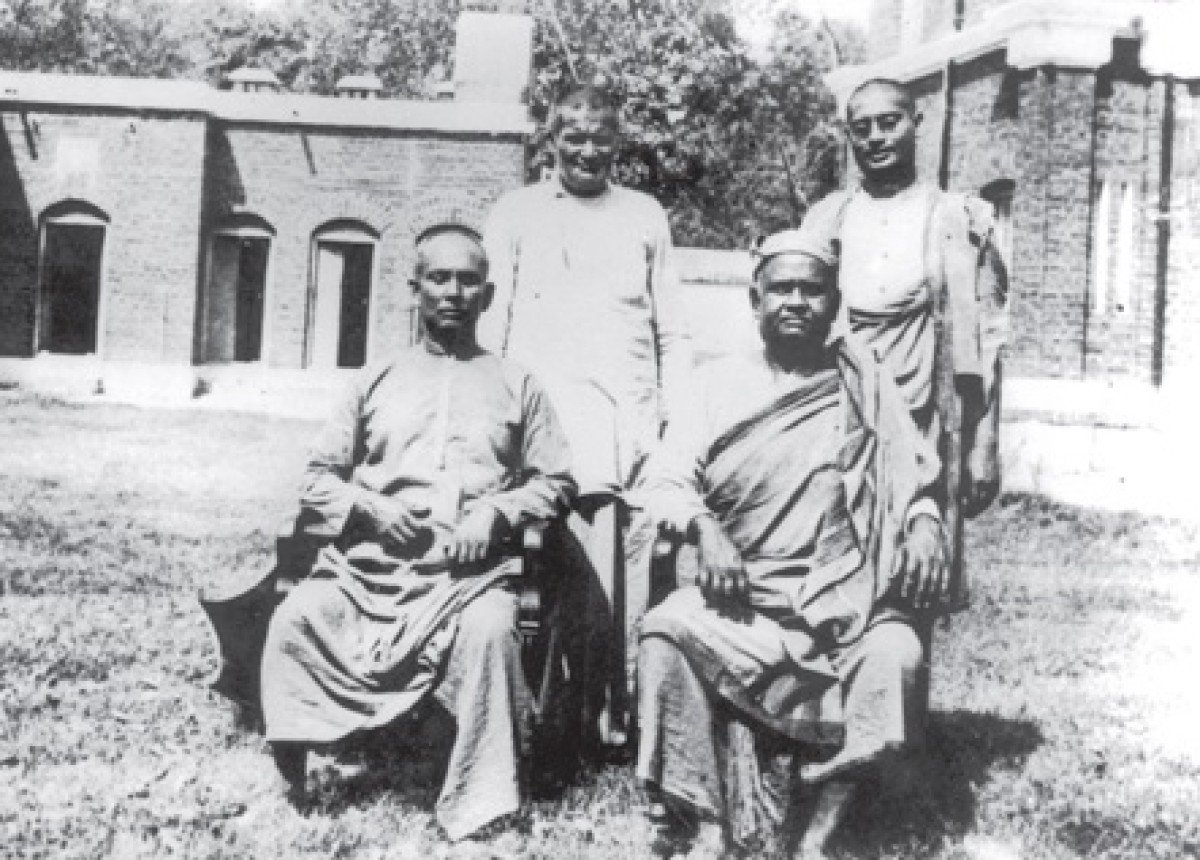
Kankhal
General information
-
Ideal Duration:
1 to 1.
5 hours:Place Type:
Religious/Spiritual, Temple, Historical:Entry Fees:
Entry Fee Status: There is No Entry Fee to visit the Daksha Mahadev Temple complex. This includes the main Shiva temple, the Das Mahavidya Temple, and access to the Daksha Ghat.
Donations and Offerings: All costs are related to voluntary of...Entry Fee Status: There is No Entry Fee to visit the Daksha Mahadev Temple complex. This includes the main Shiva temple, the Das Mahavidya Temple, and access to the Daksha Ghat.
Donations and Offerings: All costs are related to voluntary offerings and donations, which are essential for the maintenance of the large complex and the organization of the major festivals like Maha Shivaratri.
Purohit Charges: If a devotee chooses to perform a specific ritual or Puja at the temple or the adjacent ghat, the cost of the priest's service is negotiated directly with the Purohit and is not a temple fee.
Free Access Ethos: The temple's policy of free access ensures that all pilgrims can connect with the deep mythological and spiritual significance of the site, particularly its connection to Sati and Shiva, without a financial barrier: End.Timing:
Regular Timings: The temple complex is typically open from 6:00 AM to 8:00 PM.
Ideal Visit Time: The Ideal Visit Time is the morning, from 7:00 AM to 9:00 AM, for a peaceful visit and to witness the start of the daily rituals. A late aftern...Regular Timings: The temple complex is typically open from 6:00 AM to 8:00 PM.
Ideal Visit Time: The Ideal Visit Time is the morning, from 7:00 AM to 9:00 AM, for a peaceful visit and to witness the start of the daily rituals. A late afternoon visit before the evening Aarti is also a good choice.
Aarti Timings: The temple's daily Aarti is usually held in the morning (around 7:00 AM) and evening (around 6:30 PM), which are significant times to visit.
Festival Rush: During Maha Shivaratri and Navratri, expect the area to be extremely crowded, and plan to visit very early in the morning to avoid long queues: End.Special Events:
Maha Shivaratri Celebrations: The temple is a focal point for Maha Shivaratri (February–March). The celebrations are elaborate, including large processions, all-night chanting, and grand Abhishekams to the Shivlingam, drawing pilgrims from across India.
Read MoreMaha Shivaratri Celebrations: The temple is a focal point for Maha Shivaratri (February–March). The celebrations are elaborate, including large processions, all-night chanting, and grand Abhishekams to the Shivlingam, drawing pilgrims from across India.
Navratri for Das Mahavidya: The special nine-night festival of Navratri (especially the Sharad Navratri in September–October) sees intense worship at the adjacent Das Mahavidya Temple, with special Pujas and devotional singing dedicated to the Goddess.
Sati's Immolation Anniversary: Special annual rituals are held to commemorate the mythological event of Goddess Sati’s self-immolation, a deeply solemn and significant event that ties the temple to the creation of the Shakti Peethas: End.Best Photo Spots:
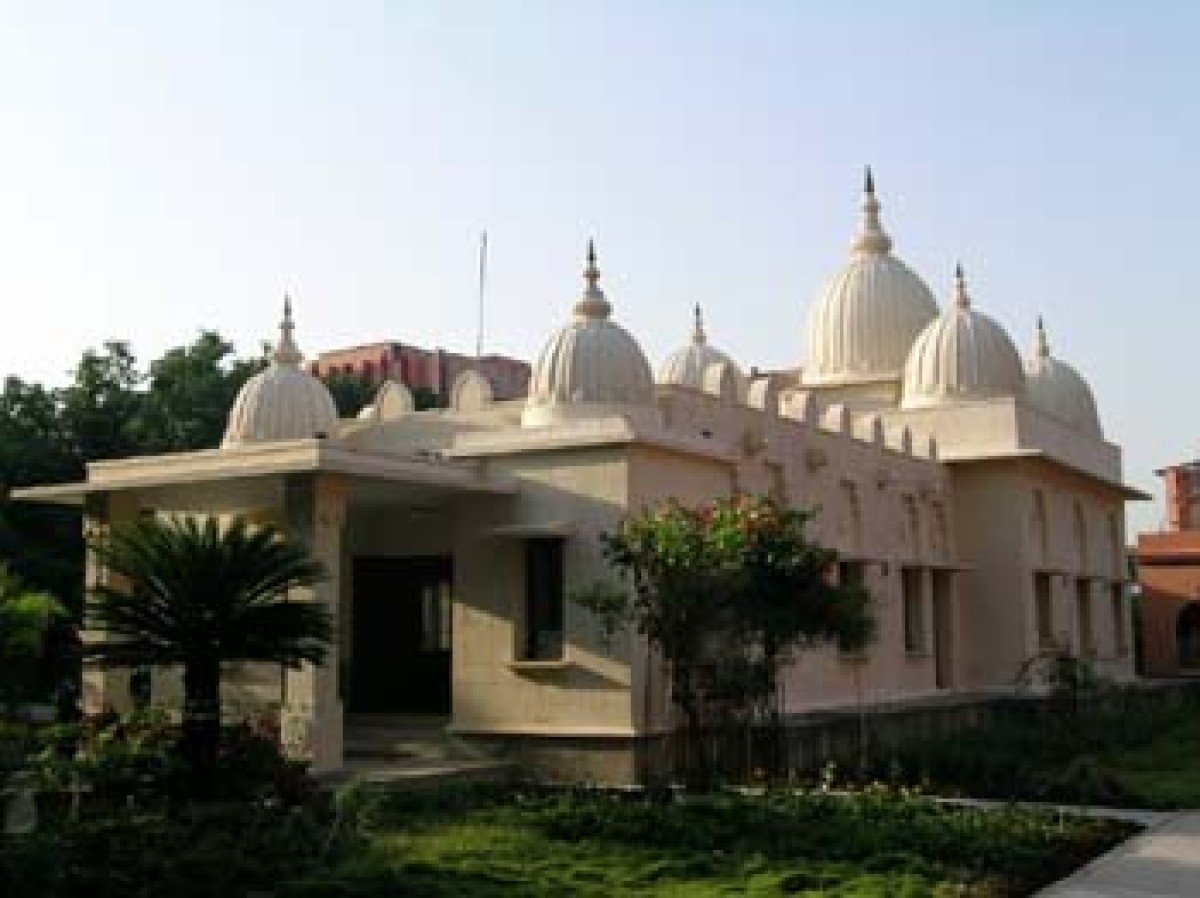
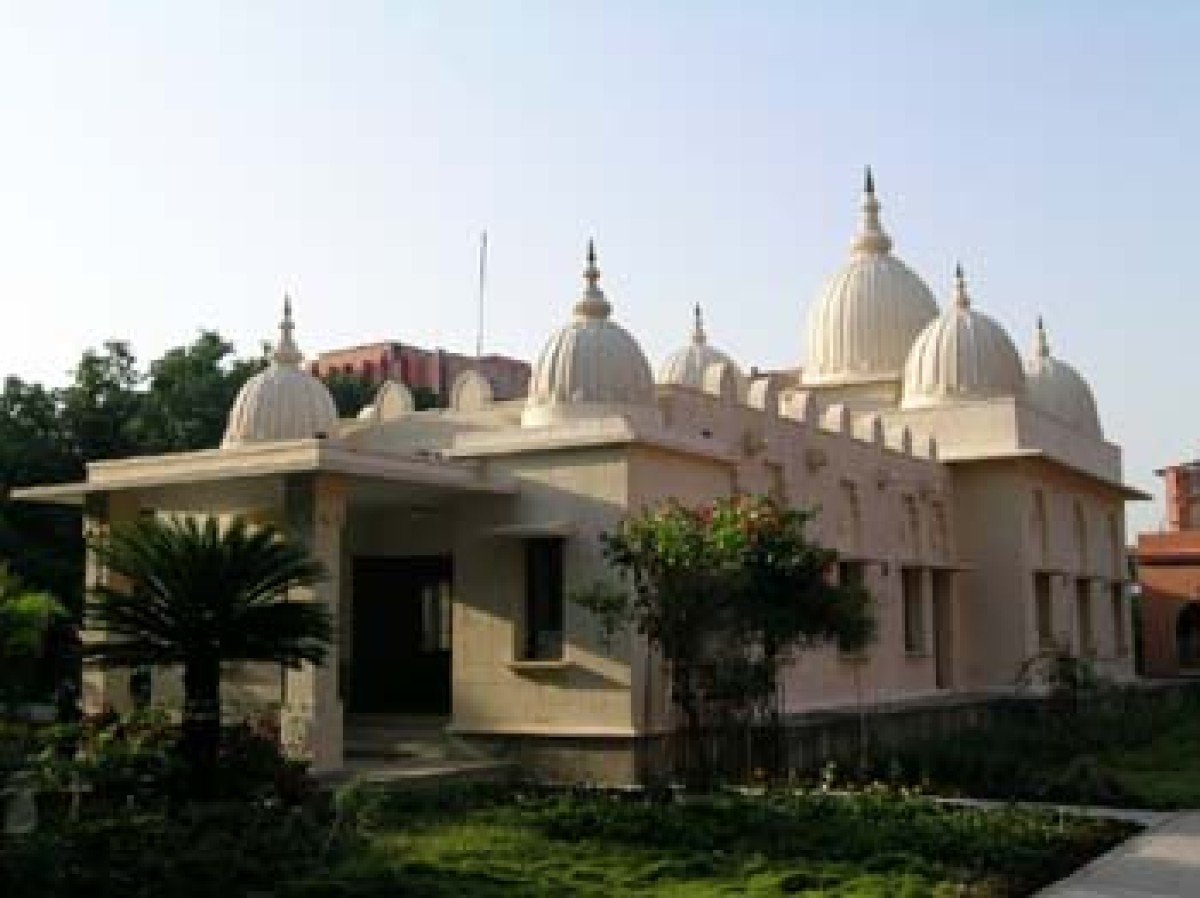
The Daksha Mahadev Temple Façade: A wide-angle shot of the main temple entrance and the Nagara style Shikhara, capturing the traditional aesthetic of the reconstructed shrine.
Statue of Virabhadra/Daksha: Look for and capture any specific s...The Daksha Mahadev Temple Façade: A wide-angle shot of the main temple entrance and the Nagara style Shikhara, capturing the traditional aesthetic of the reconstructed shrine.
Statue of Virabhadra/Daksha: Look for and capture any specific statues or artistic representations of Virabhadra (Shiva's wrathful form) or Daksha with the goat's head, which are central to the temple's legend.
Daksha Ghat Serenity: A peaceful photograph of the adjacent Daksha Ghat on the Ganga, capturing the quiet bathing steps, which offer a contrast to Har Ki Pauri.
Das Mahavidya Temple Detail: A close-up shot of the architectural details or idols (if permitted) inside the adjacent Das Mahavidya Temple, highlighting the distinct Shakta worship.
The Parad Shivling: A respectful photo of the modern Parad Shivling (if it is the one being actively worshipped or displayed) inside the complex, emphasizing its unique mercury composition.
Yagna Kunda Spot: A photo of the place where the original Yagna Kunda is said to have been, capturing the solemnity of the mythological spot: End.Photo Gallery
Things To Do
-
Witness the Daksha Yagna Site: The most compelling thing to do is to stand at the spot of the ancient Yagna Kunda (fire pit) and reflect on the dramatic mythological event of Sati’s self-immolation and Shiva’s fury.
Worship at the Main Temple: Offer prayers and holy water to the Daksheshwar Mahadev Shivlingam, seeking the blessings of Lord Shiva, the presiding deity.
Visit the Das Mahavidya Temple: Ensure a visit to the adjacent temple dedicated to the ten manifestations of the Goddess (Das Mahavidya), which is a key site for Shakta devotees (Goddess worshippers). This is particularly vibrant during Navratri.
Holy Dip at Daksha Ghat: Take a dip in the holy Ganga at the dedicated Daksha Ghat, which is conveniently located next to the temple complex, providing...Witness the Daksha Yagna Site: The most compelling thing to do is to stand at the spot of the ancient Yagna Kunda (fire pit) and reflect on the dramatic mythological event of Sati’s self-immolation and Shiva’s fury.
Worship at the Main Temple: Offer prayers and holy water to the Daksheshwar Mahadev Shivlingam, seeking the blessings of Lord Shiva, the presiding deity.
Visit the Das Mahavidya Temple: Ensure a visit to the adjacent temple dedicated to the ten manifestations of the Goddess (Das Mahavidya), which is a key site for Shakta devotees (Goddess worshippers). This is particularly vibrant during Navratri.
Holy Dip at Daksha Ghat: Take a dip in the holy Ganga at the dedicated Daksha Ghat, which is conveniently located next to the temple complex, providing a quiet and sacred bathing spot.
Observe Rituals: Watch the priests perform daily rituals and pujas, especially on Mondays (sacred to Lord Shiva) or during the month of Shravan.
Study the Architecture: Take time to appreciate the Nagara style architecture of the temple and the significance of the various smaller shrines and structures within the complex.
Locate the Goat Head: Look for the symbolic representation of Daksha with a goat’s head, a reminder of the conclusion of the mythological event.
Shop for Rudraksha: The Kankhal area is famous for selling authentic Rudraksha beads (sacred to Shiva), and you can find many specialized shops around the temple.
Photography: Capture the unique mythological statues and the traditional temple facade, respecting the sacred atmosphere.
Attend Maha Shivaratri: If visiting in February–March, attend the grand, vibrant celebrations for Maha Shivaratri, which are a major event here: End.
Information
-
Why Famous:
The Genesis of Sati's Sacrifice: The temple is profoundly famous as the exact site where Goddess Sati immolated herself in the fire of her father King Daksha Prajapati's Yagna. This event is one of the most fundamental and dramatic narratives in Hindu mythology, leading to ...The Genesis of Sati's Sacrifice: The temple is profoundly famous as the exact site where Goddess Sati immolated herself in the fire of her father King Daksha Prajapati's Yagna. This event is one of the most fundamental and dramatic narratives in Hindu mythology, leading to the creation of the Shakti Peethas.
The Tale of Daksha's Head: It is the place where Lord Shiva's fury manifested through Virabhadra, who beheaded Daksha, and where Daksha was later given the head of a goat upon his resurrection. This powerful legend draws millions of pilgrims to witness the historical spot.
Parad Shivling and Ganga: It is also noted for a large, modern Shivling made of pure mercury (Parad), and for the adjacent Daksha Ghat, which allows devotees to take a purifying dip in the Ganga at the legendary site: End. -
Architecture:
Nagara Style Reconstruction: The present Daksheshwar Mahadev Temple was substantially rebuilt in 1810 and then again in 1962, adhering to the Nagara style of North Indian temple architecture. The complex is a large, walled enclosure.
Temple Lay...Nagara Style Reconstruction: The present Daksheshwar Mahadev Temple was substantially rebuilt in 1810 and then again in 1962, adhering to the Nagara style of North Indian temple architecture. The complex is a large, walled enclosure.
Temple Layout: The main temple is dedicated to Lord Shiva, with the main shrine positioned over the spot of the ancient Yagna Kunda. The overall site is designed to narrate the legend, featuring representations of the Yagna spot. The temple is topped with a distinctive Shikhara and a Trishula.
Associated Structures: The complex dimension includes a separate, adjacent temple dedicated to the Das Mahavidyas (Goddess Kali and her forms), which has a more unique, Shakta-style architecture. The Daksha Ghat, a sturdy set of steps leading down to the Ganga just outside the temple walls, is an integrated part of the complex, built for ritual ablutions: End. -
How To Reach:
By Air: The nearest airport is Jolly Grant Airport (DED) in Dehradun, approximately 40 KMS away. Take a pre-paid taxi from the airport directly to the Daksha Mahadev Temple in Kankhal.
By Train: The nearest station is Haridwar Junction (HW)...By Air: The nearest airport is Jolly Grant Airport (DED) in Dehradun, approximately 40 KMS away. Take a pre-paid taxi from the airport directly to the Daksha Mahadev Temple in Kankhal.
By Train: The nearest station is Haridwar Junction (HW), about 4 KMS away. From the station, take a private or shared auto-rickshaw or e-rickshaw to the Kankhal area. The temple is a very famous landmark and easily reached by local transport.
By Road: Kankhal is a key town connected to Haridwar via local roads. The temple is well-signposted. Buses and cars can drive directly to the vicinity of the temple where parking is available.
By Local Transport: Auto-rickshaws and e-rickshaws are the best local transport from Haridwar City Center, Har Ki Pauri, or the railway station. The journey is short, cheap, and direct. You can also easily hire a cab for a half-day tour of the Kankhal temples: End. -
Weather and Best Time to Visit:
Different Types of Seasons: The Best Time to Visit is from October to March, when the weather is cool and comfortable for exploring the complex and the adjacent ghat. The temple is especially vibrant and significant during two peak seasons: Maha Shivaratri (February–March...Different Types of Seasons: The Best Time to Visit is from October to March, when the weather is cool and comfortable for exploring the complex and the adjacent ghat. The temple is especially vibrant and significant during two peak seasons: Maha Shivaratri (February–March) and Sharad Navratri (September–October), which draw massive crowds. The month of Shravan (Monsoon) is also highly auspicious for Shiva worship.
Different Parts of the Day: The Ideal Time is the morning, from 7:00 AM to 9:00 AM, for a focused, less crowded visit to the temples and a quiet dip at Daksha Ghat. Avoid the peak midday heat. The evening Aarti at the main temple is a good time to visit to absorb the devotional energy: End. -
Near Tourist Places:
Kamleshwar Temple (Kankhal) (1.
5 KMS): Das Mahavidya Temple (0. 1 KM) Daksha Ghat (0. 1 KM) Sati Kund (0. 5 KM) Maa Anandamayee Ashram (1 KM) Pawan Dham Temple (4.
5 KMS): Parad Shivling (Kankhal) (1.
5 KMS):
Har Ki Pauri (4 KMS): Maya Devi Temple (4.
5 KMS):
Shanti Kunj Ashram (7 KMS):
Tourism Tips
-
Health & Safety: Be careful on the steps of the Daksha Ghat as they can be slippery. The temple area can get very crowded, especially during Shivaratri and Navratri, so be mindful of crowds and queues.
Packing: Wear modest clothing. If tak...Health & Safety: Be careful on the steps of the Daksha Ghat as they can be slippery. The temple area can get very crowded, especially during Shivaratri and Navratri, so be mindful of crowds and queues.
Packing: Wear modest clothing. If taking a dip in the Ganga at Daksha Ghat, bring a change of clothes.
Accommodation: Kankhal is a good, slightly quieter alternative to central Haridwar for accommodation. Choose a hotel or Dharmashala nearby for easy access.
Other Topics (Mythology Insight): Take time to understand the profound mythological story of Daksha and Sati before or during your visit, as it adds immense meaning to the site.
Ghat Use: The Daksha Ghat is suitable for a holy dip and is often less congested than Har Ki Pauri.
Photography: While allowed, avoid photographing the specific rituals of the Das Mahavidya Temple without explicit permission, as some Shakta rites are private: End.
Reviews
FAQs
Haridwar Itineray And Cost:-
Other Places In Haridwar :-
Other States In India :-
Information about New and Updated Locations() of Uttarakhand Has Been Added :-
Card subtitle
Note:-
Information provided here in good Faith and for reference only.
Near Places

Adbhut Mandir
Some quick example text to build on the card title and make up the bulk of the card's content.
Go somewhere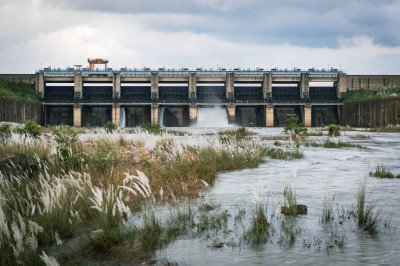
Anandamayi Maa Ashram
Some quick example text to build on the card title and make up the bulk of the card's content.
Go somewhere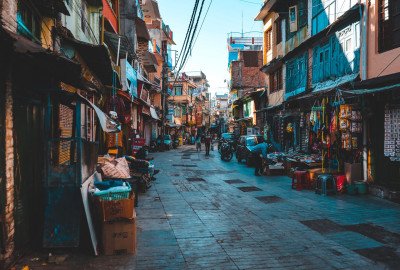
Bara Bazaar
Some quick example text to build on the card title and make up the bulk of the card's content.
Go somewhere
Bhimgoda Tank
Some quick example text to build on the card title and make up the bulk of the card's content.
Go somewhere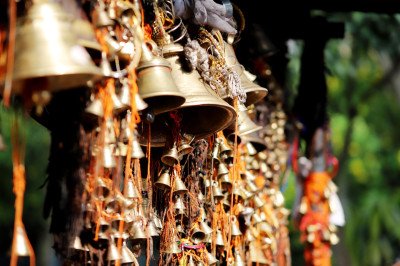
Chandi Devi Temple
Some quick example text to build on the card title and make up the bulk of the card's content.
Go somewhere
Crystal World
Some quick example text to build on the card title and make up the bulk of the card's content.
Go somewhere
Daksha Mahadev Temple
Some quick example text to build on the card title and make up the bulk of the card's content.
Go somewhere
Doodhadhari Barfani Temple
Some quick example text to build on the card title and make up the bulk of the card's content.
Go somewhere
Fun Valley Water Park
Some quick example text to build on the card title and make up the bulk of the card's content.
Go somewhere
Gau Ghat
Some quick example text to build on the card title and make up the bulk of the card's content.
Go somewhere
Gauri Shankar Mahadev Temple
Some quick example text to build on the card title and make up the bulk of the card's content.
Go somewhere
Jai Ram Ashram
Some quick example text to build on the card title and make up the bulk of the card's content.
Go somewhere
Kamleshwar Temple
Some quick example text to build on the card title and make up the bulk of the card's content.
Go somewhere
Maya Devi Temple
Some quick example text to build on the card title and make up the bulk of the card's content.
Go somewhere
Neel Dhara Pakshi Vihar
Some quick example text to build on the card title and make up the bulk of the card's content.
Go somewhere
Parad Shivling
Some quick example text to build on the card title and make up the bulk of the card's content.
Go somewherein Other Cities