

Keridah Waterfall
General information
-
Ideal Duration:
3 to 4 Hours (Ideal for a day picnic and sightseeing):Place Type:
Nature Tourism, Waterfall, Picnic Spot, Scenic BeaEntry Fees:
No Official Entry Ticket Fee: As of the latest available information, there is no official entry fee charged by any government or private body to visit the Keridah Waterfall itself. It remains an open natural site, welcoming all visitors without a formal ticketing system. ...No Official Entry Ticket Fee: As of the latest available information, there is no official entry fee charged by any government or private body to visit the Keridah Waterfall itself. It remains an open natural site, welcoming all visitors without a formal ticketing system. This policy makes it a highly accessible and budget-friendly tourist destination, particularly attractive for local families and students.
Parking and Local Fees: While entry to the falls is free, visitors arriving by private vehicle may have to pay a very small, nominal parking fee to local villagers or informal caretakers who manage the parking area near the end of the motorable road. This small contribution is usually used for basic maintenance or security. This fee is often variable but is typically minimal, such as a few rupees per vehicle. Visitors should carry small denomination currency for this purpose.
Absence of Guide Fees: There is no requirement to hire a guide to reach the waterfall, as the path from the road is short and well-defined. Therefore, there is no mandatory guide fee. However, hiring a local for insights or to access hidden spots is voluntary and a personal decision. Visitors should clarify the guide charges upfront if they choose to use one. The overall cost of a visit is limited to transport and personal expenses.
:Timing:
Regular Visiting Hours: The Keridah Waterfall is essentially an outdoor natural site and does not have strictly enforced gate timings like a monument or park. However, for safety and logistical reasons, it is generally recommended to visit the falls between Sunrise and Suns...Regular Visiting Hours: The Keridah Waterfall is essentially an outdoor natural site and does not have strictly enforced gate timings like a monument or park. However, for safety and logistical reasons, it is generally recommended to visit the falls between Sunrise and Sunset, typically from 7:00 AM to 5:00 PM. Visits outside these hours are strongly discouraged due to the lack of artificial lighting and the risk of navigating the forested, rocky terrain in the dark. Local transport is also less available after dusk.
Ideal Time for Photography and Tranquility: The Ideal Visit Time is the early morning, specifically from 7:00 AM to 10:00 AM. During this window, the atmosphere is most tranquil, the natural light is soft and beautiful for photography (the 'golden hour' for landscapes), and the crowd is minimal, allowing for a more peaceful and personal experience of the falls' natural beauty. Evenings between 3:00 PM and 5:00 PM are also pleasant, offering a beautiful sunset view but often coinciding with the peak departure of day-trippers.
Best Day for a Visit: Weekdays (Monday to Friday) offer the quietest experience. Weekends, especially Sunday, and major public holidays (like Makar Sankranti) are the busiest, with peak crowds arriving for picnics.
:Special Events:
Makar Sankranti Festival Picnics: While there are no formal, organized religious events centered solely at the falls, Keridah Waterfall experiences a massive surge in visitors during the time of Makar Sankranti in January. This festival, marking the transition of the sun, i...Makar Sankranti Festival Picnics: While there are no formal, organized religious events centered solely at the falls, Keridah Waterfall experiences a massive surge in visitors during the time of Makar Sankranti in January. This festival, marking the transition of the sun, is widely celebrated in Jharkhand as a day for family gatherings and outdoor feasts. The falls become an informal venue for large community and family picnics, with locals traveling from Chatra and neighboring villages to spend the day. The atmosphere is festive and vibrant, filled with music, regional food, and communal joy.
Local Shravan Month Gatherings: During the holy Hindu month of Shravan (typically in July or August), which is also the peak monsoon season, the increased water flow makes the waterfall spectacular. Though not a major pilgrimage site like some others, small groups of devotees from nearby villages sometimes visit the falls on Mondays during Shravan to collect holy water or perform small, informal puja ceremonies, revering the natural water body as a manifestation of divine power. This presents a unique cultural observation for visitors.
:Best Photo Spots:
The Mid-Tier Vantage Point: The most iconic photograph can be taken from a slightly elevated, dry rock platform near the base of the second tier. This spot allows you to frame the largest cascade while including the pool and the lush jungle in the foreground and background....The Mid-Tier Vantage Point: The most iconic photograph can be taken from a slightly elevated, dry rock platform near the base of the second tier. This spot allows you to frame the largest cascade while including the pool and the lush jungle in the foreground and background. This viewpoint captures the height and the tiered structure effectively. Use a polarizing filter to reduce glare on the water and bring out the deep greens of the mossy rocks.
Framed by the Forest Canopy: For a more artistic and intimate shot, step back into the surrounding forest area. Use the dense foliage, such as the large leaves or tree trunks, to frame the waterfall in the distance. This composition emphasizes the secluded, natural setting of the fall, contrasting the wild, dark forest with the bright, white water. This is particularly effective during the midday sun when direct light on the water is harsh.
The Wide-Angle Panorama of the Gorge: Stand at the main viewing area near the entrance of the gorge. This spot allows for a wide-angle lens to capture the entire sweep of the three-tiered fall and the semi-circular rock walls that enclose the basin. This panoramic view showcases the sheer scale and geological architecture of the Keridah site. This is an ideal spot for group photos with the entire waterfall as the backdrop.
Details of Water Flow and Rock Texture: Do not overlook the macro and detail shots. Focus the camera on the smaller movements of the water—the swirling foam in the pool, the individual rivulets flowing over the colored rocks, and the texture of the moss and lichen. These close-up photos capture the subtle, minute beauty of the environment that is often missed in grand landscape shots.
:Photo Gallery
Things To Do
-
Nature Photography and Landscape Capture: The Keridah Waterfall, with its three distinct tiers and lush green surroundings, offers endless opportunities for nature photography. Photographers can focus on capturing the varying textures of the water—from the smooth curtain of the fall to the white spray mist—against the dark, polished rocks. Early morning light or the golden hour before sunset provides the best illumination. Try a long-exposure shot to create the silky, flowing water effect. Also, capture the dense forest canopy and the local wildflowers.
Family Picnics and Group Outings: This is arguably the most popular activity. The wide, relatively flat areas near the base of the falls are perfect for spreading out a blanket and enjoying a meal. Picnics are especially enjoyable during the cooler months of November to ...
Information
-
Why Famous:
Accessibility and Proximity to Chatra: Keridah Waterfall's primary fame stems from its remarkable proximity to the Chatra district headquarters, being only about 8 kilometers away. This ease of access, compared to more remote waterfalls in Jharkhand, makes it an immensely p...Accessibility and Proximity to Chatra: Keridah Waterfall's primary fame stems from its remarkable proximity to the Chatra district headquarters, being only about 8 kilometers away. This ease of access, compared to more remote waterfalls in Jharkhand, makes it an immensely popular choice for local families, day-trippers, and tourists who are not keen on long, arduous treks. The convenience of a short drive followed by a manageable walk ensures a steady stream of visitors throughout the year, cementing its reputation as the go-to natural escape. This feature is crucial for its popularity among all age groups.
The Three-Tiered Natural Wonder: The unique, triple-cascade structure of the fall is another major reason for its fame. Local lore often attributes a special significance to these three distinct falls, enhancing its appeal beyond mere natural beauty. The sight of water tumbling down in three separate, yet harmonious, stages is visually striking and provides varied opportunities for photography and viewing angles, making it a unique landmark in the region's waterfall circuit. It serves as a natural amphitheater, where the sound of the cascading water creates a powerful, mesmerizing effect.
Ideal Picnic and Relaxation Spot: The flat, shaded areas surrounding the base of the waterfall, complemented by the perennial cool water source, have made Keridah a celebrated picnic spot. It is especially popular during the winter months and on public holidays. The combination of easy access, cool atmosphere, and a visually rewarding natural sight has established its fame as a perfect spot for recreation, family gatherings, and quiet contemplation, attracting visitors from surrounding towns and villages.
: -
Architecture:
Natural Sculpture of the Fall: The term "architecture" for Keridah Waterfall refers not to man-made structures but to the geological architecture sculpted by natural forces over millennia. The most distinctive feature is its three-tiered or three-part cascade, which is sepa...Natural Sculpture of the Fall: The term "architecture" for Keridah Waterfall refers not to man-made structures but to the geological architecture sculpted by natural forces over millennia. The most distinctive feature is its three-tiered or three-part cascade, which is separated by two hill rocks. This formation is a result of differential erosion, where softer rock layers have been worn away more quickly than the harder layers, creating natural steps or drops. The tiers are not uniform, with each segment presenting a unique pattern of water flow, from a sheet-like curtain to concentrated jets. The overall effect is a stunning vertical stratification of the landscape.
Dimensions and Topography: While the specific height of the waterfall is moderate compared to other famous falls in Jharkhand, its broad, segmented flow across the rock face gives it significant visual volume. The drop is estimated to be several dozen feet across its three segments, falling into a reservoir or pool at the bottom. The pool, while not extensively deep, is wide, acting as a collection point before the water continues downstream. The width of the cascade varies drastically, ranging from a few meters in the dry season to potentially spanning a much wider area during the peak monsoon. The rock formations around the falls are predominantly black or reddish basaltic rock, smoothed and polished by the constant flow of water, often forming concave surfaces and small natural balconies. The basin and gorge have been cut deep into the hillside, giving the spot a dramatic, enclosed feeling.
: -
How To Reach:
By Air: The nearest major airport to Chatra and the Keridah Waterfall is Gaya International Airport (GAY) in Bihar, located approximately 90-100 kilometers away. Upon landing at Gaya, visitors can hire a pre-booked taxi or use a shared cab service to reach Chatra city, whic... -
Near Tourist Places:
Within 10-20 KM: Maloodah Waterfall (Rs. 8 KMS), Khaya Banaroo Picnic Spot (Rs. 10 KMS), Gua Waterfall (Rs. 6 KMS), Dumer Sumer Waterfall (Rs. 12 KMS).
Within 20-50 KM: Bichikiliya Waterfall (Rs. 11 KMS), Tamasin Waterfall (Rs. 26 KMS), Kauleshwari Hill and Temple (Rs. 35 KMS - near Hunterganj), Lilanjan River Ghat (Rs. 40 KMS - near Hunterganj).
Within 50-100 KM: Kunda Fort Ruins (Rs. 40 KMS), Itkhori Bhadrakali Temple Complex (Rs. 55 KMS), Lawalong Wildlife Sanctuary (Rs. 80 KMS).
:
Tourism Tips
-
Health and Safety Precautions:
Safety First: The most important tip is to exercise extreme caution on the rocks near the waterfall and the pool. The rocks are almost always wet and covered in slippery moss. Wear appropriate footwear with go...
Reviews
Chatra Itineray And Cost:-
Keridah Waterfall Tourism:-
Information about New and Updated Locations() of Jharkhand Has Been Added :-
Card subtitle
Note:-
Information provided here in good Faith and for reference only.
All information and pictures will be updated soon, please keep visiting.
Near Places
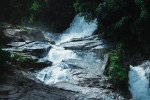
Balthar Falls
Some quick example text to build on the card title and make up the bulk of the card's content.
Go somewhere
Balu Math Shiva Temple
Some quick example text to build on the card title and make up the bulk of the card's content.
Go somewhere
Barura Sharif
Some quick example text to build on the card title and make up the bulk of the card's content.
Go somewhere
Bichkiliya Water Reservoir
Some quick example text to build on the card title and make up the bulk of the card's content.
Go somewhere
Chatra Forest Reserve
Some quick example text to build on the card title and make up the bulk of the card's content.
Go somewhere
Chatra Jama Masjid
Some quick example text to build on the card title and make up the bulk of the card's content.
Go somewhere
Chatra Lake
Some quick example text to build on the card title and make up the bulk of the card's content.
Go somewhere
Chatra Museum
Some quick example text to build on the card title and make up the bulk of the card's content.
Go somewhere
Duari Waterfall
Some quick example text to build on the card title and make up the bulk of the card's content.
Go somewhere
Gogri Waterfall
Some quick example text to build on the card title and make up the bulk of the card's content.
Go somewherein Other Cities