

Khajjiar
General information
-
Ideal Duration:
1-2 DaysPlace Type:
Nature & RomanceEntry Fees:
Meadow Entry: No entry fee for the main meadow area. You only pay for activities like zorbing or riding. Some private parks nearby may charge.
Sanctuary Fee: The Kalatop entry fee is about INR 250 per vehicle. This is paid at the forest c...Meadow Entry: No entry fee for the main meadow area. You only pay for activities like zorbing or riding. Some private parks nearby may charge.
Sanctuary Fee: The Kalatop entry fee is about INR 250 per vehicle. This is paid at the forest check post. It is valid for a single day.Timing:
Meadow Hours: Best visited between 9 AM and 5 PM. The area is safe and open all day long. Sunset views from the edges are great.
Sanctuary Timings: Open from 7 AM to 6 PM. Early morning is best for spotting birds and wildlife. Avoid goin...Meadow Hours: Best visited between 9 AM and 5 PM. The area is safe and open all day long. Sunset views from the edges are great.
Sanctuary Timings: Open from 7 AM to 6 PM. Early morning is best for spotting birds and wildlife. Avoid going late in the evening.Special Events:
Minjar Mela: Celebrated in nearby Chamba with great pomp. It marks the blossoming of maize and is very colorful. Traditional songs and dances are performed.
Winter Carnival: Special events held in the meadow during January. Includes local...Minjar Mela: Celebrated in nearby Chamba with great pomp. It marks the blossoming of maize and is very colorful. Traditional songs and dances are performed.
Winter Carnival: Special events held in the meadow during January. Includes local sports and cultural programs for tourists. The meadow looks festive in the snow.Best Photo Spots:
The Main Meadow: The wide-open green space with the lake center. It looks like a postcard from every angle. The yellow "Mini Switzerland" sign is a must.
Floating Island: A close-up of the mysterious grass island in the lake. It is a uniq...The Main Meadow: The wide-open green space with the lake center. It looks like a postcard from every angle. The yellow "Mini Switzerland" sign is a must.
Floating Island: A close-up of the mysterious grass island in the lake. It is a unique natural feature to capture. The reflection in the water is very clear.
Kalatop Forest: The moss-covered trees and misty paths. It creates a dark and moody forest aesthetic. Great for artistic nature photography.Photo Gallery
Things To Do
 The Tibetan Handicrafts Centre in Khajjiar is a vital commercial and cultural establishment dedicated to preserving and promoting the traditional arts, crafts, and culture of the Tibetan community that settled in the Himachal Pradesh region. It serves as an emporium where locally crafted items are sold directly to the public, ensuring that the artisans receive a fair price for their work. @@Product Range and Craftsmanship: The centre is renowned for its high-quality, authentic woollen products, particularly thick, hand-woven Tibetan carpets, beautifully patterned shawls, and traditional winter caps. Beyond woollens, it offers a wide range of unique handicrafts, including intricate metalwork, beautiful Tibetan jewellery (often featuring turquoise and coral), small wooden carvings, decorative masks, and religious artifacts like prayer wheels and Thangka paintings. Each item is a genuine piece of Tibetan heritage and artistry. @@Cultural Experience: Visiting the centre is an opportunity to directly engage with the rich, vibrant Tibetan culture. It provides a deeper understanding of the meticulous, painstaking craftsmanship involved in creating these traditional items, often using techniques passed down through generations. It is less about shopping and more about experiencing a living, exiled culture and supporting the community's preservation efforts through patronage. @@Location and Convenience: Its central location near the main meadow makes it a convenient stop for all tourists. It is a key stop for souvenir hunters looking for authentic, high-quality, and culturally significant items from the Himalayan region, offering a much better selection and assurance of authenticity than roadside stalls.
 @@Village Life and Panoramic Scenery: The Kailash Villages, primarily Rota and Ladi, are picturesque hillside hamlets near the main Khajjiar meadow, offering a genuine glimpse into the tranquil, traditional Himachali mountain life. They are famous for their stunning, unhindered vantage points to view the majestic Mount Kailash (part of the Dhauladhar range). These villages are surrounded by dense deodar forests and lush green slopes, and during the season, the surrounding apple orchards are a major attraction. Staying in one of the local homestays allows visitors to truly immerse themselves in the quiet rhythm of mountain existence. The air here is crisp, and the atmosphere is far removed from the minor bustle of the main Khajjiar tourist area. The villages serve as excellent starting points for local treks, connecting to deeper forest trails and offering a true escape for nature lovers. The experience is centered on appreciating the simplicity and natural beauty, showcasing a side of Khajjiar that is deeply authentic and pastoral. The local residents are known for their warm hospitality and preserving age-old customs and building styles. This area is a must-visit for travelers seeking peace and cultural interaction in the lap of the Himalayas.
This saucer-shaped plateau is the heart of Khajjiar, famously nicknamed Mini Switzerland by Swiss Envoy Willy P. Blazer in 1992, marking it as one of the world’s 160 locations with similar typography. @@Natural Landscape and Unique Ecosystem: It is surrounded by dense forests of deodar and pine, with a small lake and a floating island of weeds at its center, representing a rare combination of lake, pasture, and forest ecosystems. The lush green carpet is perpetually maintained by nature, and the sight of the majestic Dhauladhar ranges in the backdrop adds to its ethereal beauty. The place has a strong connection to nature and a tranquil, serene atmosphere, making it a perfect spot for unwinding. Visitors often spend hours simply sitting and soaking in the peace and quiet. The designation as Mini Switzerland is commemorated by a yellow sign that indicates the distance to Bern, Switzerland's capital, reinforcing the international significance of this Himalayan gem. The entire area is part of the Kalatop-Khajjiar Wildlife Sanctuary. @@Historical Significance and Culture: The name Khajjiar is derived from the Khajji Nag Temple located nearby, dedicated to the serpent god. The meadow was once a royal retreat and hunting ground. The local culture is deeply intertwined with the Himalayan traditions of the Chamba district, showcasing rich folklore and hospitality. The meadows are central to local life, often hosting fairs and cultural events. The gentle slopes and vast openness make it accessible and appealing to all age groups, from adventurous trekkers to families seeking a peaceful picnic spot.
The Nine-Hole Golf Course is an integral part of the Khajjiar Meadows, uniquely situated amidst the vast green expanse and ringed by the towering deodar and pine forests. Its designation as a Nine-Hole course distinguishes it from larger, typical courses, making it more compact and integrated into the natural environment. @@Historical Context and Design: The course was conceptualized during the colonial era, utilizing the natural, gentle undulations and slopes of the meadow, thus requiring minimal artificial landscaping. It is one of the oldest and most scenic golf courses in the state. The design is rustic and challenging, relying heavily on the natural obstacles and terrain of the high-altitude meadow. It represents a piece of colonial sporting history adapted to the remote Himalayan landscape. @@Visitor Experience: For the average visitor, the course is more of a picturesque walking area than a strictly functional sports facility. When not officially being used for golf, tourists are permitted to walk across the greens, enjoying the immaculate turf and the tranquility of the setting. It is a favorite spot for taking leisurely strolls and relaxing, offering unobstructed views of the entire valley and the distant mountains. The course’s beauty is a testament to the fact that the finest architecture can sometimes be nature itself, with minimal human intervention. @@Current Status: The course’s functionality for professional golf varies by season and management, but its role as a key scenic component of the Khajjiar experience remains constant. It enhances the Mini Switzerland aesthetic by mirroring the open, manicured landscapes often associated with Alpine resorts. The area around the course is popular for picnics and as a gathering spot.
@@Village Life and Panoramic Scenery: The Kailash Villages, primarily Rota and Ladi, are picturesque hillside hamlets near the main Khajjiar meadow, offering a genuine glimpse into the tranquil, traditional Himachali mountain life. They are famous for their stunning, unhindered vantage points to view the majestic Mount Kailash (part of the Dhauladhar range). These villages are surrounded by dense deodar forests and lush green slopes, and during the season, the surrounding apple orchards are a major attraction. Staying in one of the local homestays allows visitors to truly immerse themselves in the quiet rhythm of mountain existence. The air here is crisp, and the atmosphere is far removed from the minor bustle of the main Khajjiar tourist area. The villages serve as excellent starting points for local treks, connecting to deeper forest trails and offering a true escape for nature lovers. The experience is centered on appreciating the simplicity and natural beauty, showcasing a side of Khajjiar that is deeply authentic and pastoral. The local residents are known for their warm hospitality and preserving age-old customs and building styles. This area is a must-visit for travelers seeking peace and cultural interaction in the lap of the Himalayas.
This saucer-shaped plateau is the heart of Khajjiar, famously nicknamed Mini Switzerland by Swiss Envoy Willy P. Blazer in 1992, marking it as one of the world’s 160 locations with similar typography. @@Natural Landscape and Unique Ecosystem: It is surrounded by dense forests of deodar and pine, with a small lake and a floating island of weeds at its center, representing a rare combination of lake, pasture, and forest ecosystems. The lush green carpet is perpetually maintained by nature, and the sight of the majestic Dhauladhar ranges in the backdrop adds to its ethereal beauty. The place has a strong connection to nature and a tranquil, serene atmosphere, making it a perfect spot for unwinding. Visitors often spend hours simply sitting and soaking in the peace and quiet. The designation as Mini Switzerland is commemorated by a yellow sign that indicates the distance to Bern, Switzerland's capital, reinforcing the international significance of this Himalayan gem. The entire area is part of the Kalatop-Khajjiar Wildlife Sanctuary. @@Historical Significance and Culture: The name Khajjiar is derived from the Khajji Nag Temple located nearby, dedicated to the serpent god. The meadow was once a royal retreat and hunting ground. The local culture is deeply intertwined with the Himalayan traditions of the Chamba district, showcasing rich folklore and hospitality. The meadows are central to local life, often hosting fairs and cultural events. The gentle slopes and vast openness make it accessible and appealing to all age groups, from adventurous trekkers to families seeking a peaceful picnic spot.
The Nine-Hole Golf Course is an integral part of the Khajjiar Meadows, uniquely situated amidst the vast green expanse and ringed by the towering deodar and pine forests. Its designation as a Nine-Hole course distinguishes it from larger, typical courses, making it more compact and integrated into the natural environment. @@Historical Context and Design: The course was conceptualized during the colonial era, utilizing the natural, gentle undulations and slopes of the meadow, thus requiring minimal artificial landscaping. It is one of the oldest and most scenic golf courses in the state. The design is rustic and challenging, relying heavily on the natural obstacles and terrain of the high-altitude meadow. It represents a piece of colonial sporting history adapted to the remote Himalayan landscape. @@Visitor Experience: For the average visitor, the course is more of a picturesque walking area than a strictly functional sports facility. When not officially being used for golf, tourists are permitted to walk across the greens, enjoying the immaculate turf and the tranquility of the setting. It is a favorite spot for taking leisurely strolls and relaxing, offering unobstructed views of the entire valley and the distant mountains. The course’s beauty is a testament to the fact that the finest architecture can sometimes be nature itself, with minimal human intervention. @@Current Status: The course’s functionality for professional golf varies by season and management, but its role as a key scenic component of the Khajjiar experience remains constant. It enhances the Mini Switzerland aesthetic by mirroring the open, manicured landscapes often associated with Alpine resorts. The area around the course is popular for picnics and as a gathering spot. @@A 12th-Century Blend of Wood and Gold: The Khajji Nag Temple, also famously known as the Golden Devi Temple due to its golden dome and spire, is one of the oldest and most revered shrines in Himachal Pradesh, dating back to the 12th century AD. Dedicated to Khajji Nag, the Serpent God (Lord of Serpents), the temple is a masterpiece of art and architecture, reflecting a rare and beautiful blend of Hindu and Mughal styles. The deity, Khajji Nag, is considered the protector of the region, and the town of Khajjiar itself is named after him. Inside the sanctum, devotees can find idols of the Nag deity, along with the worship of Lord Shiva and Goddess Hadimba. The temple stands as a testament to the region's rich spiritual and mythological history, drawing pilgrims and tourists alike to its peaceful, serene location right on the edge of the famous Khajjiar Lake. Its presence adds a deep layer of cultural heritage to the stunning natural landscape of the meadow. The atmosphere is one of profound tranquility and ancient reverence.
The Khajjiar Trek is not a single defined trail but a collection of interconnected paths, the most popular being the one leading through the Kalatop-Khajjiar Wildlife Sanctuary to Kalatop or the gentle circuit around the meadow itself. It is a quintessential Himalayan forest trek, meandering through dense, old-growth forests of deodar, pine, and oak. The difficulty is generally rated as easy to moderate, making it accessible to most fitness levels, taking anywhere from 3 to 8 hours depending on the chosen route (5-14 KMs total distance). @@Flora and Fauna: The trail is a biodiversity hotspot, being inside the sanctuary. Trekkers can observe diverse flora, including rare medicinal herbs and unique Himalayan wildflowers. The trek is also a great opportunity for wildlife spotting, with chances to see the Himalayan Black Bear (rarely), Leopard (very rare), Serow, Barking Deer, and a large variety of Himalayan bird species like the Monal and the Kalij Pheasant. The forest canopy creates a peaceful, shaded environment, with the only sounds being the wind rustling through the leaves and the chirping of birds. The air is crisp and carries the scent of pine and cedar. @@Safety and Experience: While mostly safe, it is highly recommended to hire a local guide, especially for longer, less-traveled routes, to ensure safety from both disorientation and potential wildlife encounters. Guides also enrich the experience by pointing out local flora/fauna and sharing regional folklore. The trek offers continuous, breathtaking views of the surrounding valleys and the distant snow-capped mountains. The reward is often reaching a higher viewpoint, such as Kalatop, which offers a completely different perspective of the region's stunning geography.
The Panch Pandav Tree is a singular and majestic Deodar Cedar (Cedrus deodara) famed for its unique growth pattern. It is an extraordinary botanical marvel where a single, massive trunk splits into five distinct, large branches immediately above the base, making it appear as five individual trees growing harmoniously from one root. The term 'Panch' in Hindi means 'five'. @@Mythological Significance: The tree is named after the five heroic Pandava brothers (Yudhishthira, Bhima, Arjuna, Nakula, and Sahadeva) from the ancient Indian epic, the Mahabharata. Local folklore and legend suggest that the Pandavas, while in exile (Agyatvas), rested under this very tree. This mythological connection has imbued the tree with a profound spiritual and cultural significance, making it a sacred site for locals and an intriguing stop for tourists interested in history and legends. It symbolizes the unity and strength of the brothers. @@Botanical and Ecological Value: The Deodar Cedar is revered across Himachal Pradesh as the "Tree of the Gods" and is known for its incredible longevity, sometimes living for over a thousand years. The tree stands as a powerful testament to the resilience of nature in the high-altitude Himalayan ecosystem. Its location on the fringes of the Kalatop-Khajjiar Wildlife Sanctuary further emphasizes its ecological importance as a natural landmark and habitat for local bird species. @@Visitor Experience: The area around the tree is serene and quiet, offering a peaceful retreat from the main meadow's activities. Visitors typically stop to admire its unique structure, take photographs, and listen to the local guides recount the legendary tales of the Pandavas.Show All
@@A 12th-Century Blend of Wood and Gold: The Khajji Nag Temple, also famously known as the Golden Devi Temple due to its golden dome and spire, is one of the oldest and most revered shrines in Himachal Pradesh, dating back to the 12th century AD. Dedicated to Khajji Nag, the Serpent God (Lord of Serpents), the temple is a masterpiece of art and architecture, reflecting a rare and beautiful blend of Hindu and Mughal styles. The deity, Khajji Nag, is considered the protector of the region, and the town of Khajjiar itself is named after him. Inside the sanctum, devotees can find idols of the Nag deity, along with the worship of Lord Shiva and Goddess Hadimba. The temple stands as a testament to the region's rich spiritual and mythological history, drawing pilgrims and tourists alike to its peaceful, serene location right on the edge of the famous Khajjiar Lake. Its presence adds a deep layer of cultural heritage to the stunning natural landscape of the meadow. The atmosphere is one of profound tranquility and ancient reverence.
The Khajjiar Trek is not a single defined trail but a collection of interconnected paths, the most popular being the one leading through the Kalatop-Khajjiar Wildlife Sanctuary to Kalatop or the gentle circuit around the meadow itself. It is a quintessential Himalayan forest trek, meandering through dense, old-growth forests of deodar, pine, and oak. The difficulty is generally rated as easy to moderate, making it accessible to most fitness levels, taking anywhere from 3 to 8 hours depending on the chosen route (5-14 KMs total distance). @@Flora and Fauna: The trail is a biodiversity hotspot, being inside the sanctuary. Trekkers can observe diverse flora, including rare medicinal herbs and unique Himalayan wildflowers. The trek is also a great opportunity for wildlife spotting, with chances to see the Himalayan Black Bear (rarely), Leopard (very rare), Serow, Barking Deer, and a large variety of Himalayan bird species like the Monal and the Kalij Pheasant. The forest canopy creates a peaceful, shaded environment, with the only sounds being the wind rustling through the leaves and the chirping of birds. The air is crisp and carries the scent of pine and cedar. @@Safety and Experience: While mostly safe, it is highly recommended to hire a local guide, especially for longer, less-traveled routes, to ensure safety from both disorientation and potential wildlife encounters. Guides also enrich the experience by pointing out local flora/fauna and sharing regional folklore. The trek offers continuous, breathtaking views of the surrounding valleys and the distant snow-capped mountains. The reward is often reaching a higher viewpoint, such as Kalatop, which offers a completely different perspective of the region's stunning geography.
The Panch Pandav Tree is a singular and majestic Deodar Cedar (Cedrus deodara) famed for its unique growth pattern. It is an extraordinary botanical marvel where a single, massive trunk splits into five distinct, large branches immediately above the base, making it appear as five individual trees growing harmoniously from one root. The term 'Panch' in Hindi means 'five'. @@Mythological Significance: The tree is named after the five heroic Pandava brothers (Yudhishthira, Bhima, Arjuna, Nakula, and Sahadeva) from the ancient Indian epic, the Mahabharata. Local folklore and legend suggest that the Pandavas, while in exile (Agyatvas), rested under this very tree. This mythological connection has imbued the tree with a profound spiritual and cultural significance, making it a sacred site for locals and an intriguing stop for tourists interested in history and legends. It symbolizes the unity and strength of the brothers. @@Botanical and Ecological Value: The Deodar Cedar is revered across Himachal Pradesh as the "Tree of the Gods" and is known for its incredible longevity, sometimes living for over a thousand years. The tree stands as a powerful testament to the resilience of nature in the high-altitude Himalayan ecosystem. Its location on the fringes of the Kalatop-Khajjiar Wildlife Sanctuary further emphasizes its ecological importance as a natural landmark and habitat for local bird species. @@Visitor Experience: The area around the tree is serene and quiet, offering a peaceful retreat from the main meadow's activities. Visitors typically stop to admire its unique structure, take photographs, and listen to the local guides recount the legendary tales of the Pandavas.Show All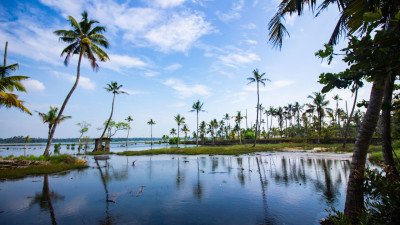 @@A Saucer-Shaped Meadow's Natural Heart: Khajjiar Lake is a tranquil, high-altitude lake nestled within a vast, saucer-shaped grassy meadow, which gives Khajjiar its famous moniker, 'Mini Switzerland of India'. Situated at an elevation of about 1,920 meters, the lake is the central and most picturesque feature of the landscape, surrounded by a dense forest of towering deodar and pine trees. The lake is not a large body of water but a small, enchanting water-body that has historically shrunk over time due to natural processes. Its most unique feature is the 'floating island' (a cluster of thick grass, weeds, and earth) that moves slightly with the wind, making it a natural marvel. The serene atmosphere, combined with the backdrop of the mighty Dhauladhar mountain range and the snow-capped Mount Kailash on a clear day, makes it a perfect spot for nature lovers, picnickers, and photographers. Activities like horse riding and zorbing take place on the surrounding meadow, but the lake itself remains the focal point of its pristine natural beauty and calm. The lake's name is derived from the nearby Khajji Nag Temple deity, underscoring its spiritual significance.
Information
-
Why Famous:
Mini Switzerland: It is famous for its resemblance to the Swiss landscape. The combination of meadow, lake, and forest is rare. It is a top spot for pre-wedding shoots.
Paragliding Hub: The vast meadows are perfect for paragliding and zorb...Mini Switzerland: It is famous for its resemblance to the Swiss landscape. The combination of meadow, lake, and forest is rare. It is a top spot for pre-wedding shoots.
Paragliding Hub: The vast meadows are perfect for paragliding and zorbing. Tourists enjoy floating over the green grass in summer. It offers a bird's eye view.
Serene Lake: Khajjiar Lake is the centerpiece of this beautiful town. It is surrounded by cedar trees that reflect in the water. It is a peaceful spot for families. -
Architecture:
Temple Carvings: Khajji Nag Temple is built in the Pahari style with a gold-plated dome. The wood carvings depict scenes from the Mahabharata. It dates back to the 12th century AD.
Wooden Structures: Most buildings around the meadow are ma...Temple Carvings: Khajji Nag Temple is built in the Pahari style with a gold-plated dome. The wood carvings depict scenes from the Mahabharata. It dates back to the 12th century AD.
Wooden Structures: Most buildings around the meadow are made of high-quality Deodar wood. They have distinct sloping roofs covered with slate. The architecture blends perfectly with the forest background.
Colonial Rest Houses: The PWD rest houses follow British designs with large glass windows. They offer a great view of the meadow and the mountains. The rooms are spacious with high ceilings. -
How To Reach:
By Air: Gaggal Airport or Pathankot are the nearest options. Most people fly to Chandigarh and drive for 7-8 hours. The mountain roads are quite winding.
By Train: Pathankot is the main railway hub, 80 kms away. Taxis and buses are availa...By Air: Gaggal Airport or Pathankot are the nearest options. Most people fly to Chandigarh and drive for 7-8 hours. The mountain roads are quite winding.
By Train: Pathankot is the main railway hub, 80 kms away. Taxis and buses are available outside the station. The drive takes about 3 hours.
By Road: Connected via Dalhousie by a well-paved road. Regular buses run between Chamba, Dalhousie, and Khajjiar. The scenery is breathtaking throughout.
By Local Transport: Taxis are the most convenient for day trips. Many people prefer walking within the meadow area. Local buses are available but less frequent. -
Weather and Best Time to Visit:
Summer Escape: April to June is the peak tourist season. The weather is cool and perfect for outdoor activities. The meadow is at its greenest.
Winter Snow: December to February for those who love snow. The meadow turns into a white sheet...Summer Escape: April to June is the peak tourist season. The weather is cool and perfect for outdoor activities. The meadow is at its greenest.
Winter Snow: December to February for those who love snow. The meadow turns into a white sheet of ice. It is a magical sight for couples.
Day Time: Spend the full day from 10 AM to 4 PM. The sunlight makes the meadow look very bright. Evenings can get very chilly. -
Near Tourist Places:
1. Dalhousie (22km), 2. Chamba (24km), 3. Kalatop (10km), 4. Dainkund Peak (25km), 5. Panchpula (24km), 6. Jot Pass (25km), 7. Bharmour (85km), 8. Bakrota Hills (26km), 9. Ganji Pahari (28km), 10. Sach Pass (150km)
Tourism Tips
-
Packing Guide: Carry heavy woolens if visiting in winter. Sunscreen is important as the sun is strong in the open. A hat can protect you during the day.
Health & Safety: Be careful while riding horses on steep slopes. Watch your step near...Packing Guide: Carry heavy woolens if visiting in winter. Sunscreen is important as the sun is strong in the open. A hat can protect you during the day.
Health & Safety: Be careful while riding horses on steep slopes. Watch your step near the lake as it can be slippery. Do not feed wild animals in the sanctuary.
Accommodation: Stay in Dalhousie for more luxury options. Forest rest houses in Khajjiar offer a rustic stay. There are many hotels right next to the meadow.
Activity Tips: Negotiate the prices for horse rides and zorbing. Check the equipment before paragliding for safety. Start your day early to avoid crowds.
Reviews
FAQs
Khajjiar Itineray And Cost:-
Information about New and Updated Locations() of Himachal Pradesh Has Been Added :-
Card subtitle
Note:-
Information provided here in good Faith and for reference only.
All information and pictures will be updated soon, please keep visiting.
Near Places

Anandpur Sahib
Some quick example text to build on the card title and make up the bulk of the card's content.
Go somewhere
Bhuntar
Some quick example text to build on the card title and make up the bulk of the card's content.
Go somewhere
Bir Billing
Some quick example text to build on the card title and make up the bulk of the card's content.
Go somewhere
Chail
Some quick example text to build on the card title and make up the bulk of the card's content.
Go somewhere
Chamba
Some quick example text to build on the card title and make up the bulk of the card's content.
Go somewhere
Dalhousie
Some quick example text to build on the card title and make up the bulk of the card's content.
Go somewhere
Dharamshala
Some quick example text to build on the card title and make up the bulk of the card's content.
Go somewhere
Fagu
Some quick example text to build on the card title and make up the bulk of the card's content.
Go somewhere
Hamirpur
Some quick example text to build on the card title and make up the bulk of the card's content.
Go somewhere
Joginder Nagar
Some quick example text to build on the card title and make up the bulk of the card's content.
Go somewherein Other Cities