

Bhuntar
General information
-
Ideal Duration:
1 DayPlace Type:
Nature / TransitEntry Fees:
Temple Access: Most temples in Bhuntar are free to enter, though donations for maintenance are always welcomed by the priests.
Activity Costs: River rafting packages usually start from 800 to 1500 Rupees depending on the distance and the gro...Temple Access: Most temples in Bhuntar are free to enter, though donations for maintenance are always welcomed by the priests.
Activity Costs: River rafting packages usually start from 800 to 1500 Rupees depending on the distance and the group size.Timing:
Regular Timings: Markets are active from 9:00 AM to 8:30 PM, while temples generally open at 6:00 AM and close by 8:00 PM.
Ideal Visit Time: Early mornings in the spring are best for river views, while the afternoon is perfect for visiting t...Regular Timings: Markets are active from 9:00 AM to 8:30 PM, while temples generally open at 6:00 AM and close by 8:00 PM.
Ideal Visit Time: Early mornings in the spring are best for river views, while the afternoon is perfect for visiting the stone temples.Special Events:
Kullu Dussehra: Although held in Kullu, the festivities spill over to Bhuntar with massive processions of local deities and folk dances.
Minjar Mela: Celebrated in the monsoon, this event involves locals offering maize silk to the river for ...Kullu Dussehra: Although held in Kullu, the festivities spill over to Bhuntar with massive processions of local deities and folk dances.
Minjar Mela: Celebrated in the monsoon, this event involves locals offering maize silk to the river for a good harvest season.Best Photo Spots:
River Confluence: The point where the turquoise water of the Parvati meets the grey Beas creates a stunning color contrast for photos.
Apple Orchards: During September, the fruit-laden trees provide a colorful and quintessentially Himalayan ...River Confluence: The point where the turquoise water of the Parvati meets the grey Beas creates a stunning color contrast for photos.
Apple Orchards: During September, the fruit-laden trees provide a colorful and quintessentially Himalayan background for your vacation pictures.Photo Gallery
Things To Do
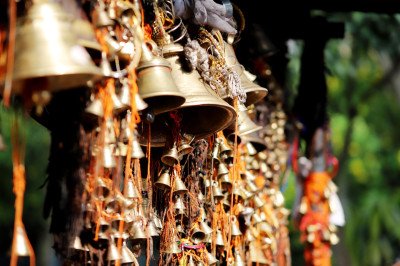 The Adi Brahma Temple is a magnificent wooden structure located in the serene village of Khokhan. It is one of the very few temples in India dedicated to Lord Brahma, the creator of the universe. The temple is surrounded by lush green hills and offers a spiritual atmosphere that is hard to find in more crowded tourist spots. Devotees visit here to see the beautiful idol of Lord Brahma along with the ceremonial chariot. The temple serves as a central religious hub for the local villagers who have deep-rooted faith in the deity. Visiting this place provides a deep sense of peace and a glimpse into the ancient traditions of the Kullu Valley. The surrounding deodar forests and the crisp mountain air make the journey to the temple as beautiful as the destination itself. It is a place where time seems to stand still, allowing visitors to connect with the divine. The temple's historical significance is immense, as it represents a rare cult of Brahma worship in the Himalayas. For history buffs and spiritual seekers, this is a must-visit destination.
 Rohtang Pass is one of the most famous mountain passes in the world, standing at a staggering height of 3,978 Meters. It serves as a natural divide between the lush green Kullu valley and the arid, high-altitude deserts of Lahaul and Spiti. For travelers starting from Bhuntar, the journey to Rohtang is an epic transition from tropical greenery to eternal snow. The pass is covered in snow for most of the year, often featuring walls of ice that reach over 10 Feet in height during May. It is a place of raw power and unpredictable weather, where the wind howls through the gaps in the mountains. Historically, it was an important trade route, and its name literally translates to "Pile of Corpses" due to the dangerous weather that often caught travelers off guard in ancient times. Today, it is a premier destination for snow sports and photography. The panoramic view from the top includes glaciers, peaks, and the winding Beas River far below. It is the ultimate highlight for any visitor to the Himachal region.
@@The Historical Essence: The Jagannath Temple is a soul-stirring sanctuary perched atop a lush green hill overlooking the confluence of the Beas and Parvati rivers. Dedicated to Lord Jagannath, it is often compared to the famous temple in Puri due to its religious fervor. The temple serves as a vital spiritual hub for the locals of Bhuntar and Kullu. Visitors are greeted by a steep but rewarding trek that offers breathtaking views of the entire valley below. The atmosphere here is thick with the scent of incense and the sound of temple bells, providing a peaceful escape from the hustle of the main town. Historically, the temple has been a center for Vedic learning and local folklore, where the deity is believed to protect the valley from natural calamities. The spiritual vibration of this place is palpable, making it a favorite for both pilgrims and peace-seekers. It represents the deep-rooted faith of the Pahari people and their connection to the divine. Spending time here allows one to witness the local customs and the simplistic beauty of Himalayan worship. The temple complex is well-maintained and provides a panoramic view of the Kullu-Manali airport, which is a unique sight from such a height. Whether you are a devotee or a nature lover, this spot is an essential part of the Bhuntar experience.
Rohtang Pass is one of the most famous mountain passes in the world, standing at a staggering height of 3,978 Meters. It serves as a natural divide between the lush green Kullu valley and the arid, high-altitude deserts of Lahaul and Spiti. For travelers starting from Bhuntar, the journey to Rohtang is an epic transition from tropical greenery to eternal snow. The pass is covered in snow for most of the year, often featuring walls of ice that reach over 10 Feet in height during May. It is a place of raw power and unpredictable weather, where the wind howls through the gaps in the mountains. Historically, it was an important trade route, and its name literally translates to "Pile of Corpses" due to the dangerous weather that often caught travelers off guard in ancient times. Today, it is a premier destination for snow sports and photography. The panoramic view from the top includes glaciers, peaks, and the winding Beas River far below. It is the ultimate highlight for any visitor to the Himachal region.
@@The Historical Essence: The Jagannath Temple is a soul-stirring sanctuary perched atop a lush green hill overlooking the confluence of the Beas and Parvati rivers. Dedicated to Lord Jagannath, it is often compared to the famous temple in Puri due to its religious fervor. The temple serves as a vital spiritual hub for the locals of Bhuntar and Kullu. Visitors are greeted by a steep but rewarding trek that offers breathtaking views of the entire valley below. The atmosphere here is thick with the scent of incense and the sound of temple bells, providing a peaceful escape from the hustle of the main town. Historically, the temple has been a center for Vedic learning and local folklore, where the deity is believed to protect the valley from natural calamities. The spiritual vibration of this place is palpable, making it a favorite for both pilgrims and peace-seekers. It represents the deep-rooted faith of the Pahari people and their connection to the divine. Spending time here allows one to witness the local customs and the simplistic beauty of Himalayan worship. The temple complex is well-maintained and provides a panoramic view of the Kullu-Manali airport, which is a unique sight from such a height. Whether you are a devotee or a nature lover, this spot is an essential part of the Bhuntar experience.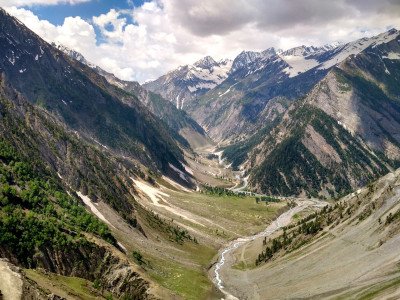 The Beas Valley in and around Bhuntar is a wide, fertile stretch of land that serves as the entry point to the higher Himalayas. Unlike the narrow gorges of the Parvati Valley, the Beas Valley here is broad and filled with apple orchards, plum trees, and vegetable farms. The valley is framed by towering mountains that remain snow-capped for most of the year. It is a hub for agricultural activity and provides a peaceful alternative to the busy streets of Manali. Driving through the valley, one can see the daily life of Himachali farmers and the traditional wooden houses dotted across the slopes. The valley also offers numerous trekking trails that lead to high-altitude meadows and hidden villages. The air is fresh, and the scenery is constantly changing with the seasons—from the white blossoms of spring to the golden hues of autumn. It is an ideal place for those who want to experience the "Slow Life" of the mountains. The valley's geography makes it perfect for adventure sports like paragliding and camping.
Tirthan Valley is one of the most pristine and famous offbeat destinations in Himachal Pradesh, named after the crystal-clear Tirthan River that flows through it. The river originates from the Hanskund peak within the Great Himalayan National Park and is known for its high-quality trout. The valley is a sanctuary for nature lovers, offering a mix of lush forests, hidden waterfalls, and quaint riverside hamlets like Gushaini, Nagini, and Jibhi. It is a place where you can spend your days angling for fish, trekking through dense deodar forests, or simply relaxing by the river with a book. The valley is also a major gateway to the GHNP, providing numerous opportunities for birdwatching and wildlife exploration. The local culture is deeply rooted in nature worship, with many sacred groves and ancient temples dedicated to local deities. The atmosphere in Tirthan is remarkably peaceful, as the area has resisted large-scale commercialization. The traditional wooden houses, terraced fields, and the constant melody of the river make it a perfect escape from the grind of city life. Whether you are an adventure seeker or someone looking for a quiet retreat, Tirthan Valley offers something special for every traveler.
@@The Historic Fortress: Naggar Castle is a magnificent medieval mansion built by Raja Sidh Singh of Kullu around 1460 AD. For centuries, it served as the royal seat of power before the capital was moved to Sultanpur. The castle is perched high above the Beas river, offering a strategic and breathtaking view of the entire valley. It is built using the unique Kath-Kuni technique, which involves alternating layers of timber and stone, allowing the structure to survive major earthquakes, including the devastating one in 1905. Today, it is managed by the Himachal Pradesh Tourism Development Corporation (HPTDC) and functions as both a heritage hotel and a museum. The interiors are filled with exquisite wood carvings, traditional fireplaces, and ancient artifacts. Walking through its corridors feels like stepping back into the era of the Himalayan kings. The castle also houses a small shrine dedicated to Lord Jagannath and a gallery featuring the works of the Russian painter Nicholas Roerich. The courtyard is a peaceful spot where visitors can enjoy a cup of tea while gazing at the snow-capped peaks. The blend of local Pahari and European architectural elements (added during the British era) makes it a unique landmark. It is not just a building; it is a repository of the region's history, art, and legends. The location has also been a favorite for Bollywood film shootings due to its timeless beauty. A visit to Naggar Castle is essential for anyone interested in the royal heritage of Himachal Pradesh.
Raison is a quaint riverside village that serves as a tranquil alternative to the bustling towns of Kullu and Manali. Situated at an altitude of about 1,435 Meters, it is famous for its lush plum and apple orchards that bloom beautifully in April. The village is a major hub for white-water rafting on the Beas River, attracting thrill-seekers from across the country. Unlike other commercial spots, Raison retains a rustic charm with its traditional wooden houses and vast campsites. The river here is wide and relatively calm in certain stretches, making it ideal for riverside picnics and peaceful evening walks. It is also the site of many camping festivals where travelers gather to enjoy music under the starlit sky. The backdrop of the majestic Dhauladhar range adds a layer of grandeur to this simple yet elegant destination. For those looking to escape the heat of the plains, Raison offers a cool breeze even during the peak of June.Show All
The Great Himalayan National Park (GHNP) is a jewel in the crown of Indian wildlife conservation. Established in 1984 and spread over 1171 square kilometers, it was declared a UNESCO World Heritage Site in 2014. The park is unique because it protects a massive range of altitudes, from 1500 to 6000 meters. This variation creates distinct ecological zones, from lush broadleaf forests to alpine meadows and high-altitude glaciers. GHNP is home to over 375 fauna species, including the elusive snow leopard and the endangered Western Tragopan. For the traveler, the park offers some of the most pristine trekking experiences in the world. Access is strictly controlled, and there are no motorable roads inside the park boundaries. Visitors must trek from gateways like Gushaini or Neuli. The landscape is a mix of dense forests, cascading waterfalls, and jagged peaks. It serves as the catchment area for the Tirthan, Sainj, Jiwa Nal, and Parvati rivers. The park is not just a wildlife sanctuary but a spiritual experience for those who love the wilderness. Guided treks can last from two days to two weeks. The local villagers in the buffer zone act as expert guides and porters, showcasing their deep connection with the land. Camping under the stars in the core zone is a highlight for many. The flora is equally impressive, with rare medicinal herbs and massive oak and deodar trees. It is a place where nature remains in its purest, most undisturbed form, offering a stark contrast to the busy hill stations nearby. :
The Beas Valley in and around Bhuntar is a wide, fertile stretch of land that serves as the entry point to the higher Himalayas. Unlike the narrow gorges of the Parvati Valley, the Beas Valley here is broad and filled with apple orchards, plum trees, and vegetable farms. The valley is framed by towering mountains that remain snow-capped for most of the year. It is a hub for agricultural activity and provides a peaceful alternative to the busy streets of Manali. Driving through the valley, one can see the daily life of Himachali farmers and the traditional wooden houses dotted across the slopes. The valley also offers numerous trekking trails that lead to high-altitude meadows and hidden villages. The air is fresh, and the scenery is constantly changing with the seasons—from the white blossoms of spring to the golden hues of autumn. It is an ideal place for those who want to experience the "Slow Life" of the mountains. The valley's geography makes it perfect for adventure sports like paragliding and camping.
Tirthan Valley is one of the most pristine and famous offbeat destinations in Himachal Pradesh, named after the crystal-clear Tirthan River that flows through it. The river originates from the Hanskund peak within the Great Himalayan National Park and is known for its high-quality trout. The valley is a sanctuary for nature lovers, offering a mix of lush forests, hidden waterfalls, and quaint riverside hamlets like Gushaini, Nagini, and Jibhi. It is a place where you can spend your days angling for fish, trekking through dense deodar forests, or simply relaxing by the river with a book. The valley is also a major gateway to the GHNP, providing numerous opportunities for birdwatching and wildlife exploration. The local culture is deeply rooted in nature worship, with many sacred groves and ancient temples dedicated to local deities. The atmosphere in Tirthan is remarkably peaceful, as the area has resisted large-scale commercialization. The traditional wooden houses, terraced fields, and the constant melody of the river make it a perfect escape from the grind of city life. Whether you are an adventure seeker or someone looking for a quiet retreat, Tirthan Valley offers something special for every traveler.
@@The Historic Fortress: Naggar Castle is a magnificent medieval mansion built by Raja Sidh Singh of Kullu around 1460 AD. For centuries, it served as the royal seat of power before the capital was moved to Sultanpur. The castle is perched high above the Beas river, offering a strategic and breathtaking view of the entire valley. It is built using the unique Kath-Kuni technique, which involves alternating layers of timber and stone, allowing the structure to survive major earthquakes, including the devastating one in 1905. Today, it is managed by the Himachal Pradesh Tourism Development Corporation (HPTDC) and functions as both a heritage hotel and a museum. The interiors are filled with exquisite wood carvings, traditional fireplaces, and ancient artifacts. Walking through its corridors feels like stepping back into the era of the Himalayan kings. The castle also houses a small shrine dedicated to Lord Jagannath and a gallery featuring the works of the Russian painter Nicholas Roerich. The courtyard is a peaceful spot where visitors can enjoy a cup of tea while gazing at the snow-capped peaks. The blend of local Pahari and European architectural elements (added during the British era) makes it a unique landmark. It is not just a building; it is a repository of the region's history, art, and legends. The location has also been a favorite for Bollywood film shootings due to its timeless beauty. A visit to Naggar Castle is essential for anyone interested in the royal heritage of Himachal Pradesh.
Raison is a quaint riverside village that serves as a tranquil alternative to the bustling towns of Kullu and Manali. Situated at an altitude of about 1,435 Meters, it is famous for its lush plum and apple orchards that bloom beautifully in April. The village is a major hub for white-water rafting on the Beas River, attracting thrill-seekers from across the country. Unlike other commercial spots, Raison retains a rustic charm with its traditional wooden houses and vast campsites. The river here is wide and relatively calm in certain stretches, making it ideal for riverside picnics and peaceful evening walks. It is also the site of many camping festivals where travelers gather to enjoy music under the starlit sky. The backdrop of the majestic Dhauladhar range adds a layer of grandeur to this simple yet elegant destination. For those looking to escape the heat of the plains, Raison offers a cool breeze even during the peak of June.Show All
The Great Himalayan National Park (GHNP) is a jewel in the crown of Indian wildlife conservation. Established in 1984 and spread over 1171 square kilometers, it was declared a UNESCO World Heritage Site in 2014. The park is unique because it protects a massive range of altitudes, from 1500 to 6000 meters. This variation creates distinct ecological zones, from lush broadleaf forests to alpine meadows and high-altitude glaciers. GHNP is home to over 375 fauna species, including the elusive snow leopard and the endangered Western Tragopan. For the traveler, the park offers some of the most pristine trekking experiences in the world. Access is strictly controlled, and there are no motorable roads inside the park boundaries. Visitors must trek from gateways like Gushaini or Neuli. The landscape is a mix of dense forests, cascading waterfalls, and jagged peaks. It serves as the catchment area for the Tirthan, Sainj, Jiwa Nal, and Parvati rivers. The park is not just a wildlife sanctuary but a spiritual experience for those who love the wilderness. Guided treks can last from two days to two weeks. The local villagers in the buffer zone act as expert guides and porters, showcasing their deep connection with the land. Camping under the stars in the core zone is a highlight for many. The flora is equally impressive, with rare medicinal herbs and massive oak and deodar trees. It is a place where nature remains in its purest, most undisturbed form, offering a stark contrast to the busy hill stations nearby. :Information
-
Why Famous:
Kullu Airport Location: It is home to the only airport in the region, making it the primary entry point for high-profile tourists and those short on time.
White Water Rafting: The stretch of the Beas River near Bhuntar is famous for adventur...Kullu Airport Location: It is home to the only airport in the region, making it the primary entry point for high-profile tourists and those short on time.
White Water Rafting: The stretch of the Beas River near Bhuntar is famous for adventure sports, offering some of the best rapids in Himachal Pradesh. -
Architecture:
Basheshwar Temple Style: Built in the 9th century, this temple follows the Pyramidal Shikhara style with three small shrines on the outer walls. The stone walls are roughly 1 meter thick, providing a sturdy and ancient feel to the entire complex.
Read MoreBasheshwar Temple Style: Built in the 9th century, this temple follows the Pyramidal Shikhara style with three small shrines on the outer walls. The stone walls are roughly 1 meter thick, providing a sturdy and ancient feel to the entire complex.
Kash Style Architecture: Many local shrines like Bijli Mahadev feature the Kash style, using layers of wood and stone to withstand the heavy Himalayan snowfall. The dimensions of these local village temples usually cover an area of about 500 square feet.How To Reach:
By Air: Fly directly into Kullu-Manali Airport (KUU), which is located right in the heart of Bhuntar town itself.
By Train: The nearest broad-gauge station is Chandigarh (260 KM); travelers then take a bus or taxi for the remaining mountain...By Air: Fly directly into Kullu-Manali Airport (KUU), which is located right in the heart of Bhuntar town itself.
By Train: The nearest broad-gauge station is Chandigarh (260 KM); travelers then take a bus or taxi for the remaining mountain journey.
By Road: Bhuntar lies on NH-3; regular Volvo buses from Delhi and Chandigarh stop here on their way to Manali.
By Local Transport: Local HRTC buses and shared jeeps are the cheapest way to reach nearby valleys like Kasol or Jari.Weather and Best Time to Visit:
Summer (April-June): This is the peak season for rafting and trekking as the weather remains pleasant with temperatures around 25°C.
Autumn (October-November): The skies are crystal clear, offering the best mountain views and the colorful r...Summer (April-June): This is the peak season for rafting and trekking as the weather remains pleasant with temperatures around 25°C.
Autumn (October-November): The skies are crystal clear, offering the best mountain views and the colorful ripening of the apple harvest.
Early Morning: The mist over the river confluence at dawn is a magical sight that most tourists sleep through and miss.Near Tourist Places:
Kullu (10 KM), Kasol (30 KM), Manikaran (35 KM), Manali (50 KM), Naggar Castle (30 KM), Malana (45 KM), Bijli Mahadev (15 KM), Jari (22 KM), Bajaura (4 KM), Raison (25 KM).Tourism Tips
-
Health and Safety: Be careful near the river banks as the water current is deceptively strong; never swim without professional supervision.
Packing Tips: Even in summer, carry a light jacket as evening temperatures can drop quickly due to t...Health and Safety: Be careful near the river banks as the water current is deceptively strong; never swim without professional supervision.
Packing Tips: Even in summer, carry a light jacket as evening temperatures can drop quickly due to the mountain breeze.
Accommodation: There are several budget guesthouses near the airport; for luxury, look for resorts on the outskirts towards Kullu.
Local Etiquette: Always ask permission before photographing local people, especially during religious ceremonies or inside the old temple areas.
Reviews
FAQs
Bhuntar Itineray And Cost:-
Information about New and Updated Locations() of Himachal Pradesh Has Been Added :-
Card subtitle
Note:-
Information provided here in good Faith and for reference only.
All information and pictures will be updated soon, please keep visiting.
Near Places

Anandpur Sahib
Some quick example text to build on the card title and make up the bulk of the card's content.
Go somewhere
Bhuntar
Some quick example text to build on the card title and make up the bulk of the card's content.
Go somewhere
Bir Billing
Some quick example text to build on the card title and make up the bulk of the card's content.
Go somewhere
Chail
Some quick example text to build on the card title and make up the bulk of the card's content.
Go somewhere
Chamba
Some quick example text to build on the card title and make up the bulk of the card's content.
Go somewhere
Dalhousie
Some quick example text to build on the card title and make up the bulk of the card's content.
Go somewhere
Dharamshala
Some quick example text to build on the card title and make up the bulk of the card's content.
Go somewhere
Fagu
Some quick example text to build on the card title and make up the bulk of the card's content.
Go somewhere
Hamirpur
Some quick example text to build on the card title and make up the bulk of the card's content.
Go somewhere
Joginder Nagar
Some quick example text to build on the card title and make up the bulk of the card's content.
Go somewherein Other Cities