Joginder Nagar
General information
-
Ideal Duration:
2-3 DaysPlace Type:
Adventure/IndustrialSpecial Events:
Shivratri: Celebrated with great pomp as Mandi is the "Varanasi of the Hills.
" International Paragliding Championship: Held at Bir-Billing, attracts global athletes in October.
:...Shivratri: Celebrated with great pomp as Mandi is the "Varanasi of the Hills.
" International Paragliding Championship: Held at Bir-Billing, attracts global athletes in October.
:Best Photo Spots:
Haulage Way: The steep tracks of the trolley make for a dramatic industrial photo.
Barot Valley: The reservoir and the river provide a serene natural landscape.
Macchial Lake: The emerald green water and th...Haulage Way: The steep tracks of the trolley make for a dramatic industrial photo.
Barot Valley: The reservoir and the river provide a serene natural landscape.
Macchial Lake: The emerald green water and the temple are very scenic.
:Photo Gallery
Things To Do
 Dheluhar Village is a serene rural settlement that offers an authentic glimpse into the rustic lifestyle of the Himachal Pradesh region. Surrounded by lush green terraced fields and dense pine forests, this village serves as a peaceful retreat for those looking to escape the hustle of urban life. The village is known for its warm hospitality and traditional Himachali culture, where visitors can observe the daily routines of local farmers and artisans. The air is crisp and clean, and the landscape is dotted with quaint houses that reflect the simplicity of mountain living. Walking through the narrow pathways of Dheluhar Village, one can hear the gentle rustle of leaves and the distant sound of temple bells. This place is not just a destination but an experience that connects you with nature and the soul of the Joginder Nagar Valley. It is ideal for soul-searching and photography, offering panoramic views of the Dhauladhar range. The village also has a historical significance as it lies close to ancient trekking routes. Travelers often stop here to interact with the elders who share fascinating folklore about the valley. The agricultural practices here are still largely traditional, using bullocks and organic methods. Visiting Dheluhar Village is like stepping back in time where life moves at a slow and meaningful pace. It remains one of the few places in the district where the modern world has yet to overshadow the heritage of the past.
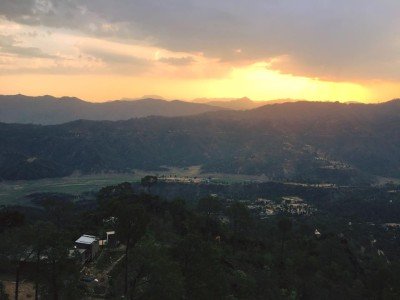 @@Nature's Secluded Sanctuary: Rajgundha Valley is a breathtaking high-altitude destination nestled in the Dhauladhar ranges of Himachal Pradesh. This valley is primarily known for its twin villages, Rajgundha and Kukkar Gundha, which offer an authentic glimpse into the semi-nomadic lifestyle of the local Gaddi shepherds. Surrounded by dense forests of oak and rhododendron, the valley remains largely untouched by commercial tourism, making it a paradise for those seeking silence. The panoramic views of the snow-capped peaks and the crystal-clear waters of the Uhl River flowing nearby create a surreal atmosphere. Visitors often find themselves enchanted by the simplicity of life here, where time seems to stand still amidst the rolling meadows and traditional stone houses. The valley acts as a bridge between the famous paragliding hub of Bir Billing and the scenic Barot Valley. It is an eco-friendly zone where sustainability is practiced by the locals who migrate to lower regions during the harsh winter months. Travelers can experience the thrill of staying in basic campsites or cozy homestays that provide organic local meals. The air is remarkably fresh, and the night sky offers a celestial display of stars rarely seen in urban areas. Walking through the narrow trails of the valley, one can witness the rich flora and fauna, including various Himalayan bird species. The valley is not just a destination but a transformative journey that reconnects the soul with nature's raw beauty. It is highly recommended for hikers, photographers, and peace-seekers who want to escape the hustle of city life. The hospitality of the villagers adds a layer of warmth to the cold mountain breeze, making every visitor feel like part of their mountain family.
 Jhatingri is a captivating hill station perched at an elevation of 6,600 feet on the Ghogar Dhar range. Once the summer capital of the princely state of Mandi, it now stands as a serene and offbeat destination for travelers seeking solitude. The resort area is famous for its thick forests of blue pine and deodar that cover the mountain slopes. The ruins of the old summer palaces of the Mandi kings can still be seen here, adding a touch of historical mystery to the scenic beauty. Jhatingri offers breathtaking 360-degree views of the Uhl Valley on one side and the Joginder Nagar Valley on the other. It is a place where clouds often float into your balcony, and the only sound you hear is the whistling of the wind through the trees. Unlike the crowded resorts of Shimla or Manali, Jhatingri remains largely untouched by commercial tourism. It serves as a gateway to the Barot Valley and is a popular stopover for trekkers. The air here is noticeably cooler than in the valley below, making it a perfect summer escape. Visitors can spend hours walking along the ridge, exploring the old heritage rest houses and the stone-walled remnants of the royal past. The sunset from Jhatingri is particularly famous, as the sky turns into a canvas of orange and purple over the distant peaks. For those who love nature in its raw form, this hill resort provides an ideal setting for camping and bird watching. It is also a significant spot for paragliding enthusiasts who prefer a quieter takeoff point compared to Billing. Jhatingri is truly a hidden jewel that captures the essence of the high Himalayas.
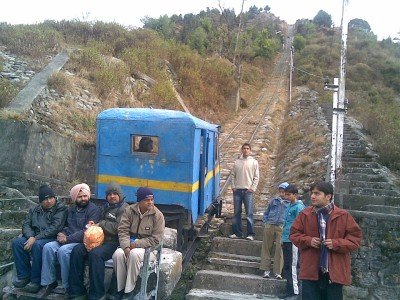 The Haulage Way Car, also popularly known as the Trolley, is a legendary engineering feat located in Joginder Nagar. Built during the British era in the late 1920s, this funicular railway system was designed by Colonel B.C. Batty to transport heavy machinery for the Shanan Hydel Project. It is considered one of the steepest and highest funicular tracks in the world, reaching altitudes of over 2,500 meters. The system consists of several stages that connect the base at Shanan to the high-altitude Winch Camp and eventually down to the Barot Valley. Riding the trolley is a pulse-pounding experience as it climbs up the mountain slopes at incredible angles. The track passes through dense forests of oak and rhododendron, offering views that are otherwise inaccessible by road. For decades, it has been the lifeline for the maintenance of the water pipes that feed the power house. The machinery used to operate the pulleys and cables is still largely functional, showcasing the robust engineering of the past century. Travelers often describe the ride as "floating in the air" because of the steep incline. The trolley doesn't have an engine; it is pulled by a powerful steel cable operated from control rooms at the top. It represents the industrial heritage of Himachal Pradesh and remains a primary attraction for engineers and adventure lovers alike. However, due to its age, the trolley often operates under strict permissions and for departmental use. Even if a ride is not available, visiting the base station to see the massive winches and the track disappearing into the clouds is a must-do activity in the valley.
 @@Historic Engineering Feat: The Shanan Power House is a monumental structure located in the heart of Joginder Nagar, representing one of the earliest chapters of India's industrial history. Commissioned in 1932, it holds the prestigious title of being the first hydroelectric project in India with a megawatt capacity. The project was the brainchild of British Engineer Colonel B.C. Batty, who envisioned harnessing the power of the Uhl River to electrify Northern India, including cities like Lahore and Delhi before independence. This powerhouse is a testament to the collaborative efforts of the British administration and Raja Karan Sen, the then-ruler of Joginder Nagar. The water is diverted from the Uhl River at Barot, travels through a mountain via a massive tunnel, and then plunges down through vertical penstock pipes to the turbines below. The site is not just a functional utility but a historical landmark that showcases the grit and ingenuity of early 20th-century engineers. The surrounding landscape is lush and well-maintained, offering a stark contrast to the heavy machinery inside. Over the decades, it has undergone several upgrades, currently producing 110 MW of electricity. The powerhouse is managed by the Punjab State Power Corporation, though its ownership has been a subject of long-standing discussion between Punjab and Himachal Pradesh. Visiting this site provides deep insights into how the region was transformed into an industrial hub. The massive pipes, known as penstocks, are visible from a distance and serve as a landmark for the town. The technical complexity of transporting heavy equipment to such a height in the 1920s remains a wonder for modern engineers. It stands as a symbol of progress that has fueled the growth of the region for nearly a century.
 The Joginder Nagar Valley is a wide and picturesque expanse nestled in the foothills of the Dhauladhar mountains. It is uniquely known as the "City of Powerhouses" because it is the only place in Asia that hosts three hydroelectric projects using the same water source. The valley is characterized by its lush green landscape, flowing streams, and the iconic narrow-gauge railway that winds through its heart. It serves as a central hub for various adventure activities, including paragliding, trekking, and mountain biking. The valley floor is at an altitude of about 1,220 meters, providing a mild climate throughout the year. As you drive through the valley, you see a mix of traditional villages, modern infrastructure, and vast agricultural lands. The Uhl River, which flows through the nearby mountains, is the lifeblood of this region, providing water for both power and irrigation. The valley is not just an industrial center but also a cultural one, with numerous ancient temples and local fairs that reflect the vibrant spirit of the Mandi district. Its strategic location makes it an ideal base for exploring nearby attractions like Bir-Billing and Barot. The panoramic views of the snow-capped peaks in the distance provide a stunning backdrop to the everyday life of the valley. Whether you are looking for an adrenaline rush or a peaceful walk by the lakeside, the valley offers a diverse range of experiences. It is a place where engineering marvels and natural beauty coexist in perfect harmony. The people of the valley are known for their simplicity and warm nature, often welcoming travelers into their homes. Exploring the Joginder Nagar Valley is a journey through the heart of Himachal, where every turn offers a new vista and a new story.
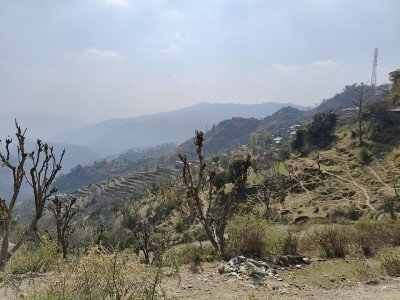 The Herbal Garden and Museum in Joginder Nagar is a prestigious institution dedicated to the study and conservation of medicinal plants. Spanning across a vast area of over 24 acres, it is recognized as the largest herbal garden in North India. The garden is home to more than 250 species of rare herbs, shrubs, and trees that are used in Ayurvedic medicine. This facility is managed by the Department of Ayurveda and serves as a vital research center for students and scientists. Walking through the garden, visitors are greeted by a variety of aromatic plants, some of which are on the verge of extinction. Each plant is carefully labeled with its botanical name and medicinal properties, making it an educational paradise. The attached museum houses a collection of preserved plant specimens, traditional medical instruments, and ancient texts related to Indian medicine. The peaceful environment of the garden, combined with the scent of herbs like Tulsi, Ashwagandha, and Brahmi, creates a therapeutic atmosphere. It is not just a garden but a living library of India's botanical heritage. The garden also features several poly-houses where sensitive plants are grown under controlled conditions. For nature lovers, the site offers a chance to see how nature provides cures for various ailments. The lush greenery and well-maintained paths make it a popular spot for morning walks among locals. It is a place where science meets tradition, providing insights into how the Himalayan flora contributes to global health. The museum provides a deeper understanding of the processing of these herbs into usable medicines. Visiting this garden is a refreshing break from typical sightseeing, offering both knowledge and tranquility in the heart of the valley.Show All
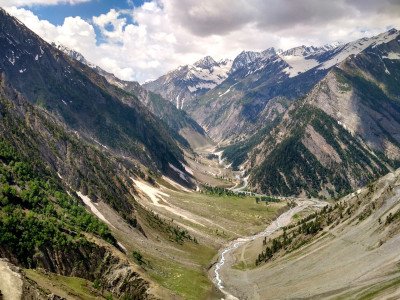 Barot Valley is a serene destination located in the Mandi district of Himachal Pradesh. Originally developed in the 1920s for the Shanan Hydel Project, it has evolved into a popular spot for trekking and angling. The valley is characterized by the sparkling Uhl River and dense deodar forests. It offers a tranquil escape from urban life with its terraced fields and traditional wooden houses. The area is also the gateway to the Nargu Wildlife Sanctuary, home to rare Himalayan species. Visitors often enjoy the rustic charm and the historical haulage trolley system. The valley's landscape is particularly beautiful during the spring and autumn months. It serves as a base for several high-altitude treks into the Dhauladhar range. The local culture is deeply rooted in Himachali traditions and hospitality. Barot Valley remains an offbeat gem for nature lovers and adventure seekers alike. :
Information
-
Why Famous:
Hydroelectric Projects: Known as the "City of Powerhouses" for its three major hydel stations.
Haulage Trolley: Features a unique trolley system that climbs steep mountain slopes.
Proximity to Bir: A major ...Hydroelectric Projects: Known as the "City of Powerhouses" for its three major hydel stations.
Haulage Trolley: Features a unique trolley system that climbs steep mountain slopes.
Proximity to Bir: A major transit point for paragliding enthusiasts heading to Bir-Billing.
: -
How To Reach:
By Air: Gaggal Airport (Dharamshala) is about 90 KM away from the town.
By Train: It has its own narrow-gauge station connected directly to Pathankot.
By Road: Well-connected to Mandi (56 KM) and Palampur v...By Air: Gaggal Airport (Dharamshala) is about 90 KM away from the town.
By Train: It has its own narrow-gauge station connected directly to Pathankot.
By Road: Well-connected to Mandi (56 KM) and Palampur via the Pathankot-Mandi highway.
By Local Transport: Taxis are the best way to explore the steep routes to Barot and Bir.
: -
Weather and Best Time to Visit:
Spring Season: March to May is perfect for seeing the tea gardens in full bloom.
Autumn Season: September to November is the peak season for paragliding.
Winter Season: December to January for those who enj...Spring Season: March to May is perfect for seeing the tea gardens in full bloom.
Autumn Season: September to November is the peak season for paragliding.
Winter Season: December to January for those who enjoy the biting cold of the mountains.
: -
Near Tourist Places:
Barot Valley (22 KM), Bir (16 KM), Billing (30 KM), Baijnath (20 KM), Mandi (56 KM), Palampur (38 KM), Macchial Lake (6 KM), Jhatingri (12 KM), Ahju (5 KM), Ghatasani (15 KM)
Tourism Tips
-
Adventure Gear: If planning to trek or paraglide, carry appropriate sports shoes and gear.
Permits: Check locally if permits are required for the haulage trolley or trekking routes.
Stay: Opt for a homestay...Adventure Gear: If planning to trek or paraglide, carry appropriate sports shoes and gear.
Permits: Check locally if permits are required for the haulage trolley or trekking routes.
Stay: Opt for a homestay in Barot for a more immersive and natural experience.
Safety: Do not feed the fish at Macchial Lake as it is considered a religious site.
:
Reviews
FAQs
Joginder Nagar Itineray And Cost:-
Other Places In Himachal Pradesh :-
Other States In India :-
Information about New and Updated Locations() of Himachal Pradesh Has Been Added :-
Card subtitle
Note:-
Information provided here in good Faith and for reference only.
Near Places

Anandpur Sahib
Some quick example text to build on the card title and make up the bulk of the card's content.
Go somewhere
Bhuntar
Some quick example text to build on the card title and make up the bulk of the card's content.
Go somewhere
Bir Billing
Some quick example text to build on the card title and make up the bulk of the card's content.
Go somewhere
Chail
Some quick example text to build on the card title and make up the bulk of the card's content.
Go somewhere
Chamba
Some quick example text to build on the card title and make up the bulk of the card's content.
Go somewhere
Dalhousie
Some quick example text to build on the card title and make up the bulk of the card's content.
Go somewhere
Dharamshala
Some quick example text to build on the card title and make up the bulk of the card's content.
Go somewhere
Fagu
Some quick example text to build on the card title and make up the bulk of the card's content.
Go somewhere
Hamirpur
Some quick example text to build on the card title and make up the bulk of the card's content.
Go somewhere
Joginder Nagar
Some quick example text to build on the card title and make up the bulk of the card's content.
Go somewhere
Kangra
Some quick example text to build on the card title and make up the bulk of the card's content.
Go somewhere
Kasauli
Some quick example text to build on the card title and make up the bulk of the card's content.
Go somewhere
Kasol
Some quick example text to build on the card title and make up the bulk of the card's content.
Go somewhere
Khajjiar
Some quick example text to build on the card title and make up the bulk of the card's content.
Go somewhere
Kufri
Some quick example text to build on the card title and make up the bulk of the card's content.
Go somewhere
Kullu
Some quick example text to build on the card title and make up the bulk of the card's content.
Go somewherein Other Cities