

Hamirpur
General information
-
Ideal Duration:
2 DaysPlace Type:
Historic/PilgrimageEntry Fees:
Temples: No entry fee is charged for any of the major religious shrines.
Forts: Sujanpur Tira is a protected monument but usually has free or nominal entry.
:...Temples: No entry fee is charged for any of the major religious shrines.
Forts: Sujanpur Tira is a protected monument but usually has free or nominal entry.
:Timing:
Place Timings:
Regular Timings: Temples are open from 5:00 AM to 9:00 PM for devotees.
Ideal Visit Time: February to April when the weather is mild and festive.
:...Place Timings:
Regular Timings: Temples are open from 5:00 AM to 9:00 PM for devotees.
Ideal Visit Time: February to April when the weather is mild and festive.
:Special Events:
State Level Holi Mela: A 4-day grand celebration at Sujanpur Tira with cultural shows.
Chaitra Mela: A month-long fair at Deotsidh during March-April for devotees.
:...State Level Holi Mela: A 4-day grand celebration at Sujanpur Tira with cultural shows.
Chaitra Mela: A month-long fair at Deotsidh during March-April for devotees.
:Best Photo Spots:
Beas Riverbank: Offers beautiful reflections of the surrounding hills during sunset.
Sujanpur Fort: The ancient stone gates and ruins provide a regal backdrop.
Deotsidh Temple: The cave entrance and the hil...Beas Riverbank: Offers beautiful reflections of the surrounding hills during sunset.
Sujanpur Fort: The ancient stone gates and ruins provide a regal backdrop.
Deotsidh Temple: The cave entrance and the hilltop view are very photogenic.
:Photo Gallery
Things To Do
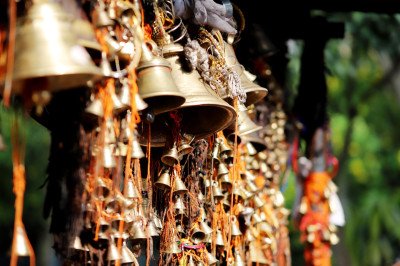 The Shani Dev Temple in the Lambloo area is one of the most significant shrines in North India dedicated to Lord Shani, the deity of the planet Saturn. Established in 1996, it has quickly become a major pilgrimage hub for those seeking relief from "Shani Dosha" and karmic burdens. The temple complex is beautifully situated amidst dense pine forests, providing a serene and slightly mystical atmosphere. It is managed by the state government, ensuring cleanliness and organized darshan for the thousands of devotees who visit every week. The temple is especially crowded on Saturdays, which is considered the most auspicious day for Shani worship. Devotees perform rituals like "Tula Daan" and offer mustard oil to the deity. The presence of massive idols of other deities like Hanuman and Bhairav adds to the spiritual weight of the location. The surrounding hills offer a quiet escape from the hustle of the city, making it a place for both spiritual healing and nature appreciation.
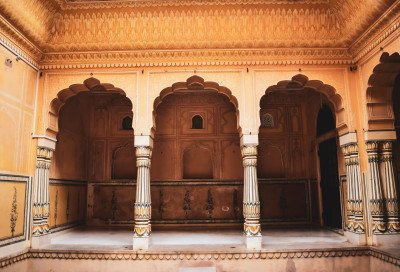 The Maharaja Sansar Chand Fort, also known as the Sujanpur Tira Fort, is one of the most significant historical landmarks in Himachal Pradesh. Built in 1758 by Raja Abhay Chand, it reached its zenith under Maharaja Sansar Chand, who turned it into a powerful center of the Katoch kingdom. The fort is strategically located on a hilltop, providing a vantage point over the Beas River and the surrounding valleys. It served as the royal residence and the seat of power when the Katoch kings lost control of the Kangra Fort to the Mughals and later the Sikhs. The fort complex is massive, featuring several palaces, administrative buildings, and temples. Although much of it was damaged during the devastating earthquake of 1905, the remaining structures still speak volumes about the grandeur of that era. The entrance of the fort is particularly impressive, with large arches and massive stone walls that once welcomed royal processions. Inside, the Baradari (Darbar Hall) remains a highlight, where the King once held court. The fort's association with the Kangra School of Miniature Paintings is also notable, as Maharaja Sansar Chand was a great patron of the arts. Today, the fort is a protected monument, attracting history enthusiasts and tourists who wish to explore the rich past of the Himalayan royalty. Walking through the ruins, one can see the intricate stone carvings and the remains of the old water management system. The fort offers a panoramic view of the Sujanpur town and the Chougan ground below, making it a favorite spot for photographers. It stands as a silent witness to the rise and fall of empires in the western Himalayas.
 @@Amtair Cricket Stadium Details: The Amtair Cricket Stadium, often referred to as the Nadaun Cricket Ground, is one of the most picturesque sporting venues in Northern India. Managed by the Himachal Pradesh Cricket Association (HPCA), it serves as a vital hub for domestic cricket matches, including Ranji Trophy fixtures. The stadium is located on the banks of the Beas River, offering a breathtaking backdrop of water and hills. It has played a significant role in nurturing local talent and putting Hamirpur on the national sports map. The lush green outfield and cool breeze from the river make it a favorite for players and spectators alike. Historically, this region has been a nursery for cricketers who go on to represent the state at various levels. Visitors often come here not just for the love of the game but to enjoy the tranquility of a stadium that feels integrated into nature. The atmosphere during a live match is electric, yet the surrounding landscape remains serene and untouched. It is a testament to how sports infrastructure can coexist with environmental beauty. The stadium also serves as a training ground for aspiring athletes from across the district. During the off-season, the ground is maintained with precision, keeping it ready for high-stakes tournaments. Its proximity to the town of Nadaun adds a layer of historical charm to the visit. For any cricket enthusiast visiting Himachal Pradesh, this stadium is a must-visit landmark that combines passion with peace.
Mohal Morian is a site of immense historical significance, known as the location where the destiny of the Katoch dynasty was decided in the early 19th century. This area houses the ruins of a once-mighty fortress that stood three to four storeys high, built by Raja Hamir Chand or his descendant Raja Sansar Chand II. The site is most famous for the two fierce battles fought between the Katoch army and the Gorkhas from Nepal. In the second battle, despite the bravery of the Katoch soldiers, the fort was captured and subsequently set on fire by the invading forces, leading to the decline of the local monarchy. Today, the fort lies in ruins, with massive stone walls reaching heights of 50 to 60 meters still standing as a testament to its former glory. To reach the ruins, one must undertake a short trek through a dense forest and a narrow gorge, which adds an element of adventure to the visit. The path is often overgrown with vegetation, making a local guide highly recommended for first-time visitors. As you climb towards the fort, the silence of the woods is only broken by the sound of birds and the rustling leaves, creating a somber yet peaceful atmosphere. Inside the fort complex, there is an ancient temple that features traditional architectural elements and offers a quiet space for reflection. There is also a legendary tunnel that was reportedly used by the kings as an emergency escape route during sieges. While much of the treasure of the fort was allegedly looted over the centuries, the historical aura remains intact. The site offers a panoramic view of the surrounding hills, allowing visitors to visualize the strategic importance this fort held during medieval times. It is a place where history buffs can truly immerse themselves in the tales of valor and sacrifice that define the spirit of Himachal Pradesh.
@@Bilkleshwar Mahadev Temple Details: Steeped in the lore of the Mahabharata, the Bilkleshwar Mahadev Temple is an ancient Shiva shrine located at the confluence of the Beas River and Kunah Khad. According to local tradition, the construction of this temple was started by the Pandavas during their exile, with the help of the divine architect Vishwakarma. It is said they worked only at night to remain hidden, but were forced to stop when local villagers spotted them. The temple was later completed by the Katoch dynasty kings. This site is considered as sacred as Haridwar, and many locals perform the last rites and immersion of ashes here. The temple is over 400 years old in its current form and features a profound spiritual atmosphere. The main deity is a Shiva Lingam that is believed to be self-manifested. The temple’s location near the water makes it a serene spot for meditation and prayer. During the month of Baisakh, a large fair is held here, drawing thousands of devotees who take a holy dip in the river before offering prayers. The sound of the flowing river combined with the chanting of mantras creates a powerful environment. The temple architecture is simple yet sturdy, reflecting the resilience of the local culture. It is a place where history, mythology, and nature converge seamlessly. For visitors, it offers a chance to explore a less-crowded but highly significant religious site. The surrounding greenery and the proximity to the river bank allow for a peaceful day out. It is a cornerstone of the religious life of the people in the Nadaun region.
Tauni Devi Temple is a 300-year-old Shakti shrine that holds a unique place in the folklore of Hamirpur. Dedicated to Mata Tauni Devi, who is believed to be the sister of Goddess Durga, the temple is the "Kuldevi" (ancestral goddess) of the Chauhan clan. According to legend, Tauni was a mute girl who performed intense penance during the Mughal era and eventually merged into the earth. Because she could not hear, a unique ritual evolved where devotees strike two stones together while making a wish, believing the vibration reaches her spirit. The temple is situated on a ridge, offering a refreshing climate and beautiful views of the surrounding valleys. It is a place where faith is simple and deep-seated. People from all over the region visit the temple specifically to pray for protection against seasonal diseases and to seek the goddess's blessings for their families. The atmosphere is peaceful, less commercialized than other major temples, and deeply rooted in Himachali culture.
Nadaun Fort, also known as the Amter-Nadaun Fort, is a historic structure perched on a hill overlooking the serene Beas River. This fort was once the prestigious summer residence of Raja Sansar Chand, the most celebrated ruler of the Katoch dynasty. During his reign, Nadaun was so beautiful and prosperous that a popular local saying emerged: "Aaye Nadaun, Jaye Kaun" (One who comes to Nadaun, never wishes to leave). The fort served as a strategic stronghold and a cultural hub where the famous Kangra miniature paintings flourished under royal patronage. Today, although the fort is in a dilapidated state, its ruins still whisper stories of royal grandeur and historical battles. The structure is famous for its exquisite wall paintings and frescoes that have survived the ravages of time. These artworks depict mythological scenes and the royal lifestyle of the 18th century. The fort's location is strategically chosen, offering a 360-degree view of the Beas valley, which helped the rulers monitor any enemy movements. Historically, the fort was also a place of refuge for the Katoch kings after they lost the Kangra Fort to the Mughals. The town of Nadaun itself has a rich history, having been visited by Guru Gobind Singh, the tenth Sikh Guru, who fought a battle here against the Mughals. A visit to the fort complex allows you to explore the remains of the palace, the royal courtyards, and small shrines that were part of the inner sanctum. The surrounding area is lush with greenery, making it a peaceful spot for those interested in heritage and archaeology. Despite its ruined state, the architectural layout provides a clear picture of medieval hill fortifications. The site is currently under the care of the Archaeological Survey of India, which is working to preserve what remains of this glorious past. For any traveler to Hamirpur, the Nadaun Fort is an essential stop to understand the royal legacy of the region.Show All
The Gauri Shankar Temple in Sujanpur Tira is a masterpiece of architectural brilliance and religious devotion, built during the reign of the legendary Maharaja Sansar Chand of the Katoch dynasty in the late 18th century. Dedicated to Lord Shiva and Goddess Parvati, the temple stands as a testament to the golden era of the Kangra School of art. The temple is located within the historic fort complex, overlooking the vast Chougan ground. Its walls are adorned with exquisite frescoes and paintings that depict scenes from the Ramayana, Mahabharata, and the life of Lord Krishna. These paintings are significant for their precision, color palette, and historical value, making the temple a site of interest for art historians worldwide. The idols of Gauri and Shankar are carved from fine stone and exude a sense of divine grace. The temple was not only a place for personal worship for the royalty but also a center for cultural activities and religious festivals. The serene atmosphere, combined with the historical backdrop of the Sujanpur fort, offers a unique experience to visitors. Over the years, despite the wear and tear of time and natural calamities like earthquakes, the temple has retained its spiritual and aesthetic appeal. It represents the pinnacle of hill architecture in the Hamirpur district. Walking through the temple corridors, one can almost feel the presence of the royal past and the artistic fervor that once thrived here. The temple is surrounded by lush greenery and offers a panoramic view of the Beas River flowing nearby. It remains one of the most visited sites in Hamirpur, drawing pilgrims and tourists alike who wish to witness the blending of faith and art. The preservation of its frescoes is a priority for heritage enthusiasts, as they provide a visual record of the 18th-century Himalayan culture and religious beliefs.
@@Amtair Cricket Stadium Details: The Amtair Cricket Stadium, often referred to as the Nadaun Cricket Ground, is one of the most picturesque sporting venues in Northern India. Managed by the Himachal Pradesh Cricket Association (HPCA), it serves as a vital hub for domestic cricket matches, including Ranji Trophy fixtures. The stadium is located on the banks of the Beas River, offering a breathtaking backdrop of water and hills. It has played a significant role in nurturing local talent and putting Hamirpur on the national sports map. The lush green outfield and cool breeze from the river make it a favorite for players and spectators alike. Historically, this region has been a nursery for cricketers who go on to represent the state at various levels. Visitors often come here not just for the love of the game but to enjoy the tranquility of a stadium that feels integrated into nature. The atmosphere during a live match is electric, yet the surrounding landscape remains serene and untouched. It is a testament to how sports infrastructure can coexist with environmental beauty. The stadium also serves as a training ground for aspiring athletes from across the district. During the off-season, the ground is maintained with precision, keeping it ready for high-stakes tournaments. Its proximity to the town of Nadaun adds a layer of historical charm to the visit. For any cricket enthusiast visiting Himachal Pradesh, this stadium is a must-visit landmark that combines passion with peace.
Mohal Morian is a site of immense historical significance, known as the location where the destiny of the Katoch dynasty was decided in the early 19th century. This area houses the ruins of a once-mighty fortress that stood three to four storeys high, built by Raja Hamir Chand or his descendant Raja Sansar Chand II. The site is most famous for the two fierce battles fought between the Katoch army and the Gorkhas from Nepal. In the second battle, despite the bravery of the Katoch soldiers, the fort was captured and subsequently set on fire by the invading forces, leading to the decline of the local monarchy. Today, the fort lies in ruins, with massive stone walls reaching heights of 50 to 60 meters still standing as a testament to its former glory. To reach the ruins, one must undertake a short trek through a dense forest and a narrow gorge, which adds an element of adventure to the visit. The path is often overgrown with vegetation, making a local guide highly recommended for first-time visitors. As you climb towards the fort, the silence of the woods is only broken by the sound of birds and the rustling leaves, creating a somber yet peaceful atmosphere. Inside the fort complex, there is an ancient temple that features traditional architectural elements and offers a quiet space for reflection. There is also a legendary tunnel that was reportedly used by the kings as an emergency escape route during sieges. While much of the treasure of the fort was allegedly looted over the centuries, the historical aura remains intact. The site offers a panoramic view of the surrounding hills, allowing visitors to visualize the strategic importance this fort held during medieval times. It is a place where history buffs can truly immerse themselves in the tales of valor and sacrifice that define the spirit of Himachal Pradesh.
@@Bilkleshwar Mahadev Temple Details: Steeped in the lore of the Mahabharata, the Bilkleshwar Mahadev Temple is an ancient Shiva shrine located at the confluence of the Beas River and Kunah Khad. According to local tradition, the construction of this temple was started by the Pandavas during their exile, with the help of the divine architect Vishwakarma. It is said they worked only at night to remain hidden, but were forced to stop when local villagers spotted them. The temple was later completed by the Katoch dynasty kings. This site is considered as sacred as Haridwar, and many locals perform the last rites and immersion of ashes here. The temple is over 400 years old in its current form and features a profound spiritual atmosphere. The main deity is a Shiva Lingam that is believed to be self-manifested. The temple’s location near the water makes it a serene spot for meditation and prayer. During the month of Baisakh, a large fair is held here, drawing thousands of devotees who take a holy dip in the river before offering prayers. The sound of the flowing river combined with the chanting of mantras creates a powerful environment. The temple architecture is simple yet sturdy, reflecting the resilience of the local culture. It is a place where history, mythology, and nature converge seamlessly. For visitors, it offers a chance to explore a less-crowded but highly significant religious site. The surrounding greenery and the proximity to the river bank allow for a peaceful day out. It is a cornerstone of the religious life of the people in the Nadaun region.
Tauni Devi Temple is a 300-year-old Shakti shrine that holds a unique place in the folklore of Hamirpur. Dedicated to Mata Tauni Devi, who is believed to be the sister of Goddess Durga, the temple is the "Kuldevi" (ancestral goddess) of the Chauhan clan. According to legend, Tauni was a mute girl who performed intense penance during the Mughal era and eventually merged into the earth. Because she could not hear, a unique ritual evolved where devotees strike two stones together while making a wish, believing the vibration reaches her spirit. The temple is situated on a ridge, offering a refreshing climate and beautiful views of the surrounding valleys. It is a place where faith is simple and deep-seated. People from all over the region visit the temple specifically to pray for protection against seasonal diseases and to seek the goddess's blessings for their families. The atmosphere is peaceful, less commercialized than other major temples, and deeply rooted in Himachali culture.
Nadaun Fort, also known as the Amter-Nadaun Fort, is a historic structure perched on a hill overlooking the serene Beas River. This fort was once the prestigious summer residence of Raja Sansar Chand, the most celebrated ruler of the Katoch dynasty. During his reign, Nadaun was so beautiful and prosperous that a popular local saying emerged: "Aaye Nadaun, Jaye Kaun" (One who comes to Nadaun, never wishes to leave). The fort served as a strategic stronghold and a cultural hub where the famous Kangra miniature paintings flourished under royal patronage. Today, although the fort is in a dilapidated state, its ruins still whisper stories of royal grandeur and historical battles. The structure is famous for its exquisite wall paintings and frescoes that have survived the ravages of time. These artworks depict mythological scenes and the royal lifestyle of the 18th century. The fort's location is strategically chosen, offering a 360-degree view of the Beas valley, which helped the rulers monitor any enemy movements. Historically, the fort was also a place of refuge for the Katoch kings after they lost the Kangra Fort to the Mughals. The town of Nadaun itself has a rich history, having been visited by Guru Gobind Singh, the tenth Sikh Guru, who fought a battle here against the Mughals. A visit to the fort complex allows you to explore the remains of the palace, the royal courtyards, and small shrines that were part of the inner sanctum. The surrounding area is lush with greenery, making it a peaceful spot for those interested in heritage and archaeology. Despite its ruined state, the architectural layout provides a clear picture of medieval hill fortifications. The site is currently under the care of the Archaeological Survey of India, which is working to preserve what remains of this glorious past. For any traveler to Hamirpur, the Nadaun Fort is an essential stop to understand the royal legacy of the region.Show All
The Gauri Shankar Temple in Sujanpur Tira is a masterpiece of architectural brilliance and religious devotion, built during the reign of the legendary Maharaja Sansar Chand of the Katoch dynasty in the late 18th century. Dedicated to Lord Shiva and Goddess Parvati, the temple stands as a testament to the golden era of the Kangra School of art. The temple is located within the historic fort complex, overlooking the vast Chougan ground. Its walls are adorned with exquisite frescoes and paintings that depict scenes from the Ramayana, Mahabharata, and the life of Lord Krishna. These paintings are significant for their precision, color palette, and historical value, making the temple a site of interest for art historians worldwide. The idols of Gauri and Shankar are carved from fine stone and exude a sense of divine grace. The temple was not only a place for personal worship for the royalty but also a center for cultural activities and religious festivals. The serene atmosphere, combined with the historical backdrop of the Sujanpur fort, offers a unique experience to visitors. Over the years, despite the wear and tear of time and natural calamities like earthquakes, the temple has retained its spiritual and aesthetic appeal. It represents the pinnacle of hill architecture in the Hamirpur district. Walking through the temple corridors, one can almost feel the presence of the royal past and the artistic fervor that once thrived here. The temple is surrounded by lush greenery and offers a panoramic view of the Beas River flowing nearby. It remains one of the most visited sites in Hamirpur, drawing pilgrims and tourists alike who wish to witness the blending of faith and art. The preservation of its frescoes is a priority for heritage enthusiasts, as they provide a visual record of the 18th-century Himalayan culture and religious beliefs.Information
-
Why Famous:
Baba Balak Nath: Home to one of the most revered shrines in North India at Deotsidh.
Sujanpur Holi: Famous for the state-level Holi festival celebrated with great fervor.
Educational Hub: Known for having t...Baba Balak Nath: Home to one of the most revered shrines in North India at Deotsidh.
Sujanpur Holi: Famous for the state-level Holi festival celebrated with great fervor.
Educational Hub: Known for having the highest literacy rate in Himachal Pradesh.
: -
Architecture:
Place Architecture:
Medieval Fort Style: Sujanpur Tira exhibits massive stone walls and watchtowers built for military defense. The ruins show evidence of complex courtyard designs and royal chambers.
Temple Arc...Place Architecture:
Medieval Fort Style: Sujanpur Tira exhibits massive stone walls and watchtowers built for military defense. The ruins show evidence of complex courtyard designs and royal chambers.
Temple Architecture: The Gaurishankar Temple features the Shikara style with intricate stone carvings. Many local shrines use the pent-roof style common in the Shivalik foothills.
: -
How To Reach:
By Air: Gaggal Airport (Kangra) is 85 KM away; Chandigarh Airport is 180 KM away.
By Train: Una Himachal is the nearest broad gauge station, located about 80 KM away.
By Road: Extremely well-connected by N... -
Near Tourist Places:
Deotsidh (45 KM), Sujanpur Tira (24 KM), Nadaun (28 KM), Jawalamukhi (40 KM), Awah Devi (22 KM), Bhakra Dam (90 KM), Kangra (75 KM), Palampur (65 KM), Rewalsar (85 KM), Una (80 KM)
Tourism Tips
-
Dress Code: When visiting religious sites like Deotsidh, dress modestly and respectfully.
Food: Don't miss trying the local Himachali 'Dham' during festive occasions.
Transportation: Hiring a private taxi f...
Reviews
Hamirpur Itineray And Cost:-
Information about New and Updated Locations() of Himachal Pradesh Has Been Added :-
Card subtitle
Note:-
Information provided here in good Faith and for reference only.
All information and pictures will be updated soon, please keep visiting.
Near Places

Anandpur Sahib
Some quick example text to build on the card title and make up the bulk of the card's content.
Go somewhere
Bhuntar
Some quick example text to build on the card title and make up the bulk of the card's content.
Go somewhere
Bir Billing
Some quick example text to build on the card title and make up the bulk of the card's content.
Go somewhere
Chail
Some quick example text to build on the card title and make up the bulk of the card's content.
Go somewhere
Chamba
Some quick example text to build on the card title and make up the bulk of the card's content.
Go somewhere
Dalhousie
Some quick example text to build on the card title and make up the bulk of the card's content.
Go somewhere
Dharamshala
Some quick example text to build on the card title and make up the bulk of the card's content.
Go somewhere
Fagu
Some quick example text to build on the card title and make up the bulk of the card's content.
Go somewhere
Hamirpur
Some quick example text to build on the card title and make up the bulk of the card's content.
Go somewhere
Joginder Nagar
Some quick example text to build on the card title and make up the bulk of the card's content.
Go somewherein Other Cities