Kodaikanal
General information
-
Ideal Duration:
2 to 3 DaysPlace Type:
Hill Station / NatureEntry Fees:
Entry Prices: Most viewpoints like Coaker's Walk charge around Rs.20. The Pillar Rocks entry is approximately Rs.10. Bryant Park entry is Rs.30 per adult. ...Entry Prices: Most viewpoints like Coaker's Walk charge around Rs.20. The Pillar Rocks entry is approximately Rs.10. Bryant Park entry is Rs.30 per adult.Timing:
Standard Hours: Attractions are generally open from 9:00 AM to 6:00 PM. Coaker's Walk opens early at 7:30 AM. Boating ends by 5:30 PM for safety. ...Standard Hours: Attractions are generally open from 9:00 AM to 6:00 PM. Coaker's Walk opens early at 7:30 AM. Boating ends by 5:30 PM for safety.Special Events:
Summer Festival: Held in May, it features flower shows and boat races. It is the biggest annual celebration in the hill station.
Kurinji Festival: Celebrated at the Kurinji Andavar Temple during the blooming season. It is a spiritual and c...Summer Festival: Held in May, it features flower shows and boat races. It is the biggest annual celebration in the hill station.
Kurinji Festival: Celebrated at the Kurinji Andavar Temple during the blooming season. It is a spiritual and cultural gathering.Best Photo Spots:
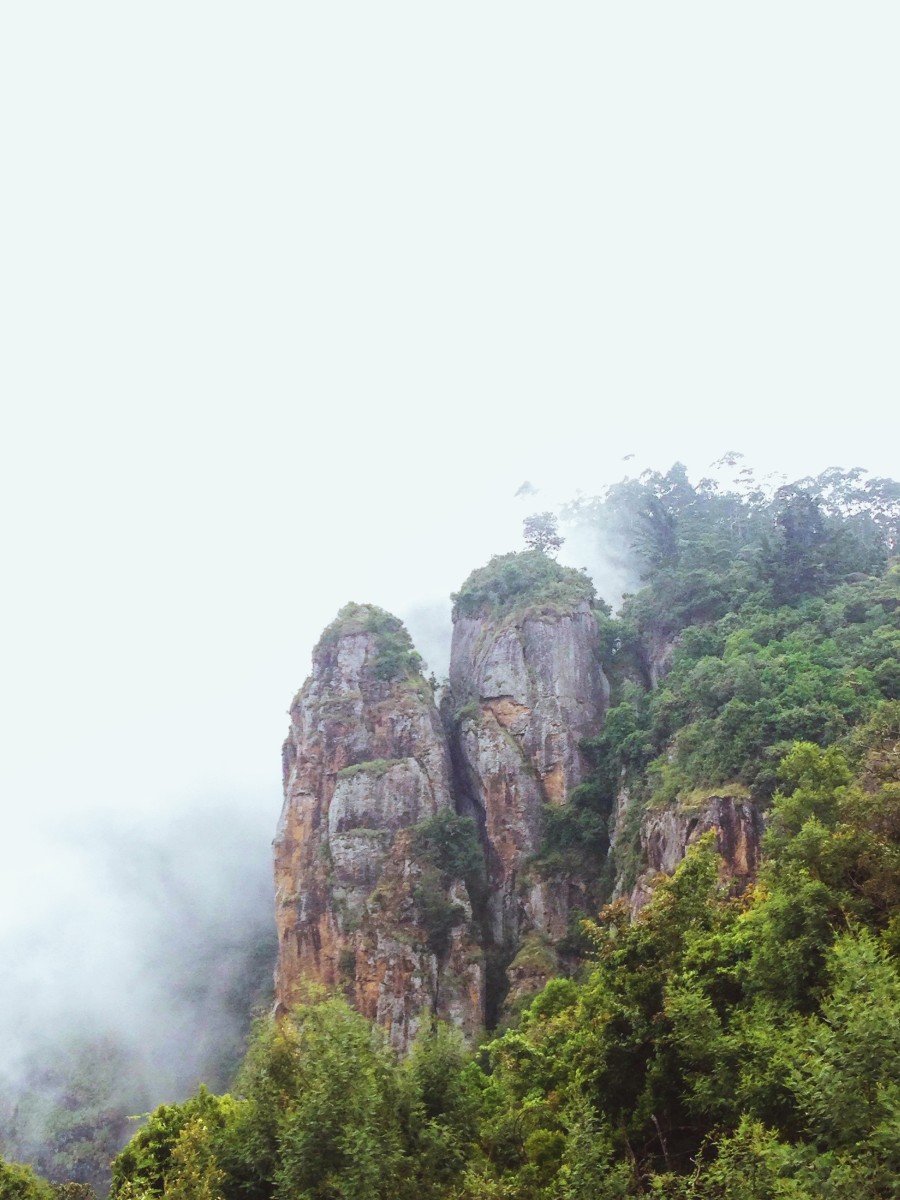
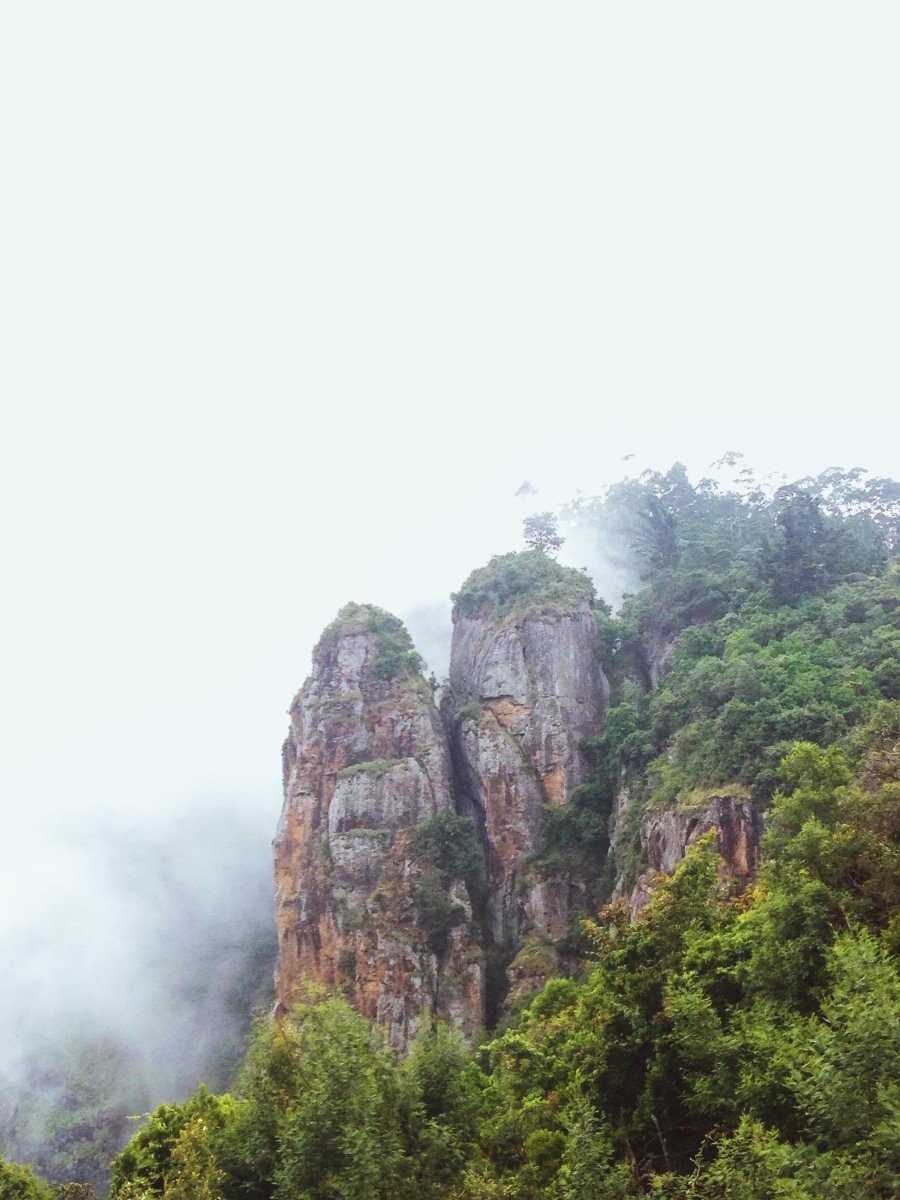
Pillar Rocks: Best for dramatic landscape shots during sunrise.
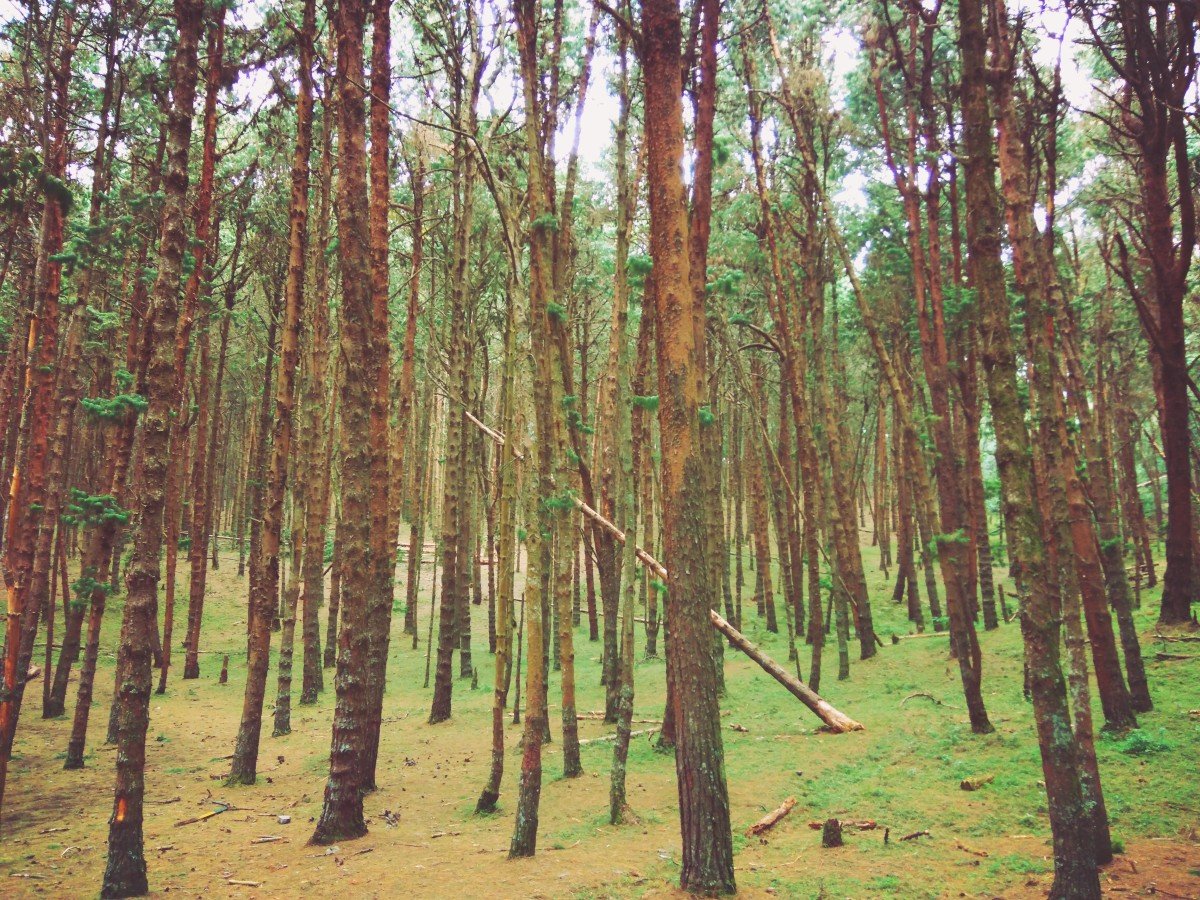
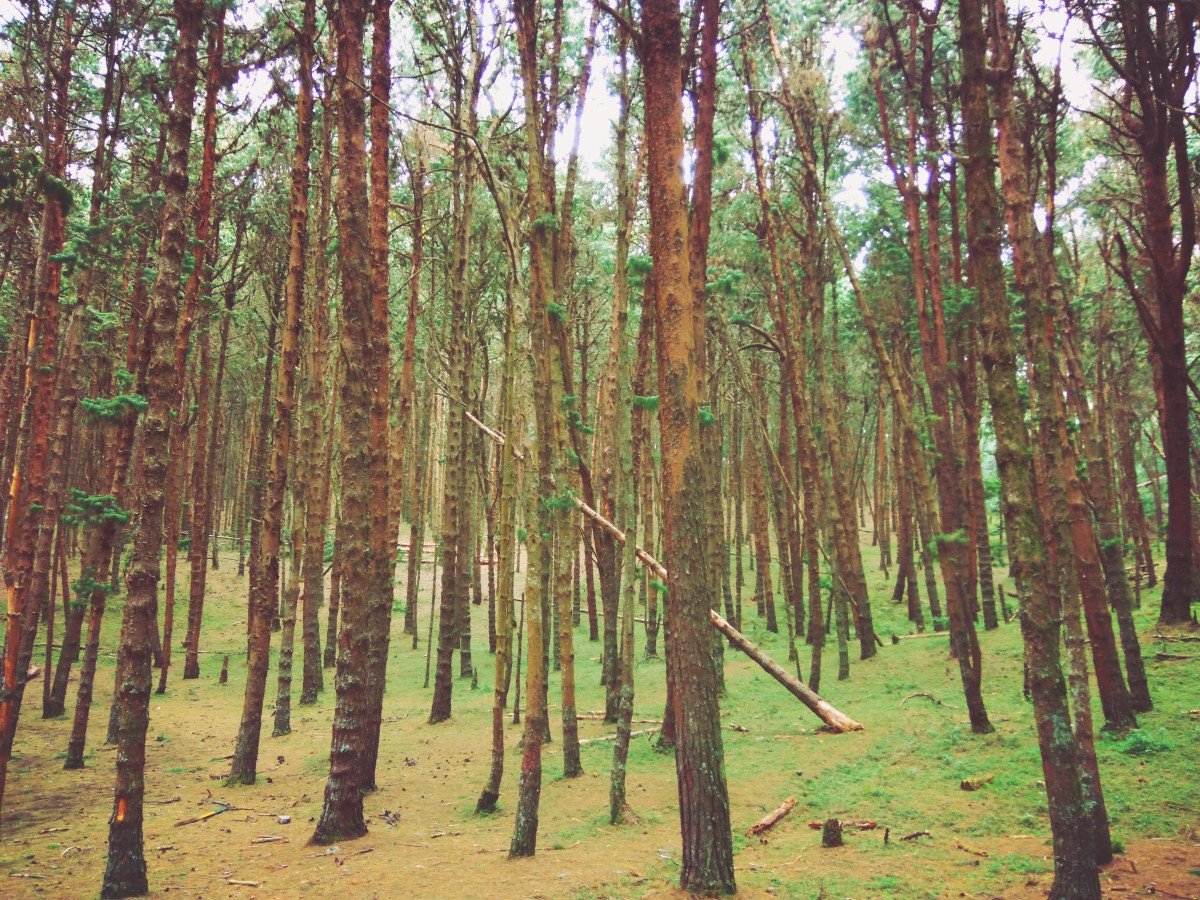
Pine Forest: Ideal for portrait photography with natural lighting.
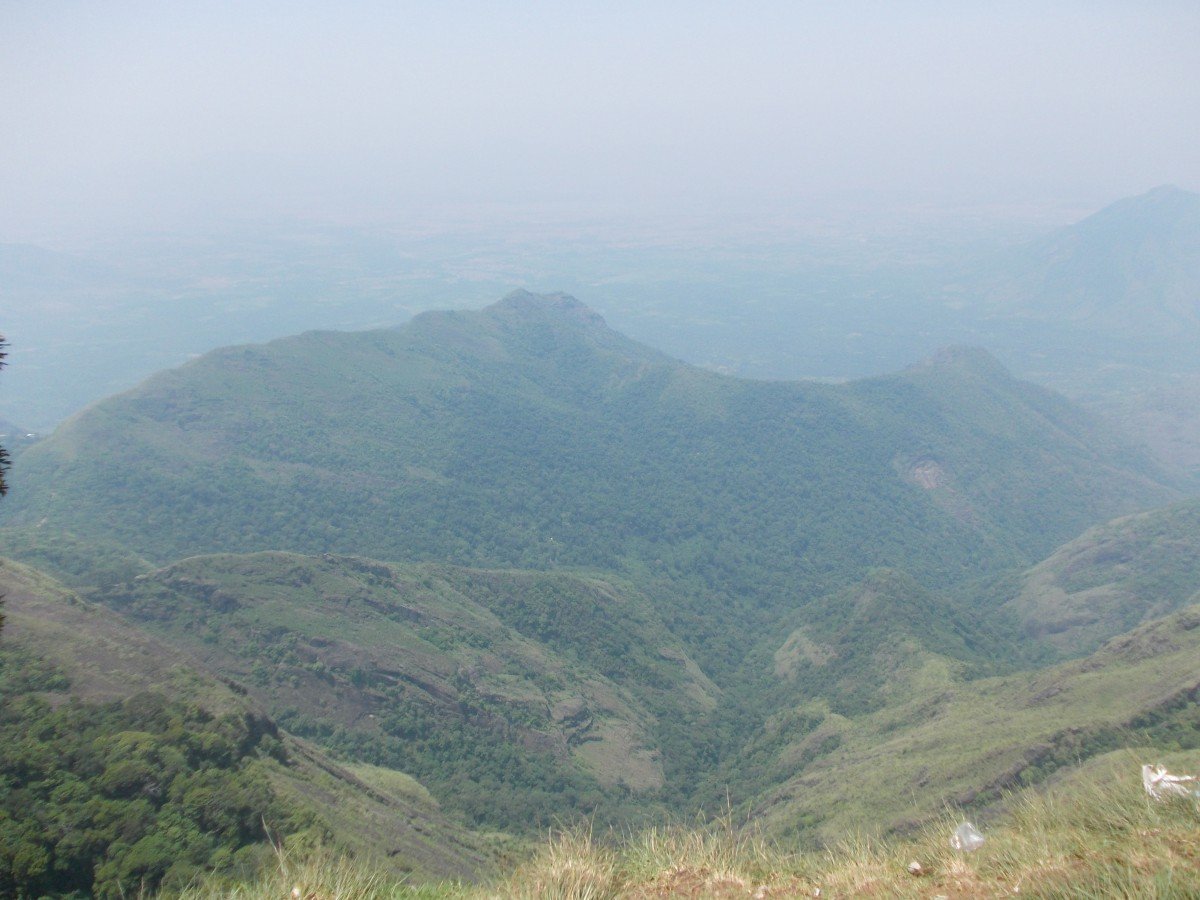
Dolphin's Nose: Captures the vastness of the valley and cliffs. ...Pillar Rocks: Best for dramatic landscape shots during sunrise.
Pine Forest: Ideal for portrait photography with natural lighting.
Dolphin's Nose: Captures the vastness of the valley and cliffs.Photo Gallery
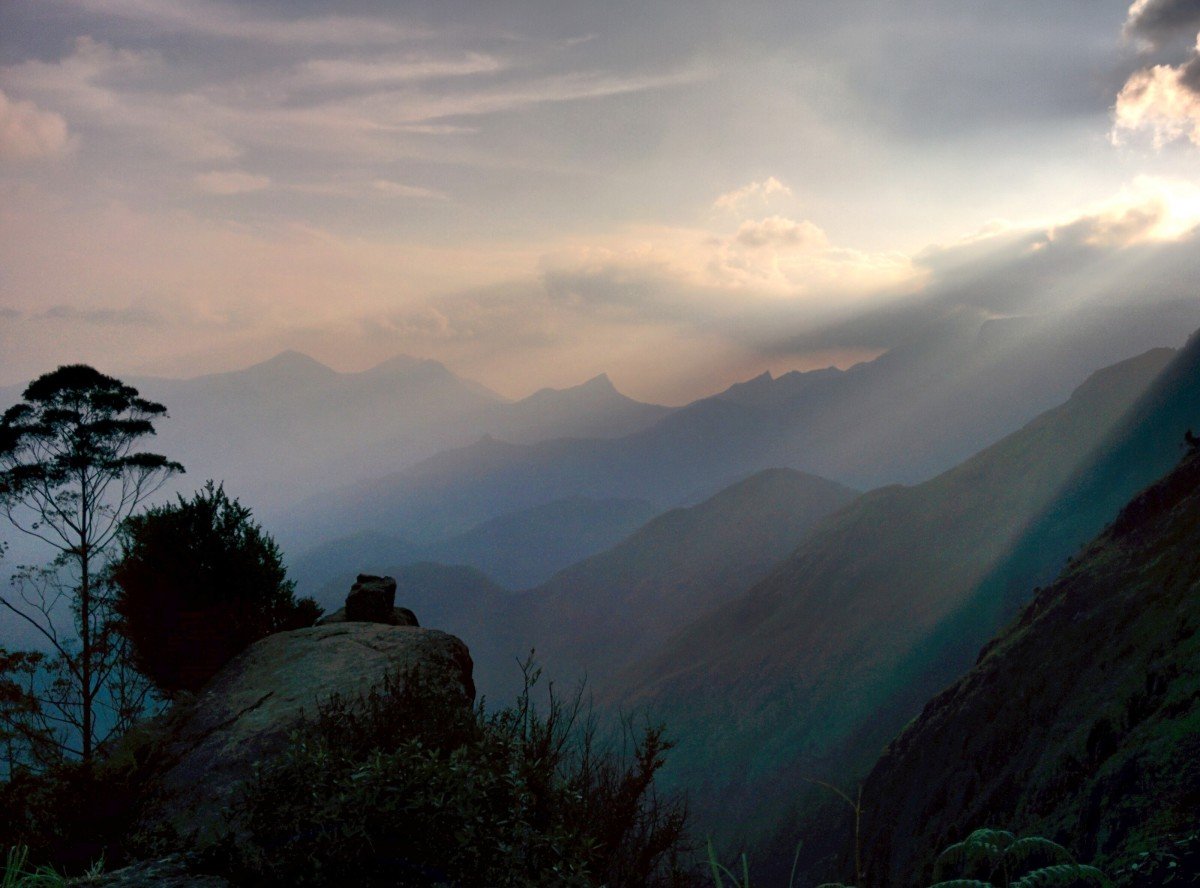
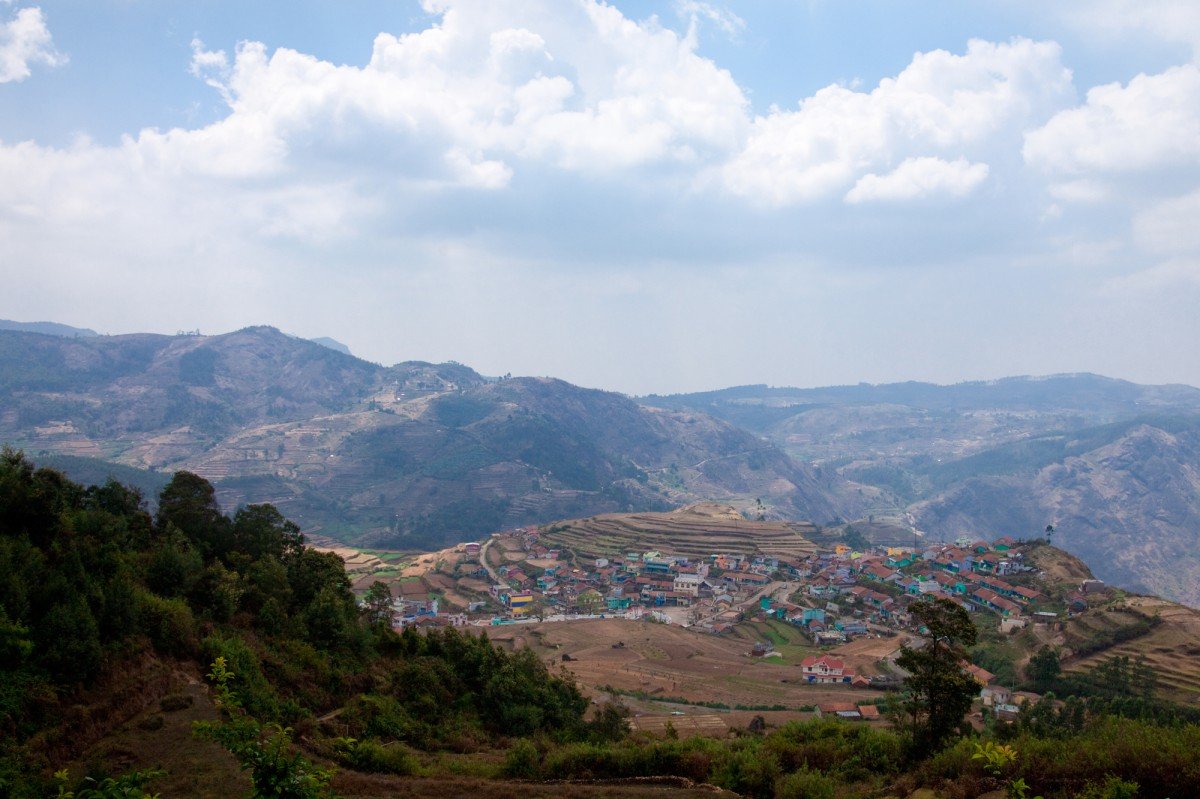
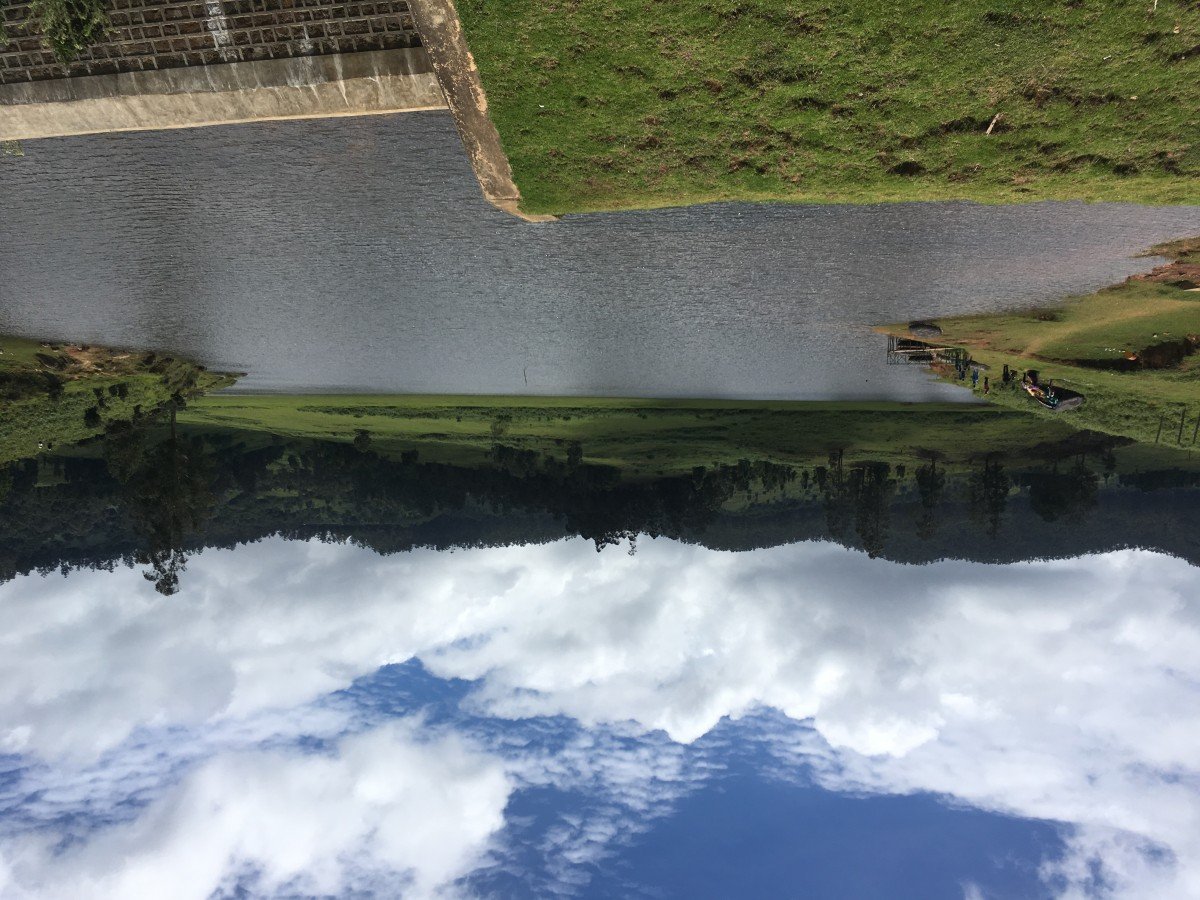
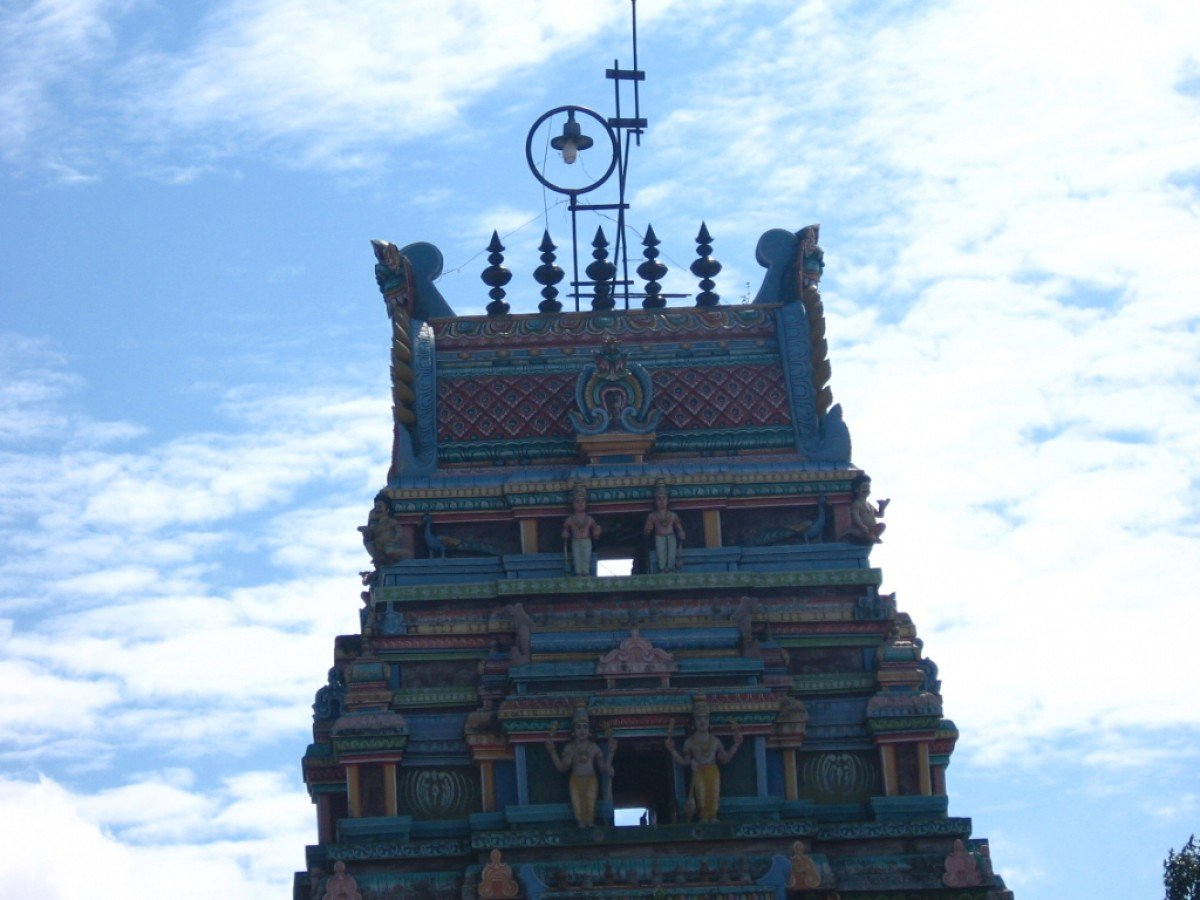
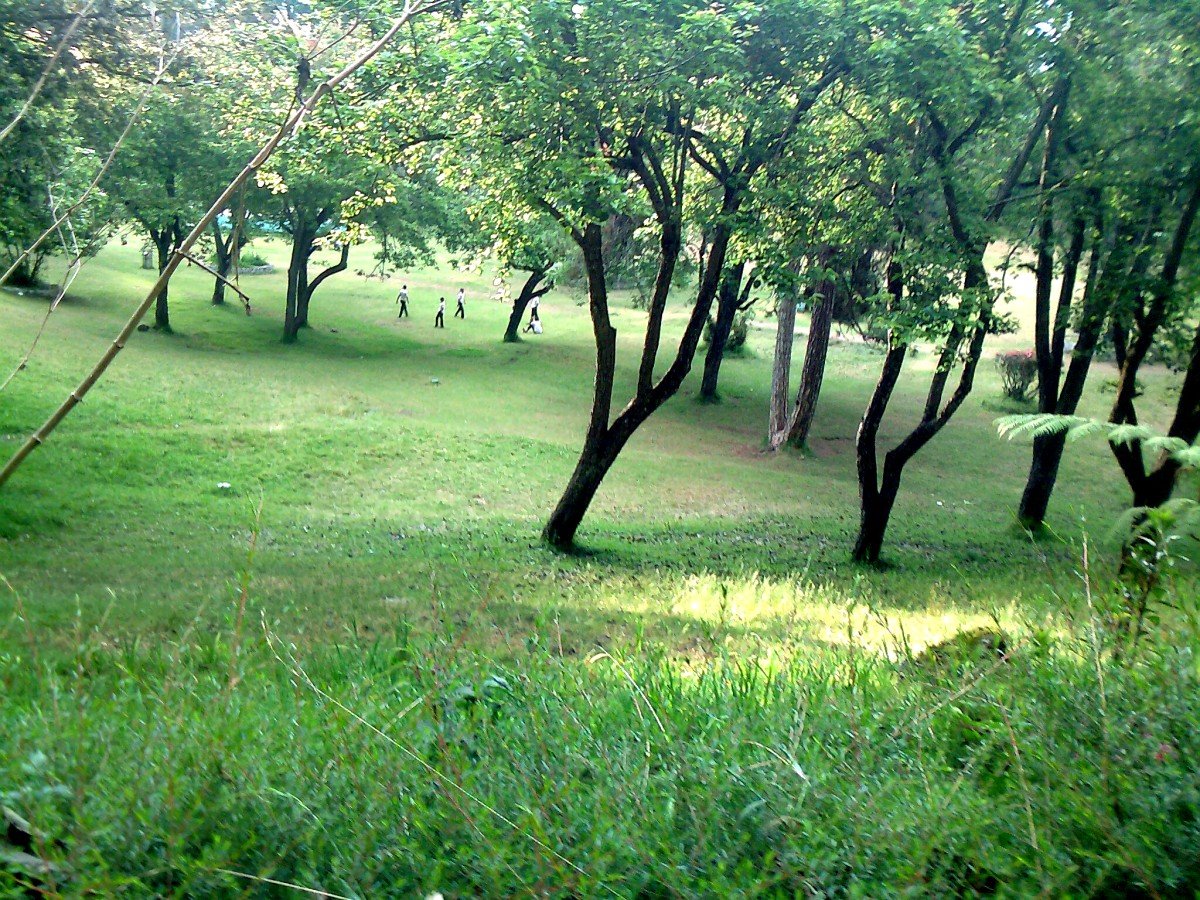
Things To Do
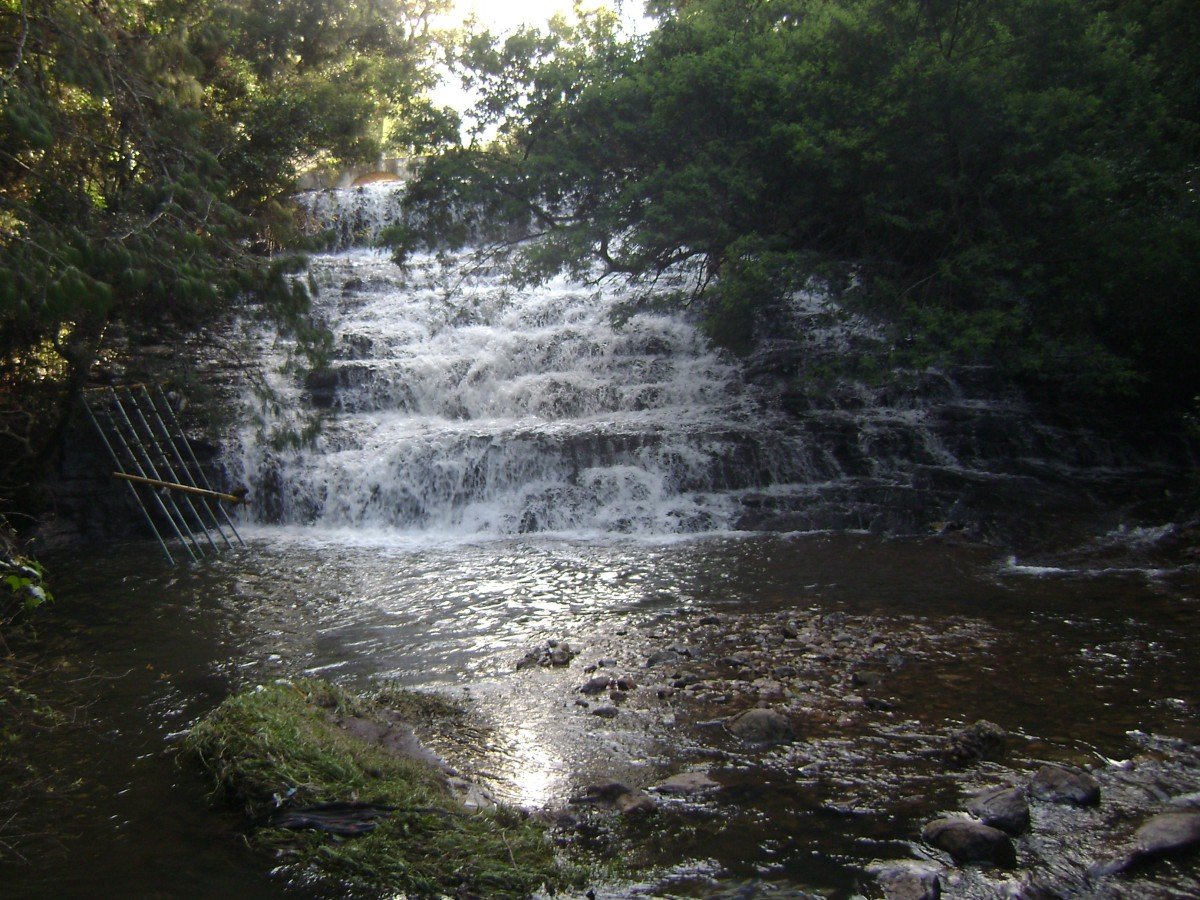
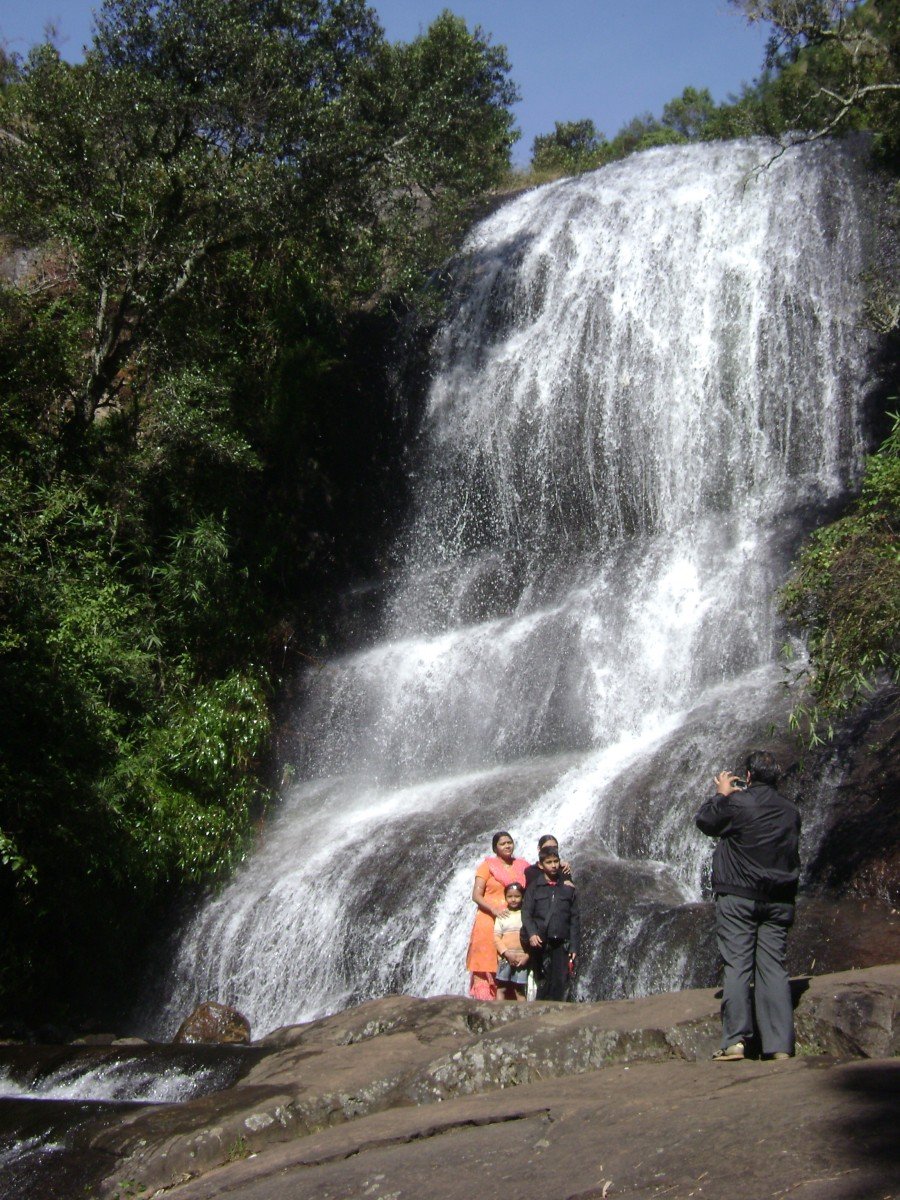
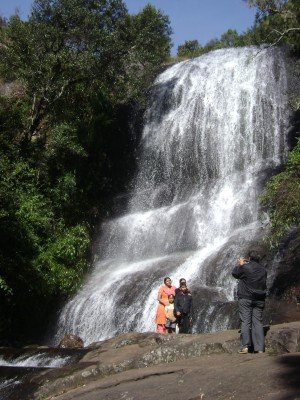 @@Origin of Name: Bear Shola Falls Details: The name Bear Shola Falls is derived from the historical fact that wild bears from the surrounding Shola forest used to frequent this specific waterfall to quench their thirst. Shola refers to the dense, stunted forest patches found in the valleys of the Western Ghats. This cascading waterfall is a seasonal spectacle, reaching its majestic peak and full flow primarily during and immediately after the southwest and northeast monsoon seasons (June to September and October to November). During the dry season, the flow is significantly reduced, often to a trickle or completely dry. The falls are nestled deep within the Reserve Forest, ensuring a largely untouched and serene natural environment. Its path to the falls involves a pleasant, approximately 1 KM trek through the lush, dense forest, making the journey part of the overall experience. The falls are a tributary of the Pambar River. The pristine atmosphere and the rich canopy of tall trees, endemic plants, and exotic ferns create a tranquil spot, far removed from the general hustle and bustle of Kodaikanal town. This spot is a quintessential natural retreat for those seeking peace and a connection with nature, embodying the unspoiled beauty of the Palani Hills. The site is a favorite picnic spot for local families and tourists, offering cool, misty air and the relaxing sound of rushing water, particularly on a clear, wet day. (405 words)
 @@A Century of Scientific Heritage: The Shembaganur Museum of Natural History is one of the oldest and most esteemed museums in India, established in 1895. It is maintained by the Sacred Heart College, a theological seminary, and houses an incredible collection of over 500 species of animals, birds, and insects. The museum is a treasure trove for students, researchers, and nature lovers who want to understand the unique ecosystem of the Palani Hills. It features a massive herbarium with over 2500 varieties of plants and a stunning orchidarium with exotic blooms. The exhibits include taxidermy specimens of panthers, bears, and various deer that once roamed these hills in large numbers. It provides a quiet, educational escape from the typical tourist spots, offering deep insights into the geological and biological evolution of the region.
 @@Ancient Dwellings and Prehistoric Art:The Kukkal Caves are a set of ancient rock shelters dating back to the prehistoric era, once serving as a home to the indigenous Paliyan tribal community. Located deep in the Palani Hills at an altitude of over 1500 meters, they provide a fascinating glimpse into early human settlements and a rich history. The path to the caves winds through dense Shola forests and scenic grasslands, revealing diverse flora like orchids and shola trees. Visitors can still find traces of old hand paintings and carvings on the rock walls, which are significant historical markers. The cave complex itself is not fully explored, adding an element of mystery and adventure to the visit, with the surrounding wilderness being a highlight for trekkers. The atmosphere is quiet and uncrowded, contrasting sharply with the main tourist spots in Kodaikanal. The viewpoint from the caves offers spectacular, breathtaking views of the Manjampatti valley below, making the challenging trek worthwhile. This site is revered for its blending of natural rock formations with profound archaeological value.@@
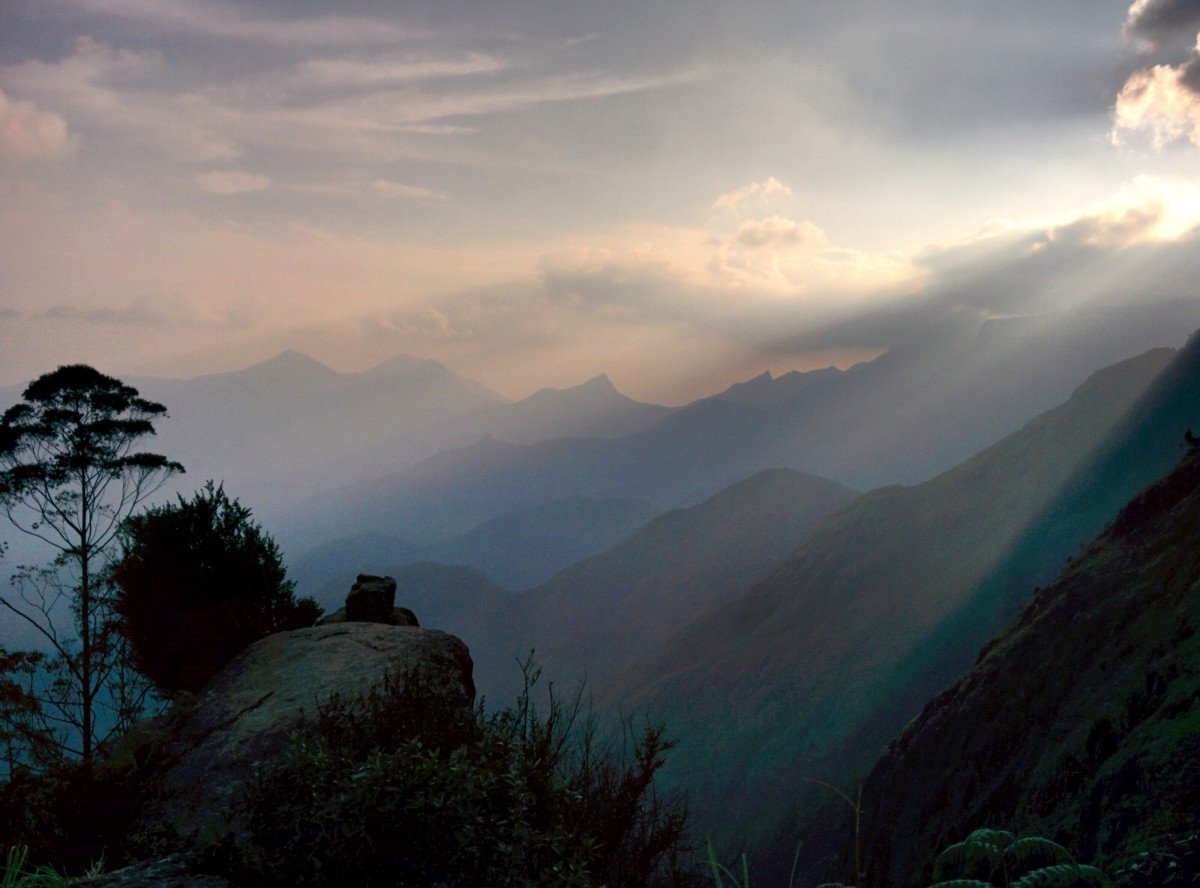
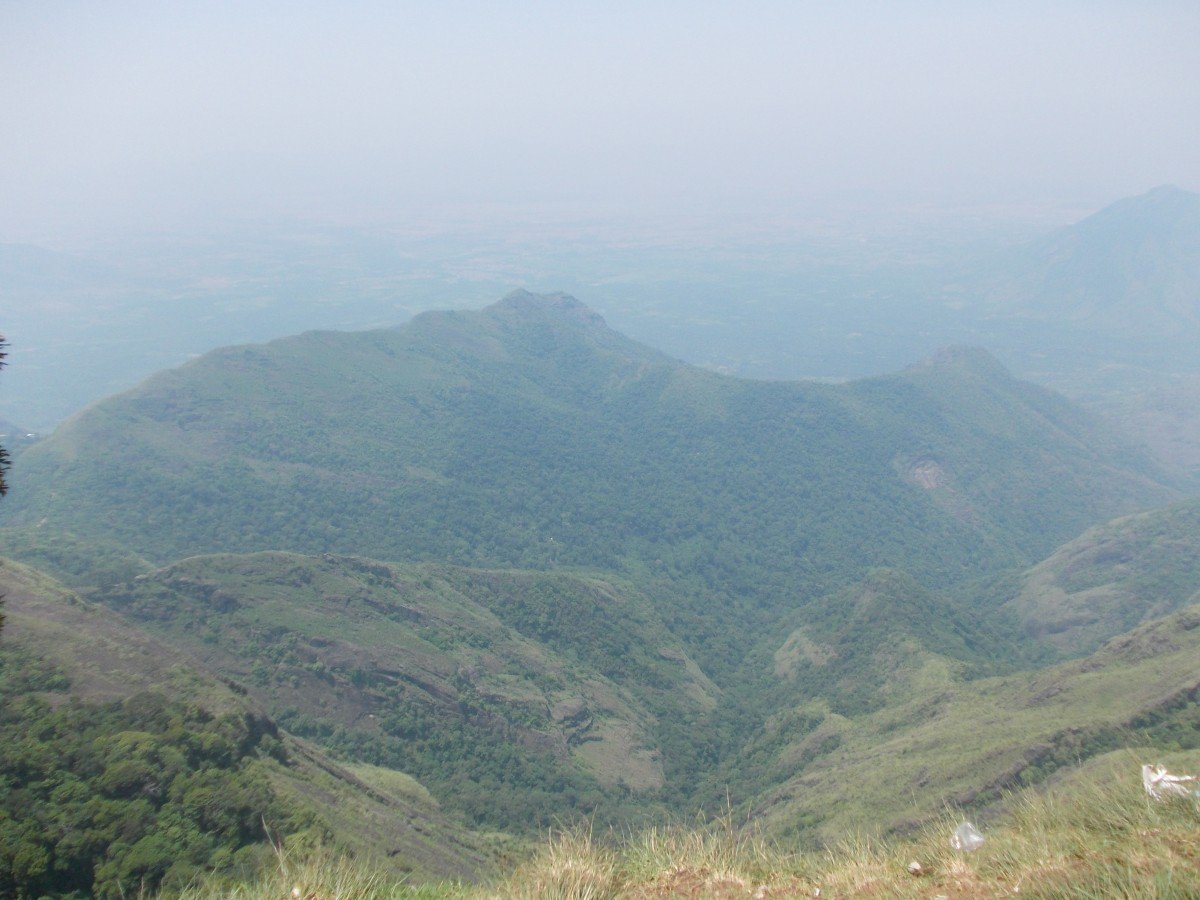
@@Introduction to Dolphin's Nose: This iconic viewpoint is a protruding flat rock situated at an altitude of approximately 6,600 feet, which naturally resembles the nose of a dolphin, giving the spot its distinctive name. It is a major highlight for tourists visiting Kodaikanal and offers one of the most stunning panoramic views of the deep valleys and surrounding mountains of the Palani Hills. The journey to the rock itself is an adventure, involving a moderate-level trek of about 3 KM through dense Shola forests, old pine groves, and winding paths. The trek starts near the Pambar Bridge area. The air here is crisp, clean, and carries the scent of eucalyptus and pine, providing a rejuvenating experience away from the town's hustle. The trek is primarily downhill to the viewpoint, which means the return journey is a steep uphill climb that demands moderate fitness and comfortable trekking shoes. Along the route, visitors encounter the beautiful Pambar Falls and a small, traditional village, adding cultural and natural variety to the excursion. The spectacular vista from the top encompasses the sprawling plains, the distant Vaigai Dam on a clear day, and the lush green blanket of the valley below. It is a perfect spot for nature enthusiasts and landscape photographers looking to capture the mist-shrouded beauty of this Tamil Nadu hill station. The deep gorge below the viewpoint highlights the raw, untamed nature of the Western Ghats, making it a thrilling yet profoundly peaceful location. The geological formation is a testament to natural erosion over millennia, shaping the hard rock into this distinctive shape. The entire experience—from the trek through the scenic trails to the reward of the breathtaking view—solidifies Dolphin's Nose as an essential destination in any Kodaikanal itinerary. The view of the cloud-covered valleys during the early morning hours is particularly mesmerizing, often making visitors feel like they are standing above the clouds. This spot is intrinsically linked to the natural topography of the Palani Hills, offering a unique perspective on the area's geography and diverse flora. The descent is lined with small shops offering refreshments, which are a welcome sight after the strenuous return trek. The sheer drop from the viewpoint is captivating, yet visitors are advised to exercise extreme caution as there are no heavy barriers right on the edge of the protruding rock. (Word Count: ?400 words) :
@@Ancient Dwellings and Prehistoric Art:The Kukkal Caves are a set of ancient rock shelters dating back to the prehistoric era, once serving as a home to the indigenous Paliyan tribal community. Located deep in the Palani Hills at an altitude of over 1500 meters, they provide a fascinating glimpse into early human settlements and a rich history. The path to the caves winds through dense Shola forests and scenic grasslands, revealing diverse flora like orchids and shola trees. Visitors can still find traces of old hand paintings and carvings on the rock walls, which are significant historical markers. The cave complex itself is not fully explored, adding an element of mystery and adventure to the visit, with the surrounding wilderness being a highlight for trekkers. The atmosphere is quiet and uncrowded, contrasting sharply with the main tourist spots in Kodaikanal. The viewpoint from the caves offers spectacular, breathtaking views of the Manjampatti valley below, making the challenging trek worthwhile. This site is revered for its blending of natural rock formations with profound archaeological value.@@
@@Introduction to Dolphin's Nose: This iconic viewpoint is a protruding flat rock situated at an altitude of approximately 6,600 feet, which naturally resembles the nose of a dolphin, giving the spot its distinctive name. It is a major highlight for tourists visiting Kodaikanal and offers one of the most stunning panoramic views of the deep valleys and surrounding mountains of the Palani Hills. The journey to the rock itself is an adventure, involving a moderate-level trek of about 3 KM through dense Shola forests, old pine groves, and winding paths. The trek starts near the Pambar Bridge area. The air here is crisp, clean, and carries the scent of eucalyptus and pine, providing a rejuvenating experience away from the town's hustle. The trek is primarily downhill to the viewpoint, which means the return journey is a steep uphill climb that demands moderate fitness and comfortable trekking shoes. Along the route, visitors encounter the beautiful Pambar Falls and a small, traditional village, adding cultural and natural variety to the excursion. The spectacular vista from the top encompasses the sprawling plains, the distant Vaigai Dam on a clear day, and the lush green blanket of the valley below. It is a perfect spot for nature enthusiasts and landscape photographers looking to capture the mist-shrouded beauty of this Tamil Nadu hill station. The deep gorge below the viewpoint highlights the raw, untamed nature of the Western Ghats, making it a thrilling yet profoundly peaceful location. The geological formation is a testament to natural erosion over millennia, shaping the hard rock into this distinctive shape. The entire experience—from the trek through the scenic trails to the reward of the breathtaking view—solidifies Dolphin's Nose as an essential destination in any Kodaikanal itinerary. The view of the cloud-covered valleys during the early morning hours is particularly mesmerizing, often making visitors feel like they are standing above the clouds. This spot is intrinsically linked to the natural topography of the Palani Hills, offering a unique perspective on the area's geography and diverse flora. The descent is lined with small shops offering refreshments, which are a welcome sight after the strenuous return trek. The sheer drop from the viewpoint is captivating, yet visitors are advised to exercise extreme caution as there are no heavy barriers right on the edge of the protruding rock. (Word Count: ?400 words) :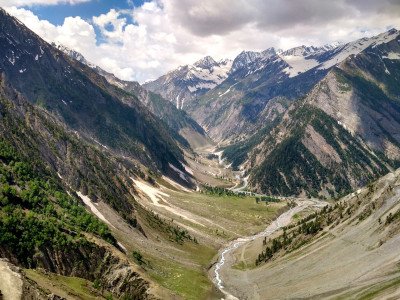 @@Overview: Also known locally as Thoppi Thooki Paarai (meaning 'throwing cap rock'), Caps Fly Valley View is a spectacular viewpoint situated high on a cliff edge. It offers breathtaking, panoramic views of the deep valley floor, the surrounding dense forests, and the vast plains below. @@The Phenomenon: The viewpoint is uniquely famous for a peculiar, gravity-defying wind phenomenon. Due to the extremely high altitude and the deep chasm of the valley, a powerful updraft is created, strong enough to seemingly 'return' or push back lightweight objects like caps, scarves, or dry leaves thrown from the edge. @@Serene Vistas: When the mist clears, the sheer depth of the valley provides a humbling and picturesque sight, making it a popular, though slightly distant, spot for adventure and nature lovers.:
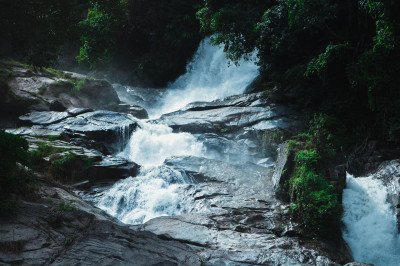 @@General Overview: Thalaiyar Falls, popularly known as Rat Tail Falls, is an awe-inspiring natural wonder located in the lush Palani Hills. It stands as the highest waterfall in the state of Tamil Nadu and ranks as the sixth highest in India. The falls drop from a staggering height of 975 feet, appearing as a thin white strip of cascading water against the dark, jagged cliffs when viewed from across the valley. The name "Rat Tail" originates from its unique appearance, where the water flow is narrow at the top and widens slightly as it descends, resembling the tail of a rodent. This spot is a dream for adventure enthusiasts and nature lovers alike. @@Ecological Significance: The falls are fed by the Manjalar River, a tributary of the Vaigai River. The surrounding area is part of the Palani Hills Wildlife Sanctuary, home to diverse flora and fauna. The water originates from the Perumal Malai village area. While the sight is majestic, the water is not considered potable as it passes through various human settlements upstream. The ecosystem here is fragile, consisting of moist deciduous forests and shola grasslands that provide a habitat for various bird species and small mammals. Visitors are often struck by the sheer scale of the vertical drop and the mist that rises from the base. @@Historical Context: Local legends associate the area with Lord Muruga, who is believed to have frequented these hills. The falls were officially brought to wider public notice during the British colonial era when Kodaikanal was developed as a hill station. Today, it remains one of the most photographed spots in the region, though reaching the actual base or the very top remains a feat reserved for serious trekkers. The vista from the Dum Dum Rock viewpoint remains the primary way most tourists experience this magnificent cascade.
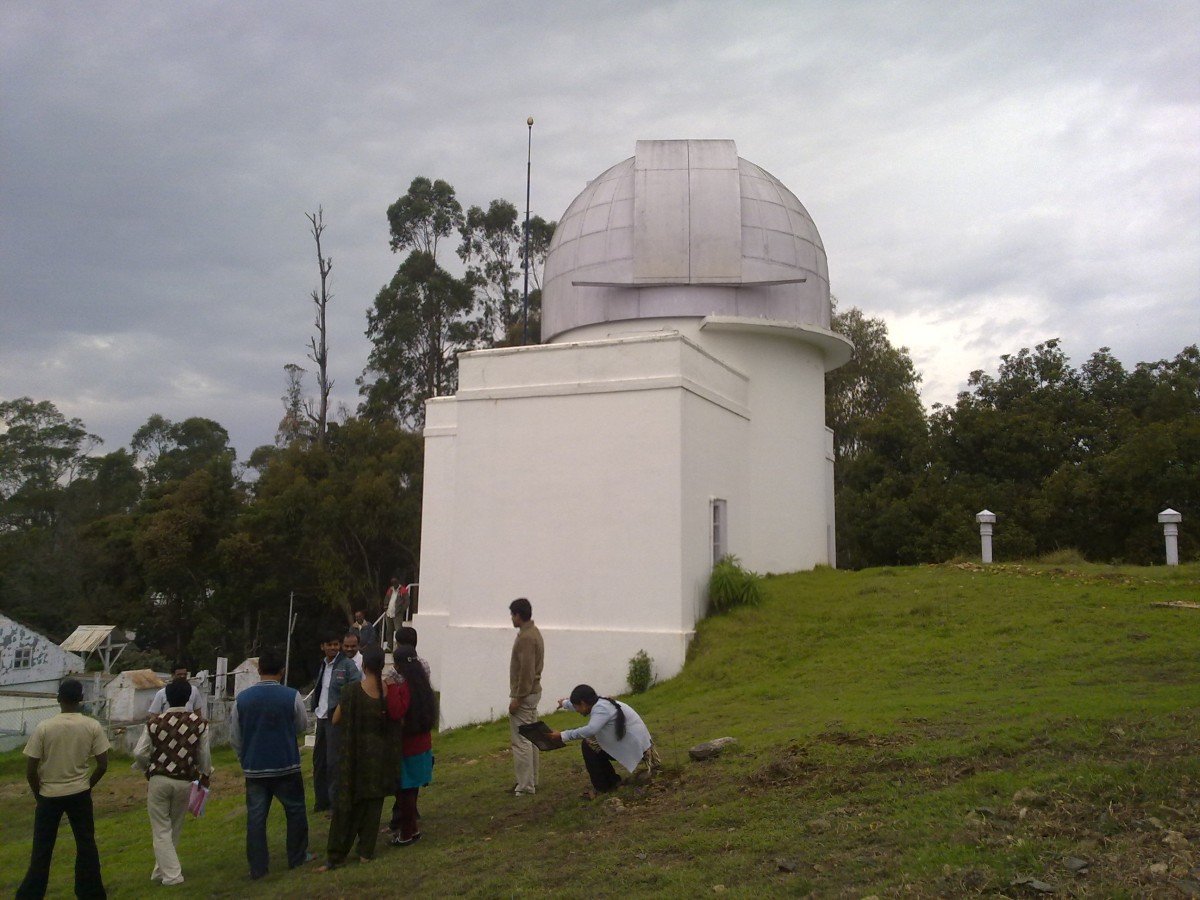
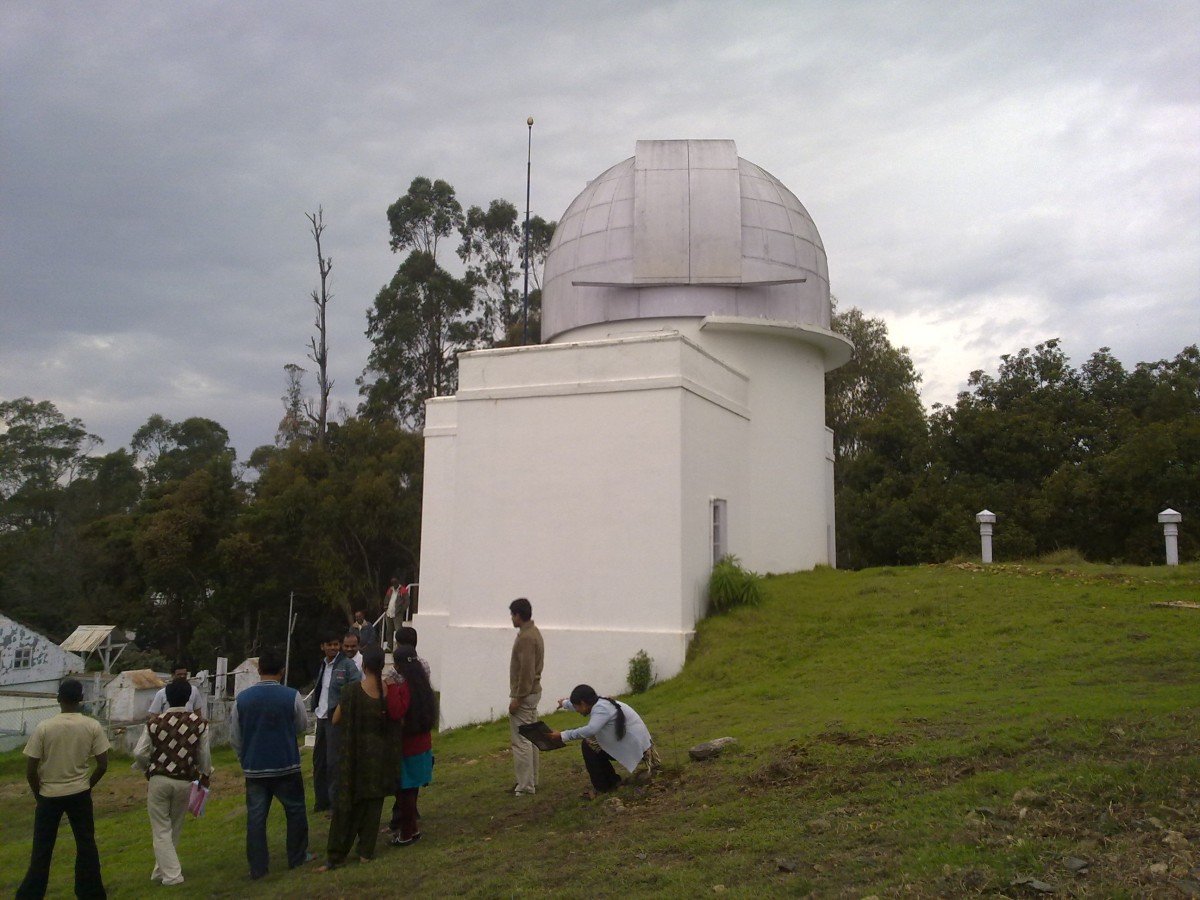
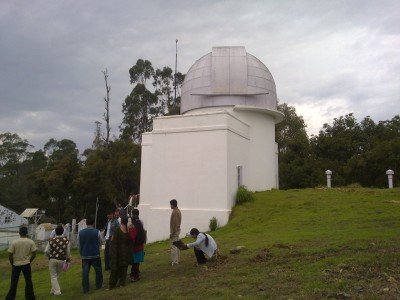 @@History and Purpose: The Kodaikanal Solar Observatory (KSO), established in 1899 by the British, is a historically significant institution and a key center for solar physics research, operating under the Indian Institute of Astrophysics. It holds one of the world's longest continuous archives of solar data, dating back over a century, which is crucial for studying solar-terrestrial relationships and climate science. The observatory is perched on the southern tip of the Palani Hills at an elevation of about 2,343 meters (7,700 ft), offering clear atmospheric conditions essential for astronomical observation. KSO primarily focuses on solar studies, using instruments like the Full-disk Photoheliograph (remodeled in 1898) to capture daily images of the Sun in white light, and a modern H-alpha Telescope for chromospheric observations. @@Visitor Experience: The Viewpoint and public museum section of the observatory are open to the public, providing an educational experience focused on astronomy and solar science. The museum displays photographs of celestial bodies, models of solar phenomena, and historical astronomical instruments. Visitors can learn about the various telescopes and spectrometers used for observation. The location itself serves as a breathtaking viewpoint, offering panoramic vistas of the surrounding valleys, the town of Kodaikanal, and the distant plains, making it a favorite spot for both scientific study and general tourism. The historic architecture and serene, elevated setting contribute to its unique appeal.Show All
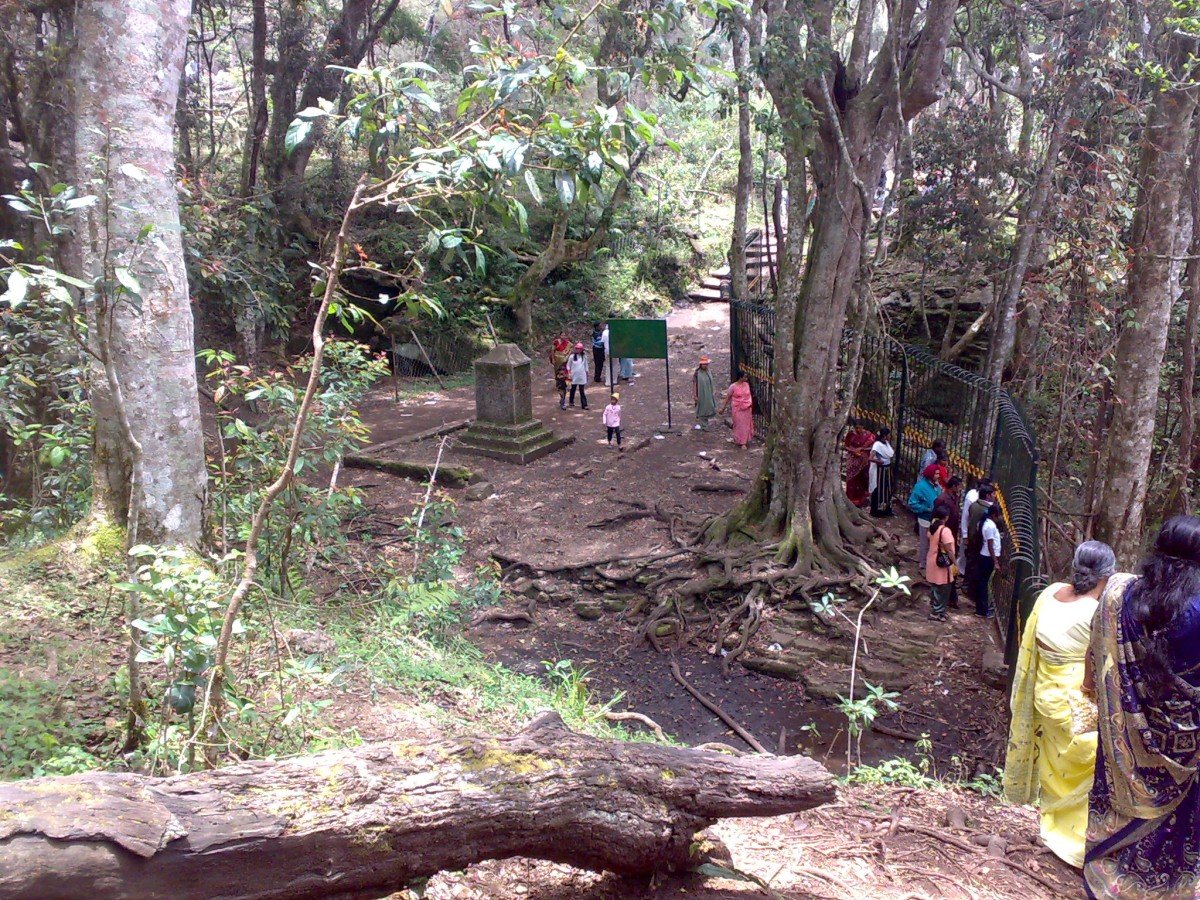
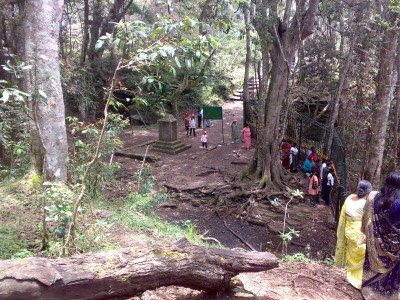 Guna Cave, originally named Devil's Kitchen by the British, is a network of deep, naturally formed caves and dark, narrow vertical crevices located between the three massive Pillar Rocks. The name Devil's Kitchen comes from the dark, tight passages and the spooky visual effect of fog rising from the cavern's openings, resembling smoke from a chimney. It gained massive popularity and its current name, Guna Cave, after the 1991 blockbuster Tamil movie Guna starring Kamal Haasan was shot here. Due to a history of accidents and disappearances in the deep, unexplored fissures, public entry into the actual caverns is now strictly prohibited and the area is cordoned off with fences and grills for safety. Visitors can only view the main entrances and the deep drops from a safe, designated distance. The pathway to the cave entrance is a picturesque and somewhat challenging walk through a dense, enchanting Pine Forest with gnarled roots protruding from the ground, adding to the mysterious ambiance. The geological history of the caves suggests formation millions of years ago through slow erosion of the soft rock strata between the harder granite pillars.
Information
-
Why Famous:
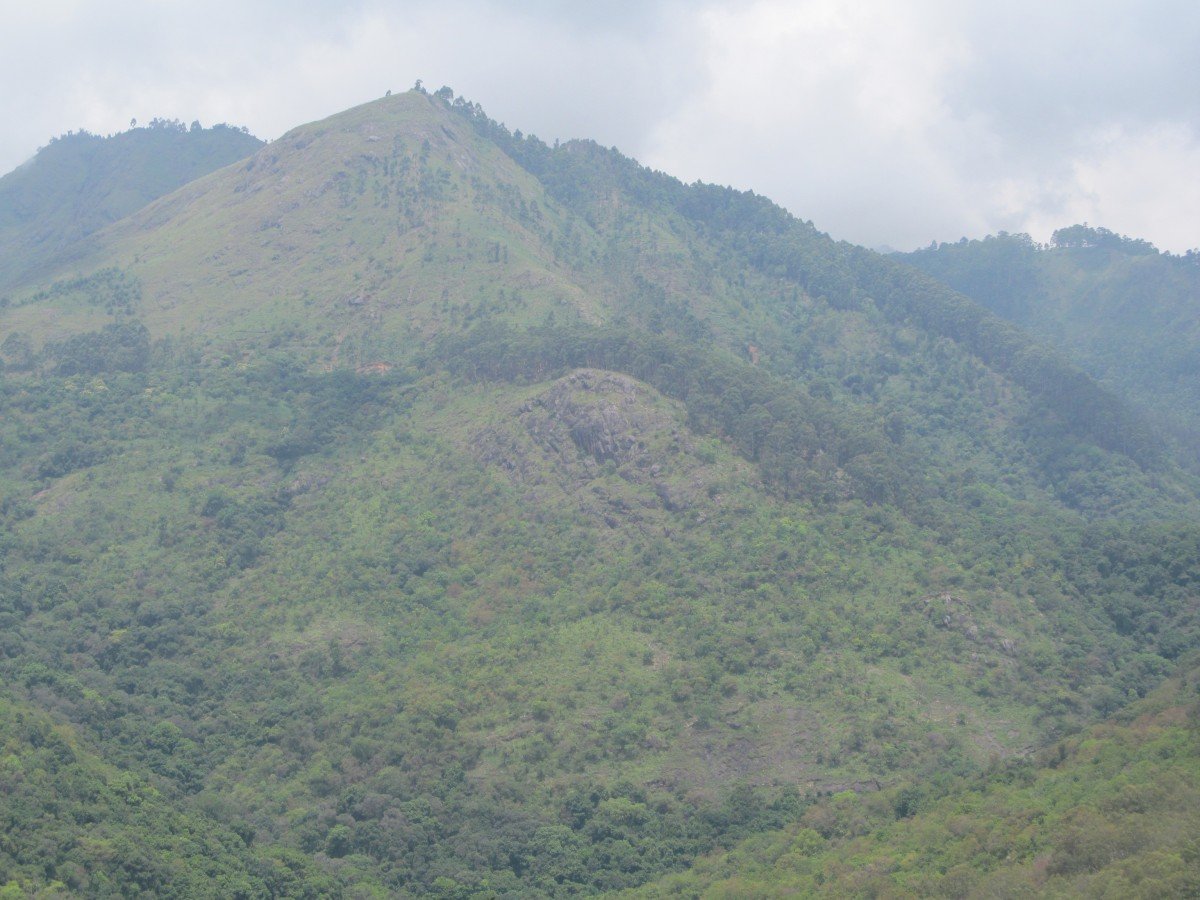
Breathtaking Viewpoints: It is famous for Pillar Rocks, three massive granite boulders standing 400 feet tall. These rocks offer a dramatic sight when the mist clears.
Iconic Lake: The Kodaikanal Lake is the heart of the town. This star-sh...Breathtaking Viewpoints: It is famous for Pillar Rocks, three massive granite boulders standing 400 feet tall. These rocks offer a dramatic sight when the mist clears.
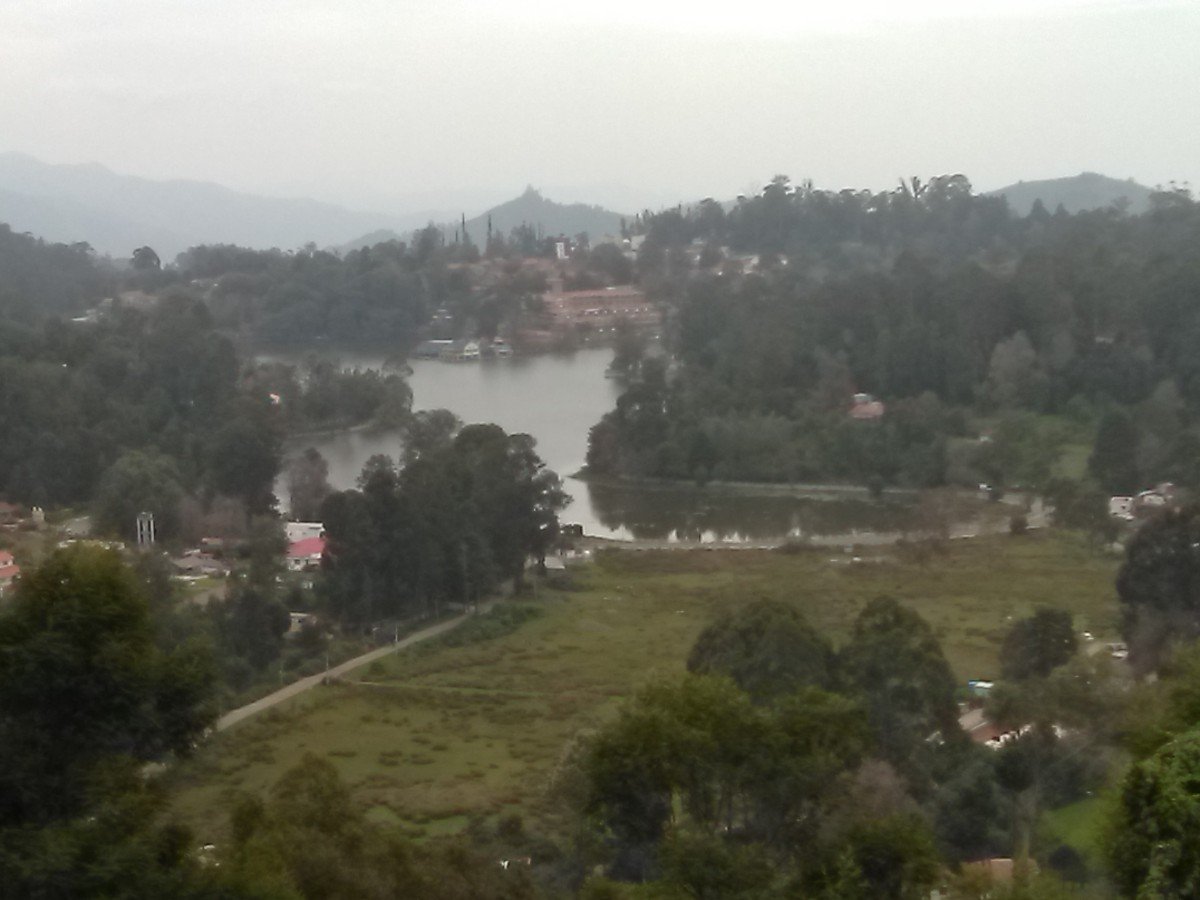
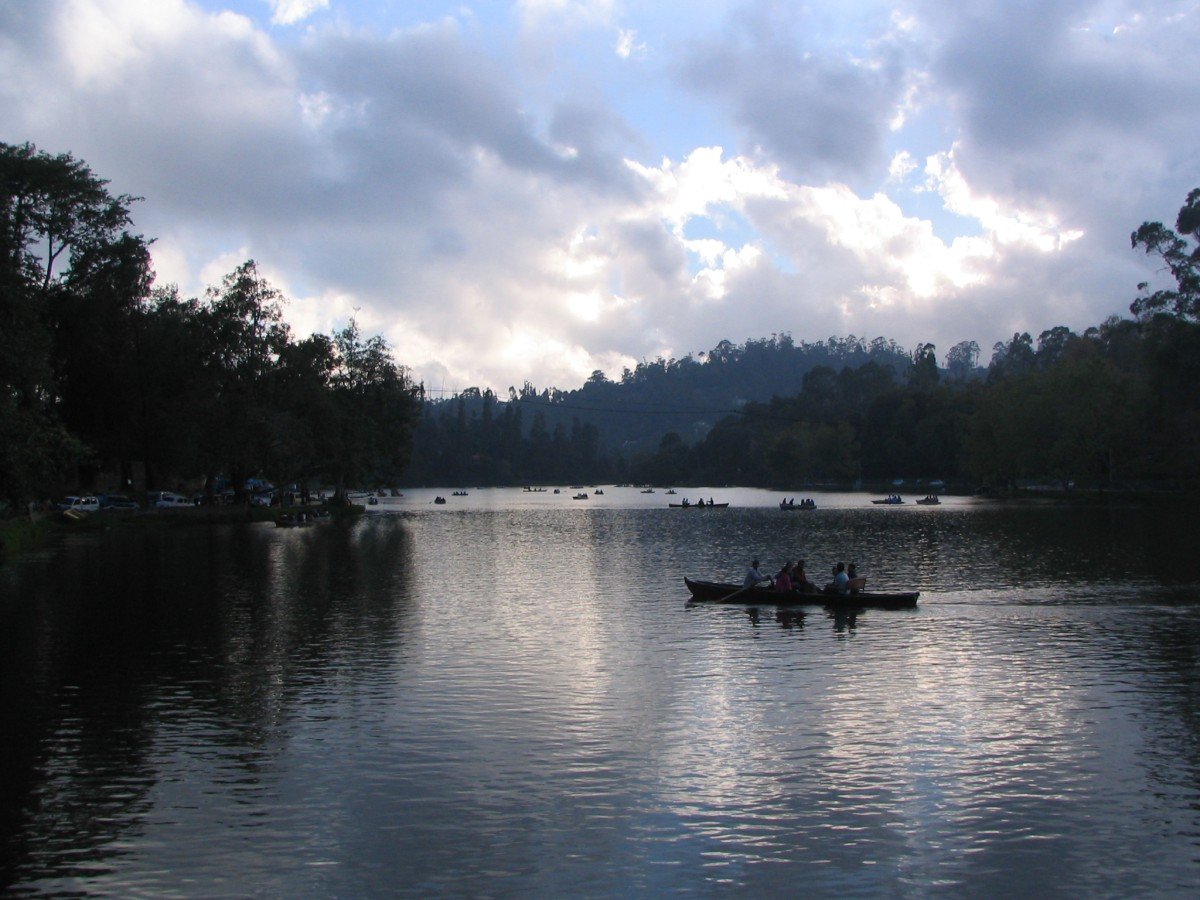
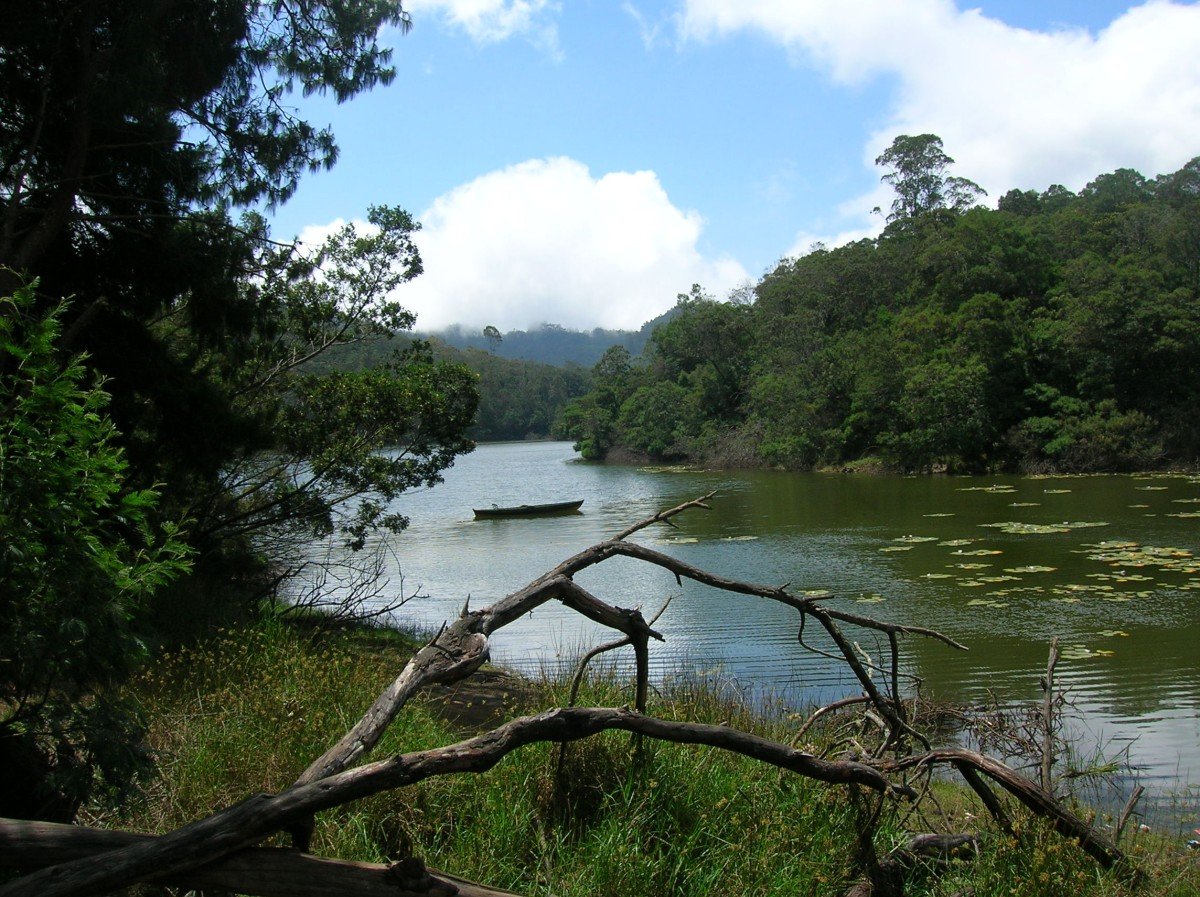
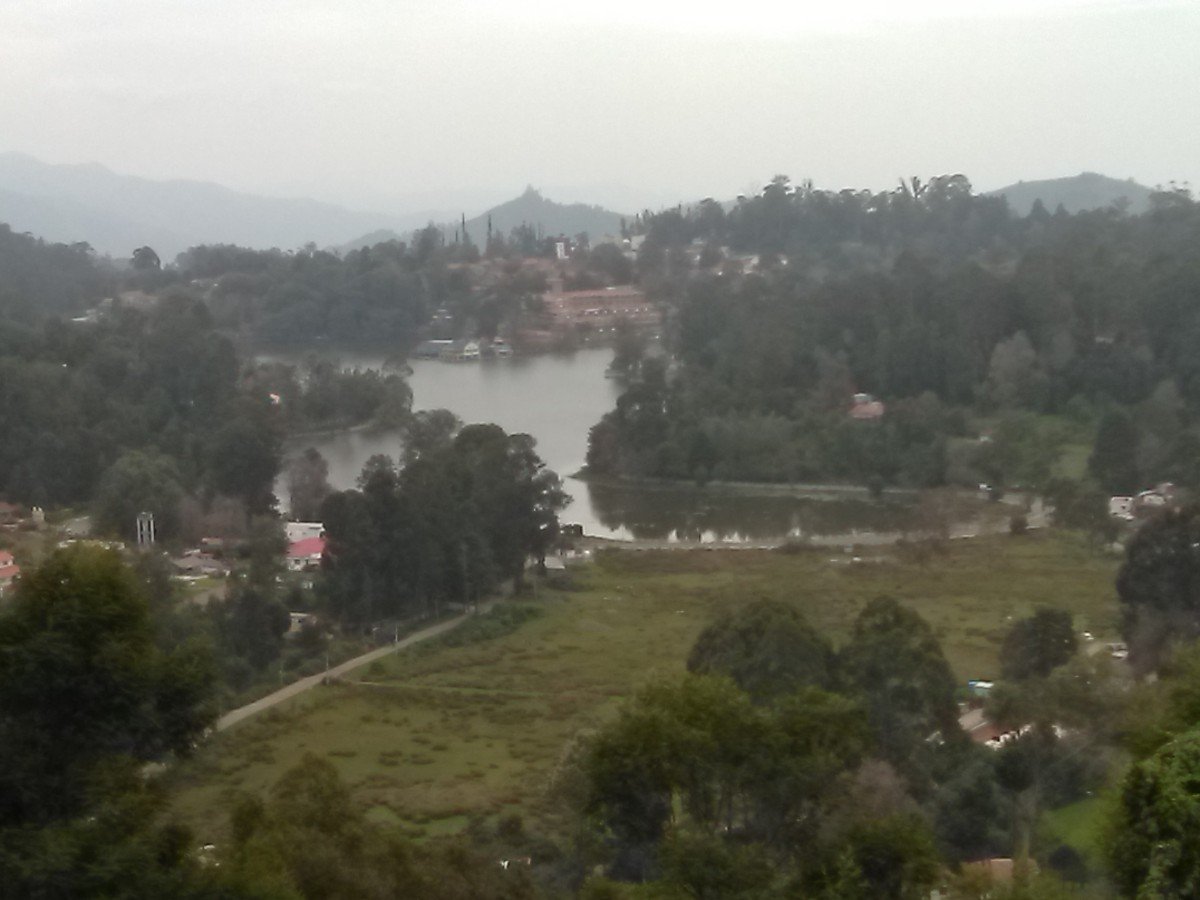
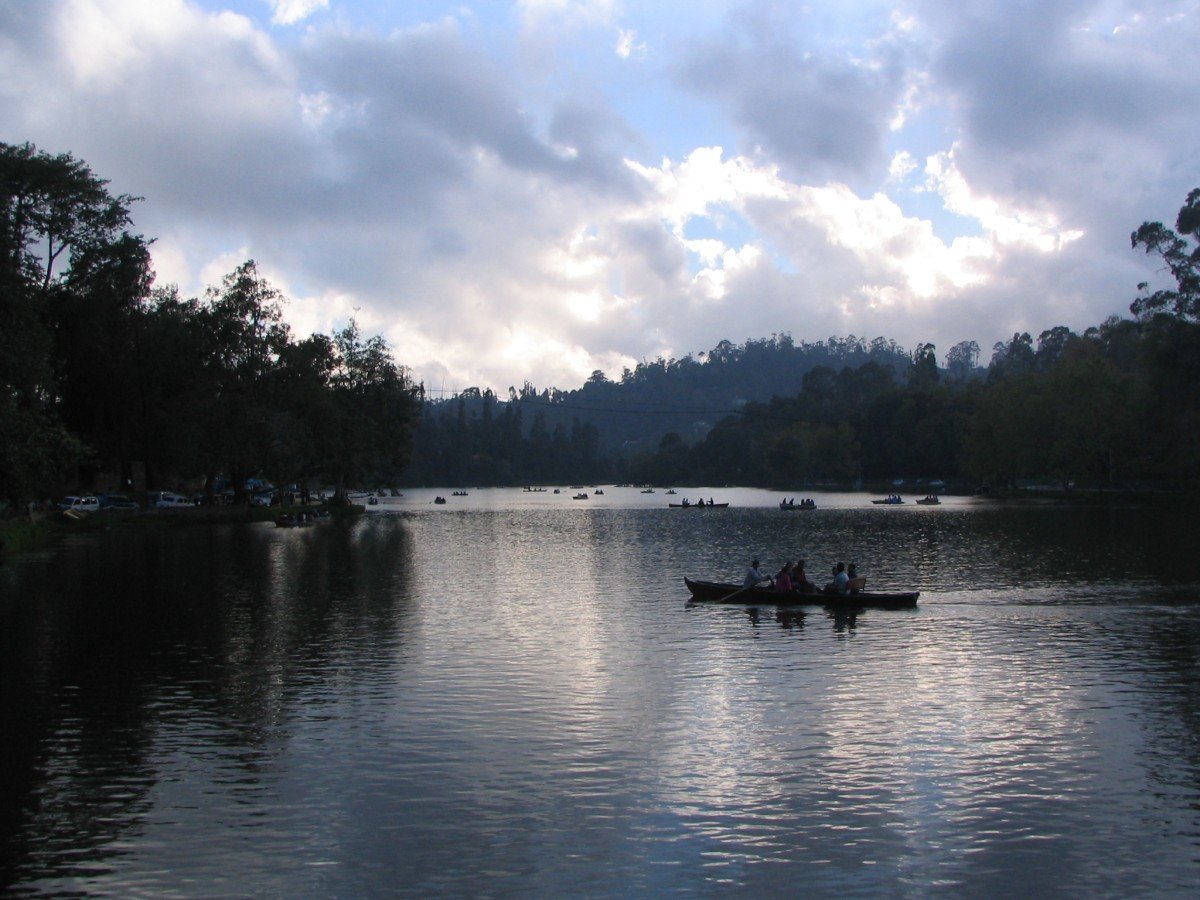
Iconic Lake: The Kodaikanal Lake is the heart of the town. This star-shaped reservoir is unique for its man-made design and boating facilities.
Unique Flora: The town is the only place to see the rare Neelakurinji blooms. This botanical phenomenon attracts thousands of global tourists. -
Architecture:
Colonial Heritage: The architecture of Kodaikanal features many British-era bungalows and stone churches. These buildings use local granite and timber for durability. The style is primarily Victorian with sloping roofs for heavy rain.
Religiou...Colonial Heritage: The architecture of Kodaikanal features many British-era bungalows and stone churches. These buildings use local granite and timber for durability. The style is primarily Victorian with sloping roofs for heavy rain.
Religious Structures: The La Salette Church is a prime example of French Gothic architecture. It features beautiful stained glass windows and intricate woodwork. The dimensions of these older structures are modest but elegant.
Modern Influence: New resorts blend modern glass designs with traditional stone work. They focus on large windows to provide panoramic valley views. Dimensions often span several acres of terraced gardens. -
How To Reach:
By Air: The nearest airport is Madurai Airport, located about 120 KMS away. One can hire a taxi for a 3-hour scenic drive.
By Train: Kodaikanal Road station is the closest rail link, 80 KMS away. Frequent buses and taxis are available from...By Air: The nearest airport is Madurai Airport, located about 120 KMS away. One can hire a taxi for a 3-hour scenic drive.
By Train: Kodaikanal Road station is the closest rail link, 80 KMS away. Frequent buses and taxis are available from the station.
By Road: Regular bus services run from Madurai, Coimbatore, and Chennai. The ghat road is well-maintained but has many hairpin bends.
Local Transport: Taxis and autos are the primary modes of transport. Walking is feasible within the town center and around the lake. -
Weather and Best Time to Visit:
Summer Season: April to June is the peak season with pleasant weather. Temperatures range from 15°C to 25°C, perfect for all activities.
Winter Season: December to February is cold and misty. Temperatures can drop to 8°C, making it idea...Summer Season: April to June is the peak season with pleasant weather. Temperatures range from 15°C to 25°C, perfect for all activities.
Winter Season: December to February is cold and misty. Temperatures can drop to 8°C, making it ideal for cozy winter vacations.
Daytime Visit: Mornings are best for sightseeing to avoid the afternoon mist. Early evenings are perfect for shopping and boat rides. -
Near Tourist Places:
Silver Cascade Falls (8 KMS), Pine Forest (4 KMS), Guna Caves (8 KMS), Bear Shola Falls (2 KMS), Moir Point (9 KMS), Berijam Lake (21 KMS), Chettiar Park (3 KMS), Kurinji Temple (4 KMS), Golf Club (6 KMS), Palani Hills (65 KMS).
Tourism Tips
-
Packing Essentials: Always carry warm clothing and a raincoat. The weather can change rapidly even during the summer months.
Health and Safety: Motion sickness is common on the winding ghat roads. Carry necessary medications and stay hydra...Packing Essentials: Always carry warm clothing and a raincoat. The weather can change rapidly even during the summer months.
Health and Safety: Motion sickness is common on the winding ghat roads. Carry necessary medications and stay hydrated during treks.
Accommodation Choice: Book hotels near the lake for easy access. Luxury resorts are located on the outskirts for more privacy.
Eco-Friendly Travel: Kodaikanal is a plastic-free zone. Avoid carrying plastic bags and help keep the hill station clean and green.
Reviews
FAQs
Kodaikanal Itineray And Cost:-
Other Places In Tamil Nadu :-
Other States In India :-
Information about New and Updated Locations() of Tamil Nadu Has Been Added :-
Card subtitle
Note:-
Information provided here in good Faith and for reference only.
Near Places

Chennai
Some quick example text to build on the card title and make up the bulk of the card's content.
Go somewhere
Chidambaram
Some quick example text to build on the card title and make up the bulk of the card's content.
Go somewhere
Coimbatore
Some quick example text to build on the card title and make up the bulk of the card's content.
Go somewhere
Courtallam
Some quick example text to build on the card title and make up the bulk of the card's content.
Go somewhere
Dindigul
Some quick example text to build on the card title and make up the bulk of the card's content.
Go somewhere
Kanchipuram
Some quick example text to build on the card title and make up the bulk of the card's content.
Go somewhere
Kanyakumari
Some quick example text to build on the card title and make up the bulk of the card's content.
Go somewhere
Karaikal
Some quick example text to build on the card title and make up the bulk of the card's content.
Go somewhere
Karaikudi
Some quick example text to build on the card title and make up the bulk of the card's content.
Go somewhere
Kodaikanal
Some quick example text to build on the card title and make up the bulk of the card's content.
Go somewhere
Kovalam
Some quick example text to build on the card title and make up the bulk of the card's content.
Go somewhere
Kumbakonam
Some quick example text to build on the card title and make up the bulk of the card's content.
Go somewhere
Madurai
Some quick example text to build on the card title and make up the bulk of the card's content.
Go somewhere
Mahabalipuram
Some quick example text to build on the card title and make up the bulk of the card's content.
Go somewhere
Masinagudi
Some quick example text to build on the card title and make up the bulk of the card's content.
Go somewhere
Nagapattinam
Some quick example text to build on the card title and make up the bulk of the card's content.
Go somewherein Other Cities