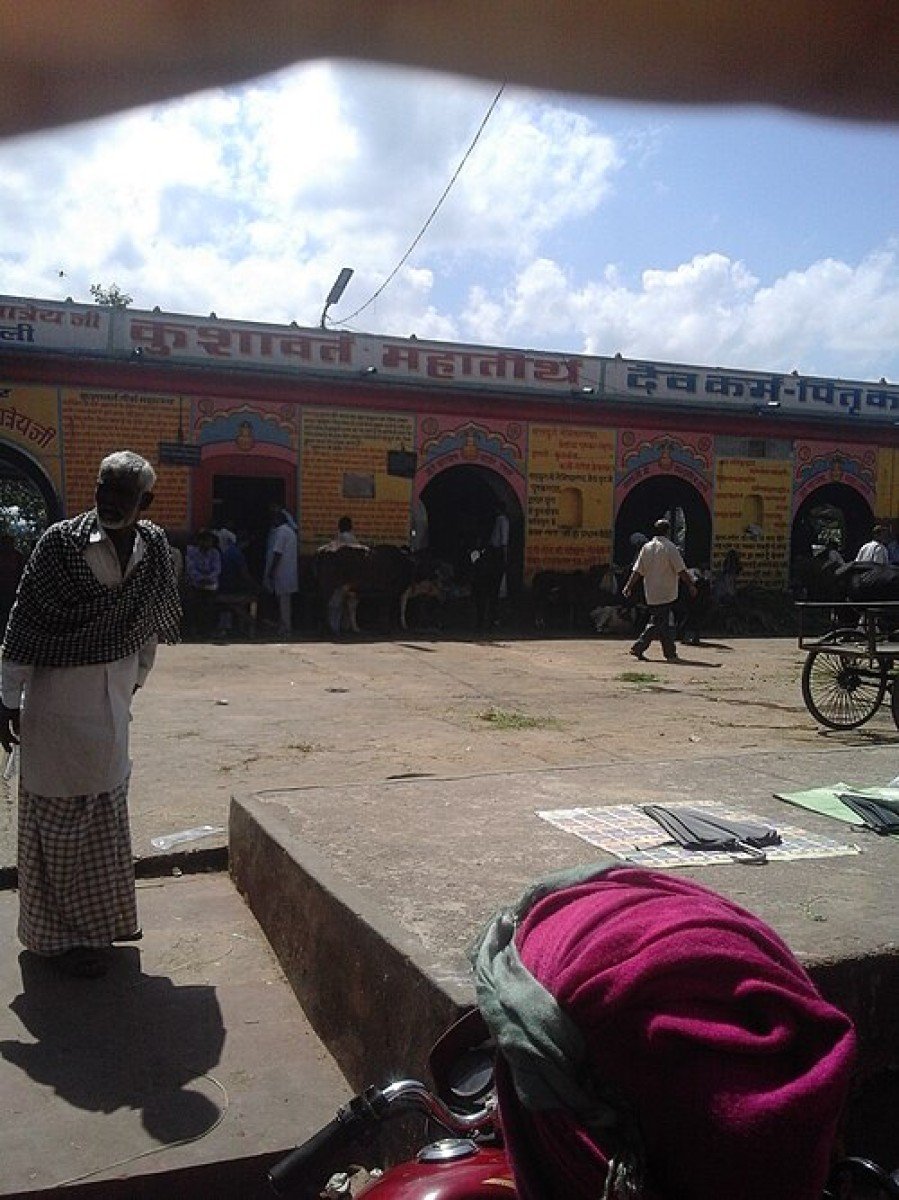
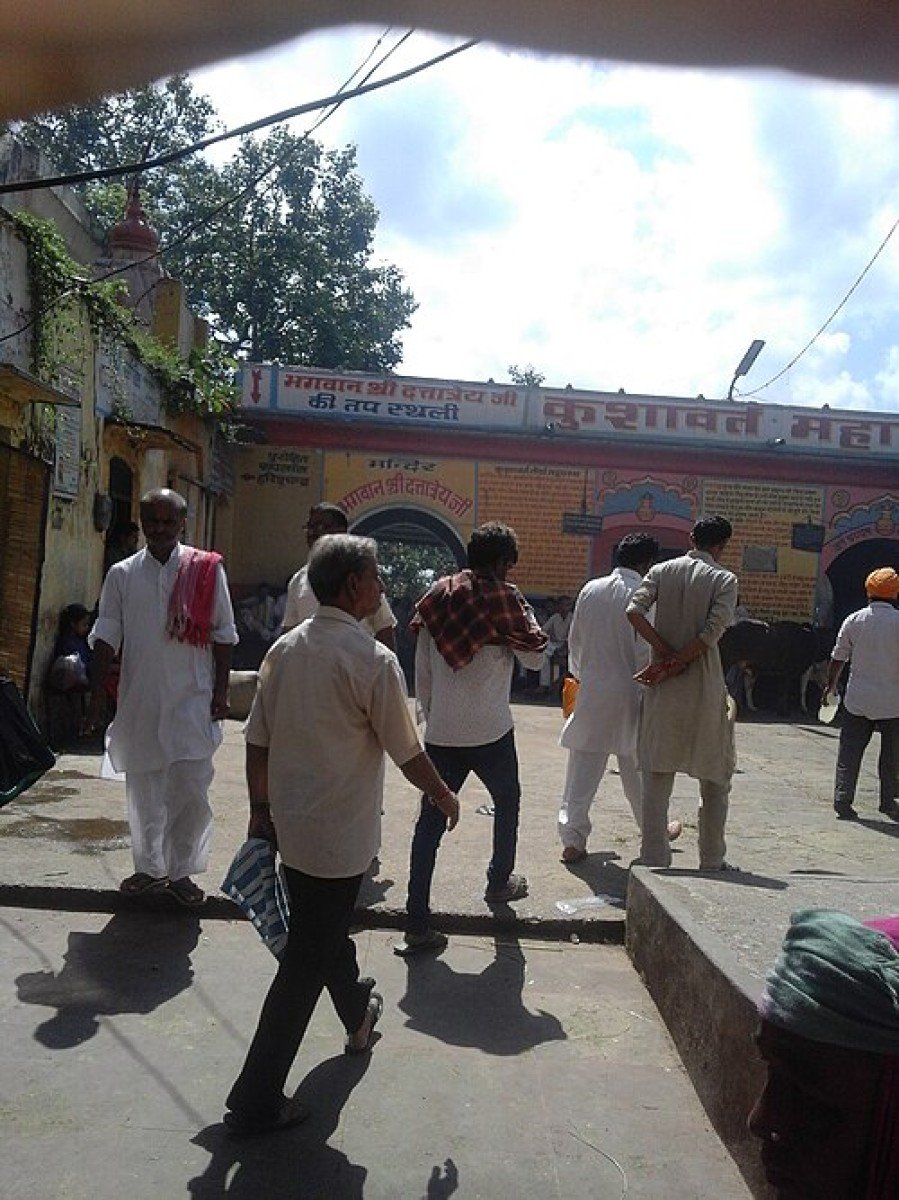
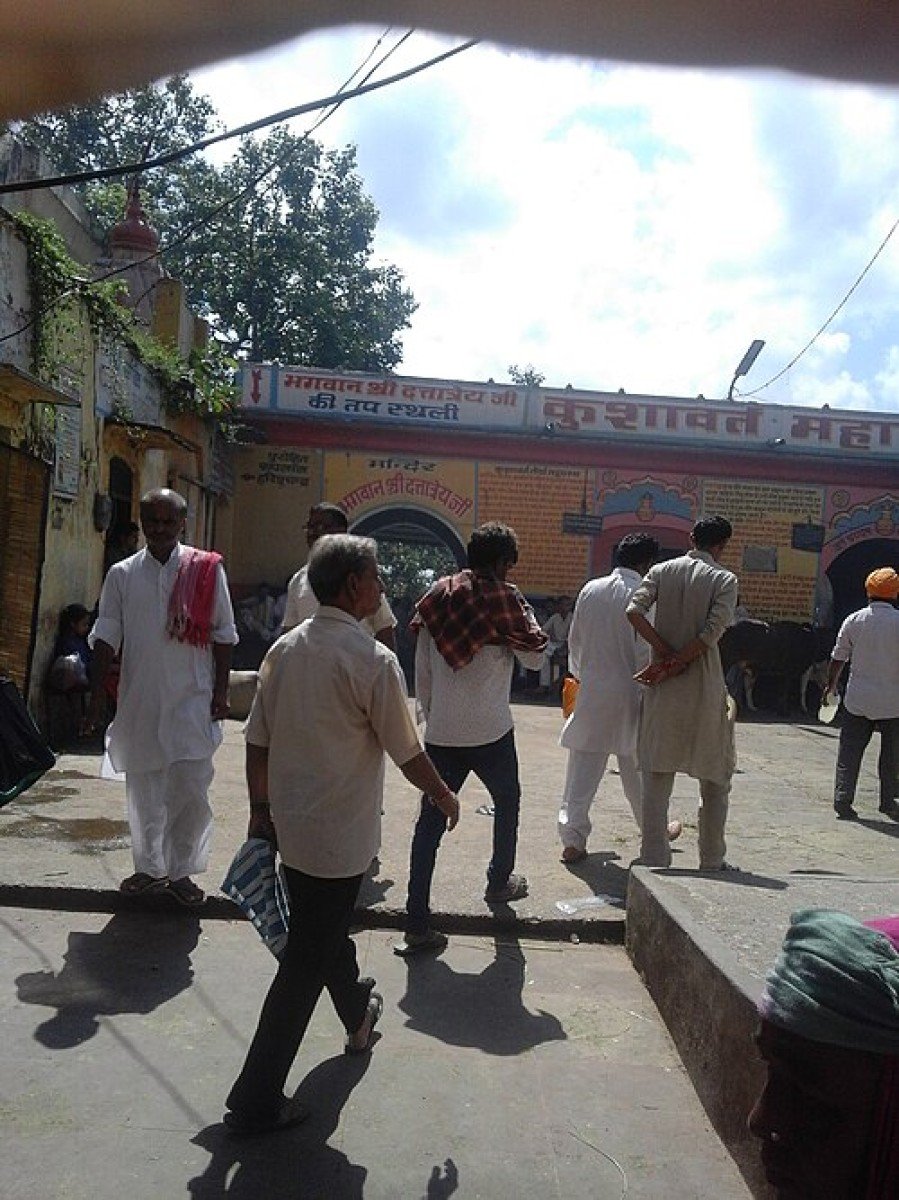
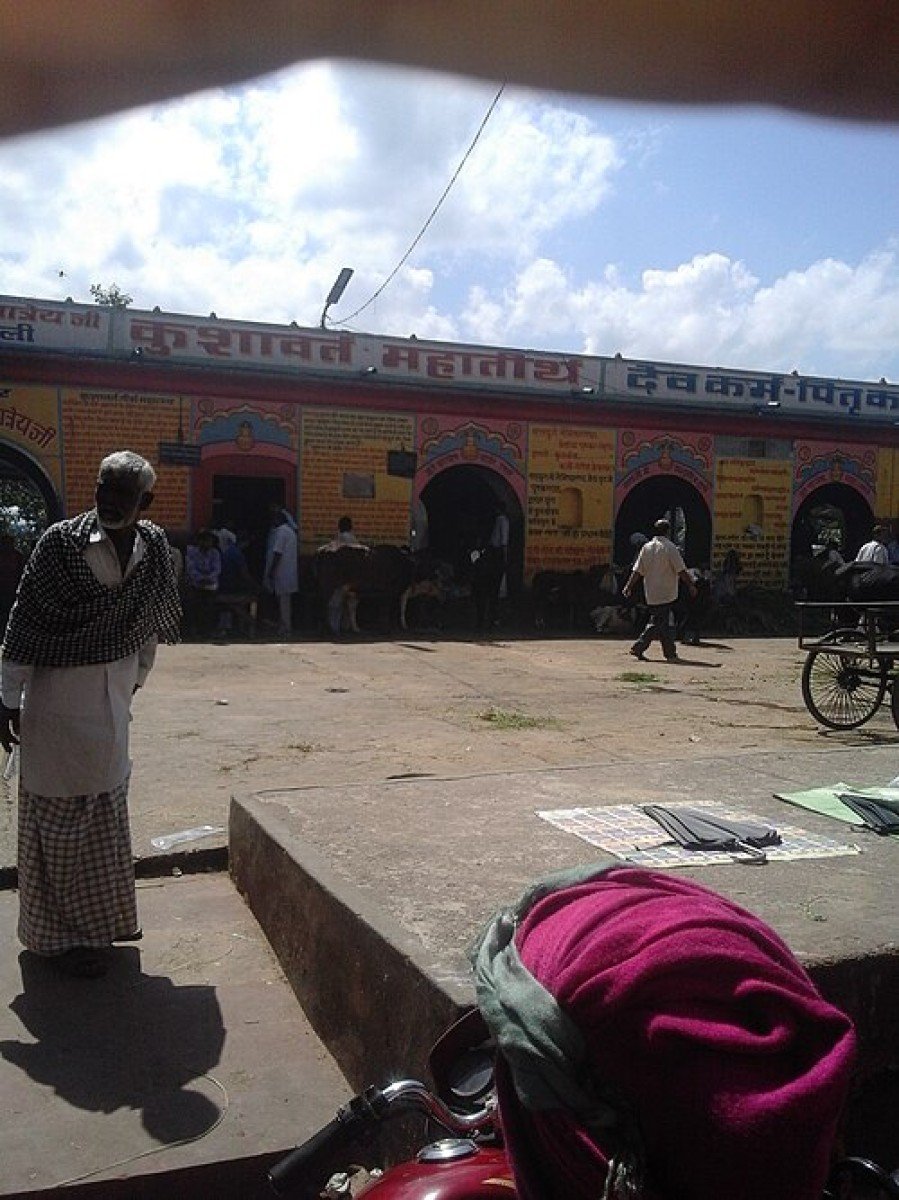
Kushavarta Ghat
General information
-
Ideal Duration:
30 minutes to 1 hour:Place Type:
Religious/Spiritual, Ghat, Ritual Site:Entry Fees:
Entry Fee Status: There is No Entry Fee to access Kushavarta Ghat or to take a holy dip in the Ganga. The ghat is a public utility for ritual bathing.
Ritual Costs (Pind Daan): The primary cost associated with the ghat is the fee for the hi...Entry Fee Status: There is No Entry Fee to access Kushavarta Ghat or to take a holy dip in the Ganga. The ghat is a public utility for ritual bathing.
Ritual Costs (Pind Daan): The primary cost associated with the ghat is the fee for the highly specialized services of a Purohit (priest) to perform the Shraddh and Pind Daan ceremonies. These costs can vary significantly depending on the complexity of the rites and the number of priests involved, and should be negotiated clearly beforehand.
Material Costs: The materials for the ritual (rice, barley, flowers, etc. ) are purchased from the specialized vendors near the ghat and will incur a cost.
No Temple Fee: Unlike some larger complexes, the ghat itself and the immediate small shrines do not charge an entry fee, maintaining the traditional free access to the sacred river for ritual purposes: End.Timing:
Regular Timings: The ghat is a public space and is open 24 hours a day.
Ideal Visit Time: The Ideal Visit Time is the early morning, from 5:00 AM to 8:00 AM. This is when the ancestral rituals (Shraddh and Pind Daan) are most actively and t...Regular Timings: The ghat is a public space and is open 24 hours a day.
Ideal Visit Time: The Ideal Visit Time is the early morning, from 5:00 AM to 8:00 AM. This is when the ancestral rituals (Shraddh and Pind Daan) are most actively and traditionally performed, providing a profound cultural and spiritual experience.
Ritual Timing: Priests are usually available from early morning until late afternoon to perform the rites. It is best to schedule ritual appointments for the early morning.
Soothing Time: The late evening, after 7:00 PM, is also a good time for a quiet, reflective visit when most of the day's ritual activity has concluded: End.Special Events:
Pitru Paksha (Shraddh Fortnight): The most special and crucial event is the fortnight of Pitru Paksha (September–October), dedicated to honoring ancestors. During this period, the ghat is heavily crowded with pilgrims performing Shraddh and Pind Daan rituals, making it th...Pitru Paksha (Shraddh Fortnight): The most special and crucial event is the fortnight of Pitru Paksha (September–October), dedicated to honoring ancestors. During this period, the ghat is heavily crowded with pilgrims performing Shraddh and Pind Daan rituals, making it the most significant time for ritual activity.
Amavasya Days: Any Amavasya (New Moon day) is considered auspicious for ancestral rites, and the ghat sees an increase in ritual activity on these days throughout the year.
Solar/Lunar Eclipses: During solar or lunar eclipses, the ghat is highly sought after for a holy dip, as bathing in the Ganga during these cosmic events is considered especially beneficial for spiritual merit and purification: End.Best Photo Spots:
Ghat Steps and Priestly Platforms: A wide shot capturing the entire flight of steps leading down to the Ganga, highlighting the specific platforms where the Purohits sit to conduct the ancestral rites.
Ritual in Progress (Respectful Distance):Ghat Steps and Priestly Platforms: A wide shot capturing the entire flight of steps leading down to the Ganga, highlighting the specific platforms where the Purohits sit to conduct the ancestral rites.
Ritual in Progress (Respectful Distance): A subtle, respectful, wide-shot photograph of a family performing the Shraddh or Pind Daan ceremony, capturing the solemnity and the white clothes of the participants.
The Ganga at Kushavarta: A serene, close-up shot of the Ganga river flowing past this specific ghat, emphasizing the clear water and the protective railings.
Sage Dattatreya Shrine: A photo of the small shrine or plaque dedicated to Sage Dattatreya, commemorating his ancient penance at the site.
Ahilyabai's Plaque: If present, a close-up photo of any inscription or plaque mentioning the patronage of Queen Ahilyabai Holkar, a historical touch.
Early Morning Mist: A shot of the ghat wrapped in early morning mist or fog, creating a highly spiritual and ethereal atmosphere, often the best time for photography: End.Photo Gallery
Things To Do
-
Perform Ancestral Rites (Shraddh): The paramount activity is to conduct the Shraddh or Pind Daan ceremonies for deceased ancestors with the assistance of the local Purohits (priests) who specialize in these rites.
Holy Dip (Snan): Take a cleansing ritual bath in the Ganga. This is believed to purify the body and soul before or after performing the ancestral rites.
Meditation on the Ghat: Utilize the ghat's relatively quiet and peaceful environment (compared to Har Ki Pauri) for quiet meditation and self-reflection.
Observe Traditional Rituals: Observe the various complex and traditional ancestral ceremonies being performed by other families, gaining insight into these deeply rooted cultural practices (with respect for privacy).
Visi...Perform Ancestral Rites (Shraddh): The paramount activity is to conduct the Shraddh or Pind Daan ceremonies for deceased ancestors with the assistance of the local Purohits (priests) who specialize in these rites.
Holy Dip (Snan): Take a cleansing ritual bath in the Ganga. This is believed to purify the body and soul before or after performing the ancestral rites.
Meditation on the Ghat: Utilize the ghat's relatively quiet and peaceful environment (compared to Har Ki Pauri) for quiet meditation and self-reflection.
Observe Traditional Rituals: Observe the various complex and traditional ancestral ceremonies being performed by other families, gaining insight into these deeply rooted cultural practices (with respect for privacy).
Visit Nearby Shrines: Walk to the very nearby Kusha Ghat Temple or other small shrines located on or immediately adjacent to the ghat.
Pay Homage to Dattatreya: Seek out and pay reverence to the traditional spot associated with Sage Dattatreya’s penance, connecting with the ghat's ancient spiritual origins.
Photography: Capture the solemn and beautiful setting of the ghat, especially the stone steps and the Ganga, which presents a different, more spiritual atmosphere than the bustling city center.
Support Local Businesses: Purchase ritual items, flowers, and sweets from the specialized shops immediately surrounding the ghat that cater to the Shraddh ceremonies.
Early Morning Visit: Visit early in the morning for the most profound and quiet experience, as the ghat is most active during the early hours for the rites.
Reflect on Mortality: The environment naturally lends itself to philosophical reflection on the cycle of life, death, and ancestral lineage: End.
Information
-
Why Famous:
The Shraddh Site: Kushavarta Ghat is paramount for its designation as the most important place in Haridwar for performing the Shraddh ceremony and other ancestral rituals (Pind Daan). The belief is that performing these rites here ensures the ancestor's soul attains salvati...The Shraddh Site: Kushavarta Ghat is paramount for its designation as the most important place in Haridwar for performing the Shraddh ceremony and other ancestral rituals (Pind Daan). The belief is that performing these rites here ensures the ancestor's soul attains salvation (Moksha).
Sage Dattatreya's Penance: The ghat's fame is rooted in the legend of the ancient Sage Dattatreya, an incarnation of the divine trinity (Brahma, Vishnu, Shiva), who performed severe penance here, thereby sanctifying the area as a place of profound spiritual power and ritual purity.
Queen Ahilyabai's Construction: Its beautiful, sturdy construction is famous as a legacy of the great female patron of temples, Queen Ahilyabai Holkar, whose name is associated with the renovation and building of countless pilgrimage sites across India: End. -
Architecture:
Ghat Structure and Maratha Influence: Kushavarta Ghat is a beautiful, stone-stepped ghat whose structure is heavily attributed to Queen Ahilyabai Holkar's patronage in the 18th Century. The architecture is functional yet elegant, utilizing durable, large stone slabs to form...Ghat Structure and Maratha Influence: Kushavarta Ghat is a beautiful, stone-stepped ghat whose structure is heavily attributed to Queen Ahilyabai Holkar's patronage in the 18th Century. The architecture is functional yet elegant, utilizing durable, large stone slabs to form wide steps leading to the river.
Dimension: The ghat's steps are expansive enough to comfortably hold a large number of pilgrims for simultaneous ritual performances, especially during Pitru Paksha. It is smaller than Har Ki Pauri but is distinctly separate, providing a quieter space.
Decorative Elements: The surrounding area often features small shrines or platforms where the Purohits (priests) sit to conduct the ancestral rites. The architectural style focuses on practical flow and access to the water, with robust walls and railings providing a sense of enclosure and sacred space. The construction highlights the typical engineering of Maratha-era ghats: End. -
How To Reach:
By Air: The nearest airport is Jolly Grant Airport (DED) in Dehradun, approximately 35 KMS away. Hire a taxi from the airport to the Har Ki Pauri area of Haridwar.
By Train: The nearest station is Haridwar Junction (HW), approximately 2 KMS...By Air: The nearest airport is Jolly Grant Airport (DED) in Dehradun, approximately 35 KMS away. Hire a taxi from the airport to the Har Ki Pauri area of Haridwar.
By Train: The nearest station is Haridwar Junction (HW), approximately 2 KMS away. From the station, take an auto-rickshaw or e-rickshaw to the designated drop-off point near Har Ki Pauri and then walk a short distance to the ghat.
By Road: The ghat is located in the central Haridwar area. Buses from Delhi and other cities arrive at the Haridwar Bus Stand, which is about 2. 5 KMS away. Local transport is needed from the bus stand.
By Local Transport: Kushavarta Ghat is a short walking distance from the main Har Ki Pauri area. Auto-rickshaws and e-rickshaws are the most common and convenient way to travel from other parts of Haridwar. Ask the driver to take you to the area near Kusha Ghat or Mansa Devi Temple base, as it is a well-known ritual site: End. -
Weather and Best Time to Visit:
Different Types of Seasons: The Best Time to Visit is during the cool, dry season from October to March. However, the most spiritually significant time is during Pitru Paksha (September–October), the fortnight dedicated to ancestors, when the ghat is crowded but alive wit...Different Types of Seasons: The Best Time to Visit is during the cool, dry season from October to March. However, the most spiritually significant time is during Pitru Paksha (September–October), the fortnight dedicated to ancestors, when the ghat is crowded but alive with ritual significance. Avoid the peak Summer and the heavy currents of the Monsoon for safety.
Different Parts of the Day: The Ideal Time is the very early morning, from 5:00 AM to 8:00 AM. This is the traditional time for Shraddh and Pind Daan ceremonies, and the atmosphere is intensely spiritual and solemn. Visiting outside these morning hours will be quieter, but you may miss the main ritual activity: End. -
Near Tourist Places:
Har Ki Pauri (1.
5 KMS):
Mansa Devi Temple (3 KMS): Maya Devi Temple (1.
5 KMS):
Kushavarta Ghat Temple (0 KM) Gau Ghat (2 KMS):
Bara Bazaar (1 KM) Jai Ram Ashram (2 KMS):
Chandi Devi Temple (4 KMS):
Vishnu Ghat (1 KM) Sapt Rishi Ashram (8 KMS):
Tourism Tips
-
Health & Safety: Exercise extreme caution while bathing. The ghat's purpose is ritual, not recreational swimming. Secure your valuables, as the area can be crowded with people performing rites.
Packing: Bring a change of clothes if you pla...Health & Safety: Exercise extreme caution while bathing. The ghat's purpose is ritual, not recreational swimming. Secure your valuables, as the area can be crowded with people performing rites.
Packing: Bring a change of clothes if you plan to take a dip. Wear modest, traditional attire, which is especially appropriate given the solemn nature of the rituals.
Accommodation: Staying in the Har Ki Pauri or Upper Road area provides the closest access, though accommodation near Kushavarta itself can be simpler.
Other Topics (Respect): Crucially, be extremely respectful and maintain silence while ancestral rites (Shraddh and Pind Daan) are in progress. Do not stare or interfere.
Purohit Negotiation: If you require a priest for a ceremony, negotiate the full cost of the service and the materials clearly before the ceremony begins to avoid misunderstandings.
Visit Timing: Plan to visit in the early morning for the full experience of the rituals.
Avoid the afternoon heat and potential crowds: End.
Reviews
FAQs
Haridwar Itineray And Cost:-
Other Places In Haridwar :-
Other States In India :-
Information about New and Updated Locations() of Uttarakhand Has Been Added :-
Card subtitle
Note:-
Information provided here in good Faith and for reference only.
Near Places

Adbhut Mandir
Some quick example text to build on the card title and make up the bulk of the card's content.
Go somewhere
Anandamayi Maa Ashram
Some quick example text to build on the card title and make up the bulk of the card's content.
Go somewhere
Bara Bazaar
Some quick example text to build on the card title and make up the bulk of the card's content.
Go somewhere
Bhimgoda Tank
Some quick example text to build on the card title and make up the bulk of the card's content.
Go somewhere
Chandi Devi Temple
Some quick example text to build on the card title and make up the bulk of the card's content.
Go somewhere
Crystal World
Some quick example text to build on the card title and make up the bulk of the card's content.
Go somewhere
Daksha Mahadev Temple
Some quick example text to build on the card title and make up the bulk of the card's content.
Go somewhere
Doodhadhari Barfani Temple
Some quick example text to build on the card title and make up the bulk of the card's content.
Go somewhere
Fun Valley Water Park
Some quick example text to build on the card title and make up the bulk of the card's content.
Go somewhere
Gau Ghat
Some quick example text to build on the card title and make up the bulk of the card's content.
Go somewhere
Gauri Shankar Mahadev Temple
Some quick example text to build on the card title and make up the bulk of the card's content.
Go somewhere
Jai Ram Ashram
Some quick example text to build on the card title and make up the bulk of the card's content.
Go somewhere
Kamleshwar Temple
Some quick example text to build on the card title and make up the bulk of the card's content.
Go somewhere
Maya Devi Temple
Some quick example text to build on the card title and make up the bulk of the card's content.
Go somewhere
Neel Dhara Pakshi Vihar
Some quick example text to build on the card title and make up the bulk of the card's content.
Go somewhere
Parad Shivling
Some quick example text to build on the card title and make up the bulk of the card's content.
Go somewherein Other Cities