

Kyongnosla Alpine Sanctuary
General information
-
Ideal Duration:
2 to 4 hours (for a nature walk and exploration of the high-altitude ecosystem):Place Type:
Wildlife Sanctuary/Nature ReserveEntry Fees:
Nominal Sanctuary Fee: The sanctuary charges a nominal entry fee. It is typically Rs.50 for Indian nationals and a higher fee (around Rs.100) for foreign nationals.
Permit Requirement: The most significant "fee" is the mandatory Inner Line Perm...Nominal Sanctuary Fee: The sanctuary charges a nominal entry fee. It is typically Rs.50 for Indian nationals and a higher fee (around Rs.100) for foreign nationals.
Permit Requirement: The most significant "fee" is the mandatory Inner Line Permit (ILP) required to visit this area, as it is on the sensitive route to Nathula Pass. This permit, though not a fee, is a required cost in time and documentation.
Vehicle Fees: Vehicle entry is included in the permit process or a separate local taxi fare, as private cars are often not allowed past the Tsomgo Lake check post.
Conservation Fund: The small entry fee contributes directly to the conservation and maintenance of the delicate alpine ecosystem.
Timing:
Regular Timings: The sanctuary is open to visitors generally from 8:00 AM to 5:00 PM daily. However, access is heavily dependent on weather and road conditions, particularly in winter.
Ideal Visit Time (Flora): The Ideal Visit Time for view...Regular Timings: The sanctuary is open to visitors generally from 8:00 AM to 5:00 PM daily. However, access is heavily dependent on weather and road conditions, particularly in winter.
Ideal Visit Time (Flora): The Ideal Visit Time for viewing the famous Rhododendrons is from April to June, when the flora is in full bloom and the weather is pleasant for walking.
Ideal Visit Time (Snow): For a snow experience, the best time is from December to February, though the road may be closed sometimes.
Permit Time Constraint: Visitors must factor in the time taken for the mandatory permit check at the Tsomgo Lake checkpoint, which can consume significant time and restrict the actual visit duration.
Special Events:
Rhododendron Festival: The peak special event is the full bloom of the Rhododendrons and orchids in April and May, which is unofficially celebrated by nature lovers and sometimes coincides with the International Flower Show held in Gangtok.
Cons...Rhododendron Festival: The peak special event is the full bloom of the Rhododendrons and orchids in April and May, which is unofficially celebrated by nature lovers and sometimes coincides with the International Flower Show held in Gangtok.
Conservation Awareness Programs: The sanctuary periodically hosts guided nature walks, workshops, and ecological lectures for researchers and local schools, focusing on the preservation of the unique alpine ecosystem.
Winter Snow Viewing: The first heavy snowfall of the winter (December) is a special natural event, transforming the sanctuary into a snowy wonderland, attracting a specific type of snow-loving tourist and photographer.
Best Photo Spots:
Rhododendron Bloom Close-ups: During April-June, the sanctuary offers world-class photo opportunities for close-up macro shots of the various species of Rhododendrons and rare orchids in full bloom.
Alpine Landscape Vistas: The open meadows ...Rhododendron Bloom Close-ups: During April-June, the sanctuary offers world-class photo opportunities for close-up macro shots of the various species of Rhododendrons and rare orchids in full bloom.
Alpine Landscape Vistas: The open meadows and high-altitude viewpoints offer sweeping panoramic shots of the vast, untouched Sikkimese alpine landscape, with unique rock and soil colors.
The Kyongnosla Waterfall: The seasonal waterfall, whether frozen in winter or gushing in summer, is a spectacular photo spot, capturing the power or stillness of the mountain water.
Red Panda Habitat: Any clear sighting of a Red Panda in its natural environment is an unparalleled and high-value photo opportunity.
The Snowscape in Winter: In winter, the entire sanctuary is transformed, offering dramatic, monochrome shots of snow-laden fir and juniper trees against a white background.
Photo Gallery
Things To Do
-
High-Altitude Trekking: Engage in short nature walks or treks along the designated trails to explore the unique sub-alpine and alpine flora and fauna within the 31 sq km sanctuary.
Rhododendron Viewing: If visiting between April and June, the main activity is witnessing the spectacular bloom of various species of Rhododendrons and orchids, creating a colorful mountain landscape.
Wildlife Spotting and Birding: Keep an eye out for the elusive Red Panda and various high-altitude mammals like the Musk Deer and Himalayan Tahr. The sanctuary is also an excellent spot for high-altitude bird watching.
Photography of Alpine Scenery: Capture the stunning, raw beauty of the high-altitude ecosystem, including the unique rock formations, dense alpine forests, and the powerfu...High-Altitude Trekking: Engage in short nature walks or treks along the designated trails to explore the unique sub-alpine and alpine flora and fauna within the 31 sq km sanctuary.
Rhododendron Viewing: If visiting between April and June, the main activity is witnessing the spectacular bloom of various species of Rhododendrons and orchids, creating a colorful mountain landscape.
Wildlife Spotting and Birding: Keep an eye out for the elusive Red Panda and various high-altitude mammals like the Musk Deer and Himalayan Tahr. The sanctuary is also an excellent spot for high-altitude bird watching.
Photography of Alpine Scenery: Capture the stunning, raw beauty of the high-altitude ecosystem, including the unique rock formations, dense alpine forests, and the powerful, cascading Kyongnosla Waterfall (seasonal).
Environmental Learning: Utilize the experience to learn about the fragile alpine ecosystem and the conservation efforts for rare species and medicinal plants.
Visit Tsomgo Lake: The sanctuary is a perfect stopover on the route to the famous glacial Tsomgo Lake, making it an easy two-in-one trip.
Snow Experience: During winter (December to February), the main activity is experiencing heavy snowfall and viewing the snow-covered landscape.
Information
-
Why Famous:
The Rhododendron Hotspot: It is globally famous for its incredible biodiversity, especially its collection of rhododendron species, which are a major attraction when they bloom between April and June. The diverse alpine flora makes it a botanist’s paradise.The Rhododendron Hotspot: It is globally famous for its incredible biodiversity, especially its collection of rhododendron species, which are a major attraction when they bloom between April and June. The diverse alpine flora makes it a botanist’s paradise.
Habitat of the Red Panda: Along with the Zoological Park, Kyongnosla is a critical, natural habitat for the endangered Red Panda, highlighting its importance in global conservation efforts.
The Gateway to High-Altitude Lakes: Located on the road to Tsomgo Lake and Nathula Pass, it is a geographical landmark and an introduction to the extreme beauty and fragile ecology of the high Himalayan passes. The transition from temperate to alpine forest is a key feature.
-
Architecture:
Alpine Ecology and Minimal Intervention: The sanctuary's architecture is primarily the natural environment itself—the dense forest of rhododendrons and alpine flowers. The area is defined by its altitude, ranging from 3,292 m to 4,116 m. Human-made structures are minimal...Alpine Ecology and Minimal Intervention: The sanctuary's architecture is primarily the natural environment itself—the dense forest of rhododendrons and alpine flowers. The area is defined by its altitude, ranging from 3,292 m to 4,116 m. Human-made structures are minimal, focusing on core infrastructure for protection and research. This includes forest check posts at the entry, basic accommodation for forest staff, and nature trails that are designed to be non-intrusive. The trails are naturally formed paths, often lined with stones or logs. There are no major buildings.
The architecture is a testament to conservation: preserving the 31 sq km natural dimension of the ecosystem, with minimal concrete. The focus is on the breathtaking scale of the Himalayan wilderness.
-
How To Reach:
By Air: The nearest airport is Pakyong Airport (PYG), about 50 km away. From PYG, take a taxi to Gangtok and then proceed to the sanctuary.
By Train: The nearest major railway station is New Jalpaiguri (NJP), about 150 km away. From NJP, t...By Air: The nearest airport is Pakyong Airport (PYG), about 50 km away. From PYG, take a taxi to Gangtok and then proceed to the sanctuary.
By Train: The nearest major railway station is New Jalpaiguri (NJP), about 150 km away. From NJP, take a shared or reserved taxi to Gangtok.
By Road: The sanctuary is located approximately 31 km from Gangtok on the famous Gangtok-Tsomgo Lake-Nathula Pass road (JN Road).
By Local Transport: Access is strictly controlled. You must hire a local, reserved taxi (usually a Bolero or Scorpio) from the Gangtok stand as part of a package tour to Tsomgo Lake and Nathula Pass. Crucially, an Inner Line Permit (ILP) is mandatory for this area, which the tour operator will arrange. There are no shared public transport options. The drive to the sanctuary's entry point takes about 1. 5 hours from Gangtok, depending on road and permit checking time.
-
Weather and Best Time to Visit:
Rhododendron Bloom (April to June): This is the absolute best time to visit, as the sanctuary is transformed into a kaleidoscope of colors with all the alpine flowers, especially the rhododendrons, in full bloom. The weather is also very comfortable.
Read MoreRhododendron Bloom (April to June): This is the absolute best time to visit, as the sanctuary is transformed into a kaleidoscope of colors with all the alpine flowers, especially the rhododendrons, in full bloom. The weather is also very comfortable.
Clear Views (October to November): This late autumn period offers the clearest skies and best visibility for distant peaks and dramatic scenery before the heavy winter snows arrive.
Winter Snow (December to February): This is the best time for a snow experience, but temperatures are extreme, and road closures due to heavy snow are frequent, requiring a flexible travel schedule.
Part of the Day: The entire open period from 8:00 AM to 5:00 PM is generally good, but early morning is best for wildlife spotting and avoiding later crowds at the permit check post.
Near Tourist Places:
Tsomgo Lake (14 km) Baba Harbhajan Singh Mandir (30 km) Nathula Pass (33 km) Tukla Valley (32 km) Changu Lake (14 km) Tsangu Lake (14 km) Kyongnosla Waterfall (1 km) Zuluk (65 km) New Jalpaiguri (NJP) (Railway - 150 km) Pakyong Airport (PYG) (50 km)Tourism Tips
-
Health & Safety: Altitude Sickness is a risk, as the sanctuary is at a very high altitude (11,000+ feet). Walk slowly, rest often, and watch for signs of illness. Carry a basic first-aid kit and necessary medications.
Packing: Inner Line P...Health & Safety: Altitude Sickness is a risk, as the sanctuary is at a very high altitude (11,000+ feet). Walk slowly, rest often, and watch for signs of illness. Carry a basic first-aid kit and necessary medications.
Packing: Inner Line Permit (ILP) documents are mandatory and must be carried at all times. Pack heavy woolen clothing, thermal wear, gloves, and a cap, regardless of the season. Use layered clothing.
Accommodation: Accommodation is not available near the sanctuary. Stay in Gangtok as a base for this day trip.
Road Closure Warning: Be prepared for potential road closures in winter due to snow. Always confirm the road status and weather forecast before setting out for the day trip.
Reviews
FAQs
Gangtok Itineray And Cost:-
Kyongnosla Alpine Sanctuary Tourism:-
Other Places In Gangtok :-
Other States In India :-
Information about New and Updated Locations() of Sikkim Has Been Added :-
Card subtitle
Note:-
Information provided here in good Faith and for reference only.
Near Places

Baba Harbhajan Singh Temple
Some quick example text to build on the card title and make up the bulk of the card's content.
Go somewhere
Bakthang Waterfall
Some quick example text to build on the card title and make up the bulk of the card's content.
Go somewhere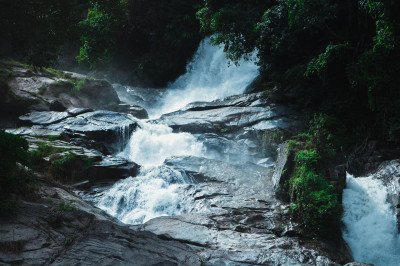
Banjhakri Water Falls
Some quick example text to build on the card title and make up the bulk of the card's content.
Go somewhere
Do Drul Chorten
Some quick example text to build on the card title and make up the bulk of the card's content.
Go somewhere
Enchey Monastery
Some quick example text to build on the card title and make up the bulk of the card's content.
Go somewhere
Fambong Lho Wildlife Sanctuary
Some quick example text to build on the card title and make up the bulk of the card's content.
Go somewhere
Flower Exhibition Centre
Some quick example text to build on the card title and make up the bulk of the card's content.
Go somewhere
Ganesh Tok
Some quick example text to build on the card title and make up the bulk of the card's content.
Go somewhere
Gangtok Ropeway
Some quick example text to build on the card title and make up the bulk of the card's content.
Go somewhere
Hanuman Tok
Some quick example text to build on the card title and make up the bulk of the card's content.
Go somewhere
Himalayan Zoological Park
Some quick example text to build on the card title and make up the bulk of the card's content.
Go somewhere
Kyongnosla Alpine Sanctuary
Some quick example text to build on the card title and make up the bulk of the card's content.
Go somewhere
Lhasa Falls
Some quick example text to build on the card title and make up the bulk of the card's content.
Go somewhere
MG Marg
Some quick example text to build on the card title and make up the bulk of the card's content.
Go somewhere
Namgyal Institute of Tibetology
Some quick example text to build on the card title and make up the bulk of the card's content.
Go somewhere
Nathu La Pass
Some quick example text to build on the card title and make up the bulk of the card's content.
Go somewherein Other Cities