




Madurai
General information
-
Ideal Duration:
1 to 2 DaysPlace Type:
Culture / HeritageSpecial Events:
Chithirai Festival: A 15-day event in April-May celebrating the celestial wedding. Millions of people gather to see the golden chariot.
Float Festival: Held in January at the Mariamman Teppakulam. Deities are taken on a decorated float acr...Chithirai Festival: A 15-day event in April-May celebrating the celestial wedding. Millions of people gather to see the golden chariot.
Float Festival: Held in January at the Mariamman Teppakulam. Deities are taken on a decorated float across the water.Best Photo Spots:
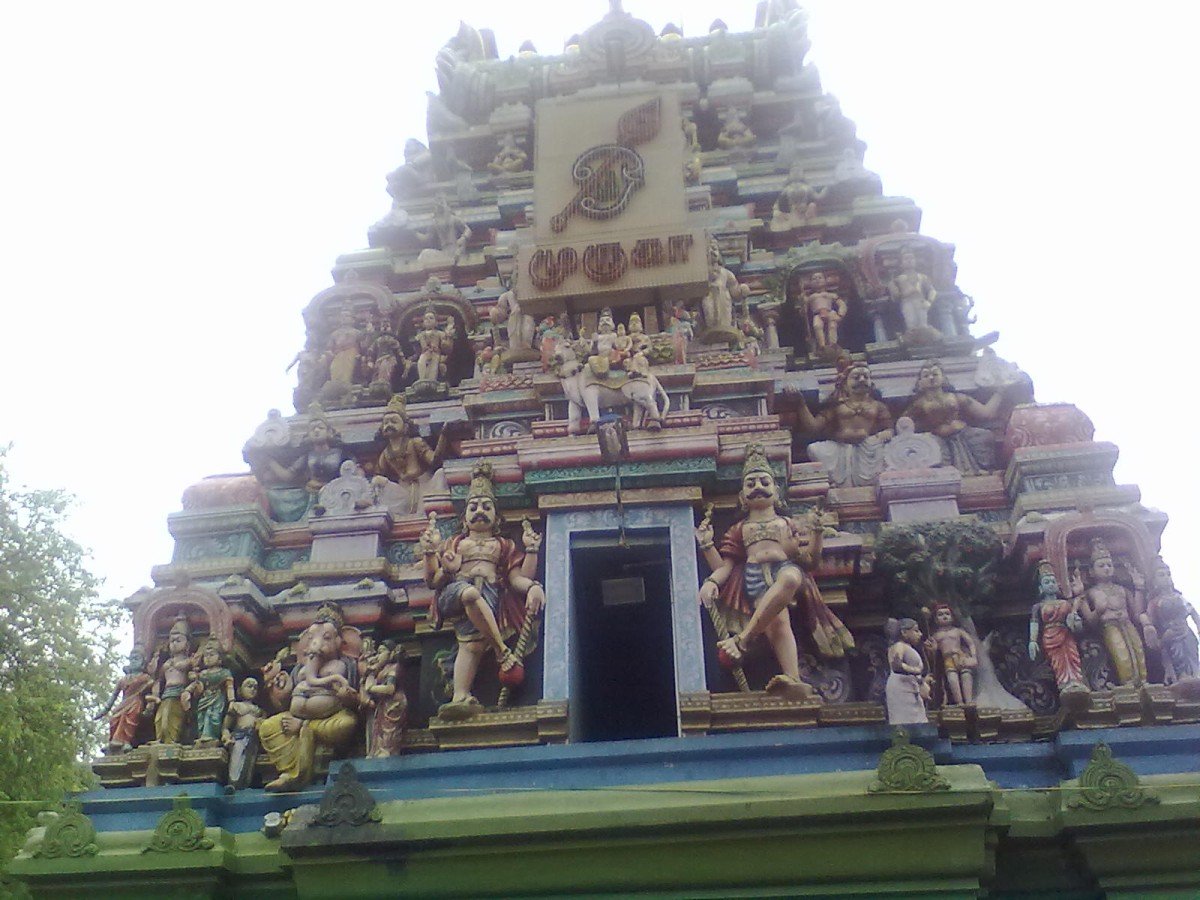
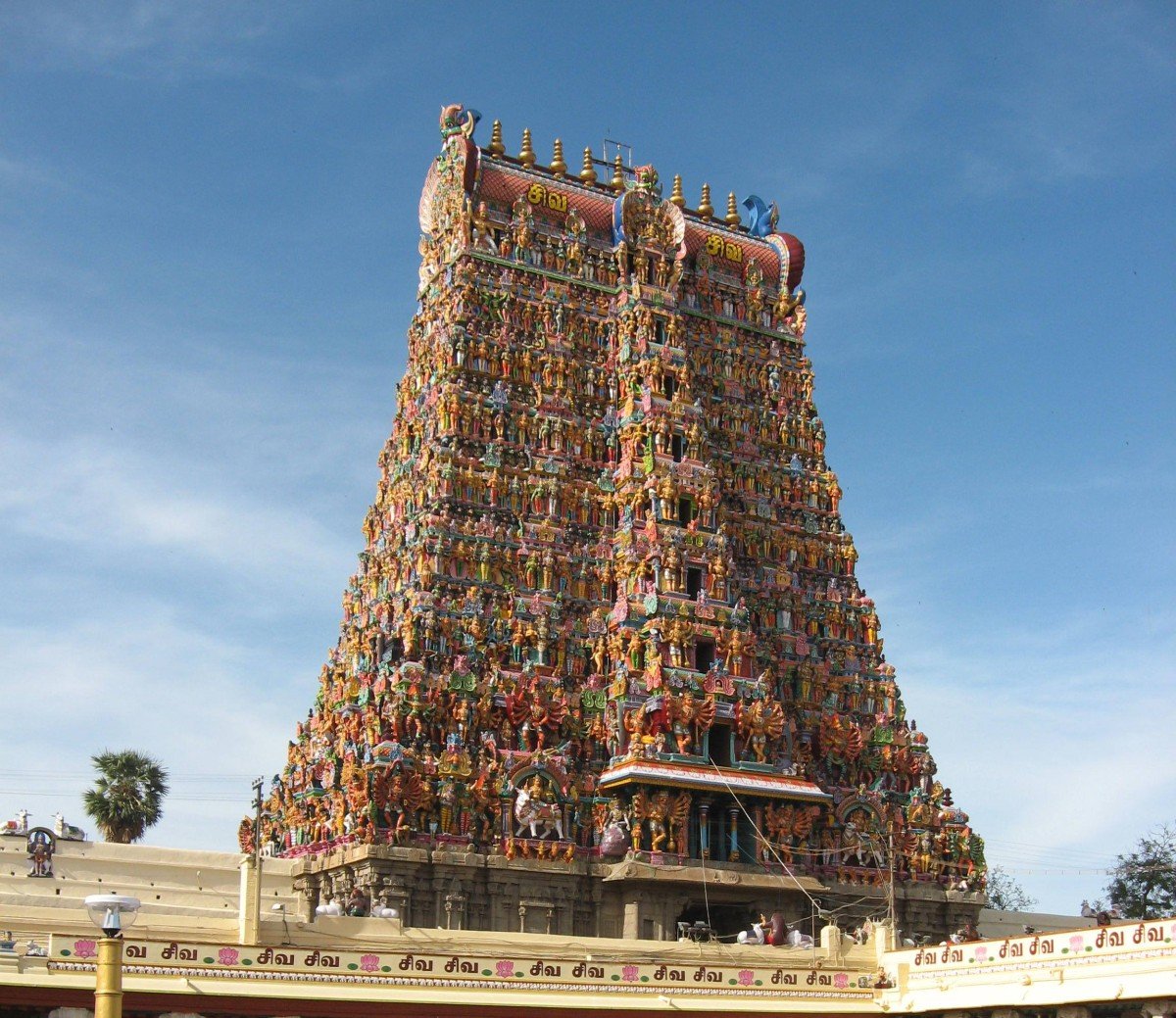
Temple Gopurams: Best captured from nearby rooftops for a full view.
Nayak Mahal Pillars: Ideal for architectural and depth-of-field shots.
Vibrant Markets: Capturing the colorful flower and spice vendors. ...Temple Gopurams: Best captured from nearby rooftops for a full view.
Nayak Mahal Pillars: Ideal for architectural and depth-of-field shots.
Vibrant Markets: Capturing the colorful flower and spice vendors.Photo Gallery



Things To Do
 @@Introduction to Athisayam Water Park: Athisayam is one of the largest and most popular amusement and water theme parks in South India, spread over a massive 70 acres on the outskirts of Madurai. The name Athisayam literally means 'wonder,' and the park lives up to its name by offering a wide array of thrilling rides, games, and water attractions suitable for all age groups. It serves as an ideal getaway for families, friends, and school groups looking to escape the city heat and enjoy a day of fun-filled excitement. The park's main draw is its extensive water park section, which is ingeniously designed to simulate the experience of visiting the famous natural waterfalls like Courtallam. @@Variety of Attractions: The park boasts over 40 water games and 20 amusement rides, making it a major entertainment hub. Key attractions include a massive wave pool that simulates real ocean waves, numerous high-speed water slides with twists and turns, and a lazy river for relaxing floats. The amusement section offers dry rides such as the merry-go-round, Ferris wheel, roller coasters, and a particularly popular 7D theatre experience. The park is continuously updating its attractions to ensure repeat visitors have new experiences. @@Park Facilities and Maintenance: Beyond the rides, Athisayam is noted for its well-maintained premises, clean changing rooms, and a dedicated area for eateries that offer local South Indian snacks and full meals. Safety is a major priority, with trained lifeguards and operators stationed at all rides and pools. The park management emphasizes a family-friendly atmosphere, ensuring a pleasant and safe environment for children. It plays a significant role in Madurai's tourism as a modern recreational spot contrasting with the city's ancient temples.
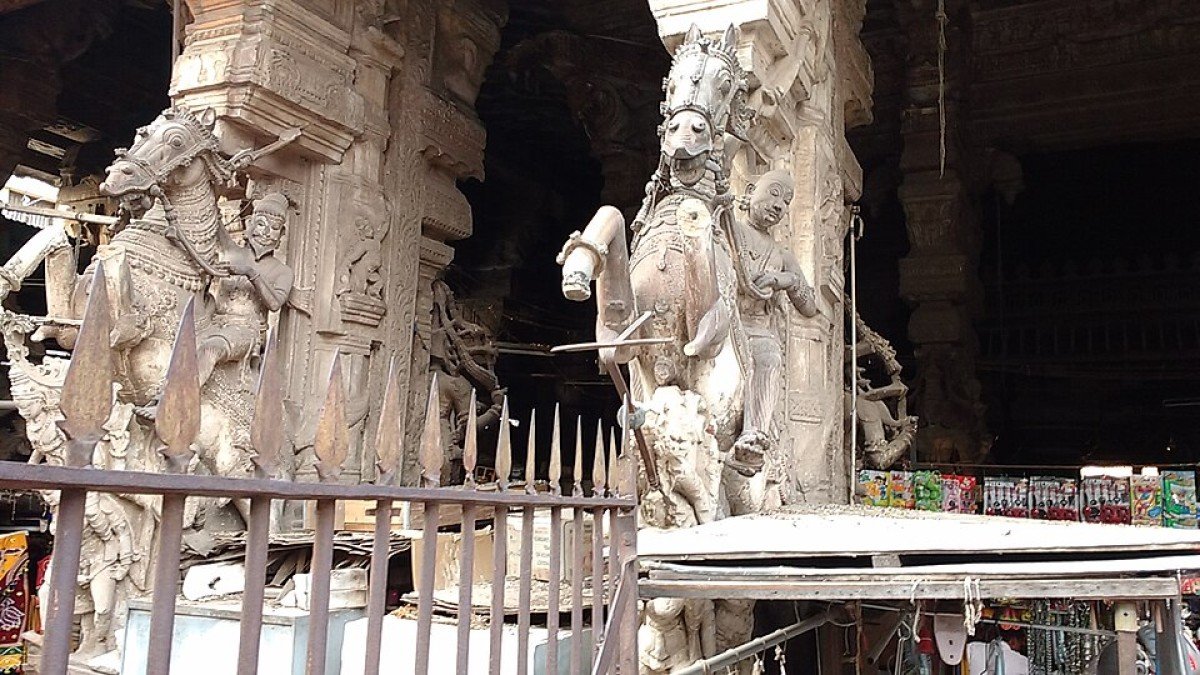
 @@The Puthu Mandapam, meaning 'New Hall', is a magnificent pillared hall located directly opposite the eastern gopuram of the Meenakshi Amman Temple. It was commissioned by King Thirumalai Nayakkar and constructed between 1628 and 1635 AD, initially serving as the Vasantha Mandapam, or a summer residence, for the deities Lord Sundareswarar and Goddess Meenakshi. The primary purpose was to host the annual Avani Moolam and Chithirai festivals, particularly the celestial wedding ceremony, providing a grand space for the gods to rest and receive offerings outside the main temple complex. The sheer scale and architectural ambition were enormous, including a partially constructed Raja Gopuram that, if completed, would have dwarfed other structures. Over centuries, its function transformed from a ceremonial hall into a vibrant, covered market. Today, it is a bustling commercial hub, housing hundreds of tiny shops that sell everything from tailored clothes, brassware, and religious items to traditional jewelry and books, embodying a unique intersection of sacred history and daily commerce. The transformation highlights the continuous evolution of Madurai's urban and cultural landscape. The central passage is flanked by rows of monumental pillars, which are the main draw for history and art enthusiasts. The hall's ability to remain relatively cool even during the hot Madurai summers is a testament to the advanced planning and design principles employed by its Nayak-era builders. This structure remains a tangible link to the glorious period of the Nayaka dynasty and their profound influence on temple architecture and city planning in South India. The vibrant atmosphere today, with the sounds of commerce mixed with the proximity of the grand temple, makes it an unforgettable experience for visitors.
 @@The Thirumalai Nayakkar Mahal is one of the most magnificent palace complexes in South India, constructed in 1636 AD by King Thirumalai Nayakkar, the most celebrated ruler of the Madurai Nayaka dynasty. Originally intended to be one of the grandest palaces in Asia, the complex was four times the size of the present structure. The architecture is a brilliant and unique fusion of Dravidian and Islamic (Indo-Saracenic) styles, evident in the huge white pillars, imposing arches, and exquisite stucco work. The palace was designed as both a royal residence (Swarga Vilasam) and an administrative center. It served as the king's main residence and court, hosting grand ceremonies and military councils. Tragically, a large portion of the original palace was intentionally dismantled by the King's grandson, Chokkanatha Nayak, who sought to move the capital and build his own palace in Tiruchirappalli. Fortunately, the British Governor of Madras, Lord Napier, initiated partial restoration between 1866 and 1872, and subsequent efforts have preserved the main surviving sections: the Entrance Gate, the Main Hall (Courtyard), and the Dance Hall. The remaining structure, especially the celestial pavilion (Swarga Vilasam), with its towering, un-supported dome and massive pillars, continues to awe visitors and stands as a glorious testament to the power and artistic vision of the Nayaka King. The palace also hosts a daily sound and light show that narrates the life and rule of Thirumalai Nayakkar, bringing its vibrant history to life for contemporary audiences.
@@Establishment and Historical Roots: The Kazimar Big Mosque, locally known as Periya Pallivasal (The Big Mosque), is a monument of profound historical and religious significance, recognized as the oldest mosque in the city of Madurai. It was constructed in 1284 AD by Hazrat Kazi Syed Tajuddin, a prominent Islamic preacher and a direct descendant of the Prophet Muhammad, who migrated from Yemen. The land for the construction of the mosque was granted to him by the then Pandya King, Kulasekara Pandiyan. This event marks the beginning of the prominent Muslim presence in Madurai, making the mosque a cornerstone of the city's multi-religious history. @@A Center for Learning and Community: Since its foundation over 700 years ago, the mosque has remained under the management and custodianship of the descendants of Kazi Syed Tajuddin. It is not just a place of worship but a vibrant community center. Within its premises, the Kazi Syed Tajuddin Arabi Madarsa operates, providing traditional Arabic and Islamic education to hundreds of students, solidifying its role as a key educational institution. The mosque also runs various charitable and social welfare initiatives for the needy in the local area. @@Religious and Architectural Importance: The mosque's prayer hall is expansive, capable of accommodating a large number of worshippers (approximately 2,500 people), making it a significant site for congregational prayers. The complex also houses the Madurai Maqbara—the dargah (tomb) of several respected Islamic saints (Hazrats) of Madurai, adding another layer of spiritual importance. The architecture is noted for its blending of traditional Islamic and local Dravidian styles, though it maintains a conservative, minimalist structure typical of early mosques.
@@The Thirumalai Nayakkar Mahal is one of the most magnificent palace complexes in South India, constructed in 1636 AD by King Thirumalai Nayakkar, the most celebrated ruler of the Madurai Nayaka dynasty. Originally intended to be one of the grandest palaces in Asia, the complex was four times the size of the present structure. The architecture is a brilliant and unique fusion of Dravidian and Islamic (Indo-Saracenic) styles, evident in the huge white pillars, imposing arches, and exquisite stucco work. The palace was designed as both a royal residence (Swarga Vilasam) and an administrative center. It served as the king's main residence and court, hosting grand ceremonies and military councils. Tragically, a large portion of the original palace was intentionally dismantled by the King's grandson, Chokkanatha Nayak, who sought to move the capital and build his own palace in Tiruchirappalli. Fortunately, the British Governor of Madras, Lord Napier, initiated partial restoration between 1866 and 1872, and subsequent efforts have preserved the main surviving sections: the Entrance Gate, the Main Hall (Courtyard), and the Dance Hall. The remaining structure, especially the celestial pavilion (Swarga Vilasam), with its towering, un-supported dome and massive pillars, continues to awe visitors and stands as a glorious testament to the power and artistic vision of the Nayaka King. The palace also hosts a daily sound and light show that narrates the life and rule of Thirumalai Nayakkar, bringing its vibrant history to life for contemporary audiences.
@@Establishment and Historical Roots: The Kazimar Big Mosque, locally known as Periya Pallivasal (The Big Mosque), is a monument of profound historical and religious significance, recognized as the oldest mosque in the city of Madurai. It was constructed in 1284 AD by Hazrat Kazi Syed Tajuddin, a prominent Islamic preacher and a direct descendant of the Prophet Muhammad, who migrated from Yemen. The land for the construction of the mosque was granted to him by the then Pandya King, Kulasekara Pandiyan. This event marks the beginning of the prominent Muslim presence in Madurai, making the mosque a cornerstone of the city's multi-religious history. @@A Center for Learning and Community: Since its foundation over 700 years ago, the mosque has remained under the management and custodianship of the descendants of Kazi Syed Tajuddin. It is not just a place of worship but a vibrant community center. Within its premises, the Kazi Syed Tajuddin Arabi Madarsa operates, providing traditional Arabic and Islamic education to hundreds of students, solidifying its role as a key educational institution. The mosque also runs various charitable and social welfare initiatives for the needy in the local area. @@Religious and Architectural Importance: The mosque's prayer hall is expansive, capable of accommodating a large number of worshippers (approximately 2,500 people), making it a significant site for congregational prayers. The complex also houses the Madurai Maqbara—the dargah (tomb) of several respected Islamic saints (Hazrats) of Madurai, adding another layer of spiritual importance. The architecture is noted for its blending of traditional Islamic and local Dravidian styles, though it maintains a conservative, minimalist structure typical of early mosques. @@The Vandiyur Mariamman Teppakulam is a massive, stunningly beautiful temple tank, centrally located in the Vandiyur neighborhood, about 5 KMS east of the Meenakshi Amman Temple. Spanning an area of approximately 16 acres, it is one of the largest temple tanks in South India. The tank was constructed in 1646 by the same King, Thirumalai Nayakkar, who built the famous palace. The stone for the Thirumalai Nayakkar Mahal was supposedly excavated from this very site, thus creating the tank. An island mandapam (Teppa Mandapam) sits at the exact center of the tank, connected to the shore by a series of steps. The tank is an engineering marvel, as it is connected to the Vaigai River by an ingenious system of underground channels, which is used to fill the tank during the festival season. The primary purpose of the tank is to serve as the venue for the annual float festival (Teppa Thiruvizha), which celebrates the birth anniversary of King Thirumalai Nayakkar and involves the main deities from the Meenakshi Temple being taken on a beautifully decorated raft (Teppam) across the water. The surrounding steps are made of granite, with a series of 12 long steps on all four sides leading down to the water. The tank is dedicated to the nearby Vandiyur Mariamman Temple and is a powerful symbol of water conservation, engineering, and religious tradition in Madurai.
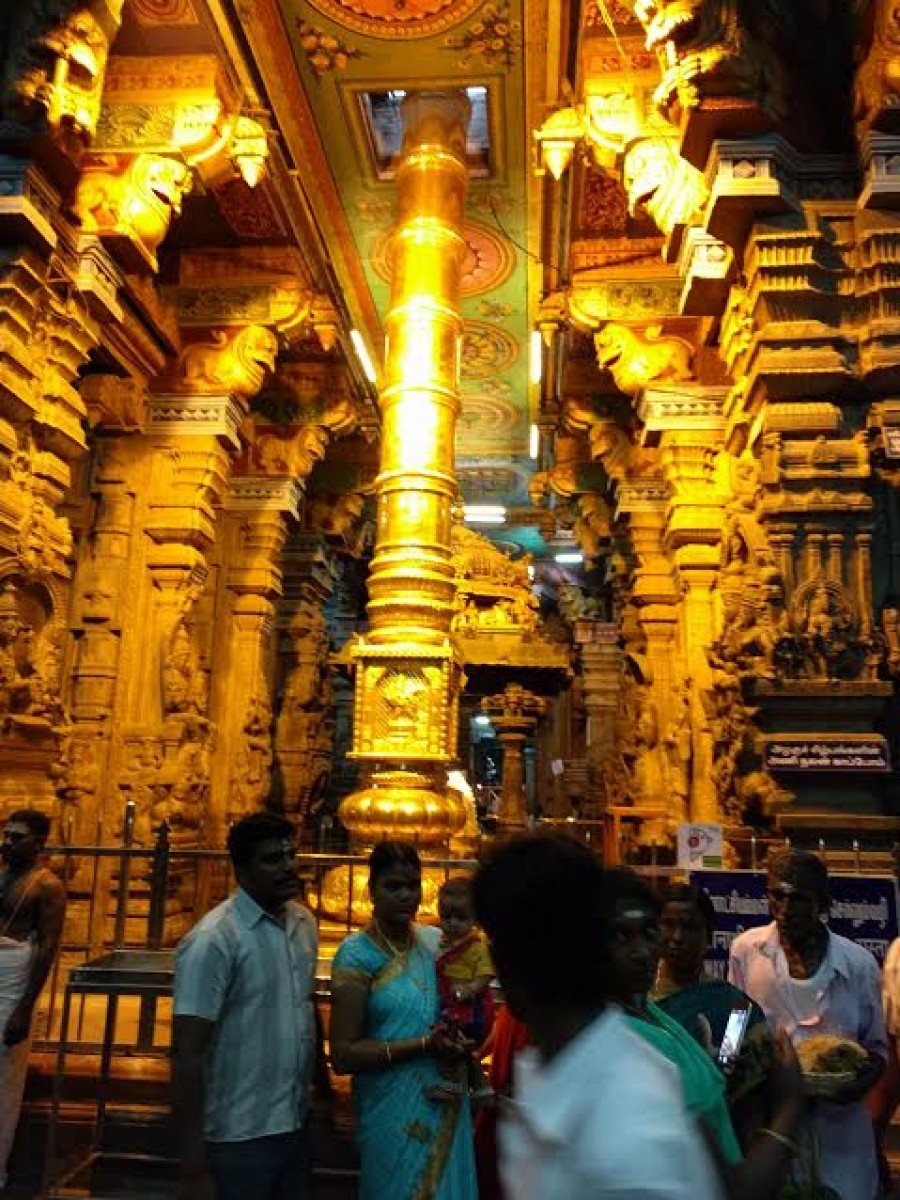
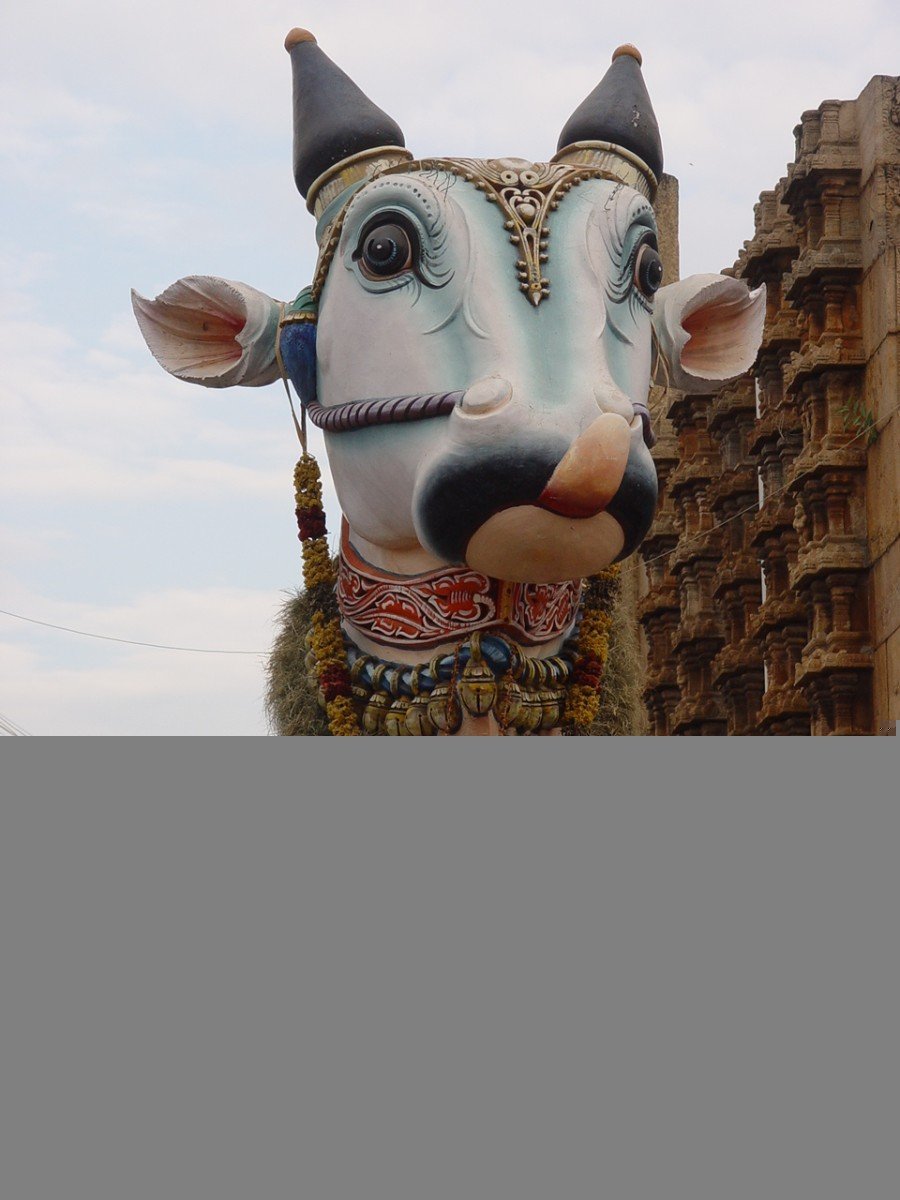
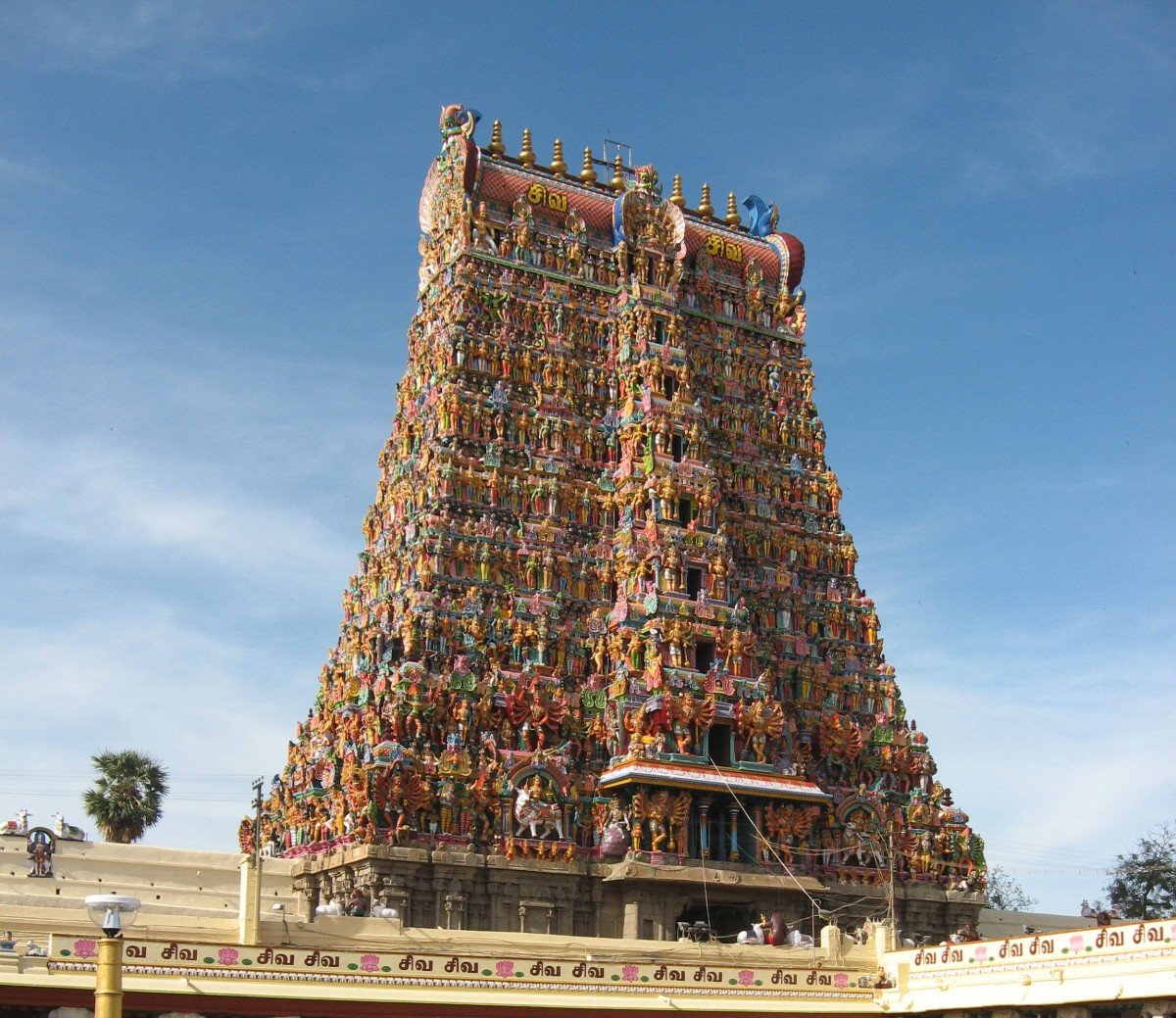
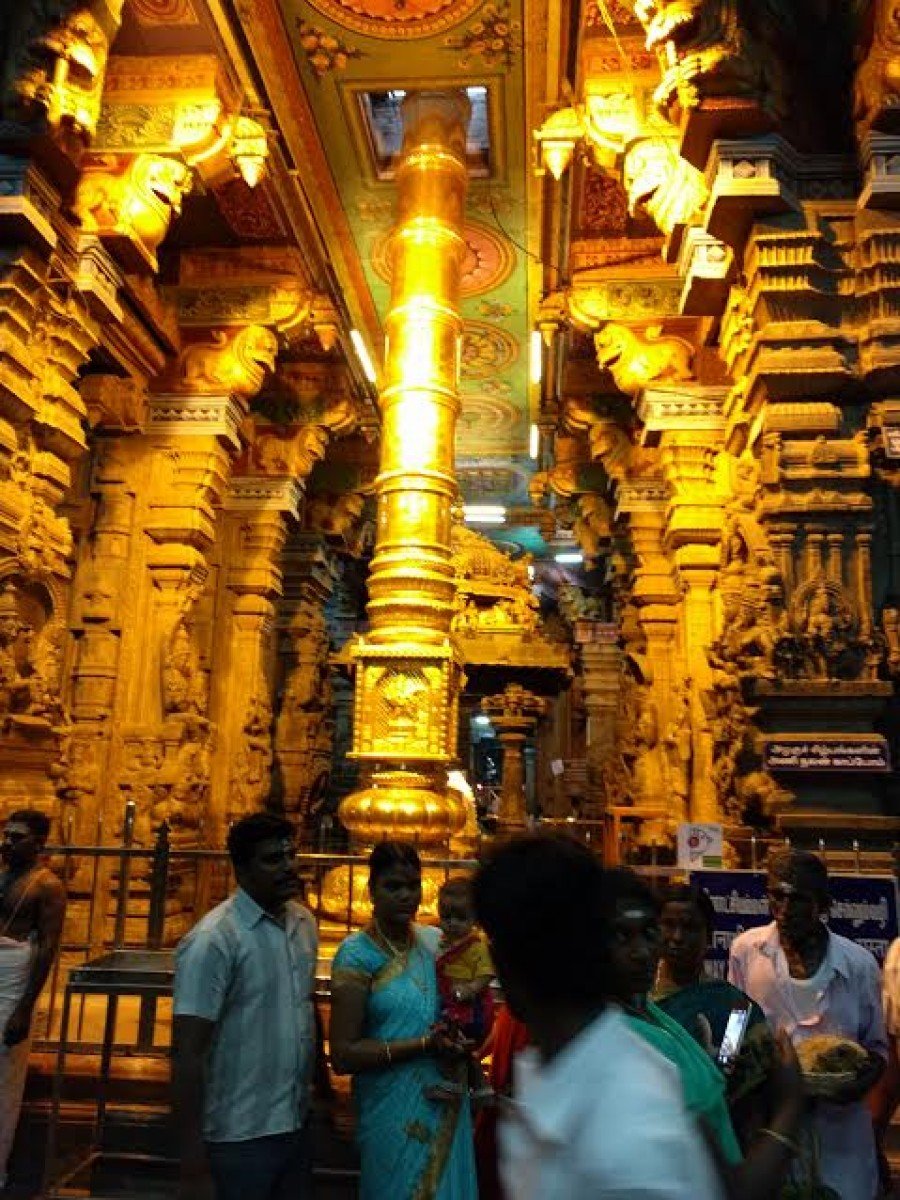
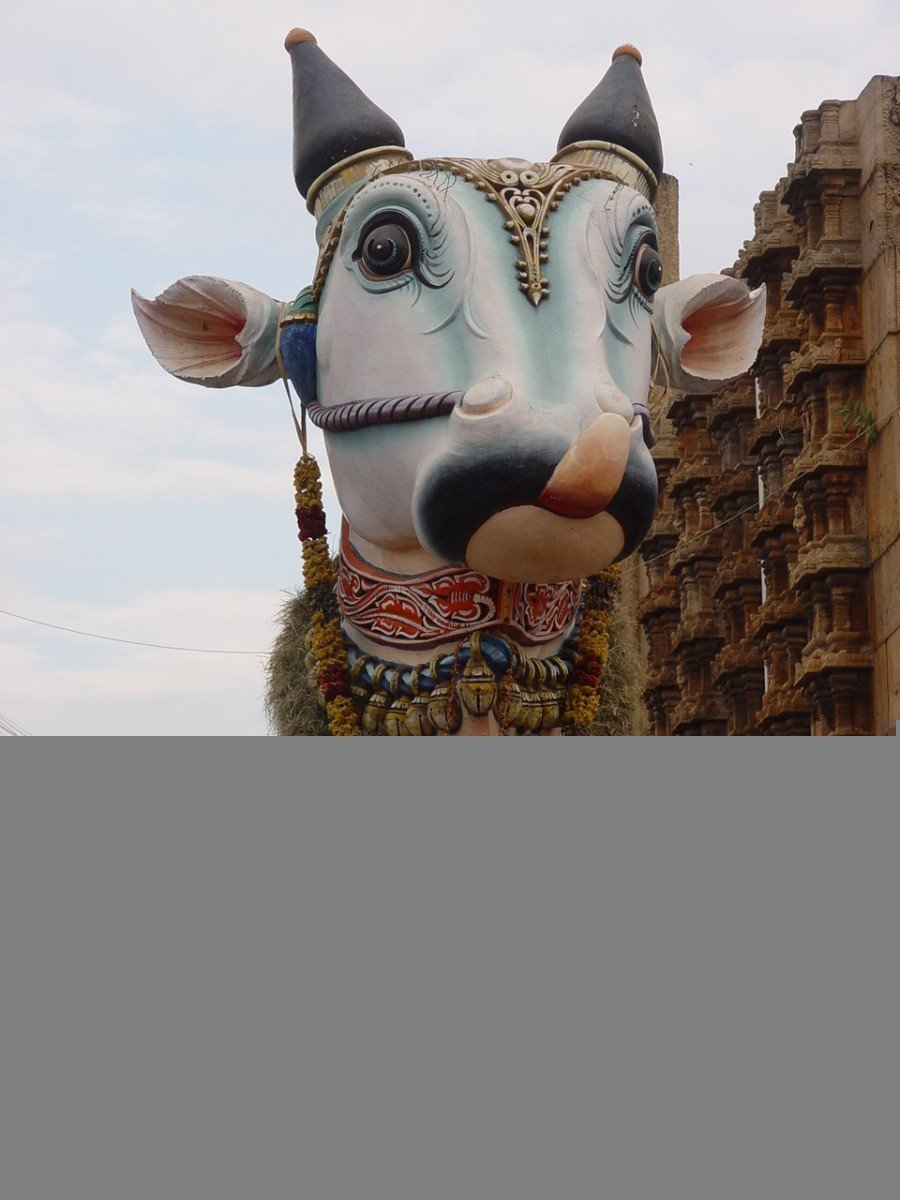
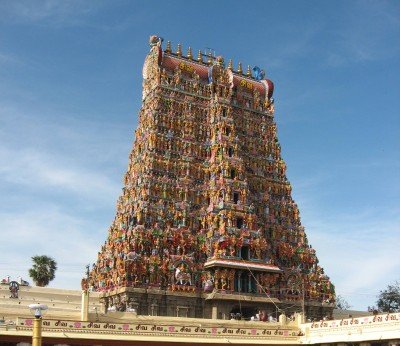 @@Cosmic Pivot of Madurai: The Meenakshi Sundareswarar Temple, often simply called the Meenakshi Amman Temple, is not just a temple but the spiritual, cultural, and geographical pivot around which the entire city of Madurai has evolved for over 2000 years. Dedicated to Goddess Meenakshi (a form of Parvati, the fish-eyed goddess) and her consort Lord Sundareswarar (a form of Shiva), this twin-shrine complex is one of the greatest architectural and devotional marvels of India. It is mentioned in Tamil Sangam literature dating back to the 6th century CE. @@Architectural Marvel and Scale: The temple complex is an enormous structure, covering an area of approximately 65,000 square meters (14 acres). Though initially built by the early Pandya kings, the current monumental structure was primarily built and substantially expanded during the reign of the Nayaka kings, particularly Thirumalai Nayak (1623–1655 AD), following the temple's partial destruction in the 14th century. It is world-famous for its 14 massive Gopurams (gateway towers), intricate stucco work, and the legendary Hall of Thousand Pillars (Ayiramkaal Mandapam). @@Religious and Cultural Importance: As a Paadal Petra Sthalam (temples revered in the verses of Tamil Saiva Nayanars), it is one of the holiest sites for Shaivites. The temple hosts the magnificent Chithirai Festival (Meenakshi Thirukalyanam - the divine wedding), which draws millions and symbolizes the union of Shiva and Shakti, central to the regional culture. The sheer density of mythological sculpture and the vibrant temple life make it an unparalleled cultural experience.
 @@Saint Mary's Cathedral, also known as the Church of Our Lady of Seven Dolours, is the seat of the Roman Catholic Archdiocese of Madurai. Its history traces back to a small chapel built by Italian Jesuit missionary Fr. John de Britto in 1676. The current structure, however, has undergone several phases of reconstruction and expansion. The initial replacement church was built in 1840, and it was elevated to the status of a Cathedral in 1967 by Pope Paul VI. The present-day edifice is a striking and serene example of Indo-Gothic and European architectural styles, featuring two lofty steeples that are prominent landmarks in the city skyline, contrasting sharply with the traditional temple gopurams. The Cathedral is a symbol of the enduring presence of Christianity in South India, serving a large local Catholic community. It is a place of daily worship, contemplation, and religious education. The church's cool, peaceful interior provides a significant contrast to the bustling, often chaotic energy of the surrounding city. Its location near the old palace area speaks to the deep historical intermingling of different cultures and religions in Madurai over the centuries, reflecting a tradition of religious tolerance and co-existence that the city has long upheld. The religious significance is heightened during major Christian festivals like Christmas and Easter, when the church is beautifully decorated and hosts grand ceremonies. The Cathedral offers a spiritual refuge and a fascinating architectural study for visitors of all faiths.Show All
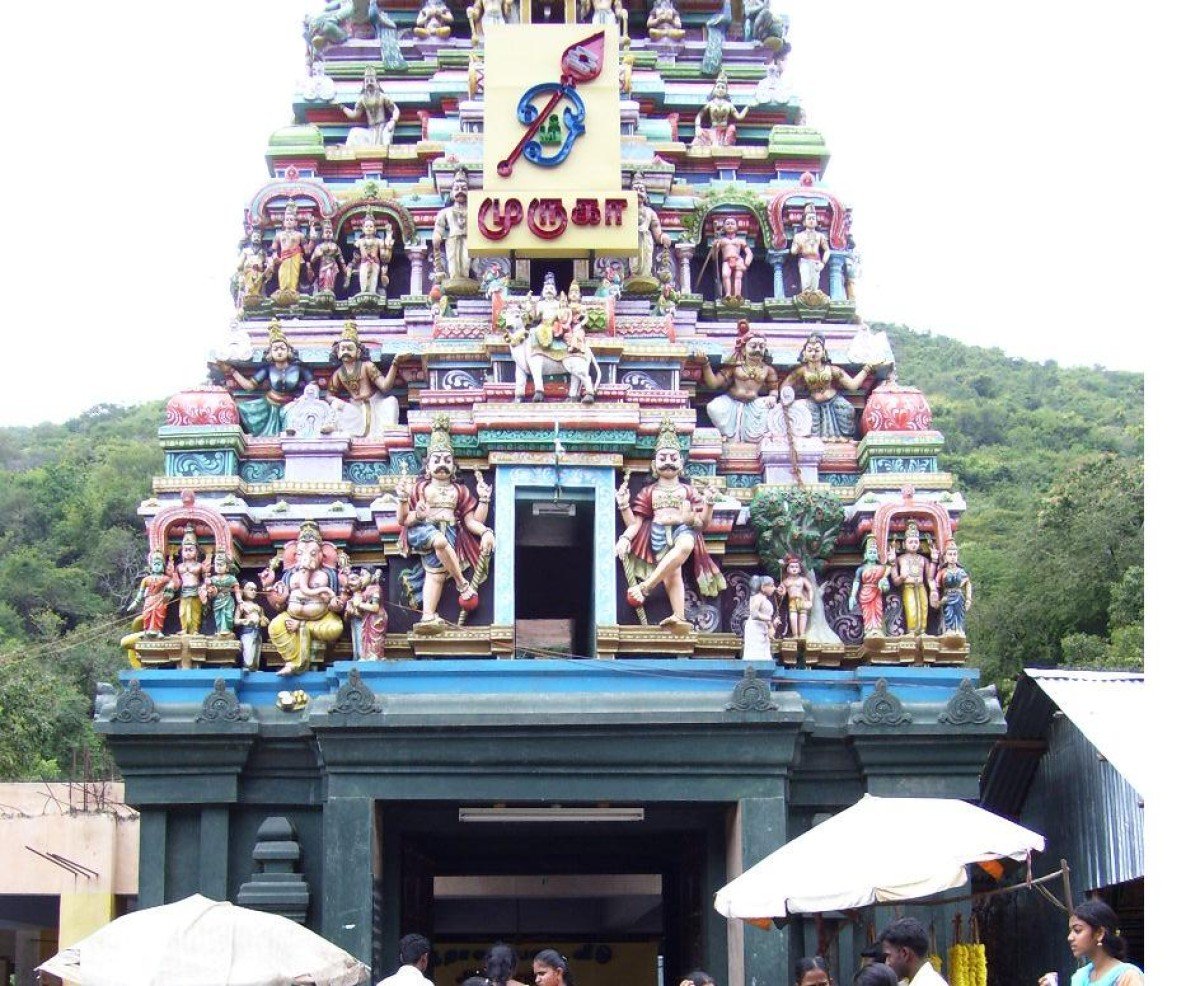
@@Historical and Religious Significance: Azhagar Kovil, also known as Alagar Koyil or Arulmigu Kallalagar Temple, is a celebrated Hindu temple dedicated to Lord Vishnu, who is worshipped here as Kallazhagar (the beautiful one). This ancient temple is situated at the foothills of the picturesque Alagar Hills (Solaimalai) and is counted among the 108 Divya Desams—the holy abodes of Lord Vishnu revered by the Alvars (mystical saints) in the 6th to 9th centuries AD. The temple's origins are deeply rooted in the Sangam era, with literary references dating back over 2000 years. It has been patronized and expanded by various dynasties, including the Pandya, Chola, and Vijayanagara kings, which is evident in its architectural grandeur. @@The Myth of Meenakshi's Brother: A central legend connected to the temple is that Lord Azhagar is the elder brother of Goddess Meenakshi (Parvati). During the famous Chithirai Festival in April/May, the processional deity (Sundararajar) is carried in a spectacular procession from the temple to Madurai for the celestial wedding of Meenakshi and Lord Sundareswarar (Shiva). His arrival, though traditionally late, is the climax of the festival and is a massive annual event attracting millions of devotees. @@Sacred Location and Natural Springs: The temple is located in a sacred and tranquil setting amidst a dense forest. Just atop the hill is the famed Pazhamudhircholai, one of the Six Abodes of Lord Murugan. A natural spring called Nupuragangai (also known as Silambar) is located near the temple, where pilgrims traditionally take a holy dip, believing the waters have cleansing and curative properties. The temple complex itself is vast, surrounded by high fortress-like walls known as the Iraniyan forts.
@@Saint Mary's Cathedral, also known as the Church of Our Lady of Seven Dolours, is the seat of the Roman Catholic Archdiocese of Madurai. Its history traces back to a small chapel built by Italian Jesuit missionary Fr. John de Britto in 1676. The current structure, however, has undergone several phases of reconstruction and expansion. The initial replacement church was built in 1840, and it was elevated to the status of a Cathedral in 1967 by Pope Paul VI. The present-day edifice is a striking and serene example of Indo-Gothic and European architectural styles, featuring two lofty steeples that are prominent landmarks in the city skyline, contrasting sharply with the traditional temple gopurams. The Cathedral is a symbol of the enduring presence of Christianity in South India, serving a large local Catholic community. It is a place of daily worship, contemplation, and religious education. The church's cool, peaceful interior provides a significant contrast to the bustling, often chaotic energy of the surrounding city. Its location near the old palace area speaks to the deep historical intermingling of different cultures and religions in Madurai over the centuries, reflecting a tradition of religious tolerance and co-existence that the city has long upheld. The religious significance is heightened during major Christian festivals like Christmas and Easter, when the church is beautifully decorated and hosts grand ceremonies. The Cathedral offers a spiritual refuge and a fascinating architectural study for visitors of all faiths.Show All
@@Historical and Religious Significance: Azhagar Kovil, also known as Alagar Koyil or Arulmigu Kallalagar Temple, is a celebrated Hindu temple dedicated to Lord Vishnu, who is worshipped here as Kallazhagar (the beautiful one). This ancient temple is situated at the foothills of the picturesque Alagar Hills (Solaimalai) and is counted among the 108 Divya Desams—the holy abodes of Lord Vishnu revered by the Alvars (mystical saints) in the 6th to 9th centuries AD. The temple's origins are deeply rooted in the Sangam era, with literary references dating back over 2000 years. It has been patronized and expanded by various dynasties, including the Pandya, Chola, and Vijayanagara kings, which is evident in its architectural grandeur. @@The Myth of Meenakshi's Brother: A central legend connected to the temple is that Lord Azhagar is the elder brother of Goddess Meenakshi (Parvati). During the famous Chithirai Festival in April/May, the processional deity (Sundararajar) is carried in a spectacular procession from the temple to Madurai for the celestial wedding of Meenakshi and Lord Sundareswarar (Shiva). His arrival, though traditionally late, is the climax of the festival and is a massive annual event attracting millions of devotees. @@Sacred Location and Natural Springs: The temple is located in a sacred and tranquil setting amidst a dense forest. Just atop the hill is the famed Pazhamudhircholai, one of the Six Abodes of Lord Murugan. A natural spring called Nupuragangai (also known as Silambar) is located near the temple, where pilgrims traditionally take a holy dip, believing the waters have cleansing and curative properties. The temple complex itself is vast, surrounded by high fortress-like walls known as the Iraniyan forts.Information
-
Why Famous:
Meenakshi Temple: It is famous for its massive scale and intricate stone carvings. It is one of the most visited religious sites in India.
Jigarthanda: A unique cold beverage made with almond resin and sarsaparilla. It is the signature dri...Meenakshi Temple: It is famous for its massive scale and intricate stone carvings. It is one of the most visited religious sites in India.
Jigarthanda: A unique cold beverage made with almond resin and sarsaparilla. It is the signature drink of Madurai and a must-try for foodies.
Jasmine Flowers: The city is the global hub for high-quality jasmine. 'Madurai Malli' has a GI tag and is exported to perfume makers worldwide. -
Architecture:
Dravidian Masterpiece: The Meenakshi Temple features 14 towering gopurams. Each is covered with thousands of stucco figures of gods and demons. The Hall of Thousand Pillars is a wonder of symmetry and carving.
Nayaka Style: The Thirumalai ...Dravidian Masterpiece: The Meenakshi Temple features 14 towering gopurams. Each is covered with thousands of stucco figures of gods and demons. The Hall of Thousand Pillars is a wonder of symmetry and carving.
Nayaka Style: The Thirumalai Nayak Mahal showcases a blend of Italian and Islamic styles. Its massive white pillars and grand arches are iconic. The central courtyard measures 40,000 square feet.
Temple Planning: The city follows the ancient Vastu Shastra principles. The streets are laid out in concentric squares around the central shrine. Dimensions of the main temple complex cover over 14 acres. -
How To Reach:
By Air: Madurai International Airport is well-connected to major Indian cities and international hubs. It is located 12 KMS from the city center.
By Train: Madurai Junction is a major railway hub in South India. It has daily trains from Ch...By Air: Madurai International Airport is well-connected to major Indian cities and international hubs. It is located 12 KMS from the city center.
By Train: Madurai Junction is a major railway hub in South India. It has daily trains from Chennai, Bangalore, and Kanyakumari.
By Road: The city is connected by several National Highways. Luxury and government buses run frequently from all parts of Tamil Nadu.
Local Transport: Autos and city buses are the main modes of transport. Walking is the best way to explore the area around the temple. -
Weather and Best Time to Visit:
Winter Season: October to March is the most comfortable time for sightseeing. The heat is manageable and the evenings are cool.
Night Time: The city is best experienced at night when the markets are lively. The 'No sleep' vibe is most appa...Winter Season: October to March is the most comfortable time for sightseeing. The heat is manageable and the evenings are cool.
Night Time: The city is best experienced at night when the markets are lively. The 'No sleep' vibe is most apparent after 9:00 PM.
Early Morning: Ideal for visiting the temple to avoid long queues. The morning 'Abhishekam' is a peaceful time for prayer. -
Near Tourist Places:
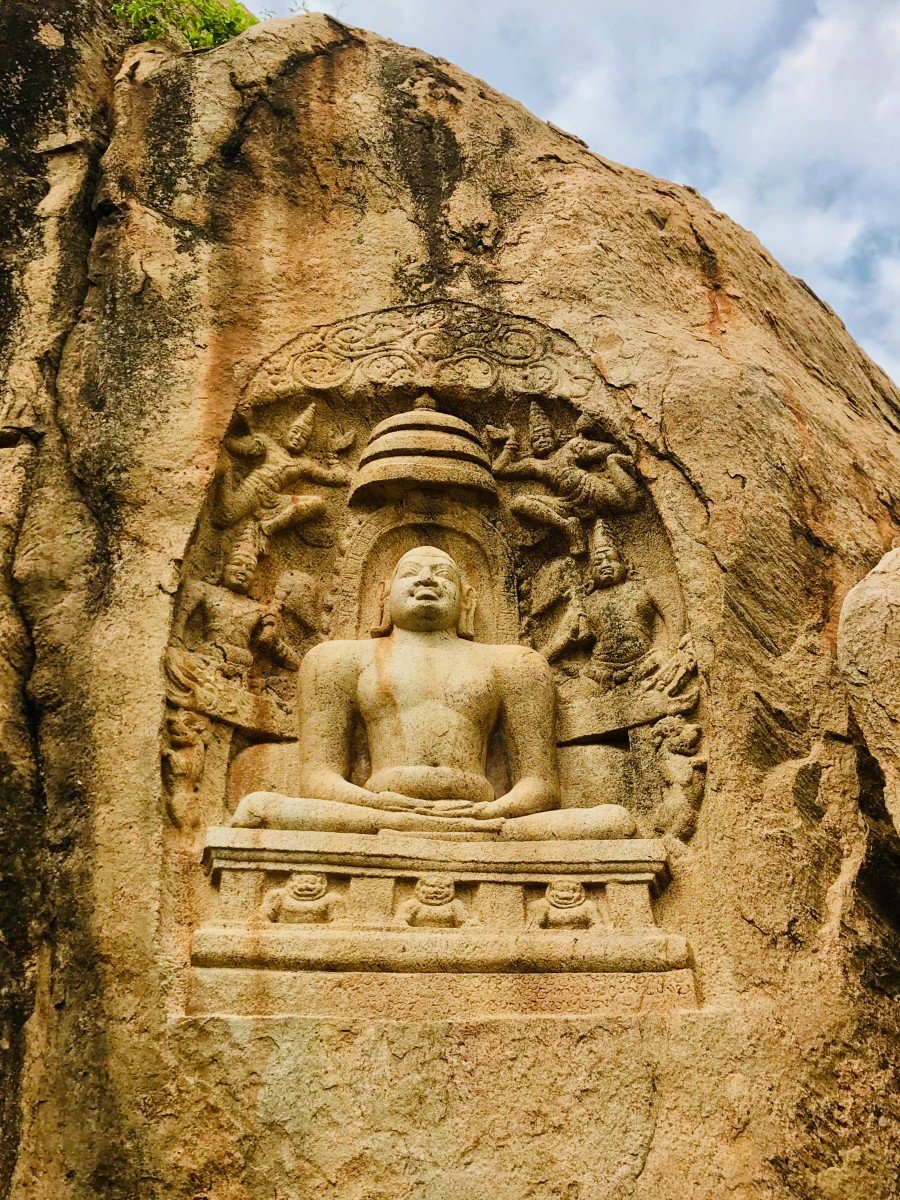
Alagar Kovil (21 KMS), Pazhamudircholai (25 KMS), Thiruparankundram (8 KMS), Samanar Hills (12 KMS), Vaigai Dam (70 KMS), Kutladampatti Falls (30 KMS), Kodaikanal (115 KMS), Rameshwaram (170 KMS), Thekkady (140 KMS), Chettinad (90 KMS).
Tourism Tips
-
Dress Modestly: Temple rules are strict regarding clothing. Ensure shoulders and legs are covered; lungis are often provided for a small fee.
Stay Hydrated: Madurai can be very hot during the day. Always carry a water bottle and wear comf...Dress Modestly: Temple rules are strict regarding clothing. Ensure shoulders and legs are covered; lungis are often provided for a small fee.
Stay Hydrated: Madurai can be very hot during the day. Always carry a water bottle and wear comfortable cotton clothes.
Guide Services: Hire a government-approved guide at the temple. They provide deep insights into the complex mythology and history of the carvings.
Security Check: Electronic items and bags are not allowed inside the Meenakshi Temple. Use the cloakroom facilities available at the entrance.
Reviews
FAQs
Madurai Itineray And Cost:-
Other Places In Tamil Nadu :-
Other States In India :-
Information about New and Updated Locations() of Tamil Nadu Has Been Added :-
Card subtitle
Note:-
Information provided here in good Faith and for reference only.
Near Places
Chennai
Some quick example text to build on the card title and make up the bulk of the card's content.
Go somewhere
Chidambaram
Some quick example text to build on the card title and make up the bulk of the card's content.
Go somewhere
Coimbatore
Some quick example text to build on the card title and make up the bulk of the card's content.
Go somewhere
Courtallam
Some quick example text to build on the card title and make up the bulk of the card's content.
Go somewhere
Dindigul
Some quick example text to build on the card title and make up the bulk of the card's content.
Go somewhere
Kanchipuram
Some quick example text to build on the card title and make up the bulk of the card's content.
Go somewhere
Kanyakumari
Some quick example text to build on the card title and make up the bulk of the card's content.
Go somewhere
Karaikal
Some quick example text to build on the card title and make up the bulk of the card's content.
Go somewhere
Karaikudi
Some quick example text to build on the card title and make up the bulk of the card's content.
Go somewhere
Kodaikanal
Some quick example text to build on the card title and make up the bulk of the card's content.
Go somewhere
Kovalam
Some quick example text to build on the card title and make up the bulk of the card's content.
Go somewhere
Kumbakonam
Some quick example text to build on the card title and make up the bulk of the card's content.
Go somewhere
Madurai
Some quick example text to build on the card title and make up the bulk of the card's content.
Go somewhere
Mahabalipuram
Some quick example text to build on the card title and make up the bulk of the card's content.
Go somewhere
Masinagudi
Some quick example text to build on the card title and make up the bulk of the card's content.
Go somewhere
Nagapattinam
Some quick example text to build on the card title and make up the bulk of the card's content.
Go somewherein Other Cities