

Maharashtra
General information
-
Ideal Duration:
10 to 15 DaysPlace Type:
Heritage, Culture, Adventure, and CoastalEntry Fees:
UNESCO Heritage Sites: For the Ajanta and Ellora caves, the entry fee for Indian citizens is approximately 40 rupees while foreigners pay 600 rupees. These fees are regulated by the Archaeological Survey of India and contribute to the maintenance of the sites.UNESCO Heritage Sites: For the Ajanta and Ellora caves, the entry fee for Indian citizens is approximately 40 rupees while foreigners pay 600 rupees. These fees are regulated by the Archaeological Survey of India and contribute to the maintenance of the sites.
National Parks: Entering Tadoba or Sanjay Gandhi National Park involves a nominal entry fee starting from 60 rupees for adults and separate charges for vehicles. Safari bookings are higher and should be done online in advance to ensure a slot during the peak season.
Fort Entry: Most historical forts like Raigad or Sinhagad have a small entry fee of around 20 to 50 rupees per person. The funds are often managed by local forest departments or heritage committees to keep the trekking trails clean and safe.
Museums and Palaces: Places like the Prince of Wales Museum in Mumbai or Aga Khan Palace in Pune charge between 50 to 100 rupees for Indians. There are often additional charges for professional cameras or video recording which vary from site to site.Timing:
Regular Site Timings: Most monuments and museums in Maharashtra are open from 9:00 AM to 5:30 PM throughout the week for tourists. It is important to note that many sites like the Ajanta Caves are closed on Mondays for routine maintenance and cleaning.
Read MoreRegular Site Timings: Most monuments and museums in Maharashtra are open from 9:00 AM to 5:30 PM throughout the week for tourists. It is important to note that many sites like the Ajanta Caves are closed on Mondays for routine maintenance and cleaning.
Ideal Visit Time: The best time to visit popular spots like the Gateway of India or Marine Drive is during the early morning or late evening. This helps avoid the midday heat and the heavy crowds that typically gather during the afternoon hours in the city.
Beach Timings: Public beaches in the Konkan region are accessible 24 hours but it is recommended to visit between 6:00 AM and 7:00 PM for safety. Lifeguards are usually on duty during the daylight hours to assist swimmers and monitor the tide levels for visitors.
Temple Timings: Major temples like Siddhivinayak or Shirdi open as early as 4:00 AM for the morning Aarti and stay open until 10:00 PM. During festivals, these timings might be extended to accommodate the large number of pilgrims who travel from across the country.Special Events:
Ganesh Chaturthi: This is the most iconic festival of Maharashtra celebrated in August or September with massive public processions. The immersion of giant idols in the sea at Girgaon Chowpatty is a spectacle that attracts millions of viewers.
...Ganesh Chaturthi: This is the most iconic festival of Maharashtra celebrated in August or September with massive public processions. The immersion of giant idols in the sea at Girgaon Chowpatty is a spectacle that attracts millions of viewers.
Gudi Padwa: Marking the Marathi New Year in March or April, this festival involves raising a "Gudi" outside homes to symbolize victory. Streets are decorated with colorful Rangoli and people prepare traditional sweets like Shrikhand and Puran Poli.
Pola Festival: Celebrated mainly in rural areas during August, this festival honors bulls for their hard work in the agricultural fields. The animals are decorated with ornaments and colors and a grand procession is held in every village to thank them.
Ellora Ajanta Festival: This cultural event is organized in Aurangabad to showcase the classical dance and music of India against the backdrop of ancient caves. Renowned artists perform under the moonlight making it a magical experience for heritage and art enthusiasts.Best Photo Spots:
Gateway of India: Capturing the grand arch of the Gateway of India during the golden hour with the Taj Mahal Palace in the background is a classic. The site offers a perfect blend of colonial architecture and the vast expanse of the Arabian Sea.Gateway of India: Capturing the grand arch of the Gateway of India during the golden hour with the Taj Mahal Palace in the background is a classic. The site offers a perfect blend of colonial architecture and the vast expanse of the Arabian Sea.
Marine Drive: Known as the Queen's Necklace, the C-shaped promenade in Mumbai looks stunning when the streetlights turn on at dusk. It is the best spot for long-exposure photography of the city's skyline and the crashing waves of the sea.
Matheran Viewpoints: The hill station of Matheran has several points like Panorama Point that offer a 360-degree view of the surrounding mountains. The early morning fog and the red soil of the paths create a dreamlike atmosphere for landscape photos.
Ajanta Viewpoint: To get the famous horseshoe-shaped view of the entire Ajanta Caves complex, photographers head to the viewpoint across the Waghur river. This spot allows you to capture the scale and the architectural brilliance of the ancient Buddhist shrines.Photo Gallery
Things To Do
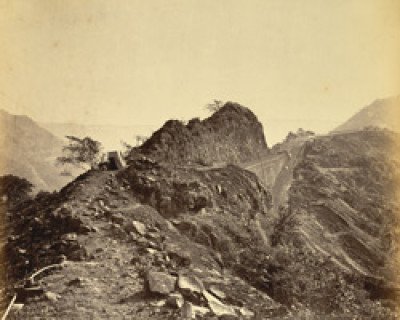 @@ Topic: Hill Retreat: Khandala is one of the most famous hill stations in India, immortalized in Bollywood songs and known for its pleasant weather throughout the year. Perched at an altitude of approximately 550 meters, it offers breathtaking views of deep valleys, grassy hills, and sparkling lakes. It is situated on the western slopes of the Sahyadri range and serves as a major pitstop on the busy Mumbai-Pune corridor. The town is synonymous with tranquility, mist, and the aroma of freshly made Chikki. @@ Topic: Historical Context: Historically, Khandala was a significant location during the Maratha-British wars due to its strategic position overlooking the Bhor Ghat pass. Today, it has evolved into a premier luxury destination with high-end resorts and private bungalows. The town is famous for its "points" or viewing decks that offer majestic vistas of the Duke's Nose and the Amrutanjan Point. It provides a quick escape for those looking to breathe fresh mountain air without traveling too far from the major metropolitan hubs.
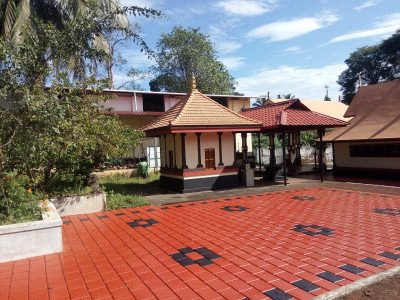 @@Historical Significance: Kolhapur is an ancient city located on the banks of the Panchganga River. It has a rich history dating back to the Satavahana era. The city is world-famous for its unique culture and traditions. It serves as a major spiritual hub for devotees of Goddess Mahalakshmi. The royal heritage of the Bhosale clan is still visible in the city's lifestyle and governance. Visitors can experience a blend of spirituality, history, and vibrant local life in every corner of this historic town. @@Social Life: The people of Kolhapur are known for their hospitality and love for wrestling. The city houses many Talims where traditional wrestling is practiced daily. It is also a major center for the Marathi film industry, often called the Chitrashala. Local festivals like Navratri and Vijayadashami are celebrated with immense grandness and energy. The cuisine of Kolhapur, especially the spicy Tamba and Pandhra Rassa, is a treat for food lovers. It is a city that perfectly balances its glorious past with modern development. @@Natural Beauty: Surrounded by the Sahyadri mountain ranges, the city offers beautiful landscapes and lakes. Rankala Lake is a prime example of scenic beauty within the city limits. The nearby Panhala Fort provides a panoramic view of the lush green valleys. The monsoon season turns the entire region into a verdant paradise with several waterfalls nearby. Nature enthusiasts can enjoy peaceful walks and bird watching around the water bodies. The city's environment is a refreshing mix of urban bustle and natural serenity. @@Economic Growth: Kolhapur is a thriving industrial and agricultural hub in Western Maharashtra. It is globally recognized for the manufacture of Kolhapuri Chappals, which are handcrafted leather sandals. The region is also famous for its high-quality Jaggery and sugar production. Many textile industries and engineering units contribute significantly to the state's economy. The city's markets, like Mahadwar Road, are always buzzing with trade and commerce. It remains a key destination for business travelers and tourists alike.
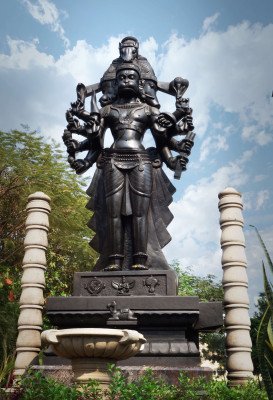 @@The Spiritual Heart: Shirdi is one of the most revered pilgrimage sites in India, famous as the home of the saint Sai Baba. Millions of devotees from all over the world visit this small town to seek his blessings. Sai Baba lived here for over 60 years, teaching the message of 'Shraddha' (Faith) and 'Saburi' (Patience). The town's atmosphere is filled with a deep sense of peace and spirituality. It has transformed from a tiny village into a major religious hub with world-class facilities for pilgrims. @@Life of Sai Baba: The history of Shirdi is inseparable from the life of Sai Baba. He arrived here as a young boy and spent his life in the Dwarkamai mosque. He performed numerous miracles and helped people of all religions, promoting the idea of 'Sabka Malik Ek' (One God for all). The various sites in the town, like Gurusthan and Chavadi, are places where he spent his time. Devotees find a strong spiritual connection here, believing that Baba still resides in the hearts of his followers. @@Modern Pilgrimage: Today, Shirdi is managed by the Shri Saibaba Sansthan Trust, which is one of the richest temple trusts in India. The infrastructure is highly organized, with massive dining halls, residential complexes, and a high-tech 'Darshan' system. Despite the large crowds, the town maintains a disciplined and holy environment. Apart from the main temple, there are several other religious and leisure attractions nearby. It is a destination that offers spiritual solace and a sense of community to everyone who visits. @@Cultural Unity: Shirdi is a shining example of communal harmony, as Sai Baba himself followed no single religion. People from all walks of life, regardless of their caste or creed, stand in the same queue for Darshan. The local culture is centered around the temple activities, with the daily 'Aartis' being the highlight of the day. The town's economy is largely driven by tourism and religious activities. A visit to Shirdi is often a life-changing experience for many, providing a path to inner peace and devotion.
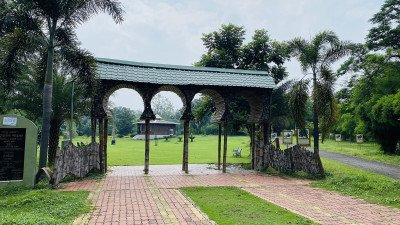 @@Place Overview: Amravati is a significant cultural and historical city located in the eastern part of Maharashtra which serves as a gateway to the scenic Melghat region. Known as the "City of Immortals," it is famous for its ancient temples, particularly the Ambadevi Temple, which is deeply intertwined with Hindu mythology and the legend of Lord Krishna. The city is a bustling hub of education and commerce in the Vidarbha region while maintaining its spiritual roots through various festivals and religious sites. Travelers are drawn to its unique blend of urban development and proximity to wild nature which offers a diverse experience ranging from temple visits to tiger safaris in the nearby hills. @@Cultural Heart: The cultural identity of Amravati is centered around its religious heritage and the vibrant celebration of festivals like Navratri. The city's history dates back centuries with mentions in ancient texts that highlight its importance as a center of pilgrimage and learning in central India. The local people are known for their traditional Vidarbha hospitality and their devotion to the presiding deity, Goddess Amba, whose temple is the soul of the city. Walking through the old markets, one can experience the authentic lifestyle of eastern Maharashtra where modern life seamlessly integrates with age-old traditions and a strong sense of community. @@Wildlife and Nature: Beyond the city limits, Amravati district is blessed with the rugged beauty of the Satpura Range and the sprawling Melghat Tiger Reserve. This area is a biodiversity hotspot home to tigers, leopards, and several rare bird species which makes it a paradise for wildlife enthusiasts and researchers. The nearby hill station of Chikhaldara offers a refreshing escape with its coffee plantations and misty viewpoints that provide a stark contrast to the city's plains. The presence of several dams and lakes like Wadali Talav adds to the natural charm of the region and provides peaceful spots for picnics and evening strolls for the local residents. @@Educational Hub: Amravati has emerged as a major educational center in Maharashtra with numerous prestigious institutions and a large student population that brings a youthful energy to the city. The Sant Gadge Baba Amravati University is a prominent landmark that reflects the city's commitment to social reform and academic excellence. This educational environment has fostered a progressive outlook among the residents while still respecting the deep-seated cultural values that define the region. The presence of students from across the country makes the city a melting pot of different cultures and ideas which contributes to its growing reputation as a modern and inclusive urban center.
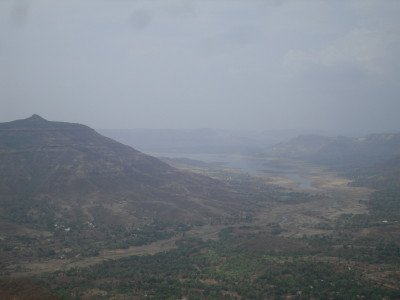 @@Strawberry Land: Mahabaleshwar is a majestic hill station located in the Satara district. It is the largest hill station in the Sahyadri range of Maharashtra. The town is world-renowned for its strawberry production and lush farms. It serves as a major source of the Krishna River, which originates here. The pleasant climate and the scenic beauty attract thousands of honeymooners and families. It is a place where nature's bounty is on full display every season. @@British Legacy: During the British Raj, it served as the summer capital of the Bombay Presidency. The colonial influence is still visible in the architecture of the old bungalows. The town has a nostalgic charm with its well-planned roads and public spaces. Many points are named after British officers who discovered or frequented them. It remains a classic destination that has maintained its popularity for decades. The heritage library and old churches add to its historical value. @@Spiritual Source: Old Mahabaleshwar is a sacred site with several ancient temples. The Mahabaleshwar Temple is dedicated to Lord Shiva and is highly revered. The Panchganga Temple is the point where five rivers are said to originate. Devotees from all over the country visit these temples for spiritual solace. The atmosphere in this part of town is very serene and different from the market. It provides a peaceful retreat for those seeking a deeper connection. @@Natural Grandeur: The hill station is famous for its numerous viewpoints offering panoramic views. Arthur's Seat and Wilson Point are among the most popular ones. The town is surrounded by dense forests that are part of a wildlife sanctuary. Venna Lake provides a beautiful spot for boating and leisure activities. The deep valleys and rugged cliffs create a dramatic landscape for visitors. It is a paradise for nature photographers and trekking enthusiasts.
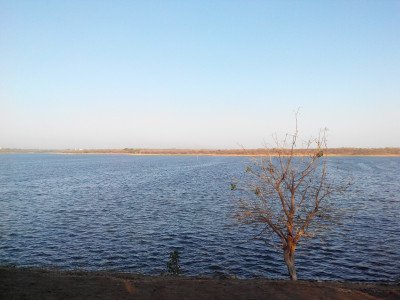 @@City Overview: Nagpur is located at the geographical center of India and is famous for its high-quality oranges and tiger reserves. It is a rapidly developing city with a mix of historical monuments and modern infrastructure. @@Central Hub: Known as the "Tiger Capital of India," it serves as a gateway to several major national parks and wildlife sanctuaries. The city is also home to the Zero Mile Marker, representing the exact center of the country. @@Religious Heritage: Nagpur is a significant site for Buddhist pilgrims, particularly Deekshabhoomi, where Dr. B.R. Ambedkar embraced Buddhism. The city hosts various temples and mosques that showcase its communal harmony. @@Green City: It is often ranked as one of the cleanest and greenest cities in India, with numerous lakes and well-maintained gardens. The surrounding forests provide a natural lung for the urban population.
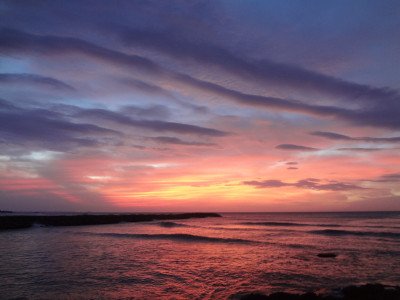 @@ Topic: Coastal Charm: Ganpatipule is a small town on the Konkan coast known for its 400-year-old Ganesha temple and its spectacular, untouched beaches. The town is unique because the idol in the main temple is believed to be "Swayambhu" or self-manifested from the white sands. The shoreline is fringed with mangroves and coconut palms, providing a serene environment for both pilgrims and vacationers. It is often considered the most beautiful beach destination in Maharashtra due to its crystal-clear blue waters. @@ Topic: Spiritual Hub: The town's identity is deeply rooted in the Swayambhu Ganpati Temple, which faces the sea and attracts thousands of devotees daily. Unlike other coastal towns, Ganpatipule maintains a holy atmosphere where the rhythm of temple bells blends with the sound of ocean waves. The town serves as a gateway to exploring the broader Ratnagiri district, famous for its history and mangoes. It offers a perfect blend of divinity and natural beauty that refreshes the soul.Show All
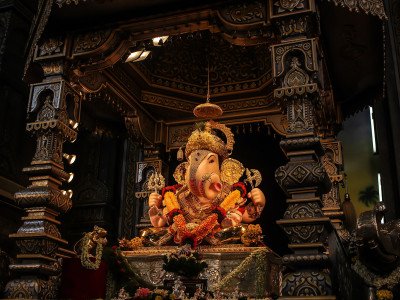 @@City Overview: Pune is the cultural capital of Maharashtra and a major educational and IT hub. It combines a rich Maratha heritage with a youthful, modern vibe, making it one of India's most livable cities. @@Historical Heart: Once the seat of the Peshwas of the Maratha Empire, the city is dotted with historic forts and palaces. It has preserved its traditional "Peth" areas while expanding into a cosmopolitan metropolis. @@Educational Legacy: Home to the prestigious Savitribai Phule Pune University and numerous research institutes, the city attracts students from across the globe. This academic environment has earned it the nickname "Oxford of the East." @@Cuisine and Culture: Pune is famous for its unique Maharashtrian cuisine, including the fiery Misal Pav and sweet Puran Poli. The city also hosts world-renowned music festivals and theater performances.
Information
-
Why Famous:
Historical Legacy: Maharashtra is famous globally for the Maratha Empire established by Chhatrapati Shivaji Maharaj in the 17th century. The state houses the most number of protected forts in India representing a glorious era of bravery and strategy.
Read MoreHistorical Legacy: Maharashtra is famous globally for the Maratha Empire established by Chhatrapati Shivaji Maharaj in the 17th century. The state houses the most number of protected forts in India representing a glorious era of bravery and strategy.
Film Industry: Mumbai is the heart of Bollywood which is one of the world's largest film production centers attracting millions of fans. The city features iconic studios and celebrity homes that make it a major pull for domestic and international tourists.
Spiritual Hubs: The state is home to world-renowned pilgrimage sites like Shirdi where the temple of Sai Baba receives thousands of devotees daily. Other significant sites include the Ashtavinayak temples and the Jyotirlingas like Trimbakeshwar which hold immense religious importance.
Natural Wonders: It is famous for the Western Ghats which is a UNESCO World Heritage site known for its rich biodiversity and endemic species. The state also boasts the unique Lonar Lake which is a hyper-velocity meteorite impact crater formed over 50,000 years ago.Architecture:
Rock-Cut Caves: The ancient architecture of Maharashtra is best seen in the Ajanta and Ellora caves with dimensions spanning over 500 meters of rock face. These UNESCO sites feature monolithic carvings like the Kailasa Temple which is 33 meters high and 45 meters wide.
...Rock-Cut Caves: The ancient architecture of Maharashtra is best seen in the Ajanta and Ellora caves with dimensions spanning over 500 meters of rock face. These UNESCO sites feature monolithic carvings like the Kailasa Temple which is 33 meters high and 45 meters wide.
Maratha Forts: The military architecture includes over 350 forts like Raigad which sits at an elevation of 820 meters with massive stone walls. These structures use local basalt rock and feature unique defensive "Z" shaped entrances to block enemy advances.
Indo-Saracenic Style: Colonial structures in Mumbai like the Gateway of India stand 26 meters tall combining Islamic and Hindu motifs. The Chhatrapati Shivaji Maharaj Terminus is a masterpiece of Victorian Gothic style with intricate stone domes and arches.
Deccan Sultanate: The Bibi Ka Maqbara in Aurangabad is a famous example of Mughal-influenced architecture with a main dome reaching 19 feet high. It mimics the Taj Mahal with four minarets and a central marble tomb surrounded by lush gardens.How To Reach:
By Air: Maharashtra is well-connected through international airports in Mumbai and Pune which receive flights from all over the world. Domestic airports in Nagpur, Nashik, and Aurangabad make it easy to reach different corners of the state within a few hours.By Air: Maharashtra is well-connected through international airports in Mumbai and Pune which receive flights from all over the world. Domestic airports in Nagpur, Nashik, and Aurangabad make it easy to reach different corners of the state within a few hours.
By Train: The Central Railway and Western Railway networks have their headquarters in Mumbai connecting the state to every major city in India. High-speed trains like the Rajdhani and Shatabdi provide comfortable travel options for long-distance journeys across the country.
By Road: An extensive network of National Highways like the Mumbai-Pune Expressway ensures smooth road travel for buses and private cars. The MSRTC (State Transport) buses are a reliable and affordable way to reach even the remotest villages and hill stations in the state.
By Local Transport: Within cities like Mumbai, the local train network is the lifeline for commuters and a unique experience for tourists. In other towns, auto-rickshaws, taxis, and app-based cab services are readily available for convenient point-to-point travel during your stay.Weather and Best Time to Visit:
Winter Season: The months from October to February are the most pleasant for traveling across the state as the weather remains cool. This is the peak tourist season when hill stations and coastal towns are crowded with people enjoying the mild sunny days.
Read MoreWinter Season: The months from October to February are the most pleasant for traveling across the state as the weather remains cool. This is the peak tourist season when hill stations and coastal towns are crowded with people enjoying the mild sunny days.
Monsoon Season: From June to September, the state turns into a lush green paradise especially in the Western Ghats and rural areas. While heavy rains can sometimes disrupt travel, it is the best time for trekking and visiting waterfalls like those in Lonavala.
Summer Season: Between March and May, the weather can be quite hot with temperatures reaching 40 degrees in many parts. Tourists often head to high-altitude hill stations like Mahabaleshwar or Matheran where the air remains significantly cooler and more refreshing.
Parts of the Day: Early mornings are ideal for outdoor activities like trekking or visiting monuments to avoid the harsh afternoon sun. Evenings are best spent at the beaches or exploring local food stalls when the temperature drops and the sea breeze sets in.Near Tourist Places:
Lonavala (96 km), Khandala (93 km), Alibaug (95 km), Matheran (80 km), Pune (147 km), Nashik (166 km), Mahabaleshwar (260 km), Shirdi (240 km), Aurangabad (330 km), Tarkarli (530 km).Tourism Tips
-
Health and Safety: Always carry bottled water to stay hydrated especially during the summer months when the humidity can be quite high. It is also wise to use sunblock and wear hats when exploring open sites like forts or ancient rock-cut cave complexes.
Read MoreHealth and Safety: Always carry bottled water to stay hydrated especially during the summer months when the humidity can be quite high. It is also wise to use sunblock and wear hats when exploring open sites like forts or ancient rock-cut cave complexes.
Packing Essentials: For a trip to Maharashtra, pack light cotton clothes for the daytime and a light jacket for the cool winter evenings. If you plan to visit during the monsoon, a sturdy umbrella and waterproof shoes are absolutely necessary for comfortable travel.
Accommodation Tips: It is advisable to book your stay in advance during the peak season of December to avoid high prices and last-minute rushes. MTDC resorts are great options for staying close to historical sites and nature reserves as they offer reliable facilities.
Cultural Etiquette: When visiting religious places or small villages, it is respectful to dress modestly and remove your footwear before entering temples. Always ask for permission before taking photographs of local people or inside certain sensitive areas of historical monuments.Reviews
FAQs
Maharashtra Itineray And Cost:-
Other States In India :-
Information about New and Updated Locations() of Maharashtra Has Been Added :-
Card subtitle
Note:-
Information provided here in good Faith and for reference only.
Near Places

Andaman and Nicobar Islands
Some quick example text to build on the card title and make up the bulk of the card's content.
Go somewhere
Andhra Pradesh
Some quick example text to build on the card title and make up the bulk of the card's content.
Go somewhere
Arunachal Pradesh
Some quick example text to build on the card title and make up the bulk of the card's content.
Go somewhere
Assam
Some quick example text to build on the card title and make up the bulk of the card's content.
Go somewhere
Bihar
Some quick example text to build on the card title and make up the bulk of the card's content.
Go somewhere
Chandigarh
Some quick example text to build on the card title and make up the bulk of the card's content.
Go somewhere
Chhattisgarh
Some quick example text to build on the card title and make up the bulk of the card's content.
Go somewhere
Daman and Diu
Some quick example text to build on the card title and make up the bulk of the card's content.
Go somewhere
Delhi
Some quick example text to build on the card title and make up the bulk of the card's content.
Go somewhere
Goa
Some quick example text to build on the card title and make up the bulk of the card's content.
Go somewhere
Gujarat
Some quick example text to build on the card title and make up the bulk of the card's content.
Go somewhere
Haryana
Some quick example text to build on the card title and make up the bulk of the card's content.
Go somewhere
Himachal Pradesh
Some quick example text to build on the card title and make up the bulk of the card's content.
Go somewhere
Jammu and Kashmir
Some quick example text to build on the card title and make up the bulk of the card's content.
Go somewhere
Jharkhand
Some quick example text to build on the card title and make up the bulk of the card's content.
Go somewhere
Karnataka
Some quick example text to build on the card title and make up the bulk of the card's content.
Go somewherein Other Cities