

Majangdzi Hading
General information
-
Ideal Duration:
1 to 2 hoursPlace Type:
Viewpoint/Picnic SpotEntry Fees:
General Attraction Fees: As a public viewing or picnic spot, Majangdzi Hading typically has very low or no entry fees for general access. This is common for many natural scenic viewpoints managed by the local council or community in this region. If a small fee is levied, i...General Attraction Fees: As a public viewing or picnic spot, Majangdzi Hading typically has very low or no entry fees for general access. This is common for many natural scenic viewpoints managed by the local council or community in this region. If a small fee is levied, it is usually nominal, perhaps Rs.10 to Rs.30 per person, meant only for the maintenance and cleanliness of the site.
Vehicle and Parking Charges: Even if the entry for individuals is free, there might be a separate, modest charge for parking a vehicle (car or two-wheeler) in the designated area near the spot. This charge usually ranges from Rs.20 to Rs.50 per vehicle. This is the main source of revenue for maintenance.
Picnic/Shelter Rental: If the spot has concrete or wooden picnic shelters or small huts (often called 'mandaps'), using these dedicated spaces for an extended time (like a full-day picnic) might require a separate booking or rental fee, especially for large groups. This fee can vary widely, from Rs.200 to Rs.500 for reserving a dedicated shelter for the day, which helps manage crowds and upkeep.
Exemptions and Concessions: Generally, children below the age of 5-7 years are often exempt from any minor entry fee. There are rarely formal concessions for students or senior citizens, but the overall cost is so minimal that it is accessible to everyone. The fee structure is designed to be inclusive, ensuring that the natural beauty remains open to the local community and visitors alike.Timing:
Regular Timings: The spot is generally accessible from sunrise (around 5:00 AM to 6:00 AM) to sunset (around 5:00 PM to 6:00 PM). As an open-air viewpoint, there are no gates or fixed closing hours like a museum, but it is strongly advised not to visit after dark for safety...Regular Timings: The spot is generally accessible from sunrise (around 5:00 AM to 6:00 AM) to sunset (around 5:00 PM to 6:00 PM). As an open-air viewpoint, there are no gates or fixed closing hours like a museum, but it is strongly advised not to visit after dark for safety reasons, due to the hilly and forested terrain.
Ideal Visit Time - Morning: The absolute ideal time to visit is in the early morning, specifically between 6:00 AM and 9:00 AM. This period offers the clearest air, the best light for photography, and the highest chance of seeing the valley filled with low-lying mist, creating a mystical, serene atmosphere. It's the perfect time for quiet contemplation.
Ideal Visit Time - Late Afternoon: The second best time is the late afternoon, between 4:00 PM and 5:30 PM, primarily to witness the breathtaking sunset over the hills. The light is warm and golden, making it excellent for photography and a relaxed final stop before heading back to the town center.
Afternoon Picnic Hours: For groups and families planning a picnic, the hours between 11:00 AM and 3:00 PM are the most practical, as the sun is high and provides ample warmth and light for setting up.
Monsoon Timing Consideration: During the Monsoon season (June to September), the area can become slippery and the views often obstructed by heavy clouds or rain. It is best to visit immediately after a shower, which briefly clears the air, or to avoid the heaviest rainy hours.Special Events:
Annual Local Picnic Season Kickoff: While there isn't a widely publicized large festival, the attraction often marks the unofficial 'kickoff' for the local picnic season, typically starting around November and peaking during December and January. Local schools, organization...Annual Local Picnic Season Kickoff: While there isn't a widely publicized large festival, the attraction often marks the unofficial 'kickoff' for the local picnic season, typically starting around November and peaking during December and January. Local schools, organizations, and families often choose this spot for their annual day-trips, making the atmosphere vibrant and festive. This period itself acts as a special, recurring event with its own unique local flavor of celebrations, music, and food.
Traditional Tribal Gatherings: Occasionally, the local Dimasa or other neighboring tribes (like the Zeme Naga or Hmar) might use the space or the area nearby for smaller, community-focused cultural gatherings, traditional dances, or storytelling sessions, especially during non-harvest times. These are not scheduled for tourists but represent a significant and special local event if one is fortunate enough to witness them.
New Year’s Day Sunrise Viewing: On January 1st, many local youth and families make a special effort to gather at Majangdzi Hading or a nearby vantage point to witness the first sunrise of the New Year. This is a special, one-off annual event marked by a sense of hope, community, and spectacular natural beauty.Best Photo Spots:
Sunrise Viewpoint: The absolute best photo spot is the main viewing platform right before and during sunrise. The soft, golden light filtering through the mist and illuminating the peaks of the Barail Range offers unparalleled photographic results. This early hour also mea...Sunrise Viewpoint: The absolute best photo spot is the main viewing platform right before and during sunrise. The soft, golden light filtering through the mist and illuminating the peaks of the Barail Range offers unparalleled photographic results. This early hour also means fewer people and a clearer atmosphere.
The Natural Framing Spot: Look for a spot where the dense foliage, like the branches of a pine tree or a cluster of vibrant rhododendrons (if in season), naturally frames the distant valley. This composition adds depth and context to the landscape shots, emphasizing the lush green canopy.
Pathway Leading to the View: The winding, stone-lined path leading up to the main viewpoint is an excellent spot for portrait or travel photography. The path itself suggests a journey, while the backdrop of the hills provides a beautiful context for the subject. Taking photos of friends or family walking the path adds a dynamic, storytelling element to the pictures.
The Resting Bench: A simple, rustic wooden or stone bench placed facing the panoramic view often makes for a great, contemplative photo op. A lone person sitting and gazing at the landscape beautifully captures the solitude and peaceful nature of Haflong.Photo Gallery
Things To Do
-
Nature and Landscape Photography: Spend a significant amount of time capturing the rolling hills and the vast valley. The clear morning light and the dramatic evening light offer contrasting yet equally stunning photographic opportunities. Use a wide-angle lens to capture the panoramic view and a telephoto lens to focus on distant features or details of the surrounding forests. Try to capture the low-lying mist that often blankets the valley in the early hours.
Picnicking and Leisure Time: As a designated picnic spot, pack a simple lunch or snacks. The peaceful environment is perfect for a relaxed family meal amidst nature. Find a comfortable spot on the grassy slopes or use one of the available shelters. Remember to carry back all waste to keep the spot clean.
Stargazing (with permission/guide...Nature and Landscape Photography: Spend a significant amount of time capturing the rolling hills and the vast valley. The clear morning light and the dramatic evening light offer contrasting yet equally stunning photographic opportunities. Use a wide-angle lens to capture the panoramic view and a telephoto lens to focus on distant features or details of the surrounding forests. Try to capture the low-lying mist that often blankets the valley in the early hours.
Picnicking and Leisure Time: As a designated picnic spot, pack a simple lunch or snacks. The peaceful environment is perfect for a relaxed family meal amidst nature. Find a comfortable spot on the grassy slopes or use one of the available shelters. Remember to carry back all waste to keep the spot clean.
Stargazing (with permission/guide): On clear, moonless nights, the lack of city lights makes this a phenomenal location for stargazing. The night sky over Haflong is spectacular. If staying nearby or visiting with a local guide, a nighttime visit can turn into a magical astronomy session.
Nature Trail Walk: Take a gentle walk along the paths surrounding the main viewing area. This allows for closer observation of the local flora and fauna, the sound of the wind through the pine trees, and the general peaceful ambiance of the hill station. These short trails are not challenging and are suitable for all ages.
Contemplation and Relaxation: Simply sit on a bench, or a stone, and enjoy the silence. Use the time for meditation, reading a book, or quiet conversation. This is one of the best activities here, allowing the beauty of the surroundings to calm the mind.
Observation of Local Life: During peak local visiting hours (often Sunday afternoons or public holidays), observe the local families and groups enjoying their leisure time. This offers a small, authentic window into the life and culture of the people of Dima Hasao.
Sketching or Painting: Bring a sketchbook or a watercolor set. The breathtaking views—especially the varying greens of the hills and the bright blue sky—serve as an excellent subject for plein air art.
Information
-
Why Famous:
Panoramic Viewpoint: Majangdzi Hading is most famous for offering one of the most unobstructed and panoramic views of the Haflong valley and the surrounding hill ranges. On a clear day, one can see the lush expanse of the Barail Range, an awe-inspiring sight that captures t...Panoramic Viewpoint: Majangdzi Hading is most famous for offering one of the most unobstructed and panoramic views of the Haflong valley and the surrounding hill ranges. On a clear day, one can see the lush expanse of the Barail Range, an awe-inspiring sight that captures the essence of Assam's only hill station. The viewpoint allows visitors to truly appreciate the scale of the mountainous landscape.
A Local Leisure Hub: Its popularity also stems from being a beloved local leisure spot, especially for family outings and picnics. Unlike major, crowded tourist sites, Majangdzi Hading offers a tranquil, peaceful environment, making it a favorite for those seeking serenity. This consistent use by the local community has cemented its reputation as a safe, accessible, and enjoyable spot for unwinding.
Accessibility and Serenity: The ease of access, being very close to the main town area (Dibari), yet feeling utterly secluded, is a major draw. Visitors appreciate the combination of convenience and untouched natural beauty. This dual advantage—proximity to town amenities coupled with a deeply calming, natural setting—contributes significantly to its fame among people who prefer quiet contemplation over bustling activity. -
Architecture:
Simplicity in Design and Natural Integration: The architecture of Majangdzi Hading is more focused on utilitarian structures that blend seamlessly with the natural landscape, rather than grand historical monuments. Most of the development is recent and aims to facilitate to...Simplicity in Design and Natural Integration: The architecture of Majangdzi Hading is more focused on utilitarian structures that blend seamlessly with the natural landscape, rather than grand historical monuments. Most of the development is recent and aims to facilitate tourism and leisure activities. The spot features basic, open-air structures built primarily using local and readily available materials like bamboo, wood, and stone, reflecting the simple and sustainable lifestyle of the hill tribes. The area often includes covered rest spots, small picnic shelters, and sometimes a simple viewing platform. The design principle emphasizes minimal disruption to the environment. The covered shelters, for example, are typically single-room, rectangular structures with sloping tin or thatched roofs to handle the heavy monsoon rains. The walls, if any, are often made of vertically placed bamboo splits.
Viewing Platform Dimensions: A typical viewpoint structure might be an elevated wooden deck. Its approximate dimensions are often around 5 meters in length and 4 meters in width, with a total viewing area of about 20 square meters. The railing height is usually around 1. 2 meters for safety. These platforms often incorporate sturdy wooden beams and posts, resting on a concrete base for stability on the hilly terrain.
Pathways and Seating: The pathways leading to the main viewpoint are often simple, paved or stone-lined trails, perhaps 1. 5 meters wide, designed for easy walking. Scattered throughout the area, you can find stone benches or wooden log seating arrangements, providing simple, rustic comfort. The design is utilitarian, highlighting the stunning natural backdrop. -
How To Reach:
By Air: The nearest major airport is Silchar Airport (IXS), located about 105-110 KMs away from Haflong. Alternatively, Guwahati's Lokpriya Gopinath Bordoloi International Airport (GAU) is the main gateway to Assam, located approximately 330 KMs away. From either airport, ...By Air: The nearest major airport is Silchar Airport (IXS), located about 105-110 KMs away from Haflong. Alternatively, Guwahati's Lokpriya Gopinath Bordoloi International Airport (GAU) is the main gateway to Assam, located approximately 330 KMs away. From either airport, you would need to hire a private taxi, or take a shared cab (sumo/winger) to Haflong. The journey from Silchar takes about 3-4 hours, and from Guwahati it can take 8-10 hours by road, traversing the hilly terrain.
By Train: The nearest major railway station is New Haflong Railway Station (NHLG), which is conveniently located about 3 KMs from the Haflong town center. This station is well-connected to major cities like Guwahati and Silchar via the spectacular Lumding-Silchar Hill Section, offering one of the most scenic train rides in India. From the railway station, you can easily hire a local auto-rickshaw or a cab to reach the Majangdzi Hading area in Dibari. The older Haflong Hill Station (HLX) is now mainly for passenger halts but NHLG is the primary stop.
By Road: Haflong is well-connected by road, primarily through National Highway 27 (NH27) and other state roads. State-run and private buses regularly ply from Guwahati, Silchar, and Lumding to the Haflong bus terminus. Once you reach Haflong town, the spot in Dibari is a short drive. You can hire a local town taxi or an auto-rickshaw. The journey is scenic but the roads can be winding, so driving carefully is essential.
By Local Transport: From the Haflong town center (near the main market or lake area), you can hire a local taxi or an auto-rickshaw. Given the short distance of 2-3 KMs to Dibari, the ride will be quick, typically 10-15 minutes. It is best to negotiate the fare before starting the journey. For the slightly adventurous, the short distance is also easily covered by a pleasant 30-40 minute uphill walk, enjoying the views and the cool climate of Haflong. -
Weather and Best Time to Visit:
Winter Season (October to March): This is by far the Best Time to Visit. The weather is cool, dry, and pleasant, with temperatures ranging from a comfortable 10°C to 25°C. The skies are typically clear, offering the most spectacular, unobstructed views of the valley and ...Winter Season (October to March): This is by far the Best Time to Visit. The weather is cool, dry, and pleasant, with temperatures ranging from a comfortable 10°C to 25°C. The skies are typically clear, offering the most spectacular, unobstructed views of the valley and the Barail Range from Majangdzi Hading. The crisp air and warm daytime sun make it perfect for picnics and long nature walks. The month of November and February are particularly ideal.
Summer Season (April to May): This is a Good Time to Visit. The weather remains moderate and much cooler than the plains, with temperatures between 18°C and 30°C. The days are warm but the evenings are cool. This is the time when the surrounding trees and orchids are often in full bloom, adding a splash of color to the view.
Monsoon Season (June to September): This is generally considered the Least Ideal Time. Haflong receives heavy rainfall. While the landscape is at its most intensely green, the continuous rain can lead to poor visibility (obstructing the panoramic view), slippery pathways, and road blockages. Visits should be restricted to short breaks between showers.
Best Part of the Day - Early Morning: 6:00 AM to 9:00 AM is the best part of the day for the clearest views, serene atmosphere, and the mesmerizing effect of mist rising from the valley floor.
Best Part of the Day - Late Afternoon: 4:00 PM to 5:30 PM is the best part of the day for witnessing the spectacular sunset and capturing dramatic, warm-light photographs. -
Near Tourist Places:
1.
Haflong Lake: (Approx.
3 KMs): A beautiful natural lake in the heart of the town, perfect for boating. 2.
Jatinga Village: (Approx.
9 KMs): Famous worldwide for the mysterious "bird suicide" phenomenon, especially between August and November. 3.
Haflong Hill: (Approx.
5 KMs): A higher viewpoint offering more expansive views of the town. 4.
Maibong (Ancient Capital): (Approx.
45 KMs): Historical ruins of the ancient Dimasa Kachari Kingdom. 5.
Panimoor Falls: (Approx.
120 KMs): A stunning natural waterfall formed by the Kopili River (best as a full-day trip). 6.
Muolhoi Viewpoint: (Approx.
4 KMs): Another lovely spot for town and valley views. 7.
Lalchungi/Lungsai: (Approx.
10 KMs): Known for its picturesque hills and peaceful environment. 8.
Borail Wildlife Sanctuary (Entrance/Periphery): (Approx.
50 KMs): A rich biodiversity area for nature and wildlife enthusiasts. 9.
Samparidisa Village: (Approx.
8 KMs): A quiet local village offering cultural insights. 10.
Orchid Garden Haflong: (Approx.
6 KMs): A small garden showcasing local orchids and flora.
Tourism Tips
-
Health & Safety:
Hydration and Sunscreen: Even in the hills, the sun can be strong. Always carry water to stay hydrated, especially if walking up. Apply a broad-spectrum sunscreen. Wear comfortable, sturdy shoes, as the paths can be uneven...Health & Safety:
Hydration and Sunscreen: Even in the hills, the sun can be strong. Always carry water to stay hydrated, especially if walking up. Apply a broad-spectrum sunscreen. Wear comfortable, sturdy shoes, as the paths can be uneven and slightly slippery, even if paved. If you plan to hike, carry a basic first-aid kit with band-aids and antiseptic.
Packing:
Layered Clothing: The temperature in Haflong can change quickly, especially from day to night. Pack clothes in layers—a light jacket or sweater is necessary even in the summer evenings, and warm woolen clothing is essential for the winter months (December and January). Don't forget a camera with a fully charged battery to capture the stunning views.
Accommodation:
Booking in Advance: Haflong is a small town, and quality accommodation is limited, ranging from budget hotels to simple guesthouses and homestays. During the peak season (October to March), it is highly advisable to book your lodging well in advance to secure a comfortable and well-located stay. Look for guesthouses near the Haflong Lake area for central access.
Other Tips:
Respect Local Culture: The Dima Hasao region is home to several distinct indigenous tribes like the Dimasa, Hmar, and Zeme Naga. Be respectful of local customs, dress modestly when visiting local villages, and always ask for permission before taking pictures of people or their homes.
Carry Cash: While the main town might have a few ATMs, local spots like Majangdzi Hading will only accept cash for any minimal entry or parking fees. Carrying small denominations is helpful.
Hire a Local Guide: For an enriched experience, consider hiring a local guide who can share the history, culture, and specific stories connected to the area, including the importance of places like Majangdzi Hading.
Reviews
FAQs
Haflong Itineray And Cost:-
Majangdzi Hading Tourism:-
Information about New and Updated Locations() of Assam Has Been Added :-
Card subtitle
Note:-
Information provided here in good Faith and for reference only.
Near Places
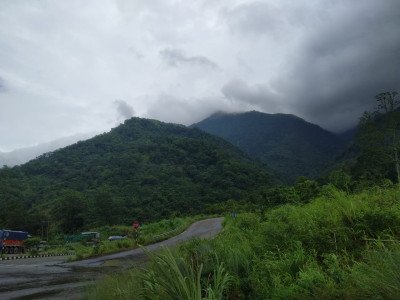
Barail Range Forest
Some quick example text to build on the card title and make up the bulk of the card's content.
Go somewhere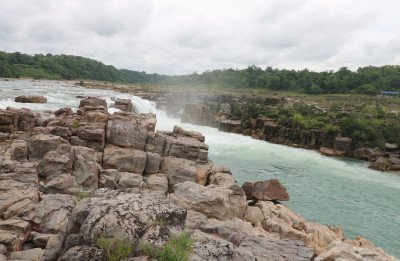
Bendao Baglai Waterfalls
Some quick example text to build on the card title and make up the bulk of the card's content.
Go somewhere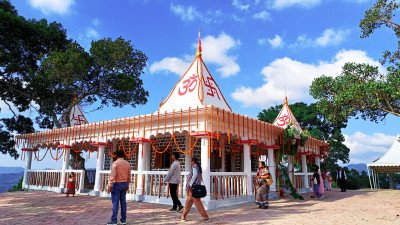
Devi Mandir View Point
Some quick example text to build on the card title and make up the bulk of the card's content.
Go somewhere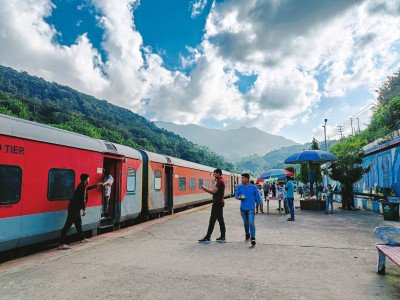
Dima Hasao Town
Some quick example text to build on the card title and make up the bulk of the card's content.
Go somewhere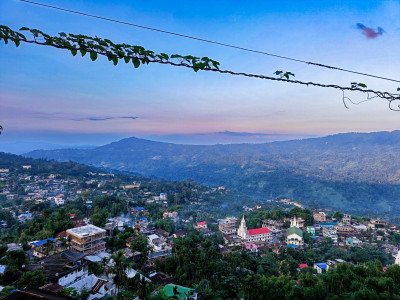
Dima Hasao View Point
Some quick example text to build on the card title and make up the bulk of the card's content.
Go somewhere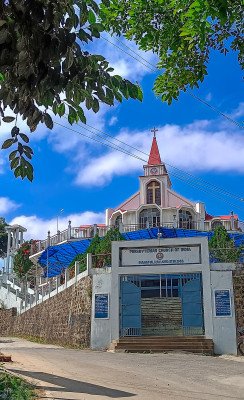
Fiangpui Presbyterian Church
Some quick example text to build on the card title and make up the bulk of the card's content.
Go somewhere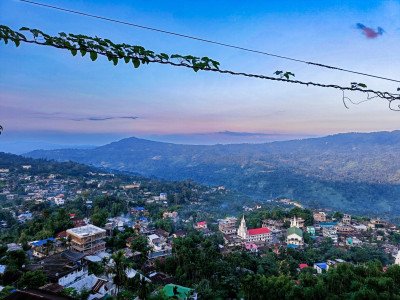
Full Town View
Some quick example text to build on the card title and make up the bulk of the card's content.
Go somewhere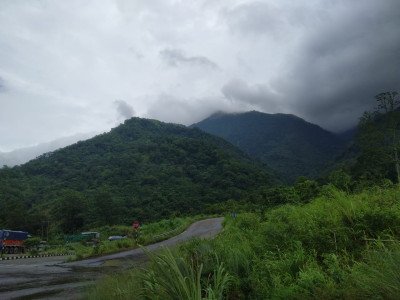
Haflong Hill
Some quick example text to build on the card title and make up the bulk of the card's content.
Go somewhere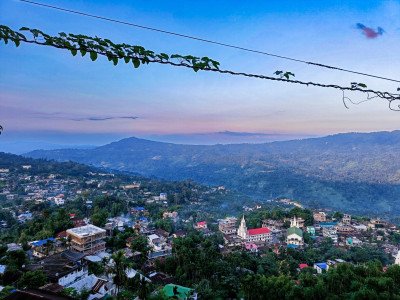
Haflong Hill View Point
Some quick example text to build on the card title and make up the bulk of the card's content.
Go somewhere
Haflong Lake
Some quick example text to build on the card title and make up the bulk of the card's content.
Go somewhere
Jatinga Bird Watching Tower and Samparidisa Village
Some quick example text to build on the card title and make up the bulk of the card's content.
Go somewhere
Jatinga Bird Watching Tower
Some quick example text to build on the card title and make up the bulk of the card's content.
Go somewhere
Jatinga Village
Some quick example text to build on the card title and make up the bulk of the card's content.
Go somewhere
Maibong
Some quick example text to build on the card title and make up the bulk of the card's content.
Go somewhere
Majangdzi Hading
Some quick example text to build on the card title and make up the bulk of the card's content.
Go somewhere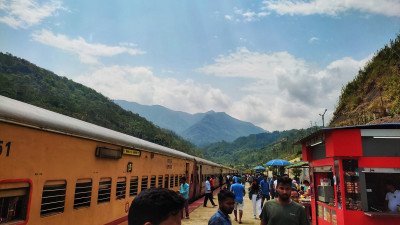
New Haflong Railway Station
Some quick example text to build on the card title and make up the bulk of the card's content.
Go somewherein Other Cities