

Mawryngkneng
General information
-
Ideal Duration:
1 DayPlace Type:
Rural & Transit HubEntry Fees:
General Access: There is no entry fee to enter the village or the public market areas. It is a living community and open to all travelers.
Parking Fees: At major stop points along the highway, a small parking fee of INR 20 may be charged by...General Access: There is no entry fee to enter the village or the public market areas. It is a living community and open to all travelers.
Parking Fees: At major stop points along the highway, a small parking fee of INR 20 may be charged by local volunteers for maintenance.Timing:
Regular Timings: The village is active from 6:00 AM to 7:00 PM. The best time for roadside stops and snacks is between 9:00 AM and 5:00 PM.
Ideal Visit Time: Market days are usually the most interesting time to visit for a cultural experien...Regular Timings: The village is active from 6:00 AM to 7:00 PM. The best time for roadside stops and snacks is between 9:00 AM and 5:00 PM.
Ideal Visit Time: Market days are usually the most interesting time to visit for a cultural experience. Early mornings are best for scenic beauty and photography.Special Events:
Harvest Festivals: Local community celebrations occur after the harvest season. These involve traditional songs and dances performed by the village youth in local attire.
Community Markets: The big market days are events in themselves, wher...Harvest Festivals: Local community celebrations occur after the harvest season. These involve traditional songs and dances performed by the village youth in local attire.
Community Markets: The big market days are events in themselves, where people from surrounding villages gather. It is a festive atmosphere with lots of social interaction.Best Photo Spots:
Ridge Viewpoints: The highest points in the village provide a panoramic view of the highway winding through the hills. This is a great spot for drone photography.
Market Scenes: The colorful displays of fruits and vegetables make for vibran...Ridge Viewpoints: The highest points in the village provide a panoramic view of the highway winding through the hills. This is a great spot for drone photography.
Market Scenes: The colorful displays of fruits and vegetables make for vibrant street photography. The candid expressions of the local traders are a highlight.
Traditional Houses: The older stone houses with moss-covered roofs offer a rustic aesthetic. They are perfect for capturing the essence of rural Meghalaya.Photo Gallery
Things To Do
 The David Scott Trail is a legendary trekking route that stretches 16 Kilometers from Mawphlang to Lad Mawphlang. This trail is named after David Scott, a British administrator who established this route in the early 19th Century as a trade and horse-cart road connecting Assam to Bangladesh. The trek starts at the misty village of Mawphlang, famous for its Sacred Grove. As you walk along the path, you are transported back in time, crossing old stone bridges, passing through sprawling meadows, and trekking along the banks of the Umiam River. The trail is characterized by its varying terrain, ranging from flat grasslands to steep rocky descents. Along the way, you encounter several Khasi villages like Laithsohma, where life has remained unchanged for decades. The silence of the hills is only broken by the sound of the wind and the rushing water of distant streams. It is an "Easy to Moderate" trek, making it accessible for most fitness levels. The history of the trail is etched into the very stones of the path, which were laid by hand nearly two centuries ago.
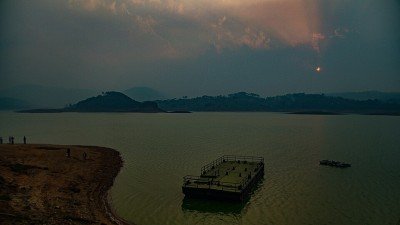 The Umiam Lake Viewpoint is the most iconic stop for anyone entering the capital city of Shillong. The lake itself, also known as Barapani, is a massive man-made reservoir created by damming the Umiam River in the early 1960s. It was primarily built for hydroelectric power generation but has since become the premier tourist destination for water sports and sightseeing. The viewpoint is located on a high ridge along the Guwahati-Shillong Highway, providing a bird's-eye view of the vast blue waters dotted with small islands. The lake covers an area of nearly 220 square kilometers and is surrounded by lush green coniferous forests. The contrast between the deep blue water and the emerald hills is a sight to behold. It is often compared to the beautiful lochs of Scotland due to its similar landscape. The viewpoint area is well-maintained with benches and small kiosks selling local pineapples and tea. It serves as a perfect resting spot for travelers to stretch their legs and soak in the first glimpses of the mountainous beauty of Meghalaya. The air here is noticeably cooler and fresher than in the plains of Assam.
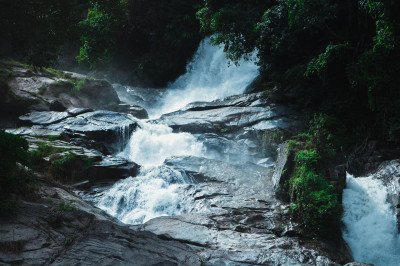 Byrdaw Falls is a majestic natural wonder tucked away in the lush greenery of Pomshutia village. This waterfall is unique because it features two distinct tiers where the water gracefully plunges into a refreshing natural pool. The surrounding landscape is dominated by dense tropical forests, moss-covered boulders, and a variety of exotic ferns that thrive in the humid atmosphere of the Khasi Hills. Visitors can walk behind the curtain of water, which offers a rare perspective of the falls. The roar of the water echoing against the rock face creates a meditative environment, perfect for those looking to escape the hustle of city life. The water remains crystal clear throughout most of the year, turning into a powerful, frothy white torrent during the peak Monsoon months of June and July. The trail leading to the falls is a mix of natural pathways and rustic stone steps built by the local community. As you descend, the air becomes cooler and the scent of wild orchids often fills the breeze. This site is not just a destination but a sensory experience that showcases the raw, untouched beauty of Meghalaya.
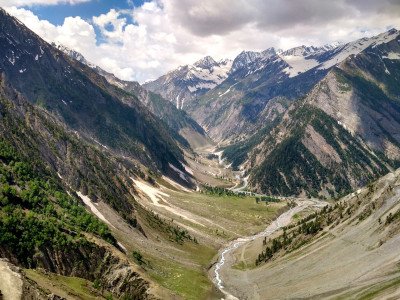 Mawkdok Dympep Valley serves as the spectacular gateway to the world-famous Cherrapunji (Sohra) circuit. As you drive along the winding highways of Meghalaya, the valley suddenly reveals itself at the Duwan Sing Syiem viewpoint. This is a massive V-shaped gorge where two mountain ranges converge, creating a deep, lush valley that is often filled with swirling mists. The viewpoint is built on a bridge that connects the two sides of the canyon, offering travelers a place to stop, breathe, and take in the magnitude of the landscape. The valley is characterized by steep, emerald-green slopes and numerous seasonal waterfalls that cascade down the cliffs during the rainy season. For many, this is the first real taste of the dramatic topography that defines the Khasi Hills. The area has been developed by the tourism department and now features a well-maintained viewing gallery, several local cafes, and adventure facilities. It is a place of transit that has become a destination in its own right, where the air is noticeably cooler and fresher than the plains. Standing at the railing, one can see the road snaking along the edge of the mountains, disappearing into the clouds. The valley is also a significant cultural marker, representing the boundary of the Hima (tribal kingdom) of Sohra. Whether it is the golden light of a winter afternoon or the moody greys of a monsoon morning, the valley never fails to impress.
 Jingkieng Nongriat, also known as the Umshiang Double Decker Living Root Bridge, is a biological wonder that attracts travelers from across the globe. Located deep in a valley near Cherrapunji, this bridge is grown, not built. The local Khasi people have used the aerial roots of the Ficus Elastica tree to create these sturdy structures over centuries. What makes Nongriat special is the "Double Decker" design, where two bridges are stacked one above the other. The trek to reach this place involves descending over 3,500 Concrete Steps from the village of Tyrna. Along the way, you cross high suspension bridges over turquoise rivers and pass through tropical jungles filled with the sound of cicadas. The bridge itself spans across the Umshiang River, where the water is so clear you can see the fish at the bottom. This site is a testament to the harmony between humans and nature, as the bridge actually gets stronger as the trees grow older.
Sohpetbneng Peak is one of the most sacred sites in Meghalaya, standing at an altitude of 1,343 meters. In local Khasi mythology, it is believed to be the "Navel of Heaven," the umbilical connection between the celestial world and the earth. Legend says that a golden bridge once connected heaven and earth at this very spot, allowing the Hynniewtrep (seven huts) people to travel between the two realms. The peak is surrounded by a dense, sacred forest that has been preserved for centuries by the local tribes. It offers a majestic 360-degree view of the Shillong plateau and the surrounding valleys. The atmosphere here is deeply spiritual and quiet, as it is not as commercialized as other tourist spots. Every year, indigenous rituals are performed at the summit to seek blessings from the Supreme Creator. The climb to the top is relatively easy and takes visitors through ancient groves of pine and oak. It is a place where culture, myth, and nature collide to create a unique experience. Visitors are expected to maintain silence and respect the sanctity of the land. The peak serves as a reminder of the deep-rooted traditional beliefs of the Khasi people.
Laitlum Canyon, which literally translates to "The End of Hills," is perhaps the most visually stunning destination in the East Khasi Hills. Situated near the village of Smit, this canyon offers a panoramic view that can only be described as heavenly. As you stand on the edge of the grassy meadows, the ground suddenly drops away into a deep, verdant gorge that seems to go on forever. On a clear day, you can see the winding rivers at the base of the valley and the tiny houses of Rasong village tucked away in the depths. However, the true magic of Laitlum happens when the clouds roll in, filling the canyon with a white, ethereal mist that makes you feel as though you are standing on the edge of the world. The atmosphere here is incredibly peaceful, with the silence only broken by the occasional bleating of goats or the distant sound of a waterfall. This place gained national fame after being featured in the Bollywood film Rock On 2, but it still retains its raw, uncommercialized charm. The trek down to the valley via the 3,000-step stone stairway is a test of endurance but rewards travelers with a close-up look at the lifestyle of the local community who still use a pulley system to transport goods. The vast meadows at the top are perfect for long walks, meditation, or simply sitting and watching the play of shadows across the mountain faces. It is a destination that captures the essence of Meghalaya's nickname, the "Abode of Clouds," and leaves an indelible mark on every visitor's soul.Show All
Jingkieng Nongriat, also known as the Umshiang Double Decker Living Root Bridge, is a biological wonder that attracts travelers from across the globe. Located deep in a valley near Cherrapunji, this bridge is grown, not built. The local Khasi people have used the aerial roots of the Ficus Elastica tree to create these sturdy structures over centuries. What makes Nongriat special is the "Double Decker" design, where two bridges are stacked one above the other. The trek to reach this place involves descending over 3,500 Concrete Steps from the village of Tyrna. Along the way, you cross high suspension bridges over turquoise rivers and pass through tropical jungles filled with the sound of cicadas. The bridge itself spans across the Umshiang River, where the water is so clear you can see the fish at the bottom. This site is a testament to the harmony between humans and nature, as the bridge actually gets stronger as the trees grow older.
Sohpetbneng Peak is one of the most sacred sites in Meghalaya, standing at an altitude of 1,343 meters. In local Khasi mythology, it is believed to be the "Navel of Heaven," the umbilical connection between the celestial world and the earth. Legend says that a golden bridge once connected heaven and earth at this very spot, allowing the Hynniewtrep (seven huts) people to travel between the two realms. The peak is surrounded by a dense, sacred forest that has been preserved for centuries by the local tribes. It offers a majestic 360-degree view of the Shillong plateau and the surrounding valleys. The atmosphere here is deeply spiritual and quiet, as it is not as commercialized as other tourist spots. Every year, indigenous rituals are performed at the summit to seek blessings from the Supreme Creator. The climb to the top is relatively easy and takes visitors through ancient groves of pine and oak. It is a place where culture, myth, and nature collide to create a unique experience. Visitors are expected to maintain silence and respect the sanctity of the land. The peak serves as a reminder of the deep-rooted traditional beliefs of the Khasi people.
Laitlum Canyon, which literally translates to "The End of Hills," is perhaps the most visually stunning destination in the East Khasi Hills. Situated near the village of Smit, this canyon offers a panoramic view that can only be described as heavenly. As you stand on the edge of the grassy meadows, the ground suddenly drops away into a deep, verdant gorge that seems to go on forever. On a clear day, you can see the winding rivers at the base of the valley and the tiny houses of Rasong village tucked away in the depths. However, the true magic of Laitlum happens when the clouds roll in, filling the canyon with a white, ethereal mist that makes you feel as though you are standing on the edge of the world. The atmosphere here is incredibly peaceful, with the silence only broken by the occasional bleating of goats or the distant sound of a waterfall. This place gained national fame after being featured in the Bollywood film Rock On 2, but it still retains its raw, uncommercialized charm. The trek down to the valley via the 3,000-step stone stairway is a test of endurance but rewards travelers with a close-up look at the lifestyle of the local community who still use a pulley system to transport goods. The vast meadows at the top are perfect for long walks, meditation, or simply sitting and watching the play of shadows across the mountain faces. It is a destination that captures the essence of Meghalaya's nickname, the "Abode of Clouds," and leaves an indelible mark on every visitor's soul.Show All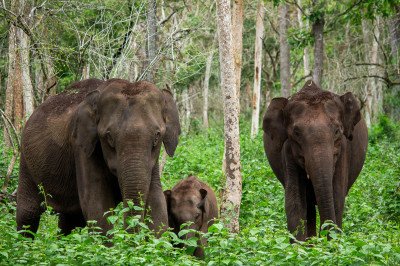 The Mawphlang Sacred Forest is a profound spiritual and ecological sanctuary that has been preserved by the Khasi people for over 800 years. According to local tradition, this forest is protected by a powerful deity called U Ryngkew U Basa, who takes the form of a leopard or a tiger. The most famous rule of the forest is that "nothing can be taken out"—not even a leaf, a stone, or a twig—lest the offender face the wrath of the deity. This strict cultural taboo has resulted in a perfectly preserved ecosystem that serves as a living museum of Meghalaya's biodiversity. As you step inside, the temperature drops and the air becomes thick with the scent of damp earth and ancient moss. The forest is home to a staggering variety of plants, including carnivorous pitcher plants, rare orchids, and trees that are hundreds of years old. Monoliths and sacrificial stones are scattered throughout the grove, marking the spots where the Khasi ancestors performed rituals and sought guidance from the spirits. Walking through the forest with a local guide is a mystical experience, as they share legends of hidden kingdoms and magical mushrooms. The forest is a testament to the fact that indigenous faith can be a more powerful force for conservation than any modern law. Beyond the forest gate lies the Khasi Heritage Village, where traditional huts and artifacts provide a deeper look into the tribe's history and lifestyle.
Information
-
Why Famous:
Strategic Location: It is famous as a key transit point on the highway. Travelers stop here for local snacks and to admire the change in landscape from Khasi to Jaintia hills.
Khasi Culture: Known for preserving traditional farming methods ...Strategic Location: It is famous as a key transit point on the highway. Travelers stop here for local snacks and to admire the change in landscape from Khasi to Jaintia hills.
Khasi Culture: Known for preserving traditional farming methods and a strong sense of community. It is a great place to witness the "weekly market" culture of Meghalaya. -
Architecture:
Hilltop Settlement: The architecture is predominantly functional, with houses built to withstand heavy winds and rain. Most are single-story structures with wide porches.
Dimension Details: The local market area covers several acres and is ...Hilltop Settlement: The architecture is predominantly functional, with houses built to withstand heavy winds and rain. Most are single-story structures with wide porches.
Dimension Details: The local market area covers several acres and is a hub of activity every week. Traditional granaries are small structures, about 10 by 10 feet, built on raised platforms.
Modern Infrastructure: The village features a large community hall used for local gatherings and festivals. Its dimensions allow for hundreds of people to gather for traditional dances. -
How To Reach:
By Air: Umroi Airport is about 40 KM away. Guwahati Airport is the major hub, located roughly 140 KM from Mawryngkneng.
By Train: Guwahati is the nearest railway station. One can take a taxi towards Jowai and stop at Mawryngkneng along the...By Air: Umroi Airport is about 40 KM away. Guwahati Airport is the major hub, located roughly 140 KM from Mawryngkneng.
By Train: Guwahati is the nearest railway station. One can take a taxi towards Jowai and stop at Mawryngkneng along the way.
By Road: It is located on the NH 44, about 25 KM from Shillong. The drive is smooth and takes about 45 minutes to 1 hour from the capital.
By Local Transport: Shared taxis from Shillong to Jowai or Khliehriat always pass through here. You can easily get down and find another vehicle later. -
Weather and Best Time to Visit:
Winter Season: October to March is the best time as the weather is dry and the views are clear. The temperatures are cool, making it ideal for walking around.
Monsoon Season: June to September brings heavy rains, making the hills incredibly...Winter Season: October to March is the best time as the weather is dry and the views are clear. The temperatures are cool, making it ideal for walking around.
Monsoon Season: June to September brings heavy rains, making the hills incredibly green. However, the mist can sometimes hide the valley views.
Summer Season: April and May are pleasant with blooming wild flowers. This is a good time for those who want to avoid the extreme cold of winter. -
Near Tourist Places:
Shillong (25 KM), Jowai (40 KM), Thadlaskein Lake (32 KM), Laitlum Canyons (35 KM), Smit Village (20 KM), Mawphlang (50 KM), Nartiang (55 KM), Tyrshi Falls (35 KM), Ialong Park (45 KM), Sweet Falls (22 KM).
Tourism Tips
-
Health and Safety: Being on a highway, be careful of the traffic when crossing the road. Keep a light jacket handy as the wind on the ridges can be quite cold.
Packing Essentials: Carry a good camera and a power bank for your devices. Comf...Health and Safety: Being on a highway, be careful of the traffic when crossing the road. Keep a light jacket handy as the wind on the ridges can be quite cold.
Packing Essentials: Carry a good camera and a power bank for your devices. Comfortable walking shoes are a must if you plan to explore the inner village trails.
Accommodation: While there are few hotels in the village, many travelers prefer to stay in Shillong and visit as a day trip or stopover.
Cultural Etiquette: Always be polite when interacting with the locals. If you wish to photograph someone, it is respectful to ask for their permission first.
Reviews
FAQs
Mawryngkneng Itineray And Cost:-
Other Places In Meghalaya :-
Other States In India :-
Information about New and Updated Locations() of Meghalaya Has Been Added :-
Card subtitle
Note:-
Information provided here in good Faith and for reference only.
Near Places
Amlarem
Some quick example text to build on the card title and make up the bulk of the card's content.
Go somewhere
Baghmara
Some quick example text to build on the card title and make up the bulk of the card's content.
Go somewhere
Cherrapunji
Some quick example text to build on the card title and make up the bulk of the card's content.
Go somewhere
Dawki
Some quick example text to build on the card title and make up the bulk of the card's content.
Go somewhere
Jowai
Some quick example text to build on the card title and make up the bulk of the card's content.
Go somewhere
Mairang
Some quick example text to build on the card title and make up the bulk of the card's content.
Go somewhere
Mawlynnong
Some quick example text to build on the card title and make up the bulk of the card's content.
Go somewhere
Mawryngkneng
Some quick example text to build on the card title and make up the bulk of the card's content.
Go somewhere
Mawsynram
Some quick example text to build on the card title and make up the bulk of the card's content.
Go somewhere
Nongpoh
Some quick example text to build on the card title and make up the bulk of the card's content.
Go somewhere
Pynursla
Some quick example text to build on the card title and make up the bulk of the card's content.
Go somewhere
Rongram
Some quick example text to build on the card title and make up the bulk of the card's content.
Go somewhere
Shillong
Some quick example text to build on the card title and make up the bulk of the card's content.
Go somewhere
Tura
Some quick example text to build on the card title and make up the bulk of the card's content.
Go somewhere
Umsning
Some quick example text to build on the card title and make up the bulk of the card's content.
Go somewherein Other Cities