

Baghmara
General information
-
Ideal Duration:
2 to 3 DaysPlace Type:
Wildlife / AdventureEntry Fees:
Entry Fees Heading National Park Fees: Entry to Balpakram National Park costs approximately 100 INR for Indian nationals and 500 INR for foreigners. Vehicle entry fees and camera charges are extra. These funds go toward forest conservation and patrolling.Entry Fees Heading National Park Fees: Entry to Balpakram National Park costs approximately 100 INR for Indian nationals and 500 INR for foreigners. Vehicle entry fees and camera charges are extra. These funds go toward forest conservation and patrolling.
Entry Fees Heading Sanctuary and Cave Fees: The Pitcher Plant Sanctuary and Siju Caves have nominal entry fees of around 20 to 50 INR. Hiring a local guide for the caves is highly recommended and usually costs between 300 to 500 INR. The guides are essential for safety and navigation.Timing:
Timings Heading Regular Timings: The National Park and caves are generally open from 9:00 AM to 4:00 PM. It is important to start early for Balpakram as it is a long drive from Baghmara. Most forest areas are closed to tourists after dark for safety.
Read MoreTimings Heading Regular Timings: The National Park and caves are generally open from 9:00 AM to 4:00 PM. It is important to start early for Balpakram as it is a long drive from Baghmara. Most forest areas are closed to tourists after dark for safety.
Timings Heading Ideal Visit Time: The best time to enter the forest is at sunrise (around 6:00 AM) when wildlife activity is at its peak. For the caves, mid-day is better as the external light helps with visibility near the entrance. Avoid visiting during heavy rain.Special Events:
Special Event Heading Tyisam Festival: Held in December, this festival celebrates the river and the local culture on the banks of the Simsang. It features boat races, beach volleyball, and traditional music performances. It is the best time to see the town at its most vibr...Special Event Heading Tyisam Festival: Held in December, this festival celebrates the river and the local culture on the banks of the Simsang. It features boat races, beach volleyball, and traditional music performances. It is the best time to see the town at its most vibrant and festive.
Special Event Heading Wangala Festival: Though celebrated across the Garo Hills, the festivities in the South Garo region are particularly traditional. It is a post-harvest thanksgiving festival involving 100 drums being played simultaneously. The synchronized dancing and drumming is a powerful cultural experience.Best Photo Spots:
Photo Spots Heading Balpakram Canyon: The view of the deep ravine from the edge of the plateau is the most iconic shot in the region. The mist often fills the canyon, creating a dramatic and mystical effect. Best photographed during the late afternoon for golden hour light...Photo Spots Heading Balpakram Canyon: The view of the deep ravine from the edge of the plateau is the most iconic shot in the region. The mist often fills the canyon, creating a dramatic and mystical effect. Best photographed during the late afternoon for golden hour lighting.
Photo Spots Heading Simsang River Bridge: The bridge offers a wide-angle view of the river flowing toward the Bangladesh plains. The traditional boats on the water and the backdrop of the hills make it a perfect landscape shot. It is also a great spot for sunrise photography.
Photo Spots Heading Siju Cave Entrance: The massive limestone entrance of the Siju cave provides a sense of scale and adventure. The contrast between the dark cave mouth and the green forest outside is visually striking. Long exposure shots inside the cave can capture the beauty of the stalactites.Photo Gallery
Things To Do
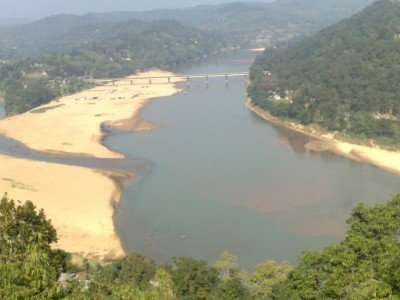 @@Historical Significance: The Baghmara Christian Church, representing the strong Baptist and Christian presence among the Garo tribe, stands as a symbol of the spiritual transformation that began in the late 19th Century in the Garo Hills: @@Community Role: Beyond its religious function, the Church serves as a pivotal community center, fostering social bonds, educational initiatives, and cultural preservation, especially for the local A'chik (Garo) people, and is a key location for understanding the region's socio-cultural fabric, frequently hosting large gatherings and youth programs that reflect its importance to the town’s identity, making it more than just a place of worship, but a true cornerstone of the Baghmara society, often providing aid and assistance to the less privileged in the remote border areas: @@Spiritual Sanctuary: It offers a sanctuary of peace, reflecting the quiet yet vibrant faith that dominates the religious landscape of Meghalaya: @@Impact on Education: Many such churches in the region are linked to missionary schools, contributing significantly to literacy and education in the historically remote area, thus upholding a strong tradition of community service and moral guidance for the youth: (400 words):
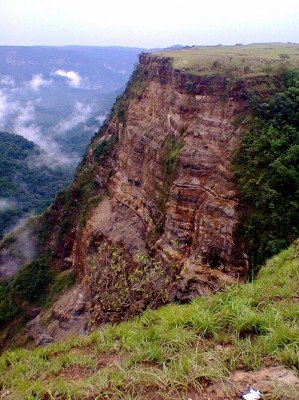 The Balpakram Gorge is a breathtaking geological marvel often compared to the Grand Canyon of the United States. This deep, yawning chasm is located within the Balpakram National Park and is shrouded in local myths and legends. According to Garo mythology, the gorge is the final resting place of departed souls before they transition to the afterlife. The sheer depth of the canyon, combined with the "eternal winds" that blow through it, creates a hauntingly beautiful atmosphere. The walls of the gorge are made of limestone and sandstone, showing layers of geological history that date back millions of years. Beneath the cliffs, dense tropical vegetation thrives, providing a home to rare animals like the Red Panda and the Marbled Cat. The gorge is also a site for marine fossils, proving that the region was once submerged under a prehistoric sea. Visitors can stand at the edge of the cliffs and look down into the misty depths where the Mahadeo River flows. The scale of the gorge is so immense that it leaves a lasting impression on anyone who witnesses it. During the monsoon, numerous waterfalls cascade down the cliff faces, adding to the dramatic scenery. The area is also famous for its "magnetic" rocks and mysterious depressions in the ground that locals believe are footprints of the spirits. For geologists, the gorge is a treasure trove of information regarding the tectonic shifts in the Indian subcontinent. For spiritual seekers, it is a place of profound silence and energy. The hike to the gorge viewpoints involves traversing through grasslands and thick forests, making it a complete adventure. It is truly a place where the physical world meets the spiritual realm. :
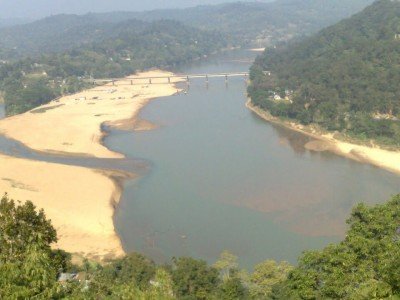 @@Role in Local Sports: The Baghmara Stadium, officially the Baghmara Sports Complex, is the main sporting arena for the South Garo Hills district, serving as the central venue for football, athletics, and various local indigenous games, providing a crucial platform for the youth to develop their athletic skills: @@Community Gathering Place: More than just a sports facility, the Stadium grounds frequently host large public gatherings, including political rallies, cultural festivals, and community celebrations, cementing its role as a key civic space in the town: @@Focus on Football: Reflecting the passion for football in Meghalaya and the Northeast, the stadium's central pitch is primarily used for football tournaments, drawing enthusiastic crowds and fostering competitive spirit amongst local clubs and teams from neighboring districts: @@Youth Development: It is a critical infrastructure for promoting a healthy, active lifestyle among the youth of Baghmara, offering dedicated space for physical training and organized team sports, which is essential in a developing town, and has been the launchpad for many talented local athletes: (400 words):
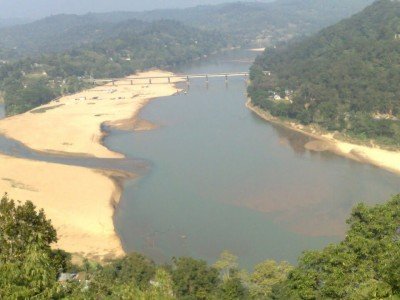 @@Economic Lifeline: The Baghmara Market is the foremost commercial hub and economic lifeline for the entire South Garo Hills district, acting as a crucial trading post for goods coming from the remote interior villages and across the border, with a strong emphasis on weekly markets: @@Cultural Melting Pot: It is a vibrant cultural meeting place where the Garo, Hajong, Koch, and other local tribes meet to trade, socialise, and exchange news, offering a profound glimpse into the indigenous lifestyle and the region's diverse ethnic tapestry: @@Agricultural Trade: The market is particularly known for its sale of local agro-forestry produce, including fresh spices, bamboo shoots, wild vegetables, seasonal fruits, and unique forest products, all gathered by local communities: @@Border Trade Legacy: Historically, and even now, it maintains a degree of cross-border trade with Bangladesh, particularly for dried fish (locally known as shutki), which brings a unique variety of goods and a distinctive atmosphere, reflecting its strategic location near the international border, making it a critical point for regional commerce and community interaction: (400 words):
 Balpakram National Park, specifically the Mesa Point, is the crown jewel of tourism in South Garo Hills. Established in 1987, the park covers over 200 square kilometers of diverse landscape. Mesa Point is the highest flat-topped plateau within the park, offering a vantage point that is second to none. From here, visitors can see the vast plains of Bangladesh stretching out into the horizon, often shimmering under the sun. The park is a UNESCO-recognized site and a biodiversity hotspot, housing rare species such as the Red Panda, Clouded Leopard, and the Indian Bison (Gaur). The plateau itself is a vast grassland interspersed with rare medicinal herbs and carnivorous plants like the Sundew and Pitcher Plant. The name Balpakram means "the land of perpetual winds," and at Mesa Point, you can truly feel the powerful gusts that give the park its name. The air is crisp and carries the scent of the wild forests below. Geologically, the plateau is unique, featuring "Black Diamond" rocks and strange magnetic anomalies that have fascinated scientists for decades. For the Garo people, this entire area is sacred. They believe that the spirits of the dead visit Mesa Point to tether their animals to the ancient trees before entering the gorge. This blend of natural beauty, rare wildlife, and deep-rooted spiritualism makes it a must-visit. The trek to Mesa Point takes you through various forest types, from tropical deciduous to evergreen. It is common to hear the calls of the Hoolock Gibbon echoing through the trees during the hike. The park management ensures that the area remains pristine by limiting the number of vehicles and visitors allowed each day. :
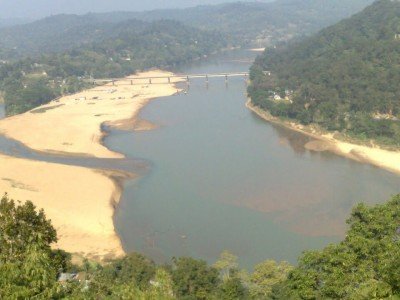 @@Geographical Significance: The Baghmara Town Viewpoint is a general name given to a high vantage point, often found on the local Dilsa Hill ridge, providing a stunning panoramic view of the entire Baghmara town nestled in the valley, the winding path of the Simsang River below, and the vast, flat plains of Bangladesh stretching out to the south, highlighting the dramatic geography of the border area: @@Scenic Beauty: It is the best place to appreciate the town's position as the gateway between the high Garo Hills and the low-lying plains, offering a breathtaking contrast between the lush, undulating terrain and the distant, haze-covered border area: @@Local Landmark: While not always marked with a large monument, the Viewpoint serves as a popular spot for locals and visitors to gather, especially during sunrise and sunset, making it a natural, highly-valued local landmark for scenic appreciation: @@A Photographer's Paradise: The sheer expanse of the view, coupled with the dramatic lighting during the golden hours, makes it an indispensable stop for photographers seeking to capture the unique landscape and topography of the southernmost tip of the Garo Hills, providing a truly memorable vista: (400 words):
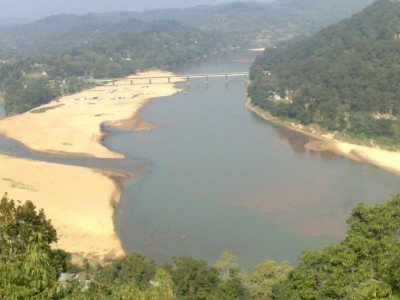 @@Place Details: Dambug is a lush locality within the South Garo Hills known for its dense canopy and the unique presence of the Nepenthes Khasiana. This area serves as a vital ecological corridor for various endemic species of the Meghalaya plateau. Visitors are often struck by the primeval feel of the forest, where sunlight filters through ancient trees in long, golden shafts. The region is managed with a focus on preserving the delicate balance of the tropical rainforest ecosystem. Exploring Dambug feels like stepping into a botanical museum where the exhibits are alive and breathing. The air here is exceptionally fresh, carrying the scent of damp earth and wild orchids. It is a place where the silence is only broken by the calls of the Hoolock Gibbon or the rustle of dry leaves. Tourists find solace in the deep green shadows of the hills, making it a perfect spot for meditation and nature study. The soil here is rich and supports a variety of medicinal plants used by the Garo tribes for generations. The geography is characterized by sharp inclines and hidden valleys that remain cool even during the peak of summer.Show All
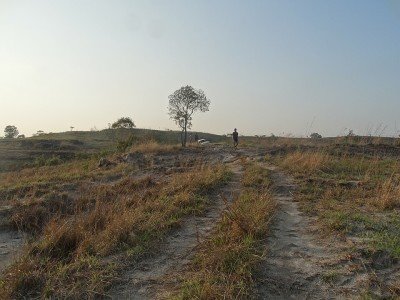 The Balpakram Elephant Habitat is a massive conservation area located within the larger Balpakram landscape in Meghalaya. This region serves as one of the most vital corridors for the endangered Asian Elephant in Northeast India. Spanning across dense tropical forests and hilly terrains, the habitat provides a safe haven for these majestic creatures to roam freely between India and Bangladesh. The area is part of the Garo Hills Elephant Reserve and is characterized by its lush greenery, perennial streams, and a rich ecosystem that supports diverse flora. Visitors can often witness large herds migrating through the landscape, especially near water bodies. The habitat is not just a biological zone but a cultural one, as the local Garo tribes have lived in harmony with these elephants for centuries. The conservation efforts here involve participatory monitoring by local communities to minimize human-elephant conflict. The dense canopy of deciduous and evergreen trees provides ample shade and food for the elephants. The region is also home to other wildlife like the Wild Water Buffalo and various primate species. Conservationists emphasize the importance of this habitat in maintaining the genetic diversity of elephants in the region. Traveling through this habitat offers a raw and unfiltered experience of nature's grandeur. The sounds of the forest and the sight of elephant tracks create an atmosphere of mystery and awe. It is a place where nature remains largely untouched by modern industrialization. Efforts are ongoing to protect this corridor from habitat degradation and unplanned cultivation. A visit here is an educational journey into the world of wildlife conservation and the delicate balance of our ecosystem. :
Information
-
Why Famous:
Famous Heading Balpakram National Park: Located about 45 km from the town, this park is often called the "Land of Perpetual Winds. " It is famous for its deep canyons and rich biodiversity, often compared to the Grand Canyon of the USA. It is a sacred site for the Garos, be...Famous Heading Balpakram National Park: Located about 45 km from the town, this park is often called the "Land of Perpetual Winds. " It is famous for its deep canyons and rich biodiversity, often compared to the Grand Canyon of the USA. It is a sacred site for the Garos, believed to be the resting place of departed souls.
Famous Heading Pitcher Plants: Baghmara is globally recognized for the preservation of the carnivorous Pitcher Plant. The Baghmara Pitcher Plant Sanctuary is dedicated to protecting this endangered species. Seeing these plants in their natural habitat is a major draw for botanists and nature lovers. -
Architecture:
Architecture Heading Garo Traditional Huts: Known as "Nokmong," these traditional Garo houses are built on bamboo poles and can reach lengths of 60 to 100 feet. The width is typically around 20 feet. They are built using split bamboo walls and thatched roofs, designed to b...Architecture Heading Garo Traditional Huts: Known as "Nokmong," these traditional Garo houses are built on bamboo poles and can reach lengths of 60 to 100 feet. The width is typically around 20 feet. They are built using split bamboo walls and thatched roofs, designed to be cool in the humid tropical climate. The internal structure is divided into specific rooms for different family members, reflecting the matrilineal social structure of the tribe.
Architecture Heading British Era Structures: There are remnants of old administrative buildings from the British period, characterized by brickwork and high ceilings. These buildings, though small in number, contrast with the tribal bamboo architecture. They typically feature wide verandas to allow air circulation. The dimensions are modest, often covering about 1200 square feet, but they stand as historical markers of the colonial presence in the Garo Hills. -
How To Reach:
How to Reach Heading By Air: The nearest airport is in Guwahati (approx. 220 km). There is no commercial airport in the Garo Hills, although a small airfield exists at Tura. Most travelers take a taxi or bus from Guwahati to Tura and then proceed to Baghmara.How to Reach Heading By Air: The nearest airport is in Guwahati (approx. 220 km). There is no commercial airport in the Garo Hills, although a small airfield exists at Tura. Most travelers take a taxi or bus from Guwahati to Tura and then proceed to Baghmara.
How to Reach Heading By Train: Guwahati Railway Station is the main railhead. From there, you can take a bus or hire a taxi to Tura (about 6 hours) and then a local Sumo to Baghmara (another 4 hours). It is a long but scenic journey through the heart of the hills.
How to Reach Heading By Road: Baghmara is connected by road to Tura (105 km) and Shillong (285 km). The roads can be rough in certain patches, so a high-clearance vehicle is recommended. Night buses run from Shillong to Baghmara for those on a tight schedule.
How to Reach Heading By Local Transport: Within the town, auto-rickshaws and local taxis are the main modes of transport. To visit distant spots like Balpakram or Siju, you must hire a dedicated 4x4 vehicle. Shared Sumos are available for travel between major towns in the district. -
Weather and Best Time to Visit:
Best Time Heading Winter Months: From November to February is the ideal time as the weather is cool and the river is calm. This is also the best time for spotting elephants and migratory birds. The roads are in their best condition during this period.
Read MoreBest Time Heading Winter Months: From November to February is the ideal time as the weather is cool and the river is calm. This is also the best time for spotting elephants and migratory birds. The roads are in their best condition during this period.
Best Time Heading Summer Season: From March to May, the forest is lush and many orchids are in bloom. However, it can get quite hot and humid in the Garo Hills. It is a good time for those interested in botany and forest treks.
Best Time Heading Day and Night: Early morning is the only time for wildlife sightings. The day can be spent exploring caves or the river. Evenings are best spent in the town, enjoying the local hospitality and quiet atmosphere of the hills.Near Tourist Places:
Balpakram National Park (45 km), Siju Caves (30 km), Siju Bird Sanctuary (30 km), Tura (105 km), Imangiri (25 km), Mahadeo Village (20 km), Chitmang Peak (35 km), Naphak Lake (40 km), Gasuapara (45 km), Williamnagar (110 km).Tourism Tips
-
Tourism Tips Heading Health and Safety: Malaria is prevalent in the Garo Hills, so take anti-malarial precautions and use mosquito nets/repellents. Carry plenty of water and electrolytes when trekking as it can get very humid. Inform the local police station before heading...Tourism Tips Heading Health and Safety: Malaria is prevalent in the Garo Hills, so take anti-malarial precautions and use mosquito nets/repellents. Carry plenty of water and electrolytes when trekking as it can get very humid. Inform the local police station before heading to remote border areas.
Tourism Tips Heading Packing Essentials: Light cotton clothes are best for the day, but carry a light jacket for the evenings. Waterproof bags are essential for cave exploration and river trips. A powerful flashlight is a must for the Siju caves.
Tourism Tips Heading Respecting the Garo Way: The Garos are very protective of their sacred sites; always follow your guide's instructions. Avoid littering in the National Park and sanctuary. Learning a few basic Garo words like "Mitela" (Thank you) goes a long way in building rapport.
Tourism Tips Heading Logistics: Baghmara has limited luxury options, so be prepared for basic but clean guest houses. Power outages are common, so keep your power banks charged. It is advisable to book your transport and guide in advance, especially during the festival season.
Reviews
FAQs
Baghmara Itineray And Cost:-
Other Places In Meghalaya :-
Other States In India :-
Information about New and Updated Locations() of Meghalaya Has Been Added :-
Card subtitle
Note:-
Information provided here in good Faith and for reference only.
Near Places

Amlarem
Some quick example text to build on the card title and make up the bulk of the card's content.
Go somewhere
Baghmara
Some quick example text to build on the card title and make up the bulk of the card's content.
Go somewhere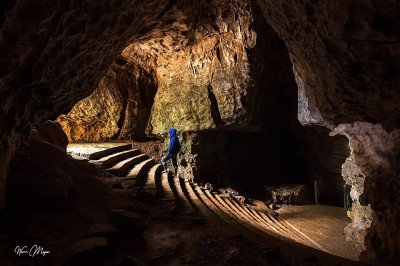
Cherrapunji
Some quick example text to build on the card title and make up the bulk of the card's content.
Go somewhere
Dawki
Some quick example text to build on the card title and make up the bulk of the card's content.
Go somewhere
Jowai
Some quick example text to build on the card title and make up the bulk of the card's content.
Go somewhere
Mairang
Some quick example text to build on the card title and make up the bulk of the card's content.
Go somewhere
Mawlynnong
Some quick example text to build on the card title and make up the bulk of the card's content.
Go somewhere
Mawryngkneng
Some quick example text to build on the card title and make up the bulk of the card's content.
Go somewhere
Mawsynram
Some quick example text to build on the card title and make up the bulk of the card's content.
Go somewhere
Nongpoh
Some quick example text to build on the card title and make up the bulk of the card's content.
Go somewhere
Pynursla
Some quick example text to build on the card title and make up the bulk of the card's content.
Go somewhere
Rongram
Some quick example text to build on the card title and make up the bulk of the card's content.
Go somewhere
Shillong
Some quick example text to build on the card title and make up the bulk of the card's content.
Go somewhere
Tura
Some quick example text to build on the card title and make up the bulk of the card's content.
Go somewhere
Umsning
Some quick example text to build on the card title and make up the bulk of the card's content.
Go somewherein Other Cities