

Dawki
General information
-
Ideal Duration:
1 to 2 DaysPlace Type:
River / AdventureEntry Fees:
Entry Fees Heading Boating Charges: A standard boat ride for up to 4 people costs around 800 to 1000 INR. This rate is usually fixed by the local boatmen's association. During peak season, prices may vary slightly, but it is generally affordable for groups.Entry Fees Heading Boating Charges: A standard boat ride for up to 4 people costs around 800 to 1000 INR. This rate is usually fixed by the local boatmen's association. During peak season, prices may vary slightly, but it is generally affordable for groups.
Entry Fees Heading Adventure Activity Fees: Kayaking usually costs 300 INR per person for an hour. Cliff jumping and snorkeling packages range from 500 to 1500 INR depending on the gear provided. Entry to Shnongpdeng village may involve a small community fee of 20 INR.Timing:
Timings Heading Regular Timings: Boating and adventure activities are available from 8:00 AM to 5:00 PM. The border at Tamabil closes for tourists at sunset. It is best to arrive by 9:00 AM to get the best light for the river's clarity.
Timing...Timings Heading Regular Timings: Boating and adventure activities are available from 8:00 AM to 5:00 PM. The border at Tamabil closes for tourists at sunset. It is best to arrive by 9:00 AM to get the best light for the river's clarity.
Timings Heading Ideal Visit Time: The months of November to February are when the water is at its clearest. During the monsoon, the river becomes muddy and boating is often suspended. Mid-morning (10 AM to 12 PM) provides the best sunlight for photography.Special Events:
Special Event Heading Boat Racing Festival: During the winter festival season, local tribes organize boat races on the Umngot River. These races are high-energy events with traditional music and large community gatherings. It is a display of the local people's skill and co...Special Event Heading Boat Racing Festival: During the winter festival season, local tribes organize boat races on the Umngot River. These races are high-energy events with traditional music and large community gatherings. It is a display of the local people's skill and connection to the river.
Special Event Heading New Year's Eve Camping: Dawki and Shnongpdeng have become popular spots for New Year celebrations. Large campsites host music festivals and countdowns under the stars. It is a vibrant way to welcome the new year in a natural setting.Best Photo Spots:
Photo Spots Heading The Suspension Bridge: Shooting from the bank toward the bridge creates a classic landscape composition. The reflection of the bridge in the still water adds a layer of symmetry to your photos. It is best captured during the "golden hour" in the evening...Photo Spots Heading The Suspension Bridge: Shooting from the bank toward the bridge creates a classic landscape composition. The reflection of the bridge in the still water adds a layer of symmetry to your photos. It is best captured during the "golden hour" in the evening.
Photo Spots Heading Top-Down Boat Shot: Ask your boatman to stay still while you take a photo looking directly down into the water. This is the best way to capture the "floating" effect. Clear, sunny days are best as the shadows on the riverbed enhance the illusion.
Photo Spots Heading Shnongpdeng Hanging Bridge: The long, swaying footbridge at Shnongpdeng is a favorite for Instagram-style photos. The view of the emerald river below and the green hills around is perfect for wide-angle shots. Be careful of the sway while taking long exposures!Photo Gallery
Things To Do
 @@History and Function: The Dawki Suspension Bridge is a historic structure constructed by the British in 1932 to facilitate trade and movement between India and the then-East Bengal (now Bangladesh). It is a vital link for the local economy and a major landmark. It spans the crystal-clear Umngot River, offering a breathtaking vantage point for tourists. The bridge is primarily single-lane and still carries vehicular traffic, including heavy coal trucks, showcasing its robust, colonial-era engineering. It connects the main town of Dawki to the opposite bank, which leads towards Shnongpdeng village and other areas. The bridge's charm is in its rustic steel structure juxtaposed against the pristine natural beauty of the river below.:
@@BSF Presence and Role:** The BSF Camp in Dawki is a strategic and vital establishment near the India-Bangladesh International Border, also known as the Tamabil-Dawki Border Crossing. Its primary role is to secure India's international boundary, manage the movement of goods and people through the Land Port, and maintain peace and order in the border areas. It functions as the first line of defense, ensuring that all trade and travel activities adhere to international and national regulations. The camp is not a traditional tourist spot but represents the security cornerstone of the region. Visitors to the nearby Dawki Check Post (Land Port) will observe the constant vigilance of the BSF personnel. The sheer scale of the operation underscores the geopolitical importance of Dawki as a major trade and transit point. It symbolizes the continuous effort to safeguard national interests in the challenging, hilly terrain of the Khasi and Jaintia Hills. The camp area is strictly regulated, highlighting its crucial operational nature. @@Life at the Border:** The location offers a glimpse into the dedicated life of a BSF soldier, set against the backdrop of the picturesque yet sensitive border. This facility ensures smooth functioning of the Dawki Land Port, one of Meghalaya's busiest, facilitating cross-border commerce with Bangladesh. The camp personnel also often engage with local communities for security cooperation and civic action programs, embedding themselves into the social fabric of the border town.
Rupasor Bathing Spot is a historic and naturally carved pool located just a few kilometers away from the bustling town of Dawki. This spot holds historical significance as it was once the bathing place for the royalty of the Jaintia Kingdom. The pool is formed by a gentle stream that flows over smooth, flat rocks, creating a shallow and safe area for swimming. The most striking feature of Rupasor is the ancient stone bridge that spans the stream, built during the reign of the Jaintia Kings. This bridge is a fine example of traditional megalithic stone masonry, where large slabs of rock were placed without any mortar. The water here is cool and refreshing, providing a perfect escape from the humidity of the plains. Surrounding the bathing spot are dense groves of betel nut trees and bamboo, which provide ample shade and a sense of privacy. Unlike the deep and fast-moving Umngot River, the waters at Rupasor are calm and inviting for families with children. It is a place where history meets leisure, allowing visitors to walk on paths that were once tread by kings. The local community maintains the cleanliness of the area, ensuring that the natural beauty remains untouched. It is a quiet alternative to the crowded boating points in Dawki, ideal for those looking to spend a peaceful afternoon by the water.
Accommodation in Dawki has evolved from basic lodges to charming guest houses and eco-cottages that cater to a variety of travelers. Most of these stays are family-run, offering a warm and personal touch that you won't find in large hotels. The guest houses are typically located on the hillsides, providing panoramic views of the Umngot River and the distant plains of Bangladesh. The cottages, often built using local materials like bamboo, thatch, and wood, offer a more rustic and immersive experience. Staying here allows travelers to enjoy the quietude of the nights and the misty mornings of Meghalaya. The rooms are generally clean and well-maintained, with basic amenities like attached bathrooms and comfortable bedding. Many guest houses also have common dining areas where you can savor home-cooked Khasi meals, which are often prepared using organic ingredients sourced from the village. The hospitality of the hosts is a highlight, as they are often eager to help with travel arrangements, suggest hidden spots, and share local folklore. For those who prefer a more adventurous stay, the riverside cottages in nearby Shnongpdeng provide the thrill of sleeping right next to the flowing water. These accommodations are particularly popular during the peak months of December and January. While luxury options are limited, the comfort and authenticity provided by these local stays make for a memorable trip. Most guest houses also provide Wi-Fi in common areas, though the connection can be erratic due to the hilly terrain. Booking in advance is highly recommended, especially during the festive season and weekends, as the best spots fill up quickly. Whether you are a solo backpacker or a family on vacation, the guest houses in Dawki provide a safe and welcoming base to explore the natural wonders of the region. Many properties also offer bonfire pits, which are perfect for cold winter evenings.
@@History and Function: The Dawki Suspension Bridge is a historic structure constructed by the British in 1932 to facilitate trade and movement between India and the then-East Bengal (now Bangladesh). It is a vital link for the local economy and a major landmark. It spans the crystal-clear Umngot River, offering a breathtaking vantage point for tourists. The bridge is primarily single-lane and still carries vehicular traffic, including heavy coal trucks, showcasing its robust, colonial-era engineering. It connects the main town of Dawki to the opposite bank, which leads towards Shnongpdeng village and other areas. The bridge's charm is in its rustic steel structure juxtaposed against the pristine natural beauty of the river below.:
@@BSF Presence and Role:** The BSF Camp in Dawki is a strategic and vital establishment near the India-Bangladesh International Border, also known as the Tamabil-Dawki Border Crossing. Its primary role is to secure India's international boundary, manage the movement of goods and people through the Land Port, and maintain peace and order in the border areas. It functions as the first line of defense, ensuring that all trade and travel activities adhere to international and national regulations. The camp is not a traditional tourist spot but represents the security cornerstone of the region. Visitors to the nearby Dawki Check Post (Land Port) will observe the constant vigilance of the BSF personnel. The sheer scale of the operation underscores the geopolitical importance of Dawki as a major trade and transit point. It symbolizes the continuous effort to safeguard national interests in the challenging, hilly terrain of the Khasi and Jaintia Hills. The camp area is strictly regulated, highlighting its crucial operational nature. @@Life at the Border:** The location offers a glimpse into the dedicated life of a BSF soldier, set against the backdrop of the picturesque yet sensitive border. This facility ensures smooth functioning of the Dawki Land Port, one of Meghalaya's busiest, facilitating cross-border commerce with Bangladesh. The camp personnel also often engage with local communities for security cooperation and civic action programs, embedding themselves into the social fabric of the border town.
Rupasor Bathing Spot is a historic and naturally carved pool located just a few kilometers away from the bustling town of Dawki. This spot holds historical significance as it was once the bathing place for the royalty of the Jaintia Kingdom. The pool is formed by a gentle stream that flows over smooth, flat rocks, creating a shallow and safe area for swimming. The most striking feature of Rupasor is the ancient stone bridge that spans the stream, built during the reign of the Jaintia Kings. This bridge is a fine example of traditional megalithic stone masonry, where large slabs of rock were placed without any mortar. The water here is cool and refreshing, providing a perfect escape from the humidity of the plains. Surrounding the bathing spot are dense groves of betel nut trees and bamboo, which provide ample shade and a sense of privacy. Unlike the deep and fast-moving Umngot River, the waters at Rupasor are calm and inviting for families with children. It is a place where history meets leisure, allowing visitors to walk on paths that were once tread by kings. The local community maintains the cleanliness of the area, ensuring that the natural beauty remains untouched. It is a quiet alternative to the crowded boating points in Dawki, ideal for those looking to spend a peaceful afternoon by the water.
Accommodation in Dawki has evolved from basic lodges to charming guest houses and eco-cottages that cater to a variety of travelers. Most of these stays are family-run, offering a warm and personal touch that you won't find in large hotels. The guest houses are typically located on the hillsides, providing panoramic views of the Umngot River and the distant plains of Bangladesh. The cottages, often built using local materials like bamboo, thatch, and wood, offer a more rustic and immersive experience. Staying here allows travelers to enjoy the quietude of the nights and the misty mornings of Meghalaya. The rooms are generally clean and well-maintained, with basic amenities like attached bathrooms and comfortable bedding. Many guest houses also have common dining areas where you can savor home-cooked Khasi meals, which are often prepared using organic ingredients sourced from the village. The hospitality of the hosts is a highlight, as they are often eager to help with travel arrangements, suggest hidden spots, and share local folklore. For those who prefer a more adventurous stay, the riverside cottages in nearby Shnongpdeng provide the thrill of sleeping right next to the flowing water. These accommodations are particularly popular during the peak months of December and January. While luxury options are limited, the comfort and authenticity provided by these local stays make for a memorable trip. Most guest houses also provide Wi-Fi in common areas, though the connection can be erratic due to the hilly terrain. Booking in advance is highly recommended, especially during the festive season and weekends, as the best spots fill up quickly. Whether you are a solo backpacker or a family on vacation, the guest houses in Dawki provide a safe and welcoming base to explore the natural wonders of the region. Many properties also offer bonfire pits, which are perfect for cold winter evenings. @@Community Hub:** The local church in Dawki (likely a Presbyterian, Catholic, or Baptist establishment, as these are the major denominations in Meghalaya) serves as the spiritual and social heart of the local Khasi and Jaintia Christian community. The town's population is predominantly Christian, making the church a central point for all community activities, not just religious services. It is a place of worship, a venue for local gatherings, and a center for social welfare programs, including running local schools or health centers. Visitors often find the atmosphere peaceful and welcoming, reflecting the strong faith and hospitality of the local people. @@Architectural Style:** Local churches in Meghalaya often feature simple, yet sturdy, architecture, blending traditional Christian church design with local building materials and resilience against the heavy monsoon rains. They stand as quiet landmarks, contrasting with the bustling activities of the border and the river. They offer a deep insight into the religious and cultural life of the local inhabitants, away from the commercial tourist spots. Visiting the church provides a moment of spiritual calm and a chance to observe the local culture firsthand.
The Umngot River Kayaking experience in Dawki is widely considered one of the most surreal water activities in India. The river is famous for its extreme transparency, where the water is so clear that the riverbed, composed of colorful pebbles and rocks, is visible even at significant depths. This clarity creates a unique optical illusion where kayaks and boats appear to be floating on air rather than on water. The kayaking activity usually takes place near the village of Shnongpdeng, which is more peaceful than the main Dawki market area. Paddling through the emerald-green waters allows travelers to explore narrow gorges and hidden corners of the river that are inaccessible to larger motorboats. The surrounding landscape consists of steep cliffs covered in lush subtropical vegetation and the constant sound of distant waterfalls. The silence of the valley, broken only by the splash of the paddle, provides a meditative experience for nature lovers. Many tourists choose kayaking here to get a closer look at the aquatic life and the intricate rock formations underwater. The river serves as a natural boundary between the Khasi and Jaintia Hills, adding a geographical significance to your journey. It is a must-visit for anyone seeking a blend of adventure and tranquility in the North East.
@@Community Hub:** The local church in Dawki (likely a Presbyterian, Catholic, or Baptist establishment, as these are the major denominations in Meghalaya) serves as the spiritual and social heart of the local Khasi and Jaintia Christian community. The town's population is predominantly Christian, making the church a central point for all community activities, not just religious services. It is a place of worship, a venue for local gatherings, and a center for social welfare programs, including running local schools or health centers. Visitors often find the atmosphere peaceful and welcoming, reflecting the strong faith and hospitality of the local people. @@Architectural Style:** Local churches in Meghalaya often feature simple, yet sturdy, architecture, blending traditional Christian church design with local building materials and resilience against the heavy monsoon rains. They stand as quiet landmarks, contrasting with the bustling activities of the border and the river. They offer a deep insight into the religious and cultural life of the local inhabitants, away from the commercial tourist spots. Visiting the church provides a moment of spiritual calm and a chance to observe the local culture firsthand.
The Umngot River Kayaking experience in Dawki is widely considered one of the most surreal water activities in India. The river is famous for its extreme transparency, where the water is so clear that the riverbed, composed of colorful pebbles and rocks, is visible even at significant depths. This clarity creates a unique optical illusion where kayaks and boats appear to be floating on air rather than on water. The kayaking activity usually takes place near the village of Shnongpdeng, which is more peaceful than the main Dawki market area. Paddling through the emerald-green waters allows travelers to explore narrow gorges and hidden corners of the river that are inaccessible to larger motorboats. The surrounding landscape consists of steep cliffs covered in lush subtropical vegetation and the constant sound of distant waterfalls. The silence of the valley, broken only by the splash of the paddle, provides a meditative experience for nature lovers. Many tourists choose kayaking here to get a closer look at the aquatic life and the intricate rock formations underwater. The river serves as a natural boundary between the Khasi and Jaintia Hills, adding a geographical significance to your journey. It is a must-visit for anyone seeking a blend of adventure and tranquility in the North East.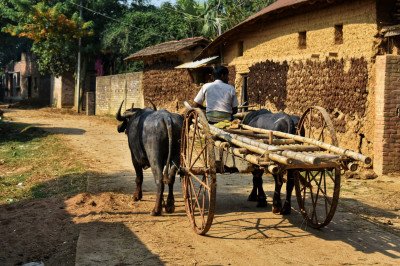 Nongbareh Village is an exemplary model of sustainable living and indigenous engineering, nestled deep in the Jaintia Hills. It is famous for its Jingkieng Jri or Living Root Bridges, specifically the Nongbareh Living Root Bridge, which is a double-span structure that is over a century old. The village is divided into Nongbarehrim and Nongbareh Lyntiar, both of which are connected by these bio-engineered wonders. The community here has preserved the ancient tradition of guiding the roots of Ficus elastica trees across the Amayalee River. The village architecture is a mix of traditional bamboo huts and modern concrete structures, all set against a backdrop of steep hills and betel nut groves. Nongbareh is also a gateway to the Umngot River pathways, where the water is so clear it resembles liquid glass. The villagers are predominantly of the War-Jaintia tribe, known for their warm hospitality and deep knowledge of herbal medicine. A visit to the village offers a glimpse into a lifestyle that is in perfect harmony with nature, where bridges grow stronger with age rather than decaying. The area is also rich in biodiversity, with the surrounding forests housing various species of rare birds and insects. For those looking for an offbeat experience away from the commercialized paths of Cherrapunji, Nongbareh provides an authentic and raw look at Meghalaya's living heritage. It is a place where every path leads to a discovery, whether it be a hidden stream or an ancient monolith.:Show All
The Umngot River Boating Point in Dawki is internationally famous for offering the experience of boating on one of the clearest rivers in Asia, if not the world. The river, also known as the Dawki River, is renowned for its exceptional water transparency, especially during the non-monsoon months. The water is so crystal-clear that the riverbed, with its colorful stones, pebbles, and small fish, is clearly visible from the surface, creating a surreal illusion that the traditional wooden boats are floating in mid-air. This point serves as the main hub for hiring local boats (rowboats or sometimes kayaks) for a tranquil and unforgettable ride. The river flows through the stunning gorge surrounded by lush green hills, and the boating experience often takes visitors past the famous Dawki Suspension Bridge and the area near the India-Bangladesh border (Jaflong Zero Point). The scenic beauty, combined with the magical clarity of the water, draws tourists seeking peace, natural wonder, and incredible photo opportunities. The activity is managed by local boatmen and is a core part of the Dawki tourism experience. (Word Count: 197)
Nongbareh Village is an exemplary model of sustainable living and indigenous engineering, nestled deep in the Jaintia Hills. It is famous for its Jingkieng Jri or Living Root Bridges, specifically the Nongbareh Living Root Bridge, which is a double-span structure that is over a century old. The village is divided into Nongbarehrim and Nongbareh Lyntiar, both of which are connected by these bio-engineered wonders. The community here has preserved the ancient tradition of guiding the roots of Ficus elastica trees across the Amayalee River. The village architecture is a mix of traditional bamboo huts and modern concrete structures, all set against a backdrop of steep hills and betel nut groves. Nongbareh is also a gateway to the Umngot River pathways, where the water is so clear it resembles liquid glass. The villagers are predominantly of the War-Jaintia tribe, known for their warm hospitality and deep knowledge of herbal medicine. A visit to the village offers a glimpse into a lifestyle that is in perfect harmony with nature, where bridges grow stronger with age rather than decaying. The area is also rich in biodiversity, with the surrounding forests housing various species of rare birds and insects. For those looking for an offbeat experience away from the commercialized paths of Cherrapunji, Nongbareh provides an authentic and raw look at Meghalaya's living heritage. It is a place where every path leads to a discovery, whether it be a hidden stream or an ancient monolith.:Show All
The Umngot River Boating Point in Dawki is internationally famous for offering the experience of boating on one of the clearest rivers in Asia, if not the world. The river, also known as the Dawki River, is renowned for its exceptional water transparency, especially during the non-monsoon months. The water is so crystal-clear that the riverbed, with its colorful stones, pebbles, and small fish, is clearly visible from the surface, creating a surreal illusion that the traditional wooden boats are floating in mid-air. This point serves as the main hub for hiring local boats (rowboats or sometimes kayaks) for a tranquil and unforgettable ride. The river flows through the stunning gorge surrounded by lush green hills, and the boating experience often takes visitors past the famous Dawki Suspension Bridge and the area near the India-Bangladesh border (Jaflong Zero Point). The scenic beauty, combined with the magical clarity of the water, draws tourists seeking peace, natural wonder, and incredible photo opportunities. The activity is managed by local boatmen and is a core part of the Dawki tourism experience. (Word Count: 197)Information
-
Why Famous:
Famous Heading Umngot River: The river is the main reason for Dawki's fame. Its emerald green, crystal-clear water is a marvel of nature. Photos of boats "flying" on the water have gone viral globally, attracting thousands of tourists. It is widely considered one of the c...Famous Heading Umngot River: The river is the main reason for Dawki's fame. Its emerald green, crystal-clear water is a marvel of nature. Photos of boats "flying" on the water have gone viral globally, attracting thousands of tourists. It is widely considered one of the cleanest rivers in India.
Famous Heading Indo-Bangla Border: Dawki is famous for the friendly border crossing at Tamabil. Tourists can walk right up to the "Zero Point" and see the plains of Bangladesh stretching out into the distance. It is a unique experience to stand at the edge of the country. -
Architecture:
Architecture Heading Dawki Suspension Bridge: Built in 1932 by the British, this suspension bridge is a marvel of colonial engineering. It spans approximately 150 feet across the Umngot River and is the main link for trade with Bangladesh. The structure uses high-tensile s...Architecture Heading Dawki Suspension Bridge: Built in 1932 by the British, this suspension bridge is a marvel of colonial engineering. It spans approximately 150 feet across the Umngot River and is the main link for trade with Bangladesh. The structure uses high-tensile steel cables and a wooden/metal deck, designed to carry heavy trucks. Its elegant silhouette against the green hills is a favorite subject for photographers. The bridge is still in use today, standing as a testament to its durable design.
Architecture Heading Border Pillars and Gates: The architecture at the Tamabil border post is functional and symbolic. It includes the "Zero Point" markers and the massive iron gates that separate the two nations. The buildings here are simple concrete structures but are significant for their administrative role. The layout is designed to manage the flow of heavy trade vehicles and tourists. These markers represent the physical boundary of the nation in a scenic mountain setting. -
How To Reach:
How to Reach Heading By Air: Guwahati Airport (195 km) is the main airport. Shillong Airport (90 km) is closer but has fewer flights. From Shillong, you can hire a private taxi for the 3-hour journey to Dawki. The road is scenic but has many hair-pin bends.How to Reach Heading By Air: Guwahati Airport (195 km) is the main airport. Shillong Airport (90 km) is closer but has fewer flights. From Shillong, you can hire a private taxi for the 3-hour journey to Dawki. The road is scenic but has many hair-pin bends.
How to Reach Heading By Train: Guwahati Railway Station is the nearest rail link. You can take a bus or taxi to Shillong and then a second taxi to Dawki. There are also direct private cabs available from Guwahati for a more comfortable 5-hour journey.
How to Reach Heading By Road: Dawki is well-connected to Shillong via the NH206. The road passes through Pynursla and offers stunning views. Shared taxis (Sumos) are available from the Anjalee parking lot in Shillong for budget travelers.
How to Reach Heading By Local Transport: In Dawki, the main attractions are within walking distance or a short boat ride away. To visit Shnongpdeng or the border, you can use local taxis. Most tourists keep their hired cab from Shillong for the entire day. -
Weather and Best Time to Visit:
Best Time Heading Winter Season: From October to March is the absolute best time to visit Dawki. This is when the water transparency is at its peak and all adventure activities are open. The weather is cool and pleasant, perfect for camping.
B...Best Time Heading Winter Season: From October to March is the absolute best time to visit Dawki. This is when the water transparency is at its peak and all adventure activities are open. The weather is cool and pleasant, perfect for camping.
Best Time Heading Monsoon Season: From June to August, the river swells and the water becomes brown with silt. While the surrounding greenery is lush, you will miss the famous "transparent water" effect. It is a good time for seeing waterfalls but not for boating.
Best Time Heading Day and Night: Early morning is best for quiet boating and photography. Mid-day is ideal for swimming and adventure sports as the sun is warm. Evenings are perfect for relaxing by a campfire at the riverside campsites. -
Near Tourist Places:
Umngot River (0 km), Shnongpdeng (8 km), Mawlynnong (30 km), Living Root Bridge (32 km), Byrdaw Falls (5 km), Krang Suri Falls (25 km), Amlarem (25 km), Shillong (82 km), Pynursla (35 km), Jowai (55 km).
Tourism Tips
-
Tourism Tips Heading Health and Safety: Wear a life jacket at all times during boating and cliff jumping; the river can be deep in sections. Use sunblock as the reflection of the sun on the water can cause sunburns. Carry an extra set of clothes in a waterproof bag.
<...Tourism Tips Heading Health and Safety: Wear a life jacket at all times during boating and cliff jumping; the river can be deep in sections. Use sunblock as the reflection of the sun on the water can cause sunburns. Carry an extra set of clothes in a waterproof bag.
Tourism Tips Heading Packing Essentials: Swimwear and quick-dry towels are a must. Carry sturdy sandals or water shoes for walking on the pebble beaches. Don't forget your power bank as charging points at campsites are limited.
Tourism Tips Heading Border Sensitivity: Always carry a valid ID proof as you are near an international border. Respect the instructions of the Border Security Force (BSF) personnel. Do not attempt to cross the border markers without official permission.
Tourism Tips Heading Environmental Care: The Umngot River's beauty depends on its cleanliness; do not throw any plastic or waste into the water. Use eco-friendly soaps if you are camping. Support the local community by hiring local guides and buying from village stalls.
Reviews
FAQs
Dawki Itineray And Cost:-
Information about New and Updated Locations() of Meghalaya Has Been Added :-
Card subtitle
Note:-
Information provided here in good Faith and for reference only.
All information and pictures will be updated soon, please keep visiting.
Near Places

Amlarem
Some quick example text to build on the card title and make up the bulk of the card's content.
Go somewhere
Baghmara
Some quick example text to build on the card title and make up the bulk of the card's content.
Go somewhere
Cherrapunji
Some quick example text to build on the card title and make up the bulk of the card's content.
Go somewhere
Dawki
Some quick example text to build on the card title and make up the bulk of the card's content.
Go somewhere
Jowai
Some quick example text to build on the card title and make up the bulk of the card's content.
Go somewhere
Mairang
Some quick example text to build on the card title and make up the bulk of the card's content.
Go somewhere
Mawlynnong
Some quick example text to build on the card title and make up the bulk of the card's content.
Go somewhere
Mawryngkneng
Some quick example text to build on the card title and make up the bulk of the card's content.
Go somewhere
Mawsynram
Some quick example text to build on the card title and make up the bulk of the card's content.
Go somewhere
Nongpoh
Some quick example text to build on the card title and make up the bulk of the card's content.
Go somewherein Other Cities