

Jowai
General information
-
Ideal Duration:
2-3 DaysPlace Type:
Cultural & Hill StationEntry Fees:
General Entry: Most natural sites like waterfalls and parks charge a nominal fee of INR 20 to INR 50. These fees help the local community maintain the cleanliness.
Activity Fees: For boating at Thadlaskein Lake, charges vary between INR 100...General Entry: Most natural sites like waterfalls and parks charge a nominal fee of INR 20 to INR 50. These fees help the local community maintain the cleanliness.
Activity Fees: For boating at Thadlaskein Lake, charges vary between INR 100 to INR 200. Life jacket rentals at waterfalls are usually INR 50.Timing:
Regular Timings: Most parks and waterfalls are open from 9:00 AM to 5:00 PM daily. It is best to reach early to avoid the afternoon crowds.
Ideal Visit Time: The best time to explore the outdoors is between 10:00 AM and 3:00 PM when the sun...Regular Timings: Most parks and waterfalls are open from 9:00 AM to 5:00 PM daily. It is best to reach early to avoid the afternoon crowds.
Ideal Visit Time: The best time to explore the outdoors is between 10:00 AM and 3:00 PM when the sun is bright. Festivals have specific schedules usually starting at noon.Special Events:
Behdeinkhlam Festival: Celebrated in July, this is the main harvest festival where people pray for a good crop. It involves traditional dances and the immersion of Raths.
Chad Sukra: This is a spring festival celebrated in April to mark the...Behdeinkhlam Festival: Celebrated in July, this is the main harvest festival where people pray for a good crop. It involves traditional dances and the immersion of Raths.
Chad Sukra: This is a spring festival celebrated in April to mark the beginning of the sowing season. It is filled with folk songs and traditional attire.Best Photo Spots:
Krang Suri Viewpoint: The top view of the turquoise pool surrounded by green trees is a photographer's dream. The natural stone bridge adds a rustic charm to the frames.
Thadlaskein Lake Banks: The calm water reflecting the pine trees creat...Krang Suri Viewpoint: The top view of the turquoise pool surrounded by green trees is a photographer's dream. The natural stone bridge adds a rustic charm to the frames.
Thadlaskein Lake Banks: The calm water reflecting the pine trees creates a perfect symmetrical shot for social media. Early morning mist adds a mystical touch.
Nartiang Monolith Garden: The towering ancient stones against a clear blue sky provide a sense of scale and history. It is a unique architectural photography spot.Photo Gallery
Things To Do
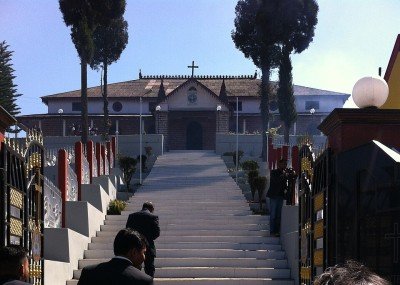 Syntu Ksiar is a profoundly historical and scenic spot in Jowai, literally meaning 'the golden flower' in the Jaintia language. @@Historical Significance:: It is a vast stretch of land on the banks of the sacred Myntdu River, and is historically significant as the place from where the legendary Jaintia freedom fighter, Kiang Nangbah, initiated a significant resistance movement against the British rule in the 19th Century. @@The Legend of Syntu Ksiar:: Local folklore suggests the name comes from a lady named Syntu of the Iawchibidi clan who committed suicide here, after which a beautiful golden flower bloomed in the river that could not be plucked. Today, it is a serene, picturesque picnic spot popular among locals for its tranquil environment and lush green valley views, making it a perfect blend of history, culture, and nature in Meghalaya. It is often compared to a fish sanctuary, though it's more about preserving the natural environment and local culture than abundant fish viewing. The tranquility of the flowing river and the surrounding agrarian landscape offer a peaceful retreat close to the busy town center of Jowai.
 Thadlaskein Lake is often referred to by locals as Pung Sajar Nangli. It is more than just a body of water; it is a symbol of tribal identity and ancient history. The lake was created centuries ago by the followers of a great general who were fleeing from a conflict. To mark their departure and ensure they would be remembered, they dug this massive lake using their bow ends. Today, the lake serves as a major tourist attraction and a holy site for the Niamtre faithful. The water is remarkably clear and is surrounded by rolling hills that are covered in pine trees. It is a popular spot for weekend travelers from Shillong and Guwahati. The atmosphere here is one of deep tranquility, broken only by the sound of birds and the gentle ripples of the water. Unlike many other tourist spots, it has managed to maintain its serene character. The lake is also used by local villagers for traditional rites. It is a must-visit for anyone traveling through the Jaintia Hills to understand the connection between the people and their land.
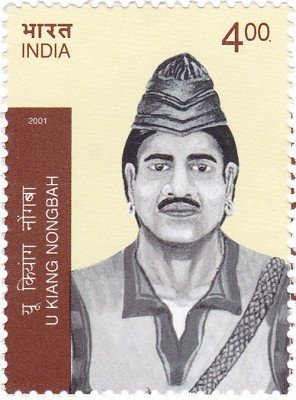 @@Historical Significance: The monument is a solemn tribute to U Kiang Nangbah, a brave Jaintia freedom fighter who led a significant uprising against the British in the 19th century and was publicly hanged in Jowai on December 30, 1862. The site, Syntu Ksiar (Golden Flower), is where he took the oath to fight for his land's freedom. The area is a beautiful valley known as Madan Madiah, also called Uncle's Ground. The memorial serves as a powerful reminder of the sacrifices made by the indigenous people of Meghalaya for independence and is a focal point for celebrating Jaintia heritage. It stands as a symbol of regional pride, often visited by local students and history enthusiasts to learn about this crucial chapter in Indian colonial history. The peaceful surroundings, where the Myntdu River flows, enhance its contemplative atmosphere.:
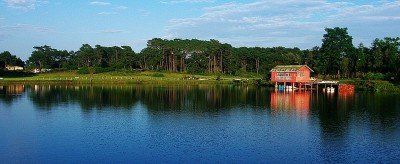 @@Historical Significance: Ruparsor Bathing Ghat is a centuries-old historical site believed to have been commissioned by the Jaintia King for the ceremonial bathing of the royal family. The pool, intricately hewn out of solid granite, was a stopover for the kings and their families while traveling between their summer capital at Nartiang and their winter capital at Jaintiapur (now in Bangladesh). According to legend, the pool was created by two master masons, U Mar Phalangki and U Luh Lyngskor Lamare, under the King's directive. It is an archaeological gem that showcases the sophistication and artistic sense of the ancient Jaintia Kingdom. The site is often referred to as a "regal ghat" due to its exclusive royal use for cultural and religious rites before the performance of major ceremonies.:
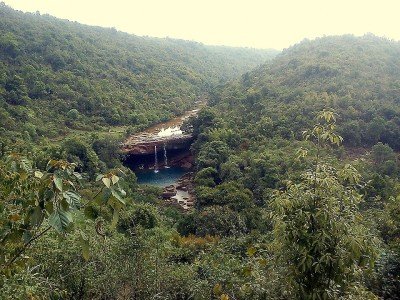 @@Ethereal Beauty of Phe Phe: Phe Phe Falls, also known as Phephe Falls, is one of the most stunning and "Instagrammable" waterfalls in Meghalaya. The name "Phe Phe" in the local language translates to "Paradise," and the site truly lives up to its name. It is a two-tier waterfall that cascades into a crystal-clear turquoise blue pool. The journey to the falls involves a scenic trek through open grasslands and crossing a small stream by a bamboo bridge or a kayak. The falls are tucked away in a valley, making them feel like a hidden sanctuary. The surrounding cliffs are covered in lush greenery and unique rock formations. The water is so clear that you can see the stones at the bottom of the pool. It is a popular spot for adventure seekers and those looking for a refreshing swim in nature. The sound of the falling water is melodic and peaceful. The upper level of the falls offers a different perspective and a quieter atmosphere. Many travelers choose to camp nearby to experience the sunrise over the falls. It is a place that feels magical, especially when the sun's rays hit the blue water, creating a sparkling effect. The trail is relatively easy, making it accessible for most fitness levels. It is a highlight of the Jowai-Dawki circuit.
 Lalong Park (often used interchangeably with Ialong Park but sometimes referring specifically to the upper ridge section) is a quintessential Meghalayan destination that combines panoramic views with cultural depth. Located just a short drive from the district headquarters of Jowai, this park offers one of the most celebrated vistas in the state: the wide, sweeping curves of the Myntdu River as it irrigate the fertile Pynthorwah Valley. The park is strategically situated on a high ridge, providing a cool, breezy climate even during the summer months. It is famous for its "Sacred Grove," a dense patch of ancient forest that is strictly protected by local taboos and traditions, representing the Pnar tribe's ancestral worship of nature. The park's development has focused on enhancing this natural beauty with stone-paved walkways, rustic wooden bridges, and well-placed gazebos that offer shelter to trekkers and picnickers. The flora here is diverse, with towering pines, indigenous oaks, and a variety of wild orchids that bloom in the spring. For the traveler, Lalong Park represents the peaceful side of Meghalaya, far removed from the commercial noise of Shillong. It is a place for slow travel—walking through the groves, listening to the birds, and watching the shadows of clouds move across the valley floor. The local community is deeply involved in the park's management, ensuring that tourism remains sustainable and respectful of the sacred sites. Visiting this park is not just about the view; it's about understanding the harmony between the people of the Jaintia Hills and their environment. The site is particularly magical during the monsoon when the valley turns a vibrant, electric green, and the river swells, creating a dramatic landscape that looks like a painting.
 @@Border Life at Muktapur: Muktapur Village is a unique settlement located right on the international border between India and Bangladesh. It is a place where two cultures and geographies meet at the foot of the Jaintia Hills. The village is surrounded by vast betel nut groves and orange orchards, which are the main source of income for the locals. Life here is slow and rhythmic, governed by the cycles of the seasons. The border is marked by a simple fence, and one can see the vast, flat plains of Bangladesh stretching out from the hilly Indian side. The village is known for its cleanliness and the hospitality of the Pnar and War tribes. Walking through the narrow lanes of the village, you will see traditional wooden houses and colorful gardens. The air is filled with the scent of tropical fruits and the sound of distant temple bells. Muktapur also serves as a trade point for local produce. The village is significantly warmer than Jowai due to its lower elevation. It offers a different perspective of Meghalaya, one that is closely tied to the geography of the neighboring country. The presence of the Border Security Force (BSF) adds a layer of discipline and safety to the area. It is a destination for those who want to experience the reality of border living in a peaceful setting.Show All
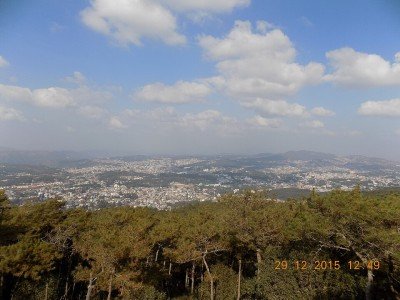 This viewpoint, often referring to the official Shillong Peak, is the highest point in Shillong and the entire state, situated at an altitude of 1962 meters (6437 feet) above sea level. It offers a spectacular, panoramic, 360-degree view of the entire city of Shillong, the surrounding waterfalls, the rolling green hills, the distant Himalayas on a clear day, and even the plains of Bangladesh. The peak is considered sacred by the locals, as it is believed to be the abode of the local deity, Leishyllong. The peak is approachable from the Upper Shillong side, which is part of the Jowai Road network. The view is particularly stunning at night when the city lights twinkle like a massive constellation on the valley floor. A radar station of the Indian Air Force is located at the summit, requiring a security check for visitors.:
Information
-
Why Famous:
Behdeinkhlam Festival: This is the most famous festival of the Jaintia people, held to drive away the demon of cholera. It features massive colorful structures called Raths which are carried into a muddy pool.
Krang Suri Waterfalls: Located...Behdeinkhlam Festival: This is the most famous festival of the Jaintia people, held to drive away the demon of cholera. It features massive colorful structures called Raths which are carried into a muddy pool.
Krang Suri Waterfalls: Located near Jowai, this waterfall is famous for its crystal clear turquoise waters and stone-cut paths. It is often cited as one of the most beautiful waterfalls in all of India. -
Architecture:
Structural Design: The architecture in Jowai is a mix of traditional Khasi-Pnar huts and British colonial influences seen in older government buildings. Modern structures are mostly concrete, but traditional elements like thatched roofs are still found in the outskirts.Structural Design: The architecture in Jowai is a mix of traditional Khasi-Pnar huts and British colonial influences seen in older government buildings. Modern structures are mostly concrete, but traditional elements like thatched roofs are still found in the outskirts.
Dimension Details: Traditional Pnar houses usually measure about 20 by 30 feet and are built using local wood and bamboo. These houses are designed to withstand the heavy rainfall typical of the region.
Megalithic Influence: The area is famous for monoliths, which are ancient stone structures standing up to 27 feet high. These are not just stones but architectural markers of history and clan lineages. -
How To Reach:
By Air: The nearest airport is Umroi Airport in Shillong, located about 60 KM away. Most travelers fly into Guwahati (GAU) and take a cab.
By Train: Guwahati Railway Station is the closest major railhead, situated approximately 160 KM from ...By Air: The nearest airport is Umroi Airport in Shillong, located about 60 KM away. Most travelers fly into Guwahati (GAU) and take a cab.
By Train: Guwahati Railway Station is the closest major railhead, situated approximately 160 KM from Jowai. Shared and private taxis are available.
By Road: Jowai is well connected by National Highway 44. Frequent buses and taxis run from Shillong to Jowai, taking about 2 to 3 hours.
By Local Transport: Within the town, yellow-and-black taxis are the primary mode of travel. They operate on a shared basis or can be hired for full-day sightseeing. -
Weather and Best Time to Visit:
Winter Season: From October to February, the weather is cool and dry, perfect for trekking and sightseeing. Temperatures can drop to 5°C at night.
Monsoon Season: From June to September, the waterfalls are at their peak glory. However, he...Winter Season: From October to February, the weather is cool and dry, perfect for trekking and sightseeing. Temperatures can drop to 5°C at night.
Monsoon Season: From June to September, the waterfalls are at their peak glory. However, heavy rains can sometimes block road access or make paths slippery.
Spring/Summer: March to May is pleasant with blooming flowers and clear skies. This is a great time for photography and attending the Chad Sukra festival. -
Near Tourist Places:
Krang Suri (30 KM), Thadlaskein Lake (8 KM), Nartiang Monoliths (28 KM), Tyrshi Falls (5 KM), Ialong Park (7 KM), Syntu Ksiar (3 KM), Jarain Pitcher Plant Lake (40 KM), Lumiang Cave (10 KM), Phe Phe Falls (20 KM), Dawki (55 KM).
Tourism Tips
-
Health and Safety: Always carry basic medicines for motion sickness as the roads are winding. Wear sturdy shoes with good grip when visiting waterfalls like Krang Suri.
Packing Essentials: Carry a light jacket even in summer as evenings can...Health and Safety: Always carry basic medicines for motion sickness as the roads are winding. Wear sturdy shoes with good grip when visiting waterfalls like Krang Suri.
Packing Essentials: Carry a light jacket even in summer as evenings can be chilly. For monsoons, a sturdy umbrella and waterproof bags for electronics are mandatory.
Accommodation: There are several comfortable guest houses and homestays in Jowai. It is better to book in advance during the festival months of July and December.
Cultural Etiquette: Respect the local traditions, especially when visiting sacred groves. Always ask for permission before taking photographs of the local Pnar people.
Reviews
FAQs
Jowai Itineray And Cost:-
Other Places In Meghalaya :-
Other States In India :-
Information about New and Updated Locations() of Meghalaya Has Been Added :-
Card subtitle
Note:-
Information provided here in good Faith and for reference only.
Near Places

Amlarem
Some quick example text to build on the card title and make up the bulk of the card's content.
Go somewhere
Baghmara
Some quick example text to build on the card title and make up the bulk of the card's content.
Go somewhere
Cherrapunji
Some quick example text to build on the card title and make up the bulk of the card's content.
Go somewhere
Dawki
Some quick example text to build on the card title and make up the bulk of the card's content.
Go somewhere
Jowai
Some quick example text to build on the card title and make up the bulk of the card's content.
Go somewhere
Mairang
Some quick example text to build on the card title and make up the bulk of the card's content.
Go somewhere
Mawlynnong
Some quick example text to build on the card title and make up the bulk of the card's content.
Go somewhere
Mawryngkneng
Some quick example text to build on the card title and make up the bulk of the card's content.
Go somewhere
Mawsynram
Some quick example text to build on the card title and make up the bulk of the card's content.
Go somewhere
Nongpoh
Some quick example text to build on the card title and make up the bulk of the card's content.
Go somewhere
Pynursla
Some quick example text to build on the card title and make up the bulk of the card's content.
Go somewhere
Rongram
Some quick example text to build on the card title and make up the bulk of the card's content.
Go somewhere
Shillong
Some quick example text to build on the card title and make up the bulk of the card's content.
Go somewhere
Tura
Some quick example text to build on the card title and make up the bulk of the card's content.
Go somewhere
Umsning
Some quick example text to build on the card title and make up the bulk of the card's content.
Go somewherein Other Cities