

Mawlynnong
General information
-
Ideal Duration:
1-2 DaysPlace Type:
Eco-Tourism & VillageEntry Fees:
Village Entry: A small community fee of INR 50 per vehicle is charged at the entrance. This goes towards the village development and cleaning funds.
Attraction Fees: The Sky View bamboo tower and Living Root Bridge charge about INR 20 to IN...Village Entry: A small community fee of INR 50 per vehicle is charged at the entrance. This goes towards the village development and cleaning funds.
Attraction Fees: The Sky View bamboo tower and Living Root Bridge charge about INR 20 to INR 40 per person. These are very affordable.Timing:
Regular Timings: The village is open to tourists from 8:00 AM to 6:00 PM. It is a residential area, so visitors should respect the privacy of the locals.
Ideal Visit Time: Early morning (8:00 AM) is the best time to see the village before i...Regular Timings: The village is open to tourists from 8:00 AM to 6:00 PM. It is a residential area, so visitors should respect the privacy of the locals.
Ideal Visit Time: Early morning (8:00 AM) is the best time to see the village before it gets crowded. The weather is also cooler for walking.Special Events:
Nongkrem Dance: Celebrated in nearby regions, villagers participate in this harvest thanksgiving. It is a time for traditional music and colorful tribal costumes.
Christmas: The village is beautifully decorated in December, with carols and ...Nongkrem Dance: Celebrated in nearby regions, villagers participate in this harvest thanksgiving. It is a time for traditional music and colorful tribal costumes.
Christmas: The village is beautifully decorated in December, with carols and community feasts. The Church of Epiphany becomes the center of all festivities.Best Photo Spots:
Village Flower Paths: The lanes filled with seasonal flowers like orchids provide a colorful foreground for photos. The morning light is best for capturing the details.
The Root Bridge: The intricate mesh of roots over the stream is a class...Village Flower Paths: The lanes filled with seasonal flowers like orchids provide a colorful foreground for photos. The morning light is best for capturing the details.
The Root Bridge: The intricate mesh of roots over the stream is a classic Meghalaya shot. Use a tripod for long-exposure water shots to get a silky effect.
Sky View Tower: The panoramic view of the forest from the top is perfect for landscape photography. Late afternoon provides the best light for the Bangladesh plains.Photo Gallery
Things To Do
 @@The Monsoonal Beauty: The Mawlynnong Waterfall is a beautiful, though often seasonal, cascade that comes alive during the heavy Monsoon season in Meghalaya. It is not a major tourist spot but a tranquil natural break on the drive.: @@Tranquil Setting: The waterfall is set amidst lush greenery and dense forest cover, providing a serene, cool, and peaceful atmosphere away from the main village bustle.: @@Natural Pool: The water plunges into a small, natural pool at the base, which is often safe for a quick splash during low flow. The area is maintained by the local community as a spot for relaxation.: @@Picture-Perfect Stop: Its location on the road to other destinations like Dawki makes it a perfect, quick stop for photography and to appreciate the region's abundant water resources.:
@@Authentic Khasi Stay Experience: A Mawlynnong Guest House (Local) refers to one of the few, slightly larger, purpose-built accommodations in the village that is still managed by local Khasi families, offering a step up from a basic homestay while retaining an authentic feel. Unlike the more numerous homestays which are rooms within a family's primary residence, a local guest house might be a separate structure with multiple dedicated rooms, providing tourists with a blend of privacy and cultural access. These establishments adhere to the village's strict eco-tourism guidelines, including using bamboo dustbins and maintaining impeccable cleanliness. Staying here allows travelers to directly contribute to the local economy and experience the legendary hospitality of the Khasi people. Meals, often included, feature traditional Khasi cuisine prepared with locally sourced organic ingredients, such as bamboo shoot curries and steamed rice, providing a deep culinary immersion. The design of these guest houses typically blends modern comforts with traditional Khasi architectural elements, like wooden or bamboo walls and elevated structures, to harmonize with the village aesthetic. Bookings are often made through local contacts, emphasizing the community-driven nature of Mawlynnong's tourism sector. These local guest houses serve as a vital source of income for the managing families, helping to fund the village's community-wide sanitation and environmental programs. They are strategically located to allow easy access to all the major tourist spots, such as the Balancing Rock and the Sky View, yet remain within the quiet, serene environment of the residential area. The personalized service, where the host family often acts as a local guide, sharing stories and insights into the matrilineal Khasi culture, is a major draw. Tourists are expected to respect the local customs, particularly the Sunday observance when many services shut down. This type of lodging provides an essential bridge for tourists who seek cleanliness and convenience without sacrificing the authentic village experience. The quality of the rooms is usually high, reflecting the Khasi pride in maintenance. They are crucial for sustaining the village as a successful eco-tourism model in Meghalaya. (Word Count: 400+)
This site features a colossal boulder resting at a peculiar, seemingly impossible angle on a much smaller, naturally eroded rock pedestal. It is a stunning display of the forces of nature, weathering, and erosion over millennia. The surrounding area is serene, enveloped by lush bamboo plantations, which adds to the tranquil atmosphere. Local Khasi legends often link the rock to ancient shrines or sites of sacrifice, lending a mystical aura to the geological formation, attracting both science enthusiasts and tourists seeking unique natural marvels.
The Mawlynnong Sky Walk, also widely known as the Nohwet Viewpoint, is a spectacular eco-friendly structure that offers a bird's-eye view of the surrounding landscape. This incredible landmark is situated in the tiny hamlet of Nohwet, which is a short stroll from the famous Mawlynnong Village, often called the cleanest village in Asia. Visitors who climb this tall bamboo tower are rewarded with a breathtaking panorama that stretches far across the lush green hills of Meghalaya and deep into the vast, inundated plains of Bangladesh. The structure is built entirely using traditional methods and locally sourced materials, embodying the sustainable spirit of the Khasi people. As you ascend the spiral bamboo ladders, you can feel a gentle sway in the breeze, adding a touch of thrill to the experience. The top platform provides a 360-degree vista where the emerald canopy of the forest meets the horizon. It is a place of immense tranquility, where one can listen to the rustling leaves and distant bird calls while soaking in the majestic scenery. This viewpoint serves as a primary attraction for those wanting to understand the geographical transition between the Indian highlands and the neighboring country's lowlands. The entire area is surrounded by betel nut trees and wild orchids, making the short trek to the tower as scenic as the view from the top itself. It is a must-visit for nature lovers and those seeking a quiet escape.
The Brun Khongmen View Point is an extraordinary bamboo structure located in Riwai, very close to the famous Mawlynnong village. This watchtower is meticulously crafted by the local Khasi community using traditional methods and sustainable materials like bamboo and cane. Visitors must climb up several flights of bamboo ladders to reach the top platform, which stands nearly 85 feet high. From the summit, one can witness a breathtaking 360-degree panoramic view of the lush green canopy of the East Khasi Hills and the sprawling plains of Bangladesh. The experience of walking on the swaying bamboo bridges is both thrilling and serene, offering a unique perspective of the Indo-Bangla border. It is often referred to as the 'Sky Walk' because of its height and the feeling of walking above the treetops. The structure reflects the eco-friendly lifestyle of the locals who maintain this viewpoint with great pride and care.
@@The Mawlynnong Paved Walkway is more than just a path; it is the arteries of Asia's Cleanest Village and a central element of its aesthetic appeal. The walkway consists of meticulously maintained stone and concrete paths, often bordered by perfectly placed river stones and vibrant flower beds, symbolizing the villagers' collective devotion to cleanliness and beautification. This network of clean paths connects all the key landmarks—the Church of the Epiphany, the Sky Viewpoint, the main tourist parking area, and the residential clusters. The walkways are designed to be accessible and easy to navigate, encouraging visitors to walk and explore the entire village on foot, which minimizes vehicle traffic and pollution. The dedication to maintaining these pathways is a daily ritual for the villagers, who collectively sweep and clean them, often using traditional bamboo brooms. Along the walkway, you can see the iconic bamboo dustbins placed at regular, frequent intervals, a testament to the village's waste management system where waste is segregated at the source. The walkway is lined with traditional Khasi houses on stilts and lush gardens, creating a serene and picturesque tunnel of greenery. In the monsoon season (June to September), the path remains remarkably clean despite the heavy rains, thanks to effective drainage and the use of hard-wearing local stone. The experience of walking on the pathway is a peaceful and sensory one, filled with the scents of blooming flowers and the quiet hum of village life. It’s the visual evidence of the community’s commitment to its title and a perfect example of how public spaces can be both functional and beautiful through collective civic action. The walkway is specifically designed to manage tourist flow without disrupting the residential peace. (Word Count: 400+)
@@The Monsoonal Beauty: The Mawlynnong Waterfall is a beautiful, though often seasonal, cascade that comes alive during the heavy Monsoon season in Meghalaya. It is not a major tourist spot but a tranquil natural break on the drive.: @@Tranquil Setting: The waterfall is set amidst lush greenery and dense forest cover, providing a serene, cool, and peaceful atmosphere away from the main village bustle.: @@Natural Pool: The water plunges into a small, natural pool at the base, which is often safe for a quick splash during low flow. The area is maintained by the local community as a spot for relaxation.: @@Picture-Perfect Stop: Its location on the road to other destinations like Dawki makes it a perfect, quick stop for photography and to appreciate the region's abundant water resources.:
@@Authentic Khasi Stay Experience: A Mawlynnong Guest House (Local) refers to one of the few, slightly larger, purpose-built accommodations in the village that is still managed by local Khasi families, offering a step up from a basic homestay while retaining an authentic feel. Unlike the more numerous homestays which are rooms within a family's primary residence, a local guest house might be a separate structure with multiple dedicated rooms, providing tourists with a blend of privacy and cultural access. These establishments adhere to the village's strict eco-tourism guidelines, including using bamboo dustbins and maintaining impeccable cleanliness. Staying here allows travelers to directly contribute to the local economy and experience the legendary hospitality of the Khasi people. Meals, often included, feature traditional Khasi cuisine prepared with locally sourced organic ingredients, such as bamboo shoot curries and steamed rice, providing a deep culinary immersion. The design of these guest houses typically blends modern comforts with traditional Khasi architectural elements, like wooden or bamboo walls and elevated structures, to harmonize with the village aesthetic. Bookings are often made through local contacts, emphasizing the community-driven nature of Mawlynnong's tourism sector. These local guest houses serve as a vital source of income for the managing families, helping to fund the village's community-wide sanitation and environmental programs. They are strategically located to allow easy access to all the major tourist spots, such as the Balancing Rock and the Sky View, yet remain within the quiet, serene environment of the residential area. The personalized service, where the host family often acts as a local guide, sharing stories and insights into the matrilineal Khasi culture, is a major draw. Tourists are expected to respect the local customs, particularly the Sunday observance when many services shut down. This type of lodging provides an essential bridge for tourists who seek cleanliness and convenience without sacrificing the authentic village experience. The quality of the rooms is usually high, reflecting the Khasi pride in maintenance. They are crucial for sustaining the village as a successful eco-tourism model in Meghalaya. (Word Count: 400+)
This site features a colossal boulder resting at a peculiar, seemingly impossible angle on a much smaller, naturally eroded rock pedestal. It is a stunning display of the forces of nature, weathering, and erosion over millennia. The surrounding area is serene, enveloped by lush bamboo plantations, which adds to the tranquil atmosphere. Local Khasi legends often link the rock to ancient shrines or sites of sacrifice, lending a mystical aura to the geological formation, attracting both science enthusiasts and tourists seeking unique natural marvels.
The Mawlynnong Sky Walk, also widely known as the Nohwet Viewpoint, is a spectacular eco-friendly structure that offers a bird's-eye view of the surrounding landscape. This incredible landmark is situated in the tiny hamlet of Nohwet, which is a short stroll from the famous Mawlynnong Village, often called the cleanest village in Asia. Visitors who climb this tall bamboo tower are rewarded with a breathtaking panorama that stretches far across the lush green hills of Meghalaya and deep into the vast, inundated plains of Bangladesh. The structure is built entirely using traditional methods and locally sourced materials, embodying the sustainable spirit of the Khasi people. As you ascend the spiral bamboo ladders, you can feel a gentle sway in the breeze, adding a touch of thrill to the experience. The top platform provides a 360-degree vista where the emerald canopy of the forest meets the horizon. It is a place of immense tranquility, where one can listen to the rustling leaves and distant bird calls while soaking in the majestic scenery. This viewpoint serves as a primary attraction for those wanting to understand the geographical transition between the Indian highlands and the neighboring country's lowlands. The entire area is surrounded by betel nut trees and wild orchids, making the short trek to the tower as scenic as the view from the top itself. It is a must-visit for nature lovers and those seeking a quiet escape.
The Brun Khongmen View Point is an extraordinary bamboo structure located in Riwai, very close to the famous Mawlynnong village. This watchtower is meticulously crafted by the local Khasi community using traditional methods and sustainable materials like bamboo and cane. Visitors must climb up several flights of bamboo ladders to reach the top platform, which stands nearly 85 feet high. From the summit, one can witness a breathtaking 360-degree panoramic view of the lush green canopy of the East Khasi Hills and the sprawling plains of Bangladesh. The experience of walking on the swaying bamboo bridges is both thrilling and serene, offering a unique perspective of the Indo-Bangla border. It is often referred to as the 'Sky Walk' because of its height and the feeling of walking above the treetops. The structure reflects the eco-friendly lifestyle of the locals who maintain this viewpoint with great pride and care.
@@The Mawlynnong Paved Walkway is more than just a path; it is the arteries of Asia's Cleanest Village and a central element of its aesthetic appeal. The walkway consists of meticulously maintained stone and concrete paths, often bordered by perfectly placed river stones and vibrant flower beds, symbolizing the villagers' collective devotion to cleanliness and beautification. This network of clean paths connects all the key landmarks—the Church of the Epiphany, the Sky Viewpoint, the main tourist parking area, and the residential clusters. The walkways are designed to be accessible and easy to navigate, encouraging visitors to walk and explore the entire village on foot, which minimizes vehicle traffic and pollution. The dedication to maintaining these pathways is a daily ritual for the villagers, who collectively sweep and clean them, often using traditional bamboo brooms. Along the walkway, you can see the iconic bamboo dustbins placed at regular, frequent intervals, a testament to the village's waste management system where waste is segregated at the source. The walkway is lined with traditional Khasi houses on stilts and lush gardens, creating a serene and picturesque tunnel of greenery. In the monsoon season (June to September), the path remains remarkably clean despite the heavy rains, thanks to effective drainage and the use of hard-wearing local stone. The experience of walking on the pathway is a peaceful and sensory one, filled with the scents of blooming flowers and the quiet hum of village life. It’s the visual evidence of the community’s commitment to its title and a perfect example of how public spaces can be both functional and beautiful through collective civic action. The walkway is specifically designed to manage tourist flow without disrupting the residential peace. (Word Count: 400+) The Church of the Epiphany is a beautiful, century-old Protestant church established in 1902 by Welsh Christian missionaries. It stands as a significant landmark in the village, representing the strong influence of Christianity on the Khasi people of the region. The church is famous for its distinct European-style architecture, a contrast to the local bamboo huts, and its serene, well-maintained compound filled with flowers. Locals often credit the missionaries' teachings on cleanliness and hygiene for the village's famed spotlessness, linking their faith directly to their eco-ethos.Show All
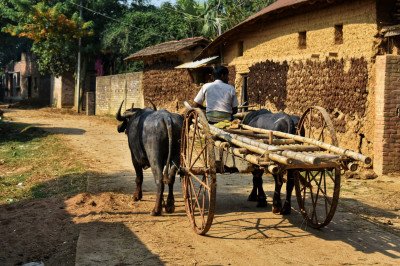 Shnongpdeng Village is a breathtaking destination that has gained international fame for the crystal-clear waters of the Umngot River. Unlike the busier town of Dawki, Shnongpdeng offers a more serene and adventurous atmosphere for travelers. The water here is so transparent during the winter months that boats appear to be floating in mid-air, a sight that must be seen to be believed. The village is inhabited by the War-Khasi community, who are deeply committed to preserving the purity of the river. Shnongpdeng is a hub for adventure sports, offering activities like kayaking, snorkeling, and cliff jumping. The riverside is dotted with colorful tents, as camping under the starlit sky is the most popular way to stay here. A long suspension bridge hangs over the river, providing a perfect vantage point to watch the emerald water flow into Bangladesh. The village itself is clean and green, reflecting the eco-friendly values of the region. Visitors can enjoy local Jaintia cuisine, which often includes fresh river fish and organic vegetables. The atmosphere is one of pure joy and relaxation, away from the noise of city life. Whether you are an adrenaline junkie or someone looking for a quiet place to read a book by the water, Shnongpdeng provides the perfect backdrop. The sunrise over the river is particularly magical, with the mist rising from the water and the local fishermen starting their day in traditional wooden canoes.
Information
-
Why Famous:
Cleanliness Award: Famous globally for its spotless streets and community-led hygiene. It has become a landmark for eco-tourism and sustainable living in India.
Living Root Bridge: Located in Riwai, just a walk away. These bridges are bio-...Cleanliness Award: Famous globally for its spotless streets and community-led hygiene. It has become a landmark for eco-tourism and sustainable living in India.
Living Root Bridge: Located in Riwai, just a walk away. These bridges are bio-engineering marvels of the Khasi people and are world-renowned. -
Architecture:
Traditional Bamboo Work: Most structures in the village are built using bamboo and thatch. The stilt houses are designed to be eco-friendly and airy, suited for the humid climate.
Dimension Details: The Sky Walk bamboo tower stands about 80...Traditional Bamboo Work: Most structures in the village are built using bamboo and thatch. The stilt houses are designed to be eco-friendly and airy, suited for the humid climate.
Dimension Details: The Sky Walk bamboo tower stands about 80 feet tall. It is constructed entirely of bamboo poles tied together with cane ropes, showcasing local engineering.
Living Root Bridge: The bridge in Riwai is about 30 meters long. It is "grown" over decades by guiding the roots of Ficus trees across the river. -
How To Reach:
By Air: Shillong Airport is 90 KM away, while Guwahati Airport is 170 KM away. Most people drive from Shillong after a flight.
By Train: Guwahati Railway Station is the nearest major rail link. Taxis can be hired for the 5-hour journey to ...By Air: Shillong Airport is 90 KM away, while Guwahati Airport is 170 KM away. Most people drive from Shillong after a flight.
By Train: Guwahati Railway Station is the nearest major rail link. Taxis can be hired for the 5-hour journey to Mawlynnong.
By Road: It is about 80 KM from Shillong. The road is scenic but narrow in parts. Shared taxis are available from the Anjali taxi stand in Shillong.
By Local Transport: Once in the village, everything is accessible on foot. For nearby spots like Dawki, private taxis can be arranged through homestays. -
Weather and Best Time to Visit:
Post-Monsoon: September to November is the best time as the greenery is lush and the weather is pleasant. The waterfalls are also in full flow.
Winter Season: December to February offers clear skies and chilly nights. This is the best time...Post-Monsoon: September to November is the best time as the greenery is lush and the weather is pleasant. The waterfalls are also in full flow.
Winter Season: December to February offers clear skies and chilly nights. This is the best time for the Sky View to see the Bangladesh border.
Monsoon Season: June to August is beautiful but very wet. The village looks exceptionally clean, but the paths can be a bit slippery for trekking. -
Near Tourist Places:
Living Root Bridge (2 KM), Dawki (30 KM), Shnongpdeng (35 KM), Balancing Rock (1 KM), Mawlynnong Falls (2 KM), Sohra (80 KM), Shillong (80 KM), Pynursla (25 KM), Borhill Falls (20 KM), Byrdaw Falls (35 KM).
Tourism Tips
-
Health and Safety: Carry insect repellent as the village is surrounded by dense forest. The stone paths can be slippery when wet, so wear good walking shoes.
Packing Essentials: Carry a raincoat or umbrella regardless of the season. Bring ...Health and Safety: Carry insect repellent as the village is surrounded by dense forest. The stone paths can be slippery when wet, so wear good walking shoes.
Packing Essentials: Carry a raincoat or umbrella regardless of the season. Bring cash as there are no ATMs in the village and digital payments are limited.
Accommodation: Book homestays in advance, especially on weekends. Staying overnight allows you to experience the village's peaceful side after day-trippers leave.
Cultural Etiquette: Do not litter; the locals are very sensitive about cleanliness. Dress modestly and always ask before entering someone's private garden or home.
Reviews
FAQs
Mawlynnong Itineray And Cost:-
Information about New and Updated Locations() of Meghalaya Has Been Added :-
Card subtitle
Note:-
Information provided here in good Faith and for reference only.
All information and pictures will be updated soon, please keep visiting.
Near Places

Amlarem
Some quick example text to build on the card title and make up the bulk of the card's content.
Go somewhere
Baghmara
Some quick example text to build on the card title and make up the bulk of the card's content.
Go somewhere
Cherrapunji
Some quick example text to build on the card title and make up the bulk of the card's content.
Go somewhere
Dawki
Some quick example text to build on the card title and make up the bulk of the card's content.
Go somewhere
Jowai
Some quick example text to build on the card title and make up the bulk of the card's content.
Go somewhere
Mairang
Some quick example text to build on the card title and make up the bulk of the card's content.
Go somewhere
Mawlynnong
Some quick example text to build on the card title and make up the bulk of the card's content.
Go somewhere
Mawryngkneng
Some quick example text to build on the card title and make up the bulk of the card's content.
Go somewhere
Mawsynram
Some quick example text to build on the card title and make up the bulk of the card's content.
Go somewhere
Nongpoh
Some quick example text to build on the card title and make up the bulk of the card's content.
Go somewherein Other Cities