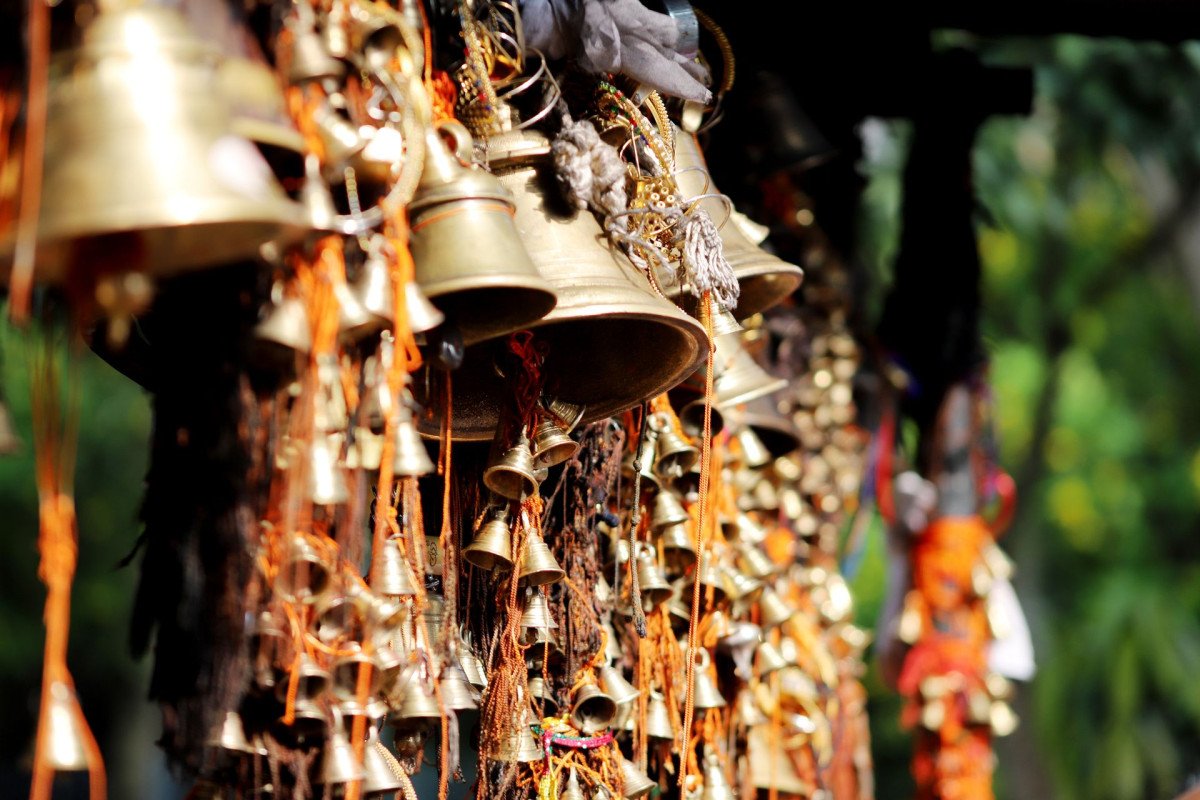
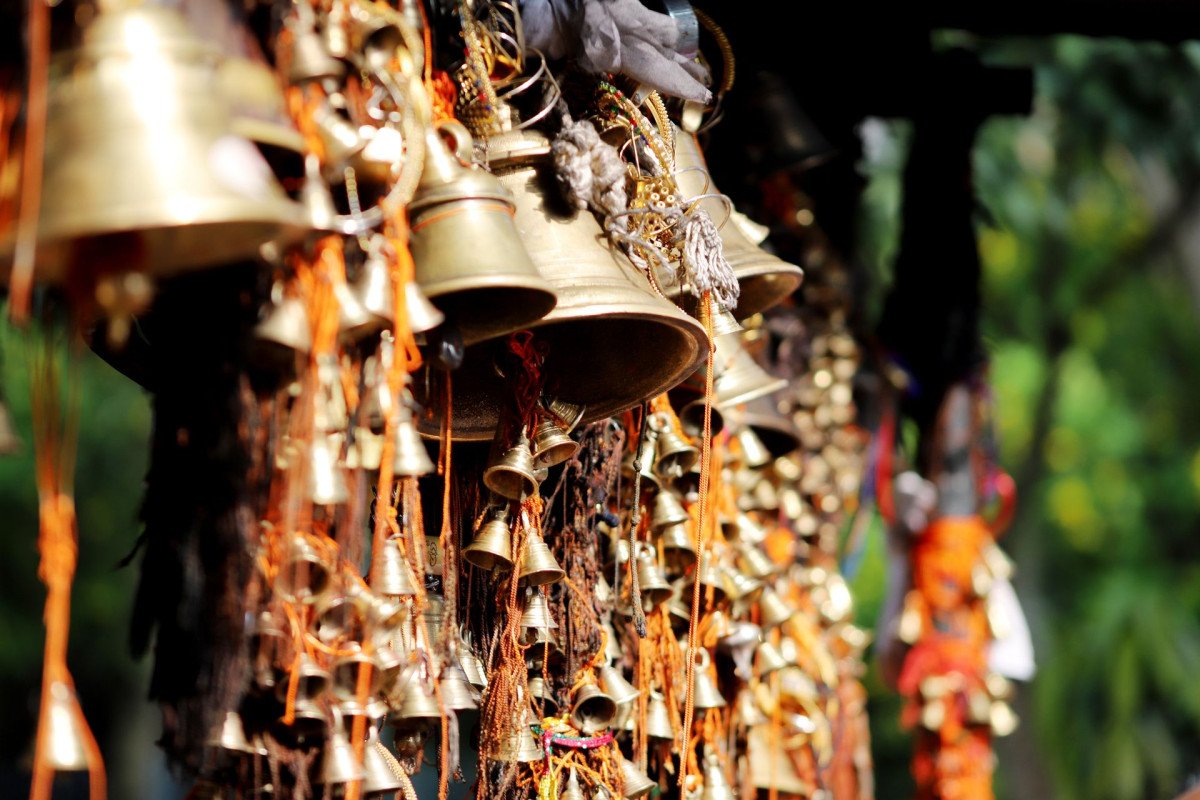
Maya Devi Temple
General information
-
Ideal Duration:
1-2 Hours:Place Type:
Temple, Shaktipeeth, Siddhpeeth:Entry Fees:
Maya Devi Temple has No Entry Fees for general Darshan.
Voluntary Donations: Visitors can make voluntary donations in the designated boxes or to the temple trust, but there is no mandatory charge to enter the complex or see the deities.
...Maya Devi Temple has No Entry Fees for general Darshan.
Voluntary Donations: Visitors can make voluntary donations in the designated boxes or to the temple trust, but there is no mandatory charge to enter the complex or see the deities.
Prasad and Offerings: Costs are incurred only for purchasing Prasad (offerings) and other worship materials, which typically range from Rs.20 to Rs.100 depending on the complexity of the offering.
Parking/Shoe Stand Fees: Small fees may be charged for nearby parking or for using the shoe-keeping facility outside the temple, which are separate from the main entry. Bold font used for key points. :Timing:
Regular Timings: Open daily from approximately 6:30 AM to 12:00 PM (Morning Session) and 3:00 PM to 9:00 PM (Evening Session).
Ideal Visit Time: The best time for a serene visit is in the early morning (just after opening) or the late aftern...Regular Timings: Open daily from approximately 6:30 AM to 12:00 PM (Morning Session) and 3:00 PM to 9:00 PM (Evening Session).
Ideal Visit Time: The best time for a serene visit is in the early morning (just after opening) or the late afternoon (before the evening crowds and Aarti), typically between 6:30 AM–8:00 AM or 3:00 PM–5:00 PM.
Closing for Bhog: Note the midday closing for Bhog (food offering) to the deities between 12:00 PM and 3:00 PM, which is a crucial timing detail.
Festival Timings: During Navaratri or major festivals, the temple may open earlier and stay open later, sometimes with shorter midday closures. Bold font used for key times. :Special Events:
Navaratri Festival: The nine nights of Navaratri (celebrated twice a year, especially in March/April and September/October) are the most auspicious time. Special Pujas, chanting, and elaborate decorations draw immense crowds.
Kumbh Mela/Ardh Ku...Navaratri Festival: The nine nights of Navaratri (celebrated twice a year, especially in March/April and September/October) are the most auspicious time. Special Pujas, chanting, and elaborate decorations draw immense crowds.
Kumbh Mela/Ardh Kumbh Mela: During the mega-events of the Kumbh Mela (every 12 years) and Ardh Kumbh Mela (every 6 years), the temple is a central hub for ritual bathing and Darshan for various Akharas and pilgrims.
Full Moon and Amavasya Days: Special Pujas and ceremonies are held on the days of the Full Moon (Purnima) and New Moon (Amavasya), considered highly potent for worshipping Shakti. Bold font used for proper nouns. :Best Photo Spots:
Main Temple Entrance: The intricately carved stone entrance, especially the traditional Torana gateway, makes a great photo subject, showcasing the temple's antiquity and architecture.
The Tri-Deity Idols: While photography inside the immedi...Main Temple Entrance: The intricately carved stone entrance, especially the traditional Torana gateway, makes a great photo subject, showcasing the temple's antiquity and architecture.
The Tri-Deity Idols: While photography inside the immediate sanctum can be restricted, a discreet picture of the larger hall or the view leading up to the main deities captures the spiritual ambiance.
View of the Town: Capture the contrasting view of the busy streets of Haridwar from the temple premises, highlighting its central location in the city.
Temple Flags and Shikhara: Shots focusing on the colorful flags atop the Shikhara against the sky are classic pilgrimage photography. Bold font used for proper nouns. :Photo Gallery
Things To Do
-
Seeking Maya Devi's Blessings: Perform Darshan of the central tri-deities (Maya Devi, Kali, Kamakhya) to receive powerful spiritual blessings and fulfillment of desires, which is the primary activity.
The Siddhpeeth Triangle Circuit: Complete the highly spiritual Siddhpeeth circuit by also visiting Mansa Devi Temple (via ropeway/trek) and Chandi Devi Temple (via ropeway/trek), making the visit part of a larger, merit-earning pilgrimage.
Offering Prasad: Purchase and offer Prasad (usually flowers, coconut, and sweets) to the Goddess, available from vendors outside the temple premises. This act of offering is a key part of Hindu worship and devotion.
Spiritual Sojourn: Spend time sitting in the temple complex for quiet prayer or meditation, soaking in the powerful...Seeking Maya Devi's Blessings: Perform Darshan of the central tri-deities (Maya Devi, Kali, Kamakhya) to receive powerful spiritual blessings and fulfillment of desires, which is the primary activity.
The Siddhpeeth Triangle Circuit: Complete the highly spiritual Siddhpeeth circuit by also visiting Mansa Devi Temple (via ropeway/trek) and Chandi Devi Temple (via ropeway/trek), making the visit part of a larger, merit-earning pilgrimage.
Offering Prasad: Purchase and offer Prasad (usually flowers, coconut, and sweets) to the Goddess, available from vendors outside the temple premises. This act of offering is a key part of Hindu worship and devotion.
Spiritual Sojourn: Spend time sitting in the temple complex for quiet prayer or meditation, soaking in the powerful ancient spiritual energy of the Shaktipeeth.
Exploring Mayapuri (Old Haridwar): After the visit, explore the vibrant local markets and narrow lanes surrounding the temple, which were part of the ancient Mayapuri city.
Visiting Nearby Temples: Pay respects at the nearby and equally ancient Narayana-Shila Temple and Bhairava Temple located within the same vicinity.
Holy Dip and Ganga Aarti: Combine the visit with a spiritual dip in the Ganga river at Har Ki Pauri (approx. 1 KM away) and attend the magical evening Ganga Aarti. Bold font used for proper nouns. :
Information
-
Why Famous:
Historical and Mythological Importance: Famous as a Shaktipeeth, the spot where Goddess Sati's heart and navel fell.
Patron Deity: It is the shrine of Goddess Maya Devi, the Adhisthatri of Haridwar, giving the city its ancient name Mayapuri....Historical and Mythological Importance: Famous as a Shaktipeeth, the spot where Goddess Sati's heart and navel fell.
Patron Deity: It is the shrine of Goddess Maya Devi, the Adhisthatri of Haridwar, giving the city its ancient name Mayapuri.
Siddhpeeth Status: It is one of the three Siddhpeeths in the city, ensuring the fulfillment of wishes for sincere devotees.
Ancient Glory: The temple's 11th-century origin makes it a cornerstone of Haridwar's religious history.
Trio Pilgrimage: It is an essential part of the Mansa Devi - Chandi Devi - Maya Devi triangle pilgrimage circuit. Bold font used for proper nouns. : -
Architecture:
Traditional North Indian Style: The temple is built in the traditional North Indian temple architecture style, characterized by a simple yet serene structure. It features a typical Shikhara (tower) design, though perhaps less ornate than newer temples, emphasizing its ancie...Traditional North Indian Style: The temple is built in the traditional North Indian temple architecture style, characterized by a simple yet serene structure. It features a typical Shikhara (tower) design, though perhaps less ornate than newer temples, emphasizing its ancient roots.
Age and Preservation: The structure, dating back to the 11th century, has withstood the test of time. While specific dimensions are not widely published, its architecture conveys the simplicity and resilience of ancient temples. It is built mainly of stone and mortar, standing as a solid, sacred bastion.
Sanctum Design: The Garbhagriha (inner sanctum) is the focal point, housing the three main idols. The smaller sub-shrines and idols within the complex, like the metal idol of Chamunda and the shrine to Sheetala Devi, showcase the tradition of multi-deity worship within the Shakti lineage.
Focus on Deity: The architecture serves to venerate the deities, with the focus being the Darshan (sight) of the idols rather than exterior extravagance, a common feature in primary Shaktipeeths. Dimension of main complex is medium, spanning a city block area. : -
How To Reach:
By Air: Nearest airport is Jolly Grant Airport (DED) in Dehradun (38-40 KMs away). Take a pre-paid taxi or a state transport bus from the airport directly to Haridwar.
By Train: Nearest major railhead is Haridwar Junction Railway Station (H...By Air: Nearest airport is Jolly Grant Airport (DED) in Dehradun (38-40 KMs away). Take a pre-paid taxi or a state transport bus from the airport directly to Haridwar.
By Train: Nearest major railhead is Haridwar Junction Railway Station (HW), approximately 2 KMs away from the temple site. The station is well-connected to all major Indian cities (Delhi, Mumbai, Kolkata).
By Road: Haridwar is excellently connected by NH 58 and has a large bus stand with regular service. Buses and taxis from Delhi (215 KMs), Rishikesh (30 KMs), and Dehradun (50 KMs) are easily available.
By Local Transport: The temple is located centrally near Har Ki Pauri. Take a cycle-rickshaw, auto-rickshaw (Tuk-Tuk), or an e-rickshaw. It's a short walk from Har Ki Pauri. Pre-negotiate fares. Bold font used for place names. : -
Weather and Best Time to Visit:
Different Types of Seasons: October to March is the Best Time to Visit. The weather is cool and pleasant for outdoor activities and temple visits. The Summer (April to June) is hot and best avoided for long tours. The Monsoon (July to September) brings heavy rain, making ...Different Types of Seasons: October to March is the Best Time to Visit. The weather is cool and pleasant for outdoor activities and temple visits. The Summer (April to June) is hot and best avoided for long tours. The Monsoon (July to September) brings heavy rain, making travel risky.
Different Parts of the Day: Early Morning is ideal for peaceful Darshan and avoiding crowds. Late Afternoon is also good, followed by the evening market and Ganga Aarti. The midday heat should be avoided.
Festival Time: For an intense spiritual experience, visit during Navaratri (March/April or Sept/Oct). Bold font used for seasons/months. : -
Near Tourist Places:
Har Ki Pauri (1 KM) Main Ghat for bathing and Ganga Aarti.
Mansa Devi Temple (2 KMs): Another Siddhpeeth on Bilwa Parvat.
Chandi Devi Temple (4 KMs): The third Siddhpeeth on Neel Parvat. Daksheswara Mahadev Temple (
5 KMs): Historic temple in Kankhal.
Pawan Dham (3 KMs): Famous Glass Temple. Bharat Mata Mandir (
5 KMs): Multi-story patriotic temple.
Sapt Rishi Ashram (6 KMs): Peaceful ashram on the Ganga bank.
Parad Shivling (4 KMs): Unique mercury Shivlingam.
Shantikunj Ashram (8 KMs): Center for spiritual and social work. Gau Ghat (1.
5 KMs): Important Ghat for ancestor rites. Bold font used for place names. :
Tourism Tips
-
Health & safety: Be mindful of your surroundings in crowded market areas and inside the temple. Stay hydrated, especially in Summer.
Packing: Wear modest, traditional attire (covering shoulders and legs) as a sign of respect. Carry an umbr...Health & safety: Be mindful of your surroundings in crowded market areas and inside the temple. Stay hydrated, especially in Summer.
Packing: Wear modest, traditional attire (covering shoulders and legs) as a sign of respect. Carry an umbrella or raincoat during the Monsoon. Carry a small bag for essentials.
Accommodation: Book accommodation in advance, particularly during the peak season (October–March) and major events like Kumbh. Options range from Dharamshalas to luxury hotels near Har Ki Pauri.
Other Different Topics heading: Be aware of priests outside offering special Pujas—they often expect high donations. Use the official shoe-keeping facility. Avoid taking photos of the main idols if explicitly forbidden. Bold font used for key topics. :
Reviews
FAQs
Haridwar Itineray And Cost:-
Maya Devi Temple Tourism:-
Other Places In Haridwar :-
Other States In India :-
Information about New and Updated Locations() of Uttarakhand Has Been Added :-
Card subtitle
Note:-
Information provided here in good Faith and for reference only.
Near Places

Adbhut Mandir
Some quick example text to build on the card title and make up the bulk of the card's content.
Go somewhere
Anandamayi Maa Ashram
Some quick example text to build on the card title and make up the bulk of the card's content.
Go somewhere
Bara Bazaar
Some quick example text to build on the card title and make up the bulk of the card's content.
Go somewhere
Bhimgoda Tank
Some quick example text to build on the card title and make up the bulk of the card's content.
Go somewhere
Chandi Devi Temple
Some quick example text to build on the card title and make up the bulk of the card's content.
Go somewhere
Crystal World
Some quick example text to build on the card title and make up the bulk of the card's content.
Go somewhere
Daksha Mahadev Temple
Some quick example text to build on the card title and make up the bulk of the card's content.
Go somewhere
Doodhadhari Barfani Temple
Some quick example text to build on the card title and make up the bulk of the card's content.
Go somewhere
Fun Valley Water Park
Some quick example text to build on the card title and make up the bulk of the card's content.
Go somewhere
Gau Ghat
Some quick example text to build on the card title and make up the bulk of the card's content.
Go somewhere
Gauri Shankar Mahadev Temple
Some quick example text to build on the card title and make up the bulk of the card's content.
Go somewhere
Jai Ram Ashram
Some quick example text to build on the card title and make up the bulk of the card's content.
Go somewhere
Kamleshwar Temple
Some quick example text to build on the card title and make up the bulk of the card's content.
Go somewhere
Maya Devi Temple
Some quick example text to build on the card title and make up the bulk of the card's content.
Go somewhere
Neel Dhara Pakshi Vihar
Some quick example text to build on the card title and make up the bulk of the card's content.
Go somewhere
Parad Shivling
Some quick example text to build on the card title and make up the bulk of the card's content.
Go somewherein Other Cities