

Mir Kasim's Palace
General information
-
Ideal Duration:
1 Hour:Place Type:
Historical/Archaeological Site:Entry Fees:
Generally Free Public Access: There is typically No Entry Fee to view the exterior or walk around the ruins, as they are part of a large, open historical complex.
Fort Entry Fee: If the surrounding Munger Fort area is officially ticketed (wh...Generally Free Public Access: There is typically No Entry Fee to view the exterior or walk around the ruins, as they are part of a large, open historical complex.
Fort Entry Fee: If the surrounding Munger Fort area is officially ticketed (which it is not always), a nominal fee may apply to the entire zone.
Tunnel Access: Access to the fabled tunnel is generally restricted or permanently sealed for safety, and if any private excavation/tour is offered, it would be charged separately.
No Photography Fee: There is no separate charge for non-commercial photography. :Timing:
Daylight Ruins Exploration:
Regular Timings: Accessible during daylight hours, generally from 7:00 AM to 6:00 PM, as it is an open ruin and should not be explored in the dark for safety.
Ideal Visit Time: Ear...Daylight Ruins Exploration:
Regular Timings: Accessible during daylight hours, generally from 7:00 AM to 6:00 PM, as it is an open ruin and should not be explored in the dark for safety.
Ideal Visit Time: Early Morning (8:00 AM - 10:00 AM) for cooler temperatures and better light for walking around the ruins. Late Afternoon (3:30 PM - 5:30 PM) is excellent to avoid the midday heat and enjoy the last light falling on the ancient stone.
Peak Time: Avoid midday in the intense Summer heat, as the area offers very little shade. :Special Events:
Historical Commemorations: Any local or state-level events commemorating the life of Nawab Mir Qasim or the anniversaries of key historical events like the Battle of Buxar (1764) would highlight the palace.
Fort Cultural Festivals: Any cultu...Historical Commemorations: Any local or state-level events commemorating the life of Nawab Mir Qasim or the anniversaries of key historical events like the Battle of Buxar (1764) would highlight the palace.
Fort Cultural Festivals: Any cultural festivals or melas held within the Munger Fort complex would bring activity to the palace ruins' vicinity.
History Walks: Local heritage organizations occasionally conduct guided history walks focused specifically on the fort and the 18th-century political history of Munger. :Best Photo Spots:
Archway and Pillar Fragments: The surviving architectural fragments, especially a lone standing archway or a section of a wall with a window, provide the best 'ruin' aesthetic photos, capturing the melancholic beauty of decay.
View from the Fort...Archway and Pillar Fragments: The surviving architectural fragments, especially a lone standing archway or a section of a wall with a window, provide the best 'ruin' aesthetic photos, capturing the melancholic beauty of decay.
View from the Fort Wall: A photo taken from a nearby section of the Munger Fort wall that captures the sprawl of the palace ruins against the backdrop of the modern town.
The Tunnel Mouth: A photo of the location of the alleged tunnel entrance (if visible) provides a unique, mysterious shot, even if it is just a sealed opening.
Shadow Play: Photos taken in the late afternoon, utilizing the dramatic shadows cast by the ruins' stone fragments, enhance the sense of antiquity. :Photo Gallery
Things To Do
-
Exploring the Ruins: Walk through the remnants of the palace walls, courtyards, and foundations, using historical imagination to reconstruct the grand residence and capital it once was.
Visiting the Arsenal Site: Locate the area that once housed Mir Qasim's historic armory, the first modern military factory in the region.
Tunnel Quest (Caution): Carefully and respectfully search for any signs or folklore regarding the fabled Mir Qasim's Tunnel entrance, being extremely cautious not to enter any unsafe structures.
Photography of the Stone Work: Focus on the detailed stonework, arches, and surviving architectural fragments to capture the 18th-century design.
Combined Fort Tour: The palace is best experienced as part of a comprehens...Exploring the Ruins: Walk through the remnants of the palace walls, courtyards, and foundations, using historical imagination to reconstruct the grand residence and capital it once was.
Visiting the Arsenal Site: Locate the area that once housed Mir Qasim's historic armory, the first modern military factory in the region.
Tunnel Quest (Caution): Carefully and respectfully search for any signs or folklore regarding the fabled Mir Qasim's Tunnel entrance, being extremely cautious not to enter any unsafe structures.
Photography of the Stone Work: Focus on the detailed stonework, arches, and surviving architectural fragments to capture the 18th-century design.
Combined Fort Tour: The palace is best experienced as part of a comprehensive tour of the Munger Fort, linking it with the Lal Darwaja Qila, Kastaharni Ghat, and the Pir Shah Nafah Shrine.
Reading History Plaques: Look for any official history plaques or signs installed by the Archaeological Survey or the local administration to gain factual historical context for the ruins. :
Information
-
Why Famous:
Nawab's Capital: Its fame is entirely historical, known as the capital of Nawab Mir Qasim when he made his final strategic stand against the rising power of the British East India Company in the 18th century.
Pre-Battle of Buxar Significance:Nawab's Capital: Its fame is entirely historical, known as the capital of Nawab Mir Qasim when he made his final strategic stand against the rising power of the British East India Company in the 18th century.
Pre-Battle of Buxar Significance: It was the hub of military preparation, armament production (arsenal), and political decision-making in the years leading up to the pivotal Battle of Buxar (1764), which solidified British control over Bengal.
The Legend of the Tunnel: The folklore surrounding Mir Qasim's Tunnel, a purported secret escape route, adds a layer of mystery and popular appeal to the ruins.
Military Heritage: The location is a reminder of Munger's historical role as a major military and arms manufacturing center, a legacy that continues today with the presence of the Munger Gun Factory. : -
Architecture:
Indo-Mughal Military Architecture: The original structure would have been built in the prevailing late-Mughal/Indo-Islamic style, focused on large halls, courtyards, and privacy, but incorporating a strong military character given its purpose as a Nawab's fortress-residence ...Indo-Mughal Military Architecture: The original structure would have been built in the prevailing late-Mughal/Indo-Islamic style, focused on large halls, courtyards, and privacy, but incorporating a strong military character given its purpose as a Nawab's fortress-residence during a time of war.
Palace Structure: The remnants show evidence of large, sprawling halls and residential areas, likely utilizing the durable Granite Stones and lime mortar of the fort construction.
Tunnel: A key architectural element, mentioned in local folklore, is the supposed existence of a secret tunnel (Mir Qasim's Tunnel) connecting the palace to the Ganga river or another strategic point for escape or military movement.
Dimension highlights:
Palace Footprint: Though ruined, the original structure would have been vast, dominating a significant area of the fort's interior.
Fort Wall Integration: The palace structures were likely integrated into the existing fort walls for maximum protection.
Arsenal Proximity: Its close proximity to the armory and barracks highlights its functional, military-focused design. The architecture is more about the strategic placement and the historical narrative it embodies than its present physical beauty. : -
How To Reach:
By Air: The nearest major airport is Patna (PAT), Jay Prakash Narayan International Airport, about 185 KMS away. From Patna, take a taxi or train to Munger/Jamalpur Junction.
By Train: The nearest major railway station is Munger Railway Sta...By Air: The nearest major airport is Patna (PAT), Jay Prakash Narayan International Airport, about 185 KMS away. From Patna, take a taxi or train to Munger/Jamalpur Junction.
By Train: The nearest major railway station is Munger Railway Station (MGS), which is very close. Jamalpur Junction (JMP) is about 8 KMS away. Take local transport to the Munger Fort area.
By Road: The palace ruins are located within the Munger Fort perimeter, about 1. 5 KMS from the Munger City Center. It is easily reached by local auto-rickshaws or cycle-rickshaws, asking for the palace inside the Qila.
By Local Transport: Local transport is readily available and the best way to reach the Munger Fort area. : -
Near Tourist Places:
Munger Fort Interior (Immediate), Lal Darwaja Qila (1 KM), Kastaharni Ghat (1 KM), Pir Shah Nafah Shrine (1 KM), Goenka Shivalaya (1. 5 KMS), Bihar School of Yoga (3 KMS), Chandika Asthan Temple (4 KMS), Sita Kund (6 KMS), Sri Krishna Vatika (1 KM), Bhimbandh Wildlife Sanctuary (50 KMS):
Tourism Tips
-
Sturdy Footwear Required:
Health & Safety: Be extremely careful walking around the ruins, as the ground is uneven, and loose stones are common. Do not climb on unstable walls.
Packing: Wear sturdy, closed-to...Sturdy Footwear Required:
Health & Safety: Be extremely careful walking around the ruins, as the ground is uneven, and loose stones are common. Do not climb on unstable walls.
Packing: Wear sturdy, closed-toe walking shoes. Carry bottled water, as the area is exposed.
Accommodation: The palace is in the heart of Munger city; abundant accommodation is available nearby.
Cultural Sensitivity: Treat the ruins with respect; do not move or take any historical stones or fragments.
Sun Protection: The exposed area requires a hat, sunglasses, and sunscreen, especially in the long periods between March and October. :
Reviews
FAQs
Munger Itineray And Cost:-
Mir Kasim's Palace Tourism:-
Other Places In Munger :-
Other States In India :-
Information about New and Updated Locations() of Bihar Has Been Added :-
Card subtitle
Note:-
Information provided here in good Faith and for reference only.
Near Places

Bhimbandh Wildlife Sanctuary
Some quick example text to build on the card title and make up the bulk of the card's content.
Go somewhere
Bihar School of Yoga
Some quick example text to build on the card title and make up the bulk of the card's content.
Go somewhere
Chandika Asthan Temple
Some quick example text to build on the card title and make up the bulk of the card's content.
Go somewhere
Goenka Shivalaya
Some quick example text to build on the card title and make up the bulk of the card's content.
Go somewhere
Jamalpur Gymkhana
Some quick example text to build on the card title and make up the bulk of the card's content.
Go somewhere
Kali Pahadi
Some quick example text to build on the card title and make up the bulk of the card's content.
Go somewhere
Kastaharni Ghat
Some quick example text to build on the card title and make up the bulk of the card's content.
Go somewhere
Kharagpur Lake
Some quick example text to build on the card title and make up the bulk of the card's content.
Go somewhere
Lal Darwaja Qila
Some quick example text to build on the card title and make up the bulk of the card's content.
Go somewhere
Manpathar
Some quick example text to build on the card title and make up the bulk of the card's content.
Go somewhere
Mir Kasim's Palace
Some quick example text to build on the card title and make up the bulk of the card's content.
Go somewhere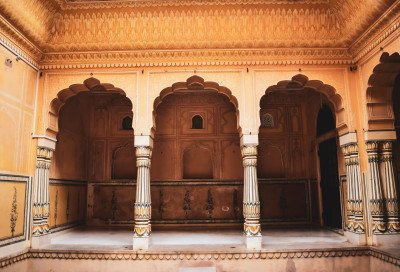
Munger Fort
Some quick example text to build on the card title and make up the bulk of the card's content.
Go somewhere
Munger Ganga Bridge
Some quick example text to build on the card title and make up the bulk of the card's content.
Go somewhere
Munger Museum
Some quick example text to build on the card title and make up the bulk of the card's content.
Go somewhere
Pir Pahar Hills
Some quick example text to build on the card title and make up the bulk of the card's content.
Go somewhere
Pir Shah Nafah Shrine
Some quick example text to build on the card title and make up the bulk of the card's content.
Go somewherein Other Cities