Munger Fort
General information
-
Ideal Duration:
3-4 Hours:Place Type:
Fortification, Historical Monument, Religious SiteEntry Fees:
General Entry: Access to the main Munger Fort area is generally Free of charge, as much of the area is now part of the city's public space and residential area, with the road passing through it.
Monument Access: Some specific protected monum...General Entry: Access to the main Munger Fort area is generally Free of charge, as much of the area is now part of the city's public space and residential area, with the road passing through it.
Monument Access: Some specific protected monuments or inner areas might have nominal fees or restricted access, but the majority of the historical perimeter is open to the public.
Photography Fees: Usually, there are No separate fees for still photography.
Associated Sites: The Bihar School of Yoga campus within the fort might have specific entry rules or course fees, but visiting the fort area for historical purposes itself is an open, community experience. The free nature of entry encourages frequent visits by locals for walks and relaxation. :Timing:
Regular Timings: Open Daily from approximately 6:00 AM to 8:00 PM, as the fort area is an integral part of the city and its main road passes through it. The historical structures are accessible throughout daylight hours.
Ideal Visit Time: T...Regular Timings: Open Daily from approximately 6:00 AM to 8:00 PM, as the fort area is an integral part of the city and its main road passes through it. The historical structures are accessible throughout daylight hours.
Ideal Visit Time: The Early Morning (sunrise, around 6:00 AM - 8:00 AM) is ideal for photography, a peaceful walk, and observing local life and rituals at the ghat. Late Afternoon (4:00 PM - 6:00 PM) is also great for sunset views over the Ganges.
Best Months to Visit: October to March is the best period, as the weather is cool and pleasant for extensive walking and exploration, avoiding the intense heat of the Summer months. Weekdays vs.
Weekends: Weekdays are less crowded, offering a more tranquil historical experience, while Weekends are livelier with local families and picnickers. :Special Events:
Nawabi Heritage Festival: An unestablished, but potential, special event would be a heritage walk or festival focusing on Nawab Mir Qasim's brief but impactful reign when Munger was the capital of Bengal.
Annual Urs Festival: The Urs (death ...Nawabi Heritage Festival: An unestablished, but potential, special event would be a heritage walk or festival focusing on Nawab Mir Qasim's brief but impactful reign when Munger was the capital of Bengal.
Annual Urs Festival: The Urs (death anniversary) of Pir Shah Nufa at his tomb within the fort complex is a significant annual event, drawing devotees from different communities and showcasing a strong sense of communal harmony and celebration.
Chhath Puja Celebrations: The nearby Kashtaharini Ghat sees one of the most vibrant and massive congregations during the Chhath Puja festival in October-November, a stunning cultural and religious spectacle involving worship of the Sun God. :Best Photo Spots:
The Ganges River Panorama from the Walls: The elevated position on the ramparts offers the most spectacular, wide-angle shots of the wide expanse of the Ganges, especially during the monsoon or early winter when the river is full.
Ruins and Arch...The Ganges River Panorama from the Walls: The elevated position on the ramparts offers the most spectacular, wide-angle shots of the wide expanse of the Ganges, especially during the monsoon or early winter when the river is full.
Ruins and Architecture Contrast: Capture the dramatic contrast between the massive, decaying brick walls and the modern structures or the green foliage that has grown around them, emphasizing the passage of time.
Kashtaharini Ghat Rituals: Capture the devotion and colorful rituals of pilgrims taking a dip in the Ganges at the ghat, especially during early morning hours when the light is soft.
The Pir Shah Nufa Tomb: The tomb's unique dome and architectural style, juxtaposed against the backdrop of the fort's military architecture, offers a compelling frame.
Sunrise and Sunset Silhouettes: The fort's silhouette against the vibrant colors of a Munger sunrise or sunset over the river is a classic, evocative shot. :Photo Gallery
Things To Do
-
Exploring the Fort Ramparts: Spend time walking along the surviving parts of the massive ramparts to appreciate the scale of the fortification and enjoy panoramic views of the Ganges river, especially at sunrise or sunset.
Visiting Kashtaharini Ghat: Take a holy dip in the river at this revered spot, observe the rituals of local pilgrims, and experience the spiritual ambiance of the ghat. It's an excellent place for quiet reflection.
Discovering the Shrines: Pay homage at the ancient Chandisthana temple and the Tomb of Pir Shah Nufa to witness the secular and syncretic nature of the fort's religious landscape.
Photography: The ruins and the confluence of architecture provide endless opportunities for historical and landscape photography, especially focusing on t...Exploring the Fort Ramparts: Spend time walking along the surviving parts of the massive ramparts to appreciate the scale of the fortification and enjoy panoramic views of the Ganges river, especially at sunrise or sunset.
Visiting Kashtaharini Ghat: Take a holy dip in the river at this revered spot, observe the rituals of local pilgrims, and experience the spiritual ambiance of the ghat. It's an excellent place for quiet reflection.
Discovering the Shrines: Pay homage at the ancient Chandisthana temple and the Tomb of Pir Shah Nufa to witness the secular and syncretic nature of the fort's religious landscape.
Photography: The ruins and the confluence of architecture provide endless opportunities for historical and landscape photography, especially focusing on the contrast between the ancient walls and the flowing river.
Yoga Culture: Visit the area where the Bihar School of Yoga is located (though access to the school itself might be restricted) to understand Munger's modern spiritual significance as a global center for Yoga studies.
Historical Sleuthing: Try to locate and identify the remnants of structures like the Palace of Shah Suja or the old British cemetery using historical maps or local guide knowledge.
Relaxing by the River: Spend some quiet time near the Ganges bank inside the fort area, watching the river traffic and enjoying the breeze. :
Information
-
Why Famous:
Strategic Location and Military History: The fort is famous for its crucial role as a military stronghold throughout Indian history, from the Delhi Sultanate to the Mughals and the Nawabs of Bengal. Its position on the Ganges made it the key to controlling the Bengal-Bihar ...Strategic Location and Military History: The fort is famous for its crucial role as a military stronghold throughout Indian history, from the Delhi Sultanate to the Mughals and the Nawabs of Bengal. Its position on the Ganges made it the key to controlling the Bengal-Bihar region. Nawab Mir Qasim's shift of capital and establishment of the arsenal factory here solidified its fame.
Religious and Spiritual Hub: The presence of the ancient Chandisthana temple, the revered Pir Shah Nufa Shrine, and the modern Bihar School of Yoga within its premises makes it unique, symbolizing a convergence of spiritual traditions on an ancient military site.
Kashtaharini Ghat: This ghat within the fort is considered highly sacred, believed to be the spot where the Goddess Sita got rid of her sorrow (kashta means sorrow, harini means remover), making it a major pilgrimage center. : -
Architecture:
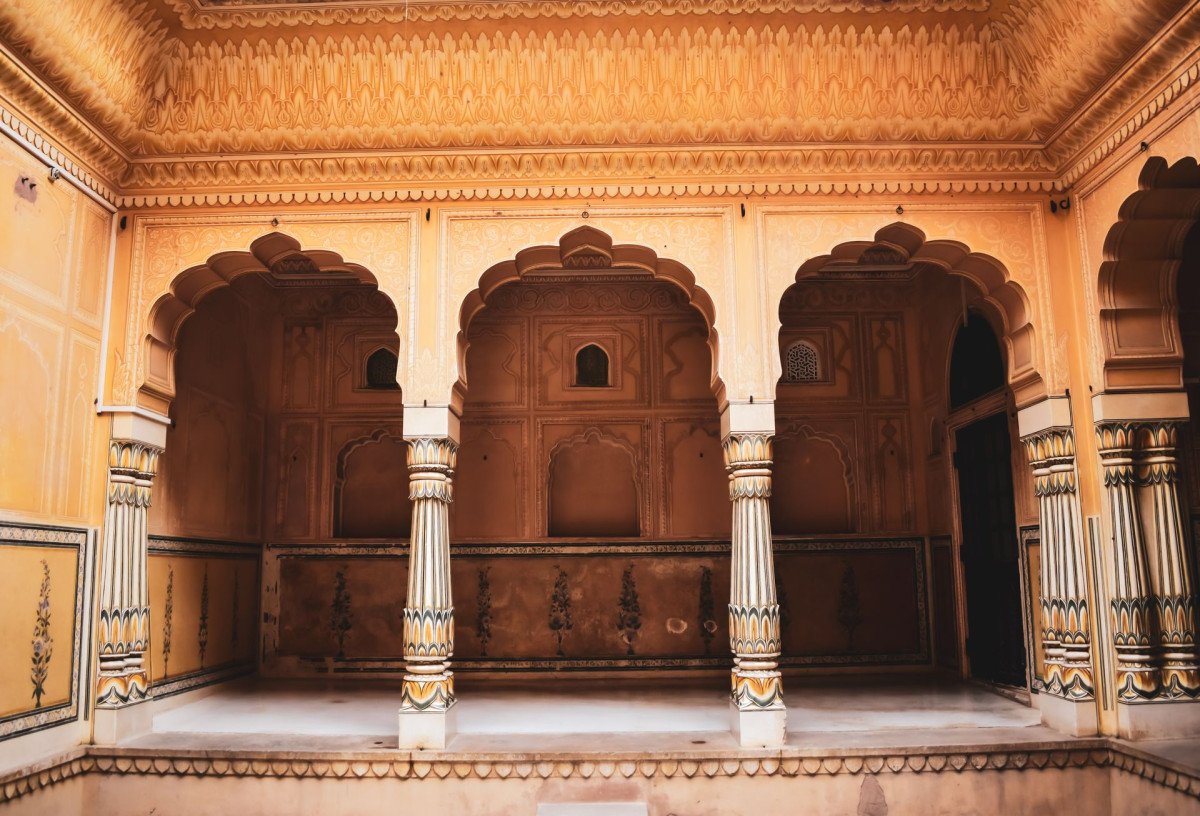
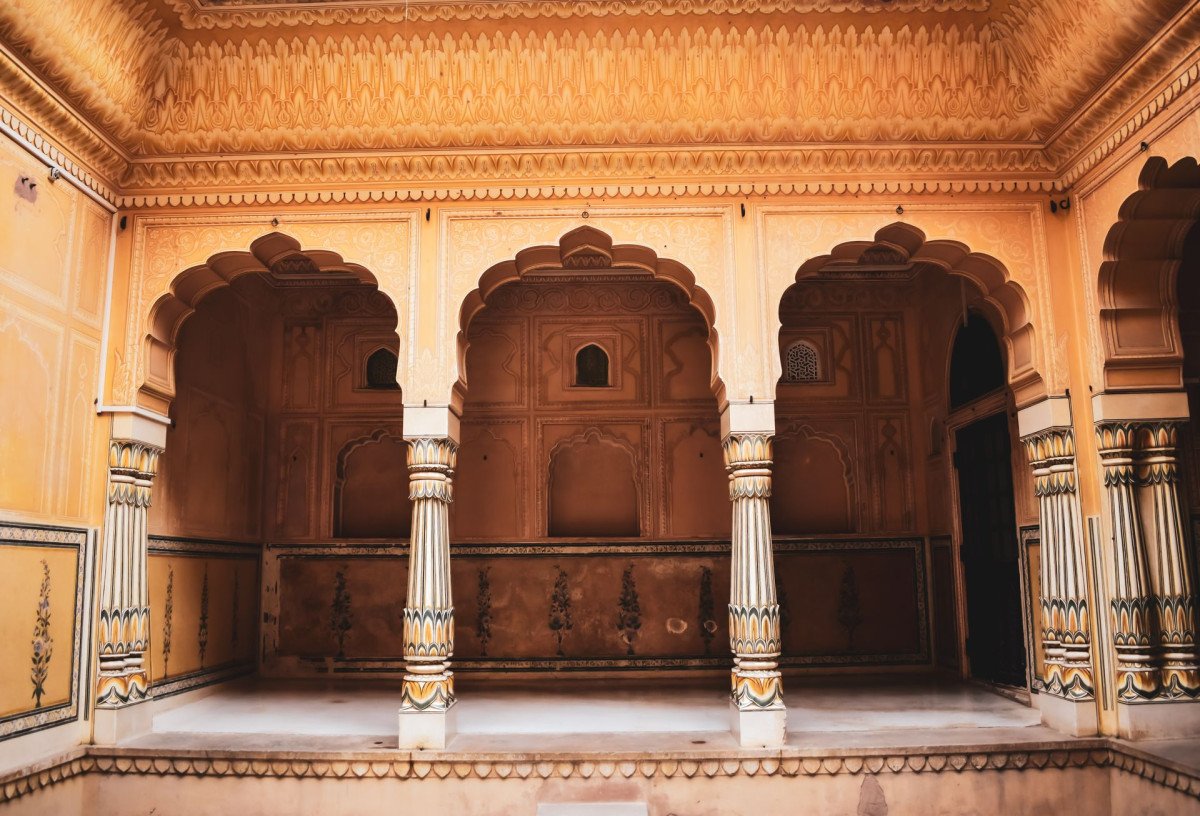
Historical Fortification Details: The Munger Fort is a formidable structure strategically built on a rocky eminence, allowing it to project into the Ganges river, which provided natural defense from the west and north. The land side was defended by a deep, wide moat, report...Historical Fortification Details: The Munger Fort is a formidable structure strategically built on a rocky eminence, allowing it to project into the Ganges river, which provided natural defense from the west and north. The land side was defended by a deep, wide moat, reportedly up to 175 feet in width, making it exceptionally formidable.
Wall Dimension and Construction: The fort walls exhibit a multi-layered construction, typical of medieval military architecture. The outer fortification walls are approximately 12 feet thick, while the inner walls are about 4 feet thick. The entire fortification is built of thick stone and brick masonry joined with lime mortar. The total circumference is about 4 kilometers (2. 5 miles). The surviving structures and gates showcase a blend of indigenous, pre-Islamic forms and later Indo-Islamic architectural elements, particularly from the Mughal and Nawabi periods. The Kashtaharini Ghat within the fort complex has a distinct architectural structure for bathing and rituals.
Key Structures: Within the fort, the ruins of Mir Qasim's Palace, the structures around Chandisthana, and the early Bengali architecture of the Tomb of Pir Shah Nufa provide varied architectural points of interest. : -
How To Reach:
By Air: The nearest major airport is Jay Prakash Narayan International Airport (PAT) in Patna, approximately 170 KM away. From Patna, one can hire a taxi or take a train to Munger. Another option is the Gaya International Airport (GAY) about 200 KM away, which is less conv...By Air: The nearest major airport is Jay Prakash Narayan International Airport (PAT) in Patna, approximately 170 KM away. From Patna, one can hire a taxi or take a train to Munger. Another option is the Gaya International Airport (GAY) about 200 KM away, which is less convenient.
By Train: Munger has its own railway station, Munger Railway Station (MGR), well-connected to major cities like Patna, Kolkata, and Delhi. The station is very close to the fort area (approx. 3-4 KM), easily reachable by auto-rickshaw or taxi. Jamalpur Junction (JMP) is another major station nearby, about 10 KM away, with better connectivity.
By Road: Munger is well-connected by road to major cities in Bihar and Jharkhand. State Highways connect it to Patna (170 KM), Bhagalpur (60 KM), and Bodh Gaya (200 KM). Regular bus services (state-run and private) are available. Driving to the fort is straightforward as it's a central landmark.
By Local Transport: Within Munger, the fort area is easily accessible by auto-rickshaws, cycle-rickshaws, and local taxis. Auto-rickshaws are the most common and economical way to navigate the short distance from the railway station or bus stand. : -
Weather and Best Time to Visit:
October to March (Winter & Post-Monsoon): This is the absolute Best Time to Visit. The weather is cool and dry, with temperatures ranging from 10°C to 25°C. This climate is perfect for walking the extensive ramparts, sightseeing, and enjoying the river views without the ...October to March (Winter & Post-Monsoon): This is the absolute Best Time to Visit. The weather is cool and dry, with temperatures ranging from 10°C to 25°C. This climate is perfect for walking the extensive ramparts, sightseeing, and enjoying the river views without the heat stress. Chhath Puja in October/November adds a cultural highlight.
April to June (Summer): Avoid the peak summer months. Temperatures can soar well above 40°C, making daytime exploration difficult and uncomfortable. Early mornings and late evenings are the only feasible times.
July to September (Monsoon): The region receives moderate to heavy rainfall. While the rain washes the environment, making the greenery vibrant, the humidity is high, and walking can be cumbersome. River levels are high, offering a majestic view but sometimes restricting access to the ghats.
Different Parts of the Day: Sunrise for photography and spiritual activities at the ghat; Late Afternoon for cool breezes and sunset views from the ramparts. : -
Near Tourist Places:
Munger Museum (2 KM), Pir Shah Nafah Shrine (0. 5 KM - within fort complex), Kastaharni Ghat (0. 5 KM - within fort complex), Sri Krishna Vatika (1 KM), Sita Kund (6 KM), Bihar School of Yoga (0. 5 KM - within fort complex), Pir Pahar Hills (10 KM), Tomb of Shah Mushkil Auliya (3 KM), Bhimbandh Wildlife Sanctuary (56 KM), Jamalpur Railway Workshop (10 KM)
Tourism Tips
-
Health & Safety: Carry water, especially during hot months. Be aware of your surroundings as the fort ruins are extensive and some areas are poorly lit after dark. Use mosquito repellent, especially near the river in the evenings. Monsoon requires caution due to slippery ...Health & Safety: Carry water, especially during hot months. Be aware of your surroundings as the fort ruins are extensive and some areas are poorly lit after dark. Use mosquito repellent, especially near the river in the evenings. Monsoon requires caution due to slippery paths.
Packing Essentials: Wear comfortable walking shoes for navigating the uneven terrain and fort ramparts. Carry a hat and sunscreen. Bring your camera, a zoom lens for distant river shots, and a wide-angle lens for the vast fortification.
Accommodation: Munger offers various budget and mid-range hotels. Better accommodation options can be found in nearby Bhagalpur or Patna. Consider staying near the city center or the station for better connectivity.
Respect and Culture: The fort premises contain active religious sites (Chandisthana, Pir Shah Nufa Shrine, Kashtaharini Ghat). Dress modestly, remove footwear when entering the shrines, and respect local customs and devotees. Do not litter within the historical premises. :
Reviews
FAQs
Munger Itineray And Cost:-
Other Places In Munger :-
Other States In India :-
Information about New and Updated Locations() of Bihar Has Been Added :-
Card subtitle
Note:-
Information provided here in good Faith and for reference only.
Near Places

Bhimbandh Wildlife Sanctuary
Some quick example text to build on the card title and make up the bulk of the card's content.
Go somewhere
Bihar School of Yoga
Some quick example text to build on the card title and make up the bulk of the card's content.
Go somewhere
Chandika Asthan Temple
Some quick example text to build on the card title and make up the bulk of the card's content.
Go somewhere
Goenka Shivalaya
Some quick example text to build on the card title and make up the bulk of the card's content.
Go somewhere
Jamalpur Gymkhana
Some quick example text to build on the card title and make up the bulk of the card's content.
Go somewhere
Kali Pahadi
Some quick example text to build on the card title and make up the bulk of the card's content.
Go somewhere
Kastaharni Ghat
Some quick example text to build on the card title and make up the bulk of the card's content.
Go somewhere
Kharagpur Lake
Some quick example text to build on the card title and make up the bulk of the card's content.
Go somewhere
Lal Darwaja Qila
Some quick example text to build on the card title and make up the bulk of the card's content.
Go somewhere
Manpathar
Some quick example text to build on the card title and make up the bulk of the card's content.
Go somewhere
Mir Kasim's Palace
Some quick example text to build on the card title and make up the bulk of the card's content.
Go somewhere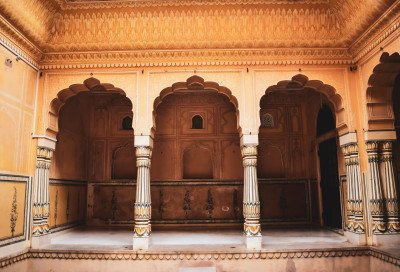
Munger Fort
Some quick example text to build on the card title and make up the bulk of the card's content.
Go somewhere
Munger Ganga Bridge
Some quick example text to build on the card title and make up the bulk of the card's content.
Go somewhere
Munger Museum
Some quick example text to build on the card title and make up the bulk of the card's content.
Go somewhere
Pir Pahar Hills
Some quick example text to build on the card title and make up the bulk of the card's content.
Go somewhere
Pir Shah Nafah Shrine
Some quick example text to build on the card title and make up the bulk of the card's content.
Go somewherein Other Cities