Munger Museum
General information
-
Ideal Duration:
1-2 Hours:Place Type:
Museum, Cultural Heritage:Entry Fees:
There is typically a small, nominal Entry Fee for the Munger Museum, which is standard for state-run museums in India. This fee is generally very low (e. g. , Rs.10-Rs.20) for Indian nationals and slightly higher for foreign tourists.
Special Fees: Educational groups,...There is typically a small, nominal Entry Fee for the Munger Museum, which is standard for state-run museums in India. This fee is generally very low (e. g. , Rs.10-Rs.20) for Indian nationals and slightly higher for foreign tourists.
Special Fees: Educational groups, particularly school and college students, often receive discounted or free entry upon prior arrangement. There are usually No separate fees for still photography (non-flash) or basic non-commercial video recording.
Purpose of Fees: The revenue generated from the entry fees is crucial for the museum's maintenance, preservation efforts, and for funding research and new acquisitions, supporting the continuous effort to protect and present Munger's ancient heritage. This nominal fee contributes directly to cultural preservation. :Timing:
Regular Timings: Generally open from around 10:00 AM to 5:00 PM or 5:30 PM. Most museums in India are closed on Mondays and on major national holidays. It is crucial to check the specific, current working days and hours before visiting.
Ideal ...Regular Timings: Generally open from around 10:00 AM to 5:00 PM or 5:30 PM. Most museums in India are closed on Mondays and on major national holidays. It is crucial to check the specific, current working days and hours before visiting.
Ideal Visit Time: The Mid-Morning (10:30 AM - 12:30 PM) is the best time to visit when the museum is quiet, and the light is often good for viewing. This timing also allows you to link the visit to other nearby sites in the fort area.
Avoiding Crowds: Visiting on a Weekday morning will ensure a quieter, more focused experience, as Weekends or public holidays may draw more local visitors and student groups. :Special Events:
International Museum Day (May 18): The museum often organizes special events, workshops, or exhibitions on this day, attracting a wider audience and potentially offering temporary themed displays.
Local History Seminars: Occasionally, the museum or associated local ...International Museum Day (May 18): The museum often organizes special events, workshops, or exhibitions on this day, attracting a wider audience and potentially offering temporary themed displays.
Local History Seminars: Occasionally, the museum or associated local bodies might host seminars or lectures by historians and archaeologists on Munger's history, offering a deeper academic insight into the collections.
Art and Cultural Workshops: Workshops focusing on traditional Bihar art forms, like Madhubani painting or local handicrafts, are sometimes held to promote the region's living cultural heritage. :Best Photo Spots:
The Pala Sculpture Gallery: The best photo spots are often the main galleries with the large, well-preserved stone sculptures. The rich black color of the basalt provides a strong contrast and texture.
Exhibit Close-ups: Focus on capturing ...The Pala Sculpture Gallery: The best photo spots are often the main galleries with the large, well-preserved stone sculptures. The rich black color of the basalt provides a strong contrast and texture.
Exhibit Close-ups: Focus on capturing the intricate details of the smaller artifacts, such as the facial expressions on terracotta figurines or the delicate carvings on metallic ritual objects (where allowed without flash).
Architectural Frames: Use the entrance or a well-lit corridor to frame the exterior or an internal vista, adding a sense of scale and institutional importance.
Thematic Displays: Capture photographs of any special thematic displays that the museum might be running, as these often have superior presentation and lighting.
The Museum Exterior: The building's exterior, perhaps with its signboard, serves as a great introductory shot for documenting the visit, especially if the architecture itself has historical merit. :Photo Gallery
Things To Do
-
Guided Tour: Request a guided tour (if available) from the museum staff to gain in-depth knowledge about the artifacts, their origin, and their historical context, especially for the crucial Pala period sculptures.
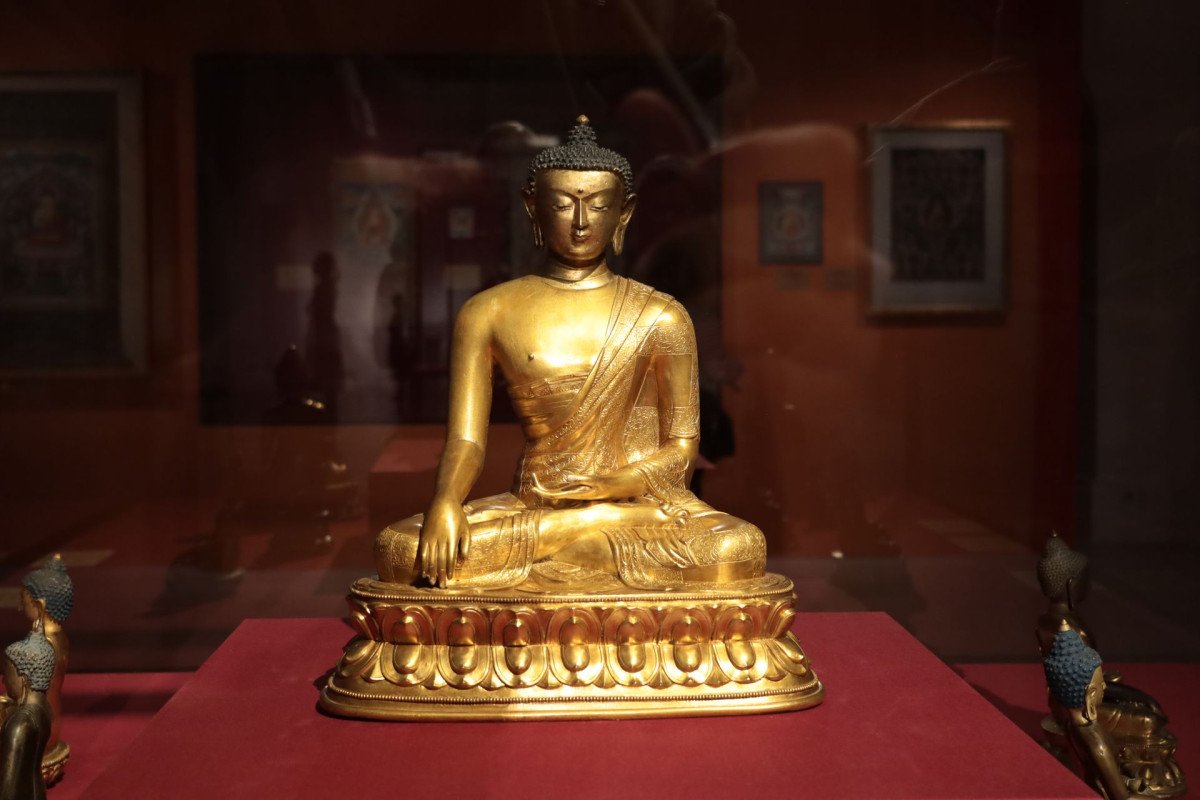
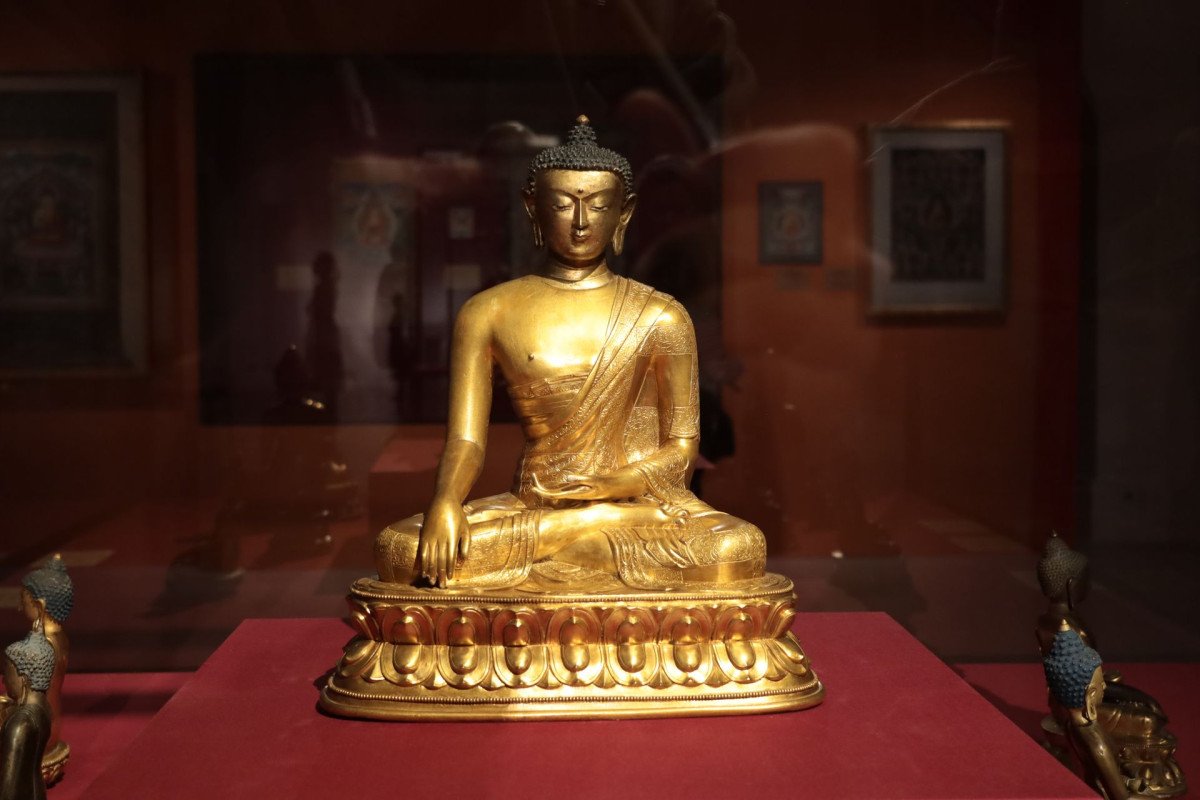
Studying the Sculptures: Dedicate time to closely examining the intricate craftsmanship of the black basalt sculptures, noting the iconography and style variations. Try to identify depictions of Vishnu, Surya, or Buddhist deities.
Learning from the Labels: Read the descriptive labels and panels carefully to understand the chronological sequence of Munger's history, from prehistoric tools to modern history.
Sketching and Note-Taking: The museum provides a quiet, academic environment perfect for sketching artifacts or taking detailed notes for scholarly...Guided Tour: Request a guided tour (if available) from the museum staff to gain in-depth knowledge about the artifacts, their origin, and their historical context, especially for the crucial Pala period sculptures.
Studying the Sculptures: Dedicate time to closely examining the intricate craftsmanship of the black basalt sculptures, noting the iconography and style variations. Try to identify depictions of Vishnu, Surya, or Buddhist deities.
Learning from the Labels: Read the descriptive labels and panels carefully to understand the chronological sequence of Munger's history, from prehistoric tools to modern history.
Sketching and Note-Taking: The museum provides a quiet, academic environment perfect for sketching artifacts or taking detailed notes for scholarly or personal interest.
Coin and Manuscript Review: Spend time at the coin and manuscript section (if on display) to understand the economic and literary history of the region.
Visiting the Fort: Combine the museum visit with a trip to the nearby Munger Fort to see where many of the displayed relics were originally located or found, providing a richer, multi-sensory historical experience.
Photography: Take permitted photos of the exhibits (usually without flash) to create a personal visual record of the region's heritage. :
Information
-
Why Famous:
Pala Art and Sculpture: The museum is famous for its collection of Pala sculptures, particularly those carved from the local black basalt. This collection is crucial for understanding the artistic and religious developments (Buddhism and Hinduism) during the rule of the Pal...Pala Art and Sculpture: The museum is famous for its collection of Pala sculptures, particularly those carved from the local black basalt. This collection is crucial for understanding the artistic and religious developments (Buddhism and Hinduism) during the rule of the Pala Kings in the 9th to 12th centuries.
Ancient Anga Kingdom Relics: It serves as the primary repository for artifacts connected to the ancient Anga Mahajanapada, giving it immense historical weight. The finds help reconstruct the cultural landscape of one of ancient India's sixteen great kingdoms.
Educational Resource: For the local community and students, the museum is the foremost educational institution for learning about their regional history, making it a crucial center for cultural identity and research.
Rare Manuscript Collection: The museum often houses rare manuscripts and documents that provide insight into the social, economic, and political life of the region during the medieval and colonial periods. : -
Architecture:
Building Style and Influence: The museum building's architecture is generally of a functional, modern design, typical of state-run museums established in the mid-to-late 20th century. It is often housed in a simple, pragmatic structure designed primarily for the display and...Building Style and Influence: The museum building's architecture is generally of a functional, modern design, typical of state-run museums established in the mid-to-late 20th century. It is often housed in a simple, pragmatic structure designed primarily for the display and preservation of artifacts rather than elaborate exterior aesthetics.
Interior Layout and Dimension: The interior is typically divided into several galleries or sections to categorize the collections by material (e. g. , Stone Gallery, Terracotta Gallery) or by chronological period (e. g. , Ancient Period, Medieval Period). The layout is designed to facilitate a guided and educational flow for visitors, though specific dimension details of the halls are generally not publicized. The focus is on robust display cases, proper lighting, and labeling.
Preservation and Display Techniques: The architecture also incorporates practical elements for artifact preservation, such as climate control (where available) and secure showcases. The stone sculptures are often displayed on open pedestals to allow appreciation of their full form, while smaller, more fragile items like coins and manuscripts are kept in closed, controlled-environment display cabinets. : -
How To Reach:
By Air: The nearest major airport is Patna (PAT, approx. 170 KM). From the airport, take a taxi or train to Munger.
By Train: The museum is near the Munger Fort complex, a short distance from Munger Railway Station (MGR, approx. 3-4 KM) o...By Air: The nearest major airport is Patna (PAT, approx. 170 KM). From the airport, take a taxi or train to Munger.
By Train: The museum is near the Munger Fort complex, a short distance from Munger Railway Station (MGR, approx. 3-4 KM) or Jamalpur Junction (JMP, approx. 10 KM). Take an auto-rickshaw or taxi from the station.
By Road: Munger is accessible via State Highways. The museum is centrally located near the main Munger Road and can be reached by local buses or private vehicles from cities like Bhagalpur (60 KM).
By Local Transport: The museum's location within the fort area makes it easily reachable by local auto-rickshaws and cycle-rickshaws from any part of the Munger city center. : -
Weather and Best Time to Visit:
October to March (Winter): This is the Best Time for comfortable travel and museum visits, with pleasant temperatures suitable for enjoying the exhibits without discomfort.
Morning Hours: Visiting immediately after the museum opens is ideal,...October to March (Winter): This is the Best Time for comfortable travel and museum visits, with pleasant temperatures suitable for enjoying the exhibits without discomfort.
Morning Hours: Visiting immediately after the museum opens is ideal, as the mind is fresh, and the galleries are less crowded, allowing for focused appreciation of the artifacts.
Different Types of Seasons: Summer and Monsoon visits are also fine, as the museum is an indoor, climate-controlled environment, providing a perfect escape from the heat or rain. The surrounding areas, however, will be more comfortable during Winter. : -
Near Tourist Places:
Munger Fort (0. 5 KM), Pir Shah Nafah Shrine (1 KM), Sri Krishna Vatika (1 KM), Kastaharni Ghat (1. 5 KM), Chandika Asthan (4 KM), Tomb of Shah Mushkil Auliya (3 KM), Sita Kund (6 KM), Bihar School of Yoga (1 KM), Rameshwar Kund (7 KM), Bari Dargah (4 KM)
Tourism Tips
-
Health & Safety: Follow the museum's rules, especially regarding touching artifacts or using flash photography, as these measures protect the historical objects.
Packing Essentials: Carry a notebook and pen for taking notes, and a camera (wi...Health & Safety: Follow the museum's rules, especially regarding touching artifacts or using flash photography, as these measures protect the historical objects.
Packing Essentials: Carry a notebook and pen for taking notes, and a camera (without flash) for permitted photography. Leave large bags at the cloakroom, if mandatory.
Academic Focus: If you are a scholar or a serious history enthusiast, contact the museum in advance to inquire about access to the library or archival materials, if available.
Local Cuisine: Plan to sample local Bihari street food or a traditional meal after your visit, as the museum is centrally located near market areas.
Respect and Conduct: Maintain silence in the galleries and show respect for the artifacts, treating them as irreplaceable treasures of Munger's past. :
Reviews
FAQs
Munger Itineray And Cost:-
Information about New and Updated Locations() of Bihar Has Been Added :-
Card subtitle
Note:-
Information provided here in good Faith and for reference only.
All information and pictures will be updated soon, please keep visiting.
Near Places

Bhimbandh Wildlife Sanctuary
Some quick example text to build on the card title and make up the bulk of the card's content.
Go somewhere
Bihar School of Yoga
Some quick example text to build on the card title and make up the bulk of the card's content.
Go somewhere
Chandika Asthan Temple
Some quick example text to build on the card title and make up the bulk of the card's content.
Go somewhere
Goenka Shivalaya
Some quick example text to build on the card title and make up the bulk of the card's content.
Go somewhere
Jamalpur Gymkhana
Some quick example text to build on the card title and make up the bulk of the card's content.
Go somewhere
Kali Pahadi
Some quick example text to build on the card title and make up the bulk of the card's content.
Go somewhere
Kastaharni Ghat
Some quick example text to build on the card title and make up the bulk of the card's content.
Go somewhere
Kharagpur Lake
Some quick example text to build on the card title and make up the bulk of the card's content.
Go somewhere
Lal Darwaja Qila
Some quick example text to build on the card title and make up the bulk of the card's content.
Go somewhere
Manpathar
Some quick example text to build on the card title and make up the bulk of the card's content.
Go somewherein Other Cities