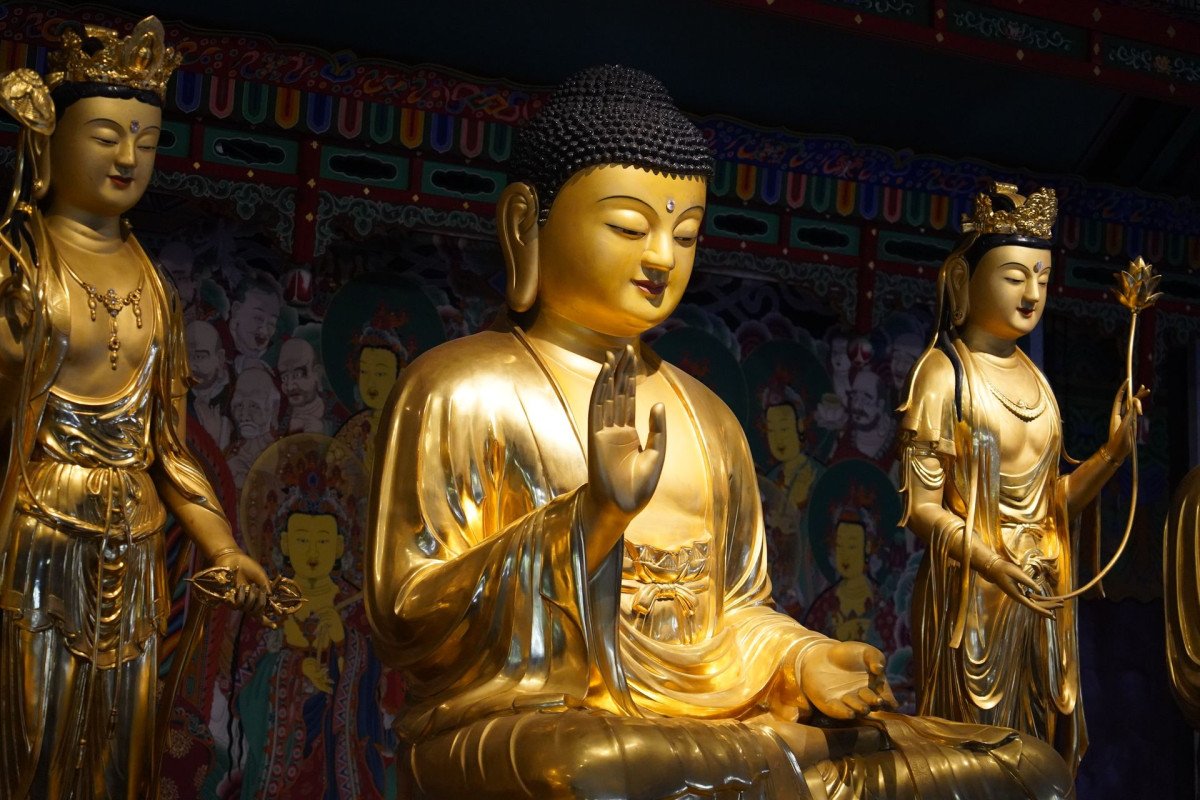
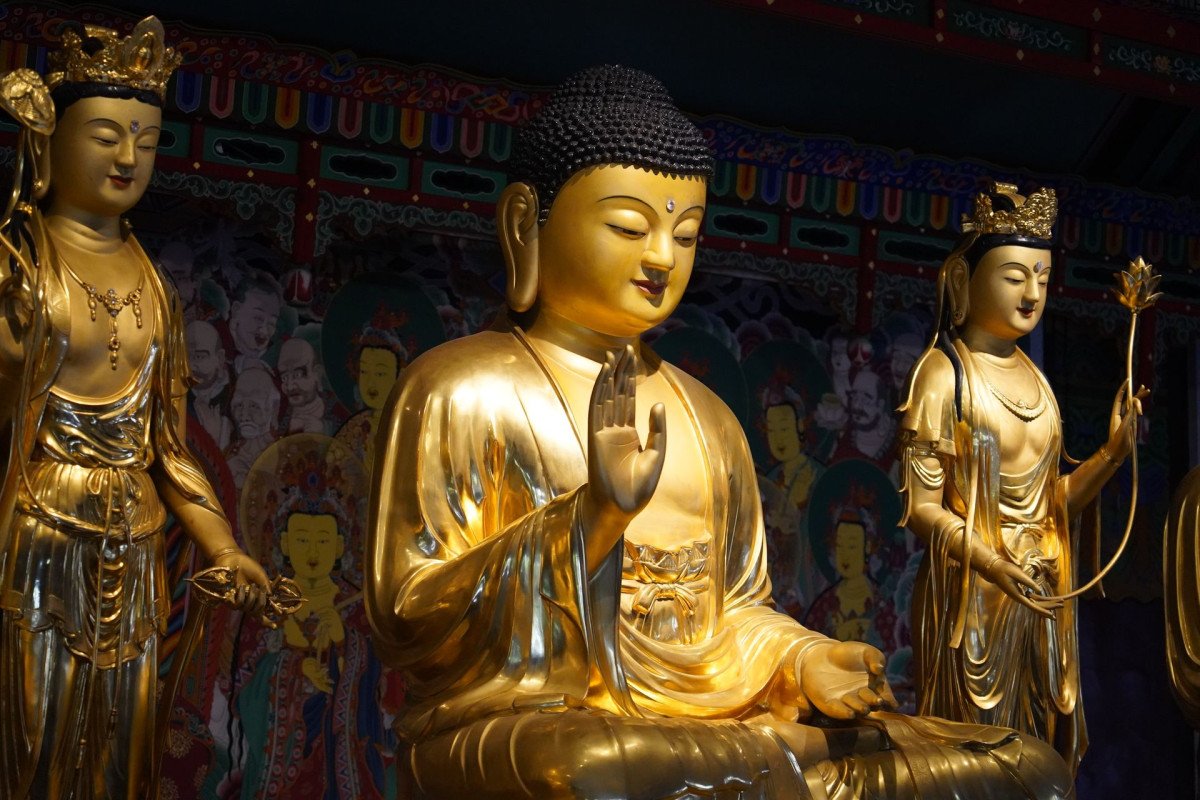
Namgyal Monastery
General information
-
Ideal Duration:
1 to 2 HoursPlace Type:
Religious & SpiritualEntry Fees:
Free Admission: Entry to Namgyal Monastery is absolutely free for all visitors, regardless of nationality. This reflects the Buddhist principle of making spiritual teachings and sacred spaces accessible to everyone. While there is no ticket, many visitors choose to leave a...Free Admission: Entry to Namgyal Monastery is absolutely free for all visitors, regardless of nationality. This reflects the Buddhist principle of making spiritual teachings and sacred spaces accessible to everyone. While there is no ticket, many visitors choose to leave a small donation in the boxes located near the shrines. These donations are purely voluntary and are used for the maintenance of the monastery and to support the community of monks who live and study there.
Donation Culture: In lieu of an entry fee, the monastery encourages the practice of "Dana" or giving. You can contribute by purchasing butter for the lamps or by making a direct donation to the monastery's office. This support is vital for the preservation of the ancient rituals and the education of the young monks. It is a respectful way for tourists to show their appreciation for the peace and cultural richness that the monastery provides to all who enter its gates.Timing:
Regular Timings: Namgyal Monastery is generally open to the public from 9:00 AM to 6:00 PM every day. However, these timings can slightly fluctuate depending on the specific rituals or festivals being held. It is best to visit during the mid-morning or late afternoon to av...Regular Timings: Namgyal Monastery is generally open to the public from 9:00 AM to 6:00 PM every day. However, these timings can slightly fluctuate depending on the specific rituals or festivals being held. It is best to visit during the mid-morning or late afternoon to avoid the mid-day heat and to catch the monks during their active hours. The main temple may close briefly during lunch hours for the monks, but the courtyards usually remain accessible for visitors to explore.
Ideal Visit Time: The most rewarding time to visit is during the afternoon debating sessions, typically between 3:30 PM and 5:00 PM. This is when the monastery is most "alive" with activity. For those seeking peace, early morning at 9:00 AM is perfect, as the complex is quiet and you can see the monks performing their initial daily prayers. Avoiding the weekends is recommended if you want a more solitary experience, as the monastery attracts larger crowds of local tourists on Saturdays and Sundays.Special Events:
Losar (Tibetan New Year): Namgyal Monastery is the center of celebrations during Losar, which usually falls in February or March. The monks perform special "Gutor" rituals to drive away evil spirits from the past year. Traditional dances and elaborate prayers are held, and...Losar (Tibetan New Year): Namgyal Monastery is the center of celebrations during Losar, which usually falls in February or March. The monks perform special "Gutor" rituals to drive away evil spirits from the past year. Traditional dances and elaborate prayers are held, and the monastery is decorated with new prayer flags. It is a time of great joy and spiritual renewal for the entire community.
The Dalai Lama's Birthday: On July 6th, the monastery hosts grand celebrations for the birthday of His Holiness. Thousands of people gather to offer long-life prayers. Cultural performances, including traditional Tibetan music and dance, take place in the courtyards. It is a unique opportunity for visitors to witness the deep love and reverence the Tibetan people have for their leader and to experience the vibrancy of their exiled culture in full display.Best Photo Spots:
The Main Entrance: The grand gate of Namgyal Monastery, with its traditional Tibetan motifs and the colorful curtains, is an iconic photo spot. It captures the essence of the "Little Lhasa" aesthetic perfectly. The best time for this shot is mid-morning when the sunlight i...The Main Entrance: The grand gate of Namgyal Monastery, with its traditional Tibetan motifs and the colorful curtains, is an iconic photo spot. It captures the essence of the "Little Lhasa" aesthetic perfectly. The best time for this shot is mid-morning when the sunlight illuminates the intricate carvings.
Monastery Balconies: The upper balconies of the monastery offer a dual view: the serene interior courtyards where monks walk in their maroon robes, and the dramatic backdrop of the Dhauladhar mountains. This contrast makes for a stunning composition that tells the story of spirituality meeting nature.
The Prayer Wheel Corridors: The long rows of golden prayer wheels along the outer walls provide a great opportunity for "motion blur" shots. Capturing a local pilgrim spinning the wheels creates a sense of life and rhythm. The play of light and shadow in these corridors adds a professional, artistic touch to any travel album or social media post.Photo Gallery
Things To Do
-
Witness Monastic Rituals: One of the most important things to do at Namgyal Monastery is to attend the morning or evening prayer sessions. The synchronized chanting of the monks, accompanied by traditional instruments like the Dungchen (long horns) and Gyaling (oboes), is a powerful experience. It is a time when the spiritual energy of the monastery is at its peak. Visitors are welcome to sit quietly at the back of the hall and observe the devotion of the monks, provided they follow the rules of decorum and maintain silence.
Engage in Philosophical Debates: In the late afternoons, usually around 4:00 PM, the monks gather in the courtyard for their daily debates. This is a must-see activity for any visitor. Even if you do not understand the Tibetan language, the energy and logic displayed through their physical gestures—cla...Witness Monastic Rituals: One of the most important things to do at Namgyal Monastery is to attend the morning or evening prayer sessions. The synchronized chanting of the monks, accompanied by traditional instruments like the Dungchen (long horns) and Gyaling (oboes), is a powerful experience. It is a time when the spiritual energy of the monastery is at its peak. Visitors are welcome to sit quietly at the back of the hall and observe the devotion of the monks, provided they follow the rules of decorum and maintain silence.
Engage in Philosophical Debates: In the late afternoons, usually around 4:00 PM, the monks gather in the courtyard for their daily debates. This is a must-see activity for any visitor. Even if you do not understand the Tibetan language, the energy and logic displayed through their physical gestures—clapping hands, stomping feet, and intense expressions—are fascinating. It is a dynamic way to see how Buddhist philosophy is kept alive through active questioning and intellectual rigor, rather than just rote learning from books.
Spin the Prayer Wheels: The monastery is surrounded by dozens of large and small prayer wheels. It is a tradition to walk around the monastery and spin these wheels in a clockwise direction. Each wheel is filled with thousands of printed mantras, and spinning them is believed to be equivalent to reciting the prayers aloud. It is a meditative activity that connects you with the local Tibetan culture and the spiritual rhythm of the place. Many visitors find this practice to be incredibly grounding and peaceful during their stay in McLeod Ganj.
Photography and Views: While photography is generally restricted inside the prayer halls to maintain the sanctity of the space, the outdoor areas of the monastery offer incredible photo opportunities. The vibrant red robes of the monks against the backdrop of the white-washed walls and the green mountains are a photographer's dream. Additionally, the balconies of the monastery provide some of the best views of the Dhauladhar Range and the Kangra Valley. It is a great place to capture the natural beauty of the region while soaking in the spiritual atmosphere.
Study and Reflection: For those staying in McLeod Ganj for a longer period, the monastery offers a great environment for study. You can spend time in the courtyards reading books on Buddhism or simply reflecting on your journey. The peaceful environment is conducive to deep thought. Engaging with the monks (when they are not in session) can also be a rewarding experience, as many of them are happy to share their insights or discuss the history of their tradition, providing a more personal connection to the site.
Visit the Monastery Cafe: After exploring the spiritual sites, you can visit the small cafe located near the monastery entrance. It serves simple, delicious Tibetan snacks like Momo and Thukpa, along with traditional butter tea. It is a great place to relax and process your experiences while watching the daily life of the monastery unfold. The proceeds from the cafe often go towards supporting the monastery's activities, making your meal a small contribution to the preservation of this ancient institution and its community.
Explore the Tibetan Arts: The monastery often displays traditional Thangka paintings and intricate sand mandalas during special festivals. If you are lucky enough to visit during such a time, take the opportunity to observe these art forms closely. The sand mandalas, in particular, are a marvel of precision and patience, created grain by grain over several days and then ritually destroyed to symbolize the impermanence of life. Witnessing this process is a profound lesson in Buddhist philosophy and a highlight of any visit to the monastery.
Information
-
Why Famous:
The Dalai Lama's Home: The primary reason for the fame of Namgyal Monastery is its direct association with the 14th Dalai Lama. It serves as his personal monastery, where he performs his daily practices and conducts major religious ceremonies. For millions of Buddhists, th...The Dalai Lama's Home: The primary reason for the fame of Namgyal Monastery is its direct association with the 14th Dalai Lama. It serves as his personal monastery, where he performs his daily practices and conducts major religious ceremonies. For millions of Buddhists, this is the most important site outside of Tibet, representing the survival of the lineage and the spirit of the Tibetan people. The chance to be in the same space as such a world-renowned spiritual leader is a major draw for tourists.
Tantric Excellence: The monastery is world-famous for its expertise in Tibetan Tantric rituals. The monks are masters of sacred arts, including the creation of intricate Sand Mandalas, ritual dances (Cham), and harmonic chanting. These practices are rare and are preserved here with the highest level of authenticity. Scholars and spiritual seekers from around the world come here to study these esoteric traditions, making it a global hub for the study of Himalayan Vajrayana Buddhism. -
Architecture:
Monastic Style: The architecture of Namgyal Monastery is a classic example of Tibetan Buddhist design, characterized by heavy stone walls, flat roofs, and vibrant colors. The main assembly hall, or Dukhang, is the focal point, featuring large wooden pillars and intricate wa...Monastic Style: The architecture of Namgyal Monastery is a classic example of Tibetan Buddhist design, characterized by heavy stone walls, flat roofs, and vibrant colors. The main assembly hall, or Dukhang, is the focal point, featuring large wooden pillars and intricate wall murals depicting various deities and mandalas. The dimensions of the main hall are roughly 60 feet by 80 feet, providing ample space for the monks to gather for rituals and prayers.
Symbolic Elements: Every aspect of the design carries symbolic meaning. The use of the three primary colors—red, yellow, and white—represents different aspects of Buddhist philosophy. The roof is often adorned with the Dharma Wheel flanked by two deer, symbolizing the Buddha's first sermon. The monastery also features a series of traditional Stupas (chortens) in the courtyard, which vary in height from 10 to 15 feet, serving as reliquaries and objects of veneration for the visiting pilgrims. -
How To Reach:
By Air: The nearest airport is Gaggal Airport (DHM), also known as Kangra Airport, located about 15 KMS from McLeod Ganj. From the airport, you can hire a pre-paid taxi which takes about 45 minutes to reach the monastery. There are regular flights from Delhi and Chandigarh...By Air: The nearest airport is Gaggal Airport (DHM), also known as Kangra Airport, located about 15 KMS from McLeod Ganj. From the airport, you can hire a pre-paid taxi which takes about 45 minutes to reach the monastery. There are regular flights from Delhi and Chandigarh, making this the fastest way to reach the region from major Indian cities.
By Train: The nearest major railway station is Pathankot (PTK), approximately 90 KMS away. From Pathankot, you can take a bus or a taxi to Dharamshala and then a local transport to McLeod Ganj. There is also a narrow-gauge "toy train" from Pathankot to Kangra, which is a scenic but much slower option.
By Road: McLeod Ganj is well-connected by a network of roads. State-run and private Volvo buses operate daily from Delhi (500 KMS), Chandigarh (250 KMS), and Manali. The journey from Delhi takes about 10-12 hours. The roads are generally in good condition, though they become winding and steep as you approach the Kangra valley.
By Local Transport: Once you are in McLeod Ganj, the monastery is a short walk from the main square. For those staying in Dharamshala, you can take a local bus (which runs every 15 minutes) or a shared taxi to reach the McLeod Ganj bus stand. From there, it is a pleasant 10-minute walk through the market along Temple Road to reach the monastery entrance. -
Weather and Best Time to Visit:
Seasons: The best months are March to June (Spring/Summer) for pleasant weather and September to November (Autumn) for clear mountain views. Winter (December to February) is cold but peaceful, with occasional snow. Monsoon (July to August) is lush green but can have heavy ...Seasons: The best months are March to June (Spring/Summer) for pleasant weather and September to November (Autumn) for clear mountain views. Winter (December to February) is cold but peaceful, with occasional snow. Monsoon (July to August) is lush green but can have heavy rains.
Time of Day: Visit in the Late Afternoon (3:00 PM - 5:00 PM) to catch the monk debates, or Early Morning (9:00 AM) for spiritual solitude. -
Near Tourist Places:
Tsuglagkhang Complex (0. 1 KMS), Tibet Museum (0. 1 KMS), St. John Church (1. 5 KMS), Bhagsu Falls (2 KMS), Dal Lake (3 KMS), Naddi View Point (4 KMS), Dharamkot (2 KMS), Dharamshala Stadium (8 KMS), Norbulingka (12 KMS), War Memorial (7 KMS)
Tourism Tips
-
Health & Safety: Carry a water bottle and stay hydrated. Respect the spiritual nature by not making loud noises.
Packing: Wear layers as the weather changes. Remove shoes before entering shrines.
Accommodation...Health & Safety: Carry a water bottle and stay hydrated. Respect the spiritual nature by not making loud noises.
Packing: Wear layers as the weather changes. Remove shoes before entering shrines.
Accommodation: Many guesthouses are available on Temple Road near the monastery.
Cash & Connectivity: Mobile signal is good. ATMs are available in the main market.
Respect: Always walk clockwise around religious structures.
Reviews
FAQs
Mcleod Ganj Itineray And Cost:-
Namgyal Monastery Tourism:-
Information about New and Updated Locations() of Himachal Pradesh Has Been Added :-
Card subtitle
Note:-
Information provided here in good Faith and for reference only.
All information and pictures will be updated soon, please keep visiting.
Near Places
Bhagsunath Temple
Some quick example text to build on the card title and make up the bulk of the card's content.
Go somewhere
Dal Lake
Some quick example text to build on the card title and make up the bulk of the card's content.
Go somewhere
Kalachakra Temple
Some quick example text to build on the card title and make up the bulk of the card's content.
Go somewhere
McLeod Ganj
Some quick example text to build on the card title and make up the bulk of the card's content.
Go somewhere
Naddi Village View Point
Some quick example text to build on the card title and make up the bulk of the card's content.
Go somewhere
Namgyal Monastery
Some quick example text to build on the card title and make up the bulk of the card's content.
Go somewhere
Tibet Museum
Some quick example text to build on the card title and make up the bulk of the card's content.
Go somewhere
Triund Trek
Some quick example text to build on the card title and make up the bulk of the card's content.
Go somewhere
Tsuglagkhang Complex
Some quick example text to build on the card title and make up the bulk of the card's content.
Go somewherein Other Cities