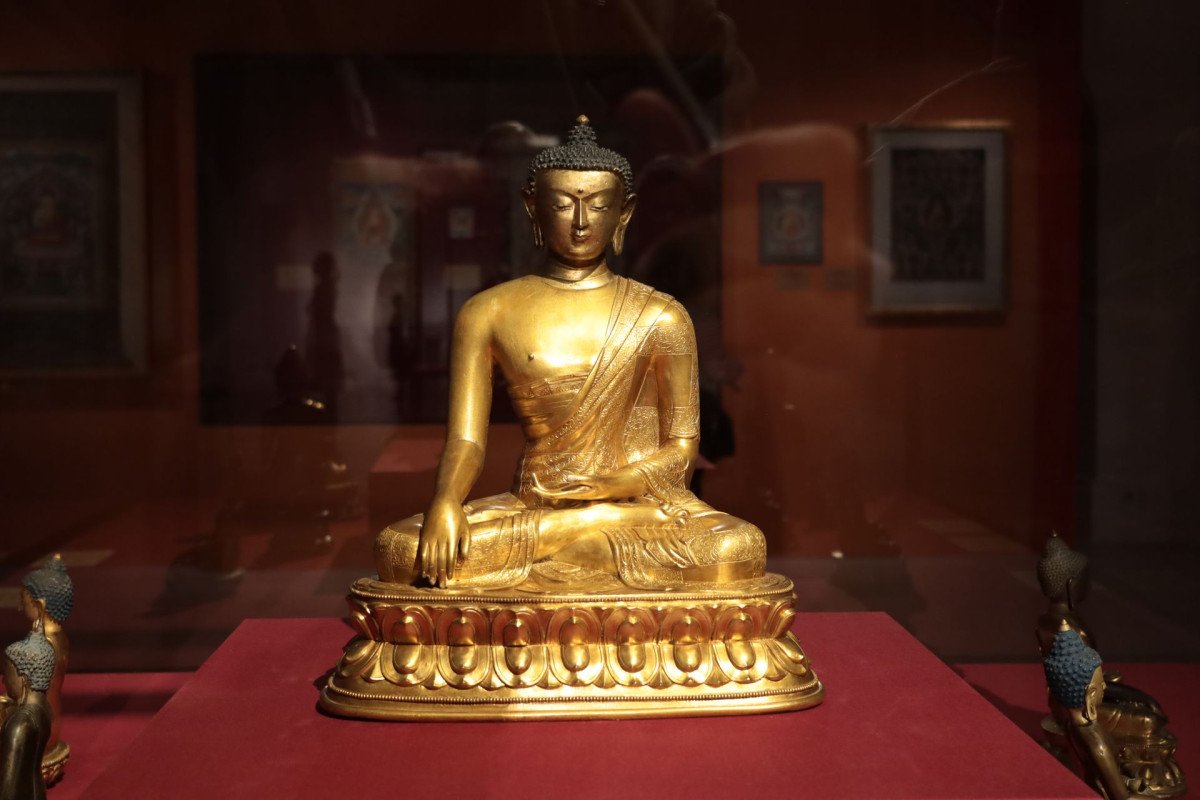
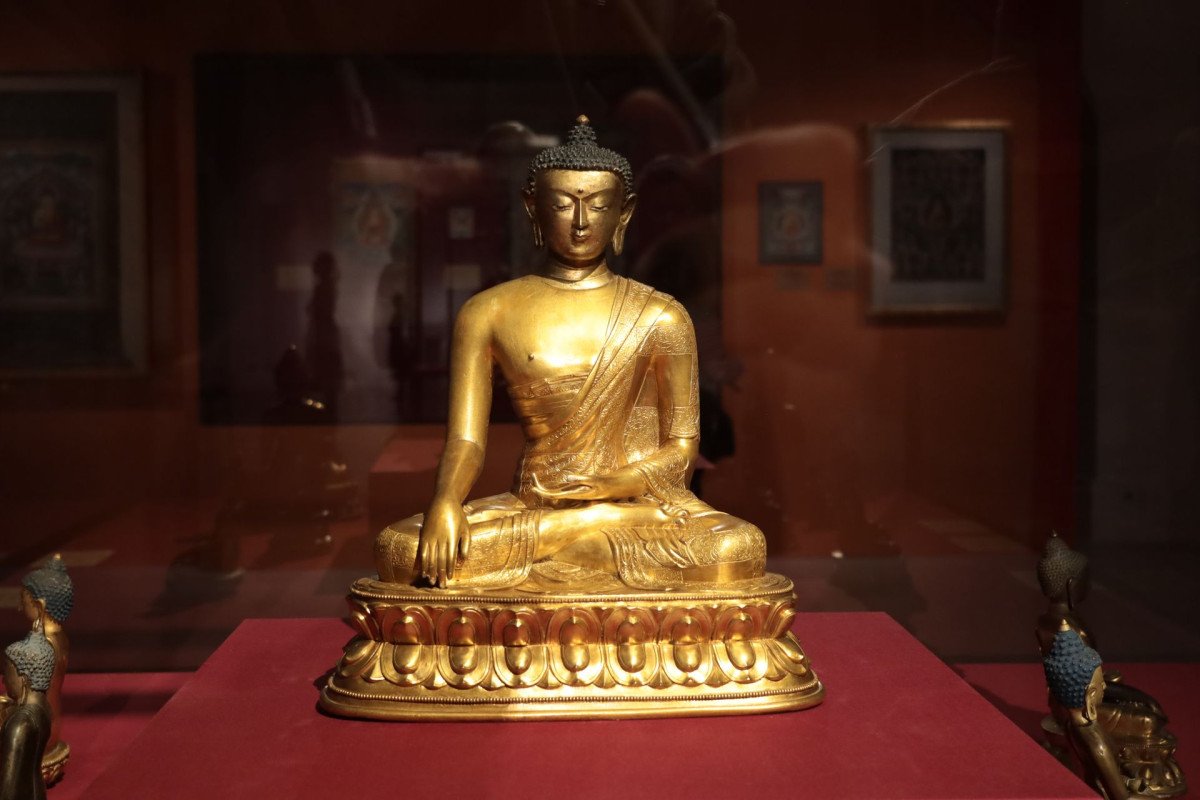
Tibet Museum
General information
-
Ideal Duration:
1 to 2 HoursPlace Type:
Historical & CulturalEntry Fees:
Nominal Fee: The Tibet Museum charges a very small entry fee, usually around INR 10 to 20 for adults. This fee is used directly for the maintenance of the exhibits and the administration of the museum. It is a symbolic amount that ensures the museum can continue its missio...Nominal Fee: The Tibet Museum charges a very small entry fee, usually around INR 10 to 20 for adults. This fee is used directly for the maintenance of the exhibits and the administration of the museum. It is a symbolic amount that ensures the museum can continue its mission of documenting Tibetan history. For the wealth of information and the high quality of the displays provided, it is considered one of the best value-for-money cultural experiences in the McLeod Ganj region.
Special Discounts: The museum often offers free entry or significant discounts for Tibetan students and monks, as part of its mission to educate the exiled community. Group discounts may also be available for educational institutions visiting from other parts of India. The goal is not profit, but to ensure that the story of Tibet reaches as many people as possible. The low cost makes it accessible to budget backpackers and luxury travelers alike, encouraging everyone to learn about the Tibetan cause.Timing:
Regular Timings: The Tibet Museum is open from 9:00 AM to 5:00 PM from Tuesday to Sunday. It is important to note that the museum is usually Closed on Mondays, which is a common practice for cultural institutions in the region. The documentary screenings typically happen a...Regular Timings: The Tibet Museum is open from 9:00 AM to 5:00 PM from Tuesday to Sunday. It is important to note that the museum is usually Closed on Mondays, which is a common practice for cultural institutions in the region. The documentary screenings typically happen at 11:00 AM and 3:00 PM, so planning your visit around these times is highly recommended to get the most out of your experience and to have a complete understanding of the exhibits.
Ideal Visit Time: The best time to visit is in the morning, right when it opens at 9:00 AM. This allows you to explore the galleries in peace before the larger groups of tourists arrive later in the day. Spending about two hours in the museum is sufficient to read most of the panels and watch a documentary. If you visit on a weekday, the environment is much quieter, allowing for a more reflective and emotional connection with the poignant history of the Tibetan people displayed in the galleries.Special Events:
Commemoration Day: Every year on March 10th, the Tibet Museum holds special events to mark the Tibetan National Uprising Day. This is a somber and significant occasion where new exhibits or temporary installations are often unveiled. Public talks by survivors and activists...Commemoration Day: Every year on March 10th, the Tibet Museum holds special events to mark the Tibetan National Uprising Day. This is a somber and significant occasion where new exhibits or temporary installations are often unveiled. Public talks by survivors and activists are organized to reflect on the journey of the Tibetan people since 1959. It is a day of intense cultural and political activity that draws large crowds of both locals and international supporters of the Tibetan cause.
International Museum Day: On May 18th, the museum often organizes special guided tours and educational programs for local schoolchildren and tourists. These events focus on the importance of cultural preservation and the role of museums in documenting the history of displaced communities. It is a great time for visitors to get a more "behind-the-scenes" look at the museum's work and to participate in workshops related to Tibetan arts or history in a more interactive and collaborative setting.Best Photo Spots:
The "I am Tibetan" Wall: Near the entrance of the new museum, there is often a large graphic or wall featuring the faces of Tibetan people. This is a powerful spot for a portrait or a wide shot that captures the human element of the museum's story. It sets the tone for the...The "I am Tibetan" Wall: Near the entrance of the new museum, there is often a large graphic or wall featuring the faces of Tibetan people. This is a powerful spot for a portrait or a wide shot that captures the human element of the museum's story. It sets the tone for the entire visit and is a favorite for documentary-style photography.
Rooftop Panoramas: The rooftop of the Tibet Museum provides an elevated and unobstructed view of the Tsuglagkhang Complex and the surrounding cedar forests. It is one of the few places where you can get a "bird's eye view" of the temple's golden roofs against the green mountains, making it a must-visit spot for landscape photographers.
The Modern Glass Facade: The architecture of the new museum building itself is very photogenic. The reflection of the mountains in the large glass windows creates a beautiful blend of man-made structure and natural beauty. This spot is particularly great during the "blue hour" just after sunset when the museum lights up, providing a sleek and modern look.Photo Gallery
Things To Do
-
Tour the Historical Galleries: The primary activity at the Tibet Museum is to walk through the permanent galleries that chronicle the history of Tibet. Start from the ground floor to understand the ancient culture and the peaceful way of life that existed before the 1950s. Then, move through the sections detailing the invasion and the subsequent resistance. The use of large-scale photographs and descriptive panels in English, Hindi, and Tibetan makes the information accessible to a wide audience. It is a somber but essential journey for anyone wanting to understand the region.
Watch Documentary Films: The museum has a dedicated screening room where documentaries related to the Tibetan struggle, the life of the Dalai Lama, and Tibetan culture are shown twice daily. Watching these films provides a dynamic context to the static...Tour the Historical Galleries: The primary activity at the Tibet Museum is to walk through the permanent galleries that chronicle the history of Tibet. Start from the ground floor to understand the ancient culture and the peaceful way of life that existed before the 1950s. Then, move through the sections detailing the invasion and the subsequent resistance. The use of large-scale photographs and descriptive panels in English, Hindi, and Tibetan makes the information accessible to a wide audience. It is a somber but essential journey for anyone wanting to understand the region.
Watch Documentary Films: The museum has a dedicated screening room where documentaries related to the Tibetan struggle, the life of the Dalai Lama, and Tibetan culture are shown twice daily. Watching these films provides a dynamic context to the static exhibits. It allows you to see the landscapes of Tibet and hear the stories of the people in their own words. The films often highlight modern issues like environmental degradation on the Tibetan plateau and the preservation of the Tibetan language, giving visitors a well-rounded understanding of the current situation.
Engage with Virtual Reality: The new museum facility has introduced interactive elements, including virtual reality experiences that allow you to "visit" sacred sites in Tibet that are currently difficult to reach. This technology provides a bridge between the exiled community in India and their homeland. It is a fascinating way to see the Potala Palace or the Jokhang Temple from a distance. This interactive approach makes the museum particularly engaging for younger visitors and tech-savvy travelers who want a more immersive way to explore Tibetan history and geography.
Participate in Temporary Exhibitions: Every few months, the museum hosts temporary exhibitions on specific themes, such as Tibetan medicine, traditional handicrafts, or the impact of climate change on the Himalayas. These exhibitions offer fresh perspectives and detailed information on niche topics that are not covered in the permanent galleries. Checking the museum's schedule for these special displays can add a unique layer to your visit. It also shows the museum’s commitment to being an active center of learning rather than just a static collection of old artifacts.
Purchase Authentic Souvenirs: The museum gift shop is an excellent place to buy books, postcards, and traditional Tibetan items. Unlike the general market, the products here are curated for their educational and cultural value. You can find detailed maps of Tibet, books of the Dalai Lama's teachings, and high-quality prints of historical photographs. Buying from the museum shop directly supports their research and preservation efforts, making it a meaningful way to take a piece of Tibetan history home with you while contributing to a noble cause.
Attend Lectures and Talks: The museum frequently organizes talks by Tibetan scholars, activists, and survivors of the occupation. These events provide a platform for deep discussion and first-hand accounts of history. Attending a lecture can be a life-changing experience, as it allows you to ask questions and engage in a dialogue about the future of the Tibetan people. These sessions are usually announced on notice boards within the Tsuglagkhang Complex and are open to the general public, providing a rare opportunity for intellectual engagement during your holiday.
Reflect at the Memorial Wall: Outside the main building, there is often a memorial wall or a section dedicated to the "Martyrs of Tibet. " Taking a moment to read the names and stories of those who have sacrificed their lives for the cause is a powerful way to end your visit. It puts the entire museum experience into perspective and reminds visitors that the history they have just seen is a living, ongoing struggle. This quiet reflection is an integral part of the museum's mission to honor the past while inspiring a peaceful and just future for
Information
-
Why Famous:
The Voice of Tibet: The Tibet Museum is famous for being the most comprehensive resource on the modern history of Tibet. It is the official voice of the Central Tibetan Administration, providing an unfiltered look at the challenges faced by Tibetans under Chinese rule. It ...The Voice of Tibet: The Tibet Museum is famous for being the most comprehensive resource on the modern history of Tibet. It is the official voice of the Central Tibetan Administration, providing an unfiltered look at the challenges faced by Tibetans under Chinese rule. It is a place of high emotional impact, where the "forgotten" history of a nation is kept alive through powerful visual storytelling. For many visitors, a trip here is a profound eye-opener that changes their perspective on global politics and human rights.
Photographic Legacy: The museum's collection of rare photographs is legendary. It houses images from the early 20th century, showing a Tibet that no longer exists in its original form. These photos capture the daily life, the ancient architecture of Lhasa, and the regal ceremonies of the past. This photographic archive is a treasure trove for historians and researchers. The museum's ability to document the escape of the Dalai Lama and the establishment of the refugee community in India makes it a unique historical landmark in the Kangra district. -
Architecture:
Contemporary Design: The new Tibet Museum building features a modern architectural style that blends seamlessly with the traditional aesthetic of the Tsuglagkhang Complex. It is a multi-story structure with a total floor area of approximately 15,000 square feet. The exteri...Contemporary Design: The new Tibet Museum building features a modern architectural style that blends seamlessly with the traditional aesthetic of the Tsuglagkhang Complex. It is a multi-story structure with a total floor area of approximately 15,000 square feet. The exterior uses local stone cladding and large glass windows to allow for natural light, while the interior is designed with a minimalist approach to focus the visitor's attention on the exhibits.
Functional Layout: The museum is divided into distinct zones, including permanent galleries, temporary exhibition spaces, and a digital archive room. The main gallery has a ceiling height of about 12 feet, allowing for large-scale photographic installations. The circulation path is designed as a continuous loop, guiding visitors through the chronological history of Tibet. Special attention was paid to the lighting design to preserve sensitive historical documents and photographs while providing a clear viewing experience for the visitors. -
How To Reach:
By Air: Visitors should fly into Gaggal Airport, situated 15 KMS away. This airport is the primary gateway for those traveling from Delhi. Upon landing, numerous taxis are available to take you directly to McLeod Ganj. The drive is scenic, passing through tea gardens and ...By Air: Visitors should fly into Gaggal Airport, situated 15 KMS away. This airport is the primary gateway for those traveling from Delhi. Upon landing, numerous taxis are available to take you directly to McLeod Ganj. The drive is scenic, passing through tea gardens and pine forests, providing a great introduction to the beauty of the Himachal region before you reach the cultural heart of the town.
By Train: Travelers can take a train to Pathankot Junction, which is well-connected to the rest of India. From there, the 90 KMS journey to McLeod Ganj can be completed by taxi (taking 3 hours) or by local HRTC buses which are frequent and very affordable. This is the most popular route for budget travelers and those who enjoy the classic Indian railway experience through the northern plains.
By Road: Driving to McLeod Ganj is a popular choice for those coming from Punjab or Haryana. The NH154 connects the region to the main highways. Luxury buses from ISBT Kashmiri Gate in Delhi are the most convenient road option, offering overnight journeys that arrive in the early morning. The bus stand in McLeod Ganj is centrally located, making it easy to reach the museum on foot after you disembark.
By Local Transport: Within McLeod Ganj, the best way to reach the Tibet Museum is by walking. Since the museum is inside the Tsuglagkhang Complex, and the town is relatively small, walking allows you to soak in the local atmosphere. If you are staying further away in Bhagsu or Dharamkot, you can take an auto-rickshaw or a local taxi to the main square and then walk the remaining few hundred meters to the complex. -
Weather and Best Time to Visit:
Seasons: March to June and September to November are ideal as the weather is comfortable for walking to the complex. The Winter months are also great for indoor museum visits when the outdoor activities might be restricted by the cold or snow.
...Seasons: March to June and September to November are ideal as the weather is comfortable for walking to the complex. The Winter months are also great for indoor museum visits when the outdoor activities might be restricted by the cold or snow.
Time of Day: The Morning hours (9:30 AM - 11:30 AM) are best for a focused visit before the crowds peak. Alternatively, the Mid-Afternoon (2:30 PM - 4:00 PM) is a good time to catch the second documentary screening. -
Near Tourist Places:
Namgyal Monastery (0. 1 KMS), Tsuglagkhang Temple (0. 1 KMS), Main Square (0. 5 KMS), Bhagsu Temple (2 KMS), Shiva Cafe (2. 5 KMS), Tushita Centre (1. 5 KMS), Library of Tibetan Works (3 KMS), Aghanjar Mahadev (10 KMS), Kangra Fort (25 KMS), Triund (9 KMS)
Tourism Tips
-
Health & Safety: The museum is on a hill; wear comfortable walking shoes. Maintain silence inside the galleries.
Packing: Carry a small notebook for taking notes. Cameras are allowed but use them respectfully.Health & Safety: The museum is on a hill; wear comfortable walking shoes. Maintain silence inside the galleries.
Packing: Carry a small notebook for taking notes. Cameras are allowed but use them respectfully.
Accommodation: Stay in McLeod Ganj central area for easy walking access to the museum.
Cash & Connectivity: Wi-Fi is available in nearby cafes. Keep change for the small entry fee.
Ethics: Read the history with an open mind and respect the sensitivity of the exhibits.
Reviews
FAQs
Mcleod Ganj Itineray And Cost:-
Information about New and Updated Locations() of Himachal Pradesh Has Been Added :-
Card subtitle
Note:-
Information provided here in good Faith and for reference only.
All information and pictures will be updated soon, please keep visiting.
Near Places
Bhagsunath Temple
Some quick example text to build on the card title and make up the bulk of the card's content.
Go somewhere
Dal Lake
Some quick example text to build on the card title and make up the bulk of the card's content.
Go somewhere
Kalachakra Temple
Some quick example text to build on the card title and make up the bulk of the card's content.
Go somewhere
McLeod Ganj
Some quick example text to build on the card title and make up the bulk of the card's content.
Go somewhere
Naddi Village View Point
Some quick example text to build on the card title and make up the bulk of the card's content.
Go somewhere
Namgyal Monastery
Some quick example text to build on the card title and make up the bulk of the card's content.
Go somewhere
Tibet Museum
Some quick example text to build on the card title and make up the bulk of the card's content.
Go somewhere
Triund Trek
Some quick example text to build on the card title and make up the bulk of the card's content.
Go somewhere
Tsuglagkhang Complex
Some quick example text to build on the card title and make up the bulk of the card's content.
Go somewherein Other Cities