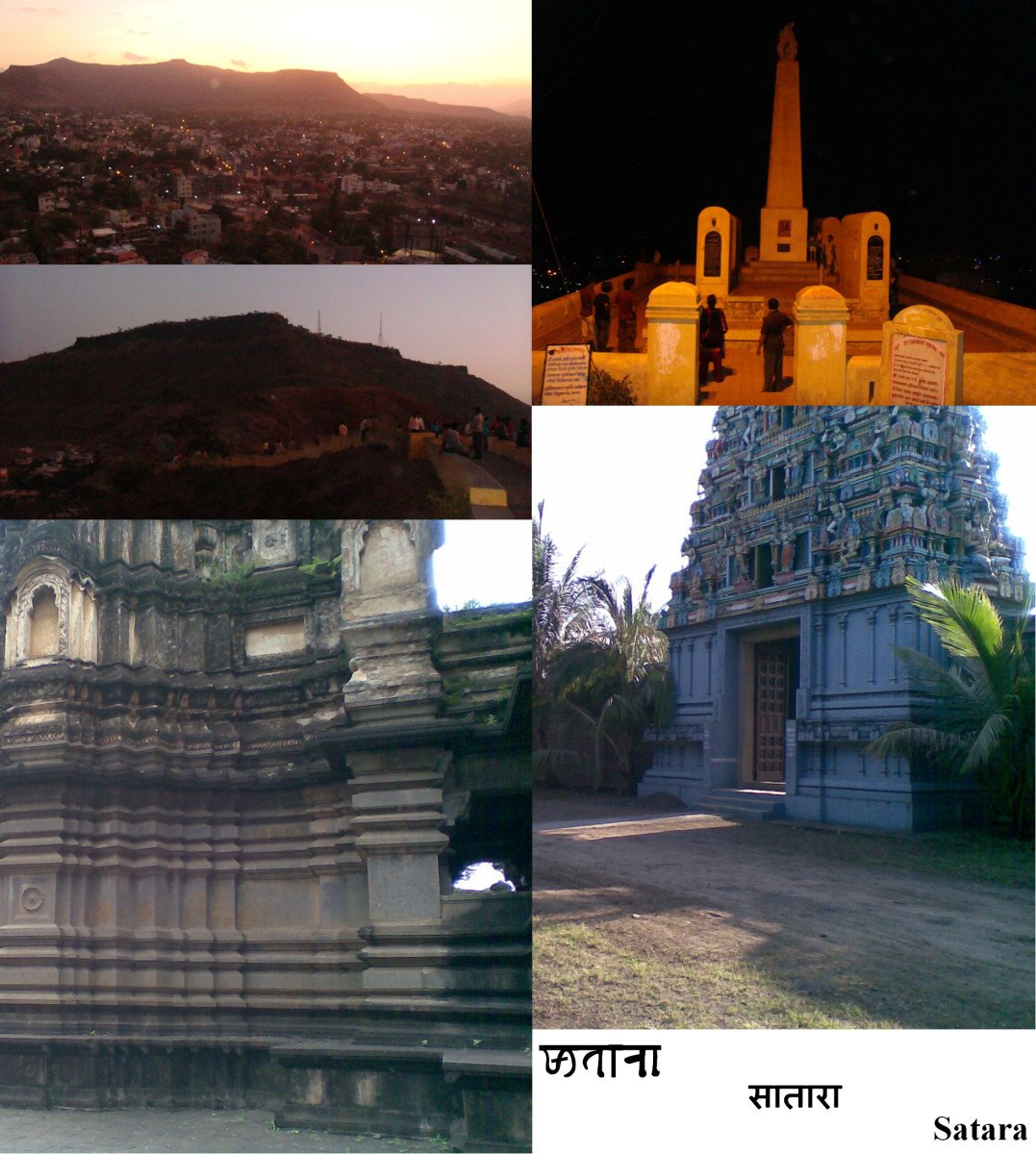
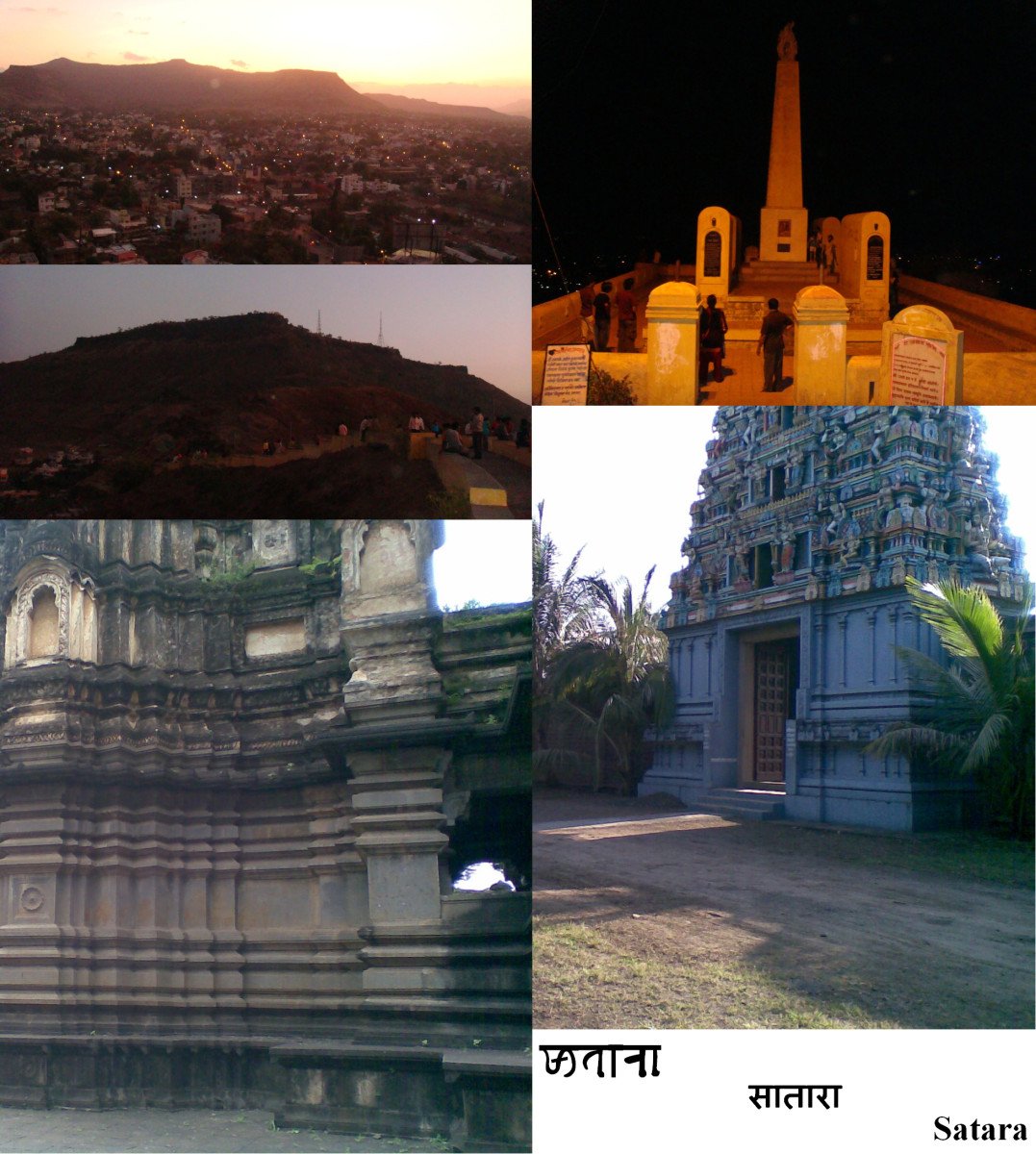
Natraj Mandir
General information
-
Ideal Duration:
1-2 hoursPlace Type:
Temple/Religious Site/Architectural MarvelEntry Fees:
Ticket Pricing: There is No Entry Fee for devotees and visitors to the temple complex. :
Puja/Offering Fees: Separate, nominal charges apply for specific Pujas or ritual offerings requested by devotees. :
Parking ...Ticket Pricing: There is No Entry Fee for devotees and visitors to the temple complex. :
Puja/Offering Fees: Separate, nominal charges apply for specific Pujas or ritual offerings requested by devotees. :
Parking Fees: There is generally a dedicated parking area which may charge a nominal fee (e. g. , Rs.20-Rs.50) for vehicles. :
Photography Fees: No fees for amateur or mobile photography, but photography is usually restricted inside the main sanctum for respect. :
Guide/Priest Fees: Any voluntary donation to the temple or the priests is at the discretion of the visitor. :Timing:
Regular Timings: Generally open from 6:00 AM to 1:00 PM and then from 4:00 PM to 8:30 PM for Darshan and Puja. :
Ideal Visit Time: Early Morning (6:00 AM - 9:00 AM) for a peaceful Darshan before the crowds and the midday closure. Evening (4:...Regular Timings: Generally open from 6:00 AM to 1:00 PM and then from 4:00 PM to 8:30 PM for Darshan and Puja. :
Ideal Visit Time: Early Morning (6:00 AM - 9:00 AM) for a peaceful Darshan before the crowds and the midday closure. Evening (4:00 PM onwards) is also good. :
Aarti Timings: Check with the temple for specific Aarti (prayer ceremony) timings, which are a visually and spiritually rewarding time to visit. :
Closure: The temple typically closes in the Afternoon (1:00 PM - 4:00 PM). :Special Events:
Mahashivratri: The major festival dedicated to Lord Shiva, seeing massive crowds, special Pujas, and cultural programs, including classical dance performances. :
Navratri Celebrations: The shrine of Goddess Shivkamsundari is the center of spe...Mahashivratri: The major festival dedicated to Lord Shiva, seeing massive crowds, special Pujas, and cultural programs, including classical dance performances. :
Navratri Celebrations: The shrine of Goddess Shivkamsundari is the center of special celebrations during the nine days of Navratri. :
Arudra Darshanam: A specific festival related to Lord Nataraja's cosmic dance, celebrated with great devotion, usually in December or January. :
Annual Cultural Programs: The temple often hosts classical music and dance performances, especially Bharatanatyam, throughout the year. :Best Photo Spots:
The Main Gopuram: The tall, multi-tiered, and colorful entrance tower is the most iconic and essential photo spot. :
The 108 Karanas Carvings: Close-up shots of the detailed, dynamic dance postures carved on the wall are highly recommended fo...The Main Gopuram: The tall, multi-tiered, and colorful entrance tower is the most iconic and essential photo spot. :
The 108 Karanas Carvings: Close-up shots of the detailed, dynamic dance postures carved on the wall are highly recommended for art and dance photography. :
The Interior Pillars: The intricately carved pillars in the Mandapams offer excellent opportunities for architectural detail shots. :
Temple Reflection: Capture the reflection of the temple in a water body or polished floor (if applicable) for a unique shot. :
River Backdrop: Frame the temple structure with the serene river confluence in the background. :Photo Gallery
Things To Do
-
Worship and Prayer: Offer prayers to Lord Nataraja and Goddess Shivkamsundari in the traditional style. :
Architecture Study: Spend time admiring and studying the magnificent Dravidian architecture, especially the intricate carvings on the Gopuram and the walls. :
Dance/Art Study: Observe and photograph the 108 Karanas dance postures carved on the temple walls, a learning experience for classical dancers. :
Meditation: The temple complex and the area near the river confluence are peaceful spots for quiet reflection and meditation. :
Photography: Capture the imposing, colorful Gopuram and the detailed wall carvings (be respectful inside the main sanctum). :
River Visit: Take a short walk to the Sangam ...Worship and Prayer: Offer prayers to Lord Nataraja and Goddess Shivkamsundari in the traditional style. :
Architecture Study: Spend time admiring and studying the magnificent Dravidian architecture, especially the intricate carvings on the Gopuram and the walls. :
Dance/Art Study: Observe and photograph the 108 Karanas dance postures carved on the temple walls, a learning experience for classical dancers. :
Meditation: The temple complex and the area near the river confluence are peaceful spots for quiet reflection and meditation. :
Photography: Capture the imposing, colorful Gopuram and the detailed wall carvings (be respectful inside the main sanctum). :
River Visit: Take a short walk to the Sangam point of the Krishna and Venna rivers nearby. :
Local Interaction: Engage with the temple priests or staff to learn more about the temple's history and unique features. :
Information
-
Why Famous:
Dravidian Replica: Famous for being a perfect and rare replica of the ancient Nataraja Temple in Chidambaram, bringing South Indian temple architecture and deity worship to Maharashtra. :
108 Karanas: Renowned for the intricate carvings of al...Dravidian Replica: Famous for being a perfect and rare replica of the ancient Nataraja Temple in Chidambaram, bringing South Indian temple architecture and deity worship to Maharashtra. :
108 Karanas: Renowned for the intricate carvings of all 108 Karanas of the Natya Shastra on its walls, a major draw for dancers and art historians. :
Sacred Sangam Location: Its location near the confluence of the holy Krishna and Venna rivers adds to its spiritual significance. :
Spiritual Legacy: Established under the guidance of a great spiritual leader, lending it high religious importance in the region. : -
Architecture:
Architectural Style: The temple is a brilliant example of Dravidian Architecture, replicating the style of the original Chidambaram Temple in South India. It features characteristic elements like a towering, ornate Gopuram (entrance tower), a richly decorated Vimana (centra...Architectural Style: The temple is a brilliant example of Dravidian Architecture, replicating the style of the original Chidambaram Temple in South India. It features characteristic elements like a towering, ornate Gopuram (entrance tower), a richly decorated Vimana (central shrine tower), and large Mandapams (pillared halls). :
Dimension & Layout: The overall complex is spacious, featuring a central sanctum, surrounding prakaras (courtyards), and a large entrance gopuram. The height of the Gopuram is significant and is a prominent landmark on the highway. :
Key Features: The unique feature is the detailed depiction of the 108 Karanas in stone carvings on the walls, making it a unique repository of classical Indian dance history in Maharashtra. :
Material: Built using modern construction techniques but adhering strictly to the traditional temple design principles, likely using a combination of stone, concrete, and ornate plasterwork, painted in the bright colors typical of South Indian temples. : -
How To Reach:
By Air: Nearest airport is Pune International Airport (PNQ) (approx. 110 km). From Pune, taxi or bus to Satara. :
By Train: Nearest major station is Satara Railway Station (STR). The temple is about 7-8 km from the station. Take an auto-r...By Air: Nearest airport is Pune International Airport (PNQ) (approx. 110 km). From Pune, taxi or bus to Satara. :
By Train: Nearest major station is Satara Railway Station (STR). The temple is about 7-8 km from the station. Take an auto-rickshaw or taxi. :
By Road: Easily accessible as it is located very close to the Satara exit/entry point on National Highway 48 (NH48). Satara is well-connected by road from major cities. :
By Local Transport: A short and convenient auto-rickshaw or hired taxi ride from anywhere in Satara city. It is a very well-known landmark, making Local Transport easy to find. : -
Weather and Best Time to Visit:
Different Types of Seasons: Winter (October to March) is the Best Time to Visit due to cool, pleasant weather, ideal for comfortable prayer and viewing. Monsoon can also be pleasant but wet. :
Different Parts of the Day: Early Morning is bes...Different Types of Seasons: Winter (October to March) is the Best Time to Visit due to cool, pleasant weather, ideal for comfortable prayer and viewing. Monsoon can also be pleasant but wet. :
Different Parts of the Day: Early Morning is best for a serene visit and witnessing the temple rituals. Evening is also popular for the atmosphere and cooler temperature. :
Specific Month Recommendation: November to February for the mildest weather. : -
Near Tourist Places:
Kanher Dam (8 km):
Ajinkyatara Fort (5 km):
Char Bhinti Hutatma Smarak (5 km):
Sangam Mahuli (5 km):
Rajwada, Satara (6 km):
Sajjangad Fort (22 km):
Yavateshwar Temple (13 km):
Dholya Ganapati Temple, Wai (30 km):
Kaas Plateau (30 km):
Thoseghar Waterfall (30 km):
Tourism Tips
-
Health & Safety: Dress modestly as it is a place of worship. Remove footwear outside the temple premises. :
Packing: Carry a water bottle. No specific equipment is needed, but a camera is useful for capturing the exterior architecture. :Health & Safety: Dress modestly as it is a place of worship. Remove footwear outside the temple premises. :
Packing: Carry a water bottle. No specific equipment is needed, but a camera is useful for capturing the exterior architecture. :
Accommodation: Stay in one of the many hotels in Satara city, which are very close. :
Respect Rituals: Be mindful of the local customs and rituals during the Puja and Aarti. :
Photography Rule: Always ask permission or refrain from photography inside the main sanctum out of respect. :
Reviews
FAQs
Satara Itineray And Cost:-
Information about New and Updated Locations() of Maharashtra Has Been Added :-
Card subtitle
Note:-
Information provided here in good Faith and for reference only.
All information and pictures will be updated soon, please keep visiting.
Near Places
Ajinkyatara Fort
Some quick example text to build on the card title and make up the bulk of the card's content.
Go somewhere
Aundh
Some quick example text to build on the card title and make up the bulk of the card's content.
Go somewhere
Bamnoli
Some quick example text to build on the card title and make up the bulk of the card's content.
Go somewhere
Chalkewadi Windmill Farms
Some quick example text to build on the card title and make up the bulk of the card's content.
Go somewhere
Char Bhinti Hutatma Smarak
Some quick example text to build on the card title and make up the bulk of the card's content.
Go somewhere
Kaas Lake
Some quick example text to build on the card title and make up the bulk of the card's content.
Go somewhere
Kaas Plateau
Some quick example text to build on the card title and make up the bulk of the card's content.
Go somewhere
Kanher Dam
Some quick example text to build on the card title and make up the bulk of the card's content.
Go somewhere
Koyna Dam
Some quick example text to build on the card title and make up the bulk of the card's content.
Go somewhere
Mayani Bird Sanctuary
Some quick example text to build on the card title and make up the bulk of the card's content.
Go somewherein Other Cities