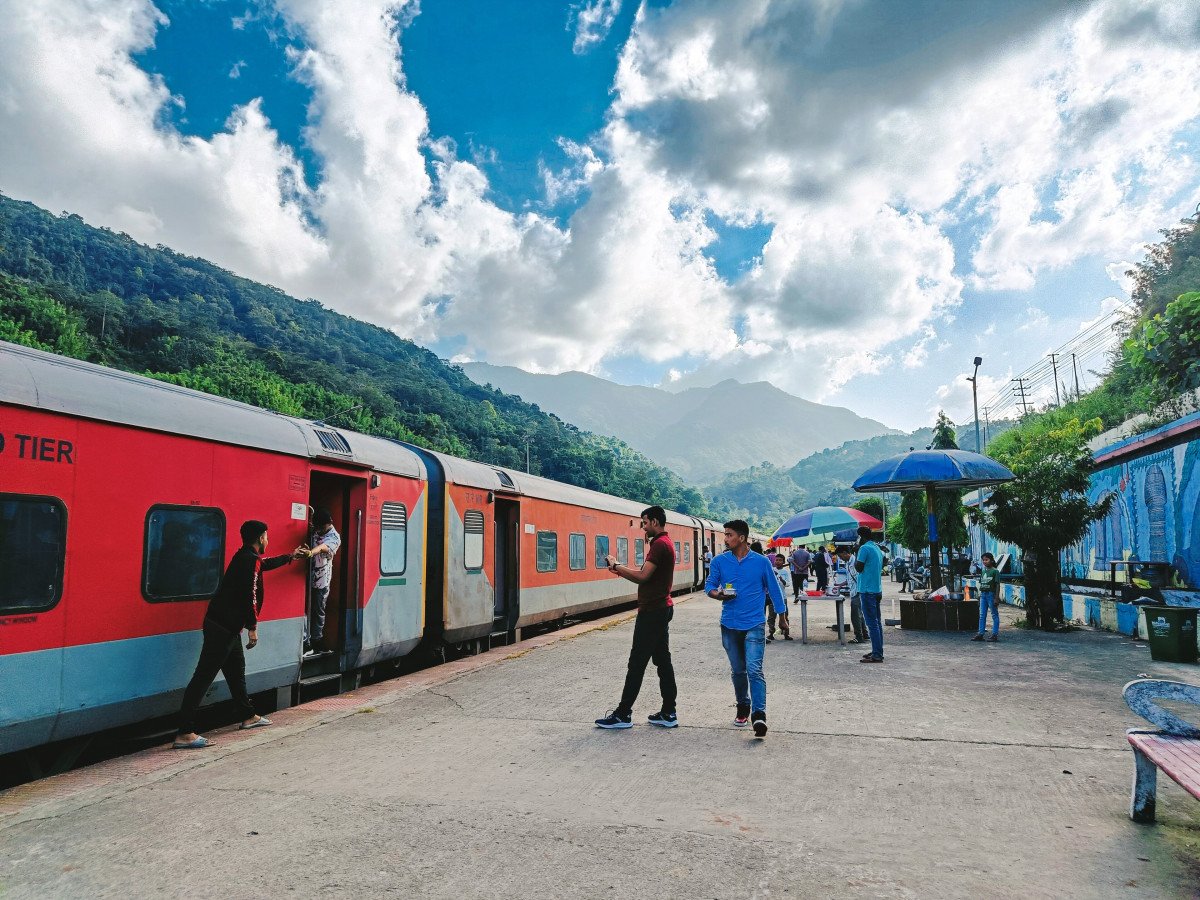
New Haflong Railway Station
General information
-
Ideal Duration:
1 to 2 Hours (Primarily as a transit point or for railfanning/photography of the scenic route); 1 Day (To explore the station and its immediate surroundings like the old railway line nearby).Place Type:
Railway Station, Transportation Hub, Scenic ViewpoEntry Fees:
Access and Fees: As a functional railway station, there are generally no entry fees to the station premises for passengers holding a valid train ticket. For non-passengers, a platform ticket is required for entry to the platforms.
Platform Tick...Access and Fees: As a functional railway station, there are generally no entry fees to the station premises for passengers holding a valid train ticket. For non-passengers, a platform ticket is required for entry to the platforms.
Platform Ticket Details: The cost of a platform ticket in India is typically nominal, around Rs.10 (Rupees Ten). These tickets are issued at the main counter. Purchasing this ticket is essential for anyone wishing to visit the platforms for photography, railfanning, or seeing off/receiving passengers, to avoid fines.
Photography/Filming: For casual photography by tourists, the platform ticket suffices. However, professional or commercial filming on the station premises would require explicit permission from the Northeast Frontier Railway authorities, often involving a significant fee and bureaucratic process, which is important for serious photographers or documentarians to note. No fees are charged for simply viewing the station area from the outside parking or approach roads.Timing:
Regular Timings: The station operates 24 hours a day, 7 days a week, as a functioning junction handling passenger and freight trains. However, ticket counters and reservation offices usually follow specific, published schedules. Services for passengers are available corres...Regular Timings: The station operates 24 hours a day, 7 days a week, as a functioning junction handling passenger and freight trains. However, ticket counters and reservation offices usually follow specific, published schedules. Services for passengers are available corresponding to train arrivals and departures, which happen throughout the day and night.
Ideal Visit Time (Best Train Spotting): The best time to visit for scenic views and train photography is during the early morning (5:30 AM to 8:00 AM) for dramatic mist/sunrise shots, or late afternoon (4:00 PM to 6:00 PM) to catch the soft evening light on the hills. For the most pleasant weather, the period from October to April is highly recommended. The station is busiest during the arrival and departure of major express trains.Special Events:
Seasonal Railfan Gatherings: Although not an official event, the scenic beauty and technical challenge of the route attract rail enthusiasts (railfans) from across India and the world, especially during the post-monsoon and winter months (October to February). They often co...Seasonal Railfan Gatherings: Although not an official event, the scenic beauty and technical challenge of the route attract rail enthusiasts (railfans) from across India and the world, especially during the post-monsoon and winter months (October to February). They often converge near the station to capture the unique phenomenon of long-distance trains navigating the steep curves and tunnels.
New Year/Festive Rush: The station experiences its most significant 'special event' in the form of a major rush during major festivals like Durga Puja/Navaratri (usually September to October) and Bihu (especially Rongali Bihu in April), and around Christmas and New Year's (late December to early January). During these times, the atmosphere is vibrant, with families traveling, and the station becoming a focal point of festive human activity.Best Photo Spots:
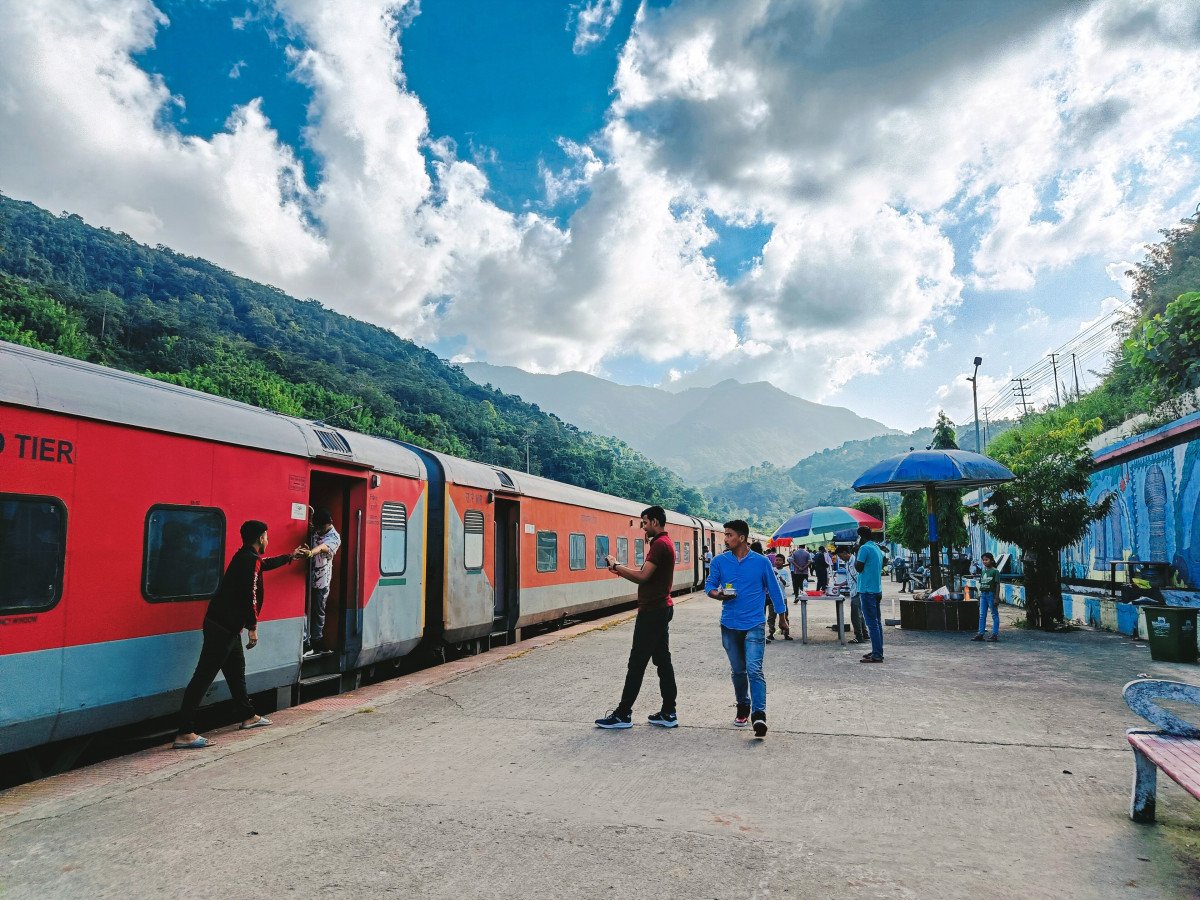
The Platform End: The end of Platform 1 or 3, particularly the side facing the approaching track, offers a classic 'train in the hills' shot, allowing the photographer to frame the train with the backdrop of the rugged, forested hillsides.
The A...The Platform End: The end of Platform 1 or 3, particularly the side facing the approaching track, offers a classic 'train in the hills' shot, allowing the photographer to frame the train with the backdrop of the rugged, forested hillsides.
The Approach Road Bridge: The small overpass or bridges on the approach road to the station provide an elevated vantage point to capture the entire station yard and the surrounding valley, particularly effective for sunset or sunrise shots with the station lights twinkling.
The Old Railway Track Trek: A short trek down the valley side towards the old route yields spectacular, moody photos of the overgrown, abandoned tracks and tunnels, capturing a sense of historical decay and nature reclaiming the past. The light filtering through the dense canopy is ideal for dramatic shots.
Capturing the Fog and Mist: In the early mornings, particularly in the winter months (November to February), the station and its surrounding peaks are often enveloped in mist. Capturing a train emerging from or disappearing into this mist provides an ethereal, dramatic photo opportunity unique to this hill station.Photo Gallery
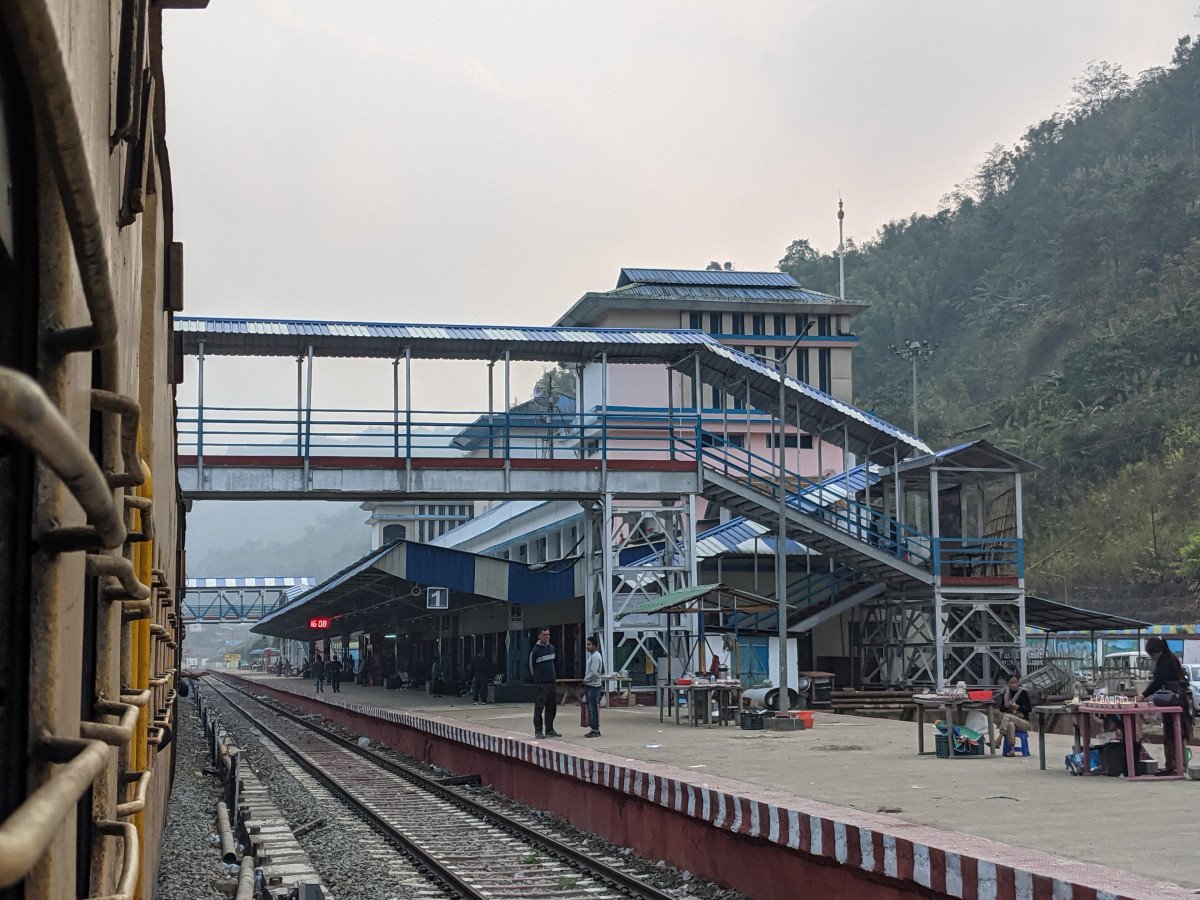
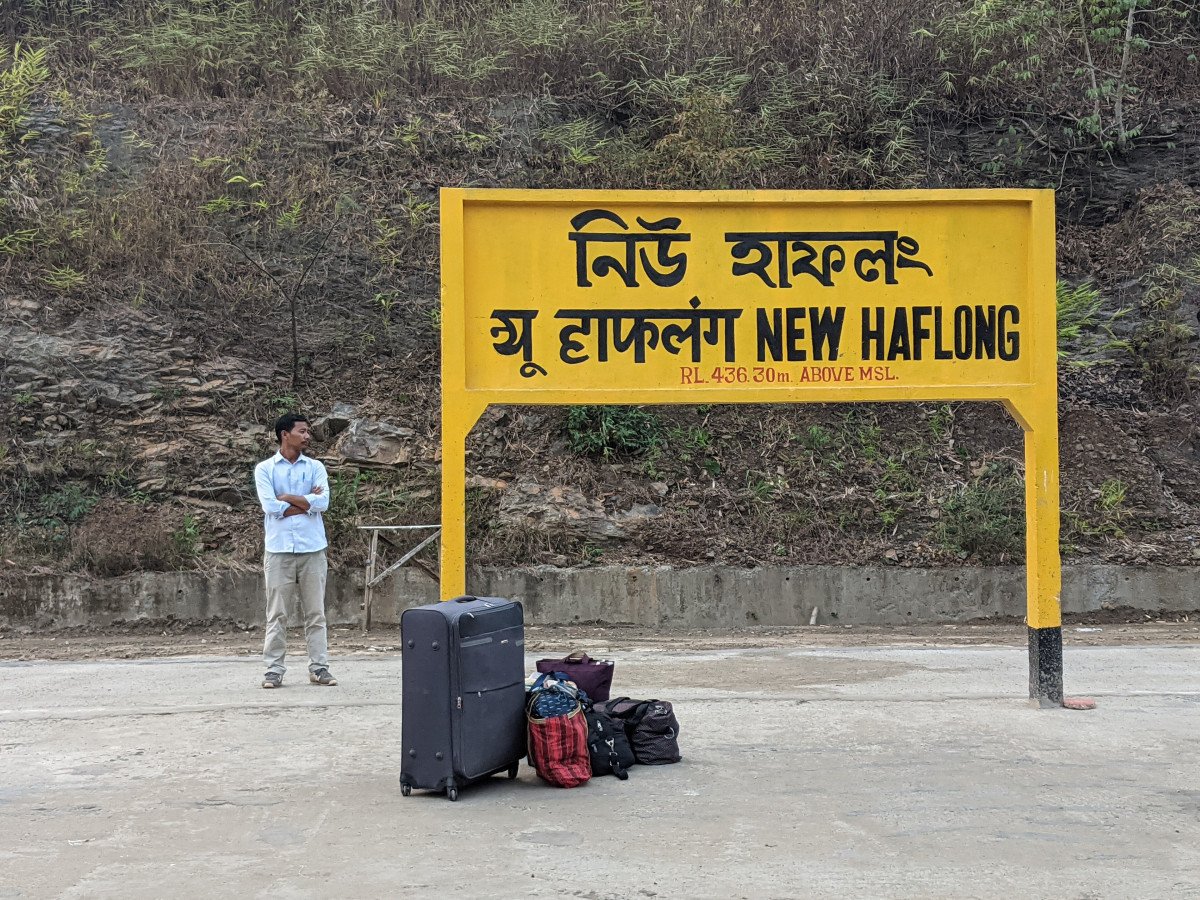
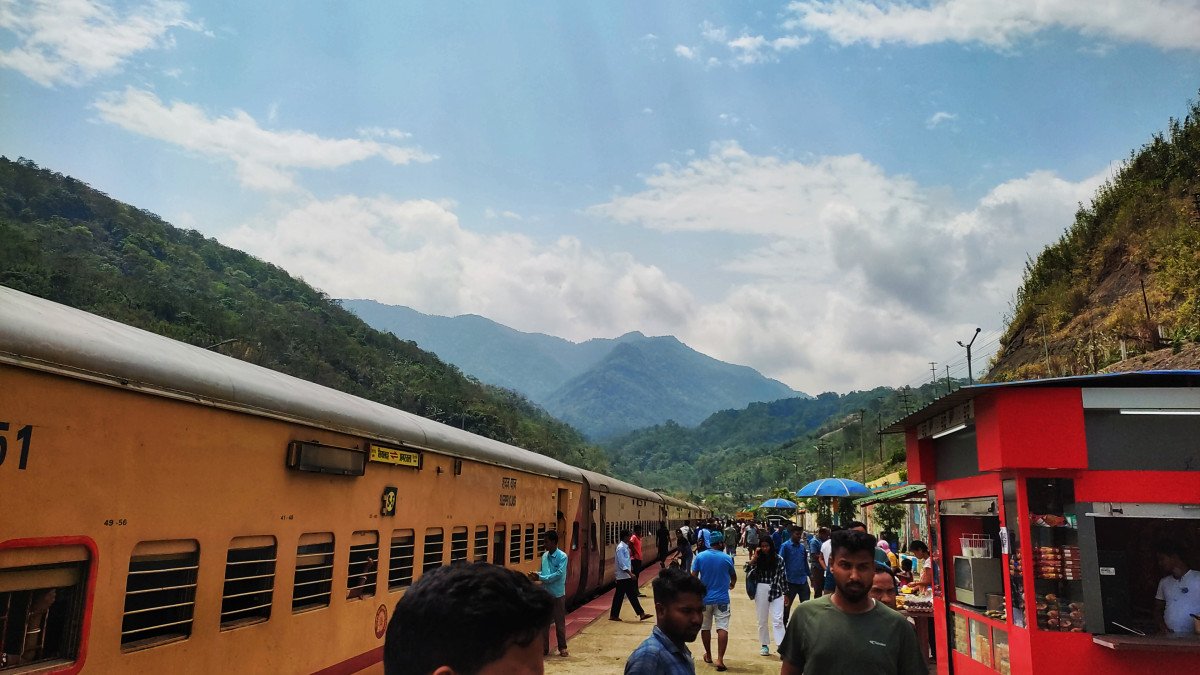
Things To Do
-
Photography of Rail Engineering: Dedicate time to capturing the impressive scene of a long train entering or exiting the station, highlighting the engineering feat of laying broad-gauge track in this mountainous region. The sheer scale of the cuttings and embankments is a visual spectacle. Look for trains like the Kanchanjunga Express or the Rajdhani Express to get the best pictures.
Experiencing the Scenic Train Ride: The most popular 'thing to do' is to take a short, scenic train ride from New Haflong to a nearby station like Mahur (11 KMS) or Maibang (20 KMS) and return. This allows one to fully appreciate the tunnels and bridges of the Lumding–Silchar section without committing to a long journey. The views from the train are unparalleled, offering glimpses of valleys, dense forests, and tribal villages.Photography of Rail Engineering: Dedicate time to capturing the impressive scene of a long train entering or exiting the station, highlighting the engineering feat of laying broad-gauge track in this mountainous region. The sheer scale of the cuttings and embankments is a visual spectacle. Look for trains like the Kanchanjunga Express or the Rajdhani Express to get the best pictures.
Experiencing the Scenic Train Ride: The most popular 'thing to do' is to take a short, scenic train ride from New Haflong to a nearby station like Mahur (11 KMS) or Maibang (20 KMS) and return. This allows one to fully appreciate the tunnels and bridges of the Lumding–Silchar section without committing to a long journey. The views from the train are unparalleled, offering glimpses of valleys, dense forests, and tribal villages.
Trekking the Old Railway Route: Hire a local guide and trek along the abandoned tracks of the old meter-gauge line, particularly the section near the former lower station. This provides a historical and adventurous experience, passing through old stone bridges and overgrown tunnels that echo the history of the British-era railway.
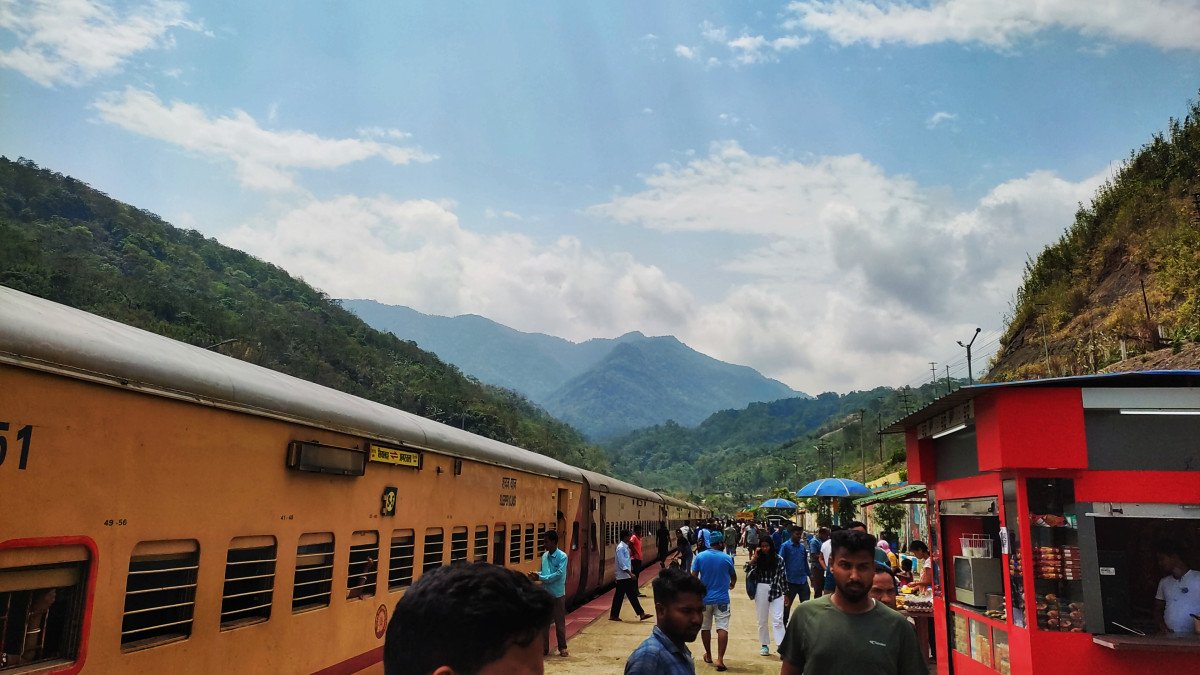
Local Cuisine at the Station Kiosks: Sample local Assamese and tribal snacks or light meals offered at the station canteens or nearby tea stalls. This is a great, convenient way to get a quick taste of the region's food before heading into town.
Observing Local Life: Spend time at the auto/taxi stand watching the movement of local people, travelers, and goods. New Haflong is a melting pot where people from the Dimasa, Zeme Naga, Hmar, and Kuki tribes, among others, converge, offering a brief but rich cultural observation opportunity.
Short Drive to Haflong Lake: Since the station is only about 6. 7 KMS from the town center, hire a local auto-rickshaw or taxi for a quick, scenic drive to Haflong Lake, which is the heart of the town. You can enjoy boating and the pleasant atmosphere there, making the station a functional starting point for a brief tour.
Information
-
Why Famous:
Gateway to the White Ant Hillock: The station is famous primarily because it serves Haflong, the only hill station in Assam. Prior to its establishment and the broad-gauge conversion, rail travel to Haflong was arduous. The New Haflong Railway Station revolutionized access...Gateway to the White Ant Hillock: The station is famous primarily because it serves Haflong, the only hill station in Assam. Prior to its establishment and the broad-gauge conversion, rail travel to Haflong was arduous. The New Haflong Railway Station revolutionized access, allowing direct express train connectivity from major Indian cities, significantly boosting tourism and trade in the secluded Dima Hasao district.
The Scenic Hill Section: Its location on the Lumding–Silchar section is renowned as one of India's most picturesque and challenging railway routes. Passengers often consider the journey itself, winding through tunnels, over high bridges, and along mountain cliffs, to be the main attraction. The station marks a crucial midpoint on this spectacular journey. New Haflong is thus a favorite spot for 'railfans' and photographers looking to capture the dramatic interplay of modern rail infrastructure and the rugged, lush terrain of the Barail Hills. This notoriety is cemented by the frequent news coverage the station receives, particularly concerning the engineering achievements and the challenges posed by natural events like landslides. -
Architecture:
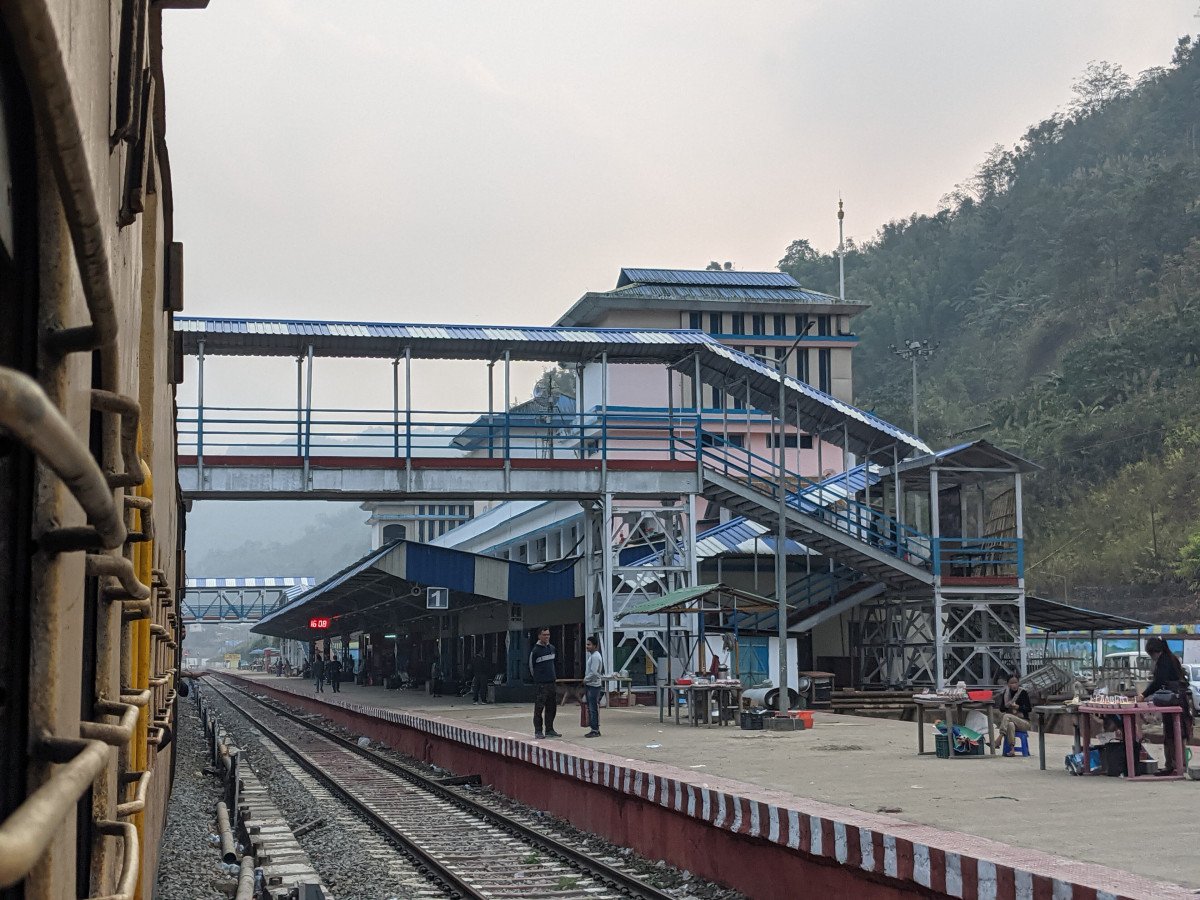
Engineering Marvel of the Hills: The station's architecture is primarily functional, designed to withstand the region's heavy rainfall and seismic activity, yet it is situated in a location that emphasizes the beauty of its surroundings. Being a modern broad-gauge station i...Engineering Marvel of the Hills: The station's architecture is primarily functional, designed to withstand the region's heavy rainfall and seismic activity, yet it is situated in a location that emphasizes the beauty of its surroundings. Being a modern broad-gauge station in challenging terrain, its design prioritizes stability and operational efficiency. The structure is a standard, on-ground station, featuring three fully functional platforms and four tracks, catering to the significant traffic that passes through the Lumding–Sabroom section. The use of robust materials like reinforced concrete and steel is evident throughout the platform sheds and main building.
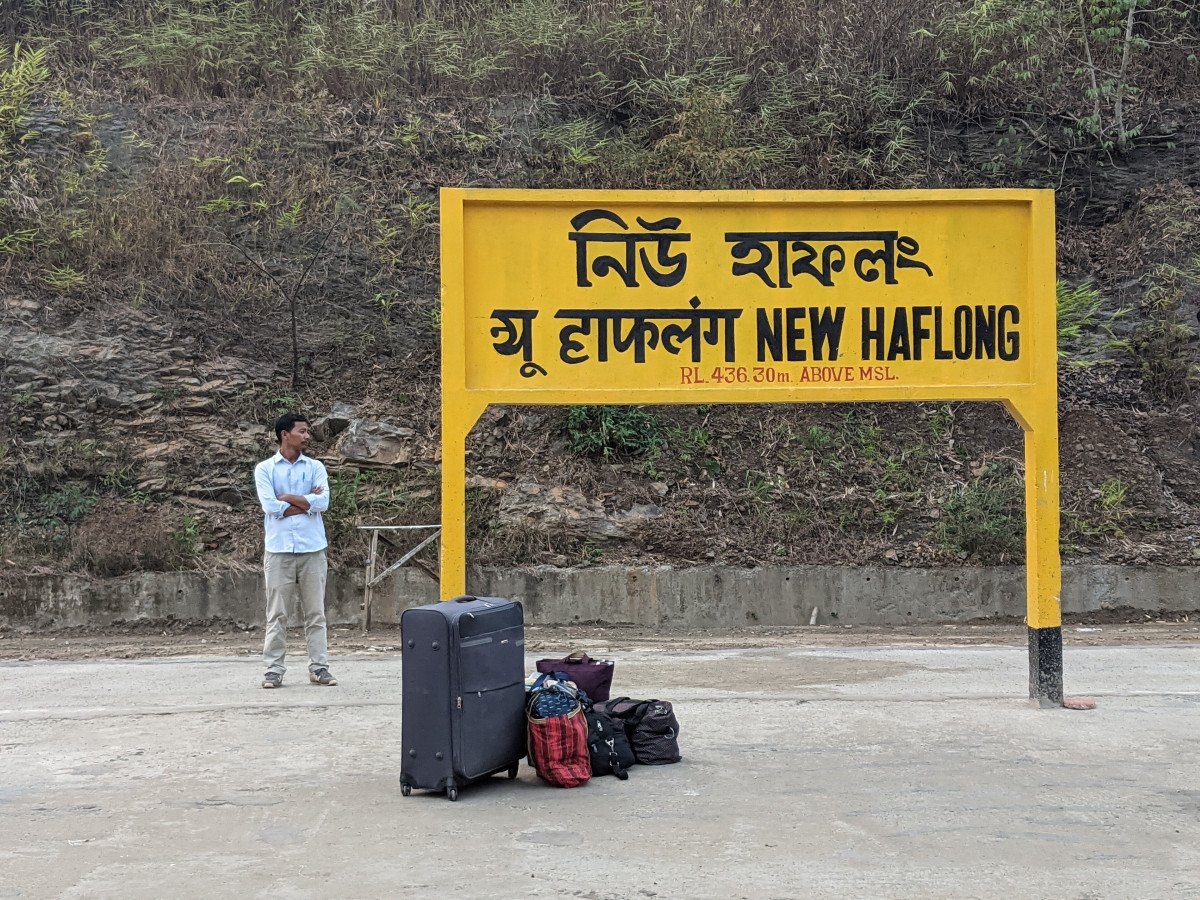
Dimension and Layout: The station spans a considerable length to accommodate long express trains, typical of a main line halt. The three platforms are covered by functional sheds to protect passengers from the sun and rain, a necessary feature in the often-wet Assam climate. The waiting areas and ticket counters are designed for efficient passenger flow. Unlike older British-era stations, the architectural style here is modern Indian Railway utility, but its uniqueness lies in its elevation of approximately 446 meters above sea level and the breathtaking context—a testament to civil engineering conquering the steep slopes of the Barail Range. The station premises include an auto stand for local transport connections to the main Haflong town. -
How To Reach:
By Air: The nearest airport is Kumbhirgram Airport (SIL) in Silchar, located approximately 100-110 KMS away from Haflong. From the airport, one must hire a pre-paid taxi or a private cab for the approximately 3. 5 to 4-hour scenic road journey to New Haflong Railway Station...By Air: The nearest airport is Kumbhirgram Airport (SIL) in Silchar, located approximately 100-110 KMS away from Haflong. From the airport, one must hire a pre-paid taxi or a private cab for the approximately 3. 5 to 4-hour scenic road journey to New Haflong Railway Station. Travelers from other parts of India will typically fly to Guwahati (Lokpriya Gopinath Bordoloi International Airport, GAU) first and then take an overnight train or a long road journey (approx. 330 KMS) to Haflong.
By Train: This is the most recommended way. The station itself is the destination. New Haflong Railway Station (NHLG) is well-connected on the broad-gauge network. Direct trains are available from major cities. For example, the journey from Guwahati (GHY) takes around 6-8 hours, covering a distance of approximately 172 KMS through one of the most scenic hill routes. Passengers should book tickets in advance, especially on trains like the Rajdhani Express or Kanchanjunga Express.
By Road: Haflong is connected by National Highway 27 (NH 27) and other state highways. A road journey from Guwahati is roughly 330-350 KMS and takes 8-10 hours by bus or private car, depending on road conditions in the hill section. Government and private buses ply the route. From the main Haflong town center (where most bus services terminate), the station is a short 20-minute drive.
By Local Transport: From the main Haflong town or market area, the station is easily accessible. Shared auto-rickshaws (locally called 'autos') and hired taxis are readily available. The cost is affordable for the 6-7 KMS trip, but travelers should negotiate the fare beforehand, particularly for taxis. Autos are the most common and economical way to travel between the town and the station. -
Weather and Best Time to Visit:
Different Seasons:
Winter (October to March): This is the absolute best time for tourists. The weather is cool, dry, and extremely pleasant, with temperatures ranging from 8°C to 20°C. The skies are often clear, offering the best visibili...Different Seasons:
Winter (October to March): This is the absolute best time for tourists. The weather is cool, dry, and extremely pleasant, with temperatures ranging from 8°C to 20°C. The skies are often clear, offering the best visibility for the scenic train route and hill views. This is the ideal time for trekking and sightseeing.
Summer (April to June): The weather is moderately warm and bearable, with temperatures between 15°C and 30°C. It is a good time to visit to escape the scorching heat of the plains, though visibility can be hazy at times.
Monsoon (July to September): Travel during this period should be undertaken with caution. Heavy rainfall can lead to landslides and temporary train/road disruptions, as was the case in May 2022. However, the hills are at their greenest, and waterfalls are at their peak flow, offering dramatic views for those who don't mind the risk of delays.
Different Parts of the Day:
Sunrise/Early Morning: Best for photographers due to the soft, diffused light, often with mist settling in the valleys, creating a magical atmosphere around the station.
Afternoon: Best for catching trains as some of the major express trains often have afternoon scheduled stops. The light is harsh but good for general sightseeing.
Evening: Ideal for watching the sunset over the Barail Range and observing the station activities under the platform lights. -
Near Tourist Places:
1.
Haflong Lake: 6. 5 KMS (Town Center, for boating and leisure). 2.
Haflong Hill: 7. 5 KMS (Viewpoint for panoramic views). 3.
Old Haflong Railway Station: Approx. 4-5 KMS (Historical site, Lower Haflong). 4.
Jatinga Village: Approx. 15 KMS (Famous for the 'bird mystery' in September-November). 5.
Maibong: Approx. 45 KMS (Historical Dimasa Kachari capital, Ramchandi Temple). 6.
Fiangpui Presbyterian Church: Approx. 8 KMS (Biggest church, good viewpoint). 7.
Muolhoi View-Point: Approx. 9 KMS (Offers a clear view of Haflong town). 8.
Boro Haflong View Point: Approx. 12 KMS (Tall building offering expansive views of the Barail Range). 9.
Bendao Baglai Waterfalls: Approx. 18 KMS (Trekking and waterfall spot). 10.
Panimoor Falls: Approx. 120 KMS (A popular, though distant, waterfall on the Kopili River).
Tourism Tips
-
Health & Safety:
Landslide Awareness: Always check the Northeast Frontier Railway and local news for weather and train service updates, especially during the Monsoon season (June to September), as the hill section is prone to landslides. Car...Health & Safety:
Landslide Awareness: Always check the Northeast Frontier Railway and local news for weather and train service updates, especially during the Monsoon season (June to September), as the hill section is prone to landslides. Carry basic first-aid, insect repellent, and stay on marked paths if trekking near the old line.
Packing Essentials: Pack light woolens even during the summer, as evenings are cool. In winter, heavy woolens are necessary. Sturdy walking shoes are a must for exploring the station's surroundings and any trekking. Carry a power bank, as charging points might be limited, especially in the train.
Accommodation: Book accommodation in Haflong town well in advance, particularly during the peak season (October to March). Hotels and guesthouses are available in the main town, approximately 6. 7 KMS from the station. The station area itself has very limited lodging options.
Local Transport and Language: Negotiate auto and taxi fares before starting the journey. The local language is Dimasa, and Assamese is widely spoken, but Hindi is also understood by most service providers. Always be respectful of the local tribal cultures and traditions. Carry sufficient cash, as digital payment facilities can be unreliable, and ATMs are mainly confined to the main town.
Reviews
FAQs
Haflong Itineray And Cost:-
New Haflong Railway Station Tourism:-
Information about New and Updated Locations() of Assam Has Been Added :-
Card subtitle
Note:-
Information provided here in good Faith and for reference only.
Near Places
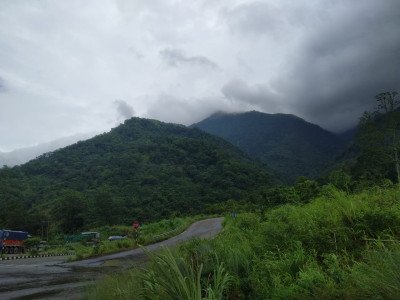
Barail Range Forest
Some quick example text to build on the card title and make up the bulk of the card's content.
Go somewhere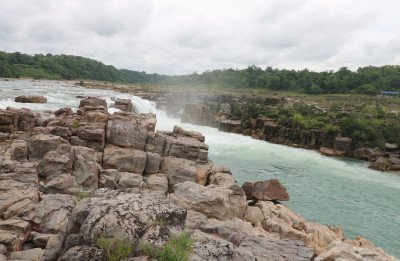
Bendao Baglai Waterfalls
Some quick example text to build on the card title and make up the bulk of the card's content.
Go somewhere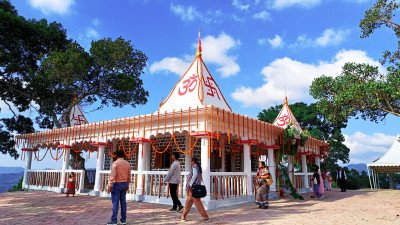
Devi Mandir View Point
Some quick example text to build on the card title and make up the bulk of the card's content.
Go somewhere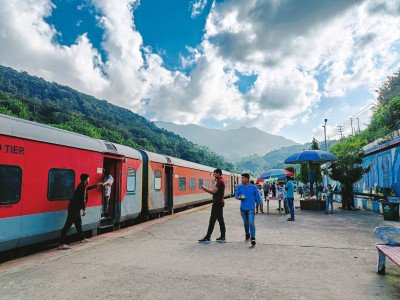
Dima Hasao Town
Some quick example text to build on the card title and make up the bulk of the card's content.
Go somewhere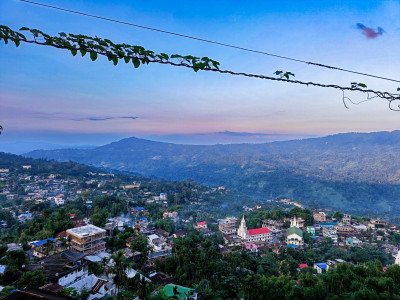
Dima Hasao View Point
Some quick example text to build on the card title and make up the bulk of the card's content.
Go somewhere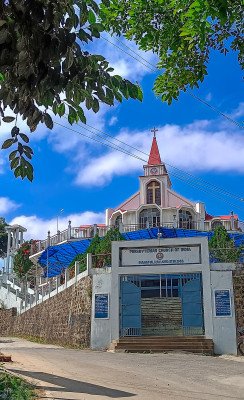
Fiangpui Presbyterian Church
Some quick example text to build on the card title and make up the bulk of the card's content.
Go somewhere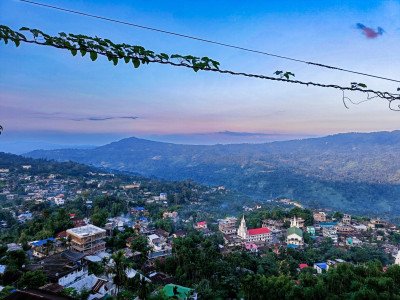
Full Town View
Some quick example text to build on the card title and make up the bulk of the card's content.
Go somewhere
Haflong Hill
Some quick example text to build on the card title and make up the bulk of the card's content.
Go somewhere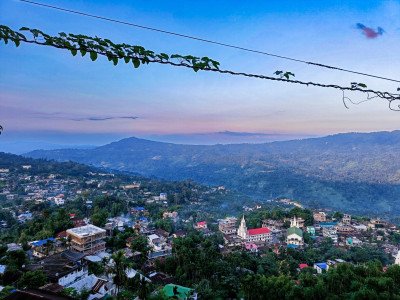
Haflong Hill View Point
Some quick example text to build on the card title and make up the bulk of the card's content.
Go somewhere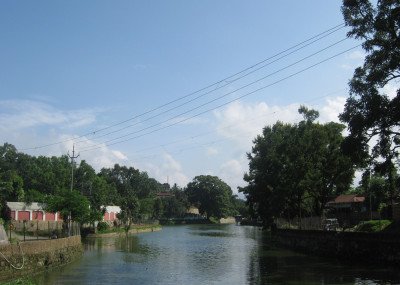
Haflong Lake
Some quick example text to build on the card title and make up the bulk of the card's content.
Go somewhere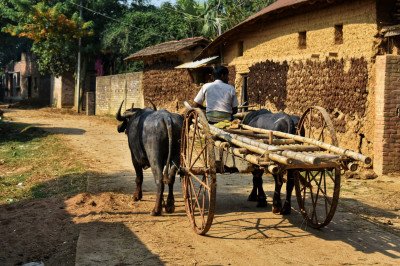
Jatinga Bird Watching Tower and Samparidisa Village
Some quick example text to build on the card title and make up the bulk of the card's content.
Go somewhere
Jatinga Bird Watching Tower
Some quick example text to build on the card title and make up the bulk of the card's content.
Go somewhere
Jatinga Village
Some quick example text to build on the card title and make up the bulk of the card's content.
Go somewhere
Maibong
Some quick example text to build on the card title and make up the bulk of the card's content.
Go somewhere
Majangdzi Hading
Some quick example text to build on the card title and make up the bulk of the card's content.
Go somewhere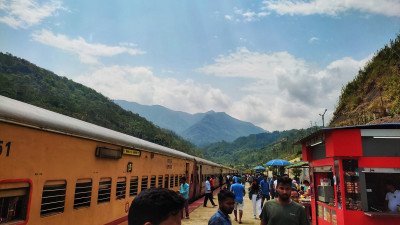
New Haflong Railway Station
Some quick example text to build on the card title and make up the bulk of the card's content.
Go somewherein Other Cities