

Paigah Tombs
General information
-
Ideal Duration:
1 to 1. 5 hours (For detailed viewing of the architecture)Place Type:
Historical and Architectural MonumentEntry Fees:
No Entry Fee: The Paigah Tombs currently have No Entry Fee for visitors. This makes it a highly accessible historical site, relying on its inherent cultural value to attract tourists rather than commercial revenue. The absence of a fee is common for many less-crowded or sm...No Entry Fee: The Paigah Tombs currently have No Entry Fee for visitors. This makes it a highly accessible historical site, relying on its inherent cultural value to attract tourists rather than commercial revenue. The absence of a fee is common for many less-crowded or smaller archaeological sites managed by local bodies.
Voluntary Donations: While there is no official entry fee, visitors are sometimes encouraged to provide a voluntary donation towards the maintenance and restoration of the historical site. There may be a donation box near the entrance or an official working on the premises, which is an optional contribution for the upkeep of the delicate stucco work.
Photography Charges: There are typically No explicit charges for still photography or mobile cameras. However, professional photography or videography for commercial purposes would likely require prior official permission and involve a fee, which is standard procedure for most historical monuments in India. The overall cost of visiting is virtually zero, making it a budget-friendly heritage destination.
Timing:
Regular Daily Timings: The Paigah Tombs are open on all days of the week, including Sundays. The general visiting hours are from 10:00 AM to 5:00 PM. This schedule is usually consistent throughout the year. It is important to remember that as a historical site and a place...Regular Daily Timings: The Paigah Tombs are open on all days of the week, including Sundays. The general visiting hours are from 10:00 AM to 5:00 PM. This schedule is usually consistent throughout the year. It is important to remember that as a historical site and a place of reverence, photography and general public decorum should be maintained.
Ideal Visit Time (Morning): The Ideal Visit Time is the mid-morning, between 10:00 AM and 12:00 PM. This avoids the mid-day heat, and the angle of the sun is excellent for photographing the delicate white marble stucco and lattice work (Jali). The complex is generally less crowded in the morning.
Ideal Visit Time (Late Afternoon): The late afternoon, from 3:00 PM to 5:00 PM, is also an Ideal Visit Time. The soft evening light enhances the architectural details and the shadows created by the screens, offering great opportunities for photography and quiet contemplation before the site closes.
Special Events:
Hyderabad Heritage Events: Although not a frequent event venue, the Paigah Tombs are occasionally featured as a site for special heritage walks and cultural programs organized by organizations like INTACH or the state tourism department, usually during World Heritage Week (i...Hyderabad Heritage Events: Although not a frequent event venue, the Paigah Tombs are occasionally featured as a site for special heritage walks and cultural programs organized by organizations like INTACH or the state tourism department, usually during World Heritage Week (in November) or other heritage-focused months. These events aim to draw public attention to the site's architectural and historical importance.
Night Photography Sessions: Due to its unique and photogenic architecture, the tombs complex sometimes hosts organized night photography or astrophotography workshops/sessions, especially during cooler months like December or January, under permission from the authorities. The dramatic lighting and shadows enhance the stucco artwork for visual artists.
Stucco Preservation Workshops: Periodically, the archaeological and preservation departments organize workshops or public presentations at the site to raise awareness about the fragile nature of the stucco plasterwork and the ongoing conservation efforts. These events offer a unique educational opportunity for visitors interested in art restoration and historical preservation.
Best Photo Spots:
The Intricate Jali Work: The finest photo spots are close-up shots of the detailed stucco and marble latticework (Jali). Focus on the geometric and floral patterns, especially the way the sunlight casts shadows through the screens, to capture the incredible detail and the e...The Intricate Jali Work: The finest photo spots are close-up shots of the detailed stucco and marble latticework (Jali). Focus on the geometric and floral patterns, especially the way the sunlight casts shadows through the screens, to capture the incredible detail and the ethereal 'lace in stone' effect that the tombs are famous for.
The Arched Corridors: The long corridors and arches connecting the different tombs, adorned with intricate plasterwork, create beautiful frames and lines, perfect for architectural and perspective photography. Photographing a person walking through these arches adds a sense of scale and historical depth.
The Canopied Tombs: The individual tombs, particularly the larger ones with their canopies and elevated platforms, make for majestic shots. Photographing the complete structure from a low angle, highlighting the dome and the white stucco against the blue sky, emphasizes the grandeur of the Paigah nobles.
The Quiet Courtyard: The inner courtyard, with its serene atmosphere, provides an excellent setting for reflective and peaceful photography. Capturing the white marble structures against the green of the surrounding trees can create a stunning and tranquil image.
Photo Gallery
Things To Do
-
Admire the Stucco Architecture: The main activity is the detailed appreciation of the Indo-Saracenic architecture. Walk slowly through the complex, focusing on the intricate stucco plasterwork, the delicate white marble latticework (Jali work) that filters the light, and the geometric and floral carvings on the arches and canopies of the numerous tombs. Spend time comparing the different styles of the various tombs.
Study the Paigah History: Read the inscriptions and information boards (if available) to understand the history of the Paigah family and their role in the Nizam's court. Identify the tombs of the major nobles like Asman Jah and Viqar-ul-Umara. The site offers a profound historical lesson on the aristocratic social structure of the Hyderabad State.
Enjoy the Tranquil Environment: T...Admire the Stucco Architecture: The main activity is the detailed appreciation of the Indo-Saracenic architecture. Walk slowly through the complex, focusing on the intricate stucco plasterwork, the delicate white marble latticework (Jali work) that filters the light, and the geometric and floral carvings on the arches and canopies of the numerous tombs. Spend time comparing the different styles of the various tombs.
Study the Paigah History: Read the inscriptions and information boards (if available) to understand the history of the Paigah family and their role in the Nizam's court. Identify the tombs of the major nobles like Asman Jah and Viqar-ul-Umara. The site offers a profound historical lesson on the aristocratic social structure of the Hyderabad State.
Enjoy the Tranquil Environment: The tombs are set within a peaceful, walled courtyard, away from the main road's noise. Spend a few moments of quiet contemplation, using the space for reflection or simply enjoying the serene atmosphere that is rare in a busy city. It is an ideal spot for architectural sketching or quiet reading.
Photography of Jali Work: The delicate Jali screens provide excellent opportunities for close-up and abstract photography, especially when the light hits them at different angles, creating dramatic shadows and patterns. The white marble structures against the backdrop of the sky also make for majestic shots.
Visit the Adjacent Mosque: Pay a respectful visit to the small, functional mosque within the complex. Observe the continued use of the historical site for religious purposes and the contrast between the highly ornate tombs and the more understated religious structure.
Analyze Architectural Fusion: For architecture enthusiasts, take time to analyze the blend of Rajput (chhatris and jali work), Mughal (domes and arches), and Deccani styles in the different structures. This comparative analysis reveals the syncretic nature of Hyderabadi art and construction.
Engage with Local Guides/Care-takers: If available, politely engage with the local care-takers or unofficial guides. They can sometimes share lesser-known stories, oral histories, and specific details about the tombs' occupants and the restoration work, which are not available on public signs.
Information
-
Why Famous:
Lace in Stone: The Paigah Tombs are famous for their exceptional and intricate stucco plasterwork and marble latticework (Jali work). This delicate, almost lace-like carving in stone is considered one of the finest examples of Indo-Saracenic artistry in Hyderabad. The geom...Lace in Stone: The Paigah Tombs are famous for their exceptional and intricate stucco plasterwork and marble latticework (Jali work). This delicate, almost lace-like carving in stone is considered one of the finest examples of Indo-Saracenic artistry in Hyderabad. The geometric and floral patterns are breathtakingly complex, giving the structures a unique ethereal quality. They are often described as a marvel of stucco craftsmanship.
The Paigah Lineage: The site's historical significance contributes greatly to its fame. It is the final resting place of the powerful Paigah family, who were the highest-ranking nobles after the Nizams and were known for their military prowess and deep influence in the Hyderabad State. The grandeur of the tombs reflects the power and wealth of this noble family, whose members held the prestigious title of 'Shams-ul-Umra'.
Architectural Fusion: The tombs are renowned for showcasing a unique architectural fusion that blends the elements of Rajput, Mughal, and Deccani styles, particularly notable in the arched facades and intricate engravings. They offer a tangible connection to the aristocratic history of the Nizam's era and are a significant site for architectural historians interested in the composite culture of Hyderabad.
-
Architecture:
Indo-Saracenic Blend: The Paigah Tombs are a spectacular example of Indo-Saracenic architecture, a unique blend of Mughal, Rajput, and Asaf Jahi styles. The structures are primarily built from lime and mortar with white marble stucco work, creating a dazzling effect. The c...Indo-Saracenic Blend: The Paigah Tombs are a spectacular example of Indo-Saracenic architecture, a unique blend of Mughal, Rajput, and Asaf Jahi styles. The structures are primarily built from lime and mortar with white marble stucco work, creating a dazzling effect. The core architectural feature is the intricate and elaborate lattice work (Jali work) that adorns the walls, canopies, and railings of the tombs. This geometric and floral Jali work is so delicate that it resembles fine Belgian lace carved in stone.
Dimensions and Layout: The complex is a walled enclosure with a large central courtyard. The tombs themselves are situated on elevated platforms and covered with elaborately carved canopies and marble screens. Notable tombs include those of Asman Jah and Viqar-ul-Umara. The structures are generally square or rectangular in plan, topped with domes. The dimensions of the entire complex are significant, spanning a large area to accommodate generations of the Paigah family.
The decorative element is paramount: the decorative stucco on the arches and pillars, and the floral motifs carved into the marble, showcase the high artistic skill of the craftsmen of the 18th and 19th centuries. The use of false openings adds to the complexity of the design.
-
How To Reach:
By Air (From Rajiv Gandhi International Airport - RGIA): The Rajiv Gandhi International Airport (RGIA) (HYD) is located about 25-30 KMS from the Paigah Tombs in Santosh Nagar. The most convenient way to reach is by hiring an app-based taxi or a prepaid airport cab, which takes approximately 45 minu...By Air (From Rajiv Gandhi International Airport - RGIA): The Rajiv Gandhi International Airport (RGIA) (HYD) is located about 25-30 KMS from the Paigah Tombs in Santosh Nagar. The most convenient way to reach is by hiring an app-based taxi or a prepaid airport cab, which takes approximately 45 minutes to 1 hour, depending on traffic. Public buses are not recommended for a direct, comfortable journey. By Train (From Kacheguda, Hyderabad/Nampally, and Secunderabad Stations): The nearest major railway station is the Kacheguda Railway Station, approximately 6-7 KMS away. The Hyderabad Deccan (Nampally) Station is about 10 KMS away, and Secunderabad Junction is about 15 KMS. From any of these, an auto-rickshaw or a taxi is the best way to cover the final distance. The site is in the old city area, so roads can be narrow.
By Road (Local Bus, Auto, Taxi): Paigah Tombs are located in the Santosh Nagar area, near the Kanchan Bagh road. It is accessible by TSRTC city buses from major points like Charminar and MGBS. However, due to its slightly secluded location, the last leg of the journey might require an auto-rickshaw or a taxi. It is highly advisable to use an app-based cab or auto and input the exact location name, as the site is less known than other major landmarks.
By Local Transport (Auto-Rickshaw): Since the site is located in a residential area, the most reliable local transport is a taxi or an auto-rickshaw. It is recommended to have the exact address (Qalender Nagar Rd) handy for the driver, as some local drivers may not be immediately familiar with the site's precise location.
-
Weather and Best Time to Visit:
Best Season (Winter): The best time to visit the Paigah Tombs is during the winter months (October to March). The cool and dry weather is ideal for leisurely exploring the open-air complex and taking time to appreciate the intricate stucco work and marble carvings without t...Best Season (Winter): The best time to visit the Paigah Tombs is during the winter months (October to March). The cool and dry weather is ideal for leisurely exploring the open-air complex and taking time to appreciate the intricate stucco work and marble carvings without the discomfort of heat or humidity.
Shoulder Season (Monsoon): The monsoon months (June to September) are acceptable, but the area can become a little muddy, and the humidity may be slightly uncomfortable for a full outdoor tour.
Off-Season (Summer): Visiting in the summer months (April to May) is not recommended due to the extreme heat. The structures are primarily white, which can reflect the sun strongly, making the visit tiring.
Best Part of the Day (Morning): The Ideal Visit Time is the mid-morning, from 10:00 AM to 12:00 PM. The sun angle is favorable for photography, beautifully highlighting the geometric patterns of the Jali work and making the white marble structures shine.
-
Near Tourist Places:
Near Kacheguda Railway Station (6.
5 KMS): Charminar (4.
5 KMS): Mecca Masjid (5.
0 KMS): Purani Haveli (3.
5 KMS): Chowmahalla Palace (5.
5 KMS): Salar Jung Museum (4.
0 KMS): Toli Masjid (7.
5 KMS): Falaknuma Palace (7.
0 KMS):
Golkonda Fort (13 KMS): Laad Bazaar (5.
0 KMS): Nehru Zoological Park (5.
0 KMS):
Tourism Tips
-
Health & Safety (Footwear): Wear comfortable walking shoes, as the ground can be uneven, and there is a fair amount of walking within the complex. Be cautious of the delicate, aged structures and do not lean or touch the fragile stucco work. The area is generally safe, but...Health & Safety (Footwear): Wear comfortable walking shoes, as the ground can be uneven, and there is a fair amount of walking within the complex. Be cautious of the delicate, aged structures and do not lean or touch the fragile stucco work. The area is generally safe, but it's situated in a slightly interior neighborhood, so using a reliable cab service is advisable.
Packing (Photography): No official photography fee is charged, so make the most of the beautiful light for architectural shots. A wide-angle lens is useful for capturing the scale of the tombs and the intricate Jali work. Carry water, as there are limited facilities inside the complex.
Accommodation (Old City): The tombs are in the old city area, near Santosh Nagar. For better access to tourist facilities and restaurants, it is better to stay in the more central areas like Charminar vicinity (for a local experience) or Nampally/Kacheguda (for broader connectivity).
Other Tips (Guide): Since the site does not have a comprehensive information system, hiring a local guide (if available and reliable) can significantly enhance the visit by providing historical context and architectural insights, especially about the various Paigah nobles buried there. The lack of an entry fee makes it a great budget-friendly heritage stop.
Reviews
FAQs
Hyderabad Itineray And Cost:-
Information about New and Updated Locations() of Telangana Has Been Added :-
Card subtitle
Note:-
Information provided here in good Faith and for reference only.
All information and pictures will be updated soon, please keep visiting.
Near Places

Bansilalpet Step Well
Some quick example text to build on the card title and make up the bulk of the card's content.
Go somewhere
Birla Mandir
Some quick example text to build on the card title and make up the bulk of the card's content.
Go somewhere
B.M. Birla Planetarium
Some quick example text to build on the card title and make up the bulk of the card's content.
Go somewhere
Charminar
Some quick example text to build on the card title and make up the bulk of the card's content.
Go somewhere
Chilkur Balaji Temple
Some quick example text to build on the card title and make up the bulk of the card's content.
Go somewhere
Chowmahalla Palace
Some quick example text to build on the card title and make up the bulk of the card's content.
Go somewhere
Durgam Cheruvu Bridge
Some quick example text to build on the card title and make up the bulk of the card's content.
Go somewhere
Falaknuma Palace
Some quick example text to build on the card title and make up the bulk of the card's content.
Go somewhere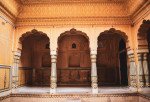
Golconda Fort
Some quick example text to build on the card title and make up the bulk of the card's content.
Go somewhere
Hussain Sagar Lake
Some quick example text to build on the card title and make up the bulk of the card's content.
Go somewherein Other Cities