Palakkad Fort
General information
-
Ideal Duration:
2-3 HoursPlace Type:
History, Architecture, LandmarkEntry Fees:
General Admission Fee Structure: The Palakkad Fort is a centrally protected monument managed by the Archaeological Survey of India (ASI). Historically, and in current practice, the entry to the main fort grounds is often free for Indian citizens. This policy is intended to...General Admission Fee Structure: The Palakkad Fort is a centrally protected monument managed by the Archaeological Survey of India (ASI). Historically, and in current practice, the entry to the main fort grounds is often free for Indian citizens. This policy is intended to encourage historical awareness and make cultural heritage accessible to everyone. However, this is subject to change, and a nominal ticket price may sometimes be introduced, typically a very small amount (e. g. , in the range of Rs.10 to Rs.25) for maintaining the facilities. It is always advisable for visitors to check the most current official notice board at the entrance.
Photography and Videography Charges: A separate fee structure is generally applied for professional or even serious amateur photography and videography inside the premises. For instance, there may be a nominal charge for carrying a still camera (e. g. , around Rs.25) and a higher charge for a video camera (e. g. , around Rs.100 to Rs.200). These charges are put in place to manage commercial photography and to fund the conservation and upkeep of the monument. Casual photography using mobile phones is usually free of charge.
Fees for Related Attractions: While the main fort is often free, other related attractions within the larger complex might have separate, modest fees. For example, any potential museum or gallery (if functional and open to the public) operating within the fort premises may have its own small entrance fee. Similarly, if there is a cultural event at the Rappadi auditorium, that specific event will have its own ticket price, which is separate from the fort entry. The fees are crucial for the sustainability of the site and its conservation efforts.Timing:
Regular Operating Timings: The Palakkad Fort generally remains open to the public on all days of the week, including Sundays and most public holidays, providing ample opportunity for visitors. The typical operating hours for the fort are from 8:00 AM to 6:00 PM (0800 hrs to...Regular Operating Timings: The Palakkad Fort generally remains open to the public on all days of the week, including Sundays and most public holidays, providing ample opportunity for visitors. The typical operating hours for the fort are from 8:00 AM to 6:00 PM (0800 hrs to 1800 hrs). These hours cover the main daylight periods, allowing sufficient time for a complete exploration of the fort, the moat perimeter, and the inner grounds. Visitors should always confirm these timings locally, as they may occasionally be altered for maintenance or special government events. Ideal Visit Time for History and Coolness (Morning): The best time of day to visit the Palakkad Fort is during the early morning, shortly after it opens, approximately between 8:00 AM and 11:00 AM. During this window, the weather is considerably cooler, especially outside of the peak winter season, making it ideal for walking around the large compound and along the moat track. The light is also excellent for photography, and the fort is generally less crowded, allowing for a more reflective and peaceful experience of the historical architecture. Ideal Visit Time for Atmosphere and Photography (Evening): The second ideal time for a visit is in the late afternoon or early evening, roughly from 4:00 PM to 6:00 PM. The temperature drops, making it pleasant for a stroll, and the spectacular sunset views over the fort walls are a major draw. The warm, soft light of the 'golden hour' is perfect for capturing the best photographs of the granite structure. This is also when the local community often gathers for their evening walk or jog, adding a lively, local flavor to the atmosphere.Special Events:
National Festivals and Celebrations: The Palakkad Fort and the adjacent Kota Maidanam serve as the primary venue for major national festivals and state-level celebrations in Palakkad district. The most prominent is the celebration of Independence Day (August 15) and Republi...National Festivals and Celebrations: The Palakkad Fort and the adjacent Kota Maidanam serve as the primary venue for major national festivals and state-level celebrations in Palakkad district. The most prominent is the celebration of Independence Day (August 15) and Republic Day (January 26). On these days, the ground hosts official parades, flag-hoisting ceremonies, and cultural programs attended by district administration and thousands of citizens. This transforms the historical space into a symbol of modern national pride and unity, and witnessing these events here is a deeply patriotic and communal experience.
Local Exhibitions and Trade Fairs: The expansive Kota Maidanam frequently becomes the site for large-scale public exhibitions and trade fairs, especially during the winter months. These events, ranging from industrial expos and book fairs to agricultural exhibitions, draw huge crowds from across the district and neighboring areas. They offer a unique opportunity to witness the economic and cultural activity of the region, buy local handicrafts, or sample various regional products. The fort's historical presence provides a striking backdrop to these bustling modern commercial and cultural activities.
Rappadi Cultural Programmes: The Rappadi open-air auditorium within the fort complex is a regular venue for local cultural and artistic events. Though not always advertised widely for tourists, these include performances of traditional Kerala art forms like Kathakali, Mohiniyattam, and various folk dances, as well as musical concerts. These special evenings are a hidden cultural highlight, showcasing the artistic talent of the region and utilizing the fort as a vibrant stage for the preservation and promotion of local arts.Best Photo Spots:
The Grand Entrance and Moat View: The main entrance of the Palakkad Fort, with its massive stone arch and the wide, serene moat in the foreground, is arguably the most iconic photo spot. This location provides a classic historical perspective, capturing the scale of the str...The Grand Entrance and Moat View: The main entrance of the Palakkad Fort, with its massive stone arch and the wide, serene moat in the foreground, is arguably the most iconic photo spot. This location provides a classic historical perspective, capturing the scale of the structure and its formidable defensive design. The best time for this shot is during the early morning or late afternoon when the sun is not too harsh, allowing for good contrast and detail on the stone walls. Positioning the camera low to the ground can enhance the height and grandeur of the walls reflected in the moat's water.
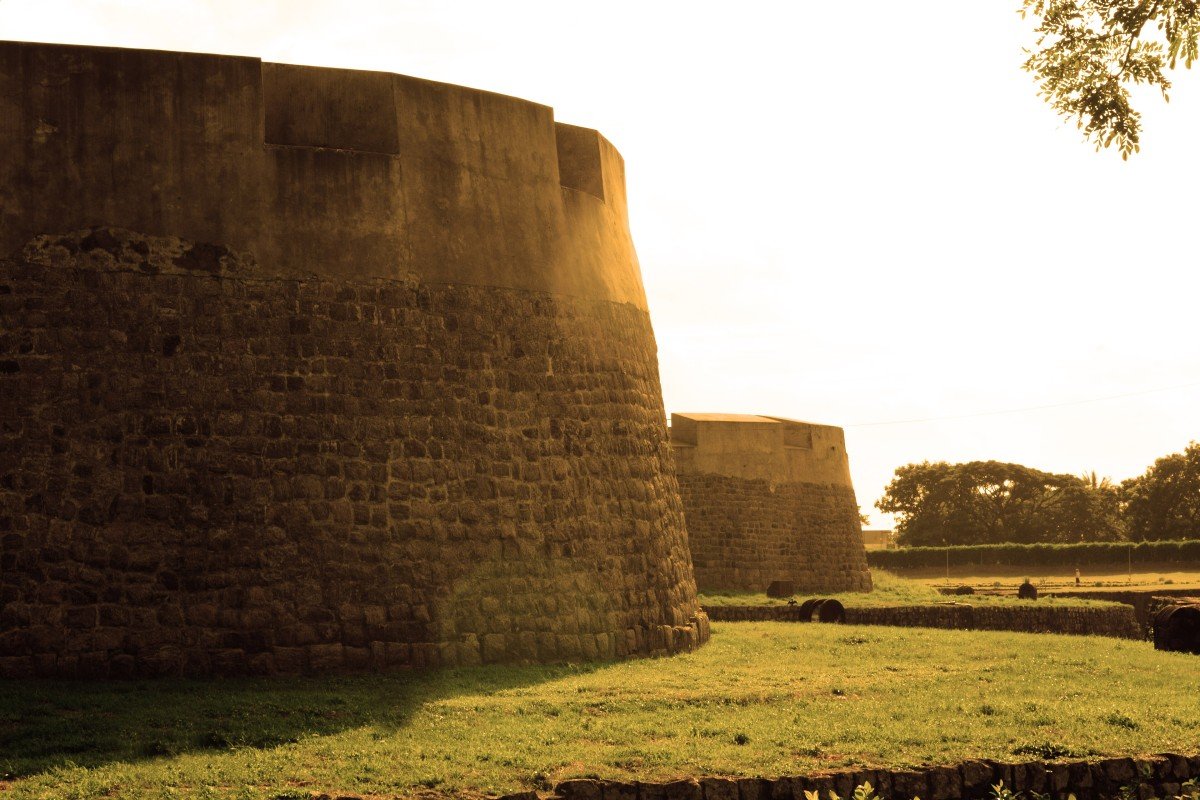
Sunset Silhouette from the Moat Track: For a dramatic and atmospheric shot, the jogging track parallel to the moat on the western side is the perfect location during sunset. As the sun dips below the horizon, the fort walls create a magnificent silhouette against the vibrant colors of the Kerala sky. This requires good timing to capture the 'golden hour' light that bathes the ancient stone in a warm, rich tone. Including the shadow of the photographer or a person walking along the track can add a sense of scale and human interest to the historical landscape.
The Inner Rampart and Cannon View: The elevated vantage points on the inner ramparts or bastions (where access is allowed) offer excellent panoramic shots of the fort interior and the surrounding Palakkad town. These spots allow you to frame the inner courtyards, the Hanuman Temple, and the Kota Maidanam in a single shot. Look for any preserved historical elements, such as old cannons or architectural carvings, to use as a foreground anchor. From here, you can also capture the contrast between the green lawns and the grey stone structure.
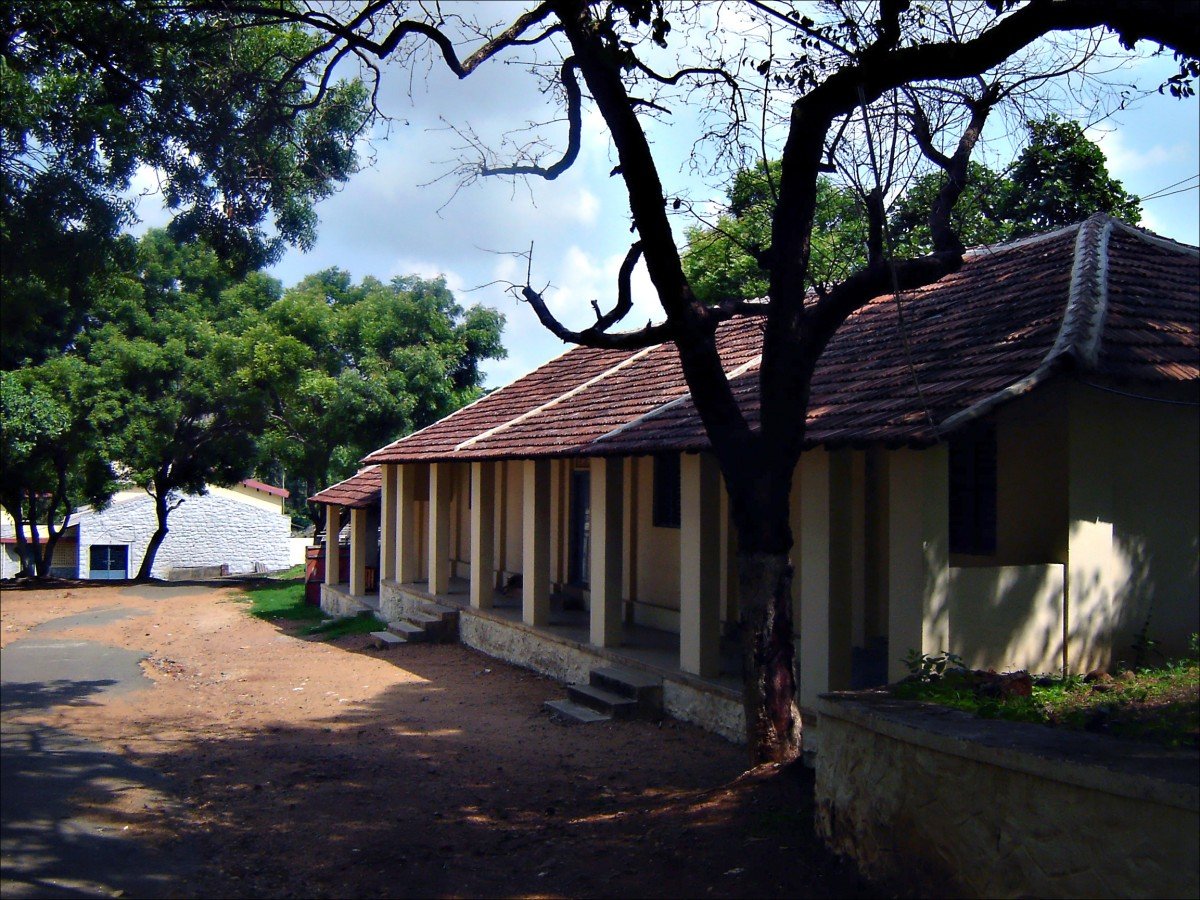
The Anjaneya Swamy Temple for Contrast: The small Anjaneya Swamy Temple inside the fort offers a fascinating photo spot that contrasts the religious and cultural history with the military structure. The traditional architecture of the temple, often with a tiled roof and intricate wooden detailing, stands out against the stark, imposing granite walls. A close-up shot focusing on the temple's entrance or its roofline, with the towering fort wall blurred in the background, beautifully encapsulates the dual nature of the site.Photo Gallery
Things To Do
-
Historical Exploration and Fort Walk: The primary activity at the Palakkad Fort is a comprehensive historical walk. Visitors can spend a significant amount of time tracing the perimeter of the formidable granite walls. Start by observing the grand main gateway and the remains of the old stone archway. Walk along the ramparts where permitted, or along the internal path, to fully appreciate the defensive design. Look for the massive bastions at each corner, noting their strategic positions. Take time to read any informational plaques provided by the Archaeological Survey of India to understand the fort's role in the power struggles between the Mysore rulers and the British. The thick, towering walls themselves tell a silent story of sieges and battles fought over two centuries ago. This exploration offers a deep dive into South Indian military history.Historical Exploration and Fort Walk: The primary activity at the Palakkad Fort is a comprehensive historical walk. Visitors can spend a significant amount of time tracing the perimeter of the formidable granite walls. Start by observing the grand main gateway and the remains of the old stone archway. Walk along the ramparts where permitted, or along the internal path, to fully appreciate the defensive design. Look for the massive bastions at each corner, noting their strategic positions. Take time to read any informational plaques provided by the Archaeological Survey of India to understand the fort's role in the power struggles between the Mysore rulers and the British. The thick, towering walls themselves tell a silent story of sieges and battles fought over two centuries ago. This exploration offers a deep dive into South Indian military history.
Visit the Anjaneya Swamy Temple: Pay a peaceful visit to the Anjaneya Swamy Temple (Hanuman Temple) situated inside the fort. This is an excellent opportunity for cultural immersion. Observe the traditional Kerala architecture of the shrine. It is a place of active worship, so visitors are advised to maintain decorum and respect the religious sanctity of the spot. The temple provides a contrast in atmosphere, shifting from the martial history of the fort to the spiritual continuity of the region. Spending a few minutes in contemplation here can be a very calming experience.
Jogging/Strolling by the Moat: One of the most popular activities for locals, which tourists can also enjoy, is jogging or taking a relaxed evening stroll along the track that runs parallel to the outer moat. The moat, an important defensive feature of the fort, is now a calm water body, and the surrounding area is beautifully landscaped. This activity allows for exercise and offers a picturesque perspective of the fort’s exterior, especially with the reflection of the massive walls in the water at sunset. It’s a perfect spot for unwinding after a day of sightseeing.
Relaxing in the Fort Park (Vatika): The fort complex includes well-maintained green spaces and a park area (sometimes referred to as Vatika). These lush lawns and shaded spots are ideal for a casual picnic or simply sitting down to rest and enjoy the peaceful ambiance. For families, the park also includes facilities for children, making it a great spot for them to play safely while adults relax. The peaceful environment is perfect for reading a book or enjoying a quiet conversation.
Attending an Event at Rappadi Auditorium: Check with local sources or the fort staff for the schedule of events at the Rappadi open-air auditorium. If you are lucky, you might be able to attend a local cultural program, a play, a dance performance, or a musical concert. Experiencing a live performance in this historic setting is a unique and enriching cultural activity that connects you directly with the vibrant artistic life of Palakkad.
Photography and Sunset Views: The fort offers numerous spectacular photo opportunities. The contrast between the rugged stone walls and the manicured green lawns, the perspective along the vast moat, and the grand scale of the entrance are all highly photogenic. The fort is particularly stunning during the sunset hours, as the evening light casts a warm glow on the ancient stone and the sky transitions through colors, making it an ideal time for capturing memorable photographs of the structure and its silhouette against the sky.
Exploring Kota Maidanam: Step out into the adjacent Kota Maidanam (Fort Grounds). This vast public field is a place of constant local activity. Depending on the time of your visit, you might witness a local cricket or football match, a public exhibition, a trade fair, or a political rally. Observing the activities here is a fantastic way to gauge the pulse of local life in Palakkad and see how the historical
Information
-
Why Famous:
Hyder Ali's Military Legacy: The fort is primarily famous for being one of the best-preserved forts in Kerala and for its direct link to the rulers of Mysore, Hyder Ali and Tipu Sultan. It was a crucial outpost for their military campaigns in the Malabar region. Its constr...Hyder Ali's Military Legacy: The fort is primarily famous for being one of the best-preserved forts in Kerala and for its direct link to the rulers of Mysore, Hyder Ali and Tipu Sultan. It was a crucial outpost for their military campaigns in the Malabar region. Its construction in 1766 highlights Hyder Ali's strategic military mind, as the fort controlled the vital Palakkad Gap, which was essential for trade and troop movement between the western and eastern coasts of South India. The fort's continued association with these powerful historical figures makes it an enduring symbol of resistance against the British.
A Well-Preserved Heritage Site: Managed by the Archaeological Survey of India (ASI), the fort is celebrated for its excellent state of preservation. Unlike many other historical military structures in the region, the Palakkad Fort retains its massive walls, bastions, and surrounding moat almost intact. This preservation allows visitors a tangible experience of 18th-century military architecture. The clean, well-maintained gardens and the surrounding park enhance its appeal, attracting tourists, history enthusiasts, and local residents alike.
Location in the Heart of Palakkad: Its location is another major reason for its fame. Situated right in the city center of Palakkad, the fort is easily recognizable and serves as a major local landmark. The large open ground adjacent to it, Kota Maidanam, is the city's main public space, constantly buzzing with activity, which has cemented the fort's place in the city's modern cultural life, extending its importance beyond just its historical value. -
Architecture:
Dravidian-Islamic Military Style: The architectural style of the Palakkad Fort is predominantly military, displaying a mix of traditional Dravidian design principles for its foundation and Islamic influences brought by the Mysore rulers in its overall structure and detailing...Dravidian-Islamic Military Style: The architectural style of the Palakkad Fort is predominantly military, displaying a mix of traditional Dravidian design principles for its foundation and Islamic influences brought by the Mysore rulers in its overall structure and detailing. The fort is mainly constructed using massive blocks of granite and laterite stone, known for their durability and strength. This construction material has allowed the fort to stand the test of time and numerous battles. The exterior features towering, imposing walls that slope gently outwards at the base, a classic defensive technique to deflect projectiles.
Square Layout and Moat: The fort boasts a nearly square or quadrilateral plan, a highly efficient design for military defense as it allowed for clear lines of sight from all corners. The entire structure is encompassed by a wide and deep moat (moat dimension not specifically defined in public records, but visually substantial). This moat was strategically kept filled with water and acted as a primary barrier against invading forces, limiting direct access to the main walls. A jogging track now runs alongside the moat, highlighting the structure's impressive size.
Bastions and Gates: The corners of the fort feature powerful, semicircular bastions, which are projections from the main wall that allowed defenders to cover the adjacent walls with flanking fire. The main entrance, historically secured with a drawbridge over the moat (though modern access is via a bridge), is a grand structure with thick, heavy wooden doors and a massive stone archway. Inside, the fort houses the Anjaneya Swamy Temple, which, despite its small size, reflects the traditional Kerala architectural style with a tiled roof and intricate woodwork, contrasting with the stark military design of the fort walls. The complex also contains modern additions for public use, like the 'Rappadi' auditorium. -
How To Reach:
By Air (Nearest Airports): The nearest and most convenient international airport to reach Palakkad Fort is Coimbatore International Airport (CJB) in Tamil Nadu, which is approximately 68 KMS away. From the airport, one can hire a pre-paid taxi or a private cab to reach Pala...By Air (Nearest Airports): The nearest and most convenient international airport to reach Palakkad Fort is Coimbatore International Airport (CJB) in Tamil Nadu, which is approximately 68 KMS away. From the airport, one can hire a pre-paid taxi or a private cab to reach Palakkad city, which usually takes about 1. 5 to 2 hours depending on traffic. The second major airport is Cochin International Airport (COK) in Kerala, which is about 120 KMS away. Travel from Cochin to Palakkad by taxi or bus takes around 3 to 4 hours. Upon arrival at either airport, travelers will find various transport options, but hiring a private cab is the quickest and most comfortable way to reach Palakkad town, where the fort is centrally located.
By Train (Railway Stations): Palakkad is very well-connected by an extensive railway network, making train travel a highly recommended option. There are two main railway stations serving the city: 1.
Palakkad Junction (PGT): This is the main station, located in Olavakkode, approximately 6 KMS from the Palakkad Fort. It is a major railway hub with excellent connectivity to all major Indian cities like Chennai, Bengaluru, Mumbai, Delhi, Kolkata, and many others within Kerala and other states. 2.
Palakkad Town Railway Station (PLMD): This smaller station is closer, only about 3 KMS from the fort. It serves fewer trains but is very convenient if a train stops there. From either station, travelers can easily hire an auto-rickshaw (a common local transport) or a taxi to reach the fort, which is a short ride away.
By Road (Bus and Car): Palakkad is situated on major national highways, providing excellent road connectivity. It is a key stop for inter-state buses and is easily reachable from major cities in Kerala and Tamil Nadu. The fort is about 52 KMS from Coimbatore (Tamil Nadu), 64 KMS from Thrissur, and approximately 140 KMS from Kochi (Ernakulam). The KSRTC (Kerala State Road Transport Corporation) bus stand in Palakkad is close to the fort. Regular state and private buses operate from major cities to Palakkad. Traveling by private car or hired taxi is comfortable, with well-maintained roads leading to the city. Once in the city, the fort is clearly signposted and easily locatable on GPS due to its central position near the Fort Maidan.
By Local Transport (Within Palakkad City): Since the fort is in the heart of the city, local transport is very accessible. Auto-rickshaws (Tuk-tuks) are the most convenient and economical way to travel from any point within Palakkad town or from the railway stations. They operate on meter or fixed fares for short distances. City Buses pass near the fort's vicinity, connecting it to other parts of the town. The fort is close enough to the main commercial area that one can comfortably walk to it from nearby hotels or the central market area. -
Weather and Best Time to Visit:
Best Season:
Winter (October to March): The period from October to March is unanimously considered the best time to visit the Palakkad Fort and Palakkad in general. The weather during these winter months is highly pleasant and moderate. The...Best Season:
Winter (October to March): The period from October to March is unanimously considered the best time to visit the Palakkad Fort and Palakkad in general. The weather during these winter months is highly pleasant and moderate. The temperature remains comfortable, with cool mornings and evenings, making sightseeing and outdoor activities enjoyable. The average temperature during this time typically ranges from 20°C to 32°C. This season is perfect for long walks around the moat, exploring the fort grounds, and enjoying the numerous local festivals and cultural events that often take place during the cooler, drier months.
Good Season:
Post-Monsoon (September and Early October): The month of September and the beginning of October, immediately after the peak of the monsoon, is a great shoulder season. The atmosphere is clean, the surrounding greenery is lush and vibrant, and the occasional light shower can add a refreshing touch. The crowds are typically smaller than during peak winter, and the weather is transitioning from the heavy rains to cooler conditions. This time is recommended for travelers who appreciate lush landscapes and don't mind a little humidity.
Avoid Season:
Summer (April to June): The summer months, especially April and May, are the least recommended time for a visit. Palakkad experiences high temperatures and significant humidity during this period, with temperatures often soaring above 35°C. Exploring the large, open fort grounds and walking the perimeter can be physically exhausting and uncomfortable under the intense sun. While the fort is open, outdoor sightseeing during the day is challenging, making the experience less enjoyable.
Best Part of the Day:
Morning and Evening: Regardless of the season, the best times of the day for visiting the fort are the early morning (8:00 AM to 11:00 AM) and the late afternoon/early evening (4:00 PM to 6:00 PM). The mid-day sun (11:00 AM to 4:00 PM) should be avoided as it is often too hot, making the open, unshaded areas of the fort uncomfortable to explore. The morning provides a quiet, cool experience, while the evening offers excellent sunset views and a chance to observe the local community enjoying the park and moat track. -
Near Tourist Places:
Kota Maidanam: Adjacent (0 KMS) - Large public ground.
Jainimedu Jain Temple: Approx. 3 KMS - Ancient Jain temple with historical significance.
Malampuzha Dam and Garden: Approx. 10 KMS - Large reservoir, garden, and famous Yakshi statue.
Kalpathy Heritage Village: Approx. 3-4 KMS - Traditional Brahmin village known for its annual Ratha Utsavam (Chariot Festival).
Vadakkanthara Temple: Approx. 2 KMS - Important temple dedicated to Goddess Kannaki.
Dhoni Waterfalls: Approx. 15 KMS - Scenic trekking spot leading to a beautiful waterfall.
Fantasy Park: Approx. 10 KMS - Amusement and water park near Malampuzha.
Kava View Point: Approx. 12 KMS - Scenic spot near Malampuzha reservoir, popular for photography.
Puthur Shree Thirupuraikkal Bhagavathy Temple: Approx. 1 KM - Famous local temple.
Palakkad Town Hall: Approx. 0. 8 KMS - Local cultural and civic center.
Tourism Tips
-
Health & Safety Tips:
Sun Protection: Due to the fort's open design, there is very little shade, especially in the central courtyard. Always carry and apply high-SPF sunscreen, wear a wide-brimmed hat or cap, and wear sunglasses. Hydration ...Health & Safety Tips:
Sun Protection: Due to the fort's open design, there is very little shade, especially in the central courtyard. Always carry and apply high-SPF sunscreen, wear a wide-brimmed hat or cap, and wear sunglasses. Hydration is crucial; carry a reusable water bottle, especially during the non-winter months, and drink water frequently to avoid dehydration, which is a common risk in the tropical climate.
Footwear: Wear comfortable walking shoes or sandals with good grip, as you will be doing a significant amount of walking on uneven stone surfaces and along the moat track.
Mosquitoes: In the evening, especially near the moat and green areas, mosquitoes can be present. Use a good quality mosquito repellent, particularly if you plan to stay until closing time or attend an event at the Rappadi auditorium.
Packing Essentials:
Lightweight Clothing: Pack light, breathable cotton or linen clothing, suitable for a tropical climate. Even in winter, daytime temperatures are warm.
Camera Gear: Don't forget your camera for the fantastic photo opportunities, especially at sunset. If you plan to use a professional camera or camcorder, remember the potential small fees for their use.
Identification: Carry a valid government-issued photo ID (like an Aadhar Card, Driving License, or Passport) for any official checks, although it is usually not required for entry.
Cash/Currency: While Palakkad town has digital payment options, it's advisable to carry some small denominations of Indian Rupees (Rs.) for quick purchases like water, snacks, or for paying auto-rickshaw fares.
Accommodation and Stay:
Location: Since the Palakkad Fort is centrally located, staying in a hotel near the city center is the most convenient option. This provides easy access to the fort and other parts of the city. There are various options ranging from budget hotels to mid-range and boutique stays.
Advance Booking: Especially if traveling during the peak winter season (October to March) or during a local festival (check for Chinakkathoor Pooram or other temple festivals), it is highly recommended to book your accommodation in advance to secure the best rates and availability.
Other Cultural and General Tips:
Respectful Attire: While there is no strict dress code for the fort, if you plan to visit the Anjaneya Swamy Temple inside the fort, it is courteous to dress modestly, covering shoulders and knees.
Local Cuisine: Palakkad is famous for its distinct Kerala and Tamil-influenced cuisine. Don't leave without trying the local specialties like the famous Ramassery Idli and other traditional Kerala vegetarian dishes, easily found in eateries near the fort and in the main town.
Guided Tours: While not always necessary for the fort itself, engaging a local guide (if available) can offer deeper historical and cultural insights into the monument than the standard plaques. This can greatly enhance the experience for history buffs.
Reviews
FAQs
Palakkad Itineray And Cost:-
Information about New and Updated Locations() of Kerala Has Been Added :-
Card subtitle
Note:-
Information provided here in good Faith and for reference only.
All information and pictures will be updated soon, please keep visiting.
Near Places
Attappadi Valley
Some quick example text to build on the card title and make up the bulk of the card's content.
Go somewhere
Chembra Peak
Some quick example text to build on the card title and make up the bulk of the card's content.
Go somewhere
Chinmaya International Foundation
Some quick example text to build on the card title and make up the bulk of the card's content.
Go somewhere
Dhoni Waterfalls
Some quick example text to build on the card title and make up the bulk of the card's content.
Go somewhere
Ezhuthachan Memorial Museum
Some quick example text to build on the card title and make up the bulk of the card's content.
Go somewhere
Fantasy Park
Some quick example text to build on the card title and make up the bulk of the card's content.
Go somewhere
Jainimedu Jain Temple
Some quick example text to build on the card title and make up the bulk of the card's content.
Go somewhere
Kalpathy Heritage Village
Some quick example text to build on the card title and make up the bulk of the card's content.
Go somewhere
Kanjirapuzha Dam
Some quick example text to build on the card title and make up the bulk of the card's content.
Go somewhere
Kava View Point
Some quick example text to build on the card title and make up the bulk of the card's content.
Go somewherein Other Cities