Panchganga Ghat
General information
-
Ideal Duration:
1 to 1. 5 hoursPlace Type:
Religious / Historical GhatEntry Fees:
No Official Entry Fee (Free Access): The Panchganga Ghat, being a public riverbank and a religious site, has No Official Entry Fee for access, walking around, or for taking a dip in the river. It is freely accessible to the public.
Ritual Servi...No Official Entry Fee (Free Access): The Panchganga Ghat, being a public riverbank and a religious site, has No Official Entry Fee for access, walking around, or for taking a dip in the river. It is freely accessible to the public.
Ritual Service Fees: The priests at the ghat charge a Dakshina (honorarium) or a fixed fee for performing specific, elaborate religious rituals like Shraddha, Pinda Daan, or special Pujas. The cost of the ritual material is separate.
Parking Fees: Nominal parking fees may be charged by the local municipal body for parking vehicles in the designated areas near the ghat, especially during peak religious periods like Pitr Paksha.
Temple Donations: While the ghat itself is free, the small temples located on the banks welcome Voluntary Donations for their maintenance.
Brahmapuri Picnic Point Fees: The adjacent Brahmapuri Picnic Point (park/garden) may have a very small, token entry fee (e. g. , Rs 5 or Rs 10) for maintenance, particularly during peak visitor hours in the evening.Timing:
Regular Timings: The Panchganga Ghat is an open, public area accessible 24 hours a day, 7 days a week. However, religious and local activities peak during certain times.
Ideal Visit Time: For religious and spiritual activities (bathing/ritu...Regular Timings: The Panchganga Ghat is an open, public area accessible 24 hours a day, 7 days a week. However, religious and local activities peak during certain times.
Ideal Visit Time: For religious and spiritual activities (bathing/rituals), the Ideal Visit Time is the Early Morning (5:30 AM to 8:00 AM), which is quiet and cool. For historical appreciation and general viewing, the Late Afternoon is best.
Sunset Viewing Time: The very best time is the Late Afternoon for a visit to the Brahmapuri Picnic Point to witness the stunning Sunset over the river, typically between 5:30 PM and 6:30 PM, depending on the season.
Pitr Paksha Period: During the Pitr Paksha period (September-October), the ghat is extremely crowded throughout the day and into the night due to the high volume of ritual ceremonies being performed.
Avoid Mid-Day Heat: Like any open area, avoid the Mid-Day Heat (11:00 AM to 4:00 PM) for comfortable exploration.Special Events:
Panchganga River Festival: Periodically, the local municipal corporation or cultural bodies organize a Panchganga River Festival to promote awareness about the river's ecological importance and cultural value, featuring music, local arts, and environmental programs at the gh...Panchganga River Festival: Periodically, the local municipal corporation or cultural bodies organize a Panchganga River Festival to promote awareness about the river's ecological importance and cultural value, featuring music, local arts, and environmental programs at the ghat.
Pitr Paksha (Shraddha) Rituals: The most intensely focused special event is the annual Pitr Paksha period (September-October), when the ghat sees a massive influx of people performing Shraddha and Pinda Daan ceremonies for their ancestors, making it a highly active religious hub.
Ganga Dasara: The festival of Ganga Dasara (May-June), which celebrates the descent of the River Ganga, is a special occasion at the ghat, marked by ritual bathing, elaborate Pujas, and sometimes a procession, acknowledging the Panchganga's sacred status.
Solar and Lunar Eclipse Rituals: On the rare occasion of a Solar or Lunar Eclipse (Grahan), the ghat attracts huge crowds of devotees who gather to take a holy dip in the river, as this act is considered highly meritorious during the eclipse period.Best Photo Spots:
The Royal Chhatris (Cenotaphs): The best photo spot is a focused shot of the beautifully carved Chhatris (memorial domes), especially the largest one belonging to the Third Shivaji, showcasing the historical architecture by the river.
The Stone ...The Royal Chhatris (Cenotaphs): The best photo spot is a focused shot of the beautifully carved Chhatris (memorial domes), especially the largest one belonging to the Third Shivaji, showcasing the historical architecture by the river.
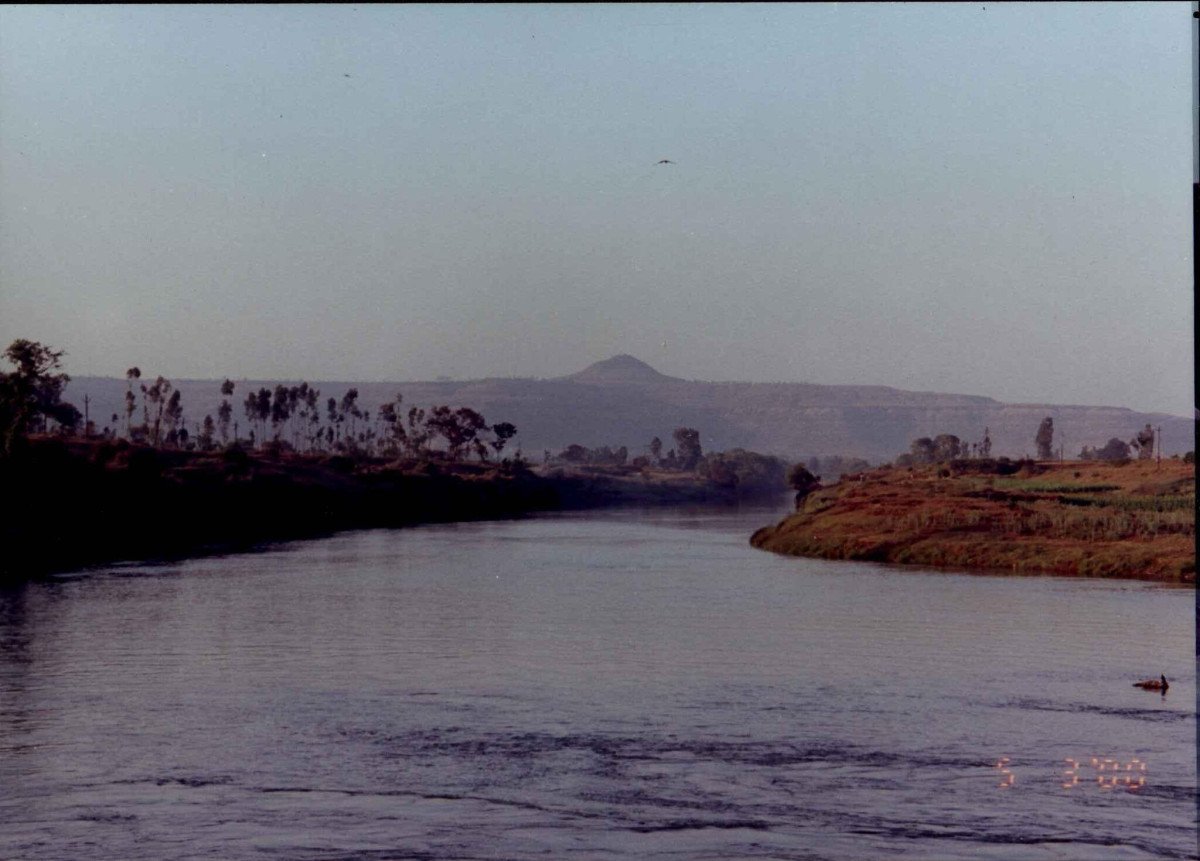
The Stone Steps and River Vista: A wide-angle shot from the top of the ghat, capturing the symmetrical descent of the Stone Steps into the holy Panchganga River, is a highly scenic and characteristic photograph.
Sunset from Brahmapuri Point: A photograph of the picturesque Sunset viewed from the elevated Brahmapuri Picnic Point overlooking the expansive riverbed is a must for landscape photographers.
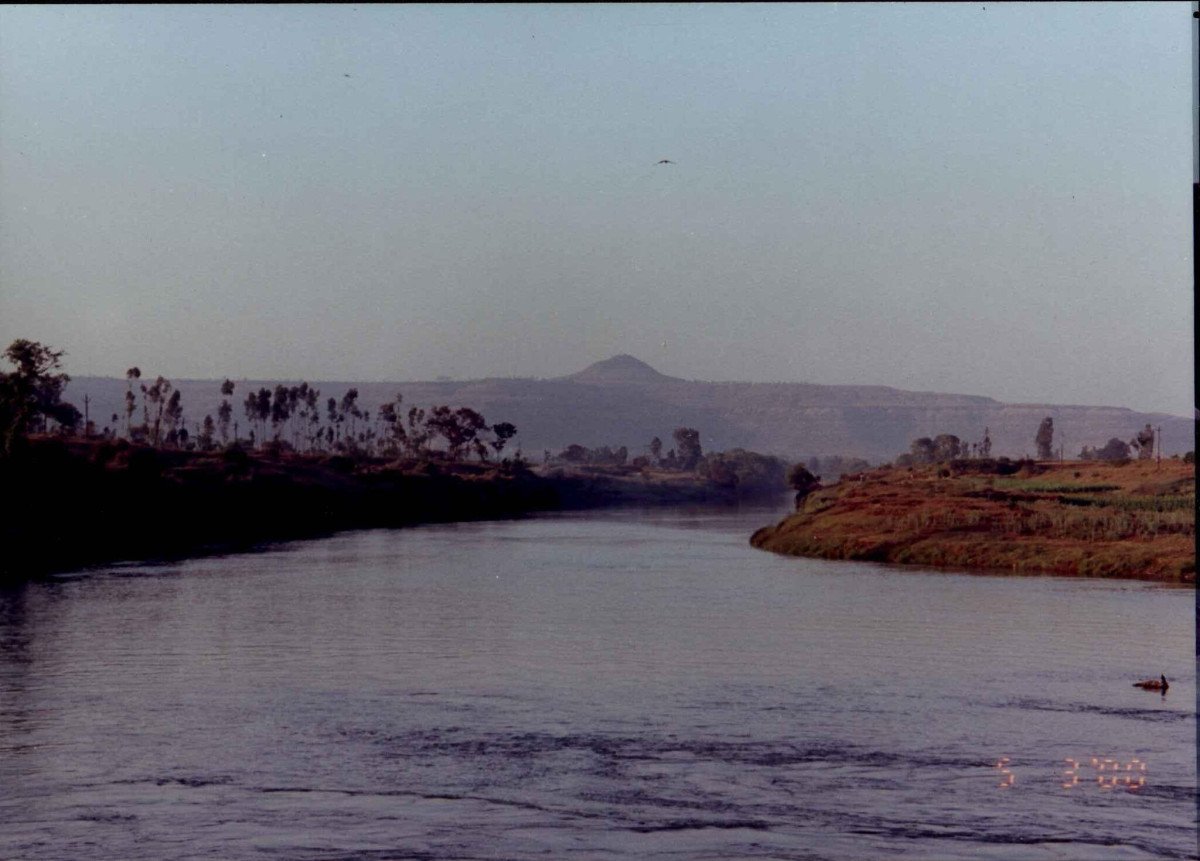
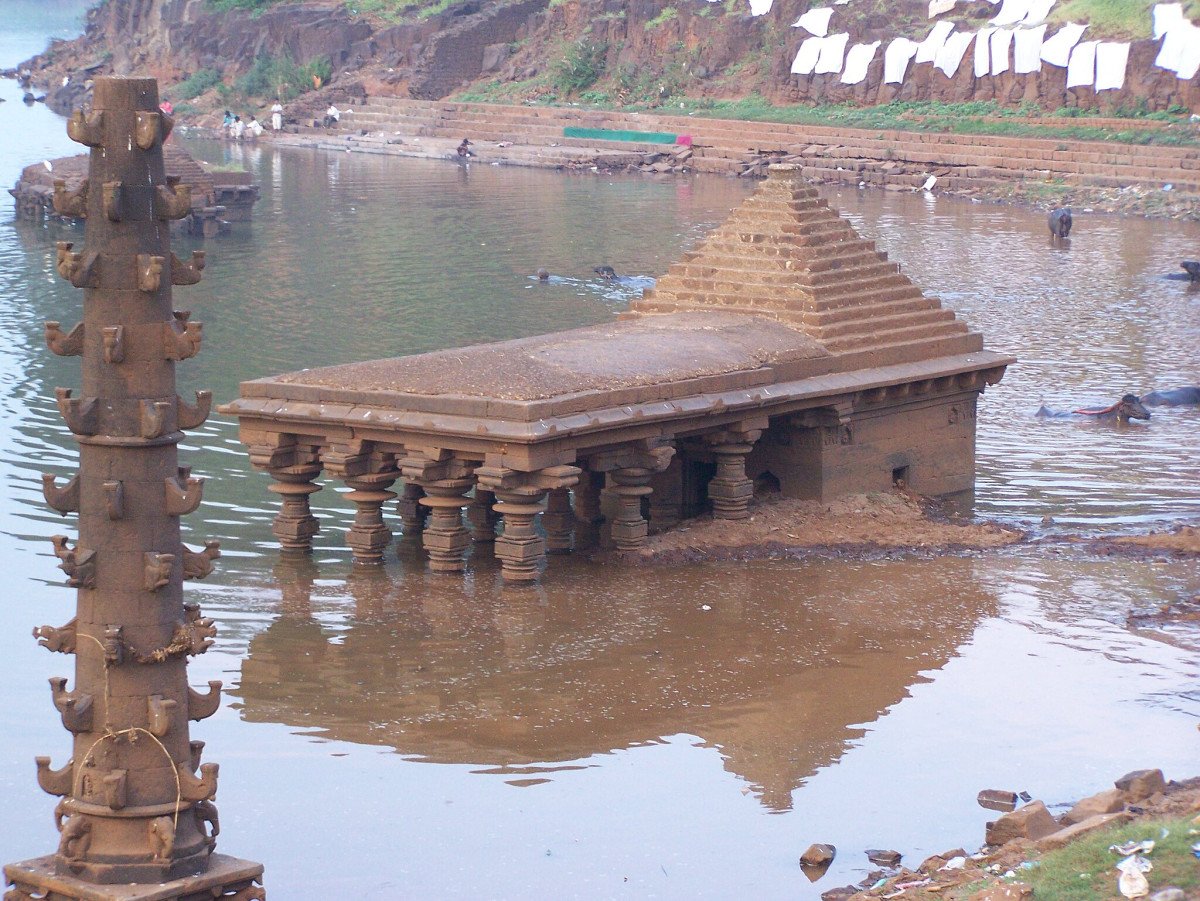
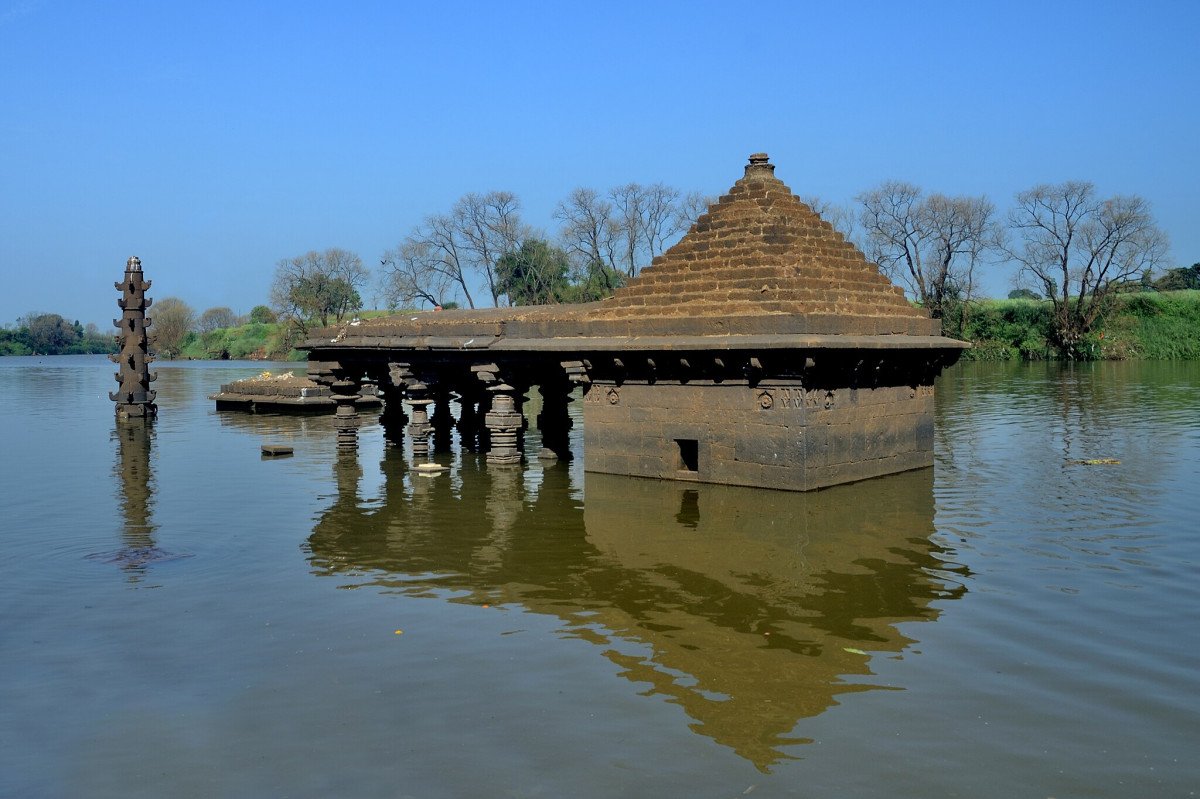
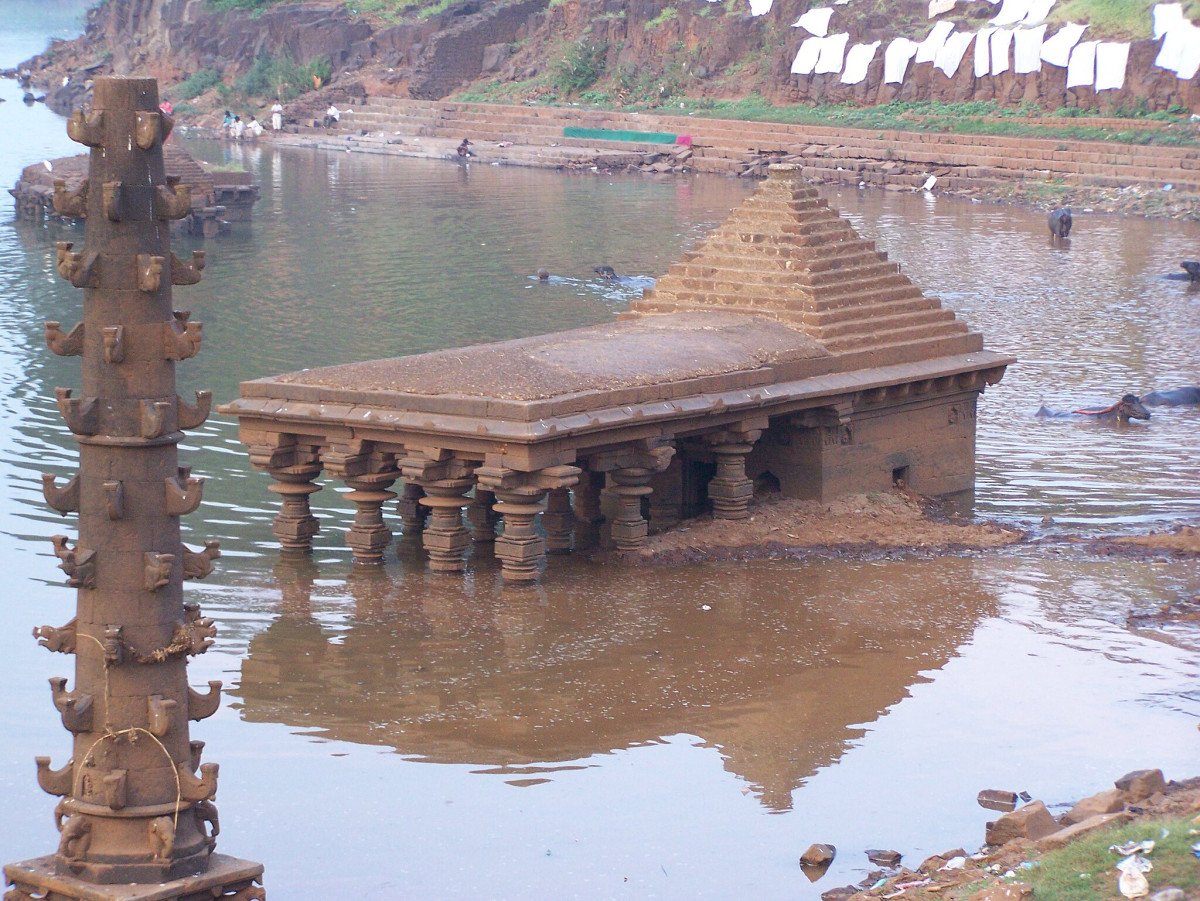
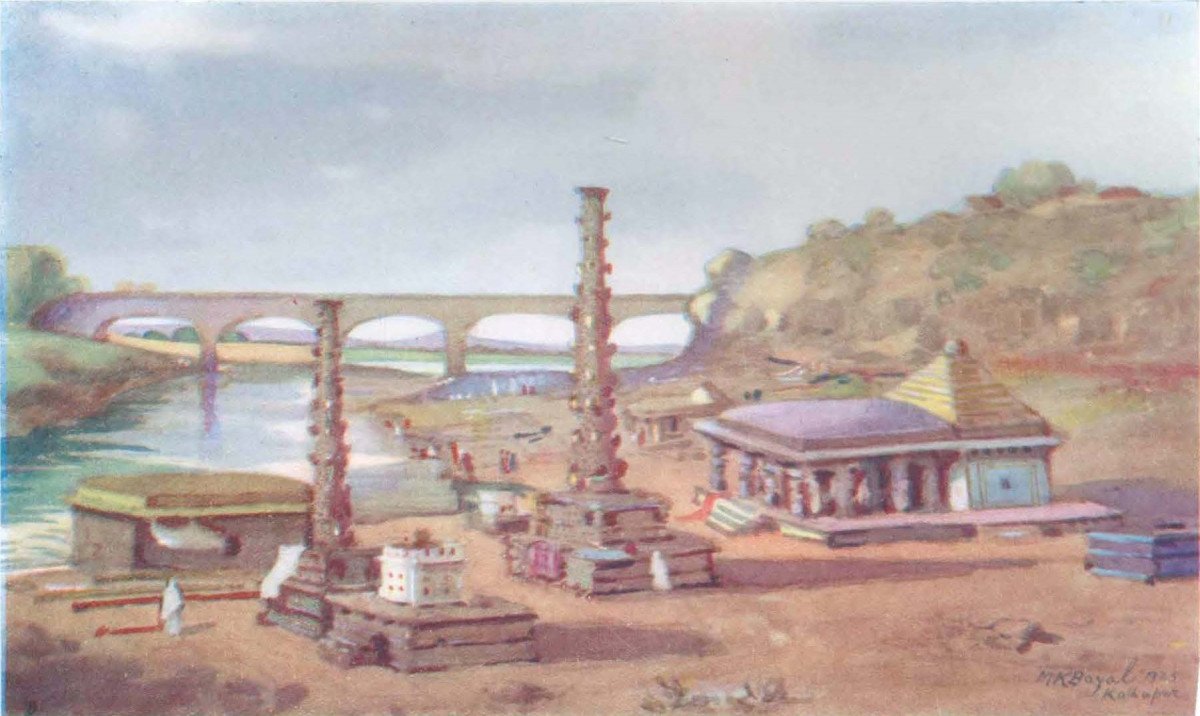
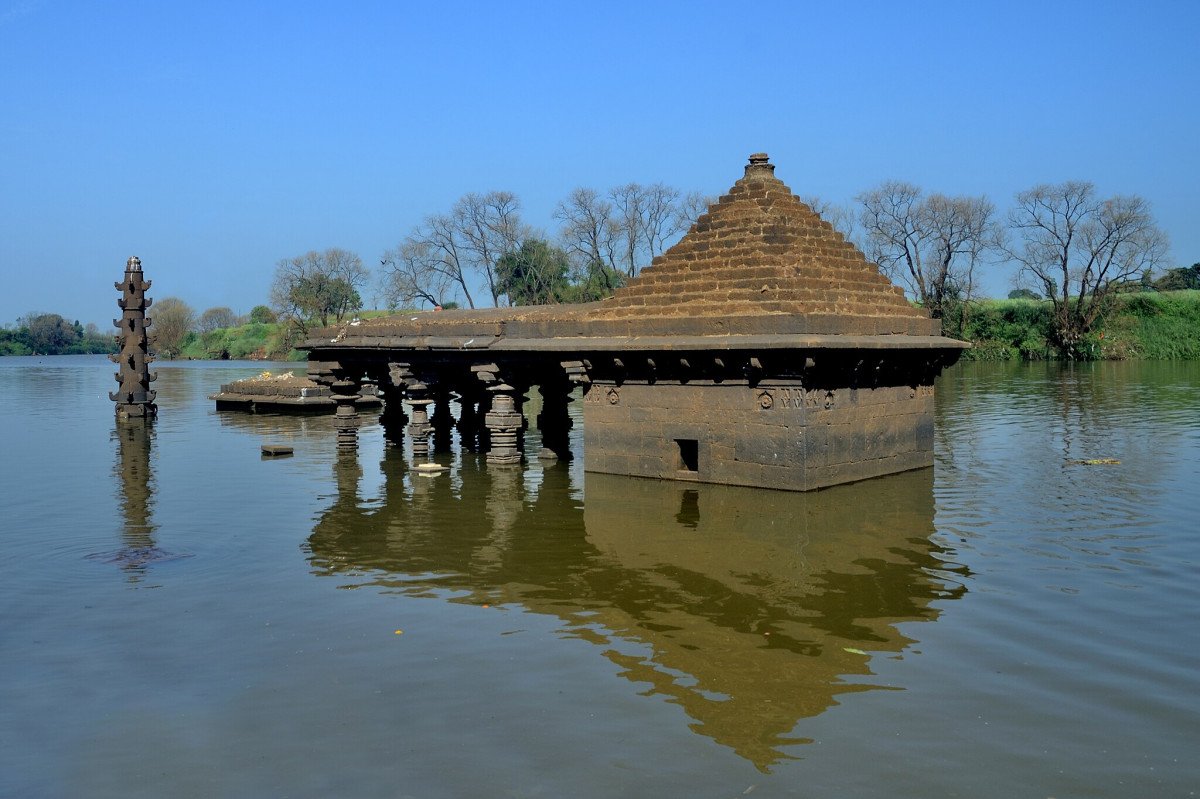
The River and Temples: A shot capturing the river's flow with the small, ancient temples located within the riverbed (if the water level is low) provides a unique spiritual and geographical photo.
Ritual Activity Shots (Respectfully): Capture the atmosphere of ritual bathing or prayer ceremonies (from a respectful distance, without focusing on individual faces) to convey the spiritual life of the ghat.Photo Gallery
Things To Do
-
Ritual Bathing in the Panchganga: The primary religious activity is taking a sacred dip in the holy Panchganga River from the stone steps of the ghat. This is believed to cleanse sins and bestow blessings, especially before visiting the Mahalakshmi Temple.
Performing Shraddha and Pinda Daan: The ghat is an important location for performing ancestral rites, such as Shraddha and Pinda Daan (offering to ancestors). Visitors may witness or participate in these ceremonies if they are of personal significance.
Exploring the Royal Chhatris: Spend time walking around the royal cemetery complex. Admire the historical Chhatris (cenotaphs) of the Kolhapur royals, paying special attention to the largest and most intricately carved monument of the Third Shivaji.
Temple Visits ...Ritual Bathing in the Panchganga: The primary religious activity is taking a sacred dip in the holy Panchganga River from the stone steps of the ghat. This is believed to cleanse sins and bestow blessings, especially before visiting the Mahalakshmi Temple.
Performing Shraddha and Pinda Daan: The ghat is an important location for performing ancestral rites, such as Shraddha and Pinda Daan (offering to ancestors). Visitors may witness or participate in these ceremonies if they are of personal significance.
Exploring the Royal Chhatris: Spend time walking around the royal cemetery complex. Admire the historical Chhatris (cenotaphs) of the Kolhapur royals, paying special attention to the largest and most intricately carved monument of the Third Shivaji.
Temple Visits at the Ghat: Visit the various small temples located at the ghat and within the riverbed. Offer simple prayers and appreciate the ancient, water-resistant architecture of these shrines.
Sunset Viewing at Brahmapuri Point: Walk up to the adjacent Brahmapuri Picnic Point in the late afternoon to witness the stunning and picturesque sunset over the expansive Panchganga River and its riverbed.
Archaeological Contemplation: Contemplate the historical significance of the Brahmapuri area, which was once an ancient settlement dating back 2500-3000 years. Imagine the life of the early inhabitants as you stand on the ghat.
Photography of the River and Ghat: Capture the scenic beauty of the river, the unique step-architecture of the ghat, and the historic Chhatris (be respectful of ongoing rituals). The river vista is highly photogenic.
A Tranquil Walk: Simply take a peaceful walk along the ghat, observing the mix of religious activities, the flow of the river, and the surrounding environment, using it as a moment for quiet reflection.
Observing Local Life: Watch the local life at the riverbanks, including the washing of clothes (historically done at the jetty) and the daily activities of the people who rely on the river, offering a glimpse into Kolhapur's cultural rhythm.
Attending Special Aarti: If a special evening aarti (ritual with lamps) is performed on the river, attending it offers a deeply spiritual and visually captivating experience.
Boating (If Available): Check if local boat rides are available on the river, offering a different perspective of the ghat and the riverbanks from the water.
Connecting to Town Hall Museum Artifacts: Use the visit as context for the Town Hall Museum, knowing that the artifacts displayed there were excavated from the very land you are standing on.
Understanding the River's Ecology: Observe the river's condition and the local efforts to maintain its sanctity, which is crucial as it is considered the Lifeline of Kolhapur.
Information
-
Why Famous:
The Confluence of Five Holy Rivers: The ghat is fundamentally famous for being located at the confluence of the five sacred streams (the literal meaning of Panchganga): Kasari, Kumbhi, Tulsi, Bhogawati, and the mythical underground Saraswati. This spiritual significance mak...The Confluence of Five Holy Rivers: The ghat is fundamentally famous for being located at the confluence of the five sacred streams (the literal meaning of Panchganga): Kasari, Kumbhi, Tulsi, Bhogawati, and the mythical underground Saraswati. This spiritual significance makes it a holy place for ritual bathing.
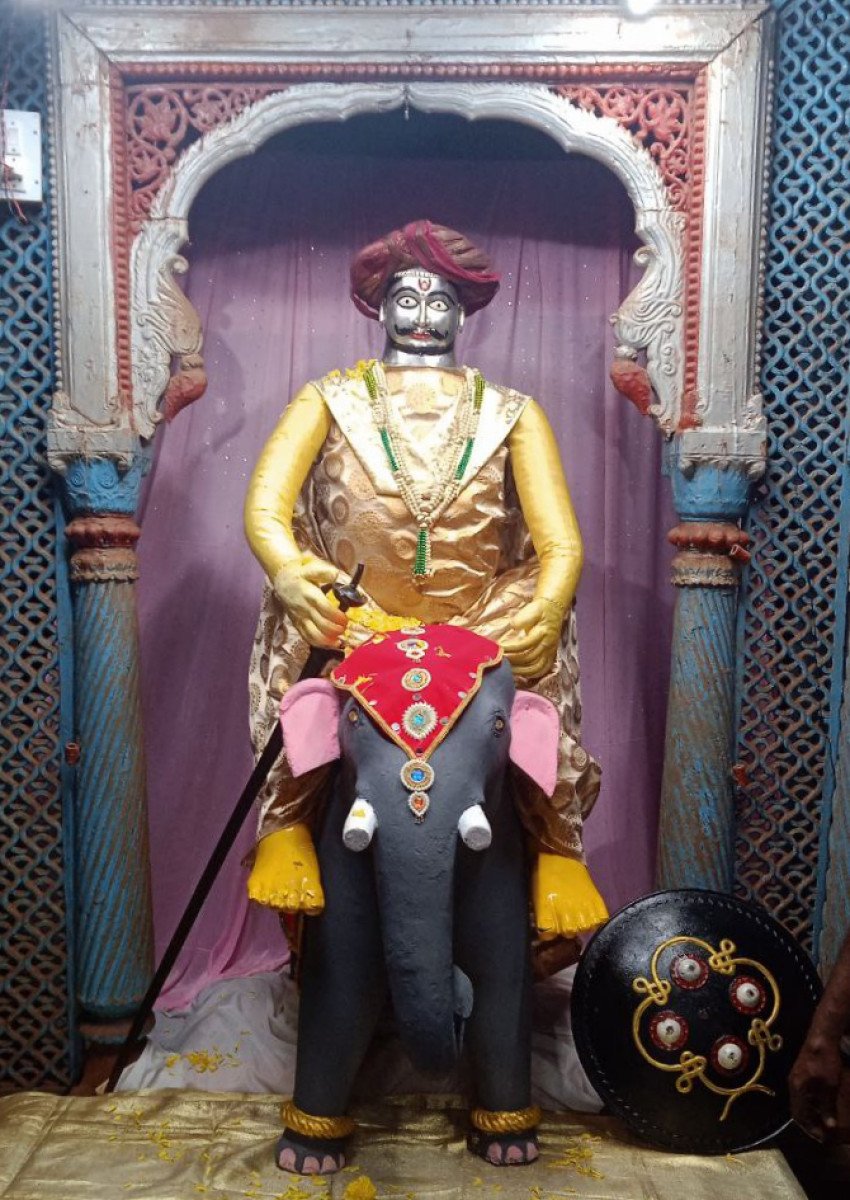
Historical Royal Cremation Site: Panchganga Ghat is an important historical landmark as it is the site of the royal cemetery, or Chhatris, where the last rites of several important members of the Kolhapur royal family, including Shivaji II and Shivaji III, were performed. The elaborately carved Chhatris are a major draw.
Ancient Archeological Site of Brahmapuri: The area adjacent to the ghat, known as Brahmapuri, is famous for being a site of ancient human settlement. Archaeological excavations here have unearthed artifacts up to 3000 years old, linking the ghat to the very early history of the Kolhapur region.
Scenic River View and Sunset Point: Beyond its religious and historical importance, the ghat is a popular spot for its picturesque beauty, especially the widespread riverbed and the tranquil views of the sunset, making the adjacent Brahmapuri Picnic Point a favored recreational area. -
Architecture:
Ghat and Riverfront Construction: The Panchganga Ghat is a significant historical and architectural site characterized by a robust and fortified construction along the bank of the Panchganga River. The primary architectural feature is the extensive series of well-built Ston...Ghat and Riverfront Construction: The Panchganga Ghat is a significant historical and architectural site characterized by a robust and fortified construction along the bank of the Panchganga River. The primary architectural feature is the extensive series of well-built Stone Steps that descend from the bank directly into the river water, designed to facilitate bathing, religious rituals, and other river-related activities.
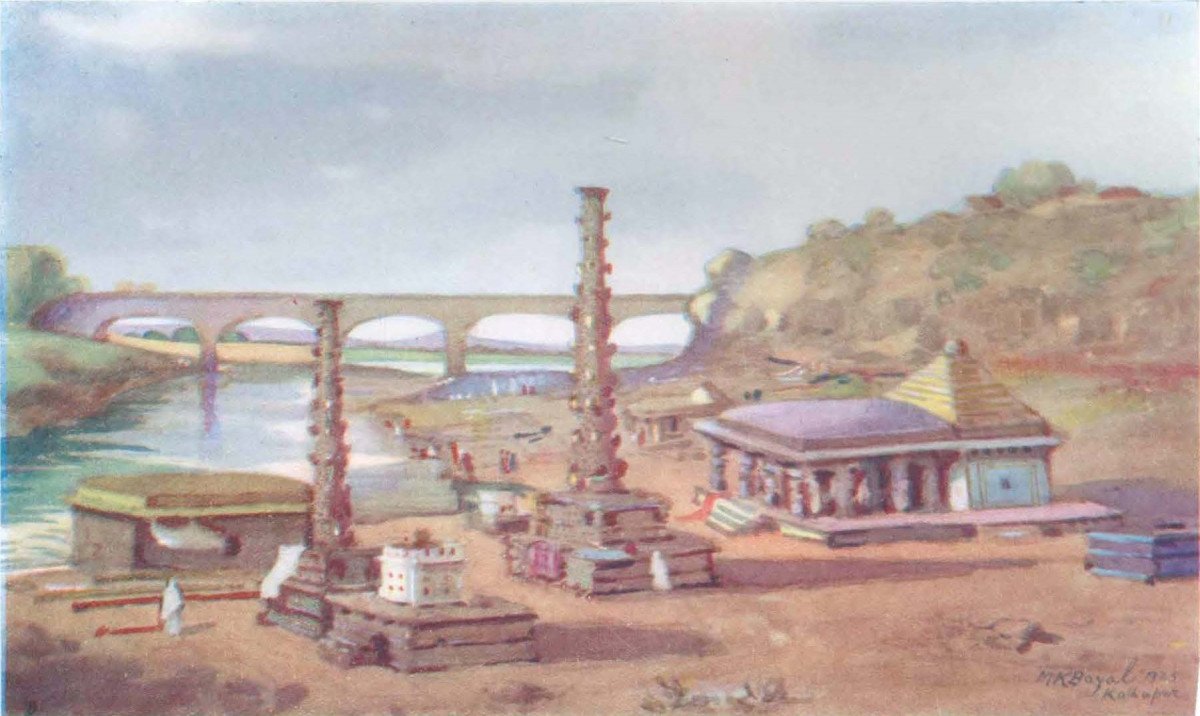
Chhatri (Cenotaph) Architecture: A crucial architectural component is the royal cemetery enclosure, or Chhatri (cenotaph) complex, adjacent to the ghat. These Chhatris are monuments built in memory of deceased members of the Kolhapur royal family, most notably Shivaji II and Shivaji III. The Chhatri of the Third Shivaji, built in 1815, is the largest and most beautifully carved structure within the complex. These monuments typically feature dome-shaped pavilions supported by pillars, a common style for memorial architecture in Maharashtra.
Temple Structures in the Riverbed: The ghat area is significant for the presence of several ancient temples. Some smaller shrines are uniquely situated in the riverbed itself, visible when the water level is low. These temples showcase a simple, rustic stone construction, emphasizing their antiquity and resilience to the river's flow.
Brahmapuri Picnic Point Development: The nearby Brahmapuri Picnic Point features contemporary landscape architecture. It is an elevated area that has been developed into a beautiful garden/park by the Kolhapur Municipal Corporation, offering a contrast to the historical ghat architecture. This development includes modern amenities and landscaping to create a relaxing public space with scenic views of the river. -
How To Reach:
By Air: The nearest airport is Kolhapur Airport (KLH) (approx. 10-12 KMS). From KLH, the ghat is a relatively short distance. Take a taxi or an auto-rickshaw for a direct ride, which will take about 30-35 minutes. The ghat is located towards the North-East of the city ce...By Air: The nearest airport is Kolhapur Airport (KLH) (approx. 10-12 KMS). From KLH, the ghat is a relatively short distance. Take a taxi or an auto-rickshaw for a direct ride, which will take about 30-35 minutes. The ghat is located towards the North-East of the city center.
By Train: The nearest railway station is Chhatrapati Shahu Maharaj Terminus, Kolhapur (KOP) (approx. 5-6 KMS). From KOP, an auto-rickshaw is the most common way to reach the ghat. The ride will be approximately 15-20 minutes. You can also check for a local city bus that goes towards the Panchganga River side.
By Road: The Panchganga Ghat is on the banks of the Panchganga River and is accessible via city roads. From the Kolhapur Central Bus Stand (CBS) (approx. 5 KMS), a direct auto-rickshaw or a local bus will be needed. The area is also accessible for driving, and the Brahmapuri Picnic Point is a useful landmark.
By Local Transport: Auto-rickshaws are easily available and are the most convenient way to reach the ghat. They should charge a reasonable fare due to the short distance from the city center. Local City Buses are a budget option, with routes likely stopping near the riverbank or the Brahmapuri area. A key point for navigation is that the cemetery complex is a major landmark near the ghat. -
Weather and Best Time to Visit:
Different Types of Seasons: The Best Time to Visit is during the cool and pleasant Winter Season (October to February), which is ideal for comfortably walking the ghat, performing rituals, and enjoying the sunset view from Brahmapuri Point. The Monsoon brings high river wa...Different Types of Seasons: The Best Time to Visit is during the cool and pleasant Winter Season (October to February), which is ideal for comfortably walking the ghat, performing rituals, and enjoying the sunset view from Brahmapuri Point. The Monsoon brings high river water and lush surroundings but can restrict access to lower steps. The most spiritually significant, though crowded, time is the Pitr Paksha period in the Monsoon transition (September-October).
Different Parts of the Day: The Ideal Time for ritual bathing and tranquility is the Very Early Morning (5:30 AM to 8:00 AM). For the best scenic and photographic experience, especially of the river expanse and the Chhatris, the Late Afternoon leading up to the Sunset is highly recommended (5:00 PM to 6:30 PM). Avoid the harsh mid-day sun. -
Near Tourist Places:
1. Brahmapuri Picnic Point (Adjacent) 2. Town Hall Museum (Approx. 2 KMS) 3. Mahalaxmi Temple (Approx. 4 KMS) 4. Bhavani Mandap (Old Palace) (Approx. 4 KMS) 5. Khasbag Maidan (Approx. 4 KMS) 6. New Palace Museum (Approx. 4 KMS) 7. Rankala Lake (Approx. 6 KMS) 8. Chhatrapati Shahu Maharaj Terminus (KOP) (Approx. 5 KMS) 9. Chandra Kant Mandare Art Gallery (Approx. 5 KMS) 10. Panhala Fort (Approx. 25 KMS)
Tourism Tips
-
Health & safety: The stone steps can be slippery, especially near the water's edge; wear non-slip footwear and exercise caution. Do not venture too far into the river. Be mindful of the crowds during peak ritual times like Pitr Paksha. The area is generally safe, but wat...Health & safety: The stone steps can be slippery, especially near the water's edge; wear non-slip footwear and exercise caution. Do not venture too far into the river. Be mindful of the crowds during peak ritual times like Pitr Paksha. The area is generally safe, but watch your belongings.
Packing: If planning a ritual bath, carry a fresh change of clothes. A towel is essential. If you are visiting for sunset, carry insect repellent. Carry a camera for the scenic views.
Accommodation: Stay in the main Kolhapur City area. The ghat is easily accessible from any part of the city, so any centrally located hotel will work well.
Other Different Topics: Be extremely respectful of the religious rituals, especially the Shraddha ceremonies, and maintain silence in the vicinity of the Chhatris. Visit the nearby Brahmapuri Picnic Point to enjoy the view. Combine the visit with the Mahalaxmi Temple and the Town Hall Museum (where the Brahmapuri artifacts are housed).
Reviews
FAQs
Kolhapur Itineray And Cost:-
Information about New and Updated Locations() of Maharashtra Has Been Added :-
Card subtitle
Note:-
Information provided here in good Faith and for reference only.
All information and pictures will be updated soon, please keep visiting.
Near Places

Amber Khana
Some quick example text to build on the card title and make up the bulk of the card's content.
Go somewhere
Bhavani Mandap
Some quick example text to build on the card title and make up the bulk of the card's content.
Go somewhere
Binkhambi Ganesh Mandir
Some quick example text to build on the card title and make up the bulk of the card's content.
Go somewhere
Chandra Kant Mandare Art Gallery
Some quick example text to build on the card title and make up the bulk of the card's content.
Go somewhere
Dajipur Wildlife Sanctuary
Some quick example text to build on the card title and make up the bulk of the card's content.
Go somewhere
Dargah of Hazrat Pir Syed Shah Badruddin
Some quick example text to build on the card title and make up the bulk of the card's content.
Go somewhere
Dream World Water Park
Some quick example text to build on the card title and make up the bulk of the card's content.
Go somewhere
Gaganbawada
Some quick example text to build on the card title and make up the bulk of the card's content.
Go somewhere
Katyayani Temple
Some quick example text to build on the card title and make up the bulk of the card's content.
Go somewhere
Khasbag Maidan
Some quick example text to build on the card title and make up the bulk of the card's content.
Go somewherein Other Cities