...

Place To Visit And Things To Do In Joshimath

Uttarakhand, India
Spiritual Landmark: Joshimath, also known as Jyotirmath, is one of the four cardinal institutions established by Adi Shankaracharya. It serves as the winter home for the idol of Lord Badrinath. The town is a gateway to several Himalayan expeditions and the sacred Badrinath shrine. Geographic Importa nce: Perched at an altitude of 6150 feet, it offers a commanding view of the Alaknanda and Dhauliganga confluence. It is a strategic point for the Indian Army and a base for trekkers. The landscape is rugged with steep slopes and dense alpine forests. Mythological Roots: The town is named after the Jyotirmath monastery which means the 'Place of the Light'. It is believed that Adi Shankaracharya attained enlightenment under a mulberry tree here. The local temples are dedicated to Lord Narasimha and Lord Vasudeva. Gateway to Adventure: It is the starting point for the famous Valley of Flowers and Hemkund Sahib treks. The town stays busy during the summer pilgrimage season and the winter skiing season in Auli. It bridges the gap between the lower and higher Himalayas.

Things To Do

Card image cap
Acha Bacha Waterfall

The Acha Bacha Waterfall is a seasonal marvel located on the trekking route toward the Valley of Flowers. It is known for its pristine white water th...

The Acha Bacha Waterfall is a seasonal marvel located on the trekking route toward the Valley of Flowers. It is known for its pristine white water that appears to jump over rocks, giving it a playful character that locals describe as "Acha Bacha" or "Good Child." The waterfall is fed by glacial melts from the higher Himalayan reaches, ensuring its flow is most vigorous during the monsoon and post-monsoon months. Visitors often encounter this spot as a refreshing break point during the arduous trek from Govindghat to Ghangaria. The surrounding area is dense with oak and rhododendron forests, providing a lush green canopy that frames the falls beautifully. The sound of the crashing water creates a rhythmic melody that echoes through the valley, offering a meditative experience for weary trekkers. It is a spot where nature remains untouched by commercialization, preserving its raw and rugged beauty for explorers. The mist generated by the falls keeps the immediate vicinity cool even during the peak summer months. It is considered one of the most scenic stopovers in the Chamoli region. Travelers often spend time here to soak their feet in the cold mountain water before continuing their journey. The waterfall serves as a vital water source for the local biodiversity, including rare Himalayan birds and small mammals.
Card image cap
Auli Cable Car

The Auli Cable Car, also known as the Auli Ropeway or 'Gondola', is a magnificent engineering feat and a major tourist attraction in Uttarakhand. It i...

The Auli Cable Car, also known as the Auli Ropeway or 'Gondola', is a magnificent engineering feat and a major tourist attraction in Uttarakhand. It is officially recognized as the second-longest and highest cable car in Asia, spanning a total distance of 4.15 kilometers. The bi-cable ropeway system connects the lower town of Joshimath (at an elevation of approximately 1,900 meters) to the higher meadow of Auli (at approximately 3,016 meters), involving a total ascent of over 1,100 meters. The construction of this ropeway was a critical step in developing Auli as a premier skiing destination, offering a reliable, fast, and scenic transportation alternative to the road, which often gets blocked by heavy snowfall in winter. The journey takes about 20 to 25 minutes one way and provides a breathtaking, uninterrupted panoramic view of the towering Himalayan peaks, including Nanda Devi and Trishul. The cabins are large, accommodating up to 25 passengers along with an attendant, ensuring a comfortable and stable ride. The ropeway is operated by the Garhwal Mandal Vikas Nigam (GMVN). Beyond its utility as transport, it is an essential sightseeing experience, giving visitors a floating perspective over deep valleys, thick deodar forests, and the stunning mountainscape. Its operation is highly dependent on weather conditions, prioritizing passenger safety above all else. (~400 words)
Card image cap
Auli

Auli is a world-famous Himalayan ski resort and a stunning meadow, locally called a 'Bugyal', nestled in the Garhwal Himalayas. Situated at an average...

Auli is a world-famous Himalayan ski resort and a stunning meadow, locally called a 'Bugyal', nestled in the Garhwal Himalayas. Situated at an average altitude of about 2,800 meters above sea level, it offers one of the most magnificent panoramic views of the mighty Himalayan peaks, including Nanda Devi, Mana Parbat, Kamet, and Trishul. The slopes of Auli are flanked by dense forests of deodar and oak, which naturally cut the wind speed, making the area an ideal and safer location for winter sports like skiing. The history of Auli is tied to ancient Hindu texts and legends. It is believed that Adi Guru Shankaracharya visited the region in the 8th century AD, establishing the sacred Jyotirmath (modern Joshimath) nearby. For centuries, the slopes were used by the semi-nomadic Bhotiya tribes for herding their livestock before it was developed by the government as a training ground for the Indo-Tibetan Border Police (ITBP) and later as a major tourist destination. The creation of Asia's longest ropeway and an artificial lake has cemented its status as a year-round tourist hub, attracting adventurers in winter and nature lovers in summer and autumn. The pleasant weather, combined with the breathtaking natural beauty, makes Auli a must-visit destination for anyone traveling through Uttarakhand. Its transformation from a simple pasture to an international-grade ski destination is a testament to its unique geography and climate, offering both thrilling adventure and tranquil solitude. (~400 words)
Card image cap
Auli Ropeway

The Auli Ropeway, which is synonymous with the Auli Cable Car and the 'Gondola', is the backbone of tourism and transport between the religious town o...
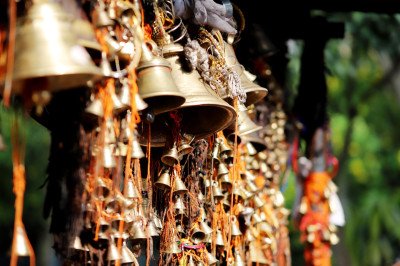
The Auli Ropeway, which is synonymous with the Auli Cable Car and the 'Gondola', is the backbone of tourism and transport between the religious town of Joshimath and the high-altitude resort of Auli. Operating at a length of 4.15 kilometers, it is a key piece of infrastructure that dramatically reduces the travel time and difficulty of reaching the slopes. Before the ropeway, the journey by the winding road was often challenging and completely blocked for several months in the peak winter due to heavy snowfall. The construction was an intensive project in a challenging environment. It is operated by GMVN, ensuring reliability and adherence to safety standards. The ropeway's cabins ascend a vertical distance of over 1,100 meters, providing passengers with a smooth, silent, and visually stunning transition from the bustling, lower-altitude town to the tranquil, snow-covered meadows above. It passes over dense forests of deodar and oak, offering glimpses of the entire Joshimath valley and the confluence of the Alaknanda and Dhauliganga rivers in the distance. Its status as Asia's second-longest cable car ensures its place in the travel itinerary of almost every visitor to the region, making it an experience, not just a mode of transport. The safety system includes a storm warning and an emergency braking system, ensuring operations cease immediately if weather conditions become hazardous. (~400 words)
Card image cap
Badrinath Temple

The Badrinath Temple (Winter Idol) refers not to the main temple in Badrinath (which closes in winter), but to the revered deity, Lord Badri Vishal (L...

The Badrinath Temple (Winter Idol) refers not to the main temple in Badrinath (which closes in winter), but to the revered deity, Lord Badri Vishal (Lord Vishnu), who is ceremonially brought down and housed in the Narsingh Temple (or Narasimha Temple) in Joshimath for the six harsh winter months. The Narsingh Temple itself is an ancient and highly sacred Hindu shrine, one of the four Mathas established by Adi Guru Shankaracharya in the 8th century AD, which collectively give Joshimath its spiritual name, Jyotirmath. This temple is dedicated to Lord Narasimha, the fourth incarnation of Lord Vishnu, depicted in a half-man, half-lion form. The ritualistic transfer of the idol of Lord Badri Vishal (Uddhav and Kuber deities are also moved) is a centuries-old tradition that allows pilgrims to continue their worship even when the main temple becomes inaccessible due to heavy snowfall. The main idol in the Narsingh Temple is of Lord Narasimha, which, according to a local prophecy from the Sanath Samhita, has a right arm that is slowly withering away. It is believed that when this arm finally falls off, the mountains of Jay and Vijay near Badrinath will collapse, blocking the path to the original shrine, and the worship of Lord Badrinath will then permanently shift to Bhavishya Badri. (~400 words)
Card image cap
Bhavishya Badri Temple

Bhavishya Badri Temple is one of the five major holy sites in the Panch Badri pilgrimage circuit and holds immense mythological significance as the pr...

Bhavishya Badri Temple is one of the five major holy sites in the Panch Badri pilgrimage circuit and holds immense mythological significance as the prophesied future home of Lord Badrinath. The name Bhavishya literally means 'Future'. Situated at an altitude of about 2,744 meters (9,000 feet) in a secluded, dense forest of blue pine and deodar near the village of Subhain, the temple is a smaller, more austere shrine dedicated to Lord Vishnu. According to the ancient prophecy, when the arm of the Lord Narasimha idol in Joshimath finally breaks off and the mountains of Jay and Vijay collapse (making the present Badrinath inaccessible), Lord Badri Vishal will be worshipped here. The temple houses a rock slab (Shila) that is believed by locals to be a self-manifesting (Swayambhu) idol of Lord Vishnu in the Padmasana (lotus position), which is slowly emerging from the stone. The trek to the temple, though short, is steep and beautiful, passing through terraced fields, deep forests, and alongside the turbulent Dhauliganga River, providing a profound spiritual journey and an escape into unspoiled natural beauty. It is a powerful place of devotion for those seeking a more traditional and isolated pilgrimage experience away from the crowds. (~400 words)
Card image cap
Bhavishya Kedar Temple

Bhavishya Kedar Temple is another site of immense future prophecy in the Garhwal Himalayas, believed to be the sacred location where Lord Kedarnath (a...

Bhavishya Kedar Temple is another site of immense future prophecy in the Garhwal Himalayas, believed to be the sacred location where Lord Kedarnath (an incarnation of Lord Shiva) will be worshipped when the present Kedarnath Temple becomes inaccessible at the end of Kaliyuga due to catastrophic events. Unlike Bhavishya Badri, which has a relatively fixed, ancient mention, the specific location of Bhavishya Kedar is less clearly defined, often associated with a small shrine or Shivalinga near Auli that houses a picture of Lord Shiva and Maa Parvati. It is situated at a high altitude, often cited around 3,300 meters, surrounded by a serene, lush green forest near Auli. Devotees visit this small temple to seek the blessings of Lord Shiva and Goddess Parvati and to acknowledge the prophecy that links it to the mighty Kedarnath. The belief holds that a massive landslide will block the path to the original Kedarnath Temple, and the deity will then migrate to this high-altitude spot. The journey to the temple usually involves reaching Auli first (via ropeway or road) and then a peaceful trek through the surrounding meadows and forests, often leading to a small, isolated stone shrine that offers a profound sense of peace and a dramatic view of the high peaks. (~400 words)
Card image cap
Bhyundar Ganga River

The Bhyundar Ganga is a turbulent Himalayan river that originates from the glaciers of the Nanda Devi massif. It flows through the narrow gorges of t...
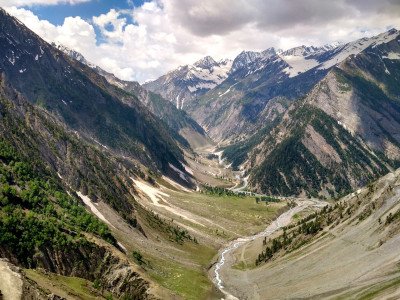
The Bhyundar Ganga is a turbulent Himalayan river that originates from the glaciers of the Nanda Devi massif. It flows through the narrow gorges of the Bhyundar Valley and eventually merges with the Alaknanda River at Govindghat. The river is known for its milky white appearance, caused by the high velocity and the suspension of glacial silt. For pilgrims trekking to Hemkund Sahib, the roar of the Bhyundar Ganga is a constant companion, providing a sense of direction and energy. The riverbanks are dotted with massive boulders and alpine vegetation, creating a landscape that looks like a painting. During the spring, the melting snow causes the river to swell, carving deep channels through the valley floor. It is a vital ecosystem that supports the diverse flora of the Valley of Flowers National Park. The water is icy cold year-round, making it a daring feat for anyone to touch. Local folklore suggests that the river carries the essence of medicinal herbs found in the higher meadows. It plays a crucial role in the geography of the region, having shaped the valley over millions of years. The river is crossed by several iron and wooden bridges, which are vital for the local "Gaddi" shepherds. Its confluence is a place of spiritual significance where devotees often offer prayers. The sheer power of the water is a reminder of the raw force of nature in the high Himalayas.
Card image cap
Bhyundar Valley

Bhyundar Valley is an ecologically sensitive and breathtakingly beautiful glacial valley in the Garhwal Himalayas. It serves as the primary corridor ...
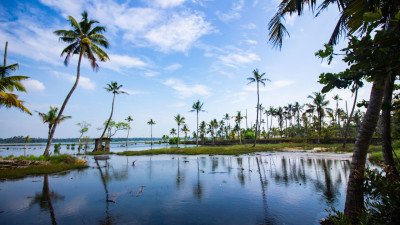
Bhyundar Valley is an ecologically sensitive and breathtakingly beautiful glacial valley in the Garhwal Himalayas. It serves as the primary corridor for the world-famous Valley of Flowers and the holy Hemkund Sahib. The valley is characterized by its steep slopes, dense coniferous forests, and a variety of alpine meadows known as 'Bugyals'. It was historically a trade route between India and Tibet, used by Bhotia traders for centuries. The valley's floor is traversed by the Bhyundar Ganga, which adds to its scenic charm. As one ascends through the valley, the vegetation changes from subtropical forests to alpine scrub, offering a lesson in vertical biodiversity. The valley is home to the Bhyundar village, where the local community lives a traditional lifestyle, primarily involved in sheep rearing and tourism. During the monsoon, the entire valley turns a vibrant shade of green, with hundreds of wildflower species blooming along the trails. It is a haven for trekkers who seek a combination of natural beauty and spiritual peace. The air here is thin but incredibly fresh, filled with the scent of pine and wild herbs. The valley provides stunning views of peaks like Hathi Parvat and Ghori Parvat. It is not just a transit point but a destination in itself for those who appreciate the raw stillness of the mountains. The valley remains snowbound for nearly six months a year, making it accessible only during the summer and monsoon seasons.
Card image cap
Chenab Lake

Chenab Lake is a small, crystalline, high-altitude water body nestled within a large, pristine meadow known as the Chenab Meadow in the Garhwal Himala...
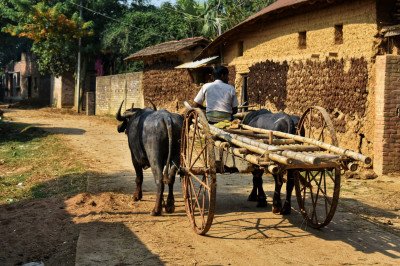
Chenab Lake is a small, crystalline, high-altitude water body nestled within a large, pristine meadow known as the Chenab Meadow in the Garhwal Himalayas. It is located beyond Joshimath, requiring a significant trek, making it one of the most untouched and less-visited places in the region, an ideal destination for serious nature enthusiasts and trekkers seeking solitude. The lake is often cited as a crucial water reservoir for local villages and is beautifully surrounded by a dense forest of oak, deodar, and pine trees. While some sources suggest it is an artificial, man-made reservoir, its natural setting and crystal-clear water give it the appearance of an untouched alpine lake. The trek to Chenab Lake is moderate to difficult, typically starting from Vishnuprayag or the nearby village of Dhak and often taking an overnight stay to complete comfortably. The trail passes through some of the most beautiful flora and fauna of the region, including sprawling fields of alpine flowers, especially in the May and June months. The lake's surroundings are characterized by a calm, relaxing atmosphere and vast green expanses of Bugyal (meadow), offering a tranquil contrast to the bustling tourist spots of Auli and Joshimath. (~400 words)
Card image cap
Dhak Village

Dhak Village is a quaint Himalayan hamlet that serves as the primary trailhead for the famous Kuari Pass and Pangarchulla Peak treks. Nestled on a su...

Dhak Village is a quaint Himalayan hamlet that serves as the primary trailhead for the famous Kuari Pass and Pangarchulla Peak treks. Nestled on a sunny slope, the village offers panoramic views of the Dhauliganga River valley and the surrounding snow-capped peaks. It is a traditional Garhwali settlement where agriculture and animal husbandry remain the core of daily life. The village is known for its terraced fields which turn golden during the harvest season. For trekkers, Dhak is the point where civilization ends and the wild Himalayan trails begin. The locals are exceptionally hospitable, often welcoming travelers with a warm cup of mountain tea. The village layout is a labyrinth of narrow stone paths, lined with houses that exhibit traditional woodwork. Unlike the more touristy hubs, Dhak maintains a quiet, authentic atmosphere that gives a glimpse into the resilient lifestyle of mountain people. The village is also an excellent spot for acclimatization before heading to higher altitudes. One can observe the traditional methods of farming and see how water is diverted from mountain streams into the fields. The surrounding forests are rich in oak and pine, providing a serene backdrop for nature walks. In recent years, Dhak has seen a rise in eco-tourism, with small homestays opening up to provide a more immersive experience than the hotels in Joshimath. It is a place where the sound of temple bells and the bleating of sheep replace the noise of the city.
Card image cap
Gari Bhawani Temple

The Gari Bhawani Temple is a revered Hindu shrine dedicated to Goddess Bhawani, an avatar of Goddess Parvati, known locally as Gauri Bhawani Mandir. S...

The Gari Bhawani Temple is a revered Hindu shrine dedicated to Goddess Bhawani, an avatar of Goddess Parvati, known locally as Gauri Bhawani Mandir. Situated about 6 km from the main Joshimath town center, the temple is a peaceful stop for pilgrims on their way to or from Badrinath and is deeply respected by the local Garhwali community. The deity is believed to possess the power to grant wishes and protect devotees from various harms, which contributes significantly to its sanctity and popularity. The surrounding Himalayan landscape and the tranquility of the location amplify the spiritual atmosphere, making it a place for contemplation as well as worship. It serves as an essential part of the local religious circuit and sees a notable influx of devotees, particularly during auspicious Hindu festivals. The temple complex is modest yet serene, providing a stark contrast to the bustle of the nearby highway. Its proximity to Joshimath makes it easily accessible for a short but spiritually fulfilling visit, offering a window into the local religious practices. The construction is generally simple, reflecting the traditional hill architecture of Uttarakhand, blending harmoniously with the natural environment. The temple’s history is tied to local legends and the faith in the divine feminine power, Shakti, which is central to Hinduism. This site is less crowded than the main Narsingh Temple, offering a more personal spiritual experience for visitors.
Card image cap
Ghangaria

Ghangaria is a small settlement and a vital base camp situated at an altitude of approximately 3,050 meters (10,000 feet) in the Garhwal Himalayas. It...

Ghangaria is a small settlement and a vital base camp situated at an altitude of approximately 3,050 meters (10,000 feet) in the Garhwal Himalayas. It serves as the overnight stop for trekkers heading to both the Valley of Flowers National Park (a UNESCO World Heritage Site) and the holy Sikh pilgrimage site of Gurudwara Hemkund Sahib. The village itself is nestled at the confluence of the Pushpawati River and a stream from Hemkund. Because it is accessible only by a 13 km trek from Govindghat (which is a 22 km drive from Joshimath), it operates primarily during the trekking season (May to October). The village is dominated by guest houses, a few restaurants, and a Gurudwara, all catering to the thousands of pilgrims and nature lovers who pass through annually. It is known for its cool, crisp mountain air and its location amidst pine and rhododendron forests, offering stunning views of the surrounding peaks. The atmosphere is a vibrant mix of spiritual devotion and trekking adventure.
Card image cap
Govindghat

Govindghat is a bustling town that serves as the crucial junction for thousands of pilgrims and trekkers every year. Located at the confluence of the...

Govindghat is a bustling town that serves as the crucial junction for thousands of pilgrims and trekkers every year. Located at the confluence of the Alaknanda and Laxman Ganga rivers, it is the starting point for the arduous journey to Hemkund Sahib and the Valley of Flowers. The town is dominated by a massive Gurudwara that provides free food and lodging to devotees. The atmosphere in Govindghat is one of intense energy and devotion, with the constant sound of the river and religious hymns. It is a place where people from all walks of life gather before embarking on their spiritual or adventurous quests. The town has a lively market where one can buy trekking gear, raincoats, and religious souvenirs. Despite its small size, it is well-equipped with hotels, restaurants, and parking facilities. The town's geography is spectacular, with steep mountains rising on all sides and the roaring river cutting through the center. During the peak pilgrimage season from June to October, Govindghat becomes a mini-metropolis of tents and travelers. It is also an important stop on the way to Badrinath, which is just a short drive away. The town's bridge is a famous landmark, marking the official start of the trek. For many, Govindghat represents the transition from the motorized world to the world of foot travel and horse trails. It is a place of preparation, where trekkers hire porters and ponies for the steep climb ahead. The air is filled with a sense of anticipation and excitement.
Card image cap
Helang Village

@@Helang Village Details: Helang Village is a picturesque settlement situated at the confluence of the Alaknanda and Kalpganga rivers. This village se...

@@Helang Village Details: Helang Village is a picturesque settlement situated at the confluence of the Alaknanda and Kalpganga rivers. This village serves as the primary gateway for trekkers heading towards Kalpeshwar Mahadev, which is one of the Panch Kedar temples. It is a quiet, traditional Garhwali village where life moves at a slow and peaceful pace. The village is surrounded by dense forests and offers a stunning view of the deep river valleys. It is often used as a transit point for pilgrims and nature enthusiasts who wish to explore the less-crowded Urgam Valley. The local culture is deeply rooted in agriculture and ancient Himalayan traditions. Visitors can experience the authentic lifestyle of the mountain people while enjoying the crisp mountain air. The village is also famous for its stone-roofed houses and terrace farming. It provides a perfect escape from the bustling tourist spots of Joshimath. The sound of the rushing rivers creates a meditative atmosphere throughout the day. Travelers often stop here to admire the engineering of the Helang-Marwari bypass road. The village is a testament to the resilience of people living in the high Himalayas.
Card image cap
Hemkund Sahib

Gurudwara Hemkund Sahib is a profoundly sacred Sikh pilgrimage site and Hindu temple nestled beside a majestic glacial lake, Hemkund Lake (or Lokpal L...

Gurudwara Hemkund Sahib is a profoundly sacred Sikh pilgrimage site and Hindu temple nestled beside a majestic glacial lake, Hemkund Lake (or Lokpal Lake), at a staggering altitude of approximately 4,329 meters (14,200 feet). The name translates to 'Lake of Snow'. The Gurudwara commemorates the place where the tenth Sikh Guru, Guru Gobind Singh Ji, meditated in a previous life, as mentioned in his autobiography, Bachittar Natak. Adjacent to the Gurudwara is a small Lakshman Temple. The site is surrounded by seven towering, snow-capped peaks, which are also reflected in the crystal-clear waters of the lake. It is a place of immense spiritual power, but due to its extreme altitude and harsh winter conditions, it is only accessible for approximately five months of the year, typically from late May to October. The atmosphere is one of serene devotion and immense natural beauty, demanding physical endurance from its pilgrims.
Card image cap
Joshimath

Joshimath, also known as Jyotirmath, is an ancient town of profound religious and geological importance situated at an elevation of approximately 1,87...

Joshimath, also known as Jyotirmath, is an ancient town of profound religious and geological importance situated at an elevation of approximately 1,875 meters (6,150 feet). It is one of the four cardinal Maths (monastic institutions) established by Adi Shankaracharya in the 8th century to preserve and propagate Advaita Vedanta philosophy in North India, earning it the name Jyotirmath ('The Math of Light'). The town is a critical administrative and military hub, but its spiritual significance is paramount as it serves as the winter seat of Lord Badrinath. When the Badrinath Temple closes due to snow, the idol of the deity is ceremoniously transferred to the Narsingh Temple in Joshimath for six months of worship. Geologically, the town is located on an ancient landslide zone, a fact that has led to significant challenges due to recent land subsidence events, which have brought it to international attention. Despite these challenges, it remains the essential gateway for pilgrims and trekkers heading to Badrinath, Hemkund Sahib, and the ski slopes of Auli.
Card image cap
Joshimath Town

Joshimath Town refers specifically to the main urban and commercial center of the municipality, serving as the critical administrative headquarters an...

Joshimath Town refers specifically to the main urban and commercial center of the municipality, serving as the critical administrative headquarters and a bustling market area in the Chamoli district. Located strategically at the intersection of routes leading to the sacred shrines of Badrinath and Hemkund Sahib, and the scenic ski resort of Auli, the town is a constant hub of activity. The area is characterized by a dense concentration of hotels, restaurants, shops, banks, and government offices, all built on the steep Himalayan slopes. While historically important due to its spiritual institutions (Jyotirmath), the town's modern identity is defined by its role as a vital transport and logistical base for the surrounding high-altitude destinations. The town offers spectacular views of the surrounding peaks and is the starting point for the famous Auli Ropeway. Its vibrant, somewhat crowded atmosphere contrasts with the peaceful spiritual sites nearby, offering a necessary stop for supplies and accommodation. Recent geological instability has also brought a focus on the town's fragility and the need for sustainable mountain development.
Card image cap
Joshimath View Point

The Joshimath View Point is a location, often an unmarked pull-off or a designated scenic spot on one of the higher roads (usually the one leading up ...

The Joshimath View Point is a location, often an unmarked pull-off or a designated scenic spot on one of the higher roads (usually the one leading up to the Auli Ropeway or slightly beyond), offering a breathtaking, panoramic vista of the surrounding Garhwal Himalayas. The viewpoint provides an unobstructed view of the convergence of the deep Alaknanda and Dhauliganga river valleys below (Vishnuprayag), the entire layered townscape of Joshimath, and the majestic snow-capped peaks in the distance, most notably the 'Sleeping Beauty' mountain and, on a very clear day, glimpses of Nanda Devi and Hathi-Ghori Parvat. It is a place primarily for photography and quiet contemplation, allowing travelers to grasp the immense scale of the geography they are traversing. Being slightly removed from the town's traffic and noise, it provides a tranquil setting, particularly popular at sunrise and sunset. This spot is a testament to the region's dramatic topography and is a mandatory stop for all tour operators and private vehicles.
Card image cap
Kagbhusandi Lake

@@Kagbhusandi Lake Details: Kagbhusandi Lake is one of the most mysterious and secluded high-altitude lakes in the Garhwal Himalayas. It is located at...

@@Kagbhusandi Lake Details: Kagbhusandi Lake is one of the most mysterious and secluded high-altitude lakes in the Garhwal Himalayas. It is located at an elevation of about 5,230 meters near the Kankul Pass. The lake is shaped like a triangle and holds emerald green water that remains crystal clear. According to local folklore, this is the place where the crow Kagbhusandi narrated the Ramayana to Garuda, the king of birds. The trek to this lake is considered one of the most difficult in the region, passing through dense forests, rocky moraines, and steep ridges. It is a paradise for seasoned trekkers who seek solitude away from the popular trails. The lake is surrounded by majestic peaks like Hathi Parvat and Ghori Parvat. During the months of August and September, the entire area blooms with rare Himalayan flowers. There is a strange phenomenon where many crows are said to come here to end their lives, though this remains a matter of local belief. The silence of the lake is profound, broken only by the whistling wind. Reaching the lake requires a high level of physical fitness and a professional guide. It is a journey into the raw, untouched heart of the mountains.
Card image cap
Kalpavriksha

The Kalpavriksha in Joshimath is an ancient, revered tree—specifically a Mulberry Tree (Morus nigra)—believed to be over 1,200 years old. In Hindu...

The Kalpavriksha in Joshimath is an ancient, revered tree—specifically a Mulberry Tree (Morus nigra)—believed to be over 1,200 years old. In Hindu mythology, the Kalpavriksha is the divine, wish-fulfilling tree that emerged from the Samudra Manthan (Churning of the Ocean). This particular tree holds immense religious significance because it is believed that Adi Shankaracharya, the 8th-century sage, meditated beneath it and attained enlightenment (Jyoti) before establishing the Jyotirmath (Joshimath) nearby, hence its name. The tree stands majestically within the complex of the Shankaracharya Math and is sometimes referred to as a Parijat or a Ficus religiosa in some texts, but locally is a huge, ancient Mulberry. Its massive trunk, estimated to have a circumference of around 21.5 meters, is a living testament to the region's spiritual history. Devotees visit the site to offer prayers, tie sacred threads, and make wishes, believing in the tree's divine power.
Card image cap
Kuari Pass Trek

@@Trek Overview: The Kuari Pass Trek, also known as the Lord Curzon Trail, is one of the most accessible and popular moderate treks in the Garhwal Him...

@@Trek Overview: The Kuari Pass Trek, also known as the Lord Curzon Trail, is one of the most accessible and popular moderate treks in the Garhwal Himalayas. It offers an unparalleled 360-degree panoramic view of some of India's highest and most majestic peaks, including Nanda Devi (7,816m), Kamet, Dronagiri, Trishul, Chaukhamba, and the Hathi-Ghodi peaks. The trek typically takes 5 to 6 days to complete, starting from a point near Joshimath and reaching an altitude of 3,820 meters (12,532 feet). The journey is a spectacular immersion into diverse landscapes, transitioning from dense temperate forests of towering oak and rhododendron to vast, rolling alpine meadows known locally as 'bugyals'. The trail is historically significant, having been first surveyed and made famous by Lord Curzon, a former Viceroy of India, lending the trail its alternate name. The moderate difficulty makes it suitable for both experienced and novice trekkers with good fitness. The trek provides a deep connection with the local Garhwali culture as it passes through charming, traditional villages like Dhak and Gulling. This trail is highly celebrated for its exceptional snowscapes in the winter season, particularly from December to February, and vibrant floral displays in the summer and autumn. The ecological diversity is a major draw, with sightings of varied Himalayan flora and fauna a common experience. Kuari Pass is more than a trek; it is a spiritual journey to witness the grand scale of the Himalayas in their pristine form. The views from Khullara and Chitrakantha viewpoints are especially renowned for their beauty and scale. The trek is a complete package of adventure, spiritual tranquility, and photographic opportunity, solidifying its status as a must-do Himalayan adventure.:
Card image cap
Nanda Devi National Park

@@Nanda Devi National Park Details: Nanda Devi National Park is a UNESCO World Heritage Site and one of the most biodiverse regions in the world. It i...

@@Nanda Devi National Park Details: Nanda Devi National Park is a UNESCO World Heritage Site and one of the most biodiverse regions in the world. It is centered around the peak of Nanda Devi, the second-highest mountain in India, which stands at 7,816 meters. The park is a vast glacial basin drained by the Rishi Ganga river. It remained a closed sanctuary for many years to protect its fragile ecosystem. Today, only a limited number of visitors are allowed into the buffer zone. The park is home to rare and endangered species like the Snow Leopard, Himalayan Musk Deer, and the Asiatic Black Bear. The landscape is a dramatic mix of high-altitude meadows, deep gorges, and towering ice walls. For the locals, Nanda Devi is not just a mountain but a living Goddess who protects the entire region. The park’s beauty has been praised by famous mountaineers like Bill Tilman and Eric Shipton. It is a strictly regulated area where "Leave No Trace" principles are strictly enforced. The journey into the park usually begins from the village of Lata, where trekkers can experience the unique Bhotia culture. It is a place for those who respect nature's absolute power and pristine beauty.
Card image cap
Narsingh Temple

@@Historical and Religious Significance: The Narsingh Temple, also known as Narsingh Badri, is one of the most important religious sites in Joshimath....

@@Historical and Religious Significance: The Narsingh Temple, also known as Narsingh Badri, is one of the most important religious sites in Joshimath. It holds immense spiritual significance as the winter seat of Lord Badrinath. When the main Badrinath Temple closes due to heavy snow for six months from November to April, the idol of Lord Badri (Uddhav and Kuber) is ceremoniously transferred and worshipped here. The temple is dedicated to Lord Narsingh, the fourth incarnation of Lord Vishnu, who is half-lion and half-human, symbolizing the victory of good over evil. The temple is believed to have been established by Adi Shankaracharya in the 8th century AD, who was instrumental in consolidating the Advaita Vedanta philosophy and establishing the four cardinal Mathas, of which Joshimath is one (Jyotirmath). The temple forms a crucial part of the Sapt Badri circuit. The atmosphere inside the temple is deeply spiritual and tranquil, drawing pilgrims from all over India who undertake the Char Dham Yatra or the smaller Badri Yatra. The rituals and aartis performed here during the winter months are elaborate and replicate the worship protocols of the main Badrinath shrine, keeping the spiritual momentum of the pilgrimage alive during the harsh winter. It serves as a living, breathing connection to the main pilgrimage even when the high mountains are inaccessible. The belief systems associated with the temple are deeply rooted in Hindu mythology and local folklore, making it a powerful center of faith.:
Card image cap
Pandukeshwar Temple

@@Pandukeshwar Temple Details: Pandukeshwar Temple is a highly revered site located on the way to Badrinath. It is situated at an altitude of 1,829 me...

@@Pandukeshwar Temple Details: Pandukeshwar Temple is a highly revered site located on the way to Badrinath. It is situated at an altitude of 1,829 meters. The village is named after King Pandu, the father of the Pandavas, who is said to have performed penance here to cleanse himself of a curse. There are two main temples in the complex: the Yogadhyan Badri and the Lord Vasudev Temple. Yogadhyan Badri is one of the Sapta Badri temples and is the winter seat of the Badrinath deity. When the main Badrinath Temple closes in winter, the "Utsav Murti" is brought here for worship. The Lord Vasudev Temple is believed to have been built by the Pandavas themselves. The site is spiritually charged and holds a peaceful vibe compared to the crowded pilgrim centers. The Alaknanda river flows nearby, adding to the sanctity of the place. It is a must-visit for those interested in the Mahabharata and ancient Indian history. The temple priests are knowledgeable about the local legends and the history of the Katyuri kings who once ruled this region. Visiting Pandukeshwar provides a deep sense of connection to India's epic past.
Card image cap
Pithoragarh Gate

@@Symbolic and Geographical Significance: The Pithoragarh Gate is a local archway, or Dwar, often signifying the road or the boundary leading out of J...

@@Symbolic and Geographical Significance: The Pithoragarh Gate is a local archway, or Dwar, often signifying the road or the boundary leading out of Joshimath towards the town of Pithoragarh, which lies further east across the Kumaon region, connecting the Garhwal and Kumaon administrative and cultural divisions of Uttarakhand. In the context of Joshimath, it is more of a landmark, a physical identifier of a major road or market entry/exit point, rather than an ancient historical monument. Such local archways are common in Himalayan towns, often built by local governance or military/border forces (given Joshimath's Cantonment status) to mark a transition point or a major route. It serves a functional purpose, often bearing signage and directions, and acts as a minor ceremonial entry point to the town for traffic coming from or going towards the east. The gate is a simple, modern-era structure, reflecting the functional architecture of road signage rather than intricate religious symbolism. Its primary significance is in its name, which immediately places it on the geographical axis connecting Joshimath to the major areas in the eastern Himalayas, including the ancient trade routes and current military/administrative zones. It symbolizes connectivity, marking the start of a journey eastward. For locals, it's a vital reference point for directions and meeting, but for tourists, its significance is mainly as a photo-op landmark that denotes a geographical and cultural boundary, leading to new adventures and different Himalayan landscapes beyond the Garhwal region.:
Card image cap
Shankaracharya Math

@@Historical and Philosophical Foundation: The Shankaracharya Math, also known as Jyotirmath, is one of the four cardinal monasteries (Chatur Amnaya P...

@@Historical and Philosophical Foundation: The Shankaracharya Math, also known as Jyotirmath, is one of the four cardinal monasteries (Chatur Amnaya Pithas) established by the great 8th-century Hindu philosopher and theologian, Adi Shankaracharya. These four centers were created to propagate and preserve the fundamental tenets of the Advaita Vedanta philosophy, which advocates for the non-dualistic reality of the universe. Jyotirmath is the northernmost of these four Mathas (the others being in Sringeri, Puri, and Dwarka) and is dedicated to the worship of Lord Narayana. The Math serves as the spiritual and administrative headquarters for the Advaita order in the northern region of India. Within the complex, there are temples dedicated to Lord Badrinarayan and Rajrajeshwari Devi, along with a sacred cave where Adi Shankaracharya is believed to have meditated and written some of his famous philosophical commentaries. The Math holds an undisputed position in Hindu religious history, attracting scholars, spiritual seekers, and pilgrims globally who wish to connect with the source of one of India's most profound philosophical traditions. Its serene location atop a hill offers a tranquil environment perfectly suited for spiritual learning, meditation, and quiet reflection, continuing its 1200-year-old mission of upholding and spreading the wisdom of the Vedas and the Upanishads.:
Card image cap
Tapovan

@@Natural and Healing Significance: Tapovan, which literally means "Forest of Penance," is a serene high-altitude meadow and a major tourist and spiri...

@@Natural and Healing Significance: Tapovan, which literally means "Forest of Penance," is a serene high-altitude meadow and a major tourist and spiritual destination near Joshimath. It is primarily famous for its naturally occurring Sulphur-Rich Hot Water Springs (Tapovan Kund). These hot springs are believed to have significant medicinal and curative properties, particularly for skin ailments, rheumatism, and joint pain, due to their high mineral content and geothermal heat. According to local legend and Hindu mythology, Tapovan is the very place where Lord Lakshman, the younger brother of Lord Rama, performed intense penance (Tapasya) after the epic war of Ramayana. He is said to have pierced the earth with his arrow to release the underground geothermal water, creating the hot spring. This gives the place a deep spiritual resonance. Tapovan also serves as a crucial base or stopover point for the trek to Bhavishya Badri, one of the Panch Badri temples, which is believed to be the future seat of Badrinath. The area is blessed with a stunning panoramic view of the grand Himalayan peaks, including Nanda Devi, Dronagiri, and Chaukhamba, making it a perfect blend of natural beauty, spiritual significance, and healing opportunity. The tranquil environment, coupled with the lush greenery and the sight of the Dhauliganga River in the distance, makes Tapovan an ideal retreat for those seeking peace and natural therapy.:
Card image cap
Thaing Valley

@@Detailed Overview: Thaing Valley is a secluded alpine haven that remains largely untouched by mainstream tourism. Known for its rolling green meadow...

@@Detailed Overview: Thaing Valley is a secluded alpine haven that remains largely untouched by mainstream tourism. Known for its rolling green meadows and dense coniferous forests, it offers a slice of the pristine Himalayas. The valley is home to the Thaing village, where the local community still follows age-old Garhwali traditions and agricultural practices. As you walk through the valley, you are surrounded by apple orchards, potato farms, and wild Himalayan flowers. The air here is exceptionally pure, and the silence is profound, making it a favorite for offbeat travelers and backpackers. The valley serves as a gateway to several higher-altitude treks, including the Kagbhusandi Tal. The architectural charm of the local houses, made of stone and wood, reflects the resilience of the mountain people. Exploring this valley is like stepping back in time, where life moves slowly and in harmony with the seasons. It is particularly beautiful during the spring when the flowers are in full bloom and the entire landscape turns into a vibrant palette of colors. For those looking to escape the hustle of Auli or Joshimath, this valley provides the ultimate solace.
Card image cap
Timmersain Mahadev Cave

@@Detailed Overview: Timmersain Mahadev is a sacred cave shrine dedicated to Lord Shiva, located deep within the Niti Valley near the Indo-Tibetan bor...

@@Detailed Overview: Timmersain Mahadev is a sacred cave shrine dedicated to Lord Shiva, located deep within the Niti Valley near the Indo-Tibetan border. It is famously called the "Chhota Amarnath" because a natural ice stalagmite (Shivling) forms here during the winter months, much like the famous Amarnath cave in Kashmir. The cave is perched at an altitude of over 12,000 feet, offering a spiritual experience combined with high-altitude adventure. The journey to the cave passes through some of the most dramatic landscapes in the Garhwal Himalayas, including the villages of Malari and Gamshali. The cave remains a focal point of faith for the local Indo-Tibetan border communities. During the peak winter, the Shivling can reach a height of several feet. Due to its proximity to the border, the area has remained largely unexplored by the general public until recently. The government has started promoting the yatra to boost border tourism. The trek to the cave from the road head is short but challenging due to the thin air. The serene environment and the sight of the glittering ice Shivling provide a sense of divine peace that is hard to find elsewhere.
Show All

Note:-

Information provided here in good Faith and for reference only.

All information and pictures will be updated soon, please keep visiting.

Near Places
in Other Cities