
...

Place To Visit And Things To Do In Mahabaleshwar

Maharashtra, India
Strawberry Land: Mahabaleshwar is a majestic hill station located in the Satara district. It is the largest hill station in the Sahyadri range of Maharashtra. The town is world-renowned for its strawberry production and lush farms. It serves as a major source of the Krishna River, which originates h ere. The pleasant climate and the scenic beauty attract thousands of honeymooners and families. It is a place where nature's bounty is on full display every season. British Legacy: During the British Raj, it served as the summer capital of the Bombay Presidency. The colonial influence is still visible in the architecture of the old bungalows. The town has a nostalgic charm with its well-planned roads and public spaces. Many points are named after British officers who discovered or frequented them. It remains a classic destination that has maintained its popularity for decades. The heritage library and old churches add to its historical value. Spiritual Source: Old Mahabaleshwar is a sacred site with several ancient temples. The Mahabaleshwar Temple is dedicated to Lord Shiva and is highly revered. The Panchganga Temple is the point where five rivers are said to originate. Devotees from all over the country visit these temples for spiritual solace. The atmosphere in this part of town is very serene and different from the market. It provides a peaceful retreat for those seeking a deeper connection. Natural Grandeur: The hill station is famous for its numerous viewpoints offering panoramic views. Arthur's Seat and Wilson Point are among the most popular ones. The town is surrounded by dense forests that are part of a wildlife sanctuary. Venna Lake provides a beautiful spot for boating and leisure activities. The deep valleys and rugged cliffs create a dramatic landscape for visitors. It is a paradise for nature photographers and trekking enthusiasts.

Things To Do

Card image cap
Arthur's Seat

@@Historical Connection to Sir Arthur Malet: This point is often compared to the Grand Canyon due to its deep, layered rock formations. It is famous f...

@@Historical Connection to Sir Arthur Malet: This point is often compared to the Grand Canyon due to its deep, layered rock formations. It is famous for the phenomenon where light objects thrown into the valley float back up due to air pressure. It comprises six points: Arthur's Seat Point, Window Point, Tiger Spring Point, Malcolm Point, Hunter Point, and Echo Point. It offers a clear geographical distinction between the Deccan and Konkan regions of Maharashtra. The panoramic views of the Savitri Valley on one side and the Brahma-Arayana Valley on the other are truly breathtaking and are a major draw for tourists seeking natural wonder and solitude.
Card image cap
Babington Point

@@Gateway to the Koyna Valley: Located at an elevation of about 1,200 meters, this point is less crowded than other spots and offers stunning, panoram...

@@Gateway to the Koyna Valley: Located at an elevation of about 1,200 meters, this point is less crowded than other spots and offers stunning, panoramic views of the surrounding area, most notably the entire stretch of the Chinaman's Waterfall during monsoon. It provides a peaceful escape with benches for resting and enjoying the spectacular landscape. It overlooks the vast Koyna Valley and the Solshi Valley, providing a dual-vista experience. It is a favorite spot for couples seeking privacy and families looking for a tranquil picnic location away from the bustling market area of the main town. Its proximity to the main market makes it highly accessible for a quick but rewarding visit.
Card image cap
Bombay Point

@@The Classic Sunset Viewpoint: Also known as Sunset Point or Mumbai Point, it is famously recognized as the oldest viewpoint in Mahabaleshwar. It is ...
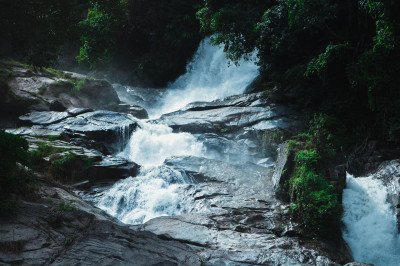
@@The Classic Sunset Viewpoint: Also known as Sunset Point or Mumbai Point, it is famously recognized as the oldest viewpoint in Mahabaleshwar. It is situated on the old road leading to Bombay (now Mumbai), hence its name. The point is a relatively flat expanse of land, making it one of the most accessible and popular spots for all tourists. It is renowned for offering the most unobstructed, wide-angle view of the sun setting over the western horizon, painting the Savitri Valley in golden hues. The area also houses minor recreational activities, adding to its appeal as a family picnic spot.
Card image cap
Chinaman's Falls

@@A Monsoon Spectacle: This stunning waterfall is formed by the river water cascading from a great height into the deep valley below, ultimately mergi...

@@A Monsoon Spectacle: This stunning waterfall is formed by the river water cascading from a great height into the deep valley below, ultimately merging with the Koyna River. It gets its unique name from the Chinese prisoners who once cultivated the lush gardens in the immediate vicinity of the falls during the colonial era. The falls are best viewed from Babington Point or from a designated viewing area along the Carviali Road. It is a major attraction during the monsoon season when the water flow is at its maximum, transforming the hills into a vibrant, misty green landscape, though the direct access to the base is difficult and often restricted for safety.
Card image cap
Connaught Peak

@@A Trekker's Delight: Formerly known as Mount Olympia, this peak was renamed after the Duke of Connaught who was captivated by its beauty during his ...

@@A Trekker's Delight: Formerly known as Mount Olympia, this peak was renamed after the Duke of Connaught who was captivated by its beauty during his visit. It is the second-highest point in Mahabaleshwar at an altitude of approximately 1,385 meters (4,544 feet). It offers spectacular 360-degree panoramic views that include the majestic Venna Lake, the entire Mahabaleshwar town, Krishna Valley, and even the distant Pratapgad Fort on a clear day. The short but steep trek to the summit makes it a rewarding destination for adventure lovers.
Card image cap
Dhobi Waterfall

@@The Scenic Meeting of Waters: This charming waterfall cascades down a rocky ledge into the valley, eventually merging with the mighty Koyna River (a...

@@The Scenic Meeting of Waters: This charming waterfall cascades down a rocky ledge into the valley, eventually merging with the mighty Koyna River (a tributary of the Krishna River). Its name is derived from the local dhobis (washermen) who traditionally used the falls and the pool below for washing clothes. It is a fantastic spot for a quiet picnic and is known for its refreshing atmosphere. It is one of the most accessible waterfalls in the region, requiring only a short, easy trek from the roadside. The view is particularly beautiful during the monsoon when the falls are in full flow, creating a misty, rainbow-laden environment.
Card image cap
Echo Point

@@The Natural Sound Phenomenon: This point is renowned for its unique natural echoing phenomenon. When you shout towards the valley, the sound waves b...
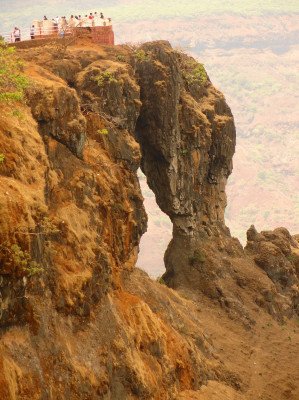
@@The Natural Sound Phenomenon: This point is renowned for its unique natural echoing phenomenon. When you shout towards the valley, the sound waves bounce off the surrounding hills—primarily the Dhom Dam and Kamalgadh/Pandavgadh peaks—and return, sometimes repeating multiple times. It is a part of the larger Kate's Point or is sometimes considered a sub-point of Arthur's Seat. It offers a mesmerizing view of the vast Krishna Valley and the tranquil waters of the Dhom Dam Reservoir. The experience is highly interactive, engaging visitors of all ages who come specifically to test the echo effect.
Card image cap
Elephant's Head Point / Needle Hole Point

@@Nature's Sculpture: Elephant's Head Point, also known as Needle Hole Point, is famous for its unique natural rock formation. The cliff dramatically ...

@@Nature's Sculpture: Elephant's Head Point, also known as Needle Hole Point, is famous for its unique natural rock formation. The cliff dramatically overhangs the valley below, and when viewed from a certain angle, it perfectly resembles the head and trunk of a gigantic elephant. This point sits at an altitude of approximately 1,280 meters above sea level. It is a geological marvel, formed over centuries by wind and water erosion, offering a unique, breathtaking spectacle that is unlike any other viewpoint in Mahabaleshwar. The Needle Hole itself is an arch in the rock that looks like the eye of a needle. The vantage point provides sweeping, panoramic views of the vast, deep valleys, the meandering Krishna River in the distance, and the rolling Sahyadri mountain ranges. It is an ideal spot for anyone seeking tranquility and a deep connection with the natural world, as the air is pure and the scenery is absolutely stunning. The lush greenery, especially vibrant during the Monsoon season, adds a layer of freshness and mist-covered magic to the entire experience, making it a must-visit destination for photographers and nature enthusiasts alike. The path leading up to the point is surrounded by dense forest, contributing to its serene and peaceful atmosphere, allowing visitors to escape the city’s rush and noise for a while. The viewpoint offers platforms that are well-maintained, ensuring safety while providing unobstructed sightlines.
Card image cap
Elphinstone Point

@@A Window to History and Nature: Elphinstone Point is one of the oldest and most historically significant viewpoints in Mahabaleshwar. It was discove...
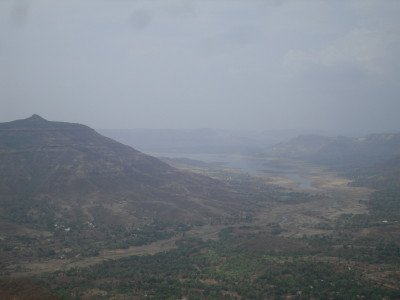
@@A Window to History and Nature: Elphinstone Point is one of the oldest and most historically significant viewpoints in Mahabaleshwar. It was discovered in 1830 by Sir Mountstuart Elphinstone, who was the Governor of the Bombay Presidency, and the point is named after him. The elevation is approximately 1,290 meters above sea level, offering a dramatic view of the surrounding landscape. The point offers an astonishing view of the deep valley below, the majestic Pratapgad Fort rising from the hills, and the convergence of the Krishna River and the Savitri River valleys. It is also believed to be the starting point or source area for the Savitri River. The viewpoint is characterized by high, sheer cliffs and dense, protected forestland surrounding the area. Unlike some other viewpoints, this location offers a dual experience: a deep appreciation for nature's vastness and a tangible connection to the region's colonial history. The view of the Pratapgad Fort, a symbol of Maratha pride, is particularly prominent from here. The atmosphere is generally quiet and less commercialized than other spots, making it ideal for peaceful reflection, especially during the non-peak hours of the day. The lush green slopes and the distant shimmering waters of the river make the view truly spectacular, changing hues from morning to evening, and drawing serious nature lovers.
Card image cap
Kate's Point

@@A Classic Panoramic Vista: Kate's Point is a hugely popular and easily accessible viewpoint in Mahabaleshwar, sitting at an elevation of approximate...
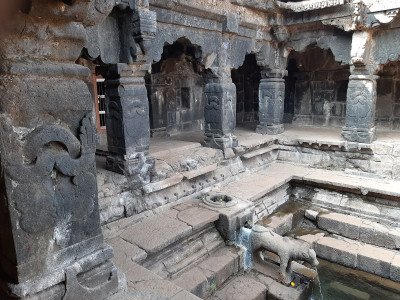
@@A Classic Panoramic Vista: Kate's Point is a hugely popular and easily accessible viewpoint in Mahabaleshwar, sitting at an elevation of approximately 1,290 meters. It is named after Kate Malcolm, the daughter of Sir John Malcolm, a former Governor of the Bombay Presidency. The point is famous for its wide, unobstructed, and truly breathtaking panoramic views of the entire Krishna Valley below and the shimmering waters of the large Dhom Dam (also known as Balakwadi Reservoir). The viewpoint is essentially a huge rocky projection, providing multiple viewing angles. It encompasses two other famous points: Echo Point and the original Needle Hole Point (not the one near Elephant's Head), often confusing first-time visitors with its proximity to several distinct cliffs. The view from Kate's Point is particularly striking because of the vast expanse of water in the valley, which reflects the sky and mountains, creating a stunning contrast with the intense green of the surrounding hills. It is a fantastic spot to observe the region's geography, including the layered rock structures often compared to the Grand Canyon by enthusiasts. Its ease of access and proximity to the main road make it a favorite for families and casual tourists, ensuring a steady stream of visitors throughout the year, especially during peak season, as it delivers a quintessential Mahabaleshwar view.
Card image cap
Koyna Valley Trek

@@An Immersive Nature Adventure: The Koyna Valley Trek is a renowned trekking experience that takes adventurers deep into the heart of the Koyna Wildl...
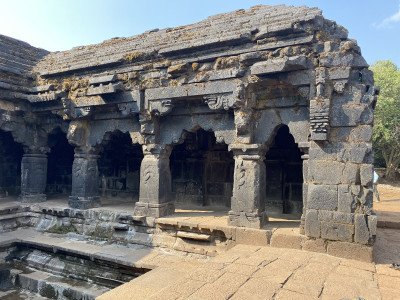
@@An Immersive Nature Adventure: The Koyna Valley Trek is a renowned trekking experience that takes adventurers deep into the heart of the Koyna Wildlife Sanctuary, which is part of the larger Sahyadri Tiger Reserve. The valley is formed by the Koyna River and its tributaries, surrounded by dense, evergreen forests and towering peaks. The trek is known for its varying difficulty levels, ranging from moderate day hikes to challenging multi-day expeditions (3 to 4 days) that require camping. The typical starting point is the charming village of Tapola, often called the "Mini Kashmir of the West," located at the head of the Shivsagar Lake. The valley is a haven for biodiversity, offering sightings of rich flora and fauna, including giant squirrels, Indian bison (Gaur), and numerous bird species. The trek provides breathtaking views of the vast Koyna Dam backwaters, which look like a massive, winding blue fjord surrounded by green hills. This is an experience for those who want to move beyond mere sightseeing and immerse themselves fully in the wild, rugged beauty of the Western Ghats. The route often involves navigating thick jungle, crossing small streams, and climbing steep slopes, demanding a good level of physical fitness and preparation for a truly rewarding adventure far from the commercial hustle.
Card image cap
Krishnabai Temple

@@A Spiritual and Historical Nexus: Krishnabai Temple is an ancient and extremely important spiritual site in Mahabaleshwar, believed to be the spot w...
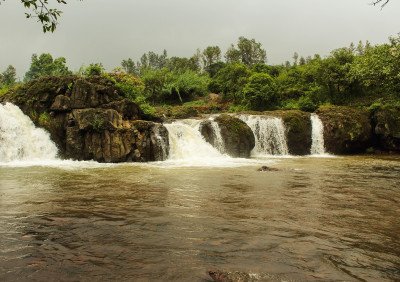
@@A Spiritual and Historical Nexus: Krishnabai Temple is an ancient and extremely important spiritual site in Mahabaleshwar, believed to be the spot where the sacred Krishna River originates. It is located close to the famous Panchganga Temple in the Old Mahabaleshwar area. While historical records indicate a formal structure was built or renovated in 1888 under Maratha patronage, local legends trace its history back to the time of the Pandavas, suggesting centuries of worship at this spot. The temple is dedicated to Lord Shiva and houses a sacred Shiva lingam, but its primary significance lies in the small spout, shaped like a cow’s mouth (Gaumukhi), from which a continuous stream of water flows into a stone cistern (kund). This water is believed to be the holy source of the mighty Krishna River, one of India's major waterways. The temple is built entirely of black stone and is known for its serene, meditative atmosphere and its location on a vantage point overlooking the beautiful Krishna Valley. The tranquil environment, coupled with its profound religious significance as a water source, makes it a powerful place of pilgrimage and historical exploration, standing as a quiet testament to the region's spiritual legacy.
Card image cap
Lingmala Falls

@@The Gentle Upper Cascade and Forest Trek: Lingmala Falls refers to the overall area and the upper, smaller cascade accessible via the main ticketed ...
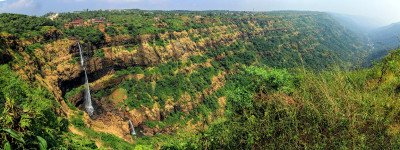
@@The Gentle Upper Cascade and Forest Trek: Lingmala Falls refers to the overall area and the upper, smaller cascade accessible via the main ticketed entrance on the Mahabaleshwar-Pune Road. Located approximately 6 KMS from the city center, the name is often used interchangeably with the larger Lingmala Waterfall, but this entry focuses on the initial trek experience and the smaller, easily accessible waterfall section. The site is nested amidst a dense forest, characterized by lush greenery, especially vibrant during the Monsoon season when the entire area comes alive. Visitors first encounter a smaller waterfall, which forms a pleasant swimming pool at its base, ideal for families and casual visitors who don't want to make the steep descent to the main falls. The entire path to the upper falls is a relatively gentle nature walk of about 15-20 minutes from the ticket counter, winding through thick vegetation. The air is cool, moist, and filled with the sound of rushing water, providing a refreshing break from the town's bustle. The focus here is on the surrounding natural ecosystem, the fresh mountain air, and the sheer joy of walking through a protected forest area before deciding whether to continue to the main, larger falls.
Card image cap
Lingmala Waterfall

@@The Dramatic 600-Foot Plunge: Lingmala Waterfall specifically refers to the main, lower, and much more dramatic cascade within the Lingmala Falls co...

@@The Dramatic 600-Foot Plunge: Lingmala Waterfall specifically refers to the main, lower, and much more dramatic cascade within the Lingmala Falls complex, which plunges from a height of approximately 600 feet (about 183 meters) into the Venna Valley gorge. This massive vertical drop makes it one of the tallest and most spectacular waterfalls in the Maharashtra region, attracting tourists seeking a truly awe-inspiring natural sight. Accessing this main waterfall requires a significantly longer and more strenuous trek—a walk of about 30 minutes, involving descending approximately 200 steep steps from the upper falls area. The trail is rugged and challenging, especially during the Monsoon, but the reward is the breathtaking view of the powerful, white sheet of water crashing down the rocks, creating a deafening roar and a continuous mist. The viewpoint for the main cascade is located at a safe distance, but close enough to feel the force and mist of the water. The massive scale of the waterfall, especially during its peak flow, is why it is listed as a major highlight and a top tourist attraction in Mahabaleshwar, representing the raw, untamed beauty of the Western Ghats mountain range.
Card image cap
Lingmala Waterfalls

Lingmala Waterfalls is a breathtaking natural attraction nestled amidst the dense forests of the Satara district in Maharashtra. The cascade is a sigh...
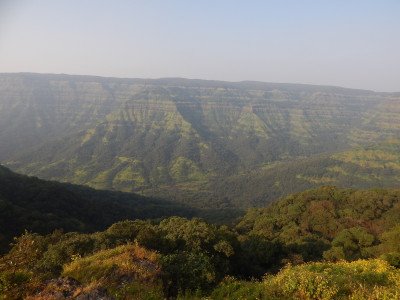
Lingmala Waterfalls is a breathtaking natural attraction nestled amidst the dense forests of the Satara district in Maharashtra. The cascade is a sight to behold, particularly during the peak monsoon months of July to October, when the water flow is at its maximum intensity. The site is characterized by its dual-level structure: a safer, mini-waterfall area suitable for a casual visit and a massive main waterfall that plunges from a height of approximately 500 feet down a sheer cliff face. This primary waterfall is where the Venna River descends, merging into the Koyna River further down the valley. The journey to the main fall involves a moderately strenuous 30-minute trek from the parking area, winding through lush, green, misty forest trails. The atmosphere at Lingmala is one of profound tranquility and natural spectacle, providing a perfect escape from city life. It is a haven for nature lovers and photographers seeking to capture the raw beauty of the Western Ghats. The continuous mist, the sound of rushing water, and the vibrant greenery define the entire experience, making it one of the most iconic spots on any Mahabaleshwar itinerary. The view from the viewpoint platform allows visitors to witness the colossal drop and the resulting fog that often obscures the bottom of the falls, adding to its mysterious charm. The site's pristine, untouched environment is carefully maintained, offering a raw, unfiltered natural experience, unlike many commercialized spots, ensuring its preservation as a genuine natural wonder. The surrounding area is part of a reserved forest, contributing to the rich biodiversity and making the trek itself a pleasant nature walk through the canopy. The falls are best avoided during heavy rainfall when the path becomes excessively slippery and the river current poses a risk. The viewpoint for the main falls also offers a distant glimpse of other waterfalls like Dhobi Waterfall and Chinaman's Waterfall.
Card image cap
Lodwick Point

Lodwick Point is a prominent and historically significant viewpoint in Mahabaleshwar, situated at an altitude of approximately 1,240 meters above sea ...
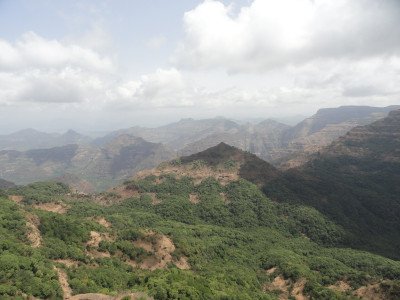
Lodwick Point is a prominent and historically significant viewpoint in Mahabaleshwar, situated at an altitude of approximately 1,240 meters above sea level. Originally known as Sydney Point, it was later renamed in honor of General Lodwick, the first British officer to ascend to this point in 1824. The point is famous for offering a dramatic and sweeping panoramic view of the surrounding valleys, including the deep chasm of the Koyna Valley and the historic Pratapgarh Fort standing proudly on an adjacent hill. The highlight of the point is a towering 25-foot mast or column erected in the General's memory, which serves as a landmark and a central photo spot. The approach to the main viewpoint is an easy walk through a well-maintained plateau area, making it accessible to visitors of all ages. The serene environment, coupled with the lush greenery of the surrounding forests, makes it an ideal place for reflection and relaxation. The views are particularly impressive during the post-monsoon and winter months when the sky is clear, and the fog lifts to reveal the true scale of the landscape. The geographical location provides a unique perspective on the entire Mahabaleshwar plateau and its dramatic drops into the valleys below. It is often less crowded than the more famous Arthur's Seat, offering a more tranquil experience of the majestic Western Ghats. The point truly embodies the historic and scenic legacy of Mahabaleshwar as a popular colonial hill station. The distinct outline of the Pratapgarh Fort in the distance is a constant reminder of the region's rich Maratha history and its strategic importance. The large open space provides a safe environment for families to spend time and enjoy the cool breeze.
Card image cap
Mahabaleshwar

Mahabaleshwar is a popular hill station nestled in the Satara district of Maharashtra, renowned for its pleasant weather, dense evergreen forests, and...
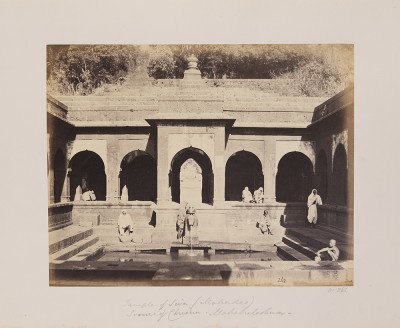
Mahabaleshwar is a popular hill station nestled in the Satara district of Maharashtra, renowned for its pleasant weather, dense evergreen forests, and stunning panoramic viewpoints. Its name literally means 'God of Great Power' in Sanskrit. Situated in the Western Ghats, it is one of the few evergreen forests of India and is famous as the source of the Krishna River, which originates from the ancient Mahabaleshwar Temple complex. The town was established as a summer capital by the British during the colonial era, and remnants of this history, such as old mansions and churches, are still visible. The economy of the region is heavily reliant on tourism and the cultivation of strawberries, for which it is the largest producer in India. The central part of the town is bustling with markets, hotels, and local eateries, while the surrounding areas are characterized by over 30 designated viewpoints, each offering a unique perspective of the valleys and surrounding mountain ranges like the Sahyadri. Key attractions include Venna Lake for boating, the historic Pratapgarh Fort nearby, and natural spectacles like Lingmala Waterfalls and the famed Arthur's Seat. The elevation of the plateau, reaching up to 1,439 meters at Wilson Point (the highest point), ensures a cool climate throughout the year, making it a year-round tourist destination. The town provides a perfect blend of natural beauty, adventure opportunities, religious sites, and a touch of colonial charm, appealing to a wide variety of travelers, from families and honeymooners to adventure seekers and nature lovers. The unique landscape, created by the volcanic Deccan Traps, forms dramatic tablelands and sheer cliffs, which are best viewed during the monsoon and winter seasons.
Card image cap
Mahabaleshwar Temple

Mahabaleshwar Temple is an ancient and highly revered Hindu temple dedicated to Lord Shiva, located in the quaint village of Old Mahabaleshwar. Dating...
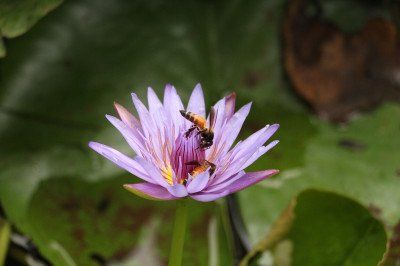
Mahabaleshwar Temple is an ancient and highly revered Hindu temple dedicated to Lord Shiva, located in the quaint village of Old Mahabaleshwar. Dating back to the 16th century, the temple was constructed by the Chanda Rao More dynasty and is a landmark of the opulent Maratha heritage. It is often referred to as Dakshina Kashi (Kashi of the South) due to its immense religious significance. The temple's primary deity is a Swayambhu (self-originated) Shiva Linga known as the Mahalingam, which is approximately 500 years old and is believed to be in the form of a Rudraksha bead. This unique characteristic makes it a pilgrimage site of paramount importance. The temple complex is not only a spiritual center but also a historical site. It is believed to be the spot where the great Maratha King Chhatrapati Shivaji Maharaj performed the Tuladaan (donating gold equal to his mother's weight) in 1665. The temple stands as a testament to the region's deep historical and religious roots, attracting thousands of devotees, especially during festivals like Maha Shivaratri. The tranquil atmosphere within the temple walls, surrounded by ancient trees and the sacred presence of the Shiva Linga, offers a serene space for meditation and prayer. The temple is part of the larger Panchganga Temple complex, which is believed to be the convergence point for five rivers (Krishna, Venna, Savitri, Gayatri, and Koyna). Its location away from the bustling main market contributes to its peaceful, spiritual vibe.
Card image cap
Mapro Garden

Mapro Garden is one of the most popular and commercially significant tourist attractions in the Mahabaleshwar-Panchgani belt, known globally for its a...

Mapro Garden is one of the most popular and commercially significant tourist attractions in the Mahabaleshwar-Panchgani belt, known globally for its association with strawberries and fruit processing. 'MAPRO' stands for Mahabaleshwar Products. The garden serves as a massive retail outlet, a working chocolate factory, a farm, and a restaurant complex, making it a perfect family-friendly stop. Established by Kishore Vora in 1959, it grew from a small fruit processing unit into a major food brand. The garden is strategically located on the main highway, attracting almost every tourist passing between the two hill stations. It allows visitors to sample and purchase a wide variety of fruit products, including crushes, syrups, jams, and jellies, as well as chocolates and local honey. The highlight is the live chocolate factory tour, where guests can witness the making of fruit-based chocolates. The huge restaurant offers popular items like wood-fired pizzas, sandwiches, and, most famously, fresh Strawberry Cream (especially during the season from November to March). The beautifully landscaped gardens, nurseries, and dedicated children's play area contribute to a relaxed, vibrant, and fun atmosphere. It is the central venue for the annual Strawberry Festival, which draws huge crowds every March or April. The experience is a blend of retail, culinary delight, and educational exposure to the region's agricultural specialty, making it an essential part of the modern Mahabaleshwar visit.
Card image cap
Morarji Castle

Morarji Castle is a magnificent colonial-era mansion steeped in history, located close to the main town bazaar of Mahabaleshwar. Constructed in 1892 a...
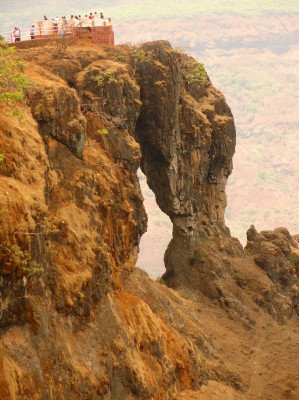
Morarji Castle is a magnificent colonial-era mansion steeped in history, located close to the main town bazaar of Mahabaleshwar. Constructed in 1892 as a luxurious summer retreat for the British elite, the castle is a stunning example of Victorian-era architecture in the Sahyadri hills. While it remains a private residence (and access to the interior is often restricted), its exterior, sprawling grounds, and historical significance make it a key attraction. Its fame is significantly enhanced by the fact that Mahatma Gandhi, the Father of the Nation, stayed here in 1945 during a crucial period of the Indian independence movement. This association adds immense patriotic and historical value to the structure. The castle is characterized by its distinct red-brick walls, charming green sloping roofs, wide wooden verandas, and well-maintained, lush gardens. It embodies the nostalgic romance of the British Raj and the early days of Mahabaleshwar as a summer capital. The building serves as a quiet, atmospheric reminder of a bygone era, providing a peaceful retreat away from the tourist rush, despite its proximity to the main market. History enthusiasts, architecture lovers, and photographers are drawn to its elegant, time-worn grandeur. The castle's setting against the backdrop of the lush green hills of the Western Ghats further accentuates its architectural beauty and historic charm, creating a picturesque, almost movie-like scene. The surrounding pathways under shaded trees offer a pleasant, quiet walk.
Card image cap
Needle Hole Point

Needle Hole Point is a highly popular and geologically fascinating viewpoint in Mahabaleshwar, officially known as Kate's Point (named after the daugh...

Needle Hole Point is a highly popular and geologically fascinating viewpoint in Mahabaleshwar, officially known as Kate's Point (named after the daughter of Sir John Malcolm, a former British Governor). However, it is most famous for the rock formation visible from the viewing platform, which, from a specific angle, accurately resembles the head and trunk of an elephant, hence the popular name Elephant's Head Point. The 'Needle Hole' part of the name comes from the small, naturally formed gap or archway between the two rocks that resembles a needle's eye. Situated at an altitude of approximately 1,290 meters, the point offers breathtaking panoramic views of the deep Krishna Valley, the vast expanse of the Dhom Dam backwaters, and the surrounding Sahyadri mountain range. The vast, flat tableland on the right is also often visible. The viewpoint is easily accessible, making it a favorite for families and general tourists. The contrast between the sheer drop into the valley and the serene waters of the Dhom Dam provides a visually dramatic scene. The entire area is covered in lush vegetation, especially vibrant during the monsoon. It is one of the mandatory stops on the famous 'Point-Seeing' circuit of Mahabaleshwar, and its unique geological feature makes it a memorable and iconic landmark. The area is expansive, allowing visitors to walk around and explore slightly different perspectives of the valley.
Card image cap
On Wheelz Amusement Park

On Wheelz Amusement Park is a dedicated entertainment and adventure spot located conveniently on the busy Mahabaleshwar-Panchgani Road. It offers a we...

On Wheelz Amusement Park is a dedicated entertainment and adventure spot located conveniently on the busy Mahabaleshwar-Panchgani Road. It offers a welcome change of pace from the natural sightseeing of the hill station, catering specifically to families, children, and young adults seeking thrilling rides and fun activities. The park is a mid-sized facility that successfully combines various forms of entertainment, including both outdoor thrill rides and indoor games. Key attractions include classic amusement park rides like the Roller Coaster, the majestic Giant Wheel (offering a unique high-altitude view of the surrounding hills), Bumper Cars, and a dedicated Toy Train for younger children. A major attraction for all ages is the famously scary Haunted House. Beyond the rides, the park also features a variety of indoor games, a well-equipped children's play area, and often has a small go-karting track. The park has an on-site pure vegetarian restaurant and snack stalls, making it a self-sufficient destination for a half or full day of family fun. Its strategic location makes it an easy stop for tourists driving between Mahabaleshwar and Panchgani. The park operates year-round, offering an activity-based alternative to the climate-dependent viewpoints and waterfalls. It successfully taps into the need for modern, organized family entertainment in the traditional hill station setting, ensuring that all age groups have an engaging experience during their visit.
Card image cap
Panch Ganga Temple

The Panch Ganga Temple is a profound spiritual landmark situated in the tranquil heights of Old Mahabaleshwar. This ancient shrine is revered as the ...
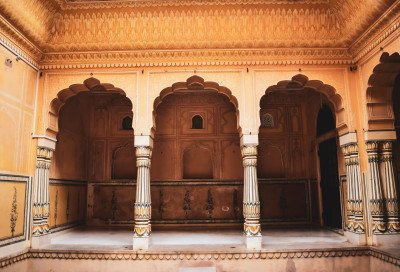
The Panch Ganga Temple is a profound spiritual landmark situated in the tranquil heights of Old Mahabaleshwar. This ancient shrine is revered as the mystical origin point where five sacred rivers—the Krishna, Koyna, Vanna, Savitri, and Gayatri—converge before flowing their separate ways. According to local legend, these rivers originate from the mouth of a stone cow, known as the Gaumukh, located within the temple's sanctum. The temple serves as a central hub for pilgrims who come to witness this natural and divine phenomenon. The water collected in the cistern is considered extremely holy and is believed to have purifying properties that can cleanse the soul of sins. Historically, the temple's roots trace back to the 13th Century, originally constructed by the Yadava King Singhan. Over the centuries, it was further renovated and expanded by the Maratha ruler Shivaji Maharaj and later by the Raja of Satara. The atmosphere here is thick with the scent of incense and the sound of Vedic chants, providing a meditative escape for those seeking spiritual solace. The surrounding hills and the mist-laden air of the Sahyadri range add to the ethereal beauty of the site. Visitors often spend time contemplating the perennial flow of water, which remains a geological wonder as much as a religious one. The temple is not just a place of worship but a witness to the rich cultural tapestry of Maharashtra, blending mythology with history. It stands as a testament to the region's deep-rooted devotion to water as a life-giving force and a divine manifestation.
Card image cap
Pratapgad Fort

Pratapgad Fort is a majestic mountain fortress that stands as a silent sentinel of the Maratha Empire’s glorious history. Built in 1656 by Chhatrap...

Pratapgad Fort is a majestic mountain fortress that stands as a silent sentinel of the Maratha Empire’s glorious history. Built in 1656 by Chhatrapati Shivaji Maharaj, this fort is best known for the historic Battle of Pratapgad, where the Maratha king defeated the mighty Afzal Khan, the general of the Bijapur Sultanate. Situated at an altitude of over 1,000 meters, the fort offers a commanding view of the surrounding Konkan coast and the Koyna river valley. The fort is divided into two sections: the upper fort, which houses several temples and administrative buildings, and the lower fort, which was primarily for defense and military quarters. Walking through the massive Mahadarwaja (Main Gate), one can almost feel the weight of the history that unfolded here. The fort is not just a pile of ruins but a living museum, with its bastions, hidden chambers, and steep pathways still intact. The bronze statue of Shivaji Maharaj, inaugurated by Jawaharlal Nehru in 1957, stands proudly at the summit, overlooking the vast Sahyadri ranges. The fort's strategic location made it nearly impregnable during its heyday. Today, it is a popular destination for history enthusiasts and trekkers who wish to explore the rugged terrain of the Western Ghats. The dense forests of Javali surrounding the fort add a layer of mystery and natural beauty to the site. Exploring the various points of the fort, such as the Bhavani Temple and the Afzal Khan Tomb, provides a comprehensive look into the 17th-century warfare and religious devotion of the Marathas. It remains a symbol of resistance and administrative brilliance.
Card image cap
Tapola

Tapola, popularly known as the 'Mini Kashmir' of the West, is a picturesque hamlet situated at the confluence of the Koyna and Solshi rivers. The pri...

Tapola, popularly known as the 'Mini Kashmir' of the West, is a picturesque hamlet situated at the confluence of the Koyna and Solshi rivers. The primary attraction here is the massive Shivsagar Lake, which is the reservoir of the Koyna Dam. The landscape is characterized by vast stretches of blue water surrounded by lush green hills that remain emerald throughout the year. Tapola offers a stark contrast to the bustling town of Mahabaleshwar, providing a peaceful retreat for nature lovers and adventure enthusiasts alike. The village is the base for several treks into the deep forests of the Koyna Wildlife Sanctuary, a UNESCO World Heritage site. Boating is the most popular activity here, with various options ranging from speedboats to serene rowing boats that take you to distant islands and hidden waterfalls. The local culture is deeply tied to the lake, and the agro-tourism stays in the area allow visitors to experience farm life firsthand. Tapola is also famous for its strawberry and mulberry plantations, which are less commercialized than those in the main city. The drive from Mahabaleshwar to Tapola is an adventure in itself, featuring hairpin bends and stunning valley views. Whether you want to indulge in water sports like kayaking or simply sit by the lake and watch the sunrise, Tapola provides a tranquil environment that rejuvenates the spirit. Its untouched beauty and the hospitality of the local villagers make it a hidden gem in the Satara district.
Card image cap
Tiger's Spring

Tiger's Spring is a natural thermal spring located just a short walk away from the famous Arthur's Seat point. It is a shallow, perennial stream of w...

Tiger's Spring is a natural thermal spring located just a short walk away from the famous Arthur's Seat point. It is a shallow, perennial stream of water that emerges from the mountain crevices and flows into the Savitri River valley. The name of the spring is derived from ancient local lore, which suggests that tigers and other wild animals of the Mahabaleshwar plateau used to frequent this spot to quench their thirst. The water here is known for its purity and is believed by locals to possess medicinal and spiritual healing powers. It remains cool even during the peak of summer, providing a refreshing respite to trekkers and tourists who visit the nearby viewpoints. The spring is surrounded by dense forest cover, making it a peaceful alcove away from the wind-swept cliffs of the main points. To reach the spring, one has to descend a series of well-maintained stone steps, which offers a closer look at the unique flora and fauna of the Western Ghats. The sound of the trickling water combined with the chirping of forest birds creates a serene atmosphere. Many visitors take a moment to wash their faces or drink the water, which is remarkably sweet and clear. The site is a reminder of the rich biodiversity that once thrived in this region when large predators roamed freely. It serves as an essential ecological link, feeding the river systems below. For those who enjoy nature in its rawest form, Tiger's Spring offers a quiet, contemplative experience that connects them to the ancient natural history of the Sahyadris.
Show All

Mahabaleshwar Itineray And Cost:-

Information about New and Updated Locations() of Maharashtra Has Been Added :-
Card subtitle

Note:-

Information provided here in good Faith and for reference only.

All information and pictures will be updated soon, please keep visiting.

Near Places

...
Alibaug

Some quick example text to build on the card title and make up the bulk of the card's content.

Go somewhere
...
Amravati

Some quick example text to build on the card title and make up the bulk of the card's content.

Go somewhere
...
Aurangabad

Some quick example text to build on the card title and make up the bulk of the card's content.

Go somewhere
...
Bhandardara

Some quick example text to build on the card title and make up the bulk of the card's content.

Go somewhere
...
Diveagar

Some quick example text to build on the card title and make up the bulk of the card's content.

Go somewhere
...
Ganpatipule

Some quick example text to build on the card title and make up the bulk of the card's content.

Go somewhere
...
Karjat

Some quick example text to build on the card title and make up the bulk of the card's content.

Go somewhere
...
Khandala

Some quick example text to build on the card title and make up the bulk of the card's content.

Go somewhere
...
Kolad

Some quick example text to build on the card title and make up the bulk of the card's content.

Go somewhere
...
Kolhapur

Some quick example text to build on the card title and make up the bulk of the card's content.

Go somewhere
in Other Cities