

Kolhapur
General information
-
Ideal Duration:
2-3 DaysPlace Type:
Pilgrimage & HeritageEntry Fees:
Temple Entry: Entry to the Mahalakshmi Temple is free for all devotees. Special darshan tickets are available for a faster queue during festivals.
Palace Museum: The New Palace Museum charges a nominal fee of Rs. 50 for adults. Camera cha...Temple Entry: Entry to the Mahalakshmi Temple is free for all devotees. Special darshan tickets are available for a faster queue during festivals.
Palace Museum: The New Palace Museum charges a nominal fee of Rs. 50 for adults. Camera charges may apply separately for photography.Timing:
Regular Timings: The Mahalakshmi Temple is open from 5:00 AM to 10:00 PM daily. The New Palace Museum operates from 9:30 AM to 5:30 PM.
Ideal Visit Time: The best time to explore the city is during the early morning hours for temples. Even...Regular Timings: The Mahalakshmi Temple is open from 5:00 AM to 10:00 PM daily. The New Palace Museum operates from 9:30 AM to 5:30 PM.
Ideal Visit Time: The best time to explore the city is during the early morning hours for temples. Evenings are perfect for lakes and markets.Special Events:
Kirnotsav: A unique event at Mahalakshmi Temple where sun rays fall directly on the deity's feet. This occurs during the months of January and November.
Navratri: The festival is celebrated with extreme devotion and grand processions. The ...Kirnotsav: A unique event at Mahalakshmi Temple where sun rays fall directly on the deity's feet. This occurs during the months of January and November.
Navratri: The festival is celebrated with extreme devotion and grand processions. The entire temple area is decorated with lights and flowers.Best Photo Spots:
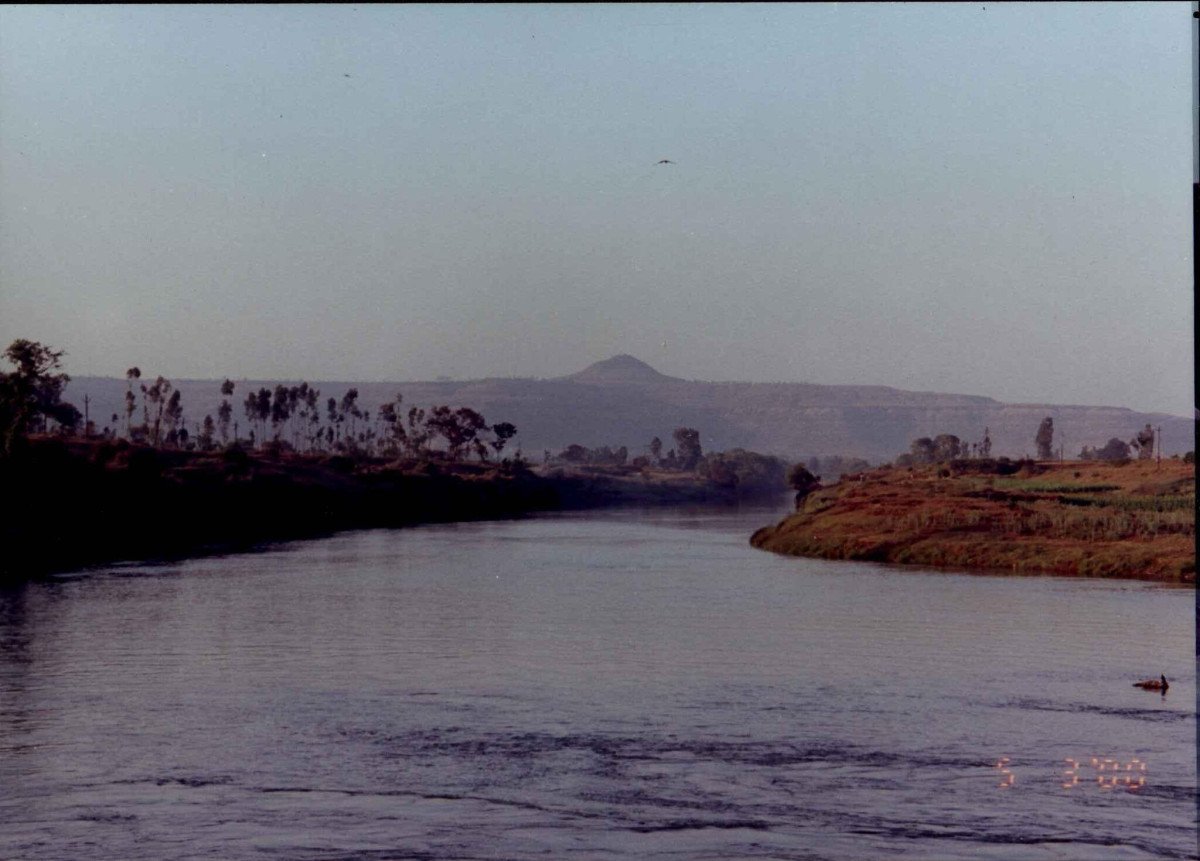
Rankala Sunset: Capture the golden hour at Rankala Lake with the historic Shalini Palace in the background.
Mahalakshmi Temple: The intricate stone carvings and the grand entrance make for perfect architectural shots. ...Rankala Sunset: Capture the golden hour at Rankala Lake with the historic Shalini Palace in the background.
Mahalakshmi Temple: The intricate stone carvings and the grand entrance make for perfect architectural shots.Photo Gallery
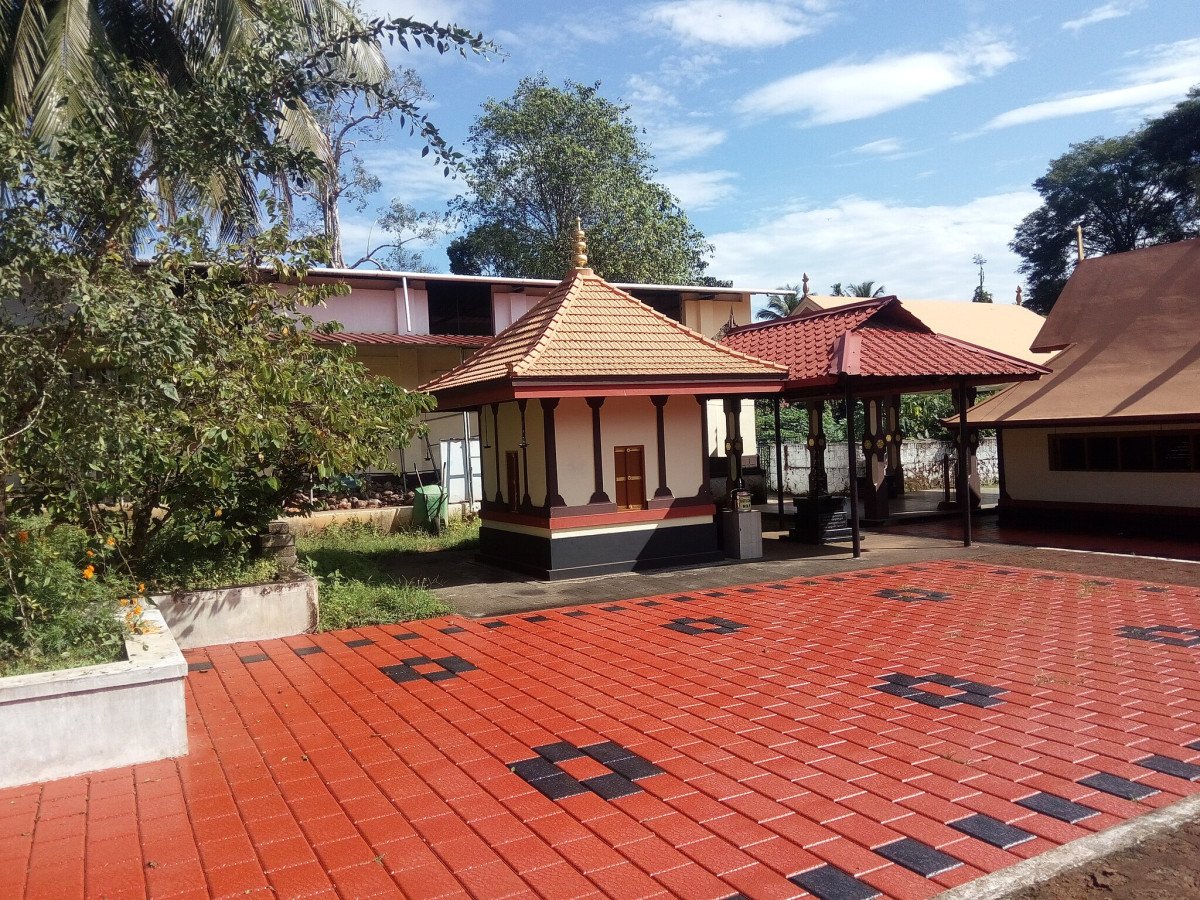
Things To Do
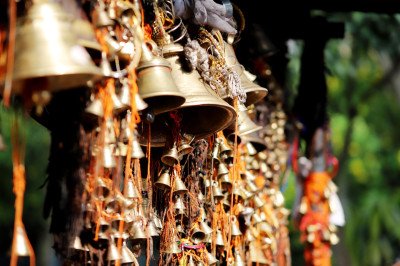 @@Historical Significance and Deity Detail: The Shree Mahalaxmi Temple, universally known as Ambabai Mandir, is one of the most revered and sacred sites in India, counted among the three and a half Shakti Peethas (places where parts of Goddess Sati's body are believed to have fallen). It is dedicated to Goddess Mahalaxmi, the deity of wealth and prosperity, who is considered the consort of Lord Vishnu and the presiding deity of the region. The temple’s history dates back to the 7th century CE, with its original structure credited to the Chalukya dynasty ruler Karandev. The idol of the Goddess is unique, carved from a black stone (gemstone, as per some texts), standing about three feet tall and weighing approximately 40 kilograms. The idol is notable for facing west (Pashchim), which is unusual for Hindu deities, and holds a citrus fruit (Matulinga), a mace, a shield, and a drinking bowl. The temple has witnessed centuries of history, with later expansions and renovations by the Yadavas and Maratha rulers. It stands as a living testament to the rich spiritual and cultural heritage of Kolhapur, attracting millions of devotees annually who seek blessings for fortune and spiritual fulfillment. The atmosphere inside the complex is profoundly spiritual and tranquil, making it a pivotal pilgrimage destination in Maharashtra. @@Legend of Kolhasura: One of the core legends associated with the temple is the story of Goddess Mahalaxmi destroying the powerful demon Kolhasura at this very spot, which is how the city of Kolhapur is believed to have received its name. This legend reinforces her power as Shakti, the divine feminine energy. The temple complex itself is vast, housing other smaller shrines dedicated to Mahakali, Mahasaraswati, and other deities, making it a comprehensive center of worship.
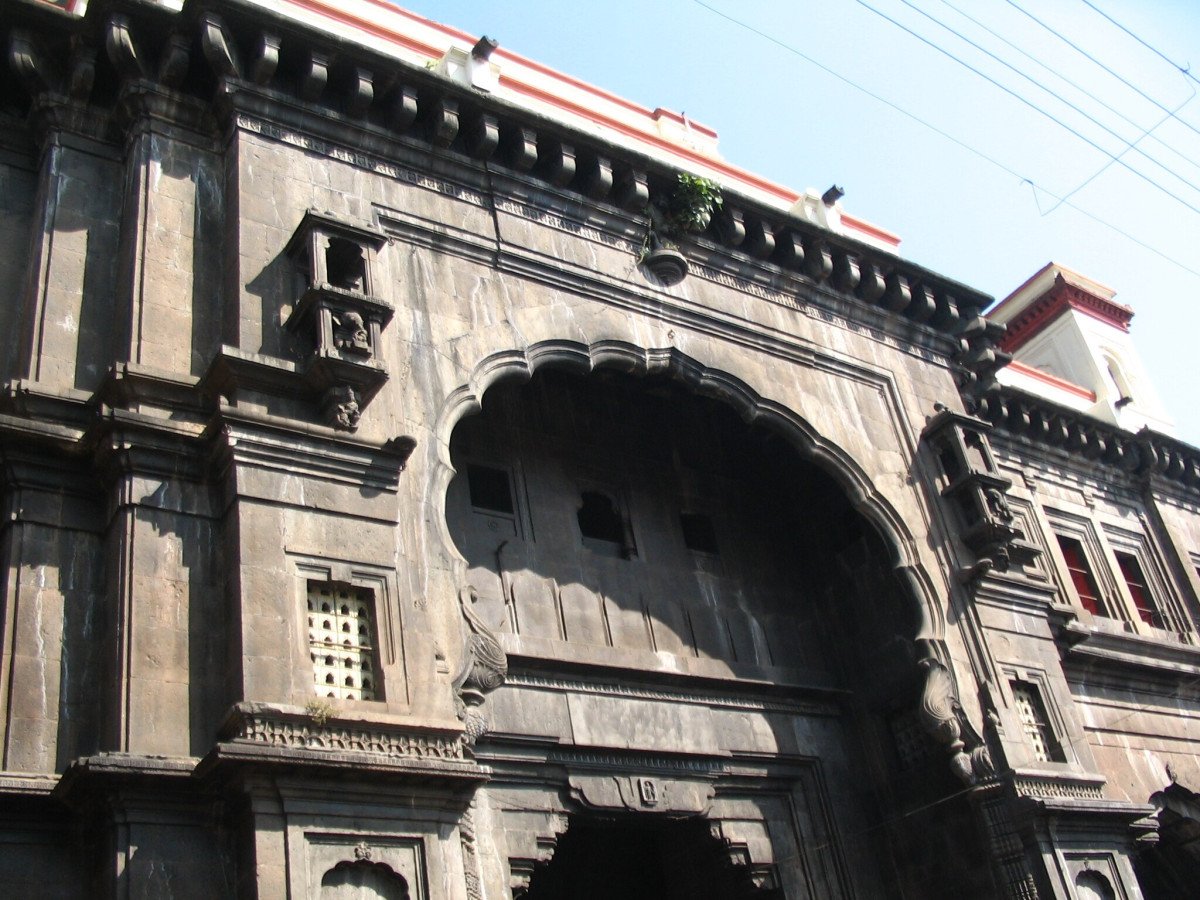
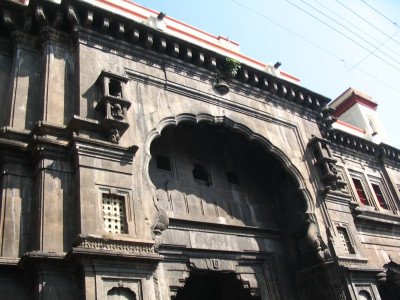 @@History and Royal Significance: Bhavani Mandap is a historic palace and court of the Chhatrapati Maharaja of Kolhapur, mainly constructed between 1785 and 1800 by Shivaji Maharaj II. It served as the central hub of administration, where the King would conduct important meetings, hold his royal court, and celebrate major festivals. It is a powerful symbol of the Maratha heritage and the administrative heart of the former princely state. The structure once comprised 14 squares, but after a major fire caused by an invasion in 1813, only seven survived and were repaired. Today, it beautifully blends its administrative history with its religious importance. It houses the sacred shrine of Goddess Tulja Bhavani, the tutelary deity of the Maratha empire, making it a place of both historical study and deep spiritual devotion. The presence of the preserved stuffed animals, particularly a tiger hunted by Chhatrapati Shahu Maharaj, adds a unique element, showcasing the royal family’s traditions. The proximity to the famous Mahalaxmi Temple positions it as an essential stop on the pilgrimage and cultural circuit of Kolhapur. It offers a tangible link to the lifestyle and governance of the Maratha royal lineage. Visitors often feel a strong sense of pride and historical connection while exploring its halls.
 @@A Green Miracle at Sagareshwar: Sagareshwar Deer Sanctuary is a unique ecological success story, being India’s first man-made sanctuary. Spread over 10.87 square kilometers, it was developed through extensive afforestation efforts by local activists and villagers. The sanctuary is home to a variety of deer species, including the Sambar, Chital, and Blackbuck, which roam freely across the grassy slopes. The landscape is a mix of dry deciduous forests and open meadows, providing a perfect habitat for wildlife. Apart from mammals, the sanctuary is a haven for birds like peacocks and various reptiles. It is located at the meeting point of three tehsils in the Sangli district but is highly accessible from Kolhapur. The sanctuary also holds religious importance due to the ancient Sagareshwar Shiva Temple located within its boundaries. It serves as an educational hub for conservationists and students interested in forestry. The panoramic views of the Krishna River from the hilltop points are simply breathtaking. It is a peaceful retreat that showcases how human intervention can successfully restore nature. Visitors can explore the park through organized jungle safaris or on foot in designated areas.
@@The Hill Station Charm: Gaganbawada is a scenic hill station situated on the crest of the Western Ghats, overlooking the Konkan region. Known for its breathtaking panoramic views, it is often referred to as the "Cherrapunji of Maharashtra" due to the heavy rainfall it receives. The town is famous for the Karul Ghat and Bhuibawada Ghat, two winding roads that offer some of the most spectacular drives in the state. It is a place where clouds literally touch the ground, especially during the monsoon season. The landscape is a carpet of lush green forests, hidden waterfalls, and misty peaks. It provides a cool climate throughout the year, making it a popular weekend getaway for people from Kolhapur and Pune. @@Eco-Tourism and Serenity: Unlike many commercialized hill stations, Gaganbawada has maintained its raw, natural beauty. It is an ideal spot for eco-tourism, trekking, and photography. The town is also home to the Gagangad Fort and the Gagangiri Maharaj Ashram, which add a spiritual and historical dimension to the visit. The biodiversity here is rich, with many rare species of flora and fauna found in the surrounding forests. Travelers often come here to find solitude and reconnect with nature. The view from the top of the ghats, where the land drops sharply into the Konkan plains, is a sight that stays in the memory forever. It is truly a hidden jewel in the crown of Kolhapur district.
@@Legend and Panoramic Vistas: Temlabai Mandir is a revered Hindu shrine dedicated to Goddess Renuka (locally known as Temlabai or Yamai Devi), who is a form of Goddess Durga. The temple is perched atop Temlabai Hill, offering panoramic, breathtaking views of the entire Kolhapur city and the surrounding landscape. The temple's history is steeped in local legend, which posits that Goddess Temlabai is the younger sister of Goddess Mahalaxmi (Ambabai) from the main city temple. The legend explains that after aiding Mahalaxmi in slaying a demon, Temlabai felt disrespected and retreated to the hill, sitting with her back towards her sister's temple, which is why the two deities face opposite directions (Mahalaxmi faces West, Temlabai faces East). The hill, prior to independence, was also used as a sanatorium for treating tuberculosis patients due to its clean, fresh air. The temple complex is not just a religious spot but also a popular vantage point and a peaceful retreat from the city bustle. The royal family of Kolhapur has historically been actively involved in the temple's celebrations. The serene environment and the cultural folklore associated with the two sister goddesses make this temple a unique and important part of the city's spiritual map, attracting devotees who pray for the well-being of their husbands or for a desired spouse. The temple also hosts a large idol of Ganpati and a small bust of Chhatrapati Shivaji in its plateau section. :
The Chandra Kant Mandare Art Gallery, also known as the Chandrakant Mandare Kala Sanghralay, is a unique cultural gem in Kolhapur. It is established in the former residence of the renowned Marathi film actor and painter, Chandrakant Mandare. The gallery showcases a magnificent collection of his portraits, reflecting his deep love for nature and his exceptional artistic skill. It is a tribute to the legacy of the talented Mandare brothers, Chandrakant and Suryakant, who significantly contributed to the city's art domain. Beyond the captivating portraits, the museum also houses various antique items, providing visitors with a glimpse into a bygone era. Mr. Chandrakant Mandare generously handed over this precious collection and building to the archaeological department, inspired by the ideals of Rajarshi Shahu Maharaj. The gallery serves as an enriching experience, bridging the gap between art, history, and the cultural heritage of Kolhapur. It's more than just a gallery; it's a testament to the confluence of cinema and fine art, making it a compelling stop for tourists and art enthusiasts alike. The quiet setting in Rajarampuri offers a tranquil escape for contemplation of the exquisite artworks. The meticulously curated exhibits ensure that every visit is a journey through the artistic and cultural soul of the region, ensuring that this landmark is a must-visit for anyone seeking a deeper understanding of Kolhapur's creative spirit.
Teen Darwaza is the most significant and grand entrance of the historic Panhala Fort. Built during the Adil Shahi era, this gate is a masterpiece of military engineering and architectural beauty. The name "Teen Darwaza" refers to the three consecutive gates that an intruder would have to cross to enter the main citadel. This strategic design was intended to trap enemies in a small courtyard between the gates, where they could be easily attacked by soldiers from the ramparts above. It gained legendary status during the Maratha period, especially during the siege by Siddhi Johar when Chhatrapati Shivaji Maharaj stayed at the fort. The gate features intricate carvings, including motifs of Lord Ganesha and Persian inscriptions, reflecting the mixed cultural history of the region. Today, it stands as a silent witness to the bravery of Baji Prabhu Deshpande and the strategic genius of the Maratha empire. The surrounding atmosphere is misty and cool, as Panhala is a hill station located at an altitude of over 3,000 feet.Show All
@@A Green Miracle at Sagareshwar: Sagareshwar Deer Sanctuary is a unique ecological success story, being India’s first man-made sanctuary. Spread over 10.87 square kilometers, it was developed through extensive afforestation efforts by local activists and villagers. The sanctuary is home to a variety of deer species, including the Sambar, Chital, and Blackbuck, which roam freely across the grassy slopes. The landscape is a mix of dry deciduous forests and open meadows, providing a perfect habitat for wildlife. Apart from mammals, the sanctuary is a haven for birds like peacocks and various reptiles. It is located at the meeting point of three tehsils in the Sangli district but is highly accessible from Kolhapur. The sanctuary also holds religious importance due to the ancient Sagareshwar Shiva Temple located within its boundaries. It serves as an educational hub for conservationists and students interested in forestry. The panoramic views of the Krishna River from the hilltop points are simply breathtaking. It is a peaceful retreat that showcases how human intervention can successfully restore nature. Visitors can explore the park through organized jungle safaris or on foot in designated areas.
@@The Hill Station Charm: Gaganbawada is a scenic hill station situated on the crest of the Western Ghats, overlooking the Konkan region. Known for its breathtaking panoramic views, it is often referred to as the "Cherrapunji of Maharashtra" due to the heavy rainfall it receives. The town is famous for the Karul Ghat and Bhuibawada Ghat, two winding roads that offer some of the most spectacular drives in the state. It is a place where clouds literally touch the ground, especially during the monsoon season. The landscape is a carpet of lush green forests, hidden waterfalls, and misty peaks. It provides a cool climate throughout the year, making it a popular weekend getaway for people from Kolhapur and Pune. @@Eco-Tourism and Serenity: Unlike many commercialized hill stations, Gaganbawada has maintained its raw, natural beauty. It is an ideal spot for eco-tourism, trekking, and photography. The town is also home to the Gagangad Fort and the Gagangiri Maharaj Ashram, which add a spiritual and historical dimension to the visit. The biodiversity here is rich, with many rare species of flora and fauna found in the surrounding forests. Travelers often come here to find solitude and reconnect with nature. The view from the top of the ghats, where the land drops sharply into the Konkan plains, is a sight that stays in the memory forever. It is truly a hidden jewel in the crown of Kolhapur district.
@@Legend and Panoramic Vistas: Temlabai Mandir is a revered Hindu shrine dedicated to Goddess Renuka (locally known as Temlabai or Yamai Devi), who is a form of Goddess Durga. The temple is perched atop Temlabai Hill, offering panoramic, breathtaking views of the entire Kolhapur city and the surrounding landscape. The temple's history is steeped in local legend, which posits that Goddess Temlabai is the younger sister of Goddess Mahalaxmi (Ambabai) from the main city temple. The legend explains that after aiding Mahalaxmi in slaying a demon, Temlabai felt disrespected and retreated to the hill, sitting with her back towards her sister's temple, which is why the two deities face opposite directions (Mahalaxmi faces West, Temlabai faces East). The hill, prior to independence, was also used as a sanatorium for treating tuberculosis patients due to its clean, fresh air. The temple complex is not just a religious spot but also a popular vantage point and a peaceful retreat from the city bustle. The royal family of Kolhapur has historically been actively involved in the temple's celebrations. The serene environment and the cultural folklore associated with the two sister goddesses make this temple a unique and important part of the city's spiritual map, attracting devotees who pray for the well-being of their husbands or for a desired spouse. The temple also hosts a large idol of Ganpati and a small bust of Chhatrapati Shivaji in its plateau section. :
The Chandra Kant Mandare Art Gallery, also known as the Chandrakant Mandare Kala Sanghralay, is a unique cultural gem in Kolhapur. It is established in the former residence of the renowned Marathi film actor and painter, Chandrakant Mandare. The gallery showcases a magnificent collection of his portraits, reflecting his deep love for nature and his exceptional artistic skill. It is a tribute to the legacy of the talented Mandare brothers, Chandrakant and Suryakant, who significantly contributed to the city's art domain. Beyond the captivating portraits, the museum also houses various antique items, providing visitors with a glimpse into a bygone era. Mr. Chandrakant Mandare generously handed over this precious collection and building to the archaeological department, inspired by the ideals of Rajarshi Shahu Maharaj. The gallery serves as an enriching experience, bridging the gap between art, history, and the cultural heritage of Kolhapur. It's more than just a gallery; it's a testament to the confluence of cinema and fine art, making it a compelling stop for tourists and art enthusiasts alike. The quiet setting in Rajarampuri offers a tranquil escape for contemplation of the exquisite artworks. The meticulously curated exhibits ensure that every visit is a journey through the artistic and cultural soul of the region, ensuring that this landmark is a must-visit for anyone seeking a deeper understanding of Kolhapur's creative spirit.
Teen Darwaza is the most significant and grand entrance of the historic Panhala Fort. Built during the Adil Shahi era, this gate is a masterpiece of military engineering and architectural beauty. The name "Teen Darwaza" refers to the three consecutive gates that an intruder would have to cross to enter the main citadel. This strategic design was intended to trap enemies in a small courtyard between the gates, where they could be easily attacked by soldiers from the ramparts above. It gained legendary status during the Maratha period, especially during the siege by Siddhi Johar when Chhatrapati Shivaji Maharaj stayed at the fort. The gate features intricate carvings, including motifs of Lord Ganesha and Persian inscriptions, reflecting the mixed cultural history of the region. Today, it stands as a silent witness to the bravery of Baji Prabhu Deshpande and the strategic genius of the Maratha empire. The surrounding atmosphere is misty and cool, as Panhala is a hill station located at an altitude of over 3,000 feet.Show All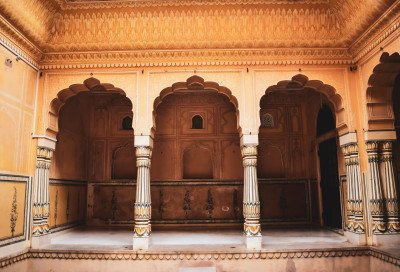 Panhala Fort is one of the largest and most significant forts in the Deccan region, standing at an altitude of 3,177 feet. Built by Raja Bhoja II in the 12th century, it witnessed the heroic escape of Chhatrapati Shivaji Maharaj from the siege of Siddhi Johar. The fort is famous for its massive fortifications, spanning over 14 kilometers in circumference. It offers a panoramic view of the green Sahyadri ranges and the Warana river valley. Inside, you can see historical monuments like the Teen Darwaza, Sajja Kothi, and the Andhar Bavadi. The fort is a hill station in itself, providing a cool climate and lush greenery throughout the year, making it a favorite for history buffs and nature lovers alike.
Information
-
Why Famous:
Spiritual Hub: The city is home to the Shakti Peeth of Goddess Mahalakshmi. Millions of pilgrims visit the temple annually to seek blessings.
Wrestling Heritage: Kolhapur is the center of traditional Indian wrestling or Kusti. The Khasbag ...Spiritual Hub: The city is home to the Shakti Peeth of Goddess Mahalakshmi. Millions of pilgrims visit the temple annually to seek blessings.
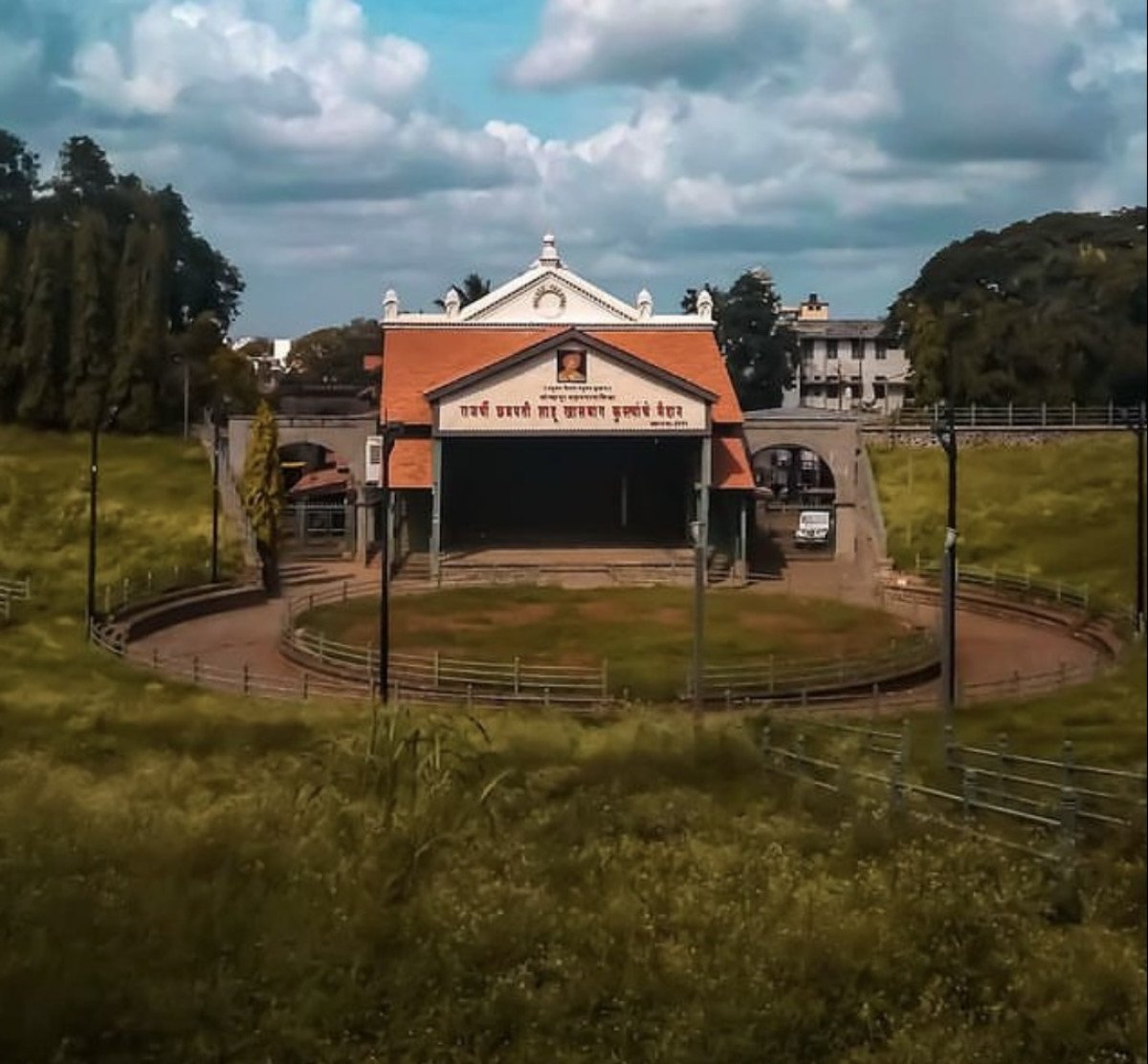
Wrestling Heritage: Kolhapur is the center of traditional Indian wrestling or Kusti. The Khasbag Maidan is a historic wrestling stadium with a unique circular structure. -
Architecture:
Temple Style: The Mahalakshmi Temple features Hemadpanti architectural style with intricate stone carvings. It was built during the Chalukya reign in the 7th century.
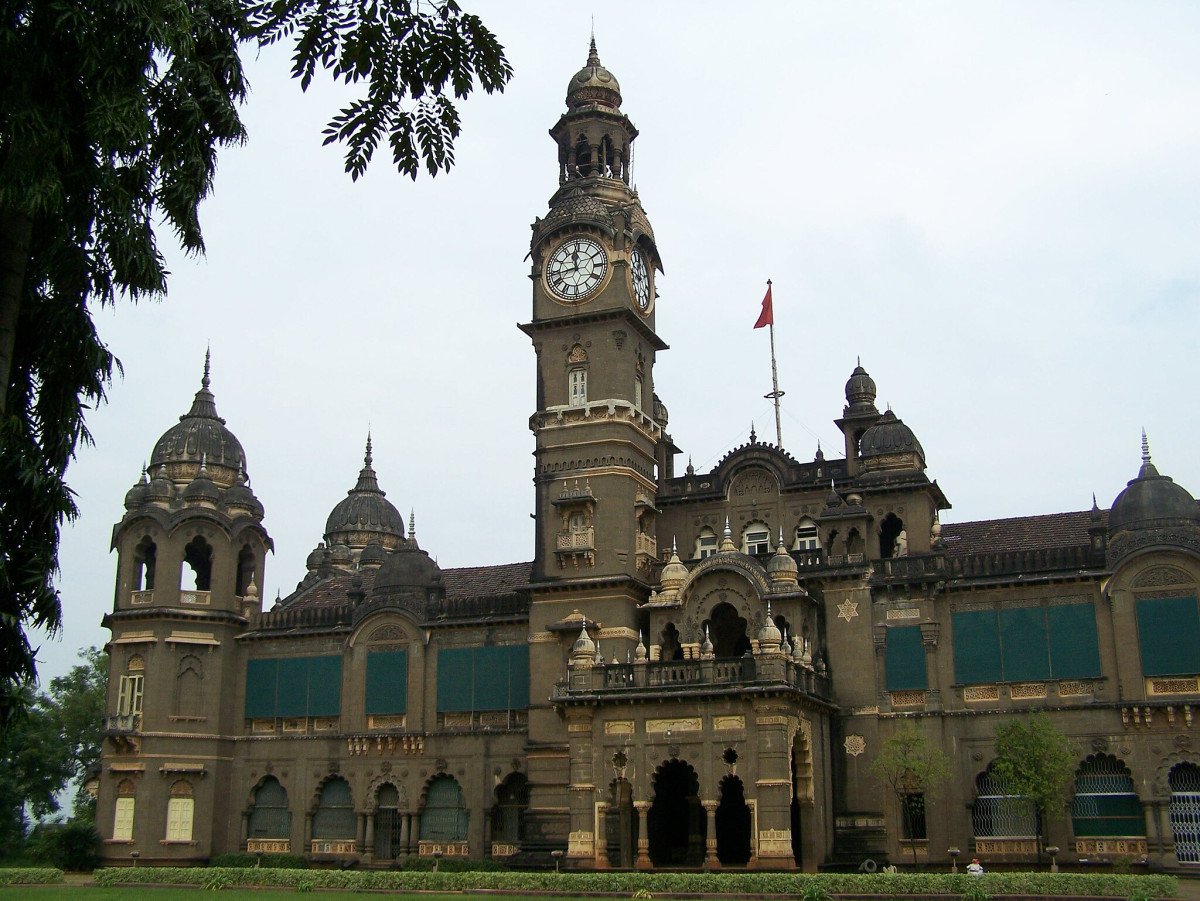
New Palace: The New Palace showcases a blend of Indo-Saracenic and Victor...Temple Style: The Mahalakshmi Temple features Hemadpanti architectural style with intricate stone carvings. It was built during the Chalukya reign in the 7th century.
New Palace: The New Palace showcases a blend of Indo-Saracenic and Victorian architecture. It was designed by Charles Mant and built using black polished stone. -
How To Reach:
By Air: Kolhapur Airport has regular flights connecting to Mumbai and Hyderabad. It is located about 9 Kms from the city center.
By Train: Chhatrapati Shahu Maharaj Terminus is well-connected to major cities like Pune and Bangalore. Regula...By Air: Kolhapur Airport has regular flights connecting to Mumbai and Hyderabad. It is located about 9 Kms from the city center.
By Train: Chhatrapati Shahu Maharaj Terminus is well-connected to major cities like Pune and Bangalore. Regular express trains operate daily.
By Road: The city is situated on the NH-4 highway, making it easily accessible by car. State transport buses and private luxury coaches are available.
By Local Transport: Auto-rickshaws are the most common way to travel within the city limits. Local city buses also cover major tourist attractions. -
Weather and Best Time to Visit:
Winter Season: October to February is the best time due to the pleasant weather. The temperature remains comfortable for long sightseeing tours.
Monsoon Season: June to September brings lush greenery to the surrounding hills and forts. It ...Winter Season: October to February is the best time due to the pleasant weather. The temperature remains comfortable for long sightseeing tours.
Monsoon Season: June to September brings lush greenery to the surrounding hills and forts. It is a great time for nature lovers and trekkers.
Summer Season: March to May can be quite hot with temperatures reaching 38°C. It is better to plan indoor activities during the afternoon. -
Near Tourist Places:
Panhala Fort (22 Kms), Jyotiba Temple (20 Kms), Narasimha Wadi (50 Kms), Gaganbawada (75 Kms), Radhanagari Dam (55 Kms), Kaneri Math (12 Kms), Khasbag Maidan (2 Kms), Bhavani Mandap (1 Kms), Town Hall (2 Kms), Shalini Palace (3 Kms).
Tourism Tips
-
Health & Safety: Always carry a water bottle to stay hydrated during temple visits. Follow the local dress code when entering religious sites.
Packing: Pack comfortable cotton clothes for summers and light woolens for winters. Sturdy walki...Health & Safety: Always carry a water bottle to stay hydrated during temple visits. Follow the local dress code when entering religious sites.
Packing: Pack comfortable cotton clothes for summers and light woolens for winters. Sturdy walking shoes are essential for exploring forts and museums.
Accommodation: There are many hotels ranging from budget to luxury near the Central Bus Stand. Booking in advance is recommended during festival seasons.
Local Etiquette: Respect the local traditions and avoid taking photos inside the temple sanctum. Learning a few Marathi words can help in local interactions.
Reviews
FAQs
Kolhapur Itineray And Cost:-
Other Places In Maharashtra :-
Other States In India :-
Information about New and Updated Locations() of Maharashtra Has Been Added :-
Card subtitle
Note:-
Information provided here in good Faith and for reference only.
Near Places
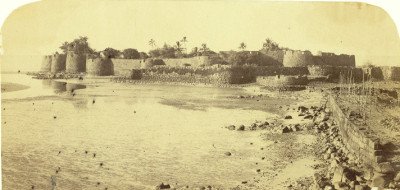
Alibaug
Some quick example text to build on the card title and make up the bulk of the card's content.
Go somewhere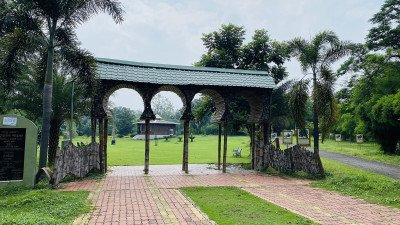
Amravati
Some quick example text to build on the card title and make up the bulk of the card's content.
Go somewhere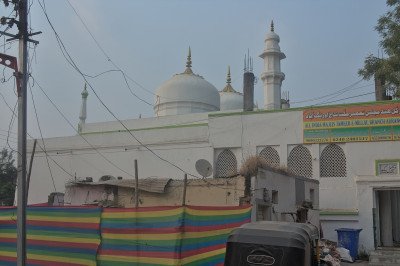
Aurangabad
Some quick example text to build on the card title and make up the bulk of the card's content.
Go somewhere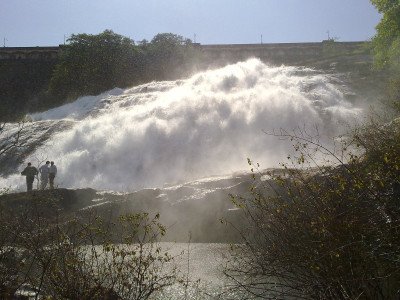
Bhandardara
Some quick example text to build on the card title and make up the bulk of the card's content.
Go somewhere
Diveagar
Some quick example text to build on the card title and make up the bulk of the card's content.
Go somewhere
Ganpatipule
Some quick example text to build on the card title and make up the bulk of the card's content.
Go somewhere
Karjat
Some quick example text to build on the card title and make up the bulk of the card's content.
Go somewhere
Khandala
Some quick example text to build on the card title and make up the bulk of the card's content.
Go somewhere
Kolad
Some quick example text to build on the card title and make up the bulk of the card's content.
Go somewhere
Kolhapur
Some quick example text to build on the card title and make up the bulk of the card's content.
Go somewhere
Lavasa
Some quick example text to build on the card title and make up the bulk of the card's content.
Go somewhere
Lonavala
Some quick example text to build on the card title and make up the bulk of the card's content.
Go somewhere
Mahabaleshwar
Some quick example text to build on the card title and make up the bulk of the card's content.
Go somewhere
Matheran
Some quick example text to build on the card title and make up the bulk of the card's content.
Go somewhere
Mumbai
Some quick example text to build on the card title and make up the bulk of the card's content.
Go somewhere
Nagpur
Some quick example text to build on the card title and make up the bulk of the card's content.
Go somewherein Other Cities