Kolad
General information
-
Ideal Duration:
2 DaysPlace Type:
Adventure & EcotourismEntry Fees:
Rafting Charges: The cost for river rafting usually ranges from 800-1500 INR per person, depending on the day and the operator.
Activity Fees: Other sports like zip-lining or kayaking are usually priced between 200-500 INR per activity a...Rafting Charges: The cost for river rafting usually ranges from 800-1500 INR per person, depending on the day and the operator.
Activity Fees: Other sports like zip-lining or kayaking are usually priced between 200-500 INR per activity at the adventure camps.Timing:
Rafting Timings: Rafting usually starts between 8:00 AM and 9:00 AM, strictly following the water release schedule from the dam.
Best Visit Time: Plan to arrive a night before so you can be at the river bank early in the morning for the ...Rafting Timings: Rafting usually starts between 8:00 AM and 9:00 AM, strictly following the water release schedule from the dam.
Best Visit Time: Plan to arrive a night before so you can be at the river bank early in the morning for the rafting briefing.Special Events:
Monsoon Rafting Festival: During the peak rains, rafting becomes even more intense, and special events are organized for adventure enthusiasts.
Village Fairs: Local festivals like Shimga (Holi) are celebrated with traditional dances and ...Monsoon Rafting Festival: During the peak rains, rafting becomes even more intense, and special events are organized for adventure enthusiasts.
Village Fairs: Local festivals like Shimga (Holi) are celebrated with traditional dances and communal meals in the small hamlets of Kolad.Best Photo Spots:
Rafting Start Point: Capturing the excitement of the rafts hitting the first rapid is the most iconic shot you can get in Kolad.
Kundalika Bridge: The bridge over the river provides a high-angle view of the flowing water and the dense gr...Rafting Start Point: Capturing the excitement of the rafts hitting the first rapid is the most iconic shot you can get in Kolad.
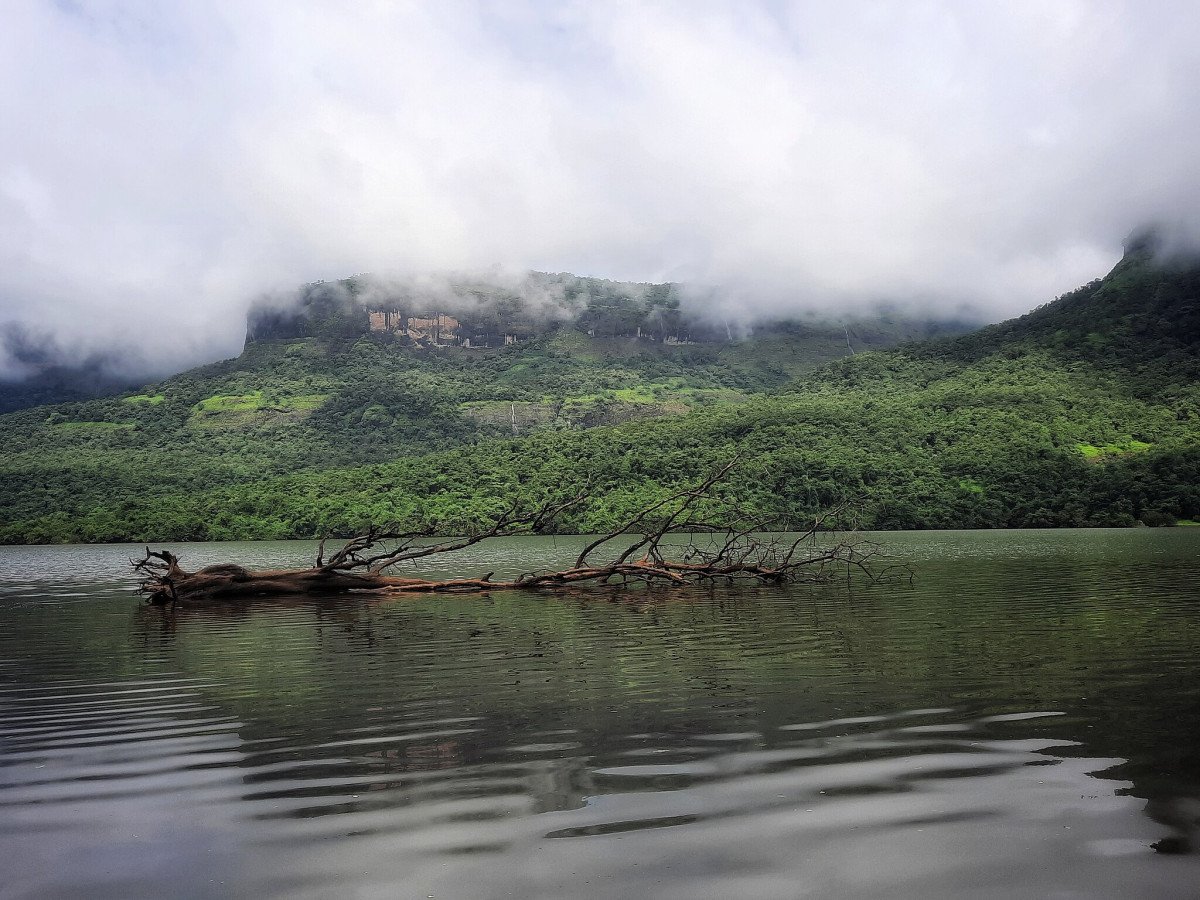
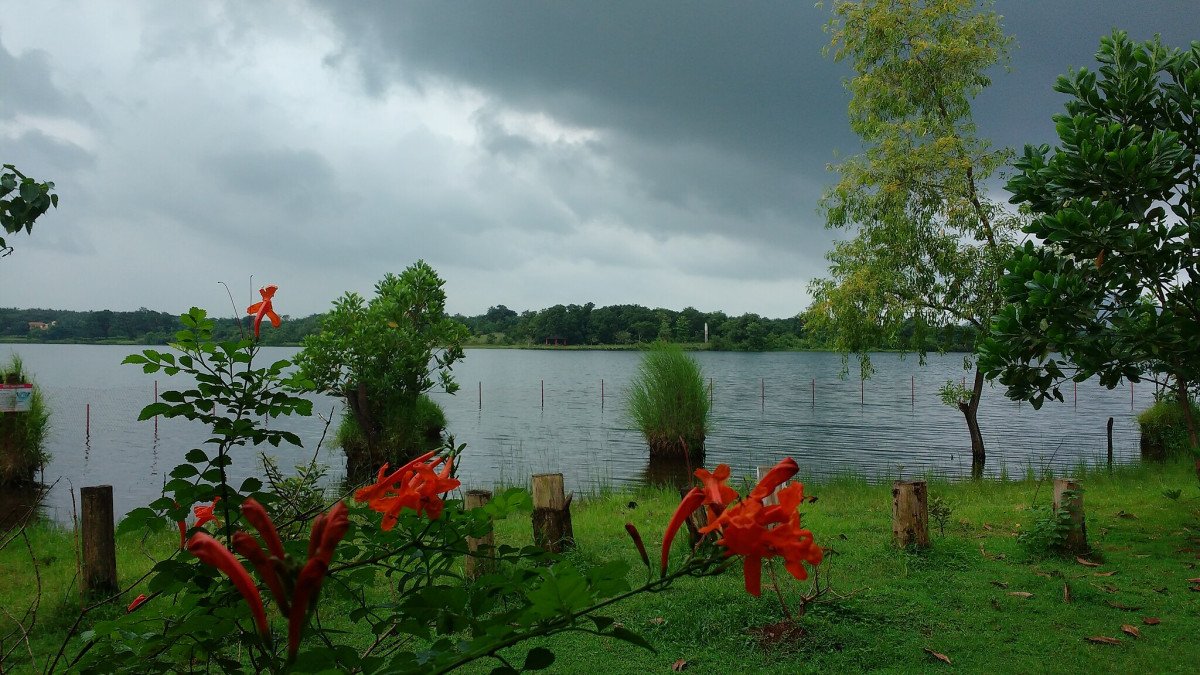
Kundalika Bridge: The bridge over the river provides a high-angle view of the flowing water and the dense green forests lining the banks.Photo Gallery
Things To Do
 Raigad Ropeway Station is the starting point for an aerial journey to the historic Raigad Fort, which was the capital of the Maratha Empire under Chhatrapati Shivaji Maharaj. The ropeway was established to provide an easy and quick alternative to the strenuous climb of over 1,700 steps. It is a non-profit endeavor that has made this national monument accessible to the elderly and physically challenged. The cable car ride takes about 4 to 5 minutes, covering a steep ascent and offering panoramic views of the Sahyadri mountain range. As you glide upwards, you can see the lush green valleys, deep gorges, and seasonal waterfalls below. The station itself is well-maintained and features a museum and a film show that narrates the glorious history of the fort. This facility has significantly boosted tourism in the region, allowing thousands of visitors to pay their respects at the Samadhi of the Great King. At the lower station, there are several small shops selling local handicrafts, Shivaji Maharaj memorabilia, and traditional snacks like Pithla Bhakri. The ropeway operates with high safety standards and is a thrill in itself. Upon reaching the top station, visitors are just a short walk away from the main structures of the fort, including the Nagarkhana and the Royal Court. The experience combines modern engineering with ancient history, making it a unique attraction. It is a place where every Indian feels a sense of pride and reverence. The station is often crowded during weekends and holidays, so it is advisable to arrive early to avoid long waiting times.
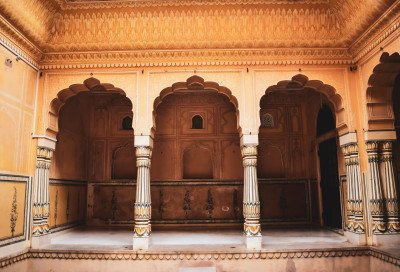 @@Detailed Overview: Ghosala Fort is a historical hill fort located in the Roha taluka, known for its distinct architectural style and its role as a prison during various regimes. The fort is built on a narrow, finger-like ridge, making it one of the most uniquely shaped fortifications in the Konkan region. Its history is a tapestry of shifting powers, having been under the control of the Nizamshahi, the Adilshahi, and eventually the Maratha Empire. Chhatrapati Shivaji Maharaj captured the fort in 1648, recognizing its strategic value in guarding the trade routes between the Revdanda and Salav creeks. The fort features several rock-cut water cisterns, ruins of a palace, and small caves that were likely used as storage or prison cells. The climb to the top is relatively short but steep, offering panoramic views of the Tamhini Ghat and the Sarasgad Fort. The fortification walls, though partially in ruins, still showcase the sturdy masonry of the medieval era. It is a quiet spot, often overlooked by the mainstream tourist crowd, which adds to its mystery and allure. The silence at the top is only broken by the whistling wind, providing a perfect spot for historical reflection. The fort stands as a silent witness to the naval and land-based skirmishes that once defined the Konkan coastline. It is an essential visit for those interested in the lesser-known fortifications of the Maratha era.
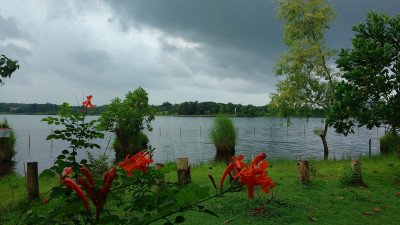 @@Introduction to Dholwal Dam: Dholwal Dam is a functional earth-fill and gravity dam located in the Raigad district of Maharashtra, serving primarily for irrigation and water storage, making it a critical asset for the local agriculture of the Konkan region. Its location, nestled amidst the majestic green slopes of the Sahyadri mountain ranges, provides a stunningly picturesque backdrop that draws tourists seeking tranquility and natural beauty. @@Structural Purpose and Water Source: The dam is a downstream component in the network of reservoirs fed by the Kundalika River. It plays a vital role in regulating the water flow, particularly the controlled release that makes the famous Kolad River Rafting possible. The vast reservoir area, or backwaters, created by the dam's wall forms a beautiful, serene lake-like environment. @@Surrounding Environment and Wildlife: The area is characterized by dense foliage and rolling hills, offering a pristine environment for nature lovers and bird watchers. The quiet waters attract various species of local and migratory birds, especially during the post-monsoon and winter months. The air is clean, and the overall ambiance is one of peaceful isolation from the city's hustle. @@Best Time for Scenic Views: While accessible throughout the year, the post-monsoon months from September to November present the dam in its most spectacular form, with overflowing gates and surrounding landscapes painted in vibrant green hues. Visitors often come here for picnics, quiet reflection, and to witness the sheer force of the water when released from the upstream Bhira Dam.
@@General Details: Tamhini Ghat is a breathtaking mountain pass that cuts through the Sahyadri range, serving as the primary link between the city of Pune and the coastal town of Kolad. Often referred to as the "Monsoon Paradise," this region undergoes a dramatic transformation during the rainy months of July and August, turning into a land of a thousand waterfalls and misty peaks. The drive through the ghat is an experience in itself, with winding roads that offer stunning views of the Mulshi dam backwaters on one side and deep, forested valleys on the other. The ghat is part of a UNESCO World Heritage biodiversity hotspot, home to a vast array of flora and fauna, including the Great Indian Hornbill and various species of orchids. Along the 15-kilometer stretch of the pass, travelers can find numerous spots to pull over and enjoy the cascading waterfalls that fall directly onto the roadside. The air here is crisp and loaded with the scent of wet earth and fresh forest growth. Unlike a single destination, Tamhini is a continuous journey of natural beauty, with points like the "Plus Valley" and the Andharban forest trek starting nearby. It is a favorite among bikers and road-trippers who enjoy the challenging curves and the cool, foggy atmosphere. Small roadside stalls selling hot roasted corn (Butta) and spicy onion fritters (Kanda Bhaji) add a local flavor to the trip. During the peak monsoon, the visibility can drop to just a few meters due to thick clouds, creating an ethereal and mysterious vibe. It is more than just a road; it is a sanctuary for those seeking a break from the concrete jungles of Maharashtra's metros.
@@Introduction to Dholwal Dam: Dholwal Dam is a functional earth-fill and gravity dam located in the Raigad district of Maharashtra, serving primarily for irrigation and water storage, making it a critical asset for the local agriculture of the Konkan region. Its location, nestled amidst the majestic green slopes of the Sahyadri mountain ranges, provides a stunningly picturesque backdrop that draws tourists seeking tranquility and natural beauty. @@Structural Purpose and Water Source: The dam is a downstream component in the network of reservoirs fed by the Kundalika River. It plays a vital role in regulating the water flow, particularly the controlled release that makes the famous Kolad River Rafting possible. The vast reservoir area, or backwaters, created by the dam's wall forms a beautiful, serene lake-like environment. @@Surrounding Environment and Wildlife: The area is characterized by dense foliage and rolling hills, offering a pristine environment for nature lovers and bird watchers. The quiet waters attract various species of local and migratory birds, especially during the post-monsoon and winter months. The air is clean, and the overall ambiance is one of peaceful isolation from the city's hustle. @@Best Time for Scenic Views: While accessible throughout the year, the post-monsoon months from September to November present the dam in its most spectacular form, with overflowing gates and surrounding landscapes painted in vibrant green hues. Visitors often come here for picnics, quiet reflection, and to witness the sheer force of the water when released from the upstream Bhira Dam.
@@General Details: Tamhini Ghat is a breathtaking mountain pass that cuts through the Sahyadri range, serving as the primary link between the city of Pune and the coastal town of Kolad. Often referred to as the "Monsoon Paradise," this region undergoes a dramatic transformation during the rainy months of July and August, turning into a land of a thousand waterfalls and misty peaks. The drive through the ghat is an experience in itself, with winding roads that offer stunning views of the Mulshi dam backwaters on one side and deep, forested valleys on the other. The ghat is part of a UNESCO World Heritage biodiversity hotspot, home to a vast array of flora and fauna, including the Great Indian Hornbill and various species of orchids. Along the 15-kilometer stretch of the pass, travelers can find numerous spots to pull over and enjoy the cascading waterfalls that fall directly onto the roadside. The air here is crisp and loaded with the scent of wet earth and fresh forest growth. Unlike a single destination, Tamhini is a continuous journey of natural beauty, with points like the "Plus Valley" and the Andharban forest trek starting nearby. It is a favorite among bikers and road-trippers who enjoy the challenging curves and the cool, foggy atmosphere. Small roadside stalls selling hot roasted corn (Butta) and spicy onion fritters (Kanda Bhaji) add a local flavor to the trip. During the peak monsoon, the visibility can drop to just a few meters due to thick clouds, creating an ethereal and mysterious vibe. It is more than just a road; it is a sanctuary for those seeking a break from the concrete jungles of Maharashtra's metros.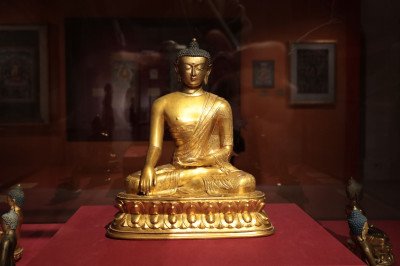 @@Introduction: The Kolad Museum, famously known as Kashta Shilpa, is a tribute to the incredible imagination and craftsmanship of the late artist Ramesh More. This unique museum is not your typical gallery of paintings; instead, it showcases an extensive collection of sculptures created entirely from driftwood, scrap wood, and roots found in the nearby forests and the Kundalika River. Each piece of wood is meticulously carved or sometimes left in its natural shape to reveal hidden figures of birds, animals, humans, and abstract emotions. @@Concept: The museum operates on the philosophy of "Best from Waste," where the artist saw life in discarded pieces of nature. Visitors are often stunned by the detail in the carvings, such as a lifelike eagle or a mother-and-child figure. @@Ambiance: The museum is located in a quiet, rural setting in Sutarwadi, surrounded by green fields and trees. It provides a stark, soulful contrast to the high-adrenaline rafting activities that Kolad is known for. @@Educational: It serves as an inspiration for art students and nature lovers, teaching them how to observe the natural world more closely. The collection has been preserved by the artist's family, who often guide visitors through the stories behind each sculpture. Visiting this museum is a meditative experience, allowing one to appreciate the slow art of wood carving in an age of mass production. It is a hidden cultural jewel of Raigad that deserves a spot on every traveler's itinerary when visiting Kolad.
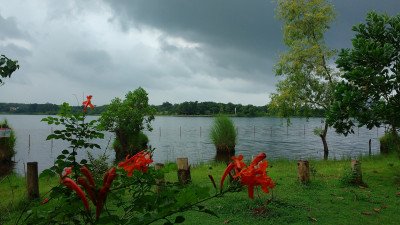 @@Introduction to Sutarwadi Lake: Sutarwadi Lake is a relatively smaller, tranquil water body near the village of Sutarwadi, approximately 8 kilometers from the main hub of Kolad. It is not a natural lake but a reservoir created by a minor check dam or bandhara on a tributary stream, offering a peaceful counterpoint to the adrenaline-fueled activities of the Kundalika River. @@Nature's Tranquil Retreat: The lake is renowned for its placid, clear waters and the backdrop of the lush green foothills of the Sahyadri range. It is a favourite spot for tourists seeking solitude, meditation, and a close encounter with untouched nature. The environment is calm, making it feel like a genuine retreat away from the noise and commercial activity of the main town. @@Ecology and Bird Watching: Due to its serene, undisturbed nature and clean water, Sutarwadi Lake has become a haven for various species of birds, both resident and migratory, especially during the winter months. This has earned it the informal title of a Bird Watcher's Paradise. Species like Kingfishers, Egrets, Herons, and various local waders are commonly sighted here. @@Scenic Beauty for Relaxation: The lake is famous for its picturesque views, particularly at sunrise and sunset, when the sky's colors are dramatically reflected on the still water surface. The gentle slope of the surrounding farmland and forest adds to the idyllic, postcard-perfect scenery, making a simple visit a deeply restorative experience.
Murud Janjira Fort is an architectural marvel and one of the strongest marine forts in India. Located on an oval-shaped rock off the Arabian Sea coast, it is famous for being "Ajinkya" or unconquered throughout its history. Built by the Siddis, an Abyssinian dynasty, the fort stood strong against the Marathas, British, Portuguese, and Dutch. The only way to reach this majestic structure is by a traditional sailboat from the Murud or Rajapuri jetty. As you approach the fort, the massive 40-foot high walls seem to rise directly from the sea. Inside, the fort is a sprawling complex of ruins, secret passages, and freshwater lakes. Despite being surrounded by saltwater, the two large ponds inside provide sweet drinking water, a feat of ancient engineering. The fort houses massive cannons, including the famous Kalal Bangadi, which was known for its long-range capabilities. Exploring the fort feels like stepping back in time, with every stone telling a story of naval battles and strategic brilliance. The main entrance is uniquely designed; it is hidden until one is very close to it, a tactical move to prevent direct enemy fire. The interior also features ruins of a palace, a mosque, and quarters for officers. The panoramic view of the vast Arabian Sea from the bastions is breathtaking and offers a sense of the strategic advantage the rulers held. It remains a top destination for history buffs, photographers, and travelers visiting the Konkan region.Show All
@@Introduction to Sutarwadi Lake: Sutarwadi Lake is a relatively smaller, tranquil water body near the village of Sutarwadi, approximately 8 kilometers from the main hub of Kolad. It is not a natural lake but a reservoir created by a minor check dam or bandhara on a tributary stream, offering a peaceful counterpoint to the adrenaline-fueled activities of the Kundalika River. @@Nature's Tranquil Retreat: The lake is renowned for its placid, clear waters and the backdrop of the lush green foothills of the Sahyadri range. It is a favourite spot for tourists seeking solitude, meditation, and a close encounter with untouched nature. The environment is calm, making it feel like a genuine retreat away from the noise and commercial activity of the main town. @@Ecology and Bird Watching: Due to its serene, undisturbed nature and clean water, Sutarwadi Lake has become a haven for various species of birds, both resident and migratory, especially during the winter months. This has earned it the informal title of a Bird Watcher's Paradise. Species like Kingfishers, Egrets, Herons, and various local waders are commonly sighted here. @@Scenic Beauty for Relaxation: The lake is famous for its picturesque views, particularly at sunrise and sunset, when the sky's colors are dramatically reflected on the still water surface. The gentle slope of the surrounding farmland and forest adds to the idyllic, postcard-perfect scenery, making a simple visit a deeply restorative experience.
Murud Janjira Fort is an architectural marvel and one of the strongest marine forts in India. Located on an oval-shaped rock off the Arabian Sea coast, it is famous for being "Ajinkya" or unconquered throughout its history. Built by the Siddis, an Abyssinian dynasty, the fort stood strong against the Marathas, British, Portuguese, and Dutch. The only way to reach this majestic structure is by a traditional sailboat from the Murud or Rajapuri jetty. As you approach the fort, the massive 40-foot high walls seem to rise directly from the sea. Inside, the fort is a sprawling complex of ruins, secret passages, and freshwater lakes. Despite being surrounded by saltwater, the two large ponds inside provide sweet drinking water, a feat of ancient engineering. The fort houses massive cannons, including the famous Kalal Bangadi, which was known for its long-range capabilities. Exploring the fort feels like stepping back in time, with every stone telling a story of naval battles and strategic brilliance. The main entrance is uniquely designed; it is hidden until one is very close to it, a tactical move to prevent direct enemy fire. The interior also features ruins of a palace, a mosque, and quarters for officers. The panoramic view of the vast Arabian Sea from the bastions is breathtaking and offers a sense of the strategic advantage the rulers held. It remains a top destination for history buffs, photographers, and travelers visiting the Konkan region.Show All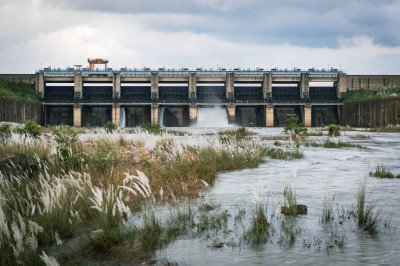 @@Detailed Overview: Bhira Dam, also popularly known as the Tata Powerhouse Dam, is a significant engineering marvel and a scenic hotspot located on the banks of the Kundalika River. Established in 1927 by the Tata Power Company, it is one of the oldest and largest hydroelectric projects in India. The dam plays a crucial role in regulating the water flow of the river, which is essential for the famous river rafting activities in Kolad. Beyond its industrial importance, the reservoir created by the dam is a stunning expanse of blue water surrounded by the towering peaks of the Sahyadri mountains. The area serves as the base camp for the famous Devkund Waterfall trek. The sight of water being released from the spillways is breathtaking, especially during the peak monsoon months when the greenery is at its most vibrant. Tourists often visit the dam for picnics, birdwatching, and to enjoy the cool breeze. The reflection of the Sahyadri range on the still waters of the reservoir provides a picture-perfect setting for photography. While the powerhouse itself is a restricted area, the surrounding landscape is open to nature lovers who wish to witness the intersection of technology and natural beauty. It serves as a peaceful retreat where one can watch the sunset over the horizon, casting golden hues over the massive concrete structure and the forest.
Information
-
Why Famous:
White Water Rafting: It is the only destination in the state offering a 12 km long rafting stretch with Grade II and III rapids on the Kundalika River.
Scenic Landscapes: Famous for its Sahyadri vistas, it offers a raw and rugged natural...White Water Rafting: It is the only destination in the state offering a 12 km long rafting stretch with Grade II and III rapids on the Kundalika River.
Scenic Landscapes: Famous for its Sahyadri vistas, it offers a raw and rugged natural beauty that is perfect for camping under the stars. -
Architecture:
Dam Engineering: The Bhira Dam is an impressive structure of civil engineering, managing the river flow that enables year-round rafting in the valley.
Rural Layout: The architecture of Kolad consists of simple brick-and-tile houses and m...Dam Engineering: The Bhira Dam is an impressive structure of civil engineering, managing the river flow that enables year-round rafting in the valley.
Rural Layout: The architecture of Kolad consists of simple brick-and-tile houses and modern adventure resorts designed with bamboo and eco-friendly materials. -
How To Reach:
By Air: Mumbai (BOM) is the nearest international airport; from there, it's a 3-hour drive via the Mumbai-Goa highway.
By Train: Kolad Railway Station is on the Konkan Railway line; however, many prefer taking a train to Roha and then ...By Air: Mumbai (BOM) is the nearest international airport; from there, it's a 3-hour drive via the Mumbai-Goa highway.
By Train: Kolad Railway Station is on the Konkan Railway line; however, many prefer taking a train to Roha and then a taxi.
By Road: Located on the NH-66 (Mumbai-Goa Highway), it is easily accessible by private car, offering a smooth drive through the Konkan belt.
Local Transport: Six-seater rickshaws and private jeeps are the primary modes of transport between the station and the various riverside resorts. -
Weather and Best Time to Visit:
Monsoon Adventure: June to September is the best time as the river is full and the surrounding greenery is at its most vibrant.
Post-Monsoon: October to March is also great for camping and other activities like bungee jumping and trekkin...Monsoon Adventure: June to September is the best time as the river is full and the surrounding greenery is at its most vibrant.
Post-Monsoon: October to March is also great for camping and other activities like bungee jumping and trekking when it's not too hot. -
Near Tourist Places:
Devkund Waterfall (25 kms), Tamhini Ghat (20 kms), Bhira Dam (15 kms), Ghosala Fort (10 kms), Tala Fort (20 kms), Sutarwadi Lake (5 kms), Kuda Caves (25 kms), Roha (12 kms), Murud (50 kms), Plus Valley (20 kms).
Tourism Tips
-
Health and Safety: Rafting requires a basic level of fitness; always wear the provided life jacket and helmet and follow the instructor's commands.
Packing Items: Bring a set of quick-dry clothes, a change of undergarments, and waterpro...Health and Safety: Rafting requires a basic level of fitness; always wear the provided life jacket and helmet and follow the instructor's commands.
Packing Items: Bring a set of quick-dry clothes, a change of undergarments, and waterproof footwear for the rafting and river activities.
Accommodation: Stay in a Riverside Tent or a cottage to be close to the activity starting points and enjoy the sound of the flowing river.
Rafting Pre-requisite: Rafting is dependent on dam water release; always confirm the timings with your operator the evening before your trip.
Reviews
FAQs
Kolad Itineray And Cost:-
Other Places In Maharashtra :-
Other States In India :-
Information about New and Updated Locations() of Maharashtra Has Been Added :-
Card subtitle
Note:-
Information provided here in good Faith and for reference only.
Near Places
Alibaug
Some quick example text to build on the card title and make up the bulk of the card's content.
Go somewhere
Amravati
Some quick example text to build on the card title and make up the bulk of the card's content.
Go somewhere
Aurangabad
Some quick example text to build on the card title and make up the bulk of the card's content.
Go somewhere
Bhandardara
Some quick example text to build on the card title and make up the bulk of the card's content.
Go somewhere
Diveagar
Some quick example text to build on the card title and make up the bulk of the card's content.
Go somewhere
Ganpatipule
Some quick example text to build on the card title and make up the bulk of the card's content.
Go somewhere
Karjat
Some quick example text to build on the card title and make up the bulk of the card's content.
Go somewhere
Khandala
Some quick example text to build on the card title and make up the bulk of the card's content.
Go somewhere
Kolad
Some quick example text to build on the card title and make up the bulk of the card's content.
Go somewhere
Kolhapur
Some quick example text to build on the card title and make up the bulk of the card's content.
Go somewhere
Lavasa
Some quick example text to build on the card title and make up the bulk of the card's content.
Go somewhere
Lonavala
Some quick example text to build on the card title and make up the bulk of the card's content.
Go somewhere
Mahabaleshwar
Some quick example text to build on the card title and make up the bulk of the card's content.
Go somewhere
Matheran
Some quick example text to build on the card title and make up the bulk of the card's content.
Go somewhere
Mumbai
Some quick example text to build on the card title and make up the bulk of the card's content.
Go somewhere
Nagpur
Some quick example text to build on the card title and make up the bulk of the card's content.
Go somewherein Other Cities