...

Place To Visit And Things To Do In Mawryngkneng

Meghalaya, India
General Overview: Mawryngkneng is a significant village located on the National Highway 44, serving as a vital junction between Shillong and the Jaintia Hills. While often passed through by travelers heading to Jowai or Silchar, it holds its own charm as a representative Khasi settlement. The villag e is surrounded by vast stretches of agricultural land and rolling hills that change color with the seasons. It is known for its cool climate and the traditional lifestyle of its inhabitants. Mawryngkneng is an ideal stop for those looking to experience the authentic rural pulse of Meghalaya. Geographic Importance: Situated at a high altitude, the village offers a commanding view of the surrounding valleys. It is a major center for the local Khasi community, housing various administrative offices and schools. The landscape is a mix of pine forests and meadows, typical of the East Khasi Hills. Its location makes it a strategic point for trade and transport in the region. For many, it is the first real taste of the highland beauty after leaving the urban sprawl of Shillong. Local Traditions: The people of Mawryngkneng are deeply rooted in Khasi customs, particularly in their agricultural rituals. The village is famous for its vibrant local markets where one can find fresh hill produce. Traditional houses with stone walls and corrugated roofs are still common in the older parts of the village. The community is known for its hospitality and simple way of life. Visiting here provides an insight into the daily routine of a Khasi farmer and the importance of community bonding. Scenic Potential: While not a commercial tourist hub, the area around Mawryngkneng is perfect for offbeat exploration. There are several trails leading to hidden viewpoints and small streams that are mostly known to locals. The sunrise and sunset from the higher ridges of the village are spectacular, painting the sky in hues of orange and purple. It is a place for slow travel, where one can simply sit and enjoy the passing clouds and the fresh mountain air. It is Meghalaya in its raw, unadorned form.

Things To Do

Card image cap
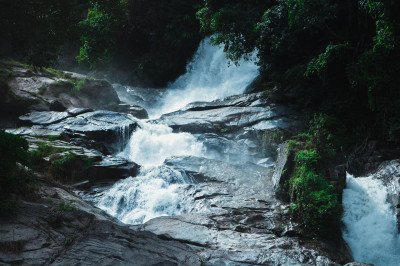
Byrdaw Falls

Byrdaw Falls is a majestic natural wonder tucked away in the lush greenery of Pomshutia village. This waterfall is unique because it features two dist...

Byrdaw Falls is a majestic natural wonder tucked away in the lush greenery of Pomshutia village. This waterfall is unique because it features two distinct tiers where the water gracefully plunges into a refreshing natural pool. The surrounding landscape is dominated by dense tropical forests, moss-covered boulders, and a variety of exotic ferns that thrive in the humid atmosphere of the Khasi Hills. Visitors can walk behind the curtain of water, which offers a rare perspective of the falls. The roar of the water echoing against the rock face creates a meditative environment, perfect for those looking to escape the hustle of city life. The water remains crystal clear throughout most of the year, turning into a powerful, frothy white torrent during the peak Monsoon months of June and July. The trail leading to the falls is a mix of natural pathways and rustic stone steps built by the local community. As you descend, the air becomes cooler and the scent of wild orchids often fills the breeze. This site is not just a destination but a sensory experience that showcases the raw, untouched beauty of Meghalaya.
Card image cap
David Scott Trail

The David Scott Trail is a legendary trekking route that stretches 16 Kilometers from Mawphlang to Lad Mawphlang. This trail is named after David Scot...

The David Scott Trail is a legendary trekking route that stretches 16 Kilometers from Mawphlang to Lad Mawphlang. This trail is named after David Scott, a British administrator who established this route in the early 19th Century as a trade and horse-cart road connecting Assam to Bangladesh. The trek starts at the misty village of Mawphlang, famous for its Sacred Grove. As you walk along the path, you are transported back in time, crossing old stone bridges, passing through sprawling meadows, and trekking along the banks of the Umiam River. The trail is characterized by its varying terrain, ranging from flat grasslands to steep rocky descents. Along the way, you encounter several Khasi villages like Laithsohma, where life has remained unchanged for decades. The silence of the hills is only broken by the sound of the wind and the rushing water of distant streams. It is an "Easy to Moderate" trek, making it accessible for most fitness levels. The history of the trail is etched into the very stones of the path, which were laid by hand nearly two centuries ago.
Card image cap
Diengiei Peak

Diengiei Peak is the second-highest point in Meghalaya, standing at an altitude of approximately 6,200 Feet. It is a unique geological site because th...

Diengiei Peak is the second-highest point in Meghalaya, standing at an altitude of approximately 6,200 Feet. It is a unique geological site because the summit features a large, cup-shaped hollow that scientists believe is the crater of an ancient, extinct volcano. The peak offers a 360-degree panoramic view of the surrounding Khasi Hills, the Umiam Lake, and the distant plains of Bangladesh. The climb to the top is steep and exhilarating, passing through dense pine groves and open rocky plateaus. Unlike the more crowded Shillong Peak, Diengiei offers a sense of solitude and peace. The air at the summit is thin and crisp, often carrying clouds that drift across the crater. The vegetation here is a mix of hardy highland grasses and stunted trees that have adapted to the high winds. For geologists and nature lovers, this peak is a treasure trove of information about the region's volcanic past.
Card image cap
Jingkieng Nongriat

Jingkieng Nongriat, also known as the Umshiang Double Decker Living Root Bridge, is a biological wonder that attracts travelers from across the globe....
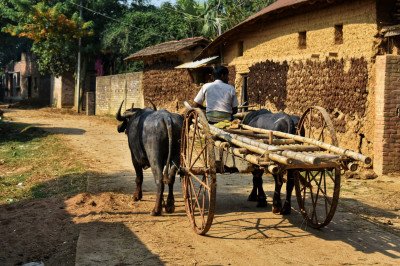
Jingkieng Nongriat, also known as the Umshiang Double Decker Living Root Bridge, is a biological wonder that attracts travelers from across the globe. Located deep in a valley near Cherrapunji, this bridge is grown, not built. The local Khasi people have used the aerial roots of the Ficus Elastica tree to create these sturdy structures over centuries. What makes Nongriat special is the "Double Decker" design, where two bridges are stacked one above the other. The trek to reach this place involves descending over 3,500 Concrete Steps from the village of Tyrna. Along the way, you cross high suspension bridges over turquoise rivers and pass through tropical jungles filled with the sound of cicadas. The bridge itself spans across the Umshiang River, where the water is so clear you can see the fish at the bottom. This site is a testament to the harmony between humans and nature, as the bridge actually gets stronger as the trees grow older.
Card image cap
Khasi Heritage Village

The Khasi Heritage Village is a beautifully curated open-air museum located in Mawphlang. It was established by the Khasi Hills Autonomous District Co...

The Khasi Heritage Village is a beautifully curated open-air museum located in Mawphlang. It was established by the Khasi Hills Autonomous District Council to preserve and showcase the traditional lifestyle, architecture, and customs of the Khasi people. Spread across a rolling green hill, the village features life-sized replicas of various types of Khasi houses, including the Iing Sad (the royal house) and commoner dwellings. Each structure is built using authentic materials like wood, bamboo, and thatch, without the use of modern nails. Inside the houses, you can find traditional artifacts, farming tools, and weapons used in ancient times. The village is designed to give tourists a glimpse into the past, explaining the matrilineal social structure and the deep connection the Khasis have with nature. Walking through the village feels like a quiet journey through the history of the Hima (Khasi kingdoms). It is an educational site that complements the spiritual experience of the nearby Sacred Grove.
Card image cap
Kynshi River Bridge

The Kynshi River Bridge is a magnificent engineering marvel that spans the powerful and pristine Kynshi River in the West Khasi Hills. This location i...

The Kynshi River Bridge is a magnificent engineering marvel that spans the powerful and pristine Kynshi River in the West Khasi Hills. This location is a serene escape from the bustling urban life of Shillong, offering travelers a glimpse into the raw, untouched beauty of Meghalaya. The river itself is known for its crystal-clear turquoise waters that flow through deep gorges and lush green valleys, creating a landscape that looks like a living painting. The bridge serves as a vital artery connecting remote villages, but for tourists, it is a vantage point that offers a 360-degree view of the surrounding mountain ranges and the roaring rapids below. The area is enveloped in a sense of tranquility, where the only sounds are the whistling wind and the rhythmic flow of the water hitting the boulders. Historically, the Kynshi River has been a lifeline for the local Khasi tribes, providing water for agriculture and fish for sustenance. Exploring this area allows visitors to witness the harmonious relationship between the indigenous people and their natural environment. The banks of the river are dotted with unique rock formations and diverse flora, including rare orchids and medicinal plants. It is a place where one can truly feel the pulse of nature, making it a must-visit for those seeking solitude and raw natural beauty. The bridge area is also a starting point for several offbeat trekking trails that lead to hidden waterfalls and tribal hamlets.
Card image cap
Laitlum Canyon

Laitlum Canyon, which literally translates to "The End of Hills," is perhaps the most visually stunning destination in the East Khasi Hills. Situated ...

Laitlum Canyon, which literally translates to "The End of Hills," is perhaps the most visually stunning destination in the East Khasi Hills. Situated near the village of Smit, this canyon offers a panoramic view that can only be described as heavenly. As you stand on the edge of the grassy meadows, the ground suddenly drops away into a deep, verdant gorge that seems to go on forever. On a clear day, you can see the winding rivers at the base of the valley and the tiny houses of Rasong village tucked away in the depths. However, the true magic of Laitlum happens when the clouds roll in, filling the canyon with a white, ethereal mist that makes you feel as though you are standing on the edge of the world. The atmosphere here is incredibly peaceful, with the silence only broken by the occasional bleating of goats or the distant sound of a waterfall. This place gained national fame after being featured in the Bollywood film Rock On 2, but it still retains its raw, uncommercialized charm. The trek down to the valley via the 3,000-step stone stairway is a test of endurance but rewards travelers with a close-up look at the lifestyle of the local community who still use a pulley system to transport goods. The vast meadows at the top are perfect for long walks, meditation, or simply sitting and watching the play of shadows across the mountain faces. It is a destination that captures the essence of Meghalaya's nickname, the "Abode of Clouds," and leaves an indelible mark on every visitor's soul.
Card image cap
Living Root Bridge

The Living Root Bridge in Riwai village is an extraordinary testament to the ingenuity of the Khasi tribe and their sustainable relationship with natu...
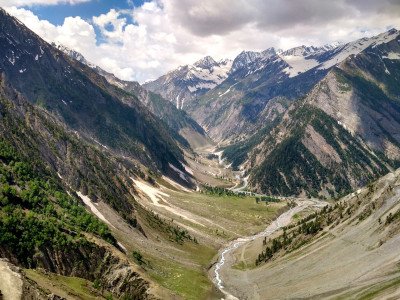
The Living Root Bridge in Riwai village is an extraordinary testament to the ingenuity of the Khasi tribe and their sustainable relationship with nature. Unlike modern bridges made of steel and concrete, this bridge is "grown" from the living roots of the Ficus elastica (rubber) tree. Over several decades, the local villagers guide the flexible aerial roots across the stream using bamboo scaffolding. As the roots grow and intertwine, they become stronger, eventually forming a sturdy pedestrian bridge that can withstand the torrential rains of the region. The Riwai bridge is one of the most accessible root bridges in Meghalaya, requiring only a short 15-minute walk from the village parking area. The path to the bridge is paved with stones and lined with local stalls selling fresh pineapples, oranges, and handmade crafts. Once you reach the bridge, you are greeted by a scene straight out of a fantasy novel: thick, gnarled roots forming a natural walkway over a bubbling stream filled with smooth boulders. The surrounding rainforest is incredibly lush, with towering trees and vibrant ferns creating a canopy that filters the sunlight. This bridge is not just a tourist attraction; it is a vital part of the local infrastructure, used daily by the villagers to reach their betel nut plantations. Visiting Riwai provides a profound lesson in how humans can work with the natural world rather than against it, creating structures that improve with age rather than decaying.
Card image cap
Mawkdok Dympep Valley

Mawkdok Dympep Valley serves as the spectacular gateway to the world-famous Cherrapunji (Sohra) circuit. As you drive along the winding highways of Me...
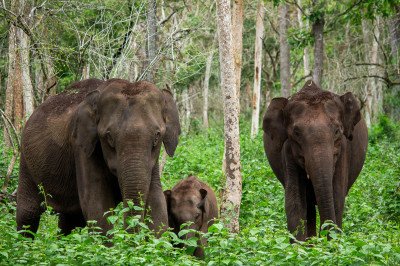
Mawkdok Dympep Valley serves as the spectacular gateway to the world-famous Cherrapunji (Sohra) circuit. As you drive along the winding highways of Meghalaya, the valley suddenly reveals itself at the Duwan Sing Syiem viewpoint. This is a massive V-shaped gorge where two mountain ranges converge, creating a deep, lush valley that is often filled with swirling mists. The viewpoint is built on a bridge that connects the two sides of the canyon, offering travelers a place to stop, breathe, and take in the magnitude of the landscape. The valley is characterized by steep, emerald-green slopes and numerous seasonal waterfalls that cascade down the cliffs during the rainy season. For many, this is the first real taste of the dramatic topography that defines the Khasi Hills. The area has been developed by the tourism department and now features a well-maintained viewing gallery, several local cafes, and adventure facilities. It is a place of transit that has become a destination in its own right, where the air is noticeably cooler and fresher than the plains. Standing at the railing, one can see the road snaking along the edge of the mountains, disappearing into the clouds. The valley is also a significant cultural marker, representing the boundary of the Hima (tribal kingdom) of Sohra. Whether it is the golden light of a winter afternoon or the moody greys of a monsoon morning, the valley never fails to impress.
Card image cap
Mawphlang Sacred Forest

The Mawphlang Sacred Forest is a profound spiritual and ecological sanctuary that has been preserved by the Khasi people for over 800 years. According...

The Mawphlang Sacred Forest is a profound spiritual and ecological sanctuary that has been preserved by the Khasi people for over 800 years. According to local tradition, this forest is protected by a powerful deity called U Ryngkew U Basa, who takes the form of a leopard or a tiger. The most famous rule of the forest is that "nothing can be taken out"—not even a leaf, a stone, or a twig—lest the offender face the wrath of the deity. This strict cultural taboo has resulted in a perfectly preserved ecosystem that serves as a living museum of Meghalaya's biodiversity. As you step inside, the temperature drops and the air becomes thick with the scent of damp earth and ancient moss. The forest is home to a staggering variety of plants, including carnivorous pitcher plants, rare orchids, and trees that are hundreds of years old. Monoliths and sacrificial stones are scattered throughout the grove, marking the spots where the Khasi ancestors performed rituals and sought guidance from the spirits. Walking through the forest with a local guide is a mystical experience, as they share legends of hidden kingdoms and magical mushrooms. The forest is a testament to the fact that indigenous faith can be a more powerful force for conservation than any modern law. Beyond the forest gate lies the Khasi Heritage Village, where traditional huts and artifacts provide a deeper look into the tribe's history and lifestyle.
Card image cap
Saimika Park

Saimika Park is a vast ecological paradise spanning over 69 acres of pristine land in the heart of Sohra. This park was established in 2005 by a loca...

Saimika Park is a vast ecological paradise spanning over 69 acres of pristine land in the heart of Sohra. This park was established in 2005 by a local family to promote community service and nature conservation. It offers a breathtaking view of the Khasi Hills and features a mix of manicured gardens and wild landscapes. The park is renowned for its tranquil environment and is often used as a base for exploring the deeper parts of Meghalaya. Visitors can find various species of local flora and experience the cool, misty climate that this region is famous for. The sprawling meadows provide ample space for families to relax and enjoy the natural beauty away from the noise of the city. Over the years, it has evolved into a full-fledged resort-cum-park, providing a unique blend of hospitality and nature. It is a place where the clouds literally touch the ground during the monsoon season. The park also serves as a sanctuary for those looking to reconnect with the environment. Its historical background as a community gift makes it a symbol of local gratitude and heritage.
Card image cap
Sohpetbneng Peak

Sohpetbneng Peak is one of the most sacred sites in Meghalaya, standing at an altitude of 1,343 meters. In local Khasi mythology, it is believed to b...
Sohpetbneng Peak is one of the most sacred sites in Meghalaya, standing at an altitude of 1,343 meters. In local Khasi mythology, it is believed to be the "Navel of Heaven," the umbilical connection between the celestial world and the earth. Legend says that a golden bridge once connected heaven and earth at this very spot, allowing the Hynniewtrep (seven huts) people to travel between the two realms. The peak is surrounded by a dense, sacred forest that has been preserved for centuries by the local tribes. It offers a majestic 360-degree view of the Shillong plateau and the surrounding valleys. The atmosphere here is deeply spiritual and quiet, as it is not as commercialized as other tourist spots. Every year, indigenous rituals are performed at the summit to seek blessings from the Supreme Creator. The climb to the top is relatively easy and takes visitors through ancient groves of pine and oak. It is a place where culture, myth, and nature collide to create a unique experience. Visitors are expected to maintain silence and respect the sanctity of the land. The peak serves as a reminder of the deep-rooted traditional beliefs of the Khasi people.
Card image cap
Umiam Lake Viewpoint

The Umiam Lake Viewpoint is the most iconic stop for anyone entering the capital city of Shillong. The lake itself, also known as Barapani, is a mass...

The Umiam Lake Viewpoint is the most iconic stop for anyone entering the capital city of Shillong. The lake itself, also known as Barapani, is a massive man-made reservoir created by damming the Umiam River in the early 1960s. It was primarily built for hydroelectric power generation but has since become the premier tourist destination for water sports and sightseeing. The viewpoint is located on a high ridge along the Guwahati-Shillong Highway, providing a bird's-eye view of the vast blue waters dotted with small islands. The lake covers an area of nearly 220 square kilometers and is surrounded by lush green coniferous forests. The contrast between the deep blue water and the emerald hills is a sight to behold. It is often compared to the beautiful lochs of Scotland due to its similar landscape. The viewpoint area is well-maintained with benches and small kiosks selling local pineapples and tea. It serves as a perfect resting spot for travelers to stretch their legs and soak in the first glimpses of the mountainous beauty of Meghalaya. The air here is noticeably cooler and fresher than in the plains of Assam.
Show All

Note:-

Information provided here in good Faith and for reference only.

All information and pictures will be updated soon, please keep visiting.

Near Places

...
Amlarem

Some quick example text to build on the card title and make up the bulk of the card's content.

Go somewhere
...
Baghmara

Some quick example text to build on the card title and make up the bulk of the card's content.

Go somewhere
...
Cherrapunji (Sohra)

Some quick example text to build on the card title and make up the bulk of the card's content.

Go somewhere
...
Cherrapunji

Some quick example text to build on the card title and make up the bulk of the card's content.

Go somewhere
...
Dawki

Some quick example text to build on the card title and make up the bulk of the card's content.

Go somewhere
...
Jaintia Hills

Some quick example text to build on the card title and make up the bulk of the card's content.

Go somewhere
...
Jowai

Some quick example text to build on the card title and make up the bulk of the card's content.

Go somewhere
...
Mairang

Some quick example text to build on the card title and make up the bulk of the card's content.

Go somewhere
...
Mawlynnong

Some quick example text to build on the card title and make up the bulk of the card's content.

Go somewhere
...
Mawlynnong Village

Some quick example text to build on the card title and make up the bulk of the card's content.

Go somewhere
in Other Cities