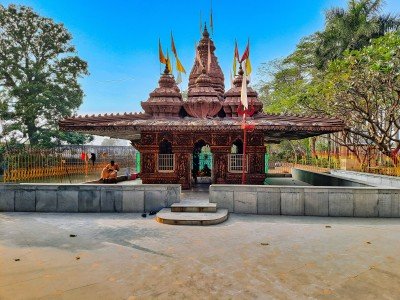
...

Place To Visit And Things To Do In Ratanpur

Chhattisgarh, India
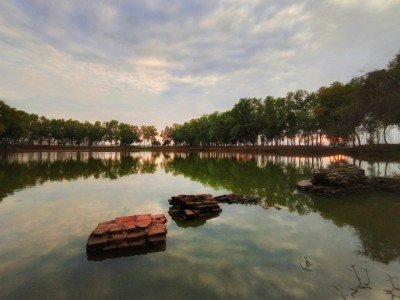
The Ancient Capital:Ratanpur was once the glorious capital of the Kalchuri dynasty and remains one of the most significant historical towns in Chhattisgarh. It is legendary for the Mahamaya Temple, which is considered one of the 52 Shakti Peethas in India. The town is dotted with numerous ancient po nds and small temples, giving it a serene and holy atmosphere. History buffs will find the ruins of the Ratanpur Fort fascinating, as they tell stories of past royalty and Maratha influences. The town is a major pilgrimage site, attracting thousands of devotees, especially during the festival of Navratri. Its proximity to Bilaspur makes it an easy day trip for travelers. The blend of spiritual energy and medieval ruins makes Ratanpur a must-visit destination for anyone exploring the state's heritage. :

Things To Do

Card image cap
Ancient Fort

The term Ancient Fort is often used interchangeably with Ratanpur Fort or Gaj Kila, or it may specifically denote the oldest, most dilapidated section...
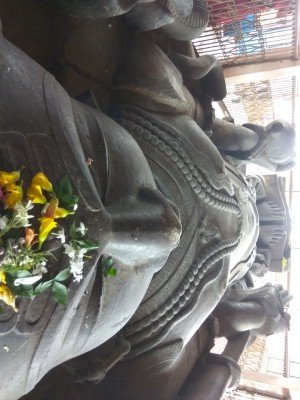
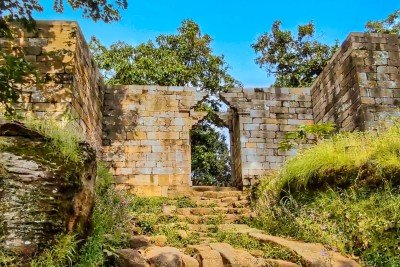
The term Ancient Fort is often used interchangeably with Ratanpur Fort or Gaj Kila, or it may specifically denote the oldest, most dilapidated sections of the fortified area that predate the major Kalachuri constructions by King Ratnadeva I in the 11th century. This older section of the citadel showcases the truly ancient roots of Ratanpur, which is known as Chaturyugi Nagari (City of Four Ages). The ruins here are more weathered, consisting of massive, broken stone walls, ancient water harvesting structures, and scattered remnants of pre-Kalachuri structures. These structures are crucial for archaeologists and historians as they hint at the settlements that existed before Ratanpur became the grand capital of the Kalachuris. Exploring the Ancient Fort requires a keen eye to differentiate the layers of history, from the initial raw fortifications to the later Maratha additions. The sheer age and decomposition of the stone provide a powerful visual representation of the passage of time and the cycles of historical power in the region. The area is protected by the Archaeological Survey of India (ASI) and offers a quiet, reflective alternative to the more popular Gaj Kila sections.
Card image cap
Bhairavnath Mandir

The Bhairavnath Mandir, dedicated to Baba Bairavnath, a fierce and protective incarnation of Lord Shiva (Kal Bhairav), is a key religious site in Rata...
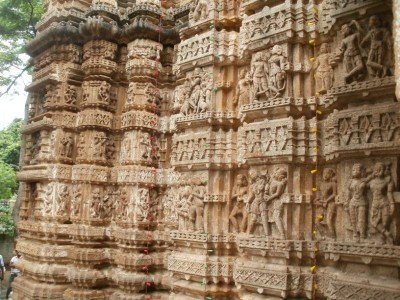
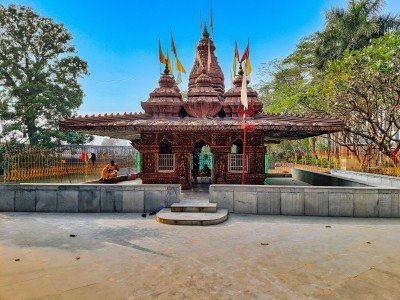
The Bhairavnath Mandir, dedicated to Baba Bairavnath, a fierce and protective incarnation of Lord Shiva (Kal Bhairav), is a key religious site in Ratanpur. It holds immense spiritual significance as it is believed that Kal Bhairav is the guardian deity (Kshetrapal) of the powerful Mahamaya Temple. According to strong local belief and tradition, the pilgrimage to the main Goddess Mahamaya is considered incomplete without paying homage and seeking the permission of the guardian deity, Bhairavnath. The temple is smaller and more austere than the Mahamaya Temple, reflecting the fierce nature of the deity. It is a place where devotees offer simple, direct prayers for protection, warding off evil spirits, and overall safety. The temple's presence on the highway approach road emphasizes its role as the protector of the town and the pilgrims entering it. The temple is ancient, though the exact date of its construction is less documented than the main temples, but it is certainly contemporaneous with the peak Kalachuri period when Shakti and Shaivism flourished in Ratanpur.
Card image cap
Bhoramdeo Temple

Bhoramdeo Temple is a magnificent architectural marvel dedicated to Lord Shiva, standing amidst the scenic Maikal Range. Built between the 7th and 11...
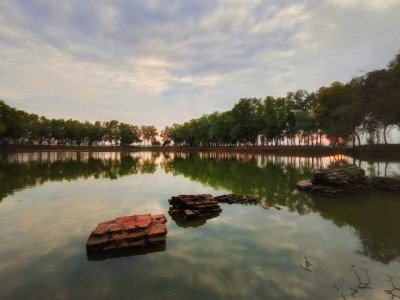
Bhoramdeo Temple is a magnificent architectural marvel dedicated to Lord Shiva, standing amidst the scenic Maikal Range. Built between the 7th and 11th centuries by the Phani Nagvanshi dynasty, it is often called the "Khajuraho of Chhattisgarh" due to its erotic sculptures. The temple sits on a five-foot-high platform and is surrounded by dense forests and a tranquil lake. The primary deity is a beautifully carved Shiva Linga. The temple complex also includes the Cherki Mahal and Madwa Mahal, which are smaller but equally significant historical structures. Visitors are often captivated by the spiritual energy and the lush greenery that surrounds the site. The temple has survived centuries of weather and remains a symbol of the artistic excellence of ancient Dakshina Kosala. It is not just a religious site but a testament to the cultural fusion of tribal and Vedic traditions. The peaceful environment makes it an ideal spot for those looking to escape the hustle of city life. The intricate stone carvings on the exterior walls depict various aspects of life, including dance, music, and social gatherings. The use of black and ochre stones adds a unique visual contrast to the structure. Every year, thousands of pilgrims visit during the Mahashivratri festival to seek blessings. The site serves as a bridge between the historical past and the living traditions of the Gond and Baiga tribes.
Card image cap
Chacheri Dam

Chacheri Dam is a picturesque water reservoir located near the town of Kawardha. It serves as a vital source of irrigation for the surrounding agricu...
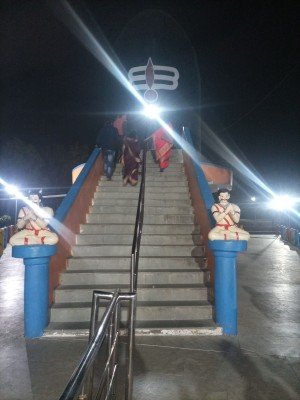
Chacheri Dam is a picturesque water reservoir located near the town of Kawardha. It serves as a vital source of irrigation for the surrounding agricultural lands and has evolved into a popular picnic destination for locals and tourists alike. The dam is built across a seasonal river and creates a vast expanse of blue water that contrasts beautifully with the green hills of the Maikal Range. It is particularly known for its serene atmosphere and the cool breeze that flows across the catchment area. During the monsoon season, the dam often overflows, creating a spectacular sight for visitors. Bird watchers find this place rewarding as several migratory species visit the reservoir during the winter months. The area around the dam is ideal for family outings, offering plenty of space for children to play and for groups to enjoy outdoor meals. The road leading to the dam is scenic, passing through tribal villages and dense forests. While it is not a major religious site, its proximity to the Bhoramdeo Temple makes it a frequent stop for travelers. The local government has made efforts to maintain the area, though it remains largely untouched by heavy commercialization. It is a place where one can truly connect with nature and enjoy the silence of the countryside. The sunset views here are particularly mesmerizing, making it a favorite spot for amateur photographers.
Card image cap
Damru Ghati

Damru Ghati is a unique and spiritually significant site located in the Gariyaband district. It is famous for housing a massive structure shaped like...

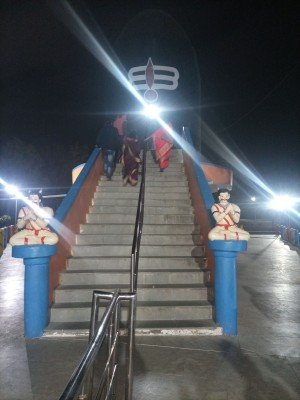
Damru Ghati is a unique and spiritually significant site located in the Gariyaband district. It is famous for housing a massive structure shaped like a Damru (the traditional drum of Lord Shiva), which is one of the largest of its kind in India. Inside this giant Damru, there is a beautifully crafted temple dedicated to Lord Shiva. The site is situated in a valley, giving it the name "Ghati." Visitors are greeted by a colossal statue of Lord Shiva that dominates the landscape, visible from a distance. The architecture is a modern take on traditional themes, making it a popular spot for both devotees and curious tourists. The surrounding area is hilly and covered with dense forests, providing a scenic backdrop for the white and saffron-colored structures. The temple complex is well-maintained and offers a peaceful atmosphere for prayer. It has become a significant landmark in the region, drawing large crowds during the Shravan month and Mahashivratri. The climb to the temple provides a panoramic view of the valley. Local legends often associate the site with the meditative practices of ancient sages. The combination of religious fervor and natural beauty makes it a must-visit destination in Chhattisgarh. Despite being a relatively modern construction compared to ancient temples, it has quickly gained a reputation as a major pilgrimage site.
Card image cap
Devrani Jethani Temple

The Devrani Jethani Temple complex in Tala is one of the most significant archaeological sites in India, dating back to the 5th and 6th centuries. Th...

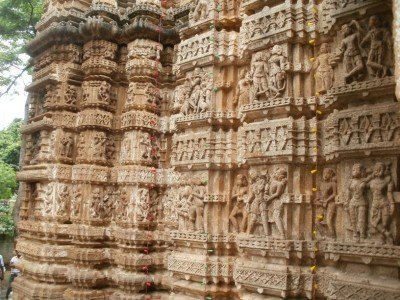
The Devrani Jethani Temple complex in Tala is one of the most significant archaeological sites in India, dating back to the 5th and 6th centuries. The complex consists of two temples named after the relationship of two co-sisters: Devrani (younger) and Jethani (elder). While the Jethani temple is largely in ruins, the Devrani temple is better preserved and showcases extraordinary stone carvings. The site gained international fame in 1988 with the discovery of the Rudra Shiva statue, a unique 8-foot-tall sculpture made of various animal and human body parts. The temple is located on the banks of the Maniari River, providing a serene and historical atmosphere. The structures are built using red sandstone and represent the Sharabhapuriya dynasty's architectural style. The intricate carvings on the doorframes depict mythological scenes, floral patterns, and celestial beings. It is considered an "experimental" site where ancient architects tested different structural designs, some of which unfortunately led to the collapse of the Jethani temple. Today, the site is protected by the Archaeological Survey of India (ASI). It is a must-visit for anyone interested in history, iconography, and ancient Indian art. The peaceful riverside setting adds to the mystical charm of the ruins, making it a perfect spot for introspection and historical study.
Card image cap
Didneswari Temple

The Didneswari Temple, also known as the Dindeshwari Temple, is located in the ancient town of Malhar. This town was once the capital of the Kalchuri...

The Didneswari Temple, also known as the Dindeshwari Temple, is located in the ancient town of Malhar. This town was once the capital of the Kalchuri and Sharabhapuriya dynasties. The temple is dedicated to Goddess Dindeshwari, an incarnation of Shakti. The idol is uniquely carved from black granite and is considered extremely powerful by devotees. The temple complex is part of a larger archaeological area that includes several other ruins like the Pataleshwar Temple. Malhar is mentioned in ancient texts and was a major center on the trade route to south India. The Didneswari Temple itself has undergone various renovations, but the core remains deeply historical. Excavations in the surrounding area have revealed idols from the Buddhist, Jain, and Hindu faiths, proving Malhar's status as a multi-religious hub. The temple is situated near a large pond, and the atmosphere is one of profound peace. It is especially crowded during the Navratri festivals when thousands come to seek the Goddess's blessings. The local museum nearby houses many of the original sculptures found during excavations, providing context to the temple's history. Visiting this temple is like stepping back into the 10th century, as the town of Malhar has preserved its ancient, quiet character despite the passage of time.
Card image cap
Jaitkham

The Jaitkham in Ratanpur stands as a magnificent tribute to the Satnami community and their spiritual leader Guru Ghasidas. This soaring structure is...

The Jaitkham in Ratanpur stands as a magnificent tribute to the Satnami community and their spiritual leader Guru Ghasidas. This soaring structure is not just a monument but a symbol of peace, equality, and the rejection of the caste system. Historically, the "Jaitkham" represents a "Victory Pillar" of truth over falsehood. The site attracts thousands of pilgrims who come to offer prayers and find mental solace. Surrounding the pillar, the atmosphere remains quiet and contemplative, providing a stark contrast to the busy market areas of the town. Visitors often spend time here reflecting on the teachings of Satnam Panth, which emphasizes that "man is equal." The white marble finish of the structure glows under the sun, making it a visible landmark for miles. For any traveler visiting Ratanpur, this place offers a deep dive into the local social reform movements of Chhattisgarh. It serves as an educational site for students interested in sociology and religious history. The grounds are well-maintained, allowing for peaceful evening walks. Many local families visit during weekends to pay their respects. The site is a living monument where tradition meets modern architectural scale, ensuring the legacy of the Guru remains alive in the hearts of the people.
Card image cap
Kanan Pendari Zoo Park

Kanan Pendari Zoo Park is a premier zoological garden and botanical park located a short drive from Ratanpur. Spread over 114 hectares, it serves as ...

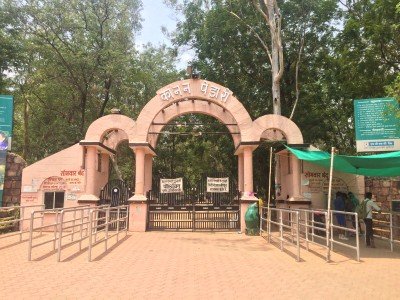
Kanan Pendari Zoo Park is a premier zoological garden and botanical park located a short drive from Ratanpur. Spread over 114 hectares, it serves as a vital conservation center for the fauna of Central India. The park is home to a wide variety of animals including tigers, lions, leopards, and several species of deer. The botanical section features a rich collection of local and exotic plants, making it a favorite for nature lovers. Established with the aim of wildlife protection, it also provides an educational platform for school children and researchers. The layout is designed to mimic natural habitats, ensuring the animals live in a stress-free environment. Visitors can enjoy a battery-operated vehicle ride or rent bicycles to explore the vast area. The zoo also features a dedicated bird sanctuary with colorful parakeets and peacocks. For families visiting Ratanpur, this zoo offers a full day of recreation and learning. The peaceful surroundings, far from the city's noise, make it an ideal spot for a weekend picnic. Recent upgrades have added a butterfly garden and an aquarium, further enhancing the visitor experience. It remains one of the most visited tourist spots in the Bilaspur district.
Card image cap
Kanti Deval Temple Complex

The Kanti Deval Temple Complex, sometimes spelled Kanthi Dewal or Kanti Deul, is an impressive group of temples dedicated to Lord Shiva (specifically ...
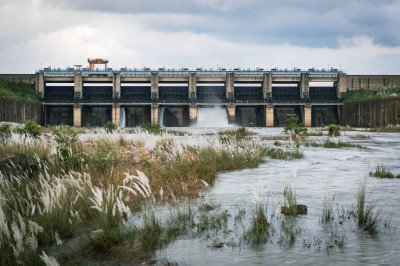
The Kanti Deval Temple Complex, sometimes spelled Kanthi Dewal or Kanti Deul, is an impressive group of temples dedicated to Lord Shiva (specifically the Neelkanthesvara form) located within the premises of the Mahamaya Temple in Ratanpur. It is considered one of the oldest structures in the area. The original construction is attributed to an ascetic named Santosh Giri in 1039 AD, making it predates the main Mahamaya Temple. It was later significantly expanded and renovated in the 15th century by the powerful Kalachuri king Prithvidev II. The complex comprises at least two main temples and is architecturally significant for its unusual height and unique design, which blends traditional Hindu styles with early regional forms. The temples have been actively restored by the Archaeological Survey of India (ASI). During excavations, a skeleton was found beneath the sanctum of one temple, hinting at a past use as a royal burial site. The temple's walls are covered in detailed sculptures and figures, showcasing the artistic heritage of the Kalachuri period.
Card image cap
Khadia Dam

Khadia Dam is a hidden treasure located at a distance from the main tourist circuit of Ratanpur. It is a major irrigation project that has evolved in...

Khadia Dam is a hidden treasure located at a distance from the main tourist circuit of Ratanpur. It is a major irrigation project that has evolved into a popular spot for nature lovers and peace seekers. The dam is built across a local tributary, creating a vast water body that reflects the clear blue sky. Surrounded by dense forests and small hillocks, the area offers a breathtaking landscape that changes with every season. During the monsoon, the dam overflows, creating a spectacular sight for visitors. Unlike the more crowded Khutaghat, Khadia Dam remains relatively untouched, providing a serene environment for those looking to escape the hustle of city life. Local villagers often use the reservoir for fishing, and one can see traditional boats gliding across the water. The drive to the dam passes through beautiful countryside, offering a glimpse into the rural life of Chhattisgarh. It is a perfect spot for photography, especially during sunrise and sunset. While there are limited commercial facilities, the raw beauty of the place is its main draw. Travelers often combine a visit here with a trip to the nearby Lormi forest range. The air here is crisp and pollution-free, making it a rejuvenating experience for everyone.
Card image cap
Kharaud

Kharaud is an ancient town of immense historical and religious significance, often referred to as the "Kashi of Chhattisgarh." It is famous for its c...

Kharaud is an ancient town of immense historical and religious significance, often referred to as the "Kashi of Chhattisgarh." It is famous for its cluster of ancient temples that date back to the 6th and 7th centuries. The most prominent among them is the Lakshmaneshwar Temple, which is linked to the Ramayana. Legend says that Lakshman worshipped Lord Shiva here to seek atonement. The town is a living museum of the Kalachuri and Panduvanshi dynasties. The architecture of these temples features intricate brickwork and stone carvings that are unique to this region. Walking through the narrow lanes of Kharaud, one feels transported back in time. The spiritual energy of the place is palpable, especially during the month of Shravan. Apart from the main temple, the Indal Deul and Shabari Temple are also must-visit sites. Each temple has a story to tell, etched into its walls through beautiful sculptures of deities and mythical scenes. The town serves as a major pilgrimage center for devotees of Lord Shiva. Its proximity to Shivrinarayan makes it part of an important religious circuit. For history buffs, the inscriptions found here provide vital clues about the medieval history of Central India. The local culture is deeply rooted in tradition, and festivals are celebrated with great pomp. A visit to Kharaud is not just a religious trip but a journey into the soul of Chhattisgarh's heritage.
Card image cap
Khutaghat Dam

Khutaghat Dam, also known as the Sanjay Gandhi Reservoir, is one of the most famous tourist attractions near Ratanpur. Built in 1926 during the Briti...

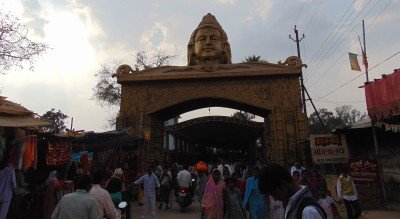
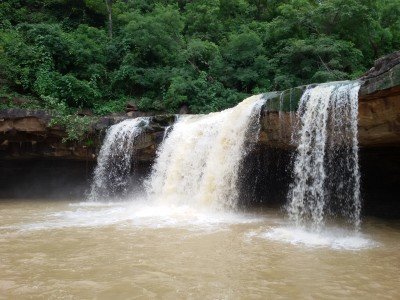
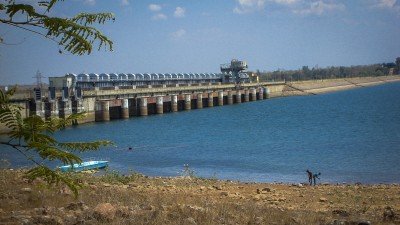
Khutaghat Dam, also known as the Sanjay Gandhi Reservoir, is one of the most famous tourist attractions near Ratanpur. Built in 1926 during the British era across the Kharang River, it serves as a vital source of irrigation for the surrounding plains. The dam is nestled amidst the lush green hills of the Vindhyan range, creating a picturesque setting that draws thousands of tourists every year. The reservoir's crystal-clear blue water and the surrounding forest make it a perfect destination for nature lovers and adventure seekers. The Irrigation Department maintains a rest house on a hillock that offers a bird's-eye view of the entire dam. Boating is a popular activity here, allowing visitors to explore the vast expanse of the water and get closer to the small islands within the reservoir. The dam is particularly beautiful during the monsoon when the excess water flows over the waste weir, creating a man-made waterfall. It is a favorite picnic spot for the people of Bilaspur and Ratanpur. The area is also home to a variety of local flora and fauna, making it a great place for light trekking. Whether you are looking for a peaceful retreat or a fun-filled day with family, Khutaghat offers something for everyone. Its proximity to the Mahamaya Temple makes it an easy addition to any Ratanpur itinerary.
Card image cap
Lafagarh

Lafagarh, also widely recognized as Chaiturgarh Fort, is a majestic hill fortress situated at an altitude of approximately 3,060 feet above sea level...

Lafagarh, also widely recognized as Chaiturgarh Fort, is a majestic hill fortress situated at an altitude of approximately 3,060 feet above sea level in the Korba district. Historically, it served as one of the 36 vital forts of Chhattisgarh and was established by the Kalachuri dynasty. The fort is renowned for its strategic positioning and natural fortification, surrounded by dense forests and rugged cliffs that provide a natural defense mechanism. The plateau atop the hill covers an area of roughly 5 square kilometers, housing five perennial ponds and various ancient structures. It is often referred to as the 'Kashmir of Chhattisgarh' due to its cool climate and lush greenery. The site is a significant archaeological monument protected by the ASI. Visitors are treated to breathtaking panoramic views of the Satpura range and the surrounding biosphere. The spiritual heart of the fort is the Mahishasur Mardini Temple, which attracts thousands of pilgrims during the Navratri festival. The blend of military history and natural splendor makes it a premier destination for trekkers and history buffs alike.
Card image cap
Mahamaya Temple

The Mahamaya Temple in Ratanpur is one of the most significant and ancient spiritual centers in Chhattisgarh, dedicated to Goddess Mahamaya, a form of...

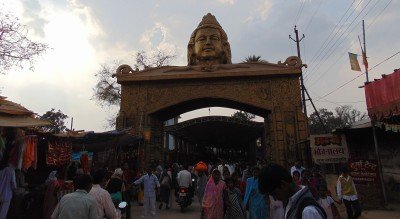
The Mahamaya Temple in Ratanpur is one of the most significant and ancient spiritual centers in Chhattisgarh, dedicated to Goddess Mahamaya, a form of Durga, Mahalakshmi, and Mahasaraswati. It is considered a Shakti Peetha and the Kuldevi (family deity) of the former Ratanpur kingdom. The temple was originally built around the 12th century by Kalachuri King Ratnadeva I when he made Ratanpur his capital. The current structure, however, is believed to have been significantly renovated, including the construction of a new temple in 1492 CE by King Bahar Sai after the original site saw the departure of Goddess Mahakali. The temple complex is not just a single shrine but a cluster of smaller temples, domes, and a large ancient water tank (Mahamaya Talab or Budhi Talab). The architecture follows the Nagara style, characterized by a curvilinear tower (shikhara). The temple draws hundreds of thousands of devotees, especially during the Navaratri festivals, when the sacred Jyotikalashas are lit. The pilgrimage is traditionally considered incomplete without also visiting the nearby Bhairavnath Mandir.
Card image cap
Malhar

Malhar is an ancient town of immense archaeological importance, formerly known as Mallar or Sarabhapur. It was a major center of civilization from 10...

Malhar is an ancient town of immense archaeological importance, formerly known as Mallar or Sarabhapur. It was a major center of civilization from 1000 BCE through the Kalachuri era. The town is famous for its collection of ancient temples and ruins that represent Hindu, Buddhist, and Jain faiths. Excavations here have unearthed artifacts from the Mauryan, Satavahana, and Gupta periods, proving its status as a historical hub. The most famous landmark is the Pataleshwar Temple, which features a unique Gomukhi Shivling. Another significant site is the Dindeshwari Temple, dedicated to the Kuldevi of the Kalachuri kings. The local museum maintained by the ASI houses one of the oldest Vishnu statues in India, dating back to the 2nd century BCE. The town's layout reflects ancient urban planning with remnants of mud forts and moats. For anyone interested in the evolution of Indian temple architecture and iconography, Malhar serves as an open-air museum. The peaceful rural setting adds to the charm of exploring these thousand-year-old stone structures. It remains a key site for researchers and spiritual travelers alike.
Card image cap
Ram Jharna Waterfall

Ram Jharna is a beautiful natural spring and waterfall located near Bhupdevpur in the Raigarh district. According to local mythology and the Ramayana...

Ram Jharna is a beautiful natural spring and waterfall located near Bhupdevpur in the Raigarh district. According to local mythology and the Ramayana, Lord Ram visited this spot during his 14-year exile. It is believed that he drank water from this spring, giving the place its sacred name. The waterfall is unique because the flow of water remains constant throughout the year, regardless of the season. The site is surrounded by a lush green forest, making it a popular picnic spot for locals and tourists alike. A small temple dedicated to Lord Ram and Goddess Sita is situated near the water source. The government has developed the area with gardens and pathways to facilitate visitors. The water is considered pure and has a refreshing quality. It serves as a peaceful retreat away from the city's hustle. Families often visit during weekends to enjoy the natural beauty and spiritual atmosphere. The site is also a part of the Ram Van Gaman Path, a tourism circuit following the trail of Lord Ram in Chhattisgarh. Its accessibility and religious ties make it a top attraction in the region.
Card image cap
Ram Tekri Temple

The Ram Tekri Temple is a serene and historically significant shrine dedicated to Lord Rama, located atop a small hill (tekri) on the periphery of Rat...

The Ram Tekri Temple is a serene and historically significant shrine dedicated to Lord Rama, located atop a small hill (tekri) on the periphery of Ratanpur. It is also sometimes referred to as Ramtekri Mandir or Ramtekri Fort Temple (confusing it with the one in Nagpur). The temple is widely believed to have been constructed during the reign of the Maratha ruler Bimbaji Bhosle in the 18th century. This association stems from the presence of the Maratha ruler's image, often depicted standing in front of Lord Rama with folded hands, signifying his deep devotion. The hilltop location not only adds to the spiritual peace but also offers a beautiful panoramic view of the ancient Ratanpur town and its surrounding landscape of water bodies and greenery. While the temple's history is linked to the later Maratha period, the site itself holds mythological significance, with local legends suggesting it is a spot where Lord Rama might have rested during his exile (vanavasa), further cementing its religious importance, especially among devotees of Lord Rama. The temple is a tranquil spot, contrasting with the busy main town temples.
Card image cap
Ramtekri Mandir

The Ramtekri Mandir is another name for the Ram Tekri Temple, a peaceful Hindu temple dedicated to Lord Rama, situated on a scenic hillock on the edge...

The Ramtekri Mandir is another name for the Ram Tekri Temple, a peaceful Hindu temple dedicated to Lord Rama, situated on a scenic hillock on the edge of the ancient town of Ratanpur. Its history is strongly linked to the Maratha period, specifically the patronage of the pious Maratha ruler Bimbaji Bhosle in the 18th century. The temple's construction is a testament to the influence of Vaishnavism (worship of Lord Vishnu and his incarnations like Rama) under the Maratha administration, following the earlier dominance of Shaivism and Shaktism under the Kalachuris. Its elevated location, known as Ramtekri (Rama's Hill), provides a tranquil escape and a spectacular vantage point for viewing the numerous historical ponds (talabs) and the surrounding green landscape of Ratanpur. It's a place that draws both fervent devotees of Lord Rama and tourists seeking quiet contemplation and natural beauty. The temple is a significant cultural marker, illustrating the layered history of the town where different dynasties left their distinct spiritual and architectural imprints. The daily rituals maintain a continuous devotional practice here.
Card image cap
Ratanpur Fort

The Ratanpur Fort, also known as Gaj Kila or Old Fort, is a profound historical site that served as the capital of the powerful Kalachuri dynasty in C...

The Ratanpur Fort, also known as Gaj Kila or Old Fort, is a profound historical site that served as the capital of the powerful Kalachuri dynasty in Chhattisgarh. Its origins trace back to the 11th century AD, with King Ratnadeva I being credited for its establishment and making Ratanpur his capital. The fort was a major political and military hub for the region for centuries, witnessing the rise and fall of several rulers, including the later Marathas and finally the British. Although much of the fort is now in picturesque ruins, its surviving structures, like the massive fortification walls, remnants of four main gates, and watchtowers, speak volumes about the strategic importance and the grandeur of the Kalachuri period. It is now a site protected by the Archaeological Survey of India (ASI). Inside the complex, one can find various other ancient structures, including temples and reservoirs. The strategic location, not on a high mountain but a plateau, offered excellent command over the surrounding plains, making it a formidable defense structure. The remains of the ancient Mahamaya Temple complex are also closely associated with the fort's history. The blend of Hindu iconography on its walls and the sheer scale of the ruins make it a compelling destination for history enthusiasts and architects. It is a key landmark defining the heritage of Ratanpur, often referred to as Chaturyugi Nagari (city of four eras).
Card image cap
Ratanpur Old Fort / Gaj Kila

The Ratanpur Old Fort, popularly known as Gaj Kila, is a massive historical fortification located in the heart of the ancient city of Ratanpur. Built...

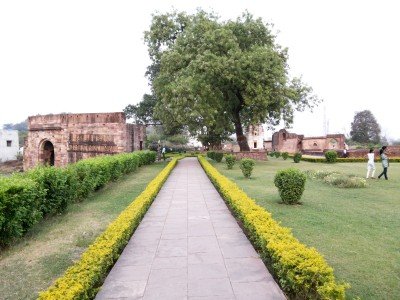
The Ratanpur Old Fort, popularly known as Gaj Kila, is a massive historical fortification located in the heart of the ancient city of Ratanpur. Built in the 11th century by King Prithvideva I of the Kalachuri dynasty, it served as the capital for several centuries. The fort's name 'Gaj Kila' is derived from the stone elephant statues that once guarded its entrances. The fort is shaped like an irregular octagon and is surrounded by high stone walls and a deep moat that was once filled with water. Inside the fort, one can find various ruins of palaces, barracks, and several ancient temples. Notable among these are the Jagannath Temple and the Lakshmi Narayan Temple. The fort also features a unique five-storied gate at the entrance which showcases the grandeur of medieval Rajput architecture. Many stone inscriptions found within the fort provide insights into the genealogy of the Haihaya kings. Despite being in a state of ruin, the fort remains a symbol of the region's glorious past and military might. It offers a panoramic view of the thousands of ponds that Ratanpur is famous for. The ASI maintains the site, making it a must-visit for anyone exploring the heritage of Central India.
Card image cap
Shivrinarayan Temple

Shivrinarayan Temple is a highly sacred pilgrimage site located at the holy confluence of three rivers: Mahanadi, Shivnath, and Jonk. This place hold...

Shivrinarayan Temple is a highly sacred pilgrimage site located at the holy confluence of three rivers: Mahanadi, Shivnath, and Jonk. This place holds immense significance in Hindu mythology, as it is believed to be the site of Shabri's Ashram from the Ramayana. Legend has it that this is where the tribal devotee Shabri offered tasted berries to Lord Ram during his search for Sita. The main temple, dedicated to Lord Narayan, was built by the Kalachuri kings in the 11th century. The architecture is a stunning example of the Vaishnav style, featuring detailed stone carvings of various avatars of Vishnu. The temple complex also includes shrines dedicated to Lord Shiva, which is why the town is named Shivrinarayan. Historically, the site has been a center for the Nath tradition and the Bhakti movement. The town is considered the cultural capital of the Janjgir-Champa district. During the month of Magh, a massive fair is held here that attracts pilgrims from all over the country. The peaceful riverbank setting and the deep-rooted mythological stories make it a place of profound spiritual energy. It is a key destination on the Ram Van Gaman Path and remains an active place of worship with daily rituals and chants.
Show All

Ratanpur Itineray And Cost:-

Information about New and Updated Locations() of Chhattisgarh Has Been Added :-
Card subtitle

Note:-

Information provided here in good Faith and for reference only.

All information and pictures will be updated soon, please keep visiting.

Near Places
...
Ambikapur

Some quick example text to build on the card title and make up the bulk of the card's content.

Go somewhere
...
Bastar

Some quick example text to build on the card title and make up the bulk of the card's content.

Go somewhere
...
Bilai

Some quick example text to build on the card title and make up the bulk of the card's content.

Go somewhere
...
Bilaspur

Some quick example text to build on the card title and make up the bulk of the card's content.

Go somewhere
...
Dantewada

Some quick example text to build on the card title and make up the bulk of the card's content.

Go somewhere
...
Dhamtari

Some quick example text to build on the card title and make up the bulk of the card's content.

Go somewhere
...
Durg

Some quick example text to build on the card title and make up the bulk of the card's content.

Go somewhere
...
Ghoghrapur

Some quick example text to build on the card title and make up the bulk of the card's content.

Go somewhere
...
Jagdalpur

Some quick example text to build on the card title and make up the bulk of the card's content.

Go somewhere
...
Kabirdham

Some quick example text to build on the card title and make up the bulk of the card's content.

Go somewhere
in Other Cities