Ratanpur
General information
-
Ideal Duration:
4 to 6 HoursPlace Type:
Pilgrimage & HeritageEntry Fees:
Temple Entry:Entry to the Mahamaya Temple and the Ratanpur Fort is free for all visitors, though donations are accepted.
Special Darshan:During peak festival times, there might be nominal charges for queue management or special "VIP" darshan...Temple Entry:Entry to the Mahamaya Temple and the Ratanpur Fort is free for all visitors, though donations are accepted.
Special Darshan:During peak festival times, there might be nominal charges for queue management or special "VIP" darshan entries.
:Timing:
Darshan Hours:The temple is usually open from 6:00 AM to 8:00 PM, with a break in the afternoon for rituals.
Best Time for Visit:Early morning is the best time to avoid the heat and the large crowds that arrive by midday.
Read MoreDarshan Hours:The temple is usually open from 6:00 AM to 8:00 PM, with a break in the afternoon for rituals.
Best Time for Visit:Early morning is the best time to avoid the heat and the large crowds that arrive by midday.
:Special Events:
Navratri Mela:The bi-annual Navratri festivals in October and March see the temple lit with thousands of Jyoti Kalash oil lamps.
Magh Purnima:A huge fair is held where locals from surrounding villages gather for holy baths and traditional cu...Navratri Mela:The bi-annual Navratri festivals in October and March see the temple lit with thousands of Jyoti Kalash oil lamps.
Magh Purnima:A huge fair is held where locals from surrounding villages gather for holy baths and traditional cultural performances.
:Best Photo Spots:
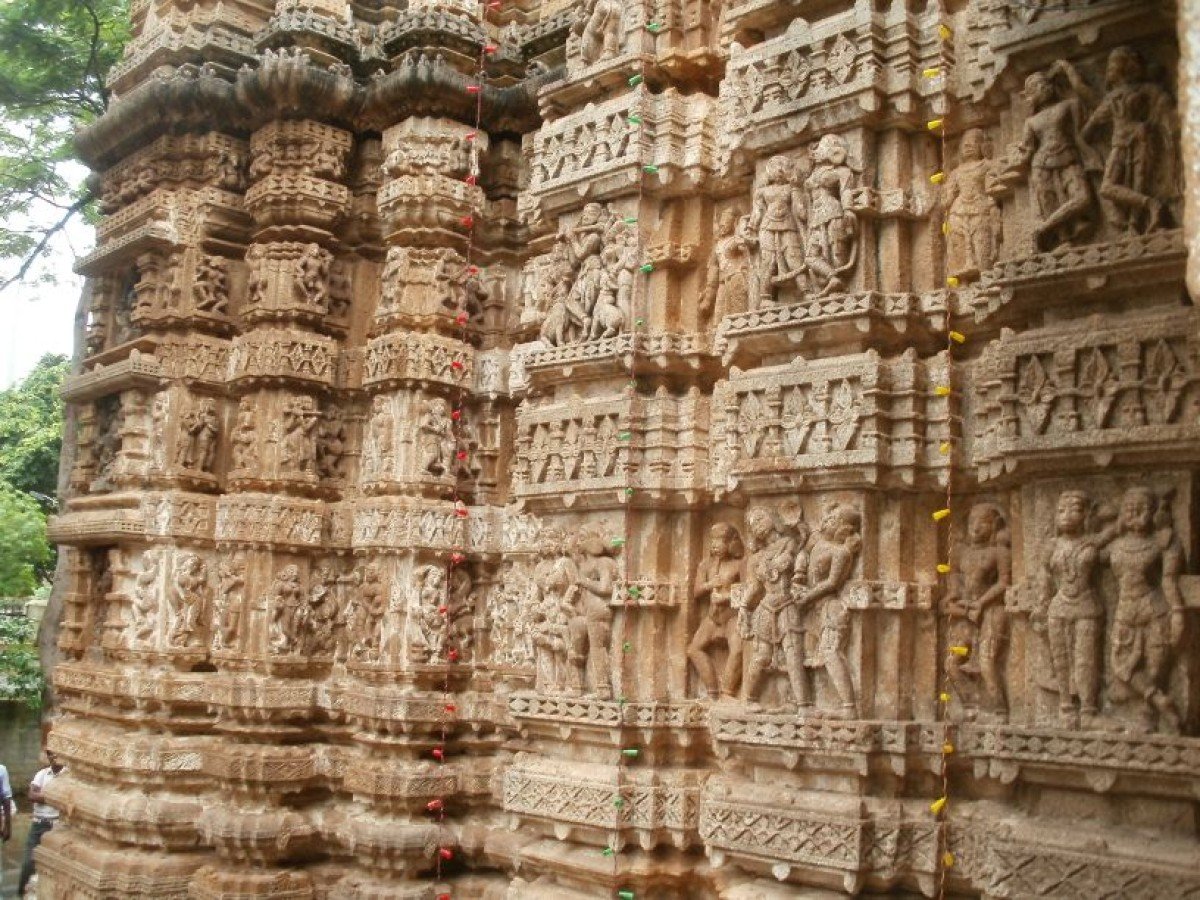
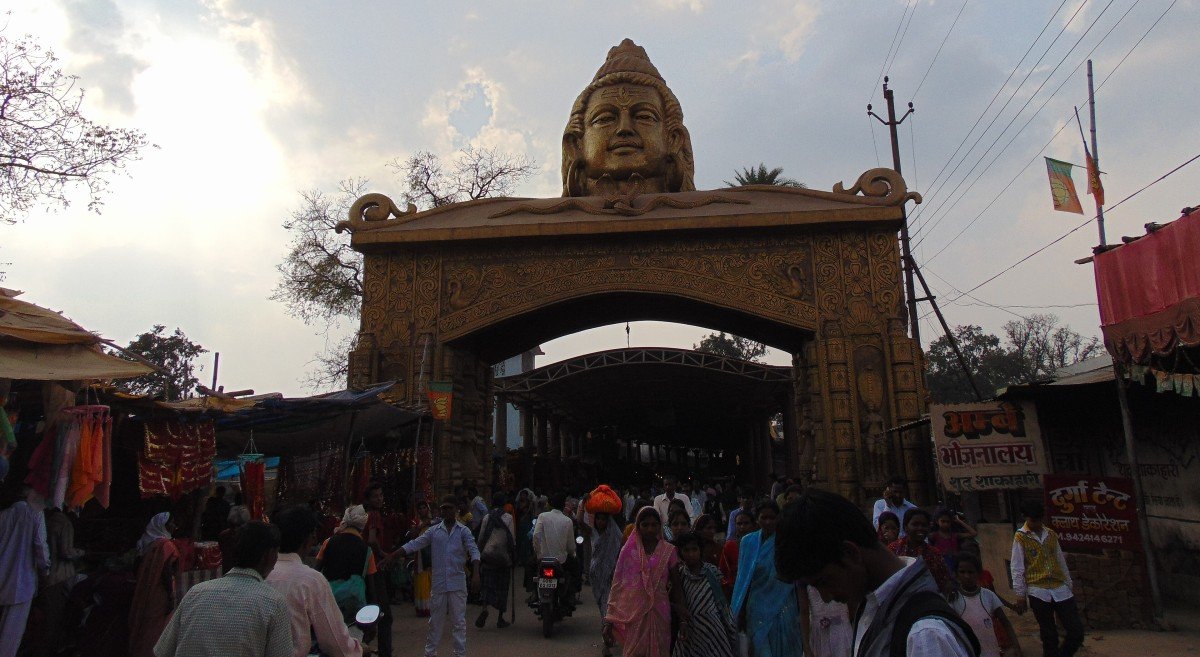
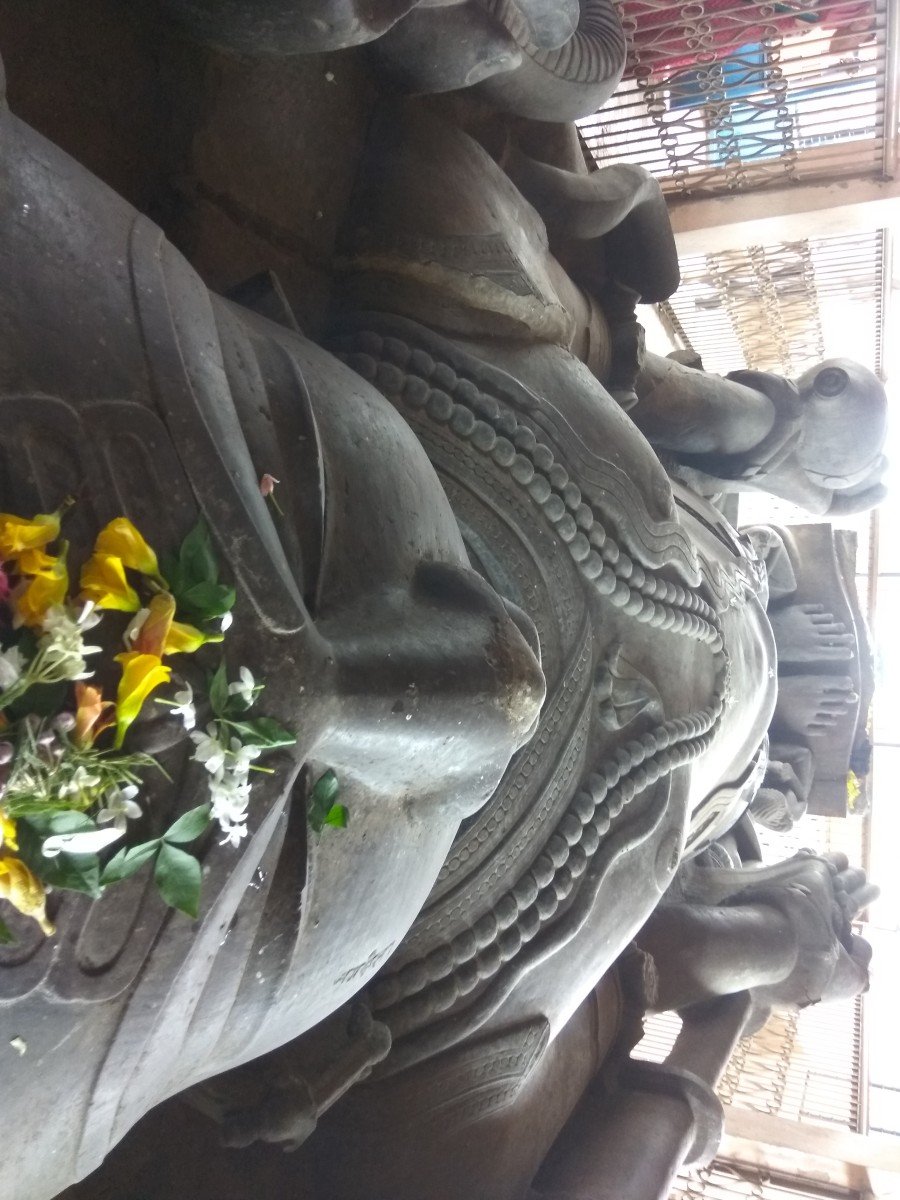
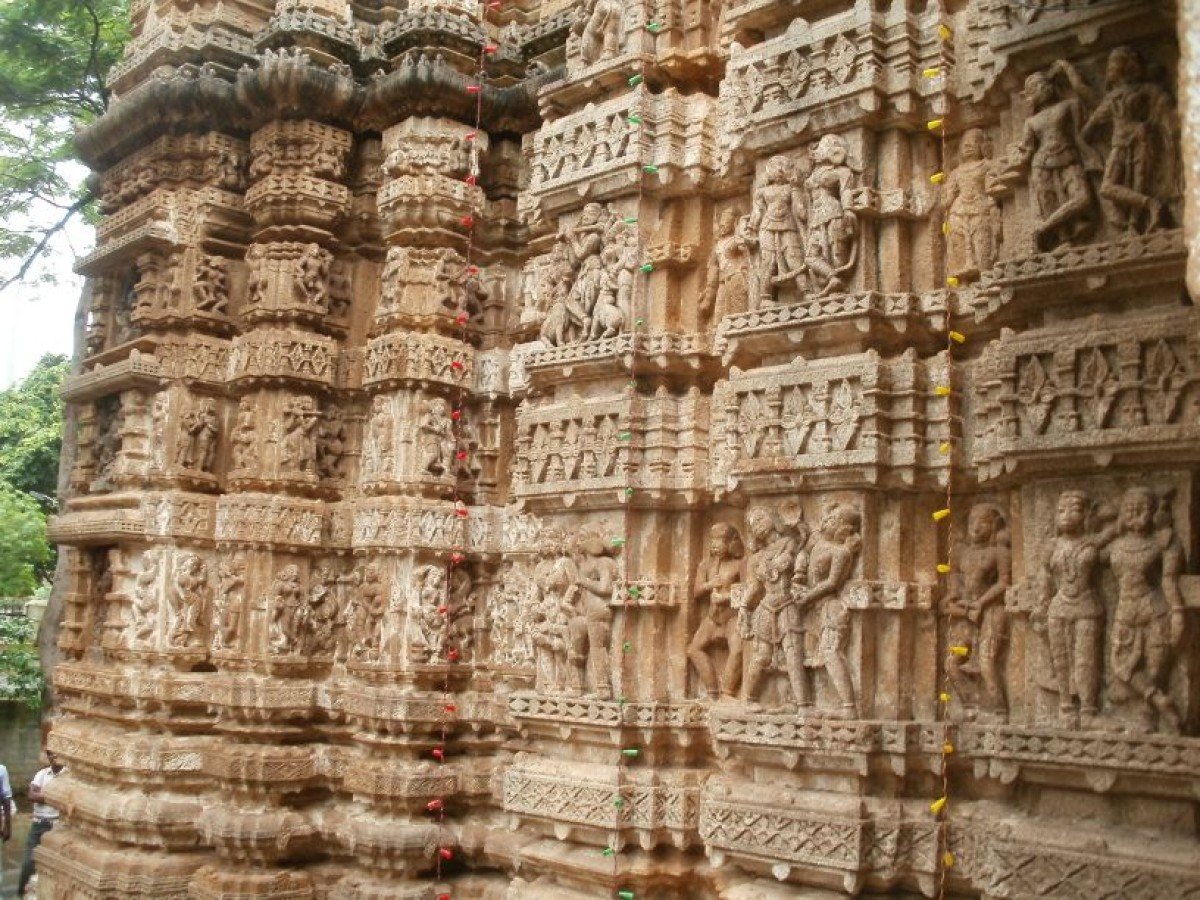
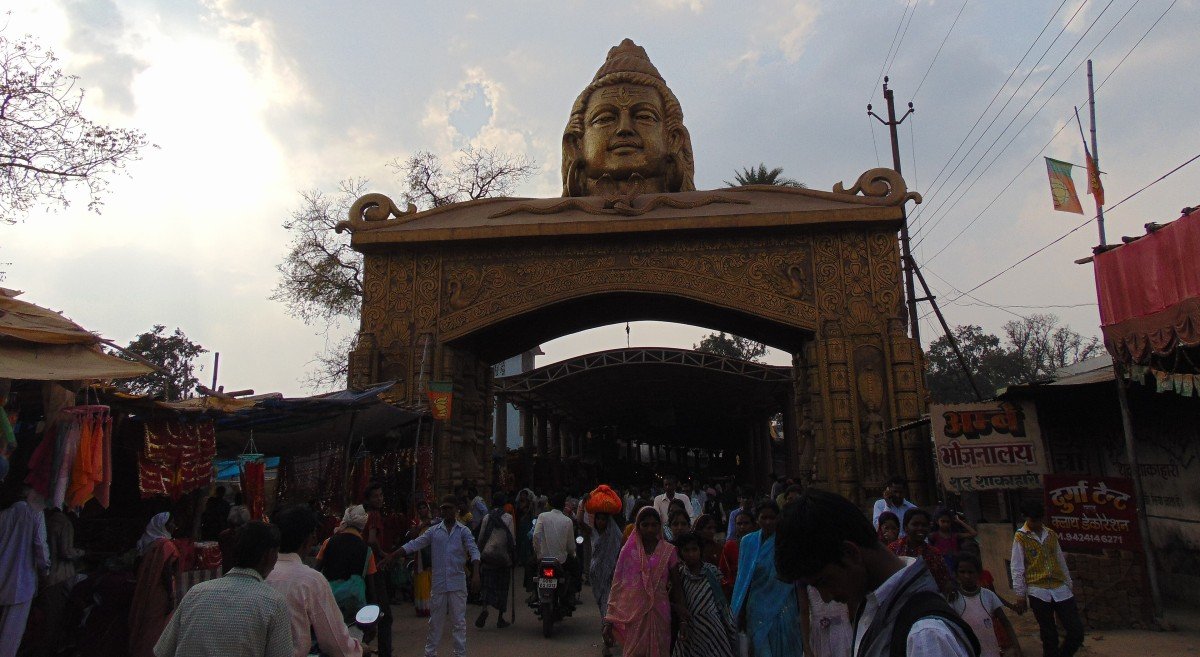
Temple Complex:The intricate carvings on the temple walls and the vibrant colors of the market offer excellent cultural photography opportunities.
Ramtekri Viewpoint:The hilltop provides a wide-angle view of the town’s landscape, ideal for...Temple Complex:The intricate carvings on the temple walls and the vibrant colors of the market offer excellent cultural photography opportunities.
Ramtekri Viewpoint:The hilltop provides a wide-angle view of the town’s landscape, ideal for landscape and sunset photography.
:Photo Gallery
Things To Do
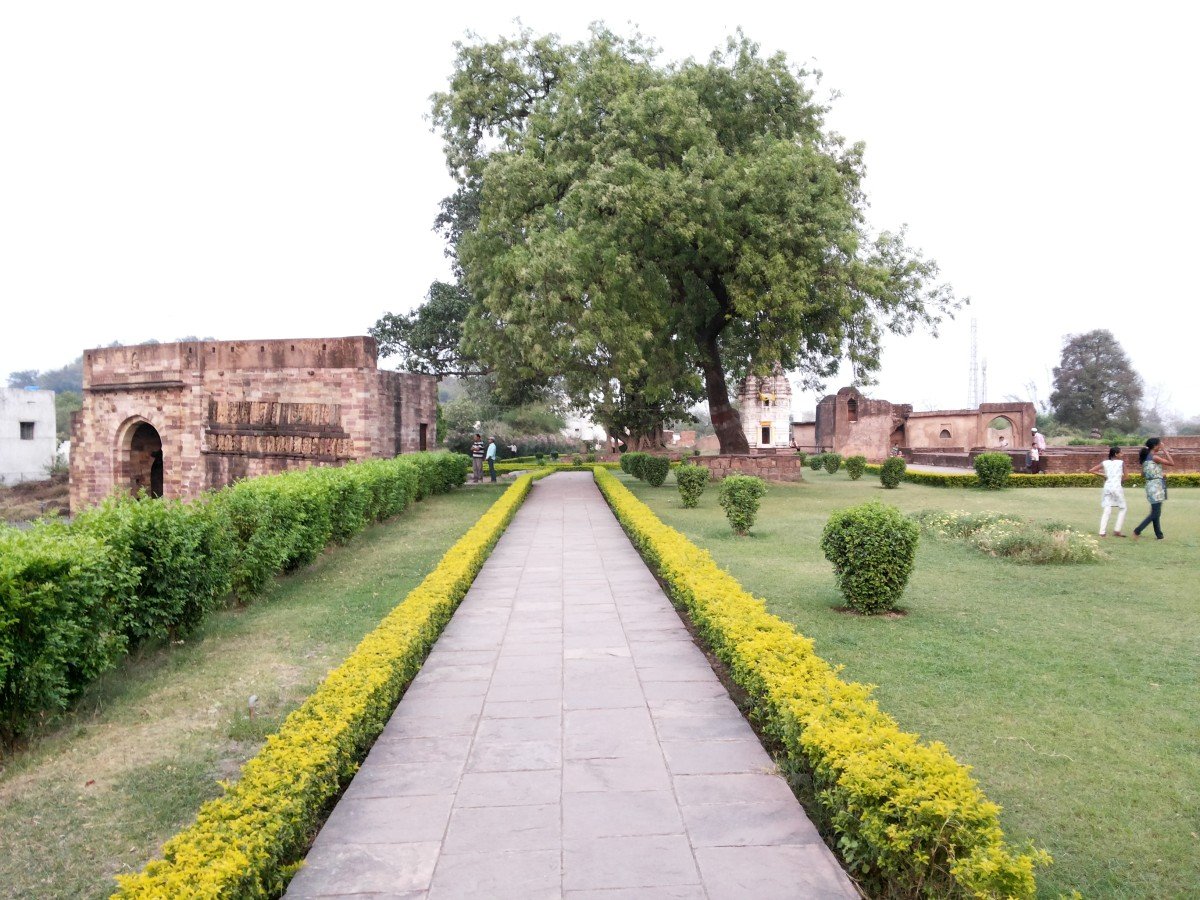
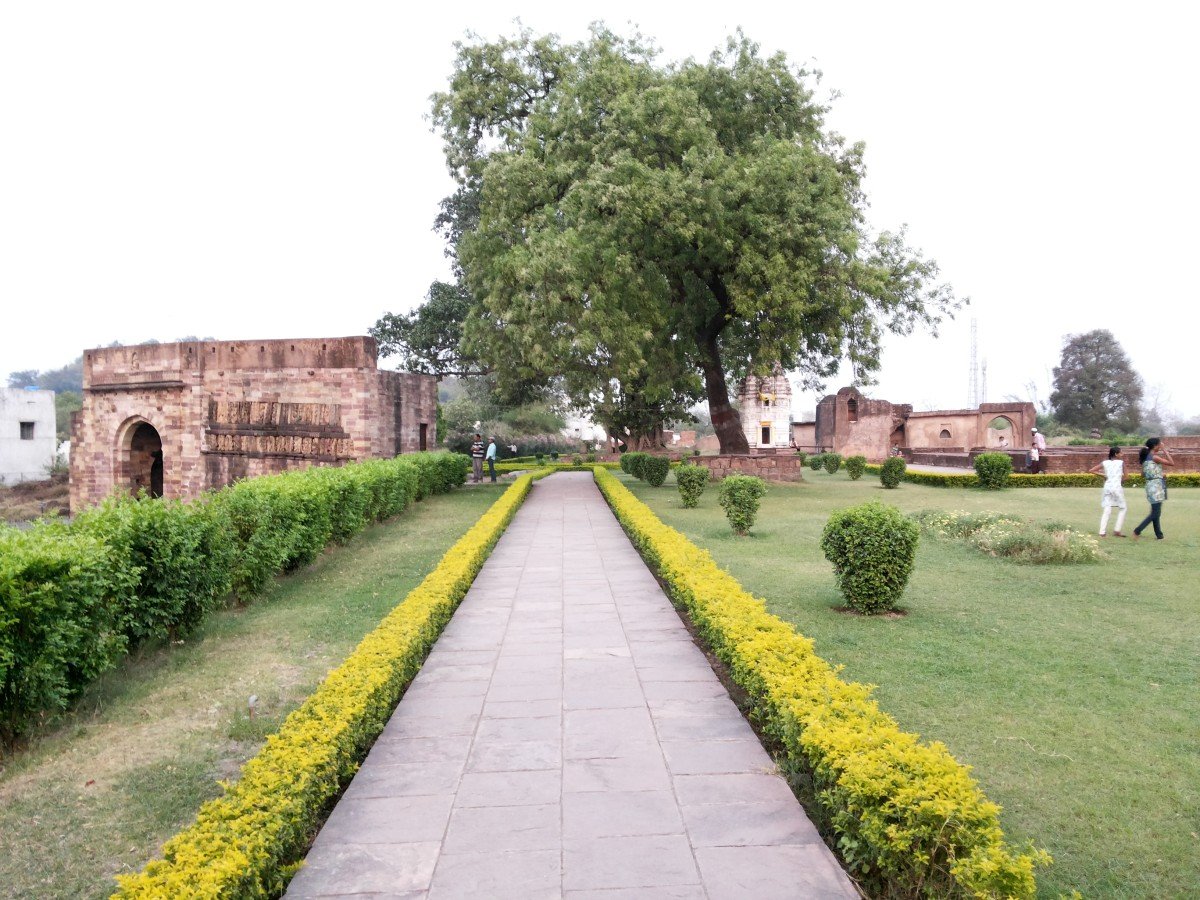
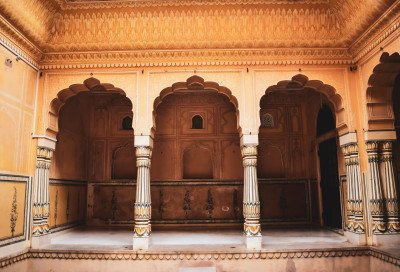 The Ratanpur Fort, also known as Gaj Kila or Old Fort, is a profound historical site that served as the capital of the powerful Kalachuri dynasty in Chhattisgarh. Its origins trace back to the 11th century AD, with King Ratnadeva I being credited for its establishment and making Ratanpur his capital. The fort was a major political and military hub for the region for centuries, witnessing the rise and fall of several rulers, including the later Marathas and finally the British. Although much of the fort is now in picturesque ruins, its surviving structures, like the massive fortification walls, remnants of four main gates, and watchtowers, speak volumes about the strategic importance and the grandeur of the Kalachuri period. It is now a site protected by the Archaeological Survey of India (ASI). Inside the complex, one can find various other ancient structures, including temples and reservoirs. The strategic location, not on a high mountain but a plateau, offered excellent command over the surrounding plains, making it a formidable defense structure. The remains of the ancient Mahamaya Temple complex are also closely associated with the fort's history. The blend of Hindu iconography on its walls and the sheer scale of the ruins make it a compelling destination for history enthusiasts and architects. It is a key landmark defining the heritage of Ratanpur, often referred to as Chaturyugi Nagari (city of four eras).
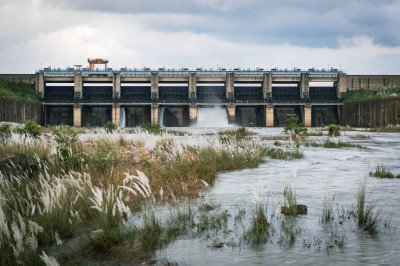 Khutaghat Dam, also known as the Sanjay Gandhi Reservoir, is one of the most famous tourist attractions near Ratanpur. Built in 1926 during the British era across the Kharang River, it serves as a vital source of irrigation for the surrounding plains. The dam is nestled amidst the lush green hills of the Vindhyan range, creating a picturesque setting that draws thousands of tourists every year. The reservoir's crystal-clear blue water and the surrounding forest make it a perfect destination for nature lovers and adventure seekers. The Irrigation Department maintains a rest house on a hillock that offers a bird's-eye view of the entire dam. Boating is a popular activity here, allowing visitors to explore the vast expanse of the water and get closer to the small islands within the reservoir. The dam is particularly beautiful during the monsoon when the excess water flows over the waste weir, creating a man-made waterfall. It is a favorite picnic spot for the people of Bilaspur and Ratanpur. The area is also home to a variety of local flora and fauna, making it a great place for light trekking. Whether you are looking for a peaceful retreat or a fun-filled day with family, Khutaghat offers something for everyone. Its proximity to the Mahamaya Temple makes it an easy addition to any Ratanpur itinerary.
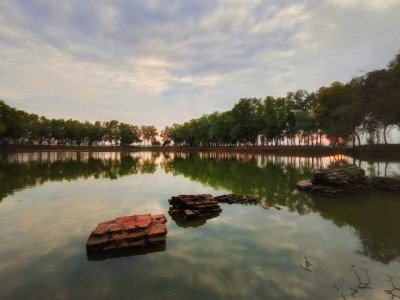 Chacheri Dam is a picturesque water reservoir located near the town of Kawardha. It serves as a vital source of irrigation for the surrounding agricultural lands and has evolved into a popular picnic destination for locals and tourists alike. The dam is built across a seasonal river and creates a vast expanse of blue water that contrasts beautifully with the green hills of the Maikal Range. It is particularly known for its serene atmosphere and the cool breeze that flows across the catchment area. During the monsoon season, the dam often overflows, creating a spectacular sight for visitors. Bird watchers find this place rewarding as several migratory species visit the reservoir during the winter months. The area around the dam is ideal for family outings, offering plenty of space for children to play and for groups to enjoy outdoor meals. The road leading to the dam is scenic, passing through tribal villages and dense forests. While it is not a major religious site, its proximity to the Bhoramdeo Temple makes it a frequent stop for travelers. The local government has made efforts to maintain the area, though it remains largely untouched by heavy commercialization. It is a place where one can truly connect with nature and enjoy the silence of the countryside. The sunset views here are particularly mesmerizing, making it a favorite spot for amateur photographers.
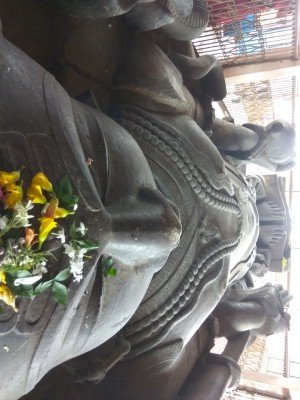 The Bhairavnath Mandir, dedicated to Baba Bairavnath, a fierce and protective incarnation of Lord Shiva (Kal Bhairav), is a key religious site in Ratanpur. It holds immense spiritual significance as it is believed that Kal Bhairav is the guardian deity (Kshetrapal) of the powerful Mahamaya Temple. According to strong local belief and tradition, the pilgrimage to the main Goddess Mahamaya is considered incomplete without paying homage and seeking the permission of the guardian deity, Bhairavnath. The temple is smaller and more austere than the Mahamaya Temple, reflecting the fierce nature of the deity. It is a place where devotees offer simple, direct prayers for protection, warding off evil spirits, and overall safety. The temple's presence on the highway approach road emphasizes its role as the protector of the town and the pilgrims entering it. The temple is ancient, though the exact date of its construction is less documented than the main temples, but it is certainly contemporaneous with the peak Kalachuri period when Shakti and Shaivism flourished in Ratanpur.
 Ram Jharna is a beautiful natural spring and waterfall located near Bhupdevpur in the Raigarh district. According to local mythology and the Ramayana, Lord Ram visited this spot during his 14-year exile. It is believed that he drank water from this spring, giving the place its sacred name. The waterfall is unique because the flow of water remains constant throughout the year, regardless of the season. The site is surrounded by a lush green forest, making it a popular picnic spot for locals and tourists alike. A small temple dedicated to Lord Ram and Goddess Sita is situated near the water source. The government has developed the area with gardens and pathways to facilitate visitors. The water is considered pure and has a refreshing quality. It serves as a peaceful retreat away from the city's hustle. Families often visit during weekends to enjoy the natural beauty and spiritual atmosphere. The site is also a part of the Ram Van Gaman Path, a tourism circuit following the trail of Lord Ram in Chhattisgarh. Its accessibility and religious ties make it a top attraction in the region.
 The Didneswari Temple, also known as the Dindeshwari Temple, is located in the ancient town of Malhar. This town was once the capital of the Kalchuri and Sharabhapuriya dynasties. The temple is dedicated to Goddess Dindeshwari, an incarnation of Shakti. The idol is uniquely carved from black granite and is considered extremely powerful by devotees. The temple complex is part of a larger archaeological area that includes several other ruins like the Pataleshwar Temple. Malhar is mentioned in ancient texts and was a major center on the trade route to south India. The Didneswari Temple itself has undergone various renovations, but the core remains deeply historical. Excavations in the surrounding area have revealed idols from the Buddhist, Jain, and Hindu faiths, proving Malhar's status as a multi-religious hub. The temple is situated near a large pond, and the atmosphere is one of profound peace. It is especially crowded during the Navratri festivals when thousands come to seek the Goddess's blessings. The local museum nearby houses many of the original sculptures found during excavations, providing context to the temple's history. Visiting this temple is like stepping back into the 10th century, as the town of Malhar has preserved its ancient, quiet character despite the passage of time.
Khadia Dam is a hidden treasure located at a distance from the main tourist circuit of Ratanpur. It is a major irrigation project that has evolved into a popular spot for nature lovers and peace seekers. The dam is built across a local tributary, creating a vast water body that reflects the clear blue sky. Surrounded by dense forests and small hillocks, the area offers a breathtaking landscape that changes with every season. During the monsoon, the dam overflows, creating a spectacular sight for visitors. Unlike the more crowded Khutaghat, Khadia Dam remains relatively untouched, providing a serene environment for those looking to escape the hustle of city life. Local villagers often use the reservoir for fishing, and one can see traditional boats gliding across the water. The drive to the dam passes through beautiful countryside, offering a glimpse into the rural life of Chhattisgarh. It is a perfect spot for photography, especially during sunrise and sunset. While there are limited commercial facilities, the raw beauty of the place is its main draw. Travelers often combine a visit here with a trip to the nearby Lormi forest range. The air here is crisp and pollution-free, making it a rejuvenating experience for everyone.Show All
The Ramtekri Mandir is another name for the Ram Tekri Temple, a peaceful Hindu temple dedicated to Lord Rama, situated on a scenic hillock on the edge of the ancient town of Ratanpur. Its history is strongly linked to the Maratha period, specifically the patronage of the pious Maratha ruler Bimbaji Bhosle in the 18th century. The temple's construction is a testament to the influence of Vaishnavism (worship of Lord Vishnu and his incarnations like Rama) under the Maratha administration, following the earlier dominance of Shaivism and Shaktism under the Kalachuris. Its elevated location, known as Ramtekri (Rama's Hill), provides a tranquil escape and a spectacular vantage point for viewing the numerous historical ponds (talabs) and the surrounding green landscape of Ratanpur. It's a place that draws both fervent devotees of Lord Rama and tourists seeking quiet contemplation and natural beauty. The temple is a significant cultural marker, illustrating the layered history of the town where different dynasties left their distinct spiritual and architectural imprints. The daily rituals maintain a continuous devotional practice here.
The Didneswari Temple, also known as the Dindeshwari Temple, is located in the ancient town of Malhar. This town was once the capital of the Kalchuri and Sharabhapuriya dynasties. The temple is dedicated to Goddess Dindeshwari, an incarnation of Shakti. The idol is uniquely carved from black granite and is considered extremely powerful by devotees. The temple complex is part of a larger archaeological area that includes several other ruins like the Pataleshwar Temple. Malhar is mentioned in ancient texts and was a major center on the trade route to south India. The Didneswari Temple itself has undergone various renovations, but the core remains deeply historical. Excavations in the surrounding area have revealed idols from the Buddhist, Jain, and Hindu faiths, proving Malhar's status as a multi-religious hub. The temple is situated near a large pond, and the atmosphere is one of profound peace. It is especially crowded during the Navratri festivals when thousands come to seek the Goddess's blessings. The local museum nearby houses many of the original sculptures found during excavations, providing context to the temple's history. Visiting this temple is like stepping back into the 10th century, as the town of Malhar has preserved its ancient, quiet character despite the passage of time.
Khadia Dam is a hidden treasure located at a distance from the main tourist circuit of Ratanpur. It is a major irrigation project that has evolved into a popular spot for nature lovers and peace seekers. The dam is built across a local tributary, creating a vast water body that reflects the clear blue sky. Surrounded by dense forests and small hillocks, the area offers a breathtaking landscape that changes with every season. During the monsoon, the dam overflows, creating a spectacular sight for visitors. Unlike the more crowded Khutaghat, Khadia Dam remains relatively untouched, providing a serene environment for those looking to escape the hustle of city life. Local villagers often use the reservoir for fishing, and one can see traditional boats gliding across the water. The drive to the dam passes through beautiful countryside, offering a glimpse into the rural life of Chhattisgarh. It is a perfect spot for photography, especially during sunrise and sunset. While there are limited commercial facilities, the raw beauty of the place is its main draw. Travelers often combine a visit here with a trip to the nearby Lormi forest range. The air here is crisp and pollution-free, making it a rejuvenating experience for everyone.Show All
The Ramtekri Mandir is another name for the Ram Tekri Temple, a peaceful Hindu temple dedicated to Lord Rama, situated on a scenic hillock on the edge of the ancient town of Ratanpur. Its history is strongly linked to the Maratha period, specifically the patronage of the pious Maratha ruler Bimbaji Bhosle in the 18th century. The temple's construction is a testament to the influence of Vaishnavism (worship of Lord Vishnu and his incarnations like Rama) under the Maratha administration, following the earlier dominance of Shaivism and Shaktism under the Kalachuris. Its elevated location, known as Ramtekri (Rama's Hill), provides a tranquil escape and a spectacular vantage point for viewing the numerous historical ponds (talabs) and the surrounding green landscape of Ratanpur. It's a place that draws both fervent devotees of Lord Rama and tourists seeking quiet contemplation and natural beauty. The temple is a significant cultural marker, illustrating the layered history of the town where different dynasties left their distinct spiritual and architectural imprints. The daily rituals maintain a continuous devotional practice here.Information
-
Why Famous:
Shakti Peetha:It is widely famous as a Siddha Shakti Peeth, where the torso of Sati is believed to have fallen.
Historical Significance:The town served as the capital for the Haihayavansi kingdom for centuries, leaving behind a rich archaeol...Shakti Peetha:It is widely famous as a Siddha Shakti Peeth, where the torso of Sati is believed to have fallen.
Historical Significance:The town served as the capital for the Haihayavansi kingdom for centuries, leaving behind a rich archaeological legacy.
: -
Architecture:
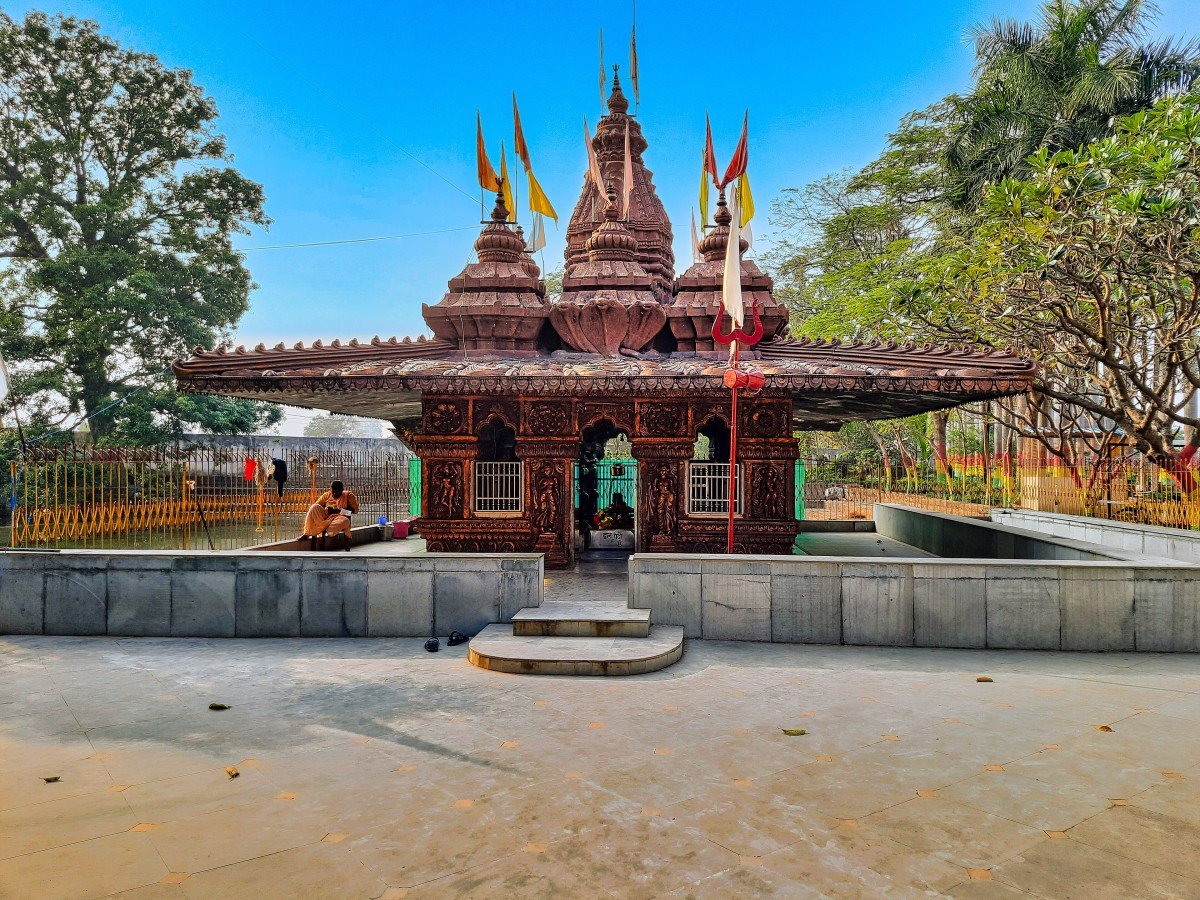
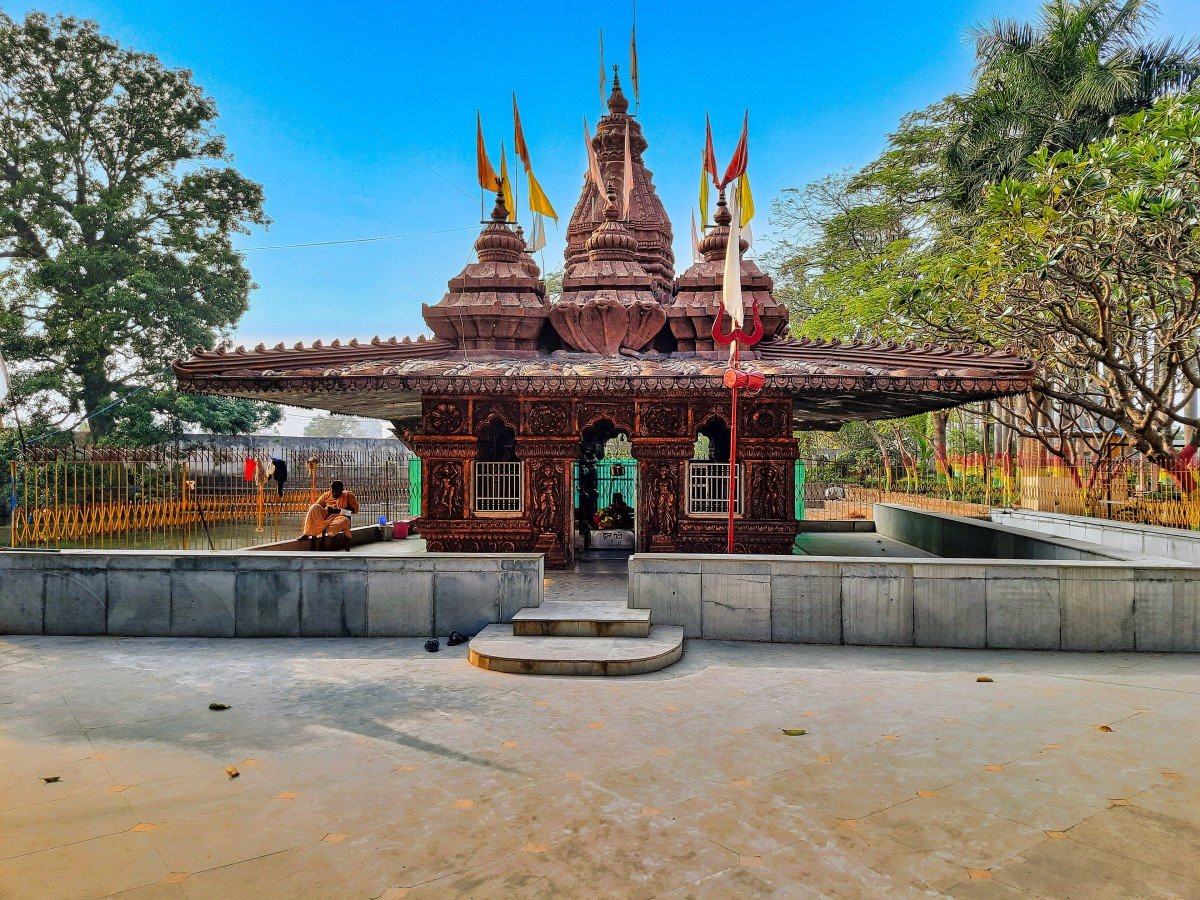
Nagara Architecture:The Mahamaya Temple exhibits the classic Nagara style with a prominent Shikhara and beautiful stone carvings on its pillars.
Fortification Features:The Ratanpur Fort displays a mix of local stone masonry and Maratha archi...Nagara Architecture:The Mahamaya Temple exhibits the classic Nagara style with a prominent Shikhara and beautiful stone carvings on its pillars.
Fortification Features:The Ratanpur Fort displays a mix of local stone masonry and Maratha architectural elements, including large gateways and defensive walls.
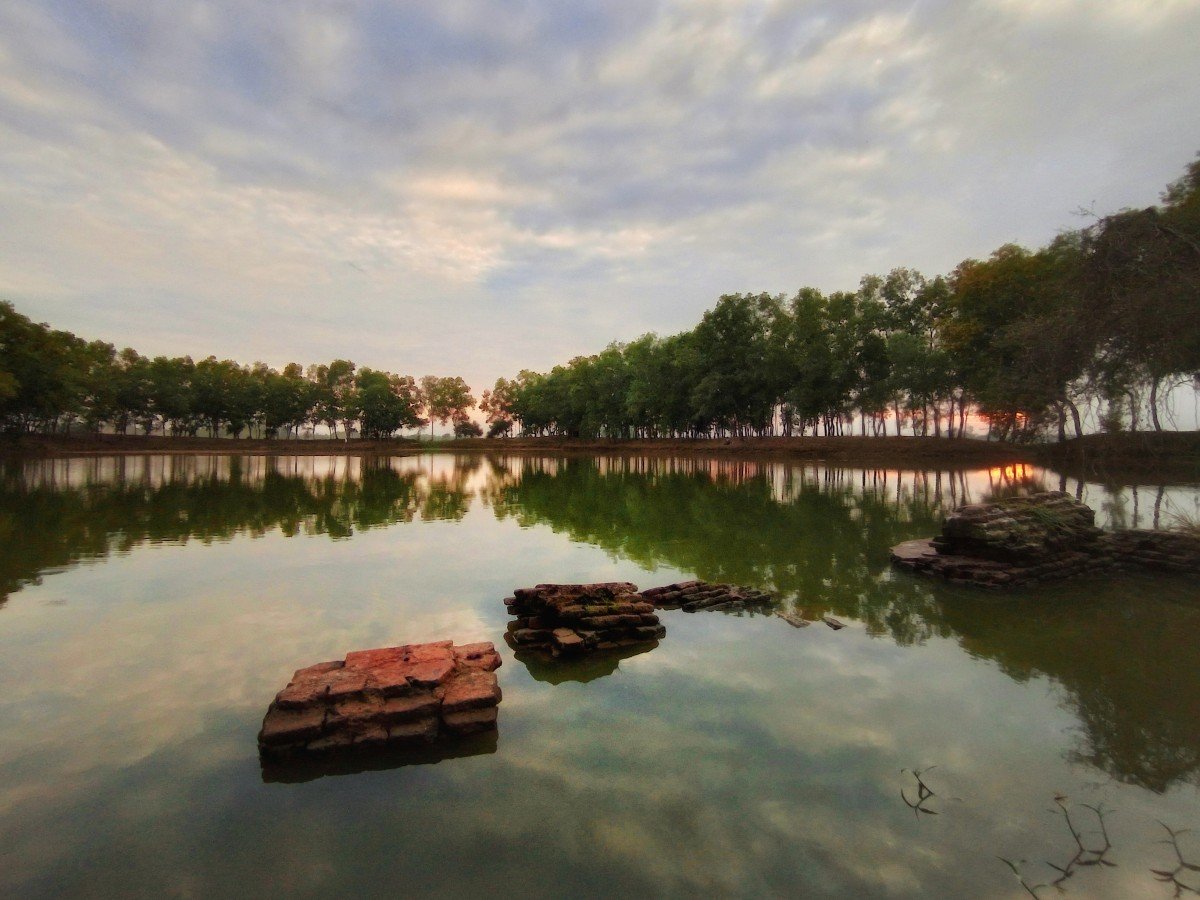
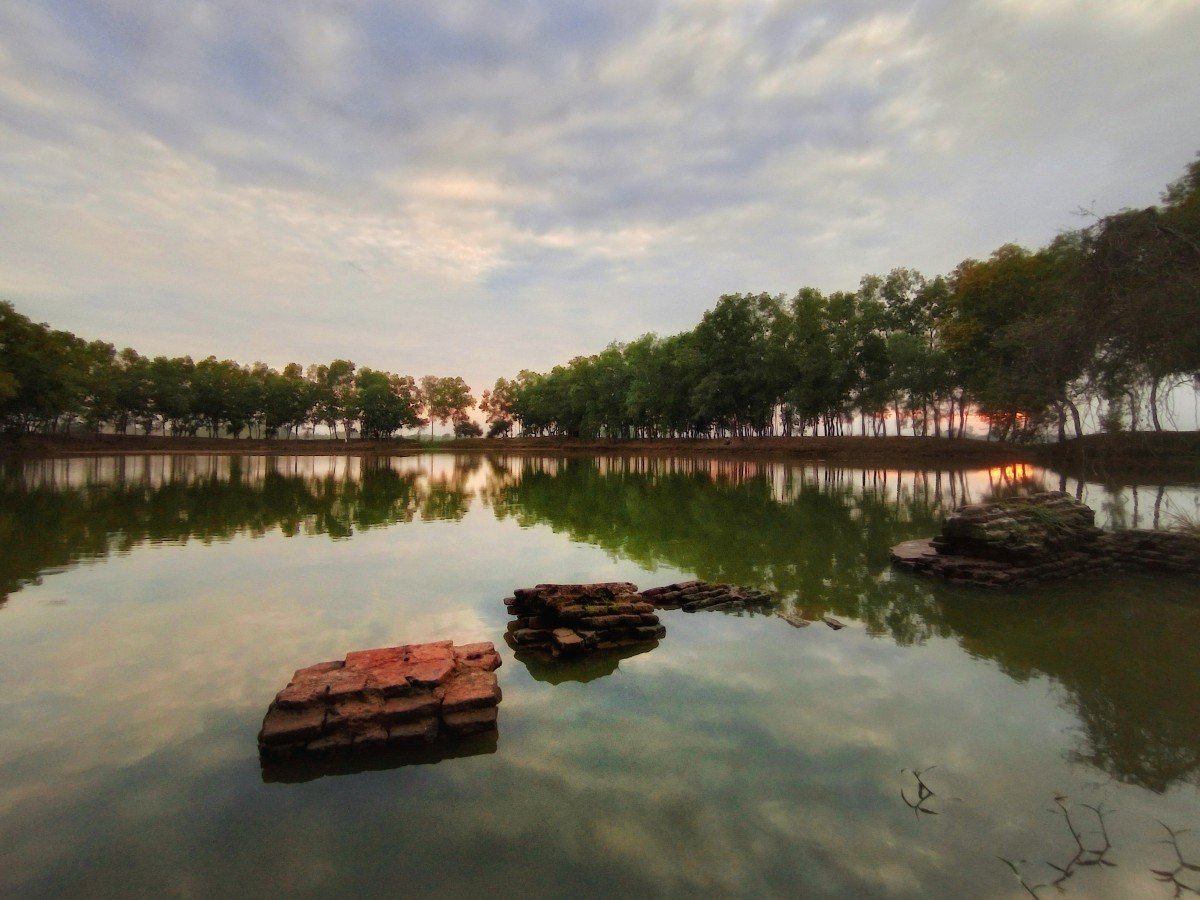
Ponds and Ghats:The town is famous for its massive water tanks like the Ratnapur Lake, which are engineered with ancient drainage and stone steps.
: -
How To Reach:
By Air:The nearest airport is Bilaspur (PAB) for small aircraft, or Raipur (RPR) which is about 150 km away.
By Train:Bilaspur Junction is the nearest major railway station, located roughly 25 km from the town of Ratanpur.
Read MoreBy Air:The nearest airport is Bilaspur (PAB) for small aircraft, or Raipur (RPR) which is about 150 km away.
By Train:Bilaspur Junction is the nearest major railway station, located roughly 25 km from the town of Ratanpur.
By Road:Regular buses and taxis ply between Bilaspur and Ratanpur via the NH-130 highway, taking about 45 minutes.
By Local Transport:Auto-rickshaws and local shared vans are the most common ways to navigate within the town and reach the fort.
:Weather and Best Time to Visit:
Winter Months:From November to February, the weather is very pleasant, making it easy to climb hills and explore the fort.
Festival Timing:Visit during Navratri to see the spiritual fervor, though be prepared for very large crowds and long w...Winter Months:From November to February, the weather is very pleasant, making it easy to climb hills and explore the fort.
Festival Timing:Visit during Navratri to see the spiritual fervor, though be prepared for very large crowds and long waiting times.
:Near Tourist Places:
1. Bilaspur (25 KM), 2. Malhar (40 KM), 3. Kanan Pendari (35 KM), 4. Tala (55 KM), 5. Pali (50 KM), 6. Chaiturgarh (70 KM), 7. Kendai Falls (85 KM), 8. Amarkantak (110 KM), 9. Khutaghat Dam (15 KM), 10. Madku Dweep (60 KM)Tourism Tips
-
Health & Safety:Wear comfortable walking shoes for the fort and hill climb, and carry plenty of water to stay hydrated.
Dress Code:Maintain decorum by dressing modestly; avoid shorts or sleeveless clothes when entering the main temple premi...Health & Safety:Wear comfortable walking shoes for the fort and hill climb, and carry plenty of water to stay hydrated.
Dress Code:Maintain decorum by dressing modestly; avoid shorts or sleeveless clothes when entering the main temple premises.
Local Guides:Consider hiring a local guide at the fort to learn about the hidden stories and historical facts of the Kalchuri kings.
Stay Options:While Ratanpur has basic guest houses, most travelers prefer staying in Bilaspur for better hotel facilities and food options.
:
Reviews
FAQs
Ratanpur Itineray And Cost:-
Other Places In Chhattisgarh :-
Other States In India :-
Information about New and Updated Locations() of Chhattisgarh Has Been Added :-
Card subtitle
Note:-
Information provided here in good Faith and for reference only.
Near Places
Ambikapur
Some quick example text to build on the card title and make up the bulk of the card's content.
Go somewhere
Bastar
Some quick example text to build on the card title and make up the bulk of the card's content.
Go somewhere
Bilai
Some quick example text to build on the card title and make up the bulk of the card's content.
Go somewhere
Bilaspur
Some quick example text to build on the card title and make up the bulk of the card's content.
Go somewhere
Dantewada
Some quick example text to build on the card title and make up the bulk of the card's content.
Go somewhere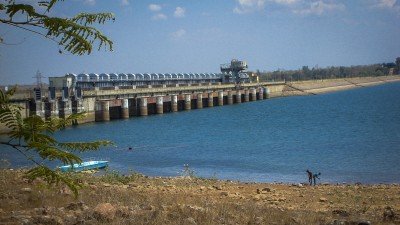
Dhamtari
Some quick example text to build on the card title and make up the bulk of the card's content.
Go somewhere
Durg
Some quick example text to build on the card title and make up the bulk of the card's content.
Go somewhere
Ghoghrapur
Some quick example text to build on the card title and make up the bulk of the card's content.
Go somewhere
Kabirdham
Some quick example text to build on the card title and make up the bulk of the card's content.
Go somewhere
Kanker
Some quick example text to build on the card title and make up the bulk of the card's content.
Go somewhere
Kirandul
Some quick example text to build on the card title and make up the bulk of the card's content.
Go somewhere
Kondagaon
Some quick example text to build on the card title and make up the bulk of the card's content.
Go somewhere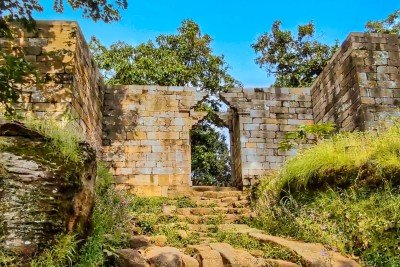
Korba
Some quick example text to build on the card title and make up the bulk of the card's content.
Go somewhere
Mahasamund
Some quick example text to build on the card title and make up the bulk of the card's content.
Go somewhere
Mainpat
Some quick example text to build on the card title and make up the bulk of the card's content.
Go somewhere
Narayanpur
Some quick example text to build on the card title and make up the bulk of the card's content.
Go somewherein Other Cities