...

Place To Visit And Things To Do In WARANGAL

Telangana, India
Historical Capital: Warangal was the capital of the Kakatiya Dynasty between the 12th and 14th centuries, known for its architectural and military might. UNESCO Recognition: The city is home to several UNESCO heritage sites, including the nearby Ramappa Temple, marking its global cultural significan ce. The Stone City: Derived from 'Orugallu' meaning 'One Stone', the city is literally built around massive granite formations and intricate rock-cut structures. Urban Development: Today, it is the second-largest city in Telangana, blending ancient ruins with modern educational hubs like NIT Warangal.

Things To Do

Card image cap
Badrakali Foreshore Bund

The Badrakali Foreshore Bund is a beautifully developed stretch along the man-made Bhadrakali Lake, providing a pleasant pathway for walking and enjoy...
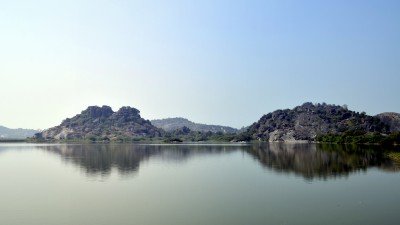
The Badrakali Foreshore Bund is a beautifully developed stretch along the man-made Bhadrakali Lake, providing a pleasant pathway for walking and enjoying the views. Built during the Kakatiya reign, the lake was originally created for irrigation purposes. The bund, recently developed, offers a modern, recreational space for locals and tourists alike to relax near the water. The surrounding environment is characterized by lush greenery and the prominent Ekashila Gutta rock formations in the distance, creating a tranquil atmosphere ideal for unwinding. This area perfectly blends historical significance with contemporary urban development, making it a popular spot for evening strolls and morning jogs. The bund acts as a major hub for community gathering, especially at sunset.
Card image cap
Bhadrakali Temple

The Bhadrakali Temple is one of the oldest temples dedicated to Goddess Bhadrakali, a fierce form of Kali. It is believed to have been constructed aro...
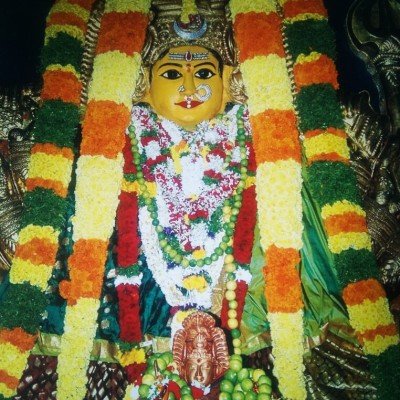
The Bhadrakali Temple is one of the oldest temples dedicated to Goddess Bhadrakali, a fierce form of Kali. It is believed to have been constructed around 625 A.D. by the Chalukya King Pulakeshin II to celebrate his victory over the Vengi region. The temple stands picturesquely on the banks of the large man-made Bhadrakali Lake, surrounded by natural rock formations and hills, lending it a serene and spiritually charged atmosphere. Later, the Kakatiya rulers, who considered Goddess Bhadrakali their ancestral deity, made significant additions and renovations, further elevating its importance. The temple is a major pilgrimage site and a prime example of historical and architectural synthesis in the region.
Card image cap
Bpl

Bolle Pally Hills, often referred to by locals as BPL Hills, is a rising eco-tourism destination that offers a refreshing escape from the urban spraw...

Bolle Pally Hills, often referred to by locals as BPL Hills, is a rising eco-tourism destination that offers a refreshing escape from the urban sprawl of Warangal. Located approximately 45 kilometers from the city center, these hills are characterized by their rugged granite boulders and lush seasonal greenery that transforms into a vibrant landscape during the monsoon. The area is becoming a hotspot for adventure seekers and nature enthusiasts who wish to experience the rustic charm of the Deccan plateau. The hills provide a natural vantage point to view the sprawling agricultural fields and smaller water bodies that dot the landscape of the Bollepalle region. Historically, these rock formations have stood as silent witnesses to the changing dynasties of the region, though they remain largely a natural wonder rather than a man-made monument. Visitors often find the atmosphere here to be significantly cooler and cleaner than the city, making it a perfect spot for weekend getaways. The lack of heavy commercialization ensures that the raw beauty of the hills remains intact, offering a sense of solitude and peace. It is a place where one can hear the rustle of the wind and the chirping of local birds without the interference of traffic noise. The terrain is a mix of gentle slopes and steep rocky outcrops, catering to both casual walkers and seasoned trekkers. As tourism develops, the local community is increasingly involved in maintaining the pristine nature of the site, ensuring that the ecological balance is preserved for future generations of travelers.
Card image cap
Dharmapuram Cheruvu

Dharmapuram Cheruvu is a historical water tank or reservoir (Cheruvu means lake/tank in Telugu) located near the village of Dharmapuram. Like many oth...
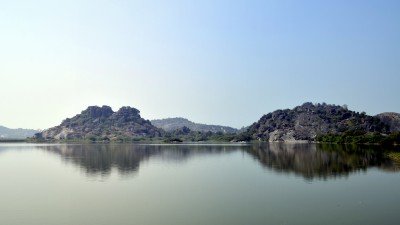
Dharmapuram Cheruvu is a historical water tank or reservoir (Cheruvu means lake/tank in Telugu) located near the village of Dharmapuram. Like many other such water bodies in the region, it is a testament to the advanced hydrological engineering and conservation efforts of the ancient Kakatiya dynasty, who prioritized building tanks for irrigation and water supply. The lake serves as a vital water source for agriculture in the surrounding villages, supporting the local economy. It is a relatively untouched, serene spot, providing a glimpse into the rural landscape and offering peaceful natural surroundings away from the urban chaos of Warangal city.
Card image cap
Ekashila Gutta

Ekashila Gutta literally means 'Single Stone Hill' (Eka-One, Shila-Stone, Gutta-Hill) and is the massive monolithic rock on which the ancient city of ...
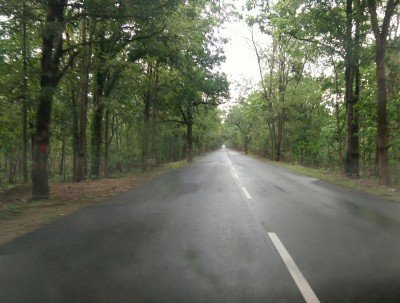
Ekashila Gutta literally means 'Single Stone Hill' (Eka-One, Shila-Stone, Gutta-Hill) and is the massive monolithic rock on which the ancient city of Orugallu (the historical name for Warangal) was founded by the Kakatiya dynasty. The city and its fort derived their name from this prominent geological feature. Perched atop the rock is a small, ancient temple, likely dedicated to Lord Shiva, which adds to its historical and spiritual significance. The rock formation is an integral part of the outer ring of the Warangal Fort's fortifications, demonstrating its strategic importance as a natural defense. Today, it offers a high vantage point for a panoramic view of the surrounding Warangal landscape and the ancient fort remains.
Card image cap
Eturnagaram Wildlife Sanctuary

Eturnagaram Wildlife Sanctuary is one of the oldest and most significant protected areas in Telangana, established in 1953 by the erstwhile Hyderabad...

Eturnagaram Wildlife Sanctuary is one of the oldest and most significant protected areas in Telangana, established in 1953 by the erstwhile Hyderabad government. Spanning over 812 square kilometers, this sanctuary is a sanctuary of biodiversity, nestled near the borders of Maharashtra and Chhattisgarh. The sanctuary is bifurcated by the perennial Dayyum Vagu river, which provides a vital water source for the diverse fauna inhabiting the region. The landscape is a stunning mix of undulating plains, gentle slopes, and dense tropical dry deciduous forests. Visitors are treated to a canopy of Teak, Bamboo, and Maddi trees that reach heights of over 60 feet. Historically, this region has been home to various indigenous tribes who have coexisted with the wildlife for centuries. The sanctuary serves as a critical corridor for migratory animals and is a haven for several endangered species. The air here is thick with the scent of wild blossoms and the sounds of a thriving ecosystem. It offers a stark contrast to the historical monuments of Warangal, providing a raw, natural experience that showcases the ecological wealth of the Deccan. The sanctuary is not just a forest but a living laboratory for researchers and a paradise for nature lovers. Efforts by the Telangana Forest Department have made it more accessible through eco-tourism initiatives, including forest stays and guided safaris that educate visitors about conservation.
Card image cap
Ghanpur Group of Temples

The Ghanpur Group of Temples, popularly known as Kota Gullu, is a magnificent complex of 22 ancient temples built during the 12th and 13th centuries ...
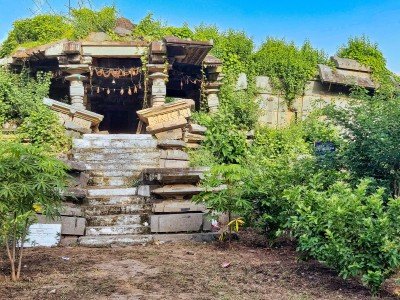
The Ghanpur Group of Temples, popularly known as Kota Gullu, is a magnificent complex of 22 ancient temples built during the 12th and 13th centuries under the patronage of the Kakatiya King Ganapati Deva. Located in a quiet village, this site serves as a testament to the architectural brilliance and cultural richness of the Kakatiya dynasty. The complex is enclosed within a double-walled stone fortification, which gave it the name "Kota Gullu" (Fort Temples). The main temple, dedicated to Lord Shiva, is a larger version of the famous Ramappa Temple but unfortunately remains in a partially ruined state due to historical invasions and the passage of time. Despite the ruins, the site acts as an open-air museum where one can see intricately carved pillars, lintels, and ceilings scattered across the courtyard. The atmosphere is one of profound historical melancholy and artistic grandeur. Each stone tells a story of a time when this was a thriving center of worship and power. The surrounding area is filled with lush green fields and tall palm trees, creating a picturesque backdrop for the weathered grey sandstone structures. Visitors can wander through the various sub-shrines, each showing unique architectural nuances. The Ghanpur temples are less crowded than other sites in Warangal, offering a more intimate and quiet experience for those who wish to study Kakatiya art without the bustle of large tourist groups. It is a place that invites contemplation on the impermanence of empires and the endurance of art.
Card image cap
Hasanparthy Lake

Hasanparthy Lake (Cheruvu) is another large, vital water body in the Warangal district, located near the village of Hasanparthy. It is one of the many...
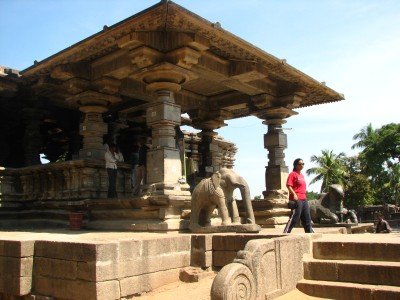
Hasanparthy Lake (Cheruvu) is another large, vital water body in the Warangal district, located near the village of Hasanparthy. It is one of the many irrigation tanks constructed during the Kakatiya period, showcasing the dynasty's commitment to water conservation and agricultural prosperity. The lake, surrounded by green fields and dotted with scattered hillocks, remains relatively undeveloped for tourism compared to other popular spots. This lack of commercialization contributes to its quiet, natural charm, making it a peaceful retreat for local nature lovers, birdwatchers, and those seeking rural tranquility. It serves as a lifeline for irrigation in the Hasanparthy region.
Card image cap
Kakatiya Musical Garden

The Kakatiya Musical Garden is a popular urban park designed for family entertainment and relaxation. Located very close to the Bhadrakali Temple, it ...

The Kakatiya Musical Garden is a popular urban park designed for family entertainment and relaxation. Located very close to the Bhadrakali Temple, it covers an area of about 15 acres and is named in honor of the great Kakatiya dynasty, though the garden itself is a modern creation. Its main attraction is the colorful musical fountain show, which draws large crowds in the evening. The garden also features lush lawns, a variety of flowering plants, rock sculptures, a children's play area, and a boating facility on a small man-made pond. It serves as an enjoyable public space, perfect for an evening out or a family picnic, offering a contrast to the historical sites of the city.
Card image cap
Kakatiya Rock Garden

The Kakatiya Rock Garden is a beautifully developed public park renowned for its landscape architecture and creative use of natural and artificial roc...
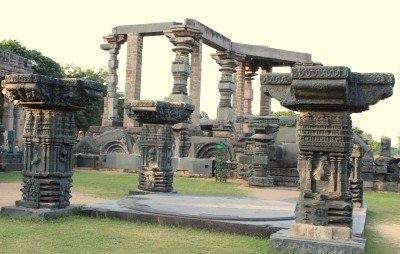
The Kakatiya Rock Garden is a beautifully developed public park renowned for its landscape architecture and creative use of natural and artificial rock formations. The garden is a tribute to the sculptural heritage of the Kakatiya dynasty and is located conveniently close to the Bhadrakali Temple and the Kakatiya Musical Garden. It features various intricate rock sculptures, often depicting animals, mythological figures, and scenes from the region's history, set amidst lush green meadows, decorative plants, and serene water bodies. It is a peaceful and scenic spot, offering a blend of art, nature, and recreation, making it an excellent location for leisurely walks, family outings, and photography. The overall design emphasizes the raw beauty of stone and landscape.
Card image cap
Kakatiyan Stepped Well

@@Historical Significance and Purpose: The Kakatiyan Stepped Well, also known as Anthasthula Bavi or Metla Bavi, is an 800-year-old three-storied arch...
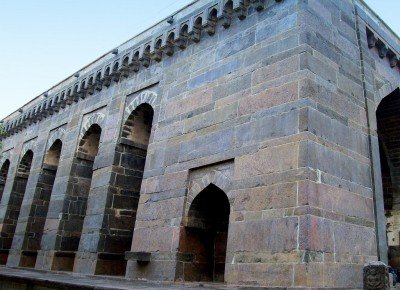
@@Historical Significance and Purpose: The Kakatiyan Stepped Well, also known as Anthasthula Bavi or Metla Bavi, is an 800-year-old three-storied architectural marvel built by the Kakatiya dynasty, known for its ingenious water conservation systems. It served the dual purpose of a year-round water source for the capital, Orugallu, which was not near a major river, and as a cooling, multi-purpose space. Its design ensured effective rainwater harvesting and retention, even through the dry seasons, showcasing the advanced engineering skills of the Kakatiya period. It is believed to have been a private bathing and ritual spot for royalty, possibly even for Queen Rudrama Devi. @@Restoration and Revival: For decades, the well was neglected and used as a dumping yard, losing its functional and aesthetic value. A recent, significant restoration project was initiated and completed, successfully clearing debris, stabilizing the structure, and adding new stone slabs, protective railings, and lighting, reviving its former grandeur and preserving the ancient masonry, which highlights the Kakatiya legacy of excellence. @@Cultural Heritage: The well is a prime example of Kakatiya hydraulic engineering and is part of Warangal's recognition as a Heritage City. Its deep connection to the dynasty's capital and its royal past makes it a significant historical landmark, offering a tangible link to the daily life and infrastructure of the 13th century.
Card image cap
Khush Mahal

@@Historical Context: Khush Mahal (also known as Shitab Khan Mahal) is a significant 14th-century structure that stands within the ruins of the inner ...
@@Historical Context: Khush Mahal (also known as Shitab Khan Mahal) is a significant 14th-century structure that stands within the ruins of the inner ring of the Warangal Fort. Its history is complex, reflecting the transition of power after the fall of the Kakatiya dynasty. It is primarily attributed to the Tughlaq dynasty's Prince Ulugh Khan (who later became Muhammad bin Tughlaq) after the conquest of Warangal in 1323 CE, often built on the site of the former Kakatiya palace. @@Later Use: Some accounts suggest it was built or significantly used later by Shitab Khan, the Qutb Shahi Governor of Warangal in the 16th century, who allegedly used it as an auditorium or a grand audience hall (Diwan-i-Aam), which is the most widely accepted purpose today. The Khush Mahal is one of the few standing structures reflecting the early Indo-Islamic or Tughlaq architectural style in the region. @@Significance: The structure is a powerful reminder of the layered history of Warangal, a city that served as the capital for the Kakatiya dynasty and subsequently fell under the control of the Delhi Sultanate, Bahmani, and Qutb Shahi dynasties. It houses a small museum displaying fragmented idols and sculptures excavated from the fort ruins, including those from the nearby Jain and Swayambhu temple enclosures.
Card image cap
Laknavaram Lake

Laknavaram Lake is a sprawling man-made reservoir that represents the pinnacle of 13th-century Kakatiya irrigation engineering. Created by damming a ...
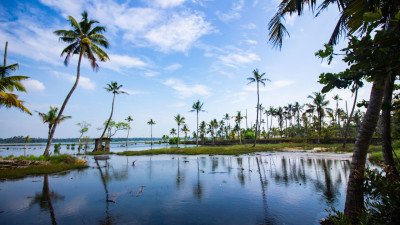
Laknavaram Lake is a sprawling man-made reservoir that represents the pinnacle of 13th-century Kakatiya irrigation engineering. Created by damming a natural basin surrounded by hills, the lake covers an area of over 10,000 acres. What makes this lake unique are the 13 small islands scattered across its serene waters, creating a landscape that looks more like a coastal lagoon than an inland reservoir. The lake is cradled by the dense forests of the Eturnagaram sanctuary range, providing a lush green backdrop that stays vibrant for most of the year. The government of Telangana has developed this into a world-class eco-tourism destination, most notably by constructing a 160-meter-long hanging bridge that connects three of the main islands. Walking across this suspension bridge, with the water shimmering below and the hills rising in the distance, is a signature experience in the Warangal region. The lake serves as a vital water source for thousands of acres of agricultural land, yet it has managed to retain its wild, natural charm. At sunrise, the lake is often covered in a thin mist, with the calls of water birds echoing across the islands. It is a place of immense tranquility where the only sounds are the gentle lap of waves and the distant hum of a motorboat. The development of cottages on the islands allows visitors to spend a night literally surrounded by water, making it one of the most romantic and peaceful spots in southern India.
Card image cap
Mallanna Gandi Waterfall'S

Mallanna Gandi Waterfall'S is a hidden natural jewel located near the village of Malkapur in the Warangal district. Unlike the more famous waterfalls...

Mallanna Gandi Waterfall'S is a hidden natural jewel located near the village of Malkapur in the Warangal district. Unlike the more famous waterfalls of Telangana, Mallanna Gandi offers a more secluded and raw experience, tucked away in a rocky gorge. The waterfall is formed by a seasonal stream that plunges over a series of granite tiers, creating a soothing sound that resonates through the narrow valley (Gandi). The name is derived from the local deity Mallanna, making it a site of both natural beauty and local spiritual significance. During the peak monsoon season, the waterfall swells into a powerful cascade, surrounded by the lush green vegetation that clings to the rocky cliffs. The trek to the waterfall involves navigating through a bit of rugged terrain, which adds an element of adventure to the visit. It is a popular spot for local youth and families from nearby villages who come to enjoy the cool waters and the shaded environment of the gorge. The water creates small, shallow pools at the base where visitors can safely wade and cool off. Because it is not yet a mainstream tourist destination, there is a sense of discovering something secret and untouched. The surrounding hills offer a beautiful backdrop for short hikes, providing views of the agricultural heartland of Telangana. It is a place that celebrates the seasonal rhythms of the region, coming to life with the first rains and offering a tranquil sanctuary for those looking to escape the heat of the plains.
Card image cap
Mandalagudem Waterfalls

Located in the serene Mandalagudem village, these waterfalls are a seasonal marvel that comes alive during the monsoon. The water cascades down rocky...

Located in the serene Mandalagudem village, these waterfalls are a seasonal marvel that comes alive during the monsoon. The water cascades down rocky steps, creating a refreshing atmosphere for nature lovers. It is surrounded by lush green fields and rustic landscapes, providing a perfect escape from the urban hustle. Local residents often visit for weekend picnics, making it a vibrant spot during holidays. The sound of rushing water and the misty spray offer a therapeutic experience for all visitors. This place is relatively untouched by heavy commercialization, preserving its raw natural beauty for explorers.
Card image cap
Mylaram Caves

These recently discovered limestone caves are a geological marvel, often compared to the Borra Caves. Inside, visitors find incredible formations of ...

These recently discovered limestone caves are a geological marvel, often compared to the Borra Caves. Inside, visitors find incredible formations of stalactites and stalagmites that have taken millions of years to grow. The caves consist of several chambers, some of which require crawling through narrow passages, adding an adventurous touch. The interior remains cool even when the outside temperature is high, providing a unique microclimate. Archeologists believe these caves might have served as shelters for prehistoric humans due to found artifacts. It is a must-visit for those who love geology and subterranean exploration.
Card image cap
Padmakshi Temple

@@Historical Significance: The Padmakshi Temple, originally a Jain Basadi (temple), is a historically significant 12th-century shrine located on a hil...

@@Historical Significance: The Padmakshi Temple, originally a Jain Basadi (temple), is a historically significant 12th-century shrine located on a hillock, or gutta, in Hanamkonda. Its history is intrinsically linked to the Kakatiya dynasty's religious evolution, as the early Kakatiya rulers, beginning with Prolaraju II, were patrons of Jainism. When the dynasty later converted to Veerashaivism, the Jain shrine was converted to a Hindu temple dedicated to Goddess Padmakshi (believed to be a form of Goddess Parvati or the Jain Yakshini Padmavati). @@Religious Importance: Today, the temple is a major spiritual center, attracting a large number of Hindu devotees, especially women from the Telangana region, as it is the central and most important venue for the annual Bathukamma festival celebrations. The serene location atop the hill offers a peaceful spiritual environment. @@Unique Syncretism: The temple is a rare example of religious syncretism, where the structural elements and carvings of the original Jain structure coexist with the Hindu deity and rituals, making it a unique pilgrimage site that showcases the religious tolerance and transformations of the medieval Deccan.
Card image cap
Pakhal Lake

Constructed in 1213 AD by King Ganapati Deva, this artificial lake is a masterpiece of medieval engineering. It is nestled within a dense wildlife sa...

Constructed in 1213 AD by King Ganapati Deva, this artificial lake is a masterpiece of medieval engineering. It is nestled within a dense wildlife sanctuary, offering a mix of water beauty and forest life. The lake spreads across a vast area, providing irrigation and a habitat for numerous migratory birds. The surrounding hills create a panoramic backdrop that is especially beautiful during sunrise and sunset. Visitors can often spot deer and other wild animals coming to the shore for water. It is a prime destination for eco-tourism and those seeking silence away from the city.
Card image cap
Panikera Lake

@@Ecological Importance: Panikera Lake is a tranquil water body, an important local reservoir and a significant ecological spot in the vicinity of War...
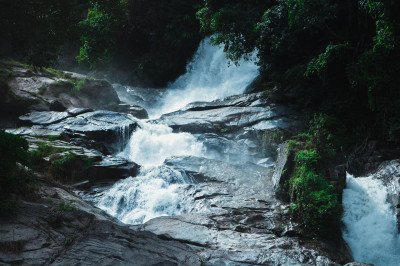
@@Ecological Importance: Panikera Lake is a tranquil water body, an important local reservoir and a significant ecological spot in the vicinity of Warangal. Like many water bodies in the region, it is crucial for local irrigation and maintaining the groundwater table. The area around the lake is naturally serene, characterized by local flora, and serves as a green lung for the surrounding villages. @@Local Significance: While not as historically grand as the Kakatiya-era Pakhal Lake or Bhadrakali Lake, Panikera Lake is a vital local spot for recreation, fishing, and a peaceful escape from the city hustle. It is primarily used by the local residents of Deekshakunta and nearby villages for daily life and leisurely activities. Its simplicity and untouched nature offer a contrast to the heavily developed tourist areas. @@Community Hub: On weekends, the lake's banks often become a picnic spot for local families, providing a quiet place for reflection and enjoying the sunset. Efforts are sometimes undertaken by local bodies to maintain its cleanliness and enhance its utility as a local natural heritage site.
Card image cap
Prathaprudra Planetarium

The Prathaprudra Planetarium in Warangal (often referred to simply as Warangal Planetarium) is an important center for science and astronomy education...
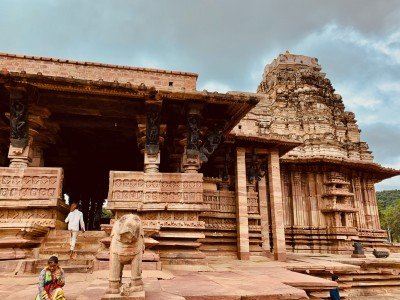
The Prathaprudra Planetarium in Warangal (often referred to simply as Warangal Planetarium) is an important center for science and astronomy education in the region. Named after the last great ruler of the Kakatiya Dynasty, Prataparudra II, the planetarium is dedicated to inspiring scientific curiosity, particularly among students and young people. It features a dome theater that hosts engaging shows and projections about celestial bodies, planetary movements, constellations, and the vastness of the universe. The shows are often narrated in both Telugu and English, making them accessible to a wide audience. The planetarium aims to simplify complex astronomical concepts through stunning visual displays, acting as a gateway to the cosmos. It is generally housed within a municipal or educational complex, sometimes alongside a small science exhibition area, making the entire visit a valuable educational experience. Unlike the ancient historical sites of Warangal, the planetarium offers a modern, air-conditioned environment for learning and is a popular destination for school field trips and science enthusiasts seeking a break from the historical trail.:
Card image cap
Ramappa Lake

This magnificent lake was built by the Kakatiyas as a sister project to the Ramappa Temple. It was designed to provide water for the surrounding agri...
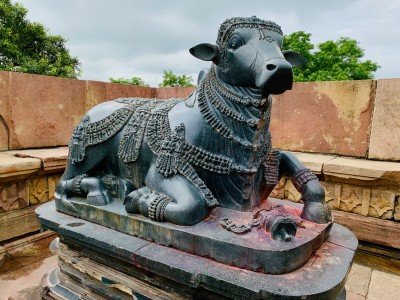
This magnificent lake was built by the Kakatiyas as a sister project to the Ramappa Temple. It was designed to provide water for the surrounding agricultural lands while enhancing the beauty of the temple complex. The lake is vast and calm, with clear waters that reflect the sky and the nearby hills. It serves as a great spot for boating and relaxing after exploring the intricate carvings of the temple. The embankment is well-maintained, providing a lovely walkway for visitors. It is an essential part of the UNESCO heritage circuit in the region.
Card image cap
Ramappa Temple

Also known as the Ramalingeswara Temple, this is a UNESCO World Heritage Site. Built in 1213 AD, it is the only temple in India named after its chief...

Also known as the Ramalingeswara Temple, this is a UNESCO World Heritage Site. Built in 1213 AD, it is the only temple in India named after its chief architect, Ramappa. The temple is dedicated to Lord Shiva and is world-renowned for its "floating bricks" and intricate black basalt carvings. The craftsmanship is so fine that some sculptures produce musical notes when tapped. The temple has survived earthquakes due to its innovative sandbox foundation. It stands as a testament to the golden age of the Kakatiya dynasty and attracts historians and pilgrims from across the globe.
Card image cap
Regional Science Center

@@Establishment and Purpose: The Regional Science Center, Warangal, is a popular educational and recreational destination established under the Nation...
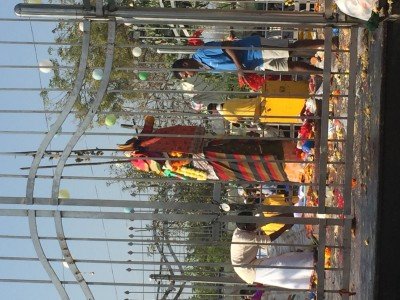
@@Establishment and Purpose: The Regional Science Center, Warangal, is a popular educational and recreational destination established under the National Council of Science Museums (NCSM). Its primary mission is to promote scientific temper, popularize science and technology among students and the general public, and offer an interactive learning experience that complements formal education. It is strategically located near the Vana Vigyan Kendra (Zoo Park) on Hunter Road. @@Exhibits and Themes: The center houses various permanent and temporary exhibitions focusing on different scientific concepts, including the basics of physics and chemistry, human anatomy, and local flora and fauna (given its location near the forest/zoo park). The exhibits are designed to be hands-on, encouraging visitors of all ages to engage directly with the concepts through models, puzzles, and interactive displays. @@Educational Outreach: Beyond static exhibits, the center actively conducts science demonstrations, educational film shows, sky observation programs (often using its small telescope), and science-related workshops for school students and teachers, fulfilling its role as a key scientific resource center for the region.
Card image cap
Sammakka Saralamma Temple

@@Temple Overview: The Sammakka Saralamma Temple in Medaram is a sacred site dedicated to tribal goddesses who fought against the Kakatiya dynasty. It...

@@Temple Overview: The Sammakka Saralamma Temple in Medaram is a sacred site dedicated to tribal goddesses who fought against the Kakatiya dynasty. It is situated deep within the Eturnagaram Wildlife Sanctuary and represents the spirit of resistance and justice. The site does not have a traditional stone structure but is centered around two platforms under a canopy of trees. Millions of devotees visit this place to offer jaggery, which is locally known as gold. The environment is serene, surrounded by lush green forests and the Jampanna Vagu river. It is a symbol of tribal identity and heritage in Telangana. This place offers a unique spiritual experience far from the urban noise. The deities are worshipped as the protectors of the Koya tribe. Every visit here feels like a journey back in time to ancient tribal traditions. The atmosphere during the fair is electric and deeply emotional. It is one of the most significant pilgrimage sites for tribal communities in India. Visitors often feel a deep connection with nature and divinity here. :
Card image cap
Swayambhu Devalayam

@@Historical Significance: The Swayambhu Devalayam (or Swayambhu Shambu Lingeshwara Swamy temple) was once the most important and grandest temple in t...

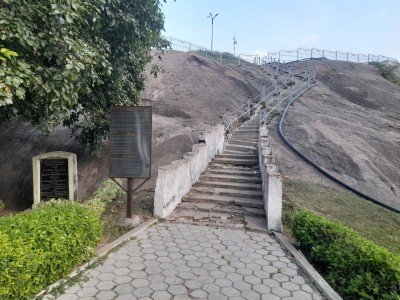
@@Historical Significance: The Swayambhu Devalayam (or Swayambhu Shambu Lingeshwara Swamy temple) was once the most important and grandest temple in the Kakatiya capital, Orugallu, and the patron deity shrine of the Kakatiya rulers, dedicated to Lord Shiva. It was built by King Ganapatideva in the 13th century CE, marking the shift of the capital from Hanamkonda to Warangal and making it the spiritual heart of the dynasty. The name 'Swayambhu' refers to the central Shiva Linga believed to have emerged naturally from the earth (self-incarnated). @@Destruction and Ruins: Tragically, the magnificent temple was systematically destroyed in 1323 CE during the final siege and conquest of Warangal Fort by the Tughlaq army under Muhammad bin Tughlaq. Today, the site consists of scattered, priceless ruins, including intricately carved pillars, brackets, and ceilings, along with the partially-preserved central Swayambhu Lingam. @@Cultural Legacy: The ruins still provide crucial archaeological insights into the peak of Kakatiya temple architecture and sculpture. The surviving carvings depicting dancers inspired Acharya Nataraj Ramakrishna to revive the traditional Deccan dance form of Perini Shivathandavam, cementing the site's role in cultural revival.
Card image cap
Thousand Pillar Shila Shasanm

The Thousand Pillar Shila Shasanm (Stone Inscription) is a crucial historical artifact located near the main Thousand Pillar Temple complex in Hanamko...

The Thousand Pillar Shila Shasanm (Stone Inscription) is a crucial historical artifact located near the main Thousand Pillar Temple complex in Hanamkonda. This inscription is a primary source document, commissioned by King Rudra Deva (the first sovereign ruler of the Kakatiya Dynasty), detailing the construction of the temple, its endowments, and the political and religious climate of the time. Written primarily in the Telugu-Kannada script and the Sanskrit language, the text provides invaluable genealogical information about the Kakatiya kings and their administrative structure. It confirms the temple's construction in 1163 CE and its dedication as a Trikutalayam to Shiva, Vishnu, and Surya. Historians and epigraphists study this stone edict extensively as it offers direct evidence of the Kakatiya period's language, religion, and socio-political history. While the inscription itself is not as visually grand as the temple, its historical significance is arguably greater, providing the narrative for the monument it stands near. Its preservation is vital for understanding the foundational history of Warangal and the Kakatiya empire.:
Card image cap
Thousand Pillar Temple

The Thousand Pillar Temple, also known as the Sri Rudreswara Swamy Temple, is an ancient Hindu temple built by King Rudra Deva in 1163 CE, marking a m...

The Thousand Pillar Temple, also known as the Sri Rudreswara Swamy Temple, is an ancient Hindu temple built by King Rudra Deva in 1163 CE, marking a masterpiece of Kakatiya architecture. It is a 'Trikutalayam,' meaning it has three main shrines dedicated to the Hindu trinity: Lord Shiva (Rudra), Lord Vishnu (Vasudeva), and Lord Surya (Sun God). The temple is famed for its exquisitely carved pillars, numbering close to one thousand in the complex, though not all are standalone. The unique star-shaped layout, a hallmark of the Kakatiya period, is constructed using a fascinating sandbox technique for the foundation, ensuring stability on the Hanamkonda slopes. Despite being partially destroyed by invaders, particularly the Tughlaq Dynasty in the 14th century, the temple's remnants and ongoing restoration work by the Archaeological Survey of India (ASI) showcase the immense skill and devotional art of the era. The massive monolithic Nandi sculpture, carved from black basalt stone, sits on a raised platform facing the main shrine and is a major point of attraction. The temple successfully reconciles the beliefs of Shaivism and Vaishnavism by housing shrines to both Shiva and Vishnu, a political and religious statement of its time. The lush green lawns and serene environment make it a peaceful place for devotees and history enthusiasts alike. It stands as a testament to the cultural and architectural brilliance that flourished under the Kakatiya Dynasty in the Deccan Plateau:
Card image cap
Vana Vigyan Park

Vana Vigyan Park, also known as the Kakatiya Zoological Park, is a large, sprawling green space in Warangal that serves multiple purposes: as a conser...
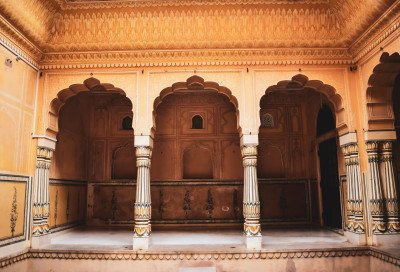
Vana Vigyan Park, also known as the Kakatiya Zoological Park, is a large, sprawling green space in Warangal that serves multiple purposes: as a conservation area, a recreational park, and a hub for science education (as it houses the Regional Science Centre). The park is a breath of fresh air amidst the urban sprawl, offering a habitat for various species of flora and fauna, though the zoo section is currently undergoing development and revitalization. Its primary attraction is the rich natural environment, featuring extensive walking trails, shaded areas, and well-maintained lawns ideal for picnics and family outings. The adjoining Regional Science Centre adds an intellectual dimension to the visit, with engaging, interactive exhibits on various scientific principles, physics, and astronomy, making it an excellent destination for children and students. The park is managed by the Forest Department, and its focus is on environmental awareness and wildlife preservation. It provides a quiet escape and a good counterpoint to the city's numerous historical monuments, offering a modern, educational, and natural experience for all visitors.:
Card image cap
Warangal Fort

Warangal Fort is one of the most historically significant sites in Telangana, serving as the capital of the formidable Kakatiya Dynasty from the 12th ...

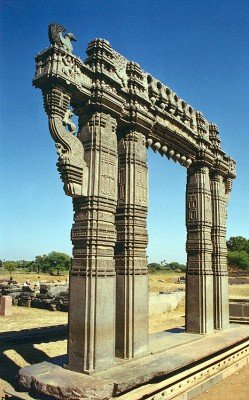
Warangal Fort is one of the most historically significant sites in Telangana, serving as the capital of the formidable Kakatiya Dynasty from the 12th to the 14th centuries. The fort complex, spread across a massive area, is renowned for its unique concentric circular fortifications, which once made it virtually impregnable. The original structure, begun by King Ganapatideva and completed by his daughter, Queen Rudrama Devi, consisted of an outer earthen wall, a middle stone wall (approximately 1.21 KMS in diameter), and an innermost core that housed the ruined Great Shiva Temple. The most iconic features are the four majestic Kakatiya Kala Thoranam (ornamental gateways), which stand at the cardinal points and are now the official emblem of the state of Telangana. Despite enduring numerous sieges and attacks, notably by the Delhi Sultanate under Malik Kafur and later by the Tughlaq Dynasty, the remnants of the fort still reflect the grandeur and engineering prowess of the Kakatiya period. Today, the ruins contain various historical structures, including the remnants of temples, a Shiva lingam, and the Kush Mahal (a later addition), making it a sprawling outdoor museum for Indian history and architecture.:
Card image cap
Warangal Planetarium

@@Planetarium Overview: The Warangal Planetarium is a premier educational and recreational facility aimed at promoting science and astronomy. It is lo...

@@Planetarium Overview: The Warangal Planetarium is a premier educational and recreational facility aimed at promoting science and astronomy. It is located near the beautiful Bhadrakali Lake and is part of the Musical Garden complex. The facility features a large dome where shows about the solar system, galaxies, and space exploration are projected. It is a favorite spot for school children and families who want to learn while having fun. The shows are available in multiple languages, including Telugu and English. The planetarium uses advanced projection technology to create an immersive experience of the night sky. The surrounding gardens offer a peaceful environment for a walk after the show. It serves as an important landmark for science tourism in North Telangana. Visitors can learn about the history of astronomy and the latest NASA missions. It is a perfect break from the historical temple tours of the city. The staff is helpful and provides information about the show timings and upcoming celestial events. :
Show All

WARANGAL Itineray And Cost:-

Information about New and Updated Locations() of Telangana Has Been Added :-
Card subtitle

Note:-

Information provided here in good Faith and for reference only.

Near Places
...
Adilabad

Some quick example text to build on the card title and make up the bulk of the card's content.

Go somewhere
...
Bhongir

Some quick example text to build on the card title and make up the bulk of the card's content.

Go somewhere
...
Bodhan

Some quick example text to build on the card title and make up the bulk of the card's content.

Go somewhere
...
Gadwal

Some quick example text to build on the card title and make up the bulk of the card's content.

Go somewhere
...
HYDERABAD

Some quick example text to build on the card title and make up the bulk of the card's content.

Go somewhere
...
Jagtial

Some quick example text to build on the card title and make up the bulk of the card's content.

Go somewhere
...
Jangaon

Some quick example text to build on the card title and make up the bulk of the card's content.

Go somewhere
...
Kamareddy

Some quick example text to build on the card title and make up the bulk of the card's content.

Go somewhere
...
Karimnagar

Some quick example text to build on the card title and make up the bulk of the card's content.

Go somewhere
...
KHAMMAM

Some quick example text to build on the card title and make up the bulk of the card's content.

Go somewhere
...
Kothagudem

Some quick example text to build on the card title and make up the bulk of the card's content.

Go somewhere
...
Mahabubabad

Some quick example text to build on the card title and make up the bulk of the card's content.

Go somewhere
...
Mahabubnagar

Some quick example text to build on the card title and make up the bulk of the card's content.

Go somewhere
...
Mancherial

Some quick example text to build on the card title and make up the bulk of the card's content.

Go somewhere
...
Medak

Some quick example text to build on the card title and make up the bulk of the card's content.

Go somewhere
...
Nagarjunakonda

Some quick example text to build on the card title and make up the bulk of the card's content.

Go somewhere
in Other Cities