Rameswaram
General information
-
Ideal Duration:
Duration: 2 DaysPlace Type:
Category: Pilgrimage/IslandEntry Fees:
Temple Entry: General entry to the temple is Free for all visitors. However, there are special 'darshan' tickets ranging from Rs. 50 to Rs. 250 for faster access. Fees for bathing in the 22 Theerthams is around Rs. 25 per person. Camera and mobile phone usage inside th...Temple Entry: General entry to the temple is Free for all visitors. However, there are special 'darshan' tickets ranging from Rs. 50 to Rs. 250 for faster access. Fees for bathing in the 22 Theerthams is around Rs. 25 per person. Camera and mobile phone usage inside the temple is strictly prohibited.
Transport Costs: Hiring a jeep for the Dhanushkodi trip usually costs around Rs. 1500 to Rs. 2500. Local auto-rickshaws have standard rates for temple and memorial visits. Parking fees at major sites are nominal, usually between Rs. 20 and Rs. 50. It is better to carry cash as digital payments might not be available everywhere.Timing:
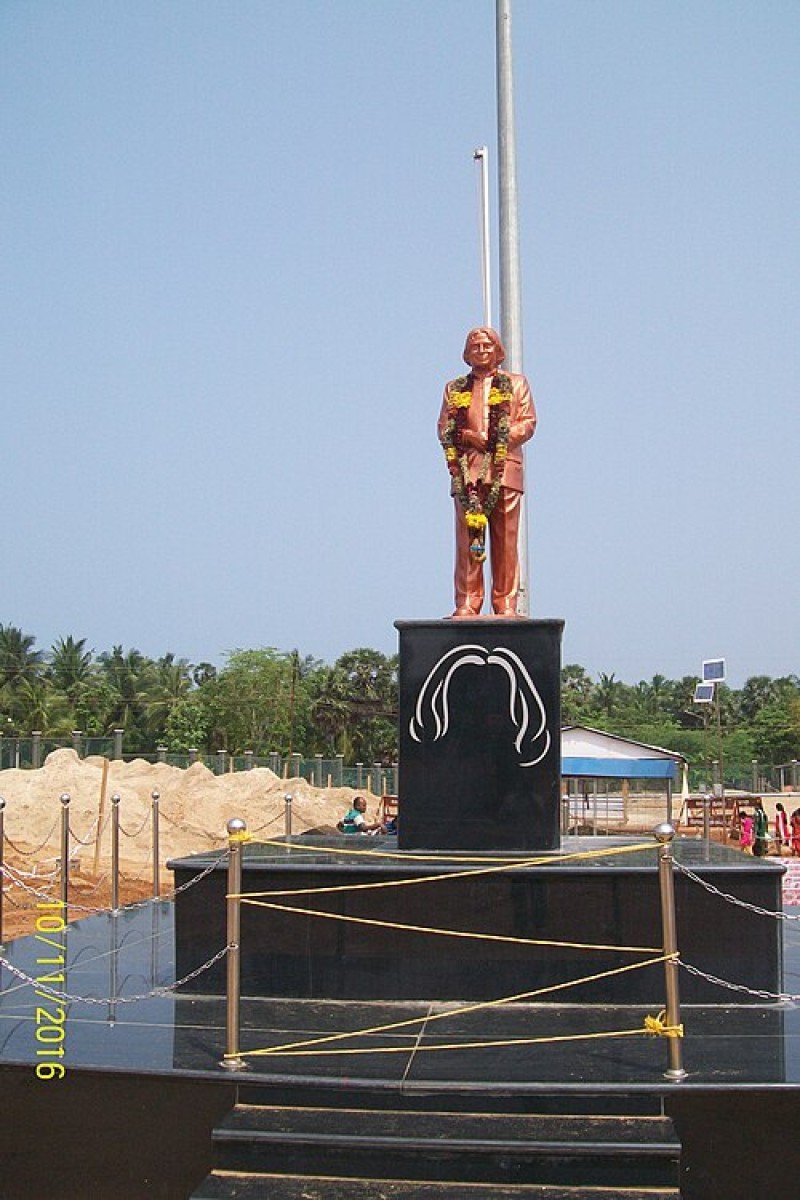
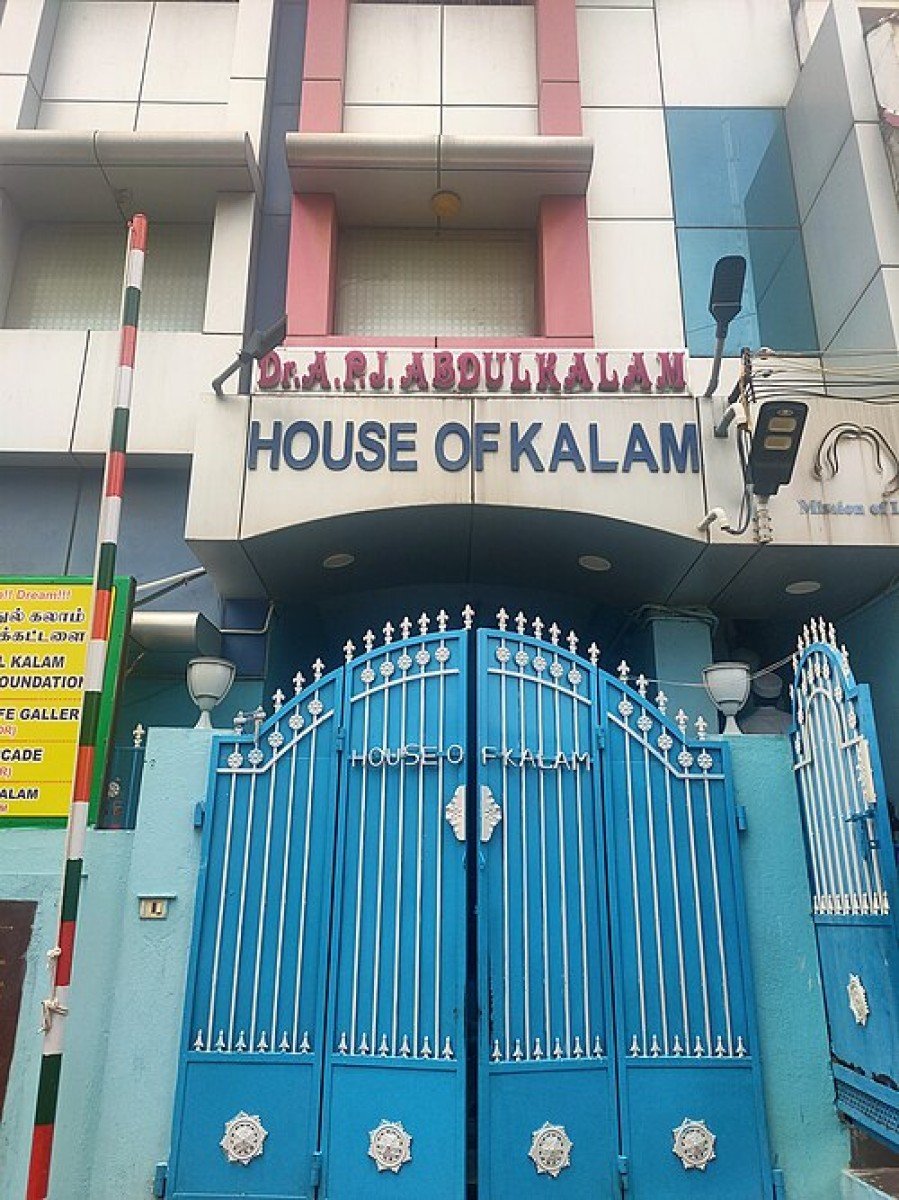
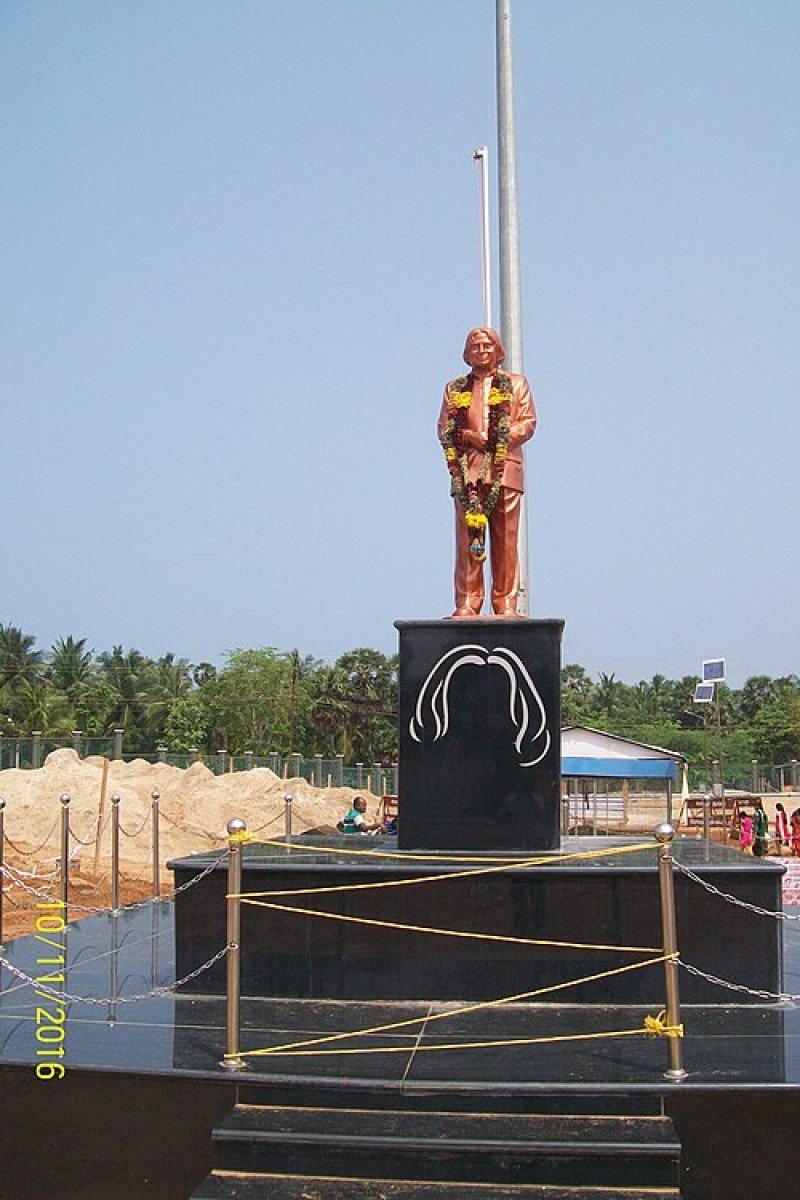
Regular Timings: The temple is open from 05:00 AM to 01:00 PM and 03:00 PM to 09:00 PM. The holy bath in the theerthams usually starts early in the morning. Dhanushkodi is best visited between 08:00 AM and 05:00 PM for safety reasons. The Kalam Memorial is open from 09:00...Regular Timings: The temple is open from 05:00 AM to 01:00 PM and 03:00 PM to 09:00 PM. The holy bath in the theerthams usually starts early in the morning. Dhanushkodi is best visited between 08:00 AM and 05:00 PM for safety reasons. The Kalam Memorial is open from 09:00 AM to 06:00 PM.
Ideal Visit Time: The best time to visit the temple is for the early morning 'Mani Darshan' at 05:00 AM. For Dhanushkodi, reaching there by 09:00 AM allows you to explore before the sun gets too hot. Evenings are perfect for spending time at the Pamban Bridge. Avoid visiting during mid-day when the sun is at its peak.Special Events:
Maha Shivaratri: This is the most important festival celebrated at the temple. Thousands of devotees stay awake all night to offer prayers to Lord Shiva. The temple is beautifully lit, and special processions are held. It is a time of intense spiritual energy and cultural...Maha Shivaratri: This is the most important festival celebrated at the temple. Thousands of devotees stay awake all night to offer prayers to Lord Shiva. The temple is beautifully lit, and special processions are held. It is a time of intense spiritual energy and cultural celebration.
Arudra Darshanam: Celebrated in the month of December-January, this festival honors the cosmic dance of Lord Shiva. Large crowds gather to witness the special 'abhishekam' and rituals. It is a vibrant event filled with traditional music and devotion. The entire town wears a festive look during this period.Best Photo Spots:
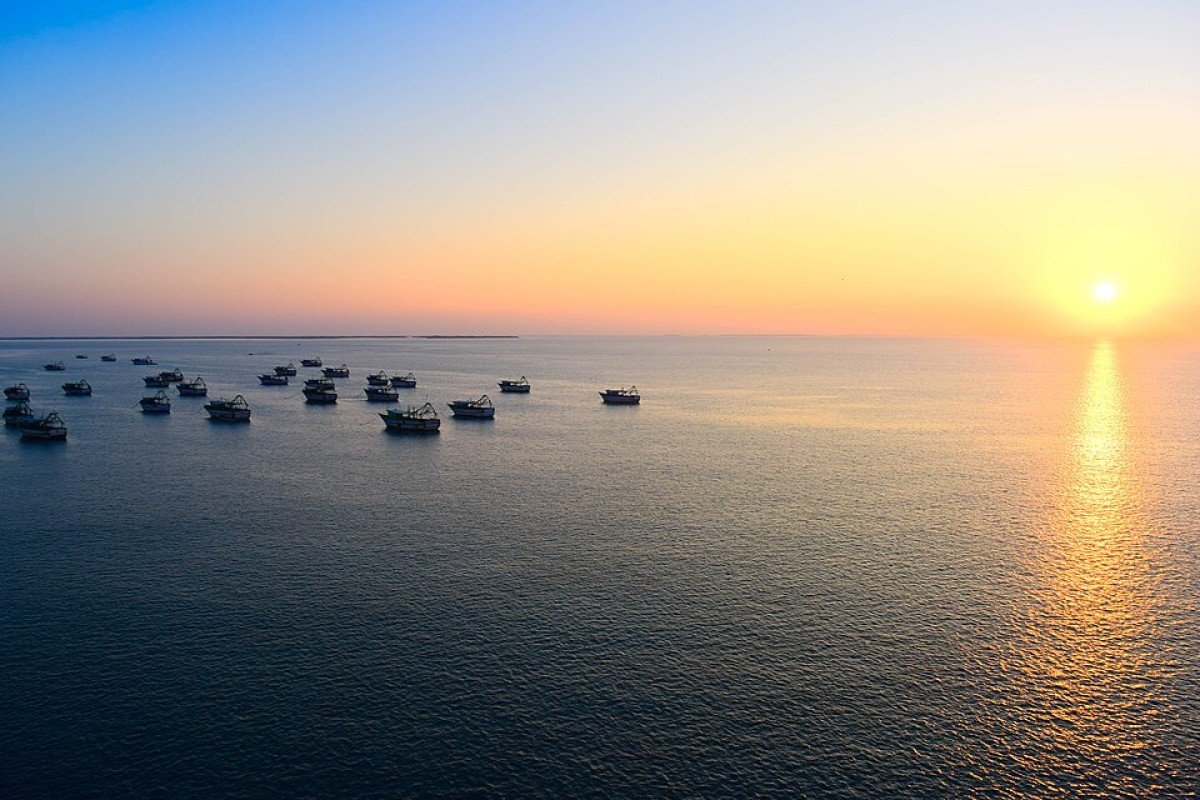
Pamban Bridge at Sunset: The bridge looks magical when the sun sets over the horizon. The silhouettes of the bridge structure against the orange sky make for perfect photos. You can capture the vastness of the sea and the engineering beauty. It is a must-visit spot for an...Pamban Bridge at Sunset: The bridge looks magical when the sun sets over the horizon. The silhouettes of the bridge structure against the orange sky make for perfect photos. You can capture the vastness of the sea and the engineering beauty. It is a must-visit spot for any photographer visiting Rameswaram.
Dhanushkodi Ruins: The skeletal remains of the church and buildings offer a dramatic backdrop. These ruins tell a story of nature's power and human history. The contrast between the white sand and the weathered bricks is visually striking. It is a popular spot for artistic and documentary photography.Photo Gallery
Things To Do
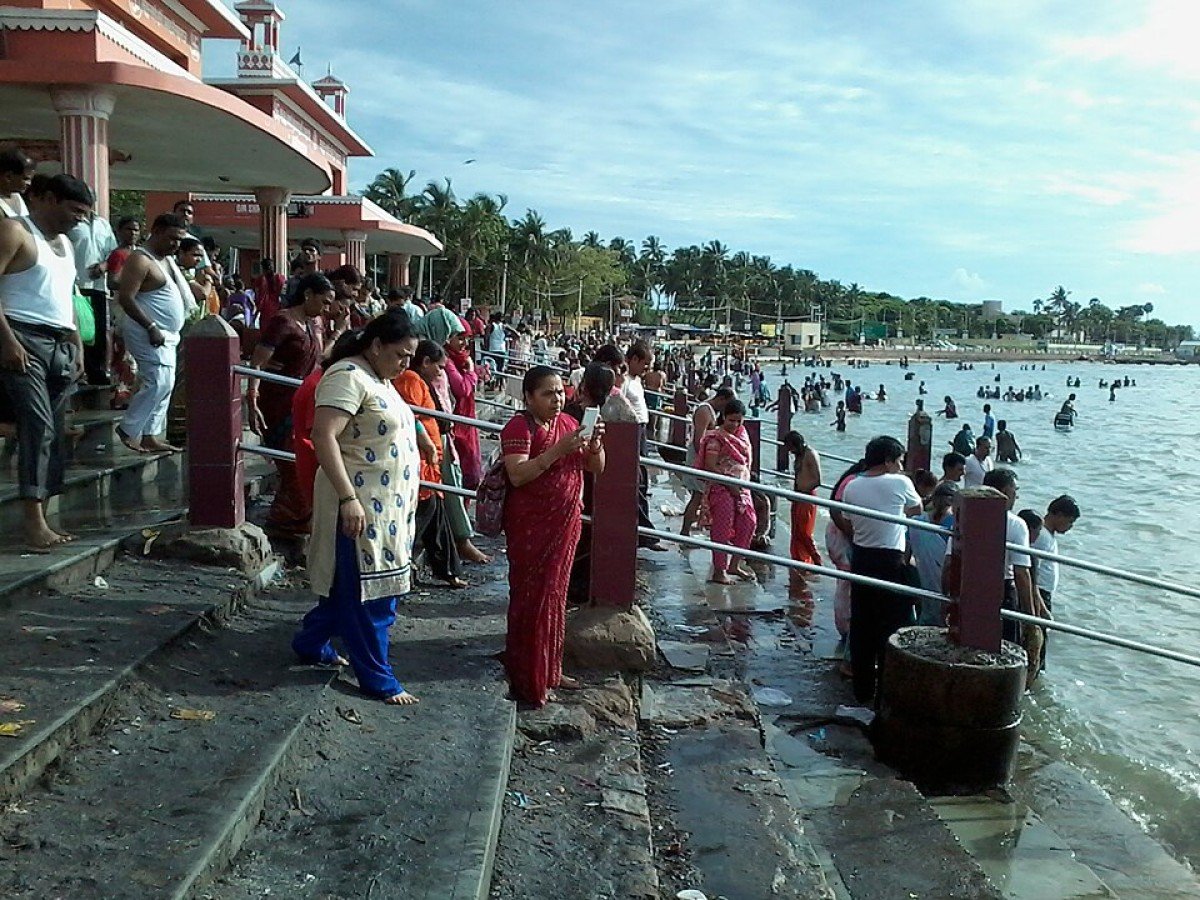
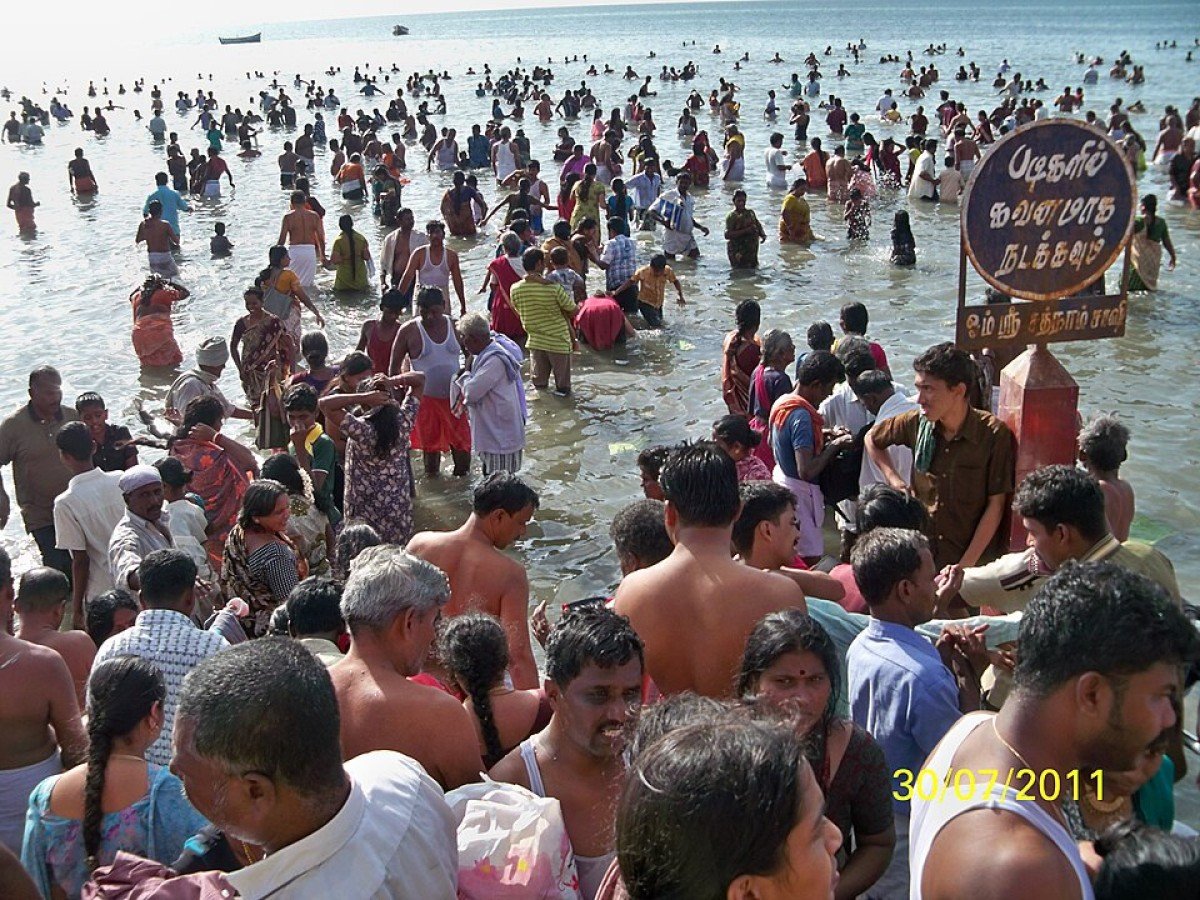
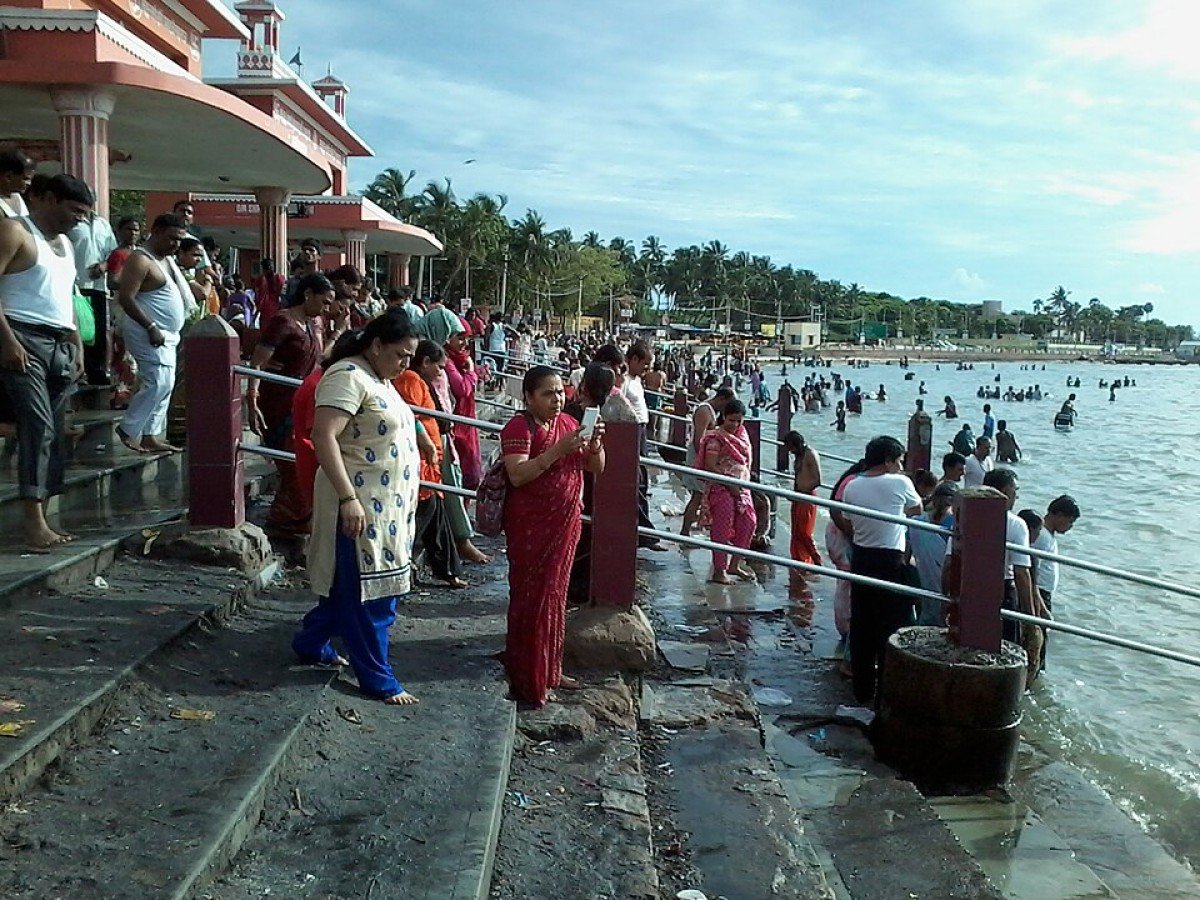
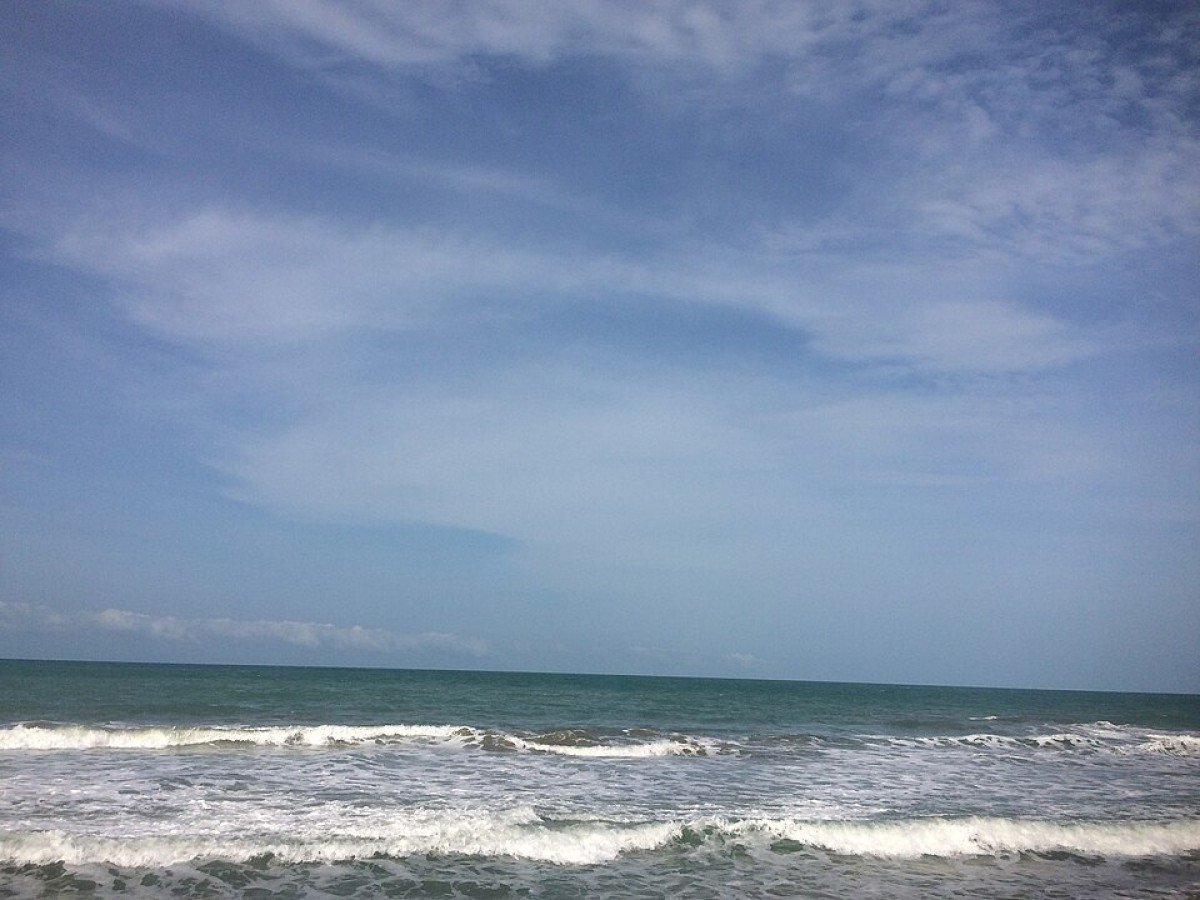
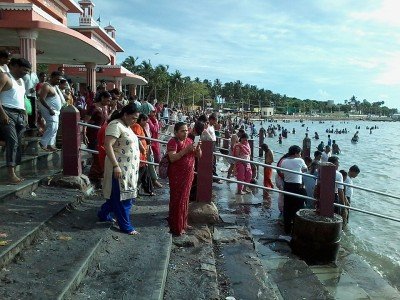 @@Mythological Significance::Agnitheertham is one of the 64 sacred Theerthams (holy water bodies) in Rameswaram, and the only one located outside the Ramanathaswamy Temple complex, situated directly on the eastern shore of the sea. The Sanskrit words Agni (fire) and Theertham (holy water) denote its fiery origin. It is highly revered in the Hindu epic Ramayana. The main belief is that a dip in these holy waters absolves pilgrims of their sins. The tradition mandates a bath here before entering the Ramanathaswamy Temple for the main pilgrimage rituals. The sea here is known for its shallow, calm waters, making it safe for devotees of all ages to perform the ritualistic bath. The spiritual atmosphere is palpable, especially during dawn when the first rays of the sun hit the water and the priests chant prayers. It serves as a vital starting point for the Char Dham Yatra pilgrimage. @@Ritual Importance::The act of taking the holy dip is part of a larger, complex set of rituals that include performing Tarpanam (ancestral rites) to bring peace to the souls of ancestors. This site connects directly to the temple, making it the most critical bathing spot for pilgrims. The legend of Sita Devi undergoing the Agnipariksha (trial by fire) here is the core story behind the name, with the fire god Agni himself bathing in the sea afterward to cleanse the sin of touching her, thus making the waters holy. The presence of numerous small shrines and stalls selling puja items emphasizes its role as a spiritual and commercial hub for pilgrims. The sheer volume of visitors highlights its status as a cornerstone of Hindu devotion in South India.
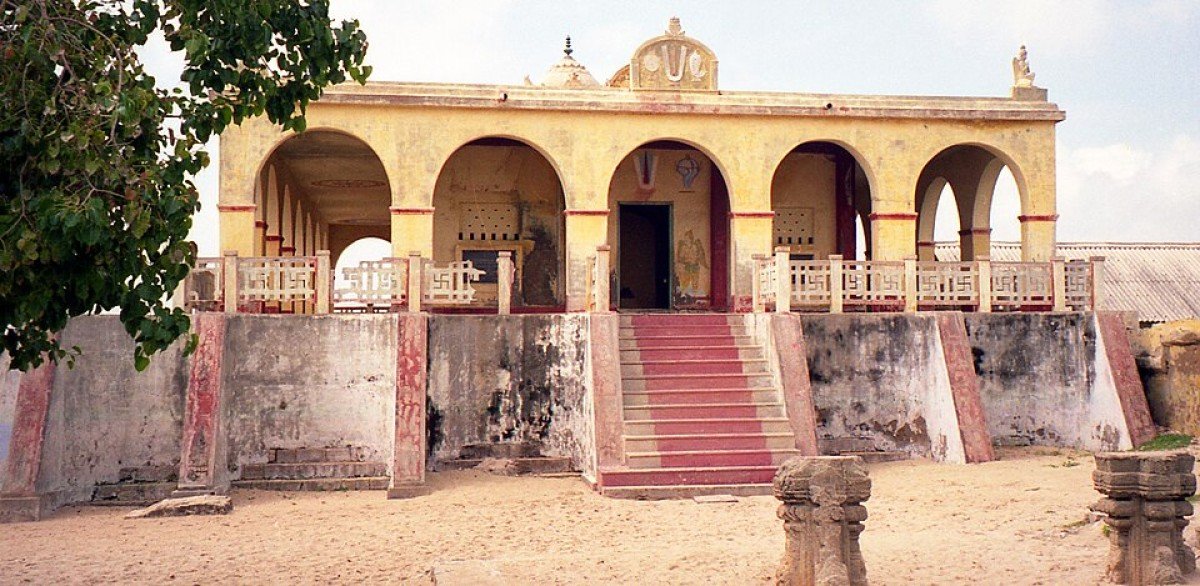
 @@ Detailed History: The Adi Jagannatha Perumal Temple at Thiruppullani is one of the 108 Divya Desams, the holiest shrines of Lord Vishnu. This ancient temple is deeply intertwined with the Ramayana. It is here that Lord Rama performed penance for three days, reclining on a bed of Dharba (sacred grass), seeking the help of the Ocean God to cross over to Lanka. The presiding deity is Lord Adi Jagannatha, and the temple is also famous for the Dharba Sayana Rama shrine, where Rama is depicted in a unique reclining posture. Historically, the temple has been patronized by the Cholas, Pandyas, and the Sethupathi kings of Ramanathapuram. A notable legend involves King Dasaratha, who is said to have performed the Putrakameshti Yagna here and was blessed with sons after worshipping the Lord. Consequently, it is a famous "Prarthana Sthalam" for childless couples. The temple complex is vast and houses multiple shrines, including one for Goddess Padmasini. The spiritual aura of the temple is enhanced by the presence of an ancient Peepal tree, which is considered a manifestation of the Lord himself. The temple's significance as a "Saranagathi Kshetram" (place of surrender) makes it a vital stop for every seeker.
 @@Brief History and Significance: The lighthouse at Olaikuda is a modern navigational aid on Pamban Island, commissioned to guide vessels through the Palk Strait and Gulf of Mannar. It is a vital safety tool for the fishing fleet and maritime traffic in this sensitive ecological zone, marking the southeastern coast of India. While the older Pamban Lighthouse (1845) is historic, the modern one is primarily functional, representing contemporary maritime technology and its role in coastal security and communication for the region. The structure stands as a symbol of the region's crucial position in maritime trade and navigation throughout history.
Jada Theertham is a highly revered holy water body (tank/pond) and a small shrine with deep roots in the Ramayana: The name Jada means 'matted hair/locks', and the legend states that after Lord Rama defeated and killed the demon king Ravana, he and Lakshmana stopped here to cleanse their Jada (hair) and the Jada of the weapons before proceeding to the main Ramanathaswamy Temple to worship Lord Shiva (to atone for the sin of Brahmahatya, or killing a Brahmin): The site marks an important step in the pilgrimage ritual: The main temple here is dedicated to Lord Shiva, known as Jadamuneeswarar, who is believed to have appeared here: The presence of a perennial holy tank, even on a sandy island, is considered miraculous and highly sacred by pilgrims, who take a ritual dip here before completing their Rameswaram journey: The location is calm and offers a peaceful, less-crowded spiritual experience:
@@Mythological Legend: The name Villoondi Theertham literally means 'place pierced by the bow/arrow'. Legend says that after rescuing Sita, Lord Rama shot an arrow into the sand to draw fresh water to quench Goddess Sita's thirst, who was tired from the long journey. This freshwater spring, right in the sea, is the unique feature. @@Sacred 64 Theerthams: Like other sites, it is revered as one of the 64 sacred Theerthams of Rameswaram, essential for pilgrims. @@The Unique Spring: The main draw is the freshwater spring located a short walk into the sea, accessed via a small, picturesque walking bridge. The coexistence of saltwater and freshwater is a geological and spiritual marvel.
@@The Mythological Account of Atonement: Lakshmana Theertham is a sacred water tank and an adjacent temple dedicated to Lord Lakshmana, the devoted brother of Lord Rama. According to the Ramayana, after the war in Lanka and the defeat of Ravana, Lakshmana is believed to have worshipped Lord Shiva at this spot to cleanse himself of the sin (dosha) of killing warriors (Kshatriyas) during the battle. He installed a Shiva Lingam here, and the subsequent bath in the theertham (sacred pond) completed his penance. @@Religious Importance and Rituals: It is one of the 64 holy Theerthams (sacred water bodies) in and around Rameswaram and is considered highly auspicious for taking a holy dip, which devotees believe washes away sins and grants spiritual merit. The temple adjacent to the pond is dedicated to Lord Shiva (known as Lakshmaneswarar), installed by Lakshmana. @@Present-Day Sanctuary: The site serves as a tranquil spiritual sanctuary. Despite being close to the bustling city center and the main temple, it offers a peaceful environment for prayer and reflection. The surrounding area often features small shrines, gardens, and places where pilgrims offer rice puffs to the fish in the large, serene pond, maintaining a calm, devotional atmosphere. (405 words):
@@Brief History and Significance: The lighthouse at Olaikuda is a modern navigational aid on Pamban Island, commissioned to guide vessels through the Palk Strait and Gulf of Mannar. It is a vital safety tool for the fishing fleet and maritime traffic in this sensitive ecological zone, marking the southeastern coast of India. While the older Pamban Lighthouse (1845) is historic, the modern one is primarily functional, representing contemporary maritime technology and its role in coastal security and communication for the region. The structure stands as a symbol of the region's crucial position in maritime trade and navigation throughout history.
Jada Theertham is a highly revered holy water body (tank/pond) and a small shrine with deep roots in the Ramayana: The name Jada means 'matted hair/locks', and the legend states that after Lord Rama defeated and killed the demon king Ravana, he and Lakshmana stopped here to cleanse their Jada (hair) and the Jada of the weapons before proceeding to the main Ramanathaswamy Temple to worship Lord Shiva (to atone for the sin of Brahmahatya, or killing a Brahmin): The site marks an important step in the pilgrimage ritual: The main temple here is dedicated to Lord Shiva, known as Jadamuneeswarar, who is believed to have appeared here: The presence of a perennial holy tank, even on a sandy island, is considered miraculous and highly sacred by pilgrims, who take a ritual dip here before completing their Rameswaram journey: The location is calm and offers a peaceful, less-crowded spiritual experience:
@@Mythological Legend: The name Villoondi Theertham literally means 'place pierced by the bow/arrow'. Legend says that after rescuing Sita, Lord Rama shot an arrow into the sand to draw fresh water to quench Goddess Sita's thirst, who was tired from the long journey. This freshwater spring, right in the sea, is the unique feature. @@Sacred 64 Theerthams: Like other sites, it is revered as one of the 64 sacred Theerthams of Rameswaram, essential for pilgrims. @@The Unique Spring: The main draw is the freshwater spring located a short walk into the sea, accessed via a small, picturesque walking bridge. The coexistence of saltwater and freshwater is a geological and spiritual marvel.
@@The Mythological Account of Atonement: Lakshmana Theertham is a sacred water tank and an adjacent temple dedicated to Lord Lakshmana, the devoted brother of Lord Rama. According to the Ramayana, after the war in Lanka and the defeat of Ravana, Lakshmana is believed to have worshipped Lord Shiva at this spot to cleanse himself of the sin (dosha) of killing warriors (Kshatriyas) during the battle. He installed a Shiva Lingam here, and the subsequent bath in the theertham (sacred pond) completed his penance. @@Religious Importance and Rituals: It is one of the 64 holy Theerthams (sacred water bodies) in and around Rameswaram and is considered highly auspicious for taking a holy dip, which devotees believe washes away sins and grants spiritual merit. The temple adjacent to the pond is dedicated to Lord Shiva (known as Lakshmaneswarar), installed by Lakshmana. @@Present-Day Sanctuary: The site serves as a tranquil spiritual sanctuary. Despite being close to the bustling city center and the main temple, it offers a peaceful environment for prayer and reflection. The surrounding area often features small shrines, gardens, and places where pilgrims offer rice puffs to the fish in the large, serene pond, maintaining a calm, devotional atmosphere. (405 words):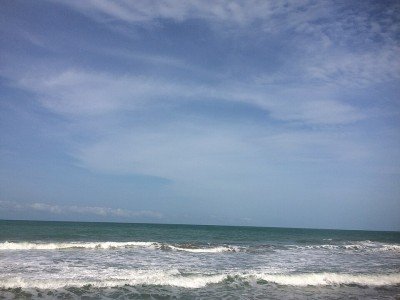 Dhanushkodi is a poignant and historically significant site, famously known as the Ghost Town of India: It sits at the very end of Pamban Island, where the Bay of Bengal and the Indian Ocean merge: The town was completely devastated by a massive cyclone in 1964, which tragically wiped out the entire settlement, including the railway station and homes, leading the government to declare it unfit for habitation: Only a few ruins of the church, railway line, and water tank remain, standing as silent testimony to the catastrophe: Mythologically, the name Dhanushkodi means 'End of the Bow' and is the location where Lord Rama is believed to have broken the Rama Setu (Adam's Bridge) with the tip of his bow at the request of Vibhishana: The beach at Arichal Munai (Erosion Point) is the closest land point to Sri Lanka, roughly 30 KMS away: It's a place of stark, haunting beauty and immense religious and geopolitical importance:Show All
 @@ Detailed History: The Devipattinam Navagraha Temple, also known as Navapashanam, is a highly significant coastal pilgrimage site where the nine planetary deities are installed directly in the sea. According to the Ramayana, Lord Rama installed these nine stones with his own hands to seek the blessings of the Navagrahas before his expedition to Lanka to rescue Sita. The term Navapashanam refers to the nine types of medicinal stones or minerals used to create these divine icons. Devotees believe that worshipping here can mitigate the negative effects of planetary positions in one's horoscope. The unique aspect of this temple is that it lacks a traditional roofed structure; the deities are situated in the shallow waters of the Bay of Bengal. Pilgrims often perform Parihara rituals here to rid themselves of various doshas. The spiritual energy of the place is palpable as the waves gently wash over the sacred stones. It is considered a mandatory stop for those completing the Rameswaram pilgrimage circuit. The atmosphere is filled with the scent of sea salt and the sounds of Vedic chants. Many believe that the sea itself acts as the temple's sanctum, purifying the souls of the visitors.
Information
-
Why Famous:
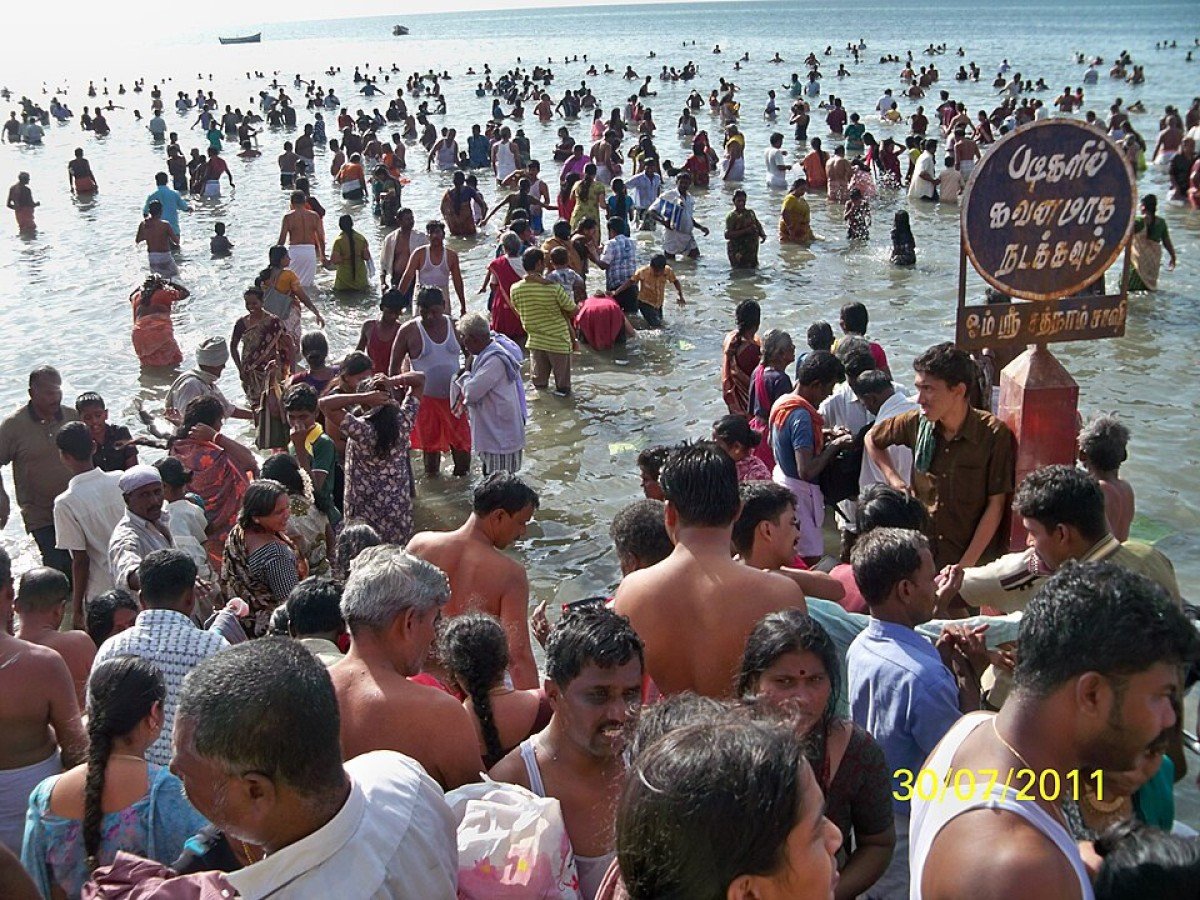
Spiritual Significance: Rameswaram is world-famous as a major center for Hindu pilgrimage. It is one of the twelve Jyotirlingas dedicated to Lord Shiva. The practice of bathing in the 22 Theerthams is a unique ritual followed by millions. It is a destination that holds im...Spiritual Significance: Rameswaram is world-famous as a major center for Hindu pilgrimage. It is one of the twelve Jyotirlingas dedicated to Lord Shiva. The practice of bathing in the 22 Theerthams is a unique ritual followed by millions. It is a destination that holds immense religious value for devotees.
Engineering Marvels: The Pamban Bridge is a globally recognized structure for its design and history. Being a rail bridge over the sea, it provides one of the most scenic train journeys in the world. The bridge's ability to open up for ships to pass is a fascinating sight. It remains a symbol of India's maritime and engineering heritage. -
Architecture:
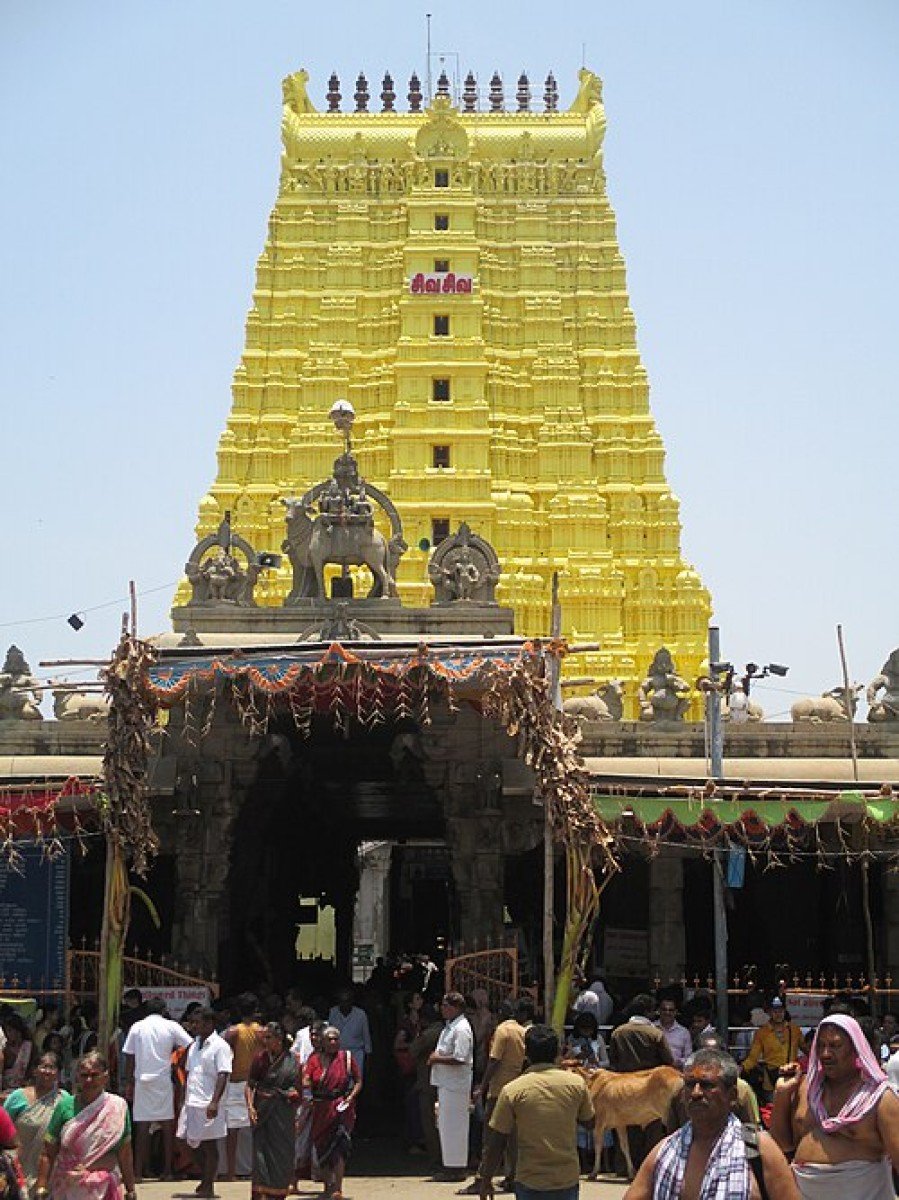
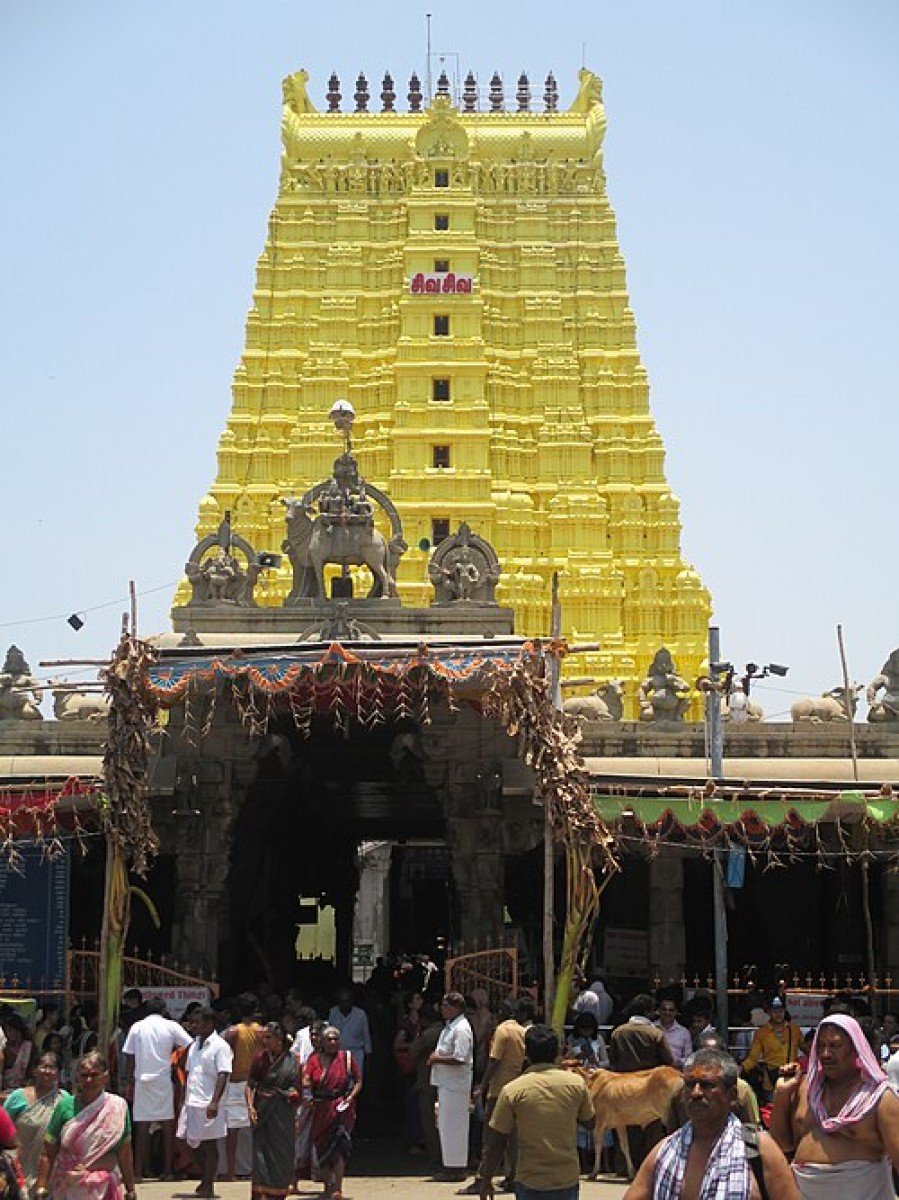
Dravidian Style: The Ramanathaswamy Temple is a masterpiece of Dravidian architecture. It is famous for having the longest temple corridor in the world. The outer corridor is lined with intricately carved pillars on both sides. The temple has massive Gopurams (gateway tow...Dravidian Style: The Ramanathaswamy Temple is a masterpiece of Dravidian architecture. It is famous for having the longest temple corridor in the world. The outer corridor is lined with intricately carved pillars on both sides. The temple has massive Gopurams (gateway towers) that dominate the skyline. The stone work and sculptures reflect the patronage of various dynasties over centuries.
Dimensions: The temple's outer corridor is approximately 1,219 meters long. It features over 1,200 carved granite pillars, each unique in its design. The eastern Gopuram stands at a majestic height of about 38 meters. The entire temple complex covers an area of 15 acres. These vast dimensions make it one of the largest temple complexes in India. -
How To Reach:
By Air: The nearest airport is Madurai International Airport, located about 175 KMS away. From Madurai, you can hire a taxi or take a bus to Rameswaram. The drive takes approximately 3. 5 to 4 hours on the highway. There are also trains connecting Madurai to the island. <...By Air: The nearest airport is Madurai International Airport, located about 175 KMS away. From Madurai, you can hire a taxi or take a bus to Rameswaram. The drive takes approximately 3. 5 to 4 hours on the highway. There are also trains connecting Madurai to the island.
By Train: Rameswaram Railway Station is well-connected to major cities like Chennai, Madurai, and Trichy. The journey over the Pamban Bridge is a highlight of the trip. The railway station is centrally located near the temple. Frequent trains make it the most convenient mode of travel for pilgrims.
By Road: The town is connected by a well-maintained highway to the rest of Tamil Nadu. State transport buses (TNSTC) and private coaches run daily from Chennai, Madurai, and Kanyakumari. Driving your own vehicle is also a great option as the roads are scenic. The NH-49 leads directly to the island.
By Local Transport: Auto-rickshaws are the most common way to get around the town. Many places are within walking distance if you stay near the temple. Shared vans and jeeps are available for trips to Dhanushkodi. You can also rent a bicycle to explore the island at your own pace. -
Weather and Best Time to Visit:
Winter and Monsoon: October to March is the best time to visit due to the pleasant weather. The temperatures are comfortable for temple visits and outdoor exploration. Monsoon from July to September brings cool winds and light rain. The sea might be rough, but the island ...Winter and Monsoon: October to March is the best time to visit due to the pleasant weather. The temperatures are comfortable for temple visits and outdoor exploration. Monsoon from July to September brings cool winds and light rain. The sea might be rough, but the island looks fresh and green.
Summer Period: April to June is the summer season with temperatures rising up to 35°C. It can be quite hot for walking on the sands or exploring the temple. However, it is a less crowded time for those who don't mind the heat. Sea breezes in the evening provide some relief from the daytime warmth. -
Near Tourist Places:
Nearby Places: 1. Dhanushkodi (20 KMS), 2. Pamban Bridge (12 KMS), 3. Kalam Memorial (2 KMS), 4. Devipattinam (70 KMS), 5. Ramanathapuram (55 KMS), 6. Thiruppullani (65 KMS), 7. Erwadi Dargah (60 KMS), 8. Mandapam (15 KMS), 9. Ariyaman Beach (25 KMS), 10. Kunthukal Beach (12 KMS).
Tourism Tips
-
Health and Safety: Drink plenty of water as the coastal sun can cause dehydration. Wear light cotton clothes and carry a hat for protection. Be careful while taking a dip in the sea and follow the safety markers. Ensure you are with a group or guide when visiting secluded...Health and Safety: Drink plenty of water as the coastal sun can cause dehydration. Wear light cotton clothes and carry a hat for protection. Be careful while taking a dip in the sea and follow the safety markers. Ensure you are with a group or guide when visiting secluded areas like Dhanushkodi.
Packing Tips: Carry a set of traditional clothes for temple entry if you plan to perform rituals. Sunscreen and sunglasses are essential for the beach and bridge visits. A good pair of walking shoes will help you navigate the temple corridors. Keep a small bag to carry your wet clothes after the holy bath.
Accommodation: There are many 'maths', lodges, and hotels near the temple. For a more comfortable stay, there are several luxury resorts on the outskirts. Booking in advance is highly recommended during festival seasons. Choose a stay with good reviews regarding cleanliness and accessibility.
Local Etiquette: Maintain the sanctity of the temple and follow all the traditional rules. Avoid wearing leather items or carrying prohibited goods into the temple. Be patient in long queues and respect the local customs. It is customary to tip the guides or helpers in the theertham area modestly.
Reviews
FAQs
Rameswaram Itineray And Cost:-
Other Places In Tamil Nadu :-
Other States In India :-
Information about New and Updated Locations() of Tamil Nadu Has Been Added :-
Card subtitle
Note:-
Information provided here in good Faith and for reference only.
Near Places

Chennai
Some quick example text to build on the card title and make up the bulk of the card's content.
Go somewhere
Chidambaram
Some quick example text to build on the card title and make up the bulk of the card's content.
Go somewhere
Coimbatore
Some quick example text to build on the card title and make up the bulk of the card's content.
Go somewhere
Courtallam
Some quick example text to build on the card title and make up the bulk of the card's content.
Go somewhere
Dindigul
Some quick example text to build on the card title and make up the bulk of the card's content.
Go somewhere
Kanchipuram
Some quick example text to build on the card title and make up the bulk of the card's content.
Go somewhere
Kanyakumari
Some quick example text to build on the card title and make up the bulk of the card's content.
Go somewhere
Karaikal
Some quick example text to build on the card title and make up the bulk of the card's content.
Go somewhere
Karaikudi
Some quick example text to build on the card title and make up the bulk of the card's content.
Go somewhere
Kodaikanal
Some quick example text to build on the card title and make up the bulk of the card's content.
Go somewhere
Kovalam
Some quick example text to build on the card title and make up the bulk of the card's content.
Go somewhere
Kumbakonam
Some quick example text to build on the card title and make up the bulk of the card's content.
Go somewhere
Madurai
Some quick example text to build on the card title and make up the bulk of the card's content.
Go somewhere
Mahabalipuram
Some quick example text to build on the card title and make up the bulk of the card's content.
Go somewhere
Masinagudi
Some quick example text to build on the card title and make up the bulk of the card's content.
Go somewhere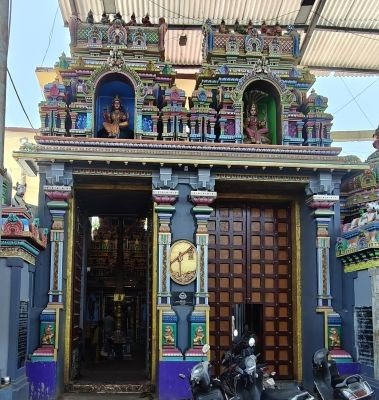
Nagapattinam
Some quick example text to build on the card title and make up the bulk of the card's content.
Go somewherein Other Cities