Ramkund Stepwell
General information
-
Ideal Duration:
1 to 2 HoursPlace Type:
Heritage Stepwell / Religious SiteEntry Fees:
Ramkund Stepwell Entry: Entry to the Ramkund Stepwell itself is generally free of cost for all visitors, including both Indian citizens and foreign nationals. This policy encourages all visitors to appreciate this important piece of historical and water heritage architectur...Ramkund Stepwell Entry: Entry to the Ramkund Stepwell itself is generally free of cost for all visitors, including both Indian citizens and foreign nationals. This policy encourages all visitors to appreciate this important piece of historical and water heritage architecture.
Fees for Related Sites: It is important to note that while the stepwell is free, the nearby Kutch Museum and other commercial or historical sites in the vicinity of Hamirsar Lake do charge a nominal entry fee. Visitors should budget for these if they plan a full-day itinerary.
Photography Charges: There are typically no charges for still photography or videography for personal use at the stepwell, owing to its status as a non-commercial, public heritage site. Commercial or professional film crews, however, may be required to obtain special permits and pay a fee.
Donation Policy: Although there is no mandatory fee, small donation boxes are often placed near the Ram Dhun Temple or the stepwell's entrance. Visitors are welcome to offer a voluntary donation to help with the upkeep and maintenance of the historical site, as such sites rely on public support for conservation efforts. The accessibility ensures that this architectural gem is open to everyone regardless of economic background. :Timing:
Regular Timings: The Ramkund Stepwell is generally open to the public from 9:00 AM to 6:00 PM every day of the week. Being an open-air historical site, the closing time can be flexible, but visitors are advised to finish their visit by sunset.
...Regular Timings: The Ramkund Stepwell is generally open to the public from 9:00 AM to 6:00 PM every day of the week. Being an open-air historical site, the closing time can be flexible, but visitors are advised to finish their visit by sunset.
Ideal Visit Time: The ideal time to visit is during the early morning (9:00 AM to 11:00 AM) or the late afternoon (4:00 PM to 6:00 PM). The late afternoon is particularly pleasant, as the harsh midday sun is avoided, and the structure's depth provides natural shade. The steps are less hot, and the light is perfect for photography, highlighting the carvings with softer shadows.
Seasonal Timing: During the hot summer months (April to June), visiting during the midday hours (11:00 AM to 3:00 PM) should be strictly avoided due to the intense heat in Bhuj. The pleasant winter months (November to February) allow for a comfortable visit at any time of the day, though the early morning remains the best.
Avoid Rush Hour: The stepwell rarely gets very crowded, but visiting on a weekday morning ensures the most tranquil and contemplative experience. :Special Events:
Ram Navami Celebrations: The most significant special event is the annual celebration of Ram Navami (in the March or April month), the birthday of Lord Rama. During this festival, the Ramkund Stepwell and the adjacent Ram Dhun Temple see a huge influx of devotees. Special ...Ram Navami Celebrations: The most significant special event is the annual celebration of Ram Navami (in the March or April month), the birthday of Lord Rama. During this festival, the Ramkund Stepwell and the adjacent Ram Dhun Temple see a huge influx of devotees. Special prayers, kirtans (devotional singing), and religious processions are organized, giving the quiet site a vibrant, festive atmosphere, connecting it directly to the large Hindu community of Bhuj.
Local Fair (Mela): The area surrounding the stepwell, often near Hamirsar Lake, sometimes hosts smaller, local religious fairs (Mela) on auspicious Tithis (dates) or during the Kartik Purnima (November) month. These events bring local vendors, food stalls, and a unique, traditional energy to the historical area, showcasing local Kutchi culture and traditions.
Annual Heritage Walk: The Ramkund Stepwell is a frequent highlight and key stop on organized annual heritage walks and cultural events, especially during the peak tourist season from November to February, often coinciding with the famous Rann Utsav festival, attracting history buffs and photographers. :Best Photo Spots:
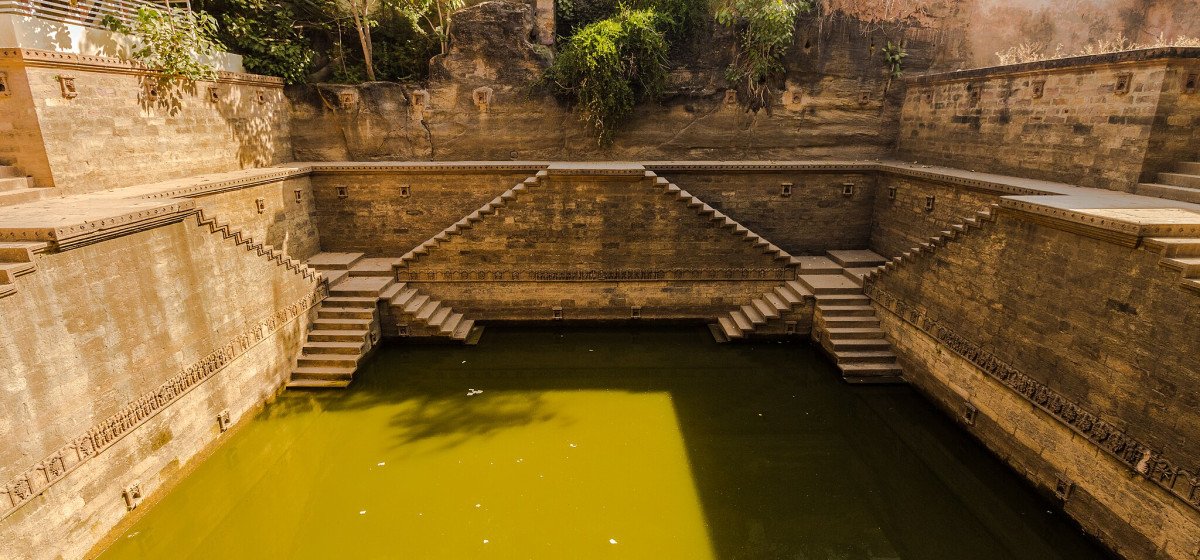
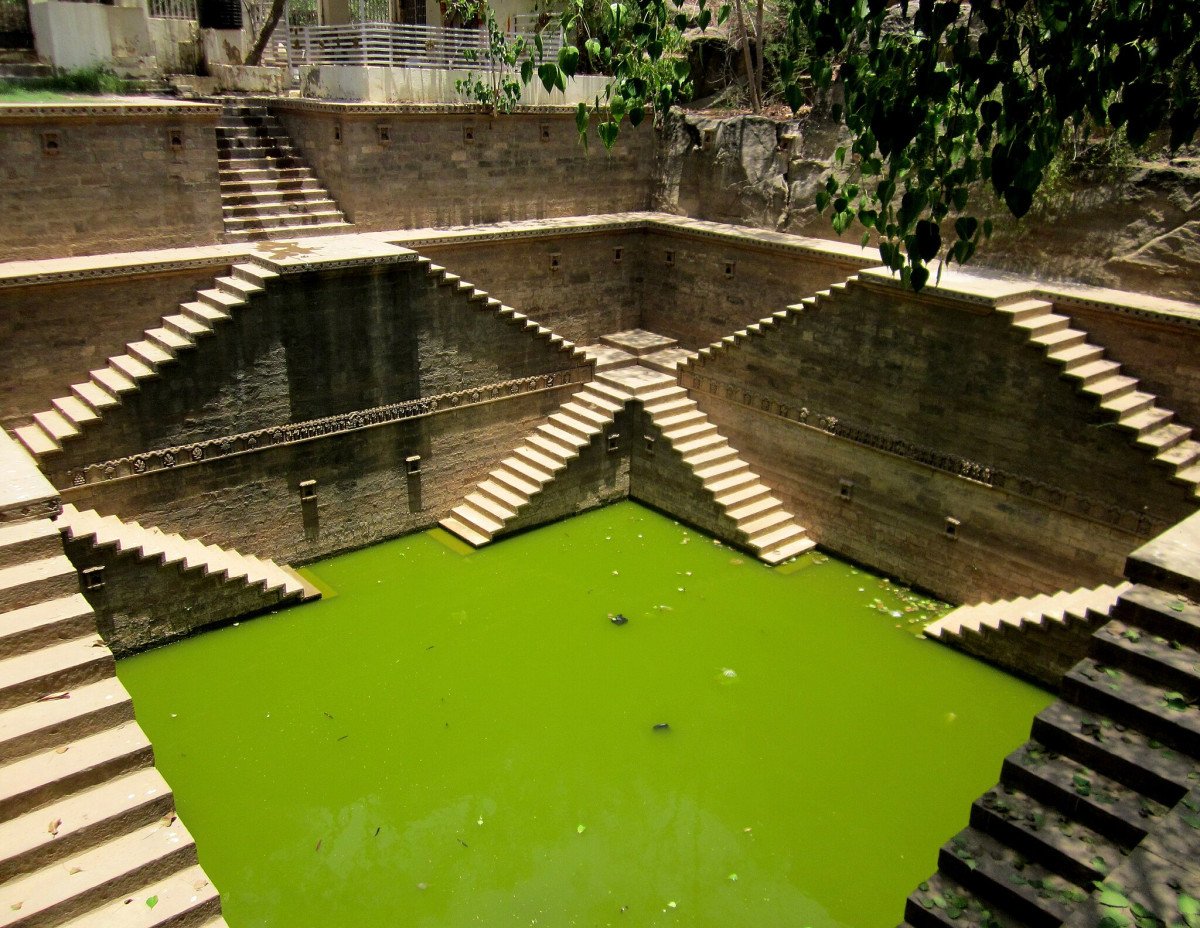
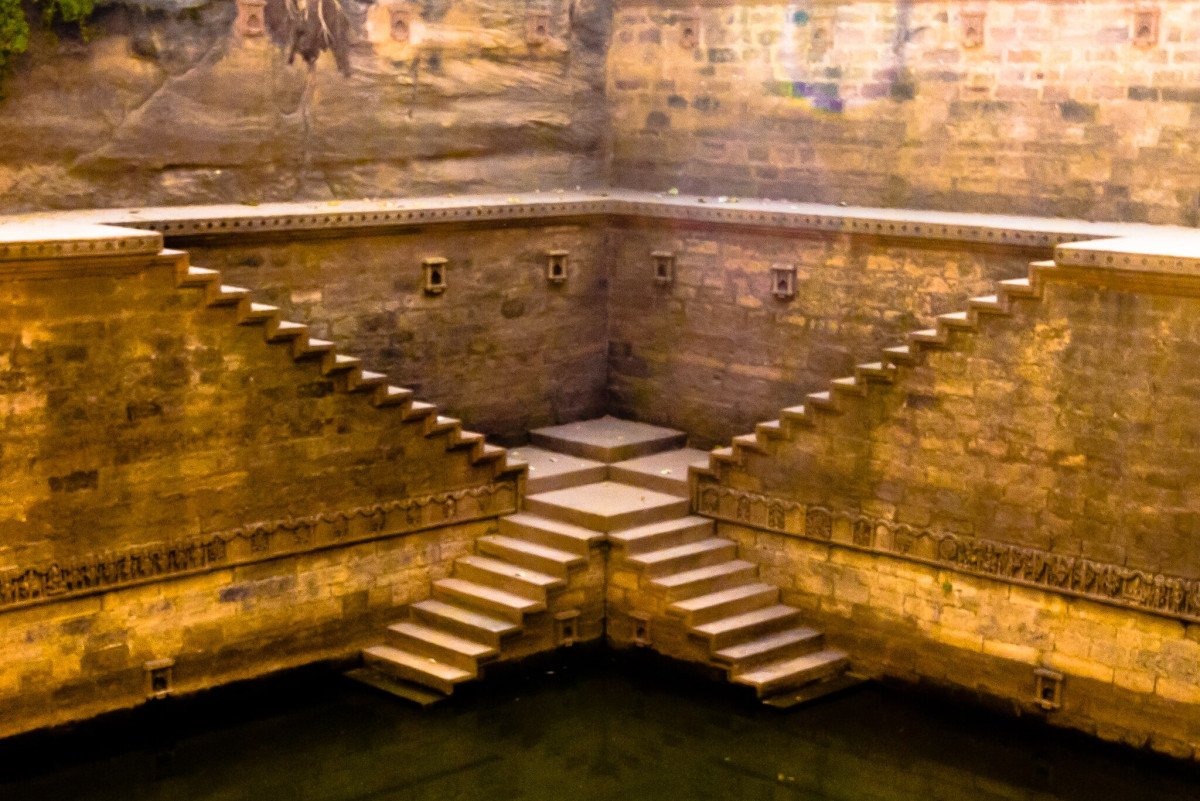
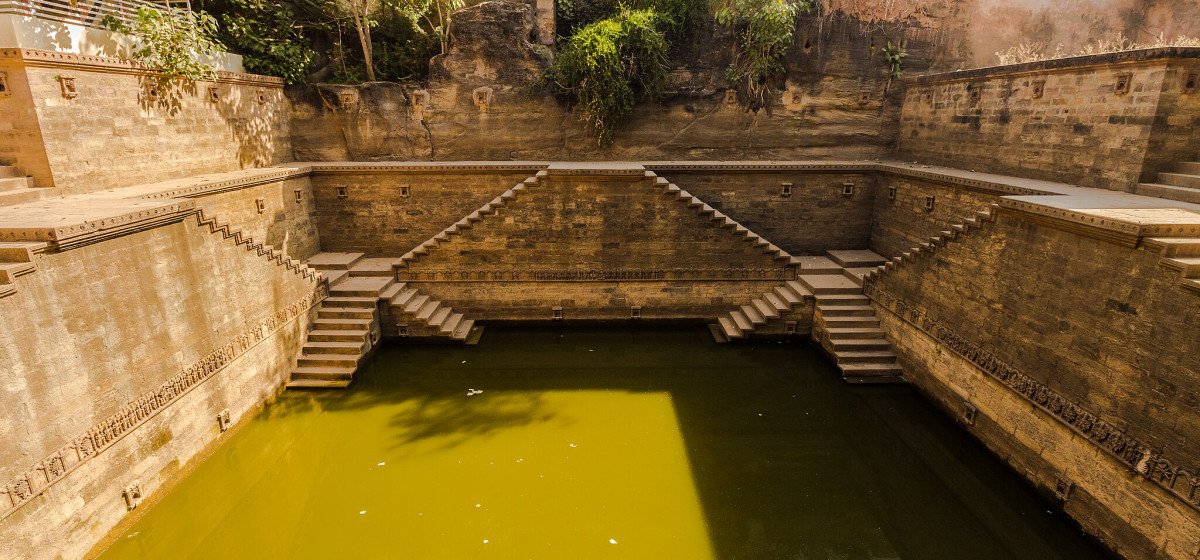
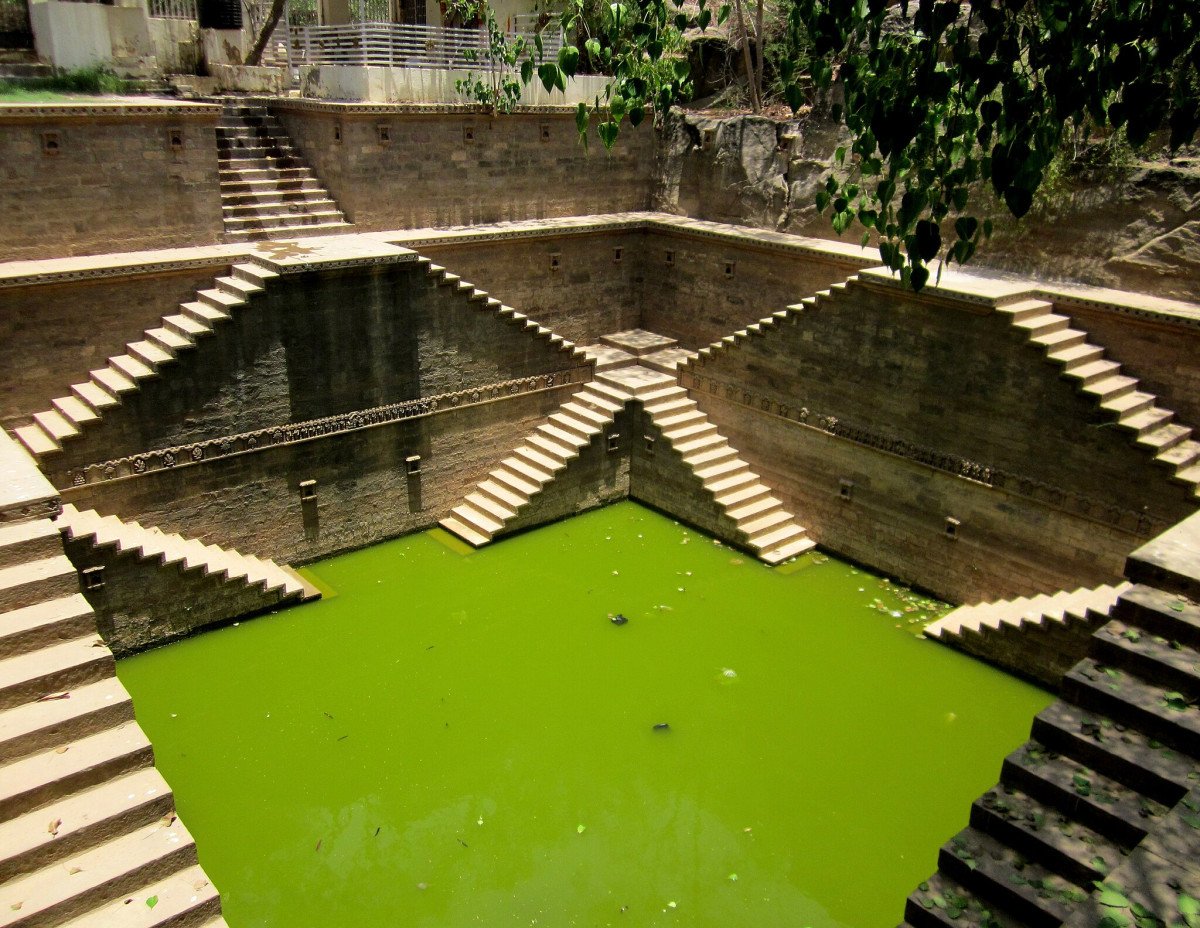
The Stepped Geometry: The best photo spot is from the top-most landing looking directly down into the well. This perspective perfectly captures the fascinating, repeating geometric patterns of the steps and the sheer depth of the structure. It is ideal for showcasing the a...The Stepped Geometry: The best photo spot is from the top-most landing looking directly down into the well. This perspective perfectly captures the fascinating, repeating geometric patterns of the steps and the sheer depth of the structure. It is ideal for showcasing the architecture and the scale of the stepwell.
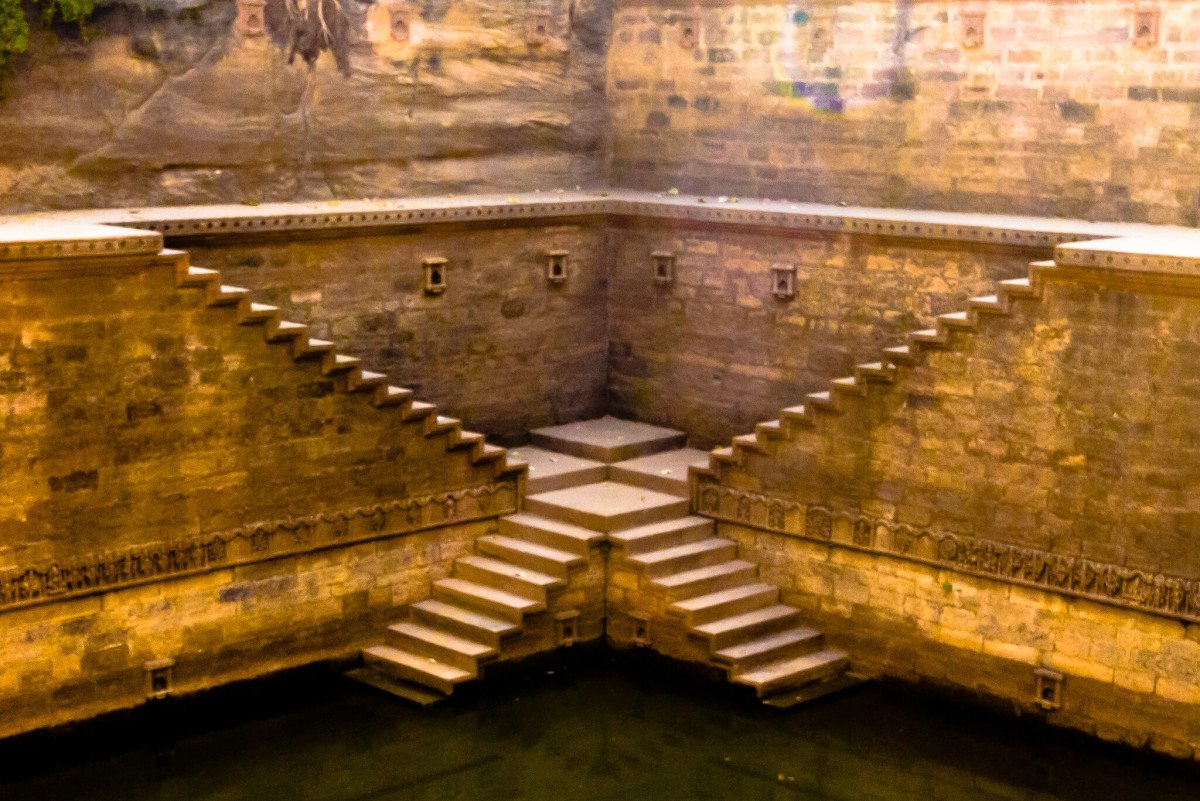
Carving Close-ups: The side walls of the lower levels, particularly those featuring the Dashavatars and the narrative scenes from the Ramayana, offer excellent close-up opportunities. Use natural light to highlight the intricate detail and texture of the 18th-century stonework.
The Reflection Shot: If the well contains water, stand at a point where the sun is low (early morning or late afternoon) and try to capture the reflection of the steps and the surrounding carvings in the still water below, adding a layer of depth and visual interest to the composition.
The Ram Dhun Frame: Frame the small, simple Ram Dhun Temple through one of the arches or viewing windows of the stepwell complex. This shot contrasts the grand stepwell with the humble shrine, tying together the site’s architectural and spiritual components.
Vertical Composition: Utilize a wide-angle lens from a lower landing to emphasize the towering height of the walls as they rise up to the sky, dramatically illustrating the stepwell's subterranean nature. :Photo Gallery
Things To Do
-
Explore the Stepwell Levels: The primary activity is to leisurely descend the steps to the bottom of the Ramkund Stepwell. Take your time to walk down each tier, absorbing the cool, subterranean air and appreciating the geometric precision of the structure. The descent itself is a meditative experience, moving from the bright world above to the quiet, shaded sanctuary below.
Study the Mythology in Stone: Dedicate significant time to systematically examining the rich stone carvings on the walls. Focus specifically on identifying the Dashavatars of Lord Vishnu and the various scenes and characters from the Ramayana, such as Lord Rama, Devi Sita, and Lord Hanuman. Use a local guide or an informative pamphlet to connect the visual art with the religious narrative, turning the visit into a history and mythology lesson.Explore the Stepwell Levels: The primary activity is to leisurely descend the steps to the bottom of the Ramkund Stepwell. Take your time to walk down each tier, absorbing the cool, subterranean air and appreciating the geometric precision of the structure. The descent itself is a meditative experience, moving from the bright world above to the quiet, shaded sanctuary below.
Study the Mythology in Stone: Dedicate significant time to systematically examining the rich stone carvings on the walls. Focus specifically on identifying the Dashavatars of Lord Vishnu and the various scenes and characters from the Ramayana, such as Lord Rama, Devi Sita, and Lord Hanuman. Use a local guide or an informative pamphlet to connect the visual art with the religious narrative, turning the visit into a history and mythology lesson.
Visit Ram Dhun Temple: Walk over to the small, serene Ram Dhun Temple located directly opposite the stepwell. Spend a quiet moment inside, offering prayers or simply sitting in the peaceful atmosphere. The temple provides a beautiful religious counterpoint to the architectural marvel of the stepwell itself.
Photography: Ramkund is a highly photogenic location, especially for architectural photography. Focus on capturing the geometric lines of the steps leading down into the darkness, the intricate detail of the carvings, and the contrast between the rough stone and the reflections on the water surface (if there is water). Early morning or late afternoon light offers the best contrast and shadow play.
Contemplate Water Conservation: Spend a few moments reflecting on the historical importance of the stepwell as a solution to water scarcity in the arid Kutch region. Consider the ingenuity of the people who built it in the 18th century, transforming a necessity into a work of art and a community center.
Nearby Attractions: After visiting the stepwell, continue your heritage exploration. The Kutch Museum is located very close by, offering an excellent next stop to view a large collection of Kutchi art, weapons, and historical artifacts. You can also walk towards Hamirsar Lake which is a short distance away for a relaxing evening stroll.
Engage with Local Culture: Look for local vendors or artisans selling small souvenirs or local snacks near the entrance. Purchasing a local craft or trying a traditional snack like Kutchi Dabeli supports the community and provides a taste of local life in Bhuj. This holistic approach of architecture, art, and local engagement makes the visit complete. :
Information
-
Why Famous:
Mythological Connection: The stepwell is renowned for its purported connection to Lord Rama from the Ramayana, making it a deeply sacred spot for Hindus in the region. This legendary association elevates its status beyond a mere historical structure.
Read MoreMythological Connection: The stepwell is renowned for its purported connection to Lord Rama from the Ramayana, making it a deeply sacred spot for Hindus in the region. This legendary association elevates its status beyond a mere historical structure.
Intricate Carvings: Its fame is solidified by the stunning and detailed stone carvings that cover its walls, featuring the ten Dashavatars of Lord Vishnu, which are considered a masterpiece of Kutchi stone masonry and a rare public display of this specific iconography.
Water Heritage: It is a key example of the ancient and ingenious water harvesting systems (vavs) of Gujarat, illustrating how life and culture thrived in the arid Kutch region through architectural adaptation. It is also famous for its peaceful, cool atmosphere, which offers a respite from the Bhuj heat. It is a hidden gem that many tourists overlook, valuing its solitude and historical depth above the more crowded city sites. The presence of the Ram Dhun Temple nearby reinforces its spiritual importance. :Architecture:
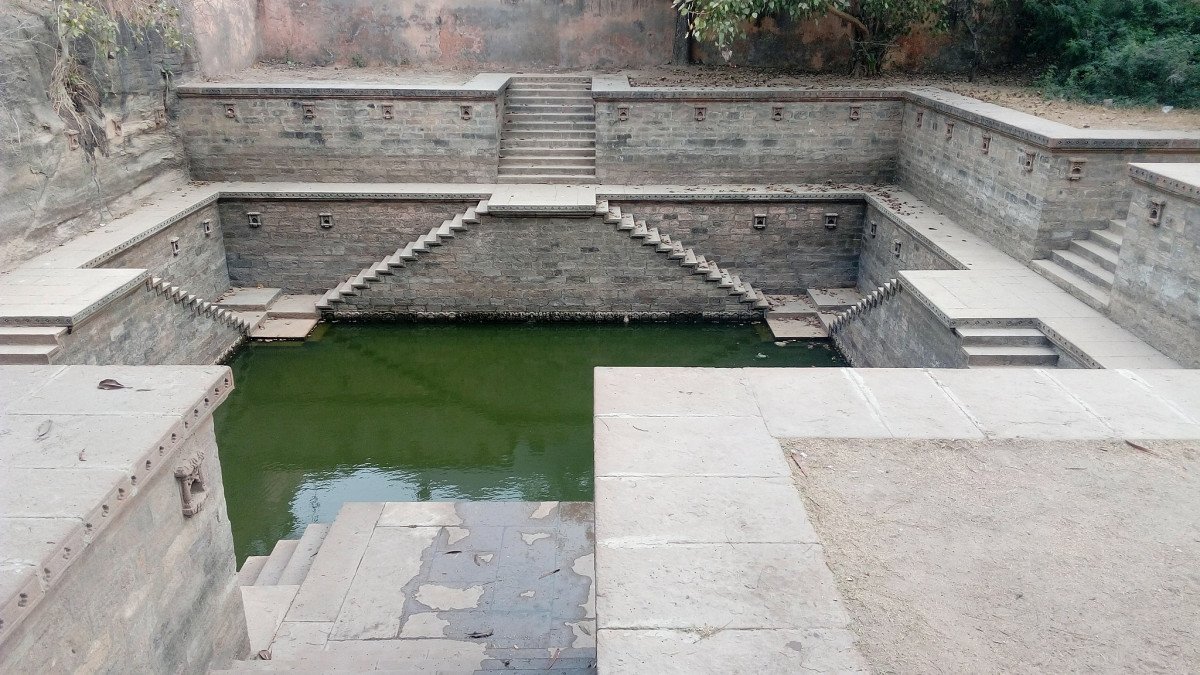
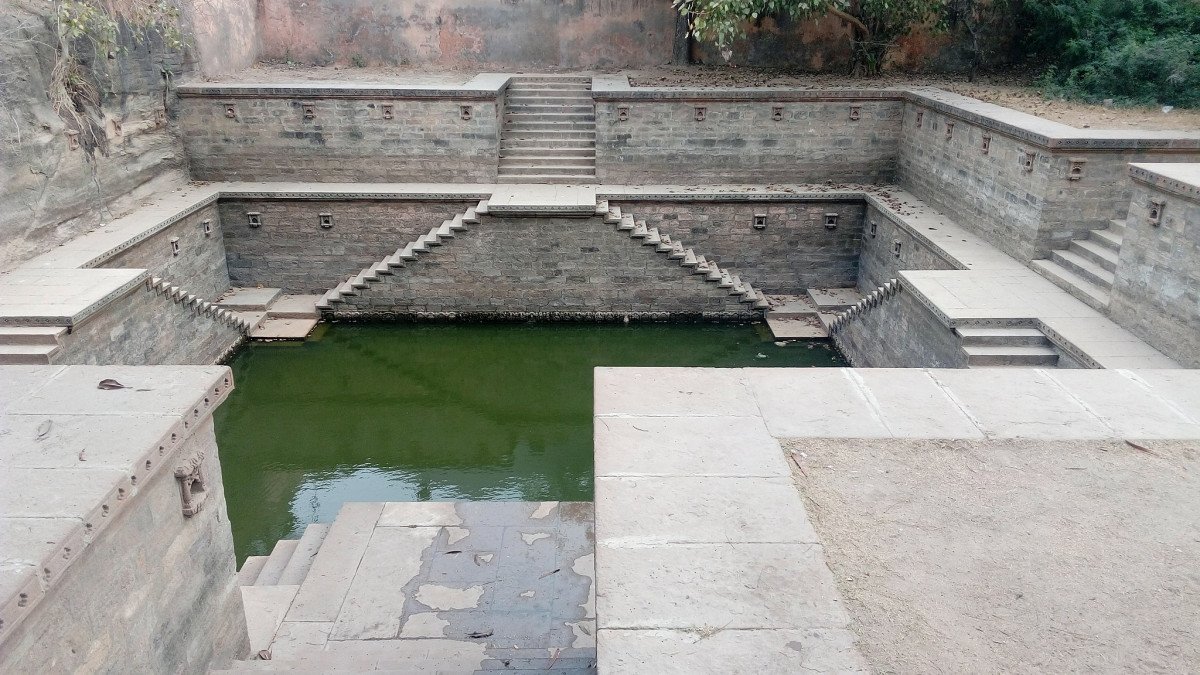
Design and Geometry: The Ramkund Stepwell is a marvelous example of utilitarian, subterranean architecture. The structure is essentially a large, square-shaped water tank, featuring perfectly carved and geometrically precise steps descending on all four sides. The overall ...Design and Geometry: The Ramkund Stepwell is a marvelous example of utilitarian, subterranean architecture. The structure is essentially a large, square-shaped water tank, featuring perfectly carved and geometrically precise steps descending on all four sides. The overall dimensions are impressive, with one side measuring approximately 56 feet in height/depth.
Sculptural Details: The key architectural feature is the extensive array of sculptures carved into the niches and walls of the stepwell's interior. This is a common feature in Gujarati vavs, designed to add religious and aesthetic value to a purely functional structure. The stone carvings focus almost entirely on Hindu mythology. The most prominent depictions are of the Dashavatars (Ten Incarnations of Lord Vishnu), including Matsya, Kurma, Varaha, Narasimha, Vamana, Parashurama, Rama, Balarama, Buddha, and Kalki, along with intricate panels depicting key figures like Sita and Hanuman from the Ramayana. The use of local sandstone ensures its durability. The stepped descent provides natural ventilation and a cool microclimate at the lower levels. :How To Reach:
By Air: The nearest airport is Bhuj Airport (BHJ), also known as Shyamji Krishna Verma Airport. It is located approximately 6 to 8 KMS from the city center and the Ramkund Stepwell. Major domestic airlines operate regular flights to Bhuj from major cities like Mumbai and A...By Air: The nearest airport is Bhuj Airport (BHJ), also known as Shyamji Krishna Verma Airport. It is located approximately 6 to 8 KMS from the city center and the Ramkund Stepwell. Major domestic airlines operate regular flights to Bhuj from major cities like Mumbai and Ahmedabad. Upon arrival, you can easily hire a pre-paid taxi, a ride-share service, or an auto-rickshaw to reach the stepwell in about 20 to 30 minutes.
By Train: Bhuj Railway Station (BHUJ) is well-connected to various parts of Gujarat and India. Direct trains are available from cities like Delhi, Mumbai, Pune, and Ahmedabad. The station is only about 3. 5 KMS from the Ramkund Stepwell. From the station, you can take a local auto-rickshaw for a quick 10 to 15-minute ride. The auto-rickshaw drivers are very familiar with the location, as it is near the famous Kutch Museum.
By Road: Bhuj is well-served by a network of National and State Highways. It is easily accessible by road from major cities in Gujarat such as Ahmedabad (approx. 330 KMS), Gandhinagar (approx. 360 KMS), and Rajkot (approx. 230 KMS). Gujarat State Road Transport Corporation (GSRTC) operates comfortable, regular bus services (sleeper and Volvo options) to Bhuj from these cities. If driving your own vehicle, the stepwell is located in the old city, close to the Kutch Museum, and local signage is generally adequate.
By Local Transport: Within Bhuj, the Ramkund Stepwell is centrally located and best reached by auto-rickshaw. Negotiate the fare before starting your journey. It is also a popular stop on local tourist circuits, so you can easily include it in a day-long auto-rickshaw hire. From the Hamirsar Lake area, the stepwell is easily reachable via a short 10 to 15-minute walk through the historical lanes of the old city, making walking a pleasant and recommended option. :Weather and Best Time to Visit:
Different Types of Seasons: The best time to visit Ramkund Stepwell is during the Winter season, which runs from October to March. The weather during these months is cool and highly pleasant, with temperatures ranging from 12°C to 25°C, making the exploration of the open-...Different Types of Seasons: The best time to visit Ramkund Stepwell is during the Winter season, which runs from October to March. The weather during these months is cool and highly pleasant, with temperatures ranging from 12°C to 25°C, making the exploration of the open-air steps and carvings very comfortable. The Monsoon season (July to September) is also a good time, as the water level in the stepwell might be higher, and the surrounding area greener, but sudden heavy rain can disrupt the visit. The Summer season (April to June) is extremely hot, and this period should be avoided due to the intense midday heat.
Different Parts of the Day: Within the day, the ideal time is the early morning (9:00 AM to 11:00 AM) or the late afternoon (4:00 PM to 6:00 PM). The low sun during these times creates soft, beautiful lighting for photography, and the lower temperatures make the descent much more enjoyable. Visiting early in the day also provides a tranquil experience before the few crowds arrive, perfect for quiet contemplation of the site's history and mythology. Avoid the peak sun between 12:00 PM and 3:00 PM. :Near Tourist Places:
1.
Kutch Museum (< 300 meters): Historical artifacts and local culture. 2. Hamirsar Lake (< 1 KM) A large man-made lake, ideal for evening walks. 3. Prag Mahal (< 1 KM) Gothic palace with a clock tower. 4. Aina Mahal (< 1 KM) The Palace of Mirrors. 5. Chhatedi Bhuj (Approx.
2 KMS): Royal cenotaphs. 6. Sharad Baug Palace (Approx.
2 KMS): Royal garden and museum. 7. Bhujia Hill/Fort (Approx.
4 KMS): Historic fort and viewpoint. 8. Smritivan Memorial (Approx. 4.
5 KMS): Earthquake memorial and museum. 9. Tapkeshwari Temple (Approx.
7 KMS): Cave temple on a hill. 10. Vande Mataram Memorial (Approx.
8 KMS): Patriotic memorial. 11. Kera Shiva Temple (Approx.
20 KMS): Ancient temple ruins.Tourism Tips
-
Health & safety:
Stay Hydrated: Always carry bottled drinking water, especially if visiting outside of the peak winter season, as the arid climate of Kutch can lead to dehydration quickly.
Watch Your Step: Th...Health & safety:
Stay Hydrated: Always carry bottled drinking water, especially if visiting outside of the peak winter season, as the arid climate of Kutch can lead to dehydration quickly.
Watch Your Step: The stone steps can be worn, uneven, or slippery (especially during the monsoon), so wear sturdy, closed-toe shoes with good grip and take caution when descending into the well.
Protect Against Sun: Use sunscreen and wear a hat if visiting during the day, even in winter, as the sun is strong.
Packing:
Footwear: Comfortable walking shoes are a must.
Camera Gear: Bring a wide-angle lens to capture the full geometry of the deep stepwell and a telephoto for detailed shots of the carvings.
Snacks: Carry small snacks as there are limited formal food facilities immediately near the stepwell.
Accommodation: The best areas for accommodation are near Hamirsar Lake or on the main Airport Road in Bhuj. Options range from budget hotels to mid-range stays. Book well in advance if planning to visit during the Rann Utsav season (November to February).
Check Reviews: Always check cleanliness reviews, as standards can vary.
Other Different Topics:
Local Guide: Consider hiring a local auto-rickshaw driver or guide for a full day; they can provide rich historical context.
Respectful Attire: While there is no strict dress code, wearing modest clothing is advisable out of respect for the adjacent Ram Dhun Temple.
Combine the Visit: Plan to visit the nearby Kutch Museum and Hamirsar Lake in the same trip to maximize your time in this historical precinct.
Negotiate Auto Fares: Always negotiate the fare with auto-rickshaw drivers before starting your journey. :
Reviews
FAQs
Bhuj Itineray And Cost:-
Ramkund Stepwell Tourism:-
Other Places In Bhuj :-
Other States In India :-
Information about New and Updated Locations() of Gujarat Has Been Added :-
Card subtitle
Note:-
Information provided here in good Faith and for reference only.
Near Places
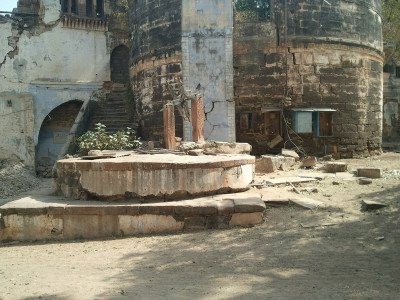
Aina Mahal
Some quick example text to build on the card title and make up the bulk of the card's content.
Go somewhere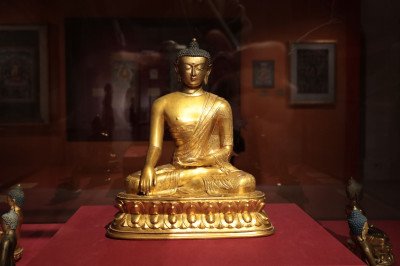
Bhartiya Sanskruti Darshan Museum
Some quick example text to build on the card title and make up the bulk of the card's content.
Go somewhere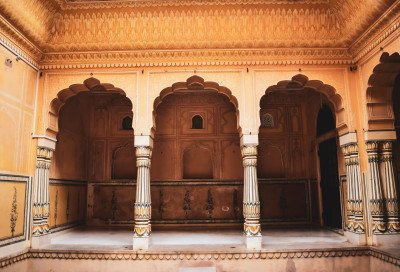
Bhujia Fort
Some quick example text to build on the card title and make up the bulk of the card's content.
Go somewhere
Bhujia Hill & Fort
Some quick example text to build on the card title and make up the bulk of the card's content.
Go somewhere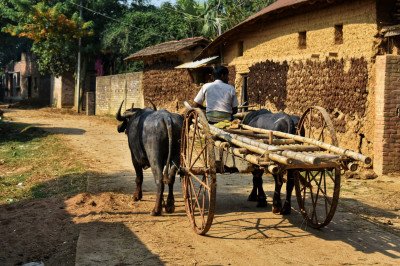
Bhujodi Handicraft Village
Some quick example text to build on the card title and make up the bulk of the card's content.
Go somewhere
Chhatardi
Some quick example text to build on the card title and make up the bulk of the card's content.
Go somewhere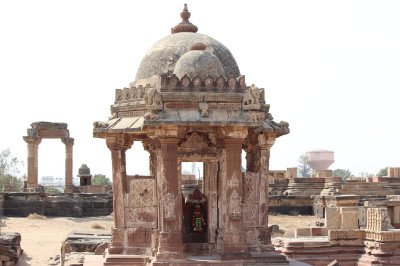
Chhatedi
Some quick example text to build on the card title and make up the bulk of the card's content.
Go somewhere
Darbar Gadh
Some quick example text to build on the card title and make up the bulk of the card's content.
Go somewhere
Great Rann of Kutch
Some quick example text to build on the card title and make up the bulk of the card's content.
Go somewhere
Hamirsar Lake
Some quick example text to build on the card title and make up the bulk of the card's content.
Go somewhere
Hill Garden
Some quick example text to build on the card title and make up the bulk of the card's content.
Go somewhere
Hiralaxmi Memorial Craft Park
Some quick example text to build on the card title and make up the bulk of the card's content.
Go somewhere
Kalo Dungar
Some quick example text to build on the card title and make up the bulk of the card's content.
Go somewhere
Krantitirth
Some quick example text to build on the card title and make up the bulk of the card's content.
Go somewhere
Kutch Museum
Some quick example text to build on the card title and make up the bulk of the card's content.
Go somewhere
Lakhpat Fort
Some quick example text to build on the card title and make up the bulk of the card's content.
Go somewherein Other Cities