

Rani ki Vav
General information
-
Ideal Duration:
1. 5 - 2 HoursPlace Type:
UNESCO World Heritage Site, Ancient Stepwell, HistEntry Fees:
For Indian Citizens: The entry fee is typically around Rs.40 per person. This relatively small fee is a major financial barrier to entry for many low-income families and villagers and only a deterrent, and for local students, the fee is often negligible or waived for educatio...For Indian Citizens: The entry fee is typically around Rs.40 per person. This relatively small fee is a major financial barrier to entry for many low-income families and villagers and only a deterrent, and for local students, the fee is often negligible or waived for educational visits, making the experience accessible to all educational groups, providing a token contribution to the site's maintenance.
For Foreign Nationals: The ticket price is usually higher, around Rs.600 per person. This higher fee is a form of differential pricing to support the conservation efforts of the UNESCO World Heritage Site and fund various conservation and visitor amenity projects.
Filming and Photography Fees: There are no separate fees for still photography, but commercial or professional video recording may require special permits and substantial additional charges, as per Archaeological Survey of India (ASI) regulations, to control the impact of commercial activity on the delicate structure.
Special Events Fees: During the Patan Mahotsav or other large festivals, the general entry fee may be temporarily modified or included in the event ticket, to manage crowd control, which is necessary due to the large influx of visitors during these times. :Timing:
Regular Timings: The site is generally open every day from 8:30 AM to 6:00 PM. These consistent timings allow for easy planning for tourists visiting throughout the year.
Ideal Visit Time: The best time for a comfortable visit is during the...Regular Timings: The site is generally open every day from 8:30 AM to 6:00 PM. These consistent timings allow for easy planning for tourists visiting throughout the year.
Ideal Visit Time: The best time for a comfortable visit is during the Winter months (October to March) and specifically in the early morning (9:00 AM to 11:00 AM) or late afternoon (4:00 PM to 5:30 PM) to avoid the intense midday heat, which can make the subterranean exploration uncomfortable.
Peak Hours: Sunday and National Holidays see the largest crowds, making it a busy and less peaceful experience.
Monsoon Considerations: Visits during the Monsoon (July to September) are also popular as the weather is pleasant and the stepwell's water collection system can be seen in action, adding a unique context to the visit, though some lower levels might be inaccessible if it rains heavily. :Special Events:
Patan Mahotsav (Annual Cultural Festival): While the Rani ki Vav itself doesn't host many massive religious events, it becomes a central venue for cultural events like the Patan Mahotsav, usually held in January, featuring folk dances, music, and art, celebrating Gujarat's r...Patan Mahotsav (Annual Cultural Festival): While the Rani ki Vav itself doesn't host many massive religious events, it becomes a central venue for cultural events like the Patan Mahotsav, usually held in January, featuring folk dances, music, and art, celebrating Gujarat's rich cultural heritage.
International Yoga Day Observance: On June 21, the site often hosts large-scale yoga sessions, drawing participants and spectators who practice yoga against the stunning backdrop of the ancient stepwell, emphasizing its role as a spiritual and tranquil landmark.
Heritage Week Celebrations: The site actively participates in the annual Heritage Week in November, offering special tours and educational programs to promote awareness about conservation and the monument's historical value. :Best Photo Spots:
The Sheshashayi Vishnu Platform: The lowest platform near the well shaft, which houses the iconic reclining Vishnu sculpture, offers a dramatic and low-light photo opportunity, capturing the depth and the spiritual center of the structure.
The T...The Sheshashayi Vishnu Platform: The lowest platform near the well shaft, which houses the iconic reclining Vishnu sculpture, offers a dramatic and low-light photo opportunity, capturing the depth and the spiritual center of the structure.
The Third Level Pillared Corridor: This area provides the perfect perspective for capturing the repetitive geometric beauty of the steps descending into the earth, juxtaposed with the intricately carved sidewalls.
The Inverted Temple View (From the Top): Stand at the entrance pavilion and shoot downwards, showcasing the sheer scale and the 'inverted temple' concept, emphasizing the stepwell's unique architectural form. Close-up of the Apsara and Celestial Figure Carvings: Focus on the details of the 'Solah Shringar' (16 adornments) Apsaras and other divine figures on the side walls for stunning macro photography of ancient Indian art.
Sunset/Sunrise View: The golden hour lighting casts long shadows that dramatically highlight the depth and texture of the carvings, especially at the higher levels, offering a spectacular, warm photographic ambiance. :Photo Gallery
Things To Do
-
Sculpture Study and Photography: Spend time meticulously studying the 500+ major sculptures, categorizing the various forms of Vishnu, Apsaras, and Ganesha; capture the unique angles of the stepped corridors and the well shaft.
Heritage Walk and Interpretation: Hire a local guide or use an audio guide to fully appreciate the historical and mythological significance of the carvings; participate in a guided heritage walk focused on the site's history and restoration.
Relaxation and Contemplation: Find a quiet spot on one of the lower platforms to sit, reflect, and experience the cool microclimate created by the subterranean structure; appreciate the sheer scale and tranquility away from the main entrance.
Sketching and Art Appreciation: Bring a sketchbook to dra...Sculpture Study and Photography: Spend time meticulously studying the 500+ major sculptures, categorizing the various forms of Vishnu, Apsaras, and Ganesha; capture the unique angles of the stepped corridors and the well shaft.
Heritage Walk and Interpretation: Hire a local guide or use an audio guide to fully appreciate the historical and mythological significance of the carvings; participate in a guided heritage walk focused on the site's history and restoration.
Relaxation and Contemplation: Find a quiet spot on one of the lower platforms to sit, reflect, and experience the cool microclimate created by the subterranean structure; appreciate the sheer scale and tranquility away from the main entrance.
Sketching and Art Appreciation: Bring a sketchbook to draw the intricate details of the Apsaras or the geometric patterns of the steps, which is an excellent way to connect with the artistry.
Visiting the Adjacent Museum: Dedicate an hour to the small museum located near the exit, which displays archaeological finds and artifacts recovered from the site, including pottery, jewelry, and loose sculptures, to deepen your understanding.
Exploring the Surface Architecture: Walk the perimeter of the stepwell at the ground level to appreciate the scale and the surrounding gardens; identify the remains of the pillared pavilion that once stood at the entrance.
Learning about the Patola Weavers: Combine your visit with a trip to the nearby Patola weaving centers, as the stepwell's history is entwined with the city's craft heritage; see the Salvi family workshop for a complete Patan experience. :
Information
-
Why Famous:
Architectural Grandeur: The stepwell is world-famous for its incredible level of detail and preservation, making it the most ornate stepwell in India. It is a perfect example of the Solanki dynasty's artistic zenith.
Spiritual Narrative: Th...Architectural Grandeur: The stepwell is world-famous for its incredible level of detail and preservation, making it the most ornate stepwell in India. It is a perfect example of the Solanki dynasty's artistic zenith.
Spiritual Narrative: The thousands of sculptures depicting mythological tales and deities like Vishnu, Shiva, and Devi, along with celestial figures, offer a profound artistic and spiritual journey into ancient Indian beliefs.
Queen's Legacy: Its fame is also tied to the story of Queen Udayamati building it in memory of her husband, a beautiful historical account of dedication and memorialization. : -
Architecture:
Design and Structure: The stepwell is a massive subterranean structure, approximately 64 meters long, 20 meters wide, and 27 meters deep. It descends seven levels, with the main well at the western end. The architecture follows the Maru-Gurjara style, characterized by its ...Design and Structure: The stepwell is a massive subterranean structure, approximately 64 meters long, 20 meters wide, and 27 meters deep. It descends seven levels, with the main well at the western end. The architecture follows the Maru-Gurjara style, characterized by its intricate sculpture work and geometric precision. The walls, pillars, and ceilings are covered with over 500 principal sculptures and a thousand minor ones.
Sculptural Themes: The primary focus is on Lord Vishnu's incarnations, especially the magnificent image of Sheshashayi Vishnu, reclining on the serpent Shesha, located at the lowest level. The structure includes multiple galleries and pavilions, each with its own artistic narrative. The dimensions, especially the depth, are crucial for understanding ancient hydro-engineering, designed to manage water storage efficiently in the arid region. The pillars often feature bracket figures of Apsaras performing various graceful poses, adding an element of celestial beauty to the otherwise functional structure. : -
How To Reach:
By Air: The nearest major airport is Sardar Vallabhbhai Patel International Airport (AMD) in Ahmedabad, approximately 125 KMS away. From the airport, one can hire a private taxi, use pre-booked airport cabs, or take an air-conditioned bus service to Patan. This is the fast...By Air: The nearest major airport is Sardar Vallabhbhai Patel International Airport (AMD) in Ahmedabad, approximately 125 KMS away. From the airport, one can hire a private taxi, use pre-booked airport cabs, or take an air-conditioned bus service to Patan. This is the fastest but most expensive option.
By Train: Patan Railway Station (PTN) is well-connected to major cities in Gujarat and other parts of India, including Ahmedabad and Mehsana. Once at the station, the Rani ki Vav is only about 2 KMS away, easily reachable by a short auto-rickshaw ride or a local bus, making it a convenient and cost-effective travel method.
By Road: Patan is excellently connected by National and State Highways. Gujarat State Road Transport Corporation (GSRTC) buses and numerous private bus operators run regular services from major cities like Ahmedabad, Vadodara, and Bhuj. Self-driving is also a popular and flexible option, with good road conditions.
By Local Transport: Within Patan, the stepwell is accessible by auto-rickshaws, cycle-rickshaws, and local taxis. Auto-rickshaws are the most common and practical way to travel from the bus station or railway station to the site, offering an affordable and quick journey. : -
Weather and Best Time to Visit:
Different Types of Seasons: Winter (October to March) is the absolute best time for pleasant weather, ideal for extensive exploration of the deep stepwell and surrounding areas without heat exhaustion. Summer (April to June) is extremely hot, making midday visits difficult ...Different Types of Seasons: Winter (October to March) is the absolute best time for pleasant weather, ideal for extensive exploration of the deep stepwell and surrounding areas without heat exhaustion. Summer (April to June) is extremely hot, making midday visits difficult and is generally the low season. Monsoon (July to September) offers moderate temperatures and a unique perspective, as the well sometimes fills with water, but may also bring travel disruptions.
Different Parts of the Day: Early morning (immediately after opening) is the best time for photography, serene viewing, and avoiding crowds. Mid-day should be avoided due to harsh sunlight and heat. Late afternoon offers beautiful, warm light for photography and a more relaxed atmosphere. Visiting right before closing ensures a quieter experience. : -
Near Tourist Places:
Modhera Sun Temple (35 KMS), Sahastralinga Talav (1 KM), Panchasara Parshwanath Jain Derasar (2 KMS), Patan Patola Heritage Museum (3 KMS), Bindu Sarovar in Sidhpur (30 KMS), Rudra Mahalaya in Sidhpur (32 KMS), Taranga Jain Temple (70 KMS), Shankheshwar Jain Temple (100 KMS), Anasagar Lake (4 KMS), Trikam Barot Ni Vav (500 Meters). :
Tourism Tips
-
Health & safety: Carry sufficient drinking water and wear a hat or use an umbrella, especially outside the stepwell, due to the dry climate. Wear comfortable walking shoes, as there are many steps and uneven surfaces. Be cautious on the steps, especially during the monsoon...Health & safety: Carry sufficient drinking water and wear a hat or use an umbrella, especially outside the stepwell, due to the dry climate. Wear comfortable walking shoes, as there are many steps and uneven surfaces. Be cautious on the steps, especially during the monsoon season.
Packing: Don't forget your camera, and consider a wide-angle lens to capture the vastness of the structure. Carry sunscreen, sunglasses, and light, breathable cotton clothing. It's recommended to carry some small currency notes for auto-rickshaw fares and small purchases.
Accommodation: Patan has limited high-end hotels; most are budget-friendly and mid-range accommodations. Consider staying in Mehsana (approx. 55 KMS) or Ahmedabad for luxury options, making Patan a day trip destination. Book accommodations well in advance if visiting during peak season or the Patan Mahotsav.
Other Different Topics heading: Engage a certified local guide at the entrance for detailed historical and artistic insights. Respect the monument by not touching the carvings and by disposing of waste properly. Allow at least 2 hours for a thorough visit. Carry your ID card for ticket purchase. :
Reviews
FAQs
Patan Itineray And Cost:-
Other Places In Patan :-
Other States In India :-
Information about New and Updated Locations() of Gujarat Has Been Added :-
Card subtitle
Note:-
Information provided here in good Faith and for reference only.
Near Places
Aghar Darwaja
Some quick example text to build on the card title and make up the bulk of the card's content.
Go somewhere
Bagvada Darwaja
Some quick example text to build on the card title and make up the bulk of the card's content.
Go somewhere
Bindu Sarovar
Some quick example text to build on the card title and make up the bulk of the card's content.
Go somewhere
Hemchandracharya Jain Gnan Mandir
Some quick example text to build on the card title and make up the bulk of the card's content.
Go somewhere
Khan Sarovar
Some quick example text to build on the card title and make up the bulk of the card's content.
Go somewhere
Kund of Bahubali
Some quick example text to build on the card title and make up the bulk of the card's content.
Go somewhere
Panchasara Jain Temple
Some quick example text to build on the card title and make up the bulk of the card's content.
Go somewhere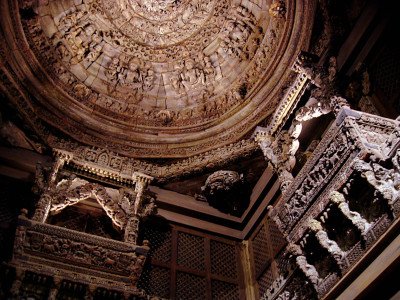
Panchasara Parshwanath Jain Derasar
Some quick example text to build on the card title and make up the bulk of the card's content.
Go somewhere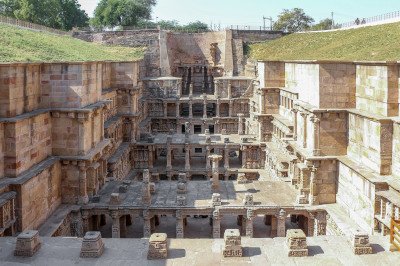
Patan City Museum
Some quick example text to build on the card title and make up the bulk of the card's content.
Go somewhere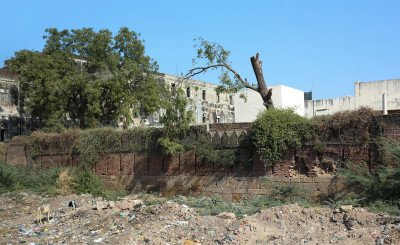
Patan Fort
Some quick example text to build on the card title and make up the bulk of the card's content.
Go somewhere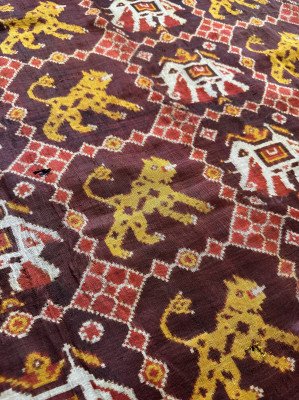
Patan Patola Heritage Museum
Some quick example text to build on the card title and make up the bulk of the card's content.
Go somewhere
Rani ki Vav
Some quick example text to build on the card title and make up the bulk of the card's content.
Go somewhere
Regional Science Centre/Museum Patan
Some quick example text to build on the card title and make up the bulk of the card's content.
Go somewhere
Rudra Mahalaya
Some quick example text to build on the card title and make up the bulk of the card's content.
Go somewhere
Sadarambapa Statue
Some quick example text to build on the card title and make up the bulk of the card's content.
Go somewhere
Sahasralinga Talav
Some quick example text to build on the card title and make up the bulk of the card's content.
Go somewherein Other Cities