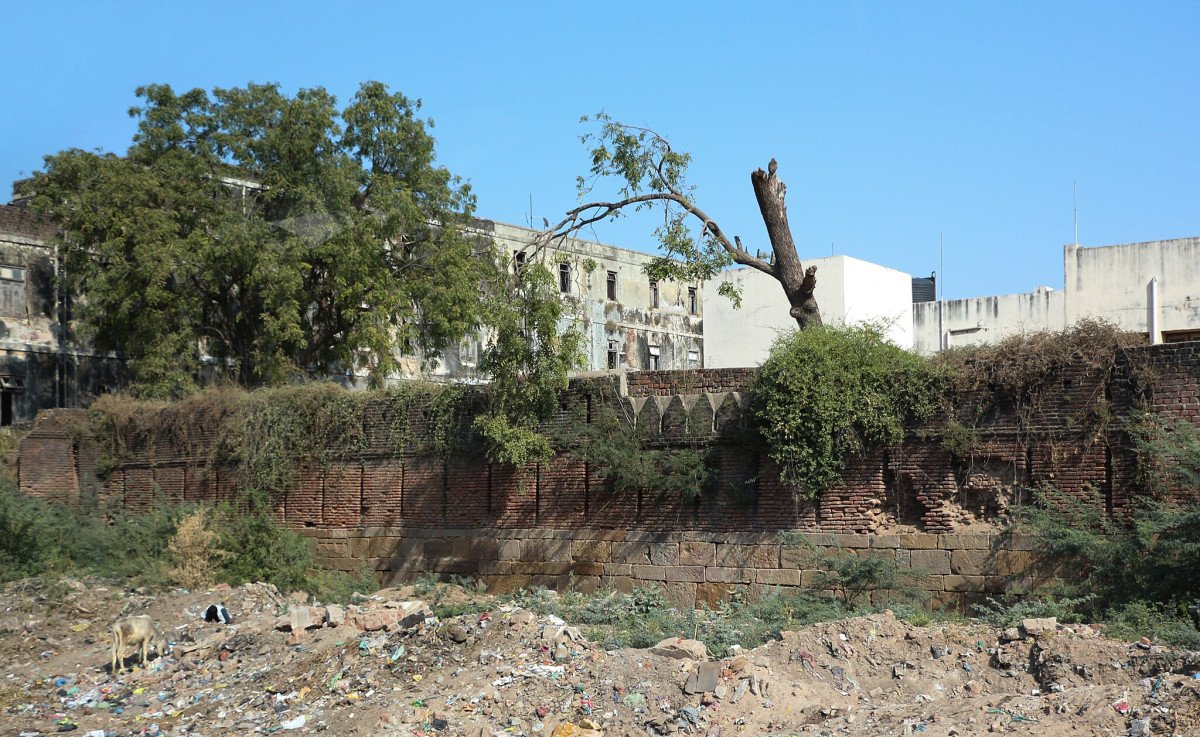
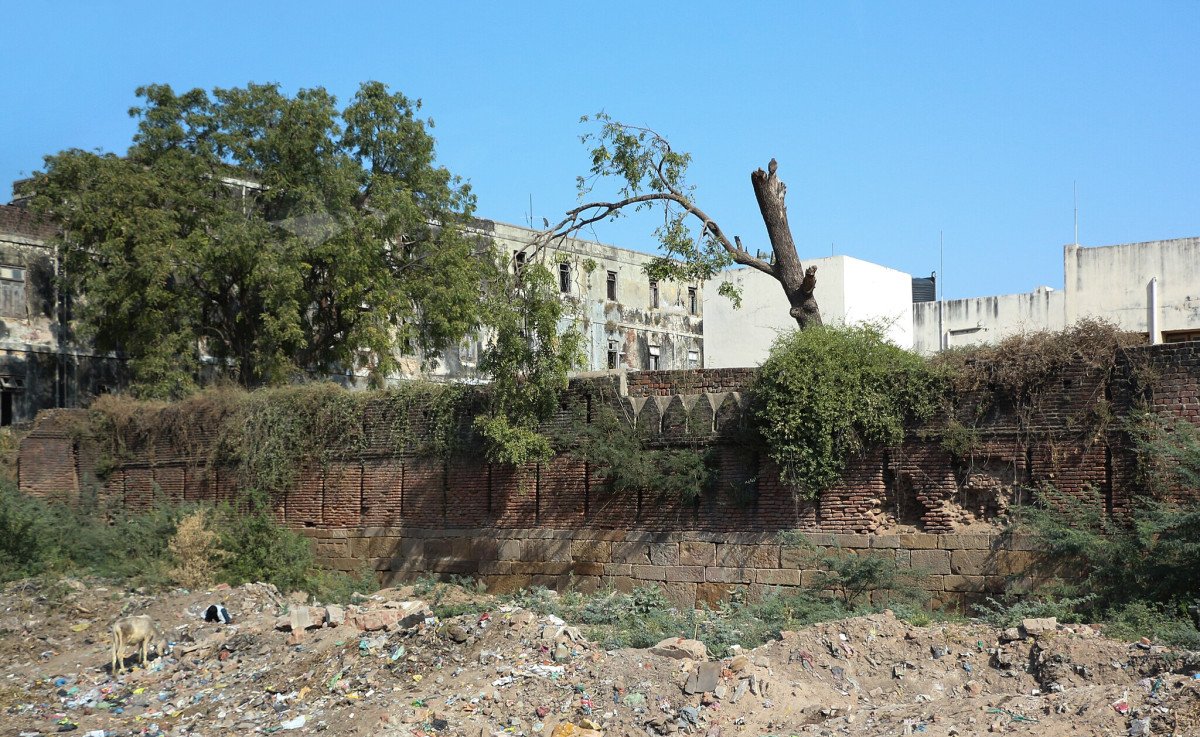
Bagvada Darwaja
General information
-
Ideal Duration:
30 MinutesPlace Type:
Historic City Gate, Defensive ArchitectureEntry Fees:
No Entry Fee: Similar to Aghar Darwaja, there is no entry fee as it is an open-access public monument and a functioning road passage. This makes it a free, accessible landmark for all visitors and a permanent feature of the city's infrastructure.
Read MoreNo Entry Fee: Similar to Aghar Darwaja, there is no entry fee as it is an open-access public monument and a functioning road passage. This makes it a free, accessible landmark for all visitors and a permanent feature of the city's infrastructure.
Traffic/Road Usage: While there is no fee for viewing, be aware that you are viewing the structure from a busy road. Local police or traffic control may occasionally regulate movement near the structure for safety.
Commercial Usage Permit: Any large-scale commercial photography, video shooting, or the setting up of commercial banners on the structure requires prior permission from the local municipal corporation, which may involve a substantial fee to maintain the historical integrity of the monument. :Timing:
Regular Timings: Open 24 hours a day, 7 days a week, due to its function as a main road intersection and public gateway. This constant availability means visitors can see it at any time.
Ideal Visit Time: Early morning (7:00 AM to 9:00 AM) ...Regular Timings: Open 24 hours a day, 7 days a week, due to its function as a main road intersection and public gateway. This constant availability means visitors can see it at any time.
Ideal Visit Time: Early morning (7:00 AM to 9:00 AM) or late evening (6:00 PM to 8:00 PM) are recommended for a quieter and cooler viewing experience, away from the midday heat and traffic congestion, which is substantial in this area.
Traffic Congestion: Midday can be extremely congested, which can hinder close-up viewing and photography; avoid peak traffic hours between 9:00 AM and 11:00 AM, and 5:00 PM and 7:00 PM. :Special Events:
Ganesh Chaturthi Processions: Since the gate is on a major artery, large religious processions, such as those during Ganesh Chaturthi in August or September, often pass through the arch, turning the historical structure into a part of a vibrant cultural spectacle.Ganesh Chaturthi Processions: Since the gate is on a major artery, large religious processions, such as those during Ganesh Chaturthi in August or September, often pass through the arch, turning the historical structure into a part of a vibrant cultural spectacle.
Local Hospital Events: Due to its proximity to the General Hospital, it sometimes serves as a visible landmark for public awareness campaigns or charitable events organized by the hospital or local NGOs, highlighting its public utility beyond just a historical one.
Diwali Illumination: During the festival of Diwali in October or November, the gate is often lit up with colorful temporary lights by local residents, offering a visually stunning, festive perspective on the ancient structure. :Best Photo Spots:
The Arched Tunnel Shot: Stand directly under the arch and photograph the street view through the archway, using the massive stone arch as a historical frame for the modern city beyond.
Side-Angle Perspective of Bastion: A photograph focusing...The Arched Tunnel Shot: Stand directly under the arch and photograph the street view through the archway, using the massive stone arch as a historical frame for the modern city beyond.
Side-Angle Perspective of Bastion: A photograph focusing on the massive circular bastion from the side, emphasizing its defensive robustness and thick masonry construction.
Contrasting Elements Shot: Capture the gate with a passing auto-rickshaw or a local street vendor's cart in the foreground, highlighting the juxtaposition of the ancient monument with contemporary life in Patan.
Evening Silhouette Shot: A picture taken at sunset, where the gate is silhouetted against the colorful sky, creating a dramatic and powerful historical image. :Photo Gallery
Things To Do
-
Historical Photography: Capture the majestic stone archway, focusing on the imposing height and the simple geometry of the military architecture, often juxtaposed with the vibrant flow of modern traffic passing through.
Local Street Observation: Spend time observing the daily life of the locals and the activities of the street vendors who operate near this historical structure, highlighting the gate's role as a living monument within the urban fabric.
Walking the Perimeter: Walk around the immediate vicinity to understand the strategic placement of the gate in relation to the main road network and the surrounding modern settlements, visualizing the historical city's layout.
Sampling Local Snacks: Indulge in local Gujrati snacks available from the small kiosks nea...Historical Photography: Capture the majestic stone archway, focusing on the imposing height and the simple geometry of the military architecture, often juxtaposed with the vibrant flow of modern traffic passing through.
Local Street Observation: Spend time observing the daily life of the locals and the activities of the street vendors who operate near this historical structure, highlighting the gate's role as a living monument within the urban fabric.
Walking the Perimeter: Walk around the immediate vicinity to understand the strategic placement of the gate in relation to the main road network and the surrounding modern settlements, visualizing the historical city's layout.
Sampling Local Snacks: Indulge in local Gujrati snacks available from the small kiosks nearby. This street food experience provides an authentic taste of Patan's contemporary culture.
Meditation on History: Stand by the gate in a quiet moment and reflect on the centuries of history, travel, and defense that the structure has witnessed, imagining the armies and traders that passed through its arch. :
Information
-
Why Famous:
Gateway to Local Life: Its fame rests on its survival as a powerful historical marker defining the boundary of old Patan, acting as a transition point between the new and old city areas. It is an enduring symbol of Patan's long history as a fortified capital.Gateway to Local Life: Its fame rests on its survival as a powerful historical marker defining the boundary of old Patan, acting as a transition point between the new and old city areas. It is an enduring symbol of Patan's long history as a fortified capital.
Historical Crossroads: It is a famous structure for symbolizing the various historical periods of Patan, particularly the Solanki and later Sultanate rule, which all relied on such gateways for security and revenue collection, making it a key element in understanding the city's urban evolution.
Landmark Location: The gate is a well-known local landmark near the General Hospital, making it a key point for local navigation and identity, constantly used in the daily life of the city's residents.
Architectural Contrast: It is famous for presenting a stark architectural contrast to the highly decorated temples and stepwells of Patan, offering a view of the city’s purely functional and military-oriented building style. : -
Architecture:
Structure and Material: The gate is characterized by its heavy masonry construction, predominantly using locally available, durable sandstone. It features a high, broad archway designed for the passage of armies and large convoys, making it one of the wider city gates. The...Structure and Material: The gate is characterized by its heavy masonry construction, predominantly using locally available, durable sandstone. It features a high, broad archway designed for the passage of armies and large convoys, making it one of the wider city gates. The structure is reinforced by two large, semi-circular bastions on either side.
Dimensions and Features: The gate stands approximately 22 to 25 feet high. The central arch span is around 15 feet wide. A notable feature is the presence of an upper chamber or terrace, which would have been used by guards as a vantage point for surveillance and defense. This chamber, accessible via an internal staircase, often shows remnants of battlements. The use of traditional corbelling and simple, un-sculpted stone blocks underscores its military-engineering focus, a departure from the intricate carving found on religious sites in Patan. The overall width, including the bastions, is substantial, suggesting a significant military outpost.
Defensive Design: The architectural planning focused on maximizing structural resilience and minimizing vulnerability to siege weaponry, a primary function of such defensive gates. The gate's thickness and height provided a formidable obstacle to any attacking force. : -
How To Reach:
By Air: The nearest major airport is Ahmedabad (AMD, 125 KMS). From there, take a taxi or bus to Patan. The gate is a known landmark within the city.
By Train: Patan Railway Station (PTN) is the nearest, approximately 2 KMS away. An auto-...By Air: The nearest major airport is Ahmedabad (AMD, 125 KMS). From there, take a taxi or bus to Patan. The gate is a known landmark within the city.
By Train: Patan Railway Station (PTN) is the nearest, approximately 2 KMS away. An auto-rickshaw can take you directly to the Bagvada Darwaja in minutes.
By Road: The gate is easily accessible by road, situated on a well-used route within the city. State Transport buses and private vehicles can reach the nearby bus stand, from where local transport is available.
By Local Transport: Auto-rickshaws are the most efficient way to reach the gate from any point in Patan. Specify "Near General Hospital" or "Bagvada Darwaja" to the driver for accurate navigation, as it is a common landmark. : -
Weather and Best Time to Visit:
Different Types of Seasons: Winter (October to March) is the optimal period for comfortable outdoor viewing and walking near the structure. Summer (April to June) is very hot and requires careful planning to avoid the sun. Monsoon (July to September) provides a break from ...Different Types of Seasons: Winter (October to March) is the optimal period for comfortable outdoor viewing and walking near the structure. Summer (April to June) is very hot and requires careful planning to avoid the sun. Monsoon (July to September) provides a break from the heat, but the heavy rain might make the busy road around the monument difficult to navigate.
Different Parts of the Day: Early Morning is the best for a quick stop and photography before the area becomes heavily congested with traffic. Late evening is cooler, and the illuminated gate offers a pleasing view. : -
Near Tourist Places:
Panchasara Jain Derasar (1 KM), General Hospital Patan (100 Meters), Patan Fort (2 KMS), Hemchandracharya Jain Gnan Mandir (2. 5 KMS), Rani ki Vav (4 KMS), Aghar Darwaja (2 KMS), Sahastralinga Talav (4. 5 KMS), Trikam Barot Ni Vav (4 KMS), Patan Patola Heritage Museum (4 KMS), Khan Sarovar (3. 5 KMS). :
Tourism Tips
-
Health & safety: Be extremely careful of the traffic, as the monument is located on a very busy road. Maintain awareness of your surroundings in this crowded urban area.
Packing: Travel light, and keep valuables secure. Bring a telephoto l...Health & safety: Be extremely careful of the traffic, as the monument is located on a very busy road. Maintain awareness of your surroundings in this crowded urban area.
Packing: Travel light, and keep valuables secure. Bring a telephoto lens for photography to capture details while maintaining a safe distance from traffic.
Accommodation: Staying in the eastern or central parts of Patan makes this gate easily accessible for a morning or evening visit.
Other Different Topics heading: Ask the local vendors about the history of the gate; sometimes they share fascinating oral histories not found in written records. Combine with a visit to the nearby General Hospital for historical context on the area's development. :
Reviews
FAQs
Patan Itineray And Cost:-
Other Places In Patan :-
Other States In India :-
Information about New and Updated Locations() of Gujarat Has Been Added :-
Card subtitle
Note:-
Information provided here in good Faith and for reference only.
Near Places
Aghar Darwaja
Some quick example text to build on the card title and make up the bulk of the card's content.
Go somewhere
Bagvada Darwaja
Some quick example text to build on the card title and make up the bulk of the card's content.
Go somewhere
Bindu Sarovar
Some quick example text to build on the card title and make up the bulk of the card's content.
Go somewhere
Hemchandracharya Jain Gnan Mandir
Some quick example text to build on the card title and make up the bulk of the card's content.
Go somewhere
Khan Sarovar
Some quick example text to build on the card title and make up the bulk of the card's content.
Go somewhere
Kund of Bahubali
Some quick example text to build on the card title and make up the bulk of the card's content.
Go somewhere
Panchasara Jain Temple
Some quick example text to build on the card title and make up the bulk of the card's content.
Go somewhere
Panchasara Parshwanath Jain Derasar
Some quick example text to build on the card title and make up the bulk of the card's content.
Go somewhere
Patan City Museum
Some quick example text to build on the card title and make up the bulk of the card's content.
Go somewhere
Patan Fort
Some quick example text to build on the card title and make up the bulk of the card's content.
Go somewhere
Patan Patola Heritage Museum
Some quick example text to build on the card title and make up the bulk of the card's content.
Go somewhere
Rani ki Vav
Some quick example text to build on the card title and make up the bulk of the card's content.
Go somewhere
Regional Science Centre/Museum Patan
Some quick example text to build on the card title and make up the bulk of the card's content.
Go somewhere
Rudra Mahalaya
Some quick example text to build on the card title and make up the bulk of the card's content.
Go somewhere
Sadarambapa Statue
Some quick example text to build on the card title and make up the bulk of the card's content.
Go somewhere
Sahasralinga Talav
Some quick example text to build on the card title and make up the bulk of the card's content.
Go somewherein Other Cities