Sammakka Saralamma Gudi
General information
-
Ideal Duration:
1 to 2 hoursPlace Type:
Religious Site, Tribal HeritageEntry Fees:
General Entry:
Free (No fixed charge): The local shrine typically does not charge any mandatory entry fee, upholding the tradition of open worship common in many rural Indian temples, access is generally free for all devotees and visitors.General Entry:
Free (No fixed charge): The local shrine typically does not charge any mandatory entry fee, upholding the tradition of open worship common in many rural Indian temples, access is generally free for all devotees and visitors.
Donation and Offerings: Devotees are encouraged to make voluntary donations (Hundi or directly to the priest) for the temple's maintenance or to purchase specific items for ritualistic offerings, such as Bellam (Jaggery), fruits, flowers, or a small contribution for the communal meal (Annadanam).
Special Puja Charges (Optional): For performing specific, personalized rituals (Archana, Abhishekam, or Homam) conducted by the priest on the devotee's behalf, there may be a nominal, fixed fee, this is entirely optional and depends on the devotee's wish.
Photography Fee: There is usually no charge for non-commercial, personal photography, but it is always advisable to seek permission from the priest or temple authorities out of respect for the sacred space, especially for commercial use.Timing:
Regular Temple Timings: Typically open daily from 6:00 AM to 1:00 PM and then from 4:00 PM to 8:00 PM, these timings may vary slightly based on the local priest's routine and seasonal changes, the afternoon break is common for the deity's rest and cleaning.Regular Temple Timings: Typically open daily from 6:00 AM to 1:00 PM and then from 4:00 PM to 8:00 PM, these timings may vary slightly based on the local priest's routine and seasonal changes, the afternoon break is common for the deity's rest and cleaning.
Ideal Visit Time: The best time to visit is early in the morning (6:00 AM to 8:00 AM) or late in the evening (5:30 PM to 7:30 PM), morning time offers a peaceful and serene environment for deep spiritual connection and participation in the main morning prayers (Kakada Aarti), while the evening time allows one to witness the beautiful sunset prayers (Sandhya Aarti) and the temple's illuminated ambiance.
Auspicious Days: Saturdays and Tuesdays are considered particularly auspicious for the goddesses and often see a greater influx of local devotees, making the atmosphere more vibrant and festive.
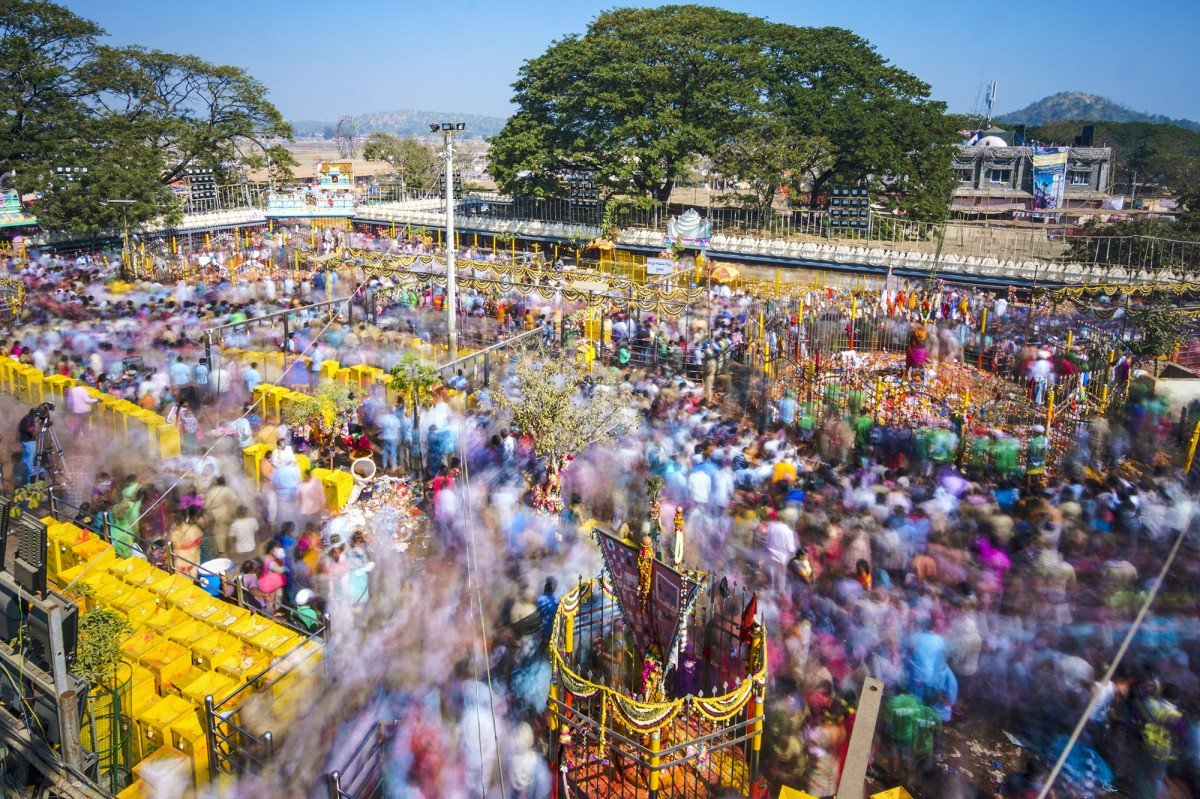
Festival Period: During the local annual Utsav, the temple remains open for extended hours, sometimes even until late midnight, to accommodate the large number of pilgrims who come to offer their prayers and participate in the special functions.Special Events:
Local Jatara or Utsav (If Annual): While the main festival is in Medaram, the local shrine may hold its own smaller, annual or biennial mini-Jatara or Utsav, typically in February or March, where local tribal and non-tribal communities gather for a few days of intensive wors...Local Jatara or Utsav (If Annual): While the main festival is in Medaram, the local shrine may hold its own smaller, annual or biennial mini-Jatara or Utsav, typically in February or March, where local tribal and non-tribal communities gather for a few days of intensive worship, rituals, cultural performances, and a community feast.
Amavasya/Pournami (New/Full Moon) Pujas: Special and more elaborate prayer sessions are often held on these auspicious lunar days, drawing larger crowds than on regular days, these events provide a heightened spiritual experience.
Hanuman Jayanti (If Applicable): Depending on the local tradition, certain temples in the region may also observe Hanuman Jayanti or other major Hindu festivals, though the primary focus remains on Sammakka and Saralamma, adding to the temple's religious calendar.Best Photo Spots:
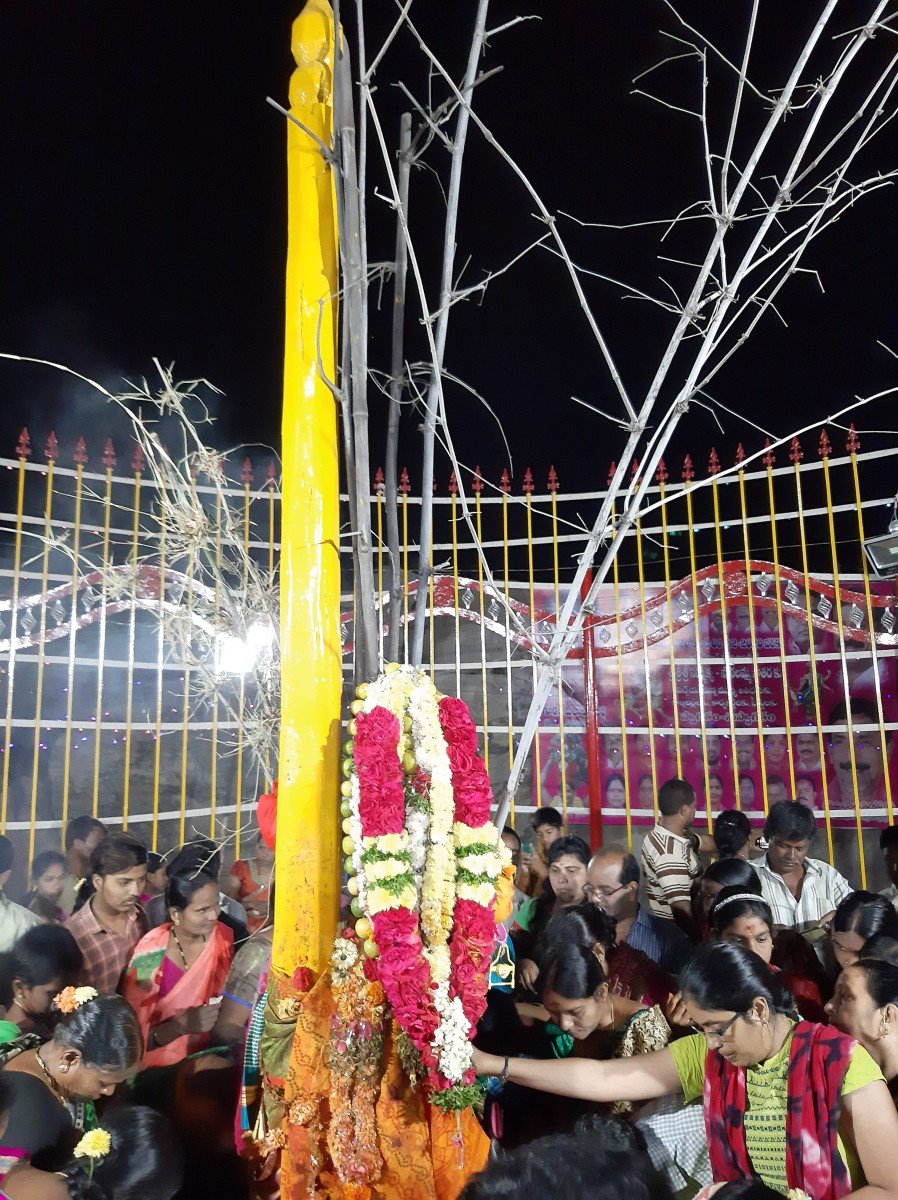
The Main Shrine's Simple Entrance: The simple, unadorned archway or entrance of the local shrine, often framed by the surrounding rural landscape, captures the rustic and genuine essence of the faith, providing a beautiful contrast.
Offerings of...The Main Shrine's Simple Entrance: The simple, unadorned archway or entrance of the local shrine, often framed by the surrounding rural landscape, captures the rustic and genuine essence of the faith, providing a beautiful contrast.
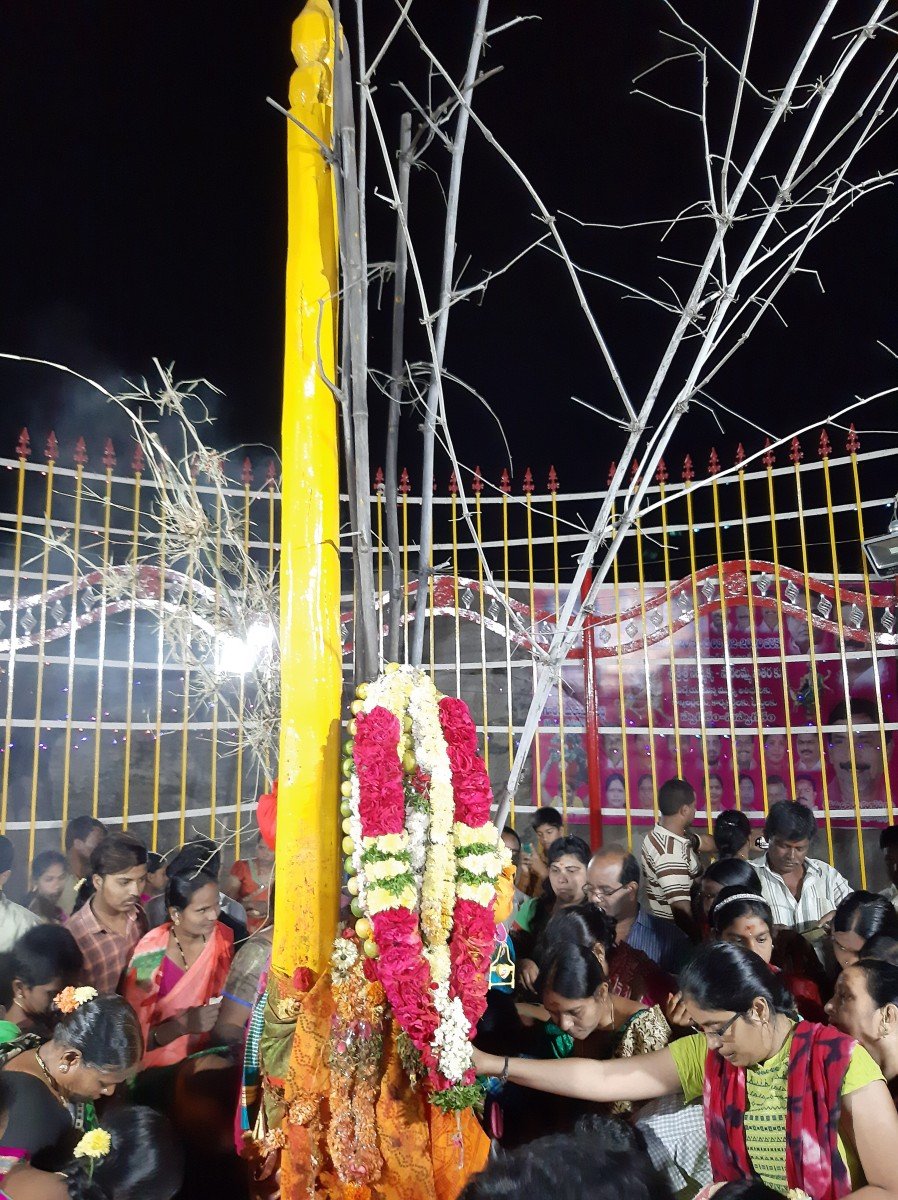
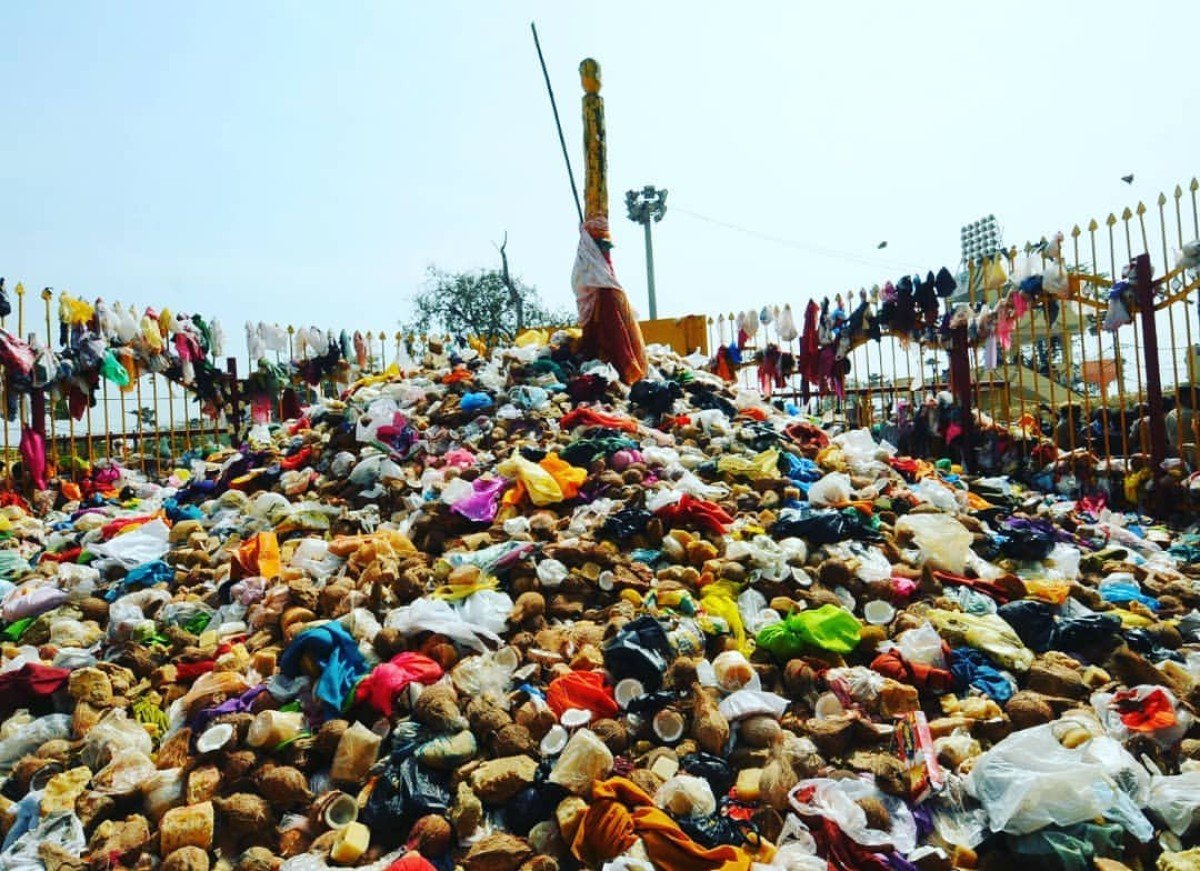
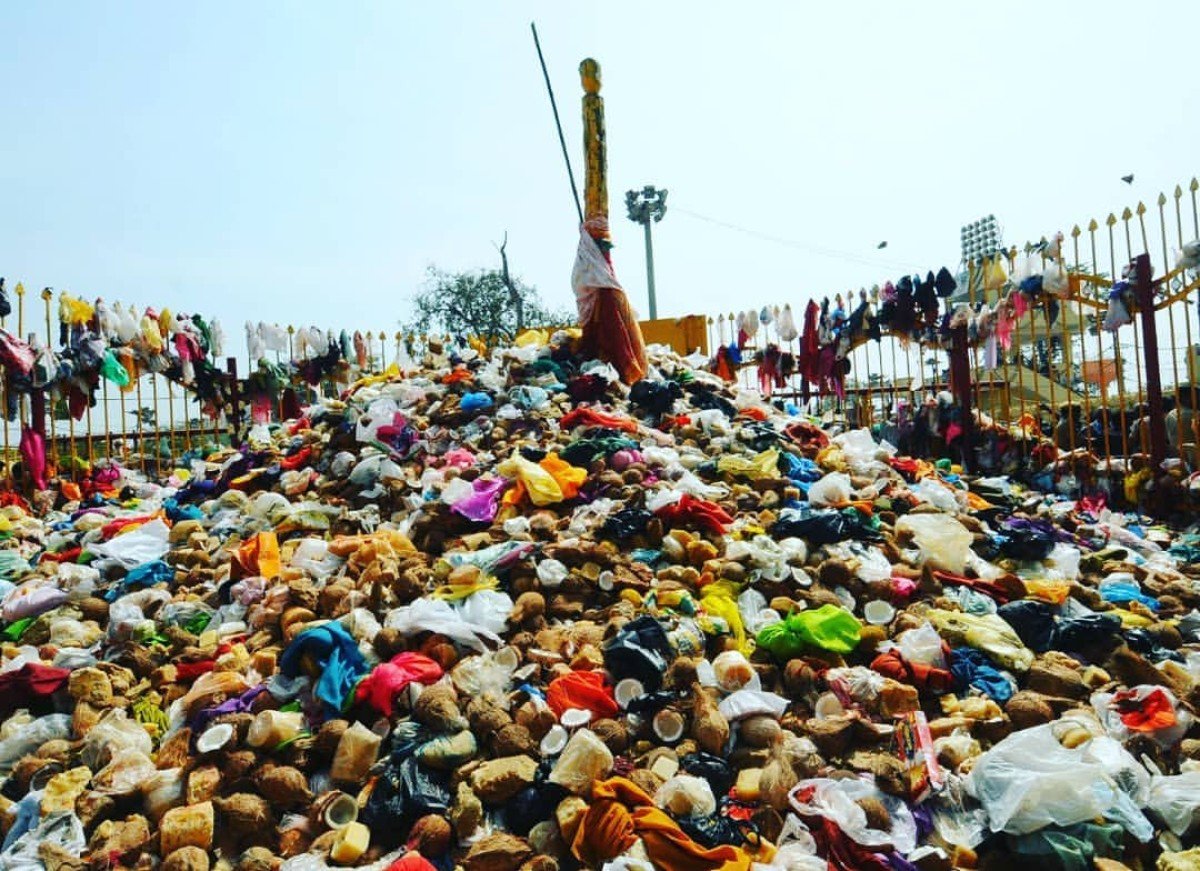
Offerings of Jaggery and Turmeric: Close-up shots of the colorful offerings placed before the deities or symbols are excellent for capturing the vibrancy and sincerity of the local devotional practices, symbolizing the faith.
Devotees in Prayer: Respectfully capturing the devotees engrossed in sincere prayer or performing rituals offers powerful, emotional, and authentic human interest photographs that convey the deep-rooted faith.
The Surrounding Greenery or Fields: The local shrine is often set amidst serene fields or a rural backdrop, which provides a calming, natural environment, the natural light at sunrise or sunset creates a soft, golden glow, perfect for landscape and architectural shots, emphasizing the peaceful isolation.
Local Folk Art Elements: Any unique local paintings, small sculptures, or decorations within or around the shrine that reflect the regional folk style should be captured, as they represent the unadulterated artistic and cultural heritage, making a unique picture.Photo Gallery
Things To Do
-
Participate in Local Puja and Aarti: Engage respectfully in the morning or evening worship ceremonies, observing the local customs and rituals, this provides a spiritual connection.
Offerings to the Goddesses: Prepare and offer simple items like jaggery (Bellam), turmeric, vermillion (Kumkum), and saree/blouse pieces (Devotional Gifting) to the deities, following local practice.
Meditation and Reflection in Tranquility: Utilize the quiet environment of the local shrine for personal prayer, meditation, or quiet reflection, focusing on the themes of courage and devotion.
Learn About the Legends: Speak to the local priest or knowledgeable villagers to learn the specific local versions of the Sammakka Saralamma legend and its significance to the Suryapet region, prov...Participate in Local Puja and Aarti: Engage respectfully in the morning or evening worship ceremonies, observing the local customs and rituals, this provides a spiritual connection.
Offerings to the Goddesses: Prepare and offer simple items like jaggery (Bellam), turmeric, vermillion (Kumkum), and saree/blouse pieces (Devotional Gifting) to the deities, following local practice.
Meditation and Reflection in Tranquility: Utilize the quiet environment of the local shrine for personal prayer, meditation, or quiet reflection, focusing on the themes of courage and devotion.
Learn About the Legends: Speak to the local priest or knowledgeable villagers to learn the specific local versions of the Sammakka Saralamma legend and its significance to the Suryapet region, providing deep insight.
Explore the Surrounding Village: Take a short walk through the village of Gajulamalkapuram to experience the rural lifestyle, observe the local architecture, and interact with the friendly residents, enhancing the cultural understanding. Witness the Ritual of Holy Bath (If Local Stream Exists): If a local water body or stream is associated with the shrine, observe the local practice of a ritual bath before visiting the shrine, symbolizing purification.
Attend a Local Fair or Festival: Check the local calendar for small, annual village festivals that honor the goddesses, which would involve special processions and community feasts, offering an authentic cultural immersion and memorable experience.
Photography of the Rustic Charm: Capture the simplicity, and the unique, rustic architectural style of the shrine and its surroundings, focusing on the devotional atmosphere.
Dharma Seva (Volunteering): Offer to help with the shrine's maintenance or distribution of offerings (Prasad) to the devotees, embracing the spirit of community service.
Enjoy the Local Cuisine: Sample the local, traditional food items and snacks available near the temple or in the village, which are often prepared with local ingredients.
Cultural Exchange with Tribal Visitors: If any tribal devotees are visiting, respectfully engage in conversation to understand their traditions and the deeper meaning of the worship.
Nature Walk Near the Shrine: Take a peaceful walk in the nearby fields or natural areas, appreciating the connection between the goddesses' legend and nature.
Information
-
Why Famous:
The Legendary Tribal Uprising: The fame of the goddesses Sammakka and Saralamma stems from the legendary Medaram Jatara, the world's largest tribal congregation held biennially, the local shrine in Suryapet draws its fame from this monumental event and the deeply ingrained l...The Legendary Tribal Uprising: The fame of the goddesses Sammakka and Saralamma stems from the legendary Medaram Jatara, the world's largest tribal congregation held biennially, the local shrine in Suryapet draws its fame from this monumental event and the deeply ingrained legend of the mother-daughter duo who valiantly fought against the tax imposition of the Kakatiya empire in the 13th century, their sacrifice is seen as a defense of their people and culture, elevating them to the status of powerful folk deities, the local Gudi is a tribute to this legacy, allowing local devotees to participate in the spiritual tradition, their story of courage, power, and ultimate divinity makes them revered figures across Telangana and neighboring states, transcending tribal boundaries, the festival and its associated shrines are a testament to the preservation of tribal history and their unique form of worship, ensuring the legend continues to inspire faith and cultural identity.
A Symbol of Courage and Justice: Sammakka and Saralamma are venerated not just for their power but for their role as symbols of justice, they stood up against a tyrannical regime, making their shrine a focal point for seeking strength and protection, the act of offering gold-like jaggery (Bangaram) equal to one's weight symbolizes surrendering one's ego and wealth, marking a spiritual and cultural practice that is globally recognized and highly significant in the local context, the local shrine participates in this symbolic veneration, making it a place of strong emotional and spiritual resonance for all who visit. -
Architecture:
Structural Simplicity and Rustic Design: The local Gudi often features a simple, unadorned structure, typically constructed with locally sourced materials like stone and mud, reflecting the indigenous and tribal architectural style, unlike grand, ornate temples, it prioritiz...Structural Simplicity and Rustic Design: The local Gudi often features a simple, unadorned structure, typically constructed with locally sourced materials like stone and mud, reflecting the indigenous and tribal architectural style, unlike grand, ornate temples, it prioritizes a connection to nature and a sense of raw spiritual energy.
Material and Craftsmanship: The shrine's architecture is generally basic but sturdy, often featuring a small sanctum (Garbhagriha) housing the deity's representation, which is usually not a sculpted idol but an earthen pot or symbolic object (Kumkum casket in the case of the main festival), the roof may be thatched or simply tiled, with minimal use of elaborate carvings or towering structures (Gopuram), the focus is on the sacred space rather than intricate art, the simplicity is a deliberate design choice emphasizing humility and the goddesses' connection to the forest and nature, reinforcing the tribal ethos.
Dimension and Layout:
The temple layout is usually straightforward: a main entrance, a small open area for devotees, and the central shrine, the overall dimension might be a modest 10 meters by 10 meters for the main structure, with surrounding open spaces, the simplicity of the architecture is itself a statement, serving as a functional, sacred space for rituals and offerings to the deities. -
How To Reach:
By Air: The nearest major airport is Rajiv Gandhi International Airport (HYD) in Hyderabad, which is approximately 150-160 KMS away, from the airport, one can hire a pre-paid taxi or a private cab to reach Suryapet city, followed by a local taxi or auto-rickshaw to the templ...By Air: The nearest major airport is Rajiv Gandhi International Airport (HYD) in Hyderabad, which is approximately 150-160 KMS away, from the airport, one can hire a pre-paid taxi or a private cab to reach Suryapet city, followed by a local taxi or auto-rickshaw to the temple in Gajulamalkapuram village, the journey from Hyderabad by road takes about 3-4 hours.
By Train: The nearest railway station is Suryapet Railway Station (SPET) for local connectivity, but for major train routes, Kazipet (KZJ) or Guntur (GNT) are major junctions, from the Suryapet station, the temple is about 31 KMS and can be reached via a local bus, shared auto-rickshaw, or taxi, from the major junctions, one must travel by road to Suryapet first. By Road (National Highway 65): Suryapet is excellently connected by National Highway 65 (NH 65), which links Hyderabad and Vijayawada, regular government and private buses (TSRTC) ply frequently from major cities like Hyderabad, Warangal, and Vijayawada to Suryapet bus station, from the central bus station, local transport is readily available to reach Gajulamalkapuram.
By Local Transport: From Suryapet town, one can easily hire an auto-rickshaw or a local jeep/taxi, which are generally available at the bus stand or in the main town area, to reach the shrine, local buses that travel toward the village areas are also a very economical option for reaching the temple. -
Weather and Best Time to Visit:
Different Types of Seasons: The Winter season (October to February) is the Best Time to Visit as the weather is cool and pleasant, with temperatures ranging from 15Rs.C to 25Rs.C, making it ideal for travel, darshan, and exploring the rural surroundings, the Summer season (March...Different Types of Seasons: The Winter season (October to February) is the Best Time to Visit as the weather is cool and pleasant, with temperatures ranging from 15Rs.C to 25Rs.C, making it ideal for travel, darshan, and exploring the rural surroundings, the Summer season (March to June) is extremely hot, and it is best to avoid daytime visits during these months due to high temperatures exceeding 40Rs.C, the Monsoon season (July to September) brings moderate rainfall, which turns the surrounding area lush green, making it scenic, but muddy roads might pose minor accessibility issues, though the cool weather is enjoyable. Different Parts of the Day Early Mornings (6:00 AM to 8:00 AM) are most recommended for a peaceful and spiritual experience, allowing for an unhurried visit and witnessing the temple rituals, Evenings (5:00 PM to 7:00 PM) are also pleasant, providing good lighting for photography and a cool breeze after sunset, Afternoons are generally very hot and should be avoided, especially in summer, as the temple may also be partially closed. -
Near Tourist Places:
1. Pillalamarri Chennakesava Temple (Ancient Temple, Approx. 10 KMS) 2. Peddagattu Jathara Site (Religious Fair Ground, Approx. 35 KMS) 3. Undrugonda Laxmi Narasimha Swamy Devasthanam (Hill Temple, Approx. 43 KMS) 4. Jan Pahad Dargah (Interfaith Shrine, Approx. 60 KMS) 5. Phanigiri Buddhist Site (Historical, Approx. 65 KMS) 6. Mattapally Narasimha Swamy Temple (River Temple, Approx. 80 KMS) 7. Nagarjuna Sagar Dam (Major Reservoir, Approx. 110 KMS) 8. Bhongir Fort (Heritage Site, Approx. 130 KMS) 9. Kolanupaka Jain Temple (Religious Site, Approx. 100 KMS) 10. Chaya Someswara Temple (Historic Temple, Approx. 110 KMS)
Tourism Tips
-
Health & Safety: Carry a basic First-Aid kit with essential medicines, stay Hydrated by drinking plenty of water, especially during hot months, and be mindful of your personal belongings in crowded areas or during any local fair, respect the simple nature of the rural area. ...Health & Safety: Carry a basic First-Aid kit with essential medicines, stay Hydrated by drinking plenty of water, especially during hot months, and be mindful of your personal belongings in crowded areas or during any local fair, respect the simple nature of the rural area.
Packing: Wear Modest and Traditional clothing as a mark of respect, especially when visiting the shrine (covering shoulders and knees), light cotton clothes are suitable for the warm climate, and comfortable footwear is essential for walking on uneven village roads, carry an umbrella/cap for sun protection.
Accommodation: Suryapet town offers various lodging options ranging from budget hotels to mid-range stays, there are no major luxury hotels, it is best to book accommodation in the main town, which is about 31 KMS away, and travel to the shrine for the day.
Cultural Sensitivity: Remove footwear before entering the temple and respect the local customs and traditions, especially regarding offerings and photography during rituals, seek permission before photographing people, and maintain silence and reverence inside the temple premises.
Local Transport: Negotiate the price with auto-rickshaw or taxi drivers before starting your journey, as local transport to and from the village may not be readily available late in the evening, arrange for a round trip with a reliable driver for convenience.
Reviews
FAQs
Suryapet Itineray And Cost:-
Sammakka Saralamma Gudi Tourism:-
Information about New and Updated Locations() of Telangana Has Been Added :-
Card subtitle
Note:-
Information provided here in good Faith and for reference only.
Near Places
Arvapally Dargah
Some quick example text to build on the card title and make up the bulk of the card's content.
Go somewhere
Chennakesavaswami Temple
Some quick example text to build on the card title and make up the bulk of the card's content.
Go somewhere
Chivvemla Cheruvu
Some quick example text to build on the card title and make up the bulk of the card's content.
Go somewhere
Imampeta Hanuman Temple
Some quick example text to build on the card title and make up the bulk of the card's content.
Go somewhere
Jajireddygudem Lake
Some quick example text to build on the card title and make up the bulk of the card's content.
Go somewhere
Jan Pahad Dargah
Some quick example text to build on the card title and make up the bulk of the card's content.
Go somewhere
Kanaka Durga Temple
Some quick example text to build on the card title and make up the bulk of the card's content.
Go somewhere
Kodad Check Post
Some quick example text to build on the card title and make up the bulk of the card's content.
Go somewhere
Mandava Brothers Land
Some quick example text to build on the card title and make up the bulk of the card's content.
Go somewhere
Musi River Bridge
Some quick example text to build on the card title and make up the bulk of the card's content.
Go somewhere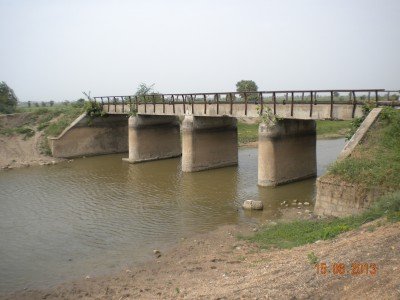
Nagarjuna Sagar Left Canal
Some quick example text to build on the card title and make up the bulk of the card's content.
Go somewhere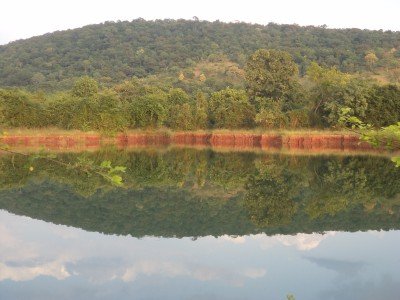
Nallamala Forest View
Some quick example text to build on the card title and make up the bulk of the card's content.
Go somewhere
Nereducharla Town Centre
Some quick example text to build on the card title and make up the bulk of the card's content.
Go somewhere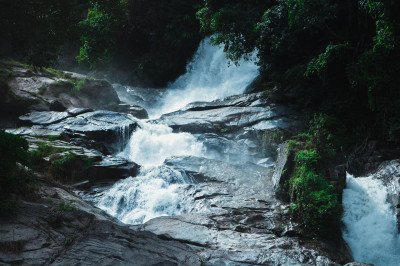
Nuthankal Waterfalls
Some quick example text to build on the card title and make up the bulk of the card's content.
Go somewhere
Palakeedu Village Tank
Some quick example text to build on the card title and make up the bulk of the card's content.
Go somewhere
Peddagattu Jathara Site
Some quick example text to build on the card title and make up the bulk of the card's content.
Go somewherein Other Cities