Sangachoeling Monastery
General information
-
Ideal Duration:
Average Visit Duration:
3-4 Hours:Place Type:
Category: Religious, Historical, Trekking, PanorEntry Fees:
General Entry: Free (No official entry fee is charged for visitors).
Customary Offerings: It is a strong and respected custom to leave a donation or offering at the monastery before leaving, which is a voluntary contribution to the maintenan...General Entry: Free (No official entry fee is charged for visitors).
Customary Offerings: It is a strong and respected custom to leave a donation or offering at the monastery before leaving, which is a voluntary contribution to the maintenance of the sacred site and the welfare of the monks. There is no minimum amount, but it is a gesture of respect and goodwill.
Photography Charges: Generally, photography is permitted in the outer areas, but one must seek prior permission for taking pictures inside the main prayer hall or of the monks, and sometimes a small fee may be requested for this specific purpose, though it is not a formal ticket charge.
Trek Access: The access to the 4 KM uphill trekking trail is entirely free; the cost is only associated with hiring a guide, if desired, or transportation to the base of the trail.
Timing:
Regular Timings: The monastery is generally open for visitors from 9:00 AM to 5:00 PM (Some sources cite 8:00 AM to 5:00 PM or 7:00 AM to 6:00 PM). It is crucial to note that one must factor in the 90-120 minute trek time both up and down to meet the closing time.
<...Regular Timings: The monastery is generally open for visitors from 9:00 AM to 5:00 PM (Some sources cite 8:00 AM to 5:00 PM or 7:00 AM to 6:00 PM). It is crucial to note that one must factor in the 90-120 minute trek time both up and down to meet the closing time.
Ideal Visit Time: The Ideal Visit Time is in the early morning, specifically between 9:00 AM and 11:00 AM.
Why: The skies are typically the clearest in the morning, offering the absolute best and most majestic views of Mount Kanchenjunga. Furthermore, arriving early allows time for the strenuous trek before the sun gets too strong, and often coincides with the monks' daily rituals, enhancing the spiritual experience. Weekday vs.
Weekend: Visit on a weekday for maximum tranquility and fewer crowds on the trekking path.
Special Time: Visit on the 10th day of the Tibetan calendar month to witness the special ritual of Lamas reciting hymns.
Special Events:
Lamas Reciting Hymns: The main special event is the recurring ritual where Lamas recite hymns and sing prayers in the monastery’s inner sanctuary. This happens on the 10th day of every month according to the Tibetan calendar, making a visit on this day deeply significant ...Lamas Reciting Hymns: The main special event is the recurring ritual where Lamas recite hymns and sing prayers in the monastery’s inner sanctuary. This happens on the 10th day of every month according to the Tibetan calendar, making a visit on this day deeply significant and spiritually vibrant.
Morning and Evening Prayers: The daily morning and evening prayers conducted by the resident monks are considered a special event and an important spiritual observance. Visitors are sometimes allowed to respectfully witness these chants, offering a profound, rhythmic, and authentic cultural experience of monastic life.
Trek as Pilgrimage: The challenging trek itself is treated by many local devotees and pilgrims as a major religious event or act of devotion (Kora), especially when combined with visits to other circuit sites like Pemayangtse Monastery and Tashiding Monastery.
Best Photo Spots:
Kanchenjunga and Himalayan Panorama: The primary photo spot is the main courtyard and ridge top offering a vast, sweeping, and arguably the best view in Pelling of the entire Kanchenjunga and surrounding Himalayan peaks, especially spectacular at sunrise.
Read MoreKanchenjunga and Himalayan Panorama: The primary photo spot is the main courtyard and ridge top offering a vast, sweeping, and arguably the best view in Pelling of the entire Kanchenjunga and surrounding Himalayan peaks, especially spectacular at sunrise.
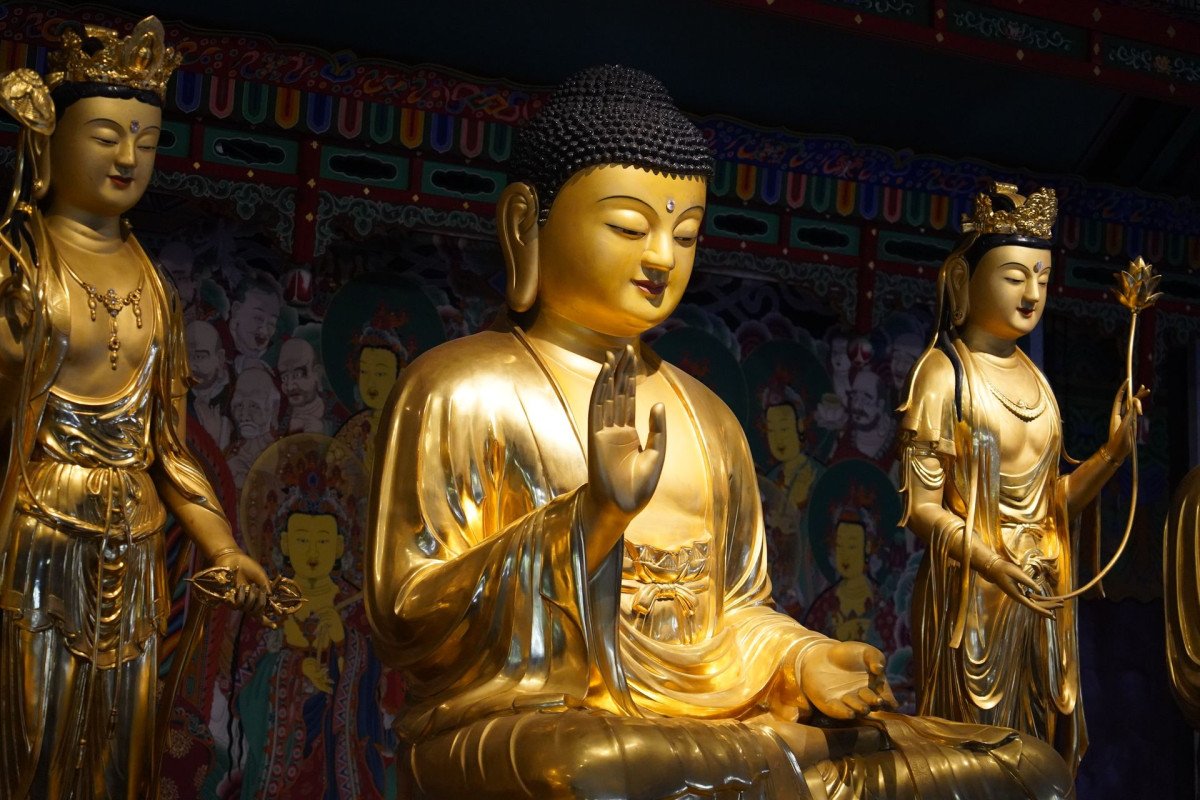
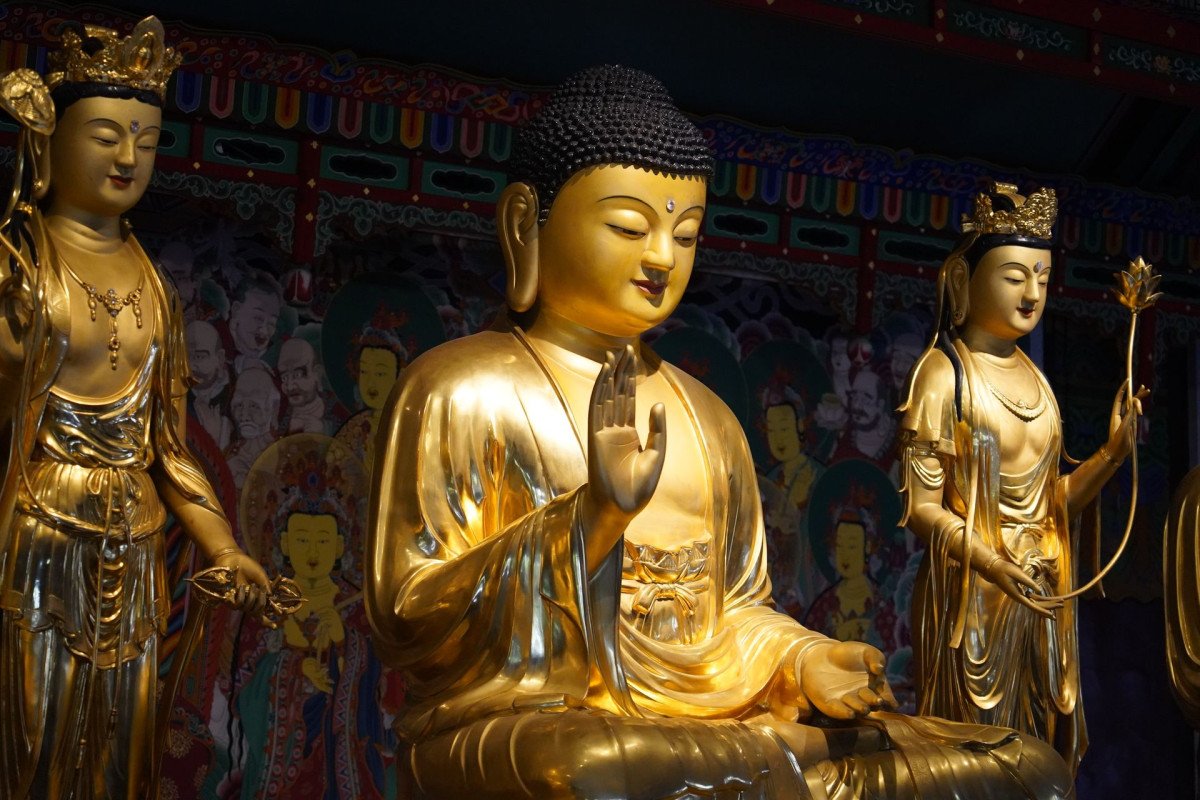
Architectural Details and Murals: Close-up shots of the traditional Tibetan architectural details, the richly coloured woodwork, the intricately painted prayer wheels, and the ancient murals and statues inside the prayer hall (with permission) are excellent for capturing the cultural essence.
The Forest Trail and Gate: The 4 KM forest trek itself provides a wealth of photographic opportunities: dappled sunlight through the dense deciduous trees, the vibrant prayer flags strung across the path, and the traditional main entrance gate set against the green hillside.
The Opposite View of Pemayangtse: The vantage point directly across the gorge from Pemayangtse Monastery allows for a unique, full-frame shot of that famous monastery balanced on the adjacent ridge, with a deep valley separating the two ancient sites.
Photo Gallery
Things To Do
-
The Sacred Hike: Dedicate 90-120 minutes for the steep, yet rewarding, ascent through the thick forest. Consider it a spiritual trek, a core part of the experience, offering numerous opportunities for nature photography and forest bathing.
Monastic Observation and Meditation: Spend time observing the daily life of the male monks belonging to the Nyingma sect. Sit quietly in the courtyard or the accessible parts of the prayer hall for a moment of personal meditation and to soak in the deep tranquility of the atmosphere.
Art and Artifact Study: Closely study the ancient 17th-century clay statues of Sakyamuni, Vajrasattava, and Guru Padmasambhava, and the intricate murals on the walls, including the rare painting of the Bhavachakra (Wheel of Life), as an in-depth lesson in Tibetan Buddhist art and...The Sacred Hike: Dedicate 90-120 minutes for the steep, yet rewarding, ascent through the thick forest. Consider it a spiritual trek, a core part of the experience, offering numerous opportunities for nature photography and forest bathing.
Monastic Observation and Meditation: Spend time observing the daily life of the male monks belonging to the Nyingma sect. Sit quietly in the courtyard or the accessible parts of the prayer hall for a moment of personal meditation and to soak in the deep tranquility of the atmosphere.
Art and Artifact Study: Closely study the ancient 17th-century clay statues of Sakyamuni, Vajrasattava, and Guru Padmasambhava, and the intricate murals on the walls, including the rare painting of the Bhavachakra (Wheel of Life), as an in-depth lesson in Tibetan Buddhist art and iconography.
Panoramic Kanchenjunga Photography: Utilize the high vantage point for capturing spectacular, unobstructed photographs of the entire Kanchenjunga range, especially during the clear morning hours. The view of the opposite Pemayangtse Monastery on the adjacent ridge is a popular shot.
Circumambulation (Kora): Always circumvent the monastery and the chortens (stupas) in a clockwise direction (Kora), as is customary in Buddhist tradition, to show respect and accumulate positive karma.
Engaging with Local Culture: Though the inner sanctum may be restricted, respectfully engage with the local Bhutia and Lepcha community members or the monks in the courtyard (if they are open to it) to learn about the monastery’s local significance and history.
Visit the Old Crematorium: Take a respectful and somber side trip to the nearby ancient crematorium to witness a significant historical and cultural site related to local death rituals.
Information
-
Why Famous:
Pilgrimage and Antiquity: It is famous as one of the oldest monasteries in Sikkim, having been established in 1697 by Lama Lhatsün Chempo, making it a key site in the Buddhist religious circuit and a cradle of the Nyingmapa school in the region.Pilgrimage and Antiquity: It is famous as one of the oldest monasteries in Sikkim, having been established in 1697 by Lama Lhatsün Chempo, making it a key site in the Buddhist religious circuit and a cradle of the Nyingmapa school in the region.
The Challenging Trek: The monastery is only accessible by a steep and challenging 4 KM trek through a dense forest, which has made it famously known as a pilgrimage site where the journey itself is an act of devotion and a rewarding adventure for travellers. The trek is often cited as a key reason for its fame, separating the dedicated seeker from the casual tourist.
Vajrayana Connection: The literal meaning of its name, "Island of the Guhyamantra teachings," highlights its fame as a center for the Vajrayana (Secret Mantra) teachings, giving it a mystical and profound reputation within the Buddhist world.
Kanchenjunga Viewpoint: Its strategic position on a high ridge offers one of the most stunning and unobstructed panoramic views of the mighty Mount Kanchenjunga and the surrounding Himalayan peaks, making it a celebrated viewpoint in Pelling.
-
Architecture:
Architectural Style and Materials: The architecture of Sangachoeling Monastery primarily follows the unassuming Tibetan style, characterized by simplicity and a deep connection to the natural mountain environment. The structure is typically a simple, rectangular prayer hall...Architectural Style and Materials: The architecture of Sangachoeling Monastery primarily follows the unassuming Tibetan style, characterized by simplicity and a deep connection to the natural mountain environment. The structure is typically a simple, rectangular prayer hall (Lhakhang) built using local materials such as stone, timber, and sometimes mud brick, reflecting the traditional building practices of the mountainous region. The exterior is often painted in vibrant colours, predominantly red and white, but the overall design is modest compared to grander monastic complexes, focusing on its function as a secluded place of worship and meditation.
Key Architectural Features: The roof is typically flat or slightly sloping, adorned with prayer flags (Dharchen) and sometimes small gilded finials. The courtyard, though small and manicured, is an important functional space for gatherings. The entrance usually features an intricate wooden door frame. Inside, the walls are the main architectural canvas, richly decorated with ancient and exotic paintings, murals, and frescoes depicting various Buddhist deities, the life of the Buddha, and sacred geometry, including a notable painting of the Bhavachakra (Wheel of Life).
Interior Dimensions and Artifacts: While specific large-scale dimensional blueprints are not widely published, the main prayer hall is a single, modestly sized space designed for the congregation of male monks of the Nyingma sect. The spiritual and artistic dimensions are highlighted by the artifacts: it preserves unique 17th-century clay statues of significant figures like Sakyamuni (Buddha), Vajrasattava, and Guru Padmasambhava. The structure is built on a high ridge, opposite the Pemayangtse Monastery, and the location itself is the most dominating dimension, ensuring a breathtaking, spiritually significant backdrop.
-
How To Reach:
By Air: The nearest airport is Bagdogra Airport (IXB) near Siliguri, West Bengal (135-140 KMS). From IXB, hire a private taxi or take a shared cab to Pelling (a scenic 5-6 hour drive). From Pelling, the final approach is by a short taxi ride to the trek base, followed by a...By Air: The nearest airport is Bagdogra Airport (IXB) near Siliguri, West Bengal (135-140 KMS). From IXB, hire a private taxi or take a shared cab to Pelling (a scenic 5-6 hour drive). From Pelling, the final approach is by a short taxi ride to the trek base, followed by a 4 KM hike.
By Train: The nearest major railhead is New Jalpaiguri (NJP) in Siliguri, West Bengal (130-135 KMS). From NJP, hire a private taxi or take a shared jeep to Pelling (a scenic 5-6 hour drive). The last leg is the 4 KM hike up to the monastery from the nearest motorable point near Upper Pelling.
By Road: Pelling is well-connected by road to major towns in Sikkim and West Bengal. Direct shared taxis (Sumos/Boleros) are available from Gangtok (130 KMS) and Siliguri/NJP. From Pelling town center (Upper or Lower Pelling), you can take a local taxi to the starting point of the uphill trek (near the football field) or even directly trek the 2-4 KMS from the town.
By Local Transport: The primary method is a 4 KM uphill trek (40-90 minutes) from the nearest motorable point/Upper Pelling football field. Local taxis/cabs can be hired for the first leg of the journey to the trek starting point. This walk is mandatory as the monastery is inaccessible by road.
-
Weather and Best Time to Visit:
Different Types of Seasons: Autumn (October to November) is the Best Time to Visit as the weather is cool and pleasant, and the Himalayan views, especially Kanchenjunga, are crystal clear and breathtaking after the monsoon. Spring (March to May) is also excellent, with mode...Different Types of Seasons: Autumn (October to November) is the Best Time to Visit as the weather is cool and pleasant, and the Himalayan views, especially Kanchenjunga, are crystal clear and breathtaking after the monsoon. Spring (March to May) is also excellent, with moderate weather and rhododendrons in bloom, though mountain views may be slightly hazier than in autumn. Winter (December to February) offers the potential for snow and very clear views but is extremely cold and the trekking path can be challenging. Monsoon (June to September) should be avoided due to heavy rainfall, leeches on the trail, and obscured mountain views. Different Parts of the Day The Ideal Time of day is the early morning (9:00 AM - 11:00 AM). This allows visitors to complete the strenuous trek before the midday sun and maximizes the chance of catching the clearest, most magnificent panoramic views of the Kanchenjunga peak, which often gets covered by clouds in the afternoon. The morning light is also ideal for photography.
-
Near Tourist Places:
Pemayangtse Monastery (4 KMS by road to trek base / 7 KMS total to monastery):
Rabdentse Ruins (6 KMS):
Pelling Sky Walk (8 KMS):
Kanchenjunga Falls (28 KMS):
Singshore Bridge (30 KMS):
Khecheopalri Lake (32 KMS):
Rimbi Waterfall (12 KMS):
Darap Village (15 KMS):
Tashiding Monastery (35 KMS):
Yuksom (40 KMS):
Tourism Tips
-
Health and Safety:
Trekking Gear and Fitness: Since the monastery requires a demanding 4 KM uphill hike, visitors must be in good physical health. Wear sturdy, comfortable trekking or hiking shoes. Carry water, a light snack, and a light ra...Health and Safety:
Trekking Gear and Fitness: Since the monastery requires a demanding 4 KM uphill hike, visitors must be in good physical health. Wear sturdy, comfortable trekking or hiking shoes. Carry water, a light snack, and a light rain jacket.
Leech Protection: During the monsoon and post-monsoon, be prepared for leeches on the forest path—carry salt or a repellent spray.
Altitude: The altitude is not extreme, but take your time during the ascent.
Packing Essentials: Carry a good camera with a wide-angle lens for the panoramic views. Pack a light jacket or shawl, even in summer, as the hilltop can be windy and cool. Binoculars are recommended for spotting other peaks. Carry a small day pack for water and essentials, leaving large bags behind.
Accommodation: Accommodation is readily available in Upper Pelling and Lower Pelling, ranging from luxury hotels to budget homestays. Book in advance, especially during the peak Autumn and Spring seasons. Staying in Upper Pelling will minimize the taxi distance to the trek base.
Respectful Conduct: Remember it is a sacred monastery. Dress modestly, covering shoulders and knees. Maintain strict silence and respect the monks' privacy. Always remove your shoes before entering the prayer hall. Do not touch artifacts or holy objects without permission, and always walk clockwise around stupas or the monastery.
Reviews
FAQs
Pelling Itineray And Cost:-
Sangachoeling Monastery Tourism:-
Information about New and Updated Locations() of Sikkim Has Been Added :-
Card subtitle
Note:-
Information provided here in good Faith and for reference only.
All information and pictures will be updated soon, please keep visiting.
Near Places
Changey Waterfalls
Some quick example text to build on the card title and make up the bulk of the card's content.
Go somewhere
Darap Village
Some quick example text to build on the card title and make up the bulk of the card's content.
Go somewhere
Dentam Valley
Some quick example text to build on the card title and make up the bulk of the card's content.
Go somewhere
Dubdi Monastery
Some quick example text to build on the card title and make up the bulk of the card's content.
Go somewhere
Kaluk/Hee-Bermiok
Some quick example text to build on the card title and make up the bulk of the card's content.
Go somewhere
Kanchenjunga Falls
Some quick example text to build on the card title and make up the bulk of the card's content.
Go somewhere
Kanchenjunga National Park Gate
Some quick example text to build on the card title and make up the bulk of the card's content.
Go somewhere
Khecheopalri Lake
Some quick example text to build on the card title and make up the bulk of the card's content.
Go somewhere
Pelling Sky Walk
Some quick example text to build on the card title and make up the bulk of the card's content.
Go somewhere
Pelling Skywalk
Some quick example text to build on the card title and make up the bulk of the card's content.
Go somewherein Other Cities