Shree Mahalaxmi Temple
General information
-
Ideal Duration:
2 to 3 hours:Place Type:
Religious, Historical, and Architectural Site:Entry Fees:
General Darshan (Free Entry): The temple is a place of worship, and thus, entry for General Darshan is free for all devotees and tourists. There is no charge to enter the main complex and have a view of the deity. This ensures accessibility for everyone.
Read MoreGeneral Darshan (Free Entry): The temple is a place of worship, and thus, entry for General Darshan is free for all devotees and tourists. There is no charge to enter the main complex and have a view of the deity. This ensures accessibility for everyone.
Special Seva and Pooja Fees: Visitors wishing to participate in specific rituals or Sevas (services) must purchase a ticket. For example, Panchamrut Abhishek costs approximately Rs.750 and the Mahabhishek (Grand Abhishek) around Rs.1,100. Prices vary for other offerings like Kumkum Archana (around Rs.550). These ticket sales contribute to the temple's maintenance and the daily rituals.
Dress Code and Rules: While there is no strict monetary fee to enter, there is a traditional Dress Code to maintain the sanctity of the place. Men are often advised to wear traditional attire like a Dhoti or formal trousers, and women are requested to wear traditional clothes like a Saree or Salwar Kameez. Shorts, t-shirts, and revealing attire are generally discouraged or prohibited.
Camera/Photography Restrictions: Carrying professional cameras and using flash photography inside the main sanctum or to take close-ups of the deity is strictly prohibited to maintain sanctity and manage crowds. Security personnel monitor this. Mobile photography is sometimes restricted in the inner Mandaps.Timing:
Regular Darshan Timings: The temple generally opens at 4:00 AM for the public and closes at 10:30 PM daily. These hours accommodate the various rituals throughout the day.
Daily Ritual Schedule: The main daily rituals include Kakad Aarti (M...Regular Darshan Timings: The temple generally opens at 4:00 AM for the public and closes at 10:30 PM daily. These hours accommodate the various rituals throughout the day.
Daily Ritual Schedule: The main daily rituals include Kakad Aarti (Morning Prayer) at 5:30 AM, Morning Mahapuja at 8:00 AM, Afternoon Mahapuja at 11:30 AM, Dhuparati (Evening Aarti) at 8:00 PM, and Shejarti (Night Aarti) at 10:00 PM. The temple's doors close after the Shejarti.
Ideal Visit Time: The best time for a visit is during the Early Morning hours (between 6:00 AM and 8:00 AM) to attend the Kakad Aarti or the first Mahapuja, as the crowds are generally thinner and the atmosphere is most serene. Alternatively, visiting in the Late Evening (after 8:30 PM) for the Shejarti offers a calm, beautiful view of the temple complex. Avoid the mid-day rush.
Festival Timings: During major festivals like Navratri and Kirnotsav, the timings are extended, and the temple opens much earlier, sometimes as early as 2:00 AM, to accommodate the massive influx of pilgrims.Special Events:
The Navratri Festival: The nine-day festival of Navratri (usually in September or October) is the biggest and most spectacular event at the temple. The entire complex is vibrantly decorated, and the Goddess is adorned in a new Alankar (decoration/costume) each day, based on...The Navratri Festival: The nine-day festival of Navratri (usually in September or October) is the biggest and most spectacular event at the temple. The entire complex is vibrantly decorated, and the Goddess is adorned in a new Alankar (decoration/costume) each day, based on her different forms (Avatars). Special processions (Rathotsav and Palakhi) are held, culminating in Dussehra (Vijayadashami). This period sees the highest footfall, with the temple atmosphere becoming electric with devotion and cultural performances.
The Kirnotsav (Festival of Rays): This unique architectural-astronomical event, occurring around January 31-February 2 and November 9-11, is a highly publicized special event. Witnessing the setting sun's rays illuminate the idol is considered a divine experience.
Friday Evening Palakhi: Every Friday evening, a smaller but significant procession (Palakhi) of the Goddess's idol is taken out within the temple premises or on the main street. This weekly event is a beautiful display of traditional music and devotional fervor, offering a glimpse into local rituals.Best Photo Spots:
The Deepamalas at the Entrance: The array of traditional stone Deepamalas (lamp towers) at the main western entrance, especially when lit during evening Aarti or festivals like Navratri, provides a dramatic and spiritually rich photograph. Frame the lit towers with the orna...The Deepamalas at the Entrance: The array of traditional stone Deepamalas (lamp towers) at the main western entrance, especially when lit during evening Aarti or festivals like Navratri, provides a dramatic and spiritually rich photograph. Frame the lit towers with the ornate main Gopuram in the background.
The West-Facing Gopuram: The main western entrance Gopuram (tower), which faces the idol, is covered in detailed, ancient stonework and sculptures. Capturing the Gopuram from a low angle emphasizes the temple's height and architectural detail, making a powerful, historical photo.
View from Garud Mandap: Standing in the Garud Mandap and framing the Garbha Griha (sanctum) entrance provides a classic shot that encapsulates the devotional path into the heart of the temple. This spot often has beautiful overhead lighting or architectural features that can be used for composition.
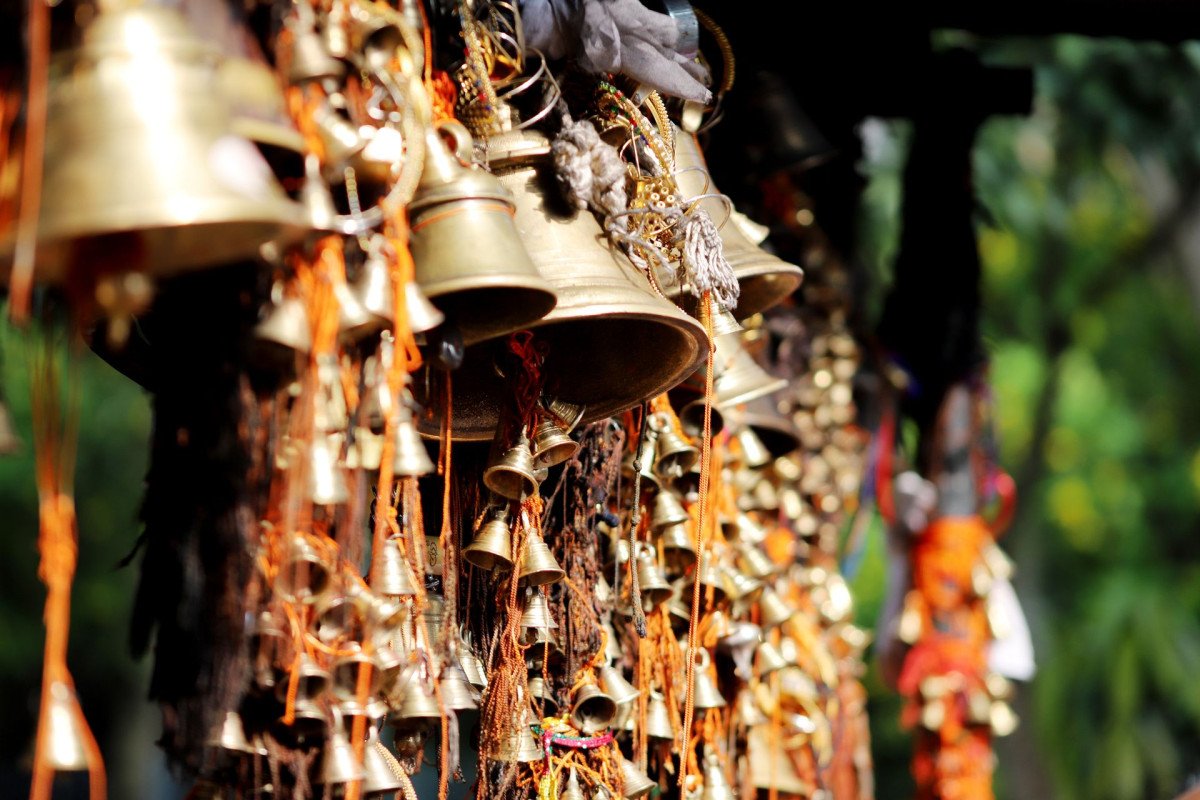
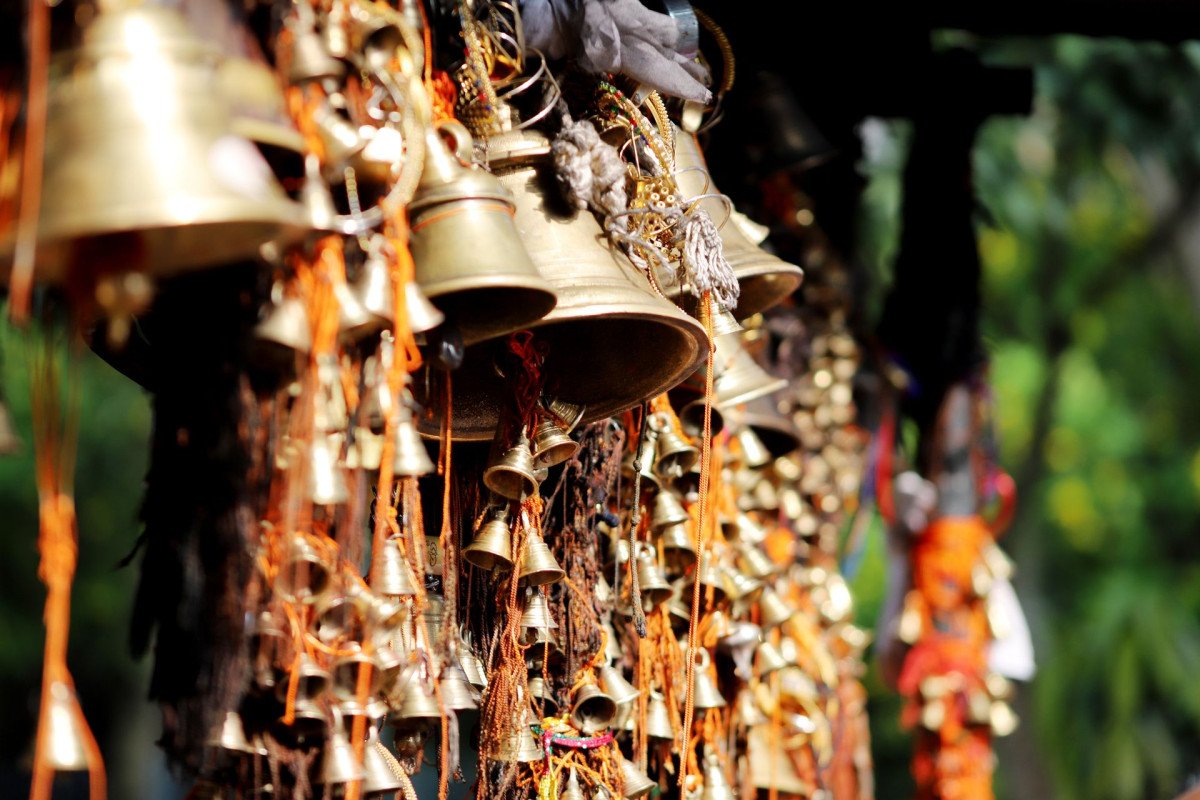
Capturing the Atmosphere: Focus on candid shots of the temple life—the priests performing Pooja, the devotees ringing the brass bells, or the vendors selling flowers and offerings. These photos capture the vibrant, living culture of the pilgrimage site.Photo Gallery
Things To Do
-
Attending the Kakad Aarti (Morning Prayer): For a truly spiritual and less crowded experience, wake up early and attend the Kakad Aarti around 5:30 AM. This ritual, where the deity is symbolically awakened with a torch and hymns, is profoundly moving and offers a deep sense of peace.
Witnessing the Kirnotsav: If your travel dates coincide (November 9-11 or January 31-February 2), make sure to secure a spot to witness the celestial Kirnotsav event, where the sun's rays directly touch the idol. This is a once-in-a-lifetime sight and the ultimate photographic opportunity.
Exploring the Temple Complex and Art: Devote at least an hour to walking around the main sanctum and the surrounding structures. Look closely at the intricate carvings on the exterior walls, which depict scenes from Hindu epics ...Attending the Kakad Aarti (Morning Prayer): For a truly spiritual and less crowded experience, wake up early and attend the Kakad Aarti around 5:30 AM. This ritual, where the deity is symbolically awakened with a torch and hymns, is profoundly moving and offers a deep sense of peace.
Witnessing the Kirnotsav: If your travel dates coincide (November 9-11 or January 31-February 2), make sure to secure a spot to witness the celestial Kirnotsav event, where the sun's rays directly touch the idol. This is a once-in-a-lifetime sight and the ultimate photographic opportunity.
Exploring the Temple Complex and Art: Devote at least an hour to walking around the main sanctum and the surrounding structures. Look closely at the intricate carvings on the exterior walls, which depict scenes from Hindu epics and various deities. Notice the blend of Chalukya and later Maratha architectural elements.
Participating in Seva/Pooja: Devotees can participate in various Sevas (rituals) like Panchamrut Abhishek or Kumkum Archana by purchasing tickets from the temple counter. This allows for a closer, more personalized moment of worship with the Goddess.
Temple Market Exploration: After Darshan, explore the bustling market outside the main gate on Mahadwar Road. This market is famous for local specialties like Kolhapuri Chappals (leather sandals), silver and gold jewelry, and local snacks and sweets.
Strolling to Bhavani Mandap: Take a short walk from the temple to the nearby Bhavani Mandap. This historical building, once the royal court, now houses a statue of Chhatrapati Shivaji Maharaj and an idol of Goddess Bhavani.
Enjoying Kolhapuri Cuisine: Make a point to sample authentic Kolhapuri cuisine at a restaurant near the temple. The city is famous for its spicy and flavorful dishes like Tambda Rassa (red gravy) and Pandhara Rassa (white gravy), typically served with Kolhapuri Mutton or chicken, and the local favorite Misal.
Information
-
Why Famous:
One of the Shakti Peethas: The temple's primary claim to fame is its status as one of the major Shakti Peethas and one of the most important pilgrimage sites in the entire Maharashtra state, often referred to as Dakshin Kashi. This spiritual significance draws devotees from...One of the Shakti Peethas: The temple's primary claim to fame is its status as one of the major Shakti Peethas and one of the most important pilgrimage sites in the entire Maharashtra state, often referred to as Dakshin Kashi. This spiritual significance draws devotees from all over the world.
The Kirnotsav Phenomenon: This unique, twice-yearly celestial event, where the sun's rays directly illuminate the deity, is a marvel of ancient architecture and astronomy. It is a major draw for both pilgrims and tourists who wish to witness this divine spectacle.
The West-Facing Deity: Unlike most Hindu temples where the deity faces east, the Mahalaxmi idol faces west (Pashchim), a rare feature that is central to the temple's identity and its legendary connection to the city.
Center of Kolhapur's Culture: The temple is not just a religious site but the cultural heart of the city. All major civic and religious festivals, especially Navratri, revolve around the temple and its rituals, embodying the identity of Kolhapur. -
Architecture:
Architectural Style and Materials: The Mahalaxmi Temple is a magnificent blend of the ancient Chalukya and later Hemadpanti architectural styles. The initial construction is primarily attributed to the Chalukya reign around the 7th century CE, with later additions by other ...Architectural Style and Materials: The Mahalaxmi Temple is a magnificent blend of the ancient Chalukya and later Hemadpanti architectural styles. The initial construction is primarily attributed to the Chalukya reign around the 7th century CE, with later additions by other dynasties, particularly the Yadavas and the Marathas, leading to a layered architectural marvel. The Hemadpanti style is known for its intricate, mortarless stone construction, although parts of the later additions utilize brick and mortar. The temple is surrounded by a strong masonry wall. The main entrance, known as the Mahadwara, faces west, which is characteristic of this unique temple. The structure features various distinct parts like the Garbha Griha (sanctum sanctorum), Antaraal, and several Mandaps like the Garud Mandap and Kurm Mandap. The pillars and walls are richly adorned with exquisite carvings of gods, goddesses, musicians, and figurines in dancing poses, reflecting the high artistic standards of the eras in which they were built.
Dimension and Idol Description: While the overall complex spans a considerable area, the main shrine is built on a stone platform. The central idol of Goddess Mahalaxmi is carved from a single piece of black stone and stands approximately 3 feet in height. This unique idol is adorned with a jeweled crown featuring an image of the five-headed serpent Sheshnag, the serpent of Lord Vishnu. The most remarkable architectural feature is the precise engineering that enables the Kirnotsav (Festival of Rays) phenomenon. This event, which occurs twice a year (January 31st to February 2nd and November 9th to 11th), involves the setting sun's rays perfectly aligning to pass through a small western window, illuminating the idol's face, body, and feet on successive days. This alignment showcases the exceptional astronomical and architectural knowledge of the ancient builders. The temple complex includes five distinct towers (Shikharas). -
How To Reach:
By Air: The nearest airport is Kolhapur's Chhatrapati Rajaram Maharaj Airport (KLH), which is approximately 10 to 12 KMS from the temple. It offers limited connectivity, primarily to major cities like Mumbai, Bengaluru, and Hyderabad. From the airport, one can hire a pre-p...By Air: The nearest airport is Kolhapur's Chhatrapati Rajaram Maharaj Airport (KLH), which is approximately 10 to 12 KMS from the temple. It offers limited connectivity, primarily to major cities like Mumbai, Bengaluru, and Hyderabad. From the airport, one can hire a pre-paid taxi or a local cab/auto-rickshaw, which takes about 30 minutes to reach the temple.
By Train: The closest and most convenient railway station is Kolhapur's Chhatrapati Shahu Maharaj Terminus (KOP), which is well-connected to major Indian cities including Mumbai, Pune, Delhi, and Bengaluru. The station is only about 3 to 5 KMS from the Mahalaxmi Temple. From the railway station, auto-rickshaws, shared autos, and city buses are readily available to take you directly to the temple's main gate.
By Road: Kolhapur is strategically located on NH 48 (the Mumbai-Bengaluru highway) and has excellent road connectivity. The Kolhapur Central Bus Stand (CBS) is the main hub and is about 2 to 3 KMS from the temple. Numerous state-run (MSRTC) and private luxury buses operate daily from cities like Pune, Mumbai, Goa, and Bengaluru. Driving your own vehicle is convenient, but parking near the temple can be challenging, especially during peak hours or festivals.
By Local Transport: Within the city, the most common and convenient way to reach the temple is by local Auto-rickshaws (tuktuks). They are available everywhere and can be hired for a direct trip or on a meter basis. Shared rickshaws also ply the route between the railway station/bus stand and the temple. City buses also run frequent services to the main temple area. Walking is also possible from the nearby Bhavani Mandap area. -
Weather and Best Time to Visit:
Best Season for a Visit: The Winter season (from October to February) is the absolute Best Time to Visit. The weather is cool and pleasant, with temperatures ranging from 14°C to 28°C, making sightseeing and queuing for Darshan comfortable. The major festival of Navratri...Best Season for a Visit: The Winter season (from October to February) is the absolute Best Time to Visit. The weather is cool and pleasant, with temperatures ranging from 14°C to 28°C, making sightseeing and queuing for Darshan comfortable. The major festival of Navratri (usually in October) and the Kirnotsav in November and January/February all fall during this period.
Monsoon Considerations: The Monsoon season (from June to September) brings heavy rainfall, but the surrounding landscape becomes lush and green, offering a beautiful view. Crowds are generally moderate, but travel can be hampered by heavy downpours. The temperature ranges from 23°C to 30°C.
Summer Avoidance: The Summer season (from March to May) is intensely hot, with temperatures soaring well above 40°C. It is the least ideal time to visit due to the heat, which makes walking and waiting in queues very uncomfortable, especially during the middle of the day.
Different Parts of the Day: As mentioned in the timings, Early Morning or Late Evening visits are ideal to avoid the sun and the daytime crowds. The temple's atmosphere is most divine and peaceful during the early rituals. -
Near Tourist Places:
Rankala Lake (4 KMS), Bhavani Mandap (0. 5 KMS), Town Hall Museum (1 KM), New Palace Museum (5 KMS), Khasbag Maidan (1 KM), Shalini Palace (6 KMS), Jyotiba Temple (20 KMS), Panhala Fort (22 KMS), Siddhagiri Museum (10 KMS), Temlabai Mandir (3 KMS):
Tourism Tips
-
Health & Safety: Always carry a small First-Aid Kit with basic medicines, especially for stomach issues, as local food can be spicy. Drink only bottled water. Be aware of your surroundings in crowded areas to prevent petty theft. Senior citizens should be cautious of the ...Health & Safety: Always carry a small First-Aid Kit with basic medicines, especially for stomach issues, as local food can be spicy. Drink only bottled water. Be aware of your surroundings in crowded areas to prevent petty theft. Senior citizens should be cautious of the many steps and the marble flooring, which can be slippery, especially during monsoon.
Packing Essentials: Pack Traditional Attire (Saree, Salwar Kameez, Dhoti, or formal trousers) as required by the temple's dress code. Carry sufficient Cash as many small vendors and prasad shops near the temple may not accept digital payments. A light Shawl or jacket is recommended for early morning/late evening visits, even in winter.
Accommodation Advice: Book your accommodation in advance, especially if visiting during the Navratri festival or a Kirnotsav period, as hotels near the temple or the city center fill up quickly. There are many Yatri Niwas (pilgrim accommodations) available for budget stays, such as the Kedarling Yatri Nivas. For comfort, choose hotels in the New Shahupuri or Kawala Naka areas.
Other Tips: Hire a government-authorized or prepaid taxi/auto-rickshaw to avoid overcharging. Be respectful of the local customs and traditions, particularly while inside the temple. Do not purchase Pooja Thali (offering plates) from aggressive touts; buy them from the authorized vendors or inside the temple complex. Always keep your footwear and belongings in the official cloakrooms.
Reviews
FAQs
Kolhapur Itineray And Cost:-
Shree Mahalaxmi Temple Tourism:-
Other Places In Kolhapur :-
Other States In India :-
Information about New and Updated Locations() of Maharashtra Has Been Added :-
Card subtitle
Note:-
Information provided here in good Faith and for reference only.
Near Places

Amber Khana
Some quick example text to build on the card title and make up the bulk of the card's content.
Go somewhere
Bhavani Mandap
Some quick example text to build on the card title and make up the bulk of the card's content.
Go somewhere
Binkhambi Ganesh Mandir
Some quick example text to build on the card title and make up the bulk of the card's content.
Go somewhere
Chandra Kant Mandare Art Gallery
Some quick example text to build on the card title and make up the bulk of the card's content.
Go somewhere
Dajipur Wildlife Sanctuary
Some quick example text to build on the card title and make up the bulk of the card's content.
Go somewhere
Dargah of Hazrat Pir Syed Shah Badruddin
Some quick example text to build on the card title and make up the bulk of the card's content.
Go somewhere
Dream World Water Park
Some quick example text to build on the card title and make up the bulk of the card's content.
Go somewhere
Gaganbawada
Some quick example text to build on the card title and make up the bulk of the card's content.
Go somewhere
Katyayani Temple
Some quick example text to build on the card title and make up the bulk of the card's content.
Go somewhere
Khasbag Maidan
Some quick example text to build on the card title and make up the bulk of the card's content.
Go somewhere
Kopeshwar Temple
Some quick example text to build on the card title and make up the bulk of the card's content.
Go somewhere
Narsinhwadi Datta Mandir
Some quick example text to build on the card title and make up the bulk of the card's content.
Go somewhere
New Palace Museum
Some quick example text to build on the card title and make up the bulk of the card's content.
Go somewhere
Panchganga Ghat
Some quick example text to build on the card title and make up the bulk of the card's content.
Go somewhere
Panhala Fort
Some quick example text to build on the card title and make up the bulk of the card's content.
Go somewhere
Radhanagari Dam
Some quick example text to build on the card title and make up the bulk of the card's content.
Go somewherein Other Cities