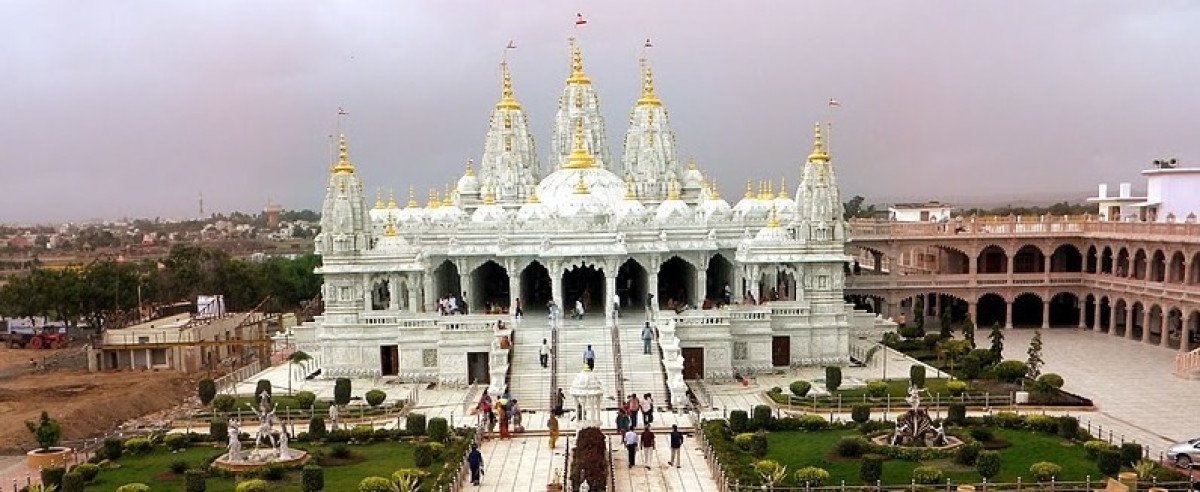
Shri Swaminarayan Temple
General information
-
Ideal Duration:
1 to 2 HoursPlace Type:
Pilgrimage Site / Modern Temple ArchitectureEntry Fees:
Temple Entry: Entry to the main Shri Swaminarayan Temple (New) is completely free for all visitors, including both devotees and tourists, regardless of nationality. This policy reflects the inclusive nature of the temple and the Swaminarayan faith, welcoming all to the plac...Temple Entry: Entry to the main Shri Swaminarayan Temple (New) is completely free for all visitors, including both devotees and tourists, regardless of nationality. This policy reflects the inclusive nature of the temple and the Swaminarayan faith, welcoming all to the place of worship.
Film and Special Exhibit Fees: While the main temple is free, there may be a small, nominal charge for the use of auxiliary facilities, such as the viewing of the immersive 3D film on Lord Swaminarayan's life or entry to a temporary exhibition hall, if present. These charges are typically very low and optional.
Donations: The temple complex relies heavily on the voluntary contributions and donations of its global community of devotees for its immense maintenance, security, and cleanliness. Donation boxes are available, and while there is no obligation, contributions are appreciated.
Pujas and Rituals: There are no set fees for Darshan or attending the daily Aarti. However, devotees wishing to perform specific, special pujas or rituals may need to book and pay a small fee to cover the cost of the ritual materials and the services of the priest, which is a standard religious practice. :Timing:
Regular Timings: The Shri Swaminarayan Temple (New) has extensive daily timings to accommodate devotees. Generally, the temple is open from 5:45 AM until 11:20 AM in the morning and reopens from 3:30 PM until 8:30 PM in the evening, with specific closures for the deities' r...Regular Timings: The Shri Swaminarayan Temple (New) has extensive daily timings to accommodate devotees. Generally, the temple is open from 5:45 AM until 11:20 AM in the morning and reopens from 3:30 PM until 8:30 PM in the evening, with specific closures for the deities' rest (Rajbhog and Shayan). These timings are generally consistent seven days a week.
Ideal Visit Time: The ideal time to visit for a truly spiritual experience is during the two daily Aarti ceremonies: the early morning Mangala Aarti (around 6:00 AM) or the evening Sandhya Aarti (around 7:00 PM). The temple environment is at its most vibrant and sacred during these times.
Photography Timing: For the best photography, visit during the late afternoon (4:00 PM to 5:30 PM) when the low sunlight hits the white marble facade, making the temple appear to glow with a brilliant, golden-white light.
Seasonal Consistency: The temple's timings remain largely consistent across seasons, prioritizing ritual and devotion over tourist convenience, so visitors should plan their arrival strictly around the morning and afternoon open hours. :Special Events:
Fuldol Utsav (Holi): The grandest special event is the annual Fuldol Utsav, celebrated on the day after Holi (February or March month), which is also the birth anniversary of Nar Narayan Dev. This festival draws enormous crowds, with the temple complex becoming a sea of col...Fuldol Utsav (Holi): The grandest special event is the annual Fuldol Utsav, celebrated on the day after Holi (February or March month), which is also the birth anniversary of Nar Narayan Dev. This festival draws enormous crowds, with the temple complex becoming a sea of color, devotion, and collective joy, featuring elaborate processions and spiritual discourse.
Diwali and Annakut: The festival of Diwali (October or November month) and the subsequent Annakut festival, where thousands of food dishes are offered to the deities, are celebrated with immense fervor. The temple is spectacularly decorated with lights, and the Annakut display is a breathtaking sight of culinary devotion that attracts visitors from across India and the globe.
Janmashtami: The birth of Lord Krishna (Janmashtami in August or September month) is a major religious event, celebrated with midnight rituals, singing, and elaborate decorations that transform the temple into a truly celestial space. :Best Photo Spots:
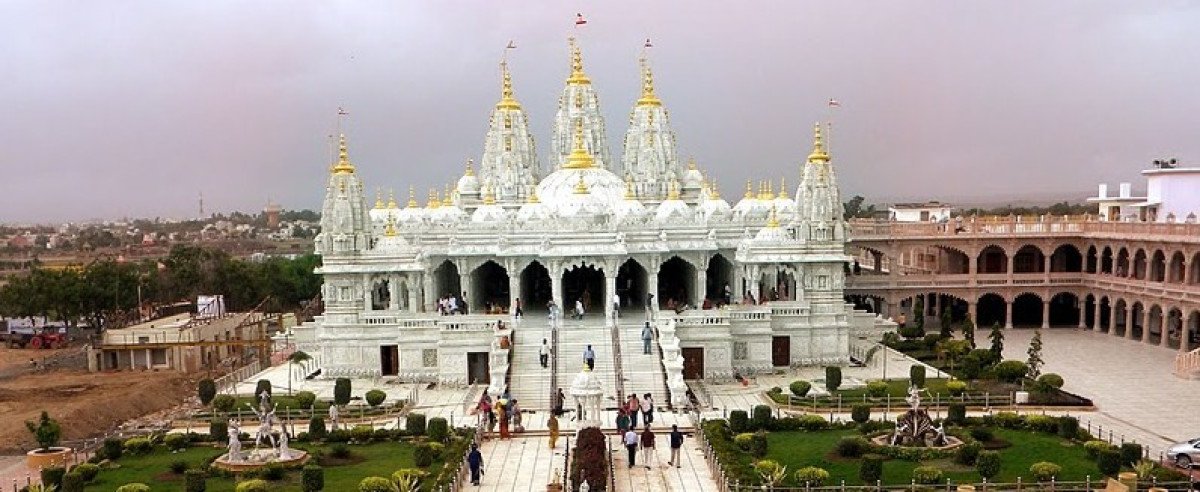
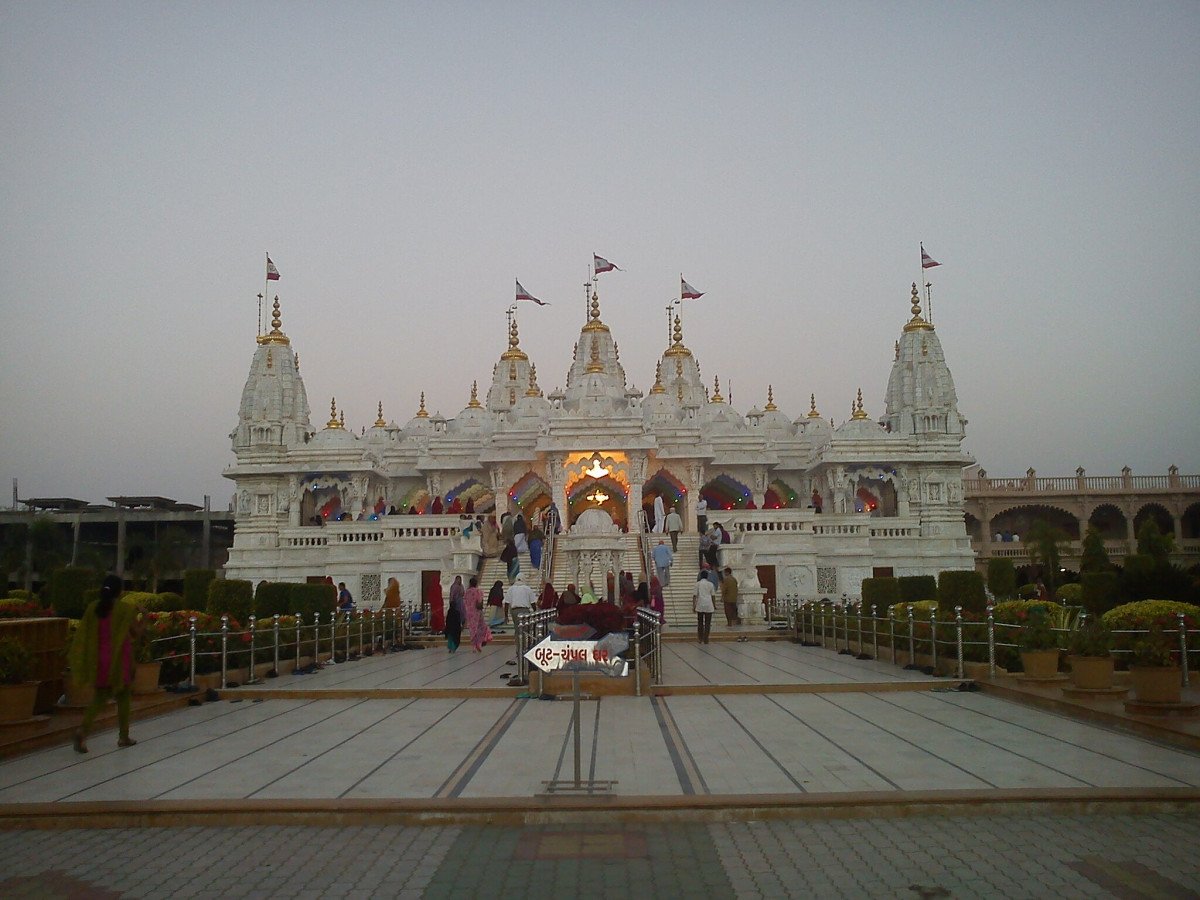
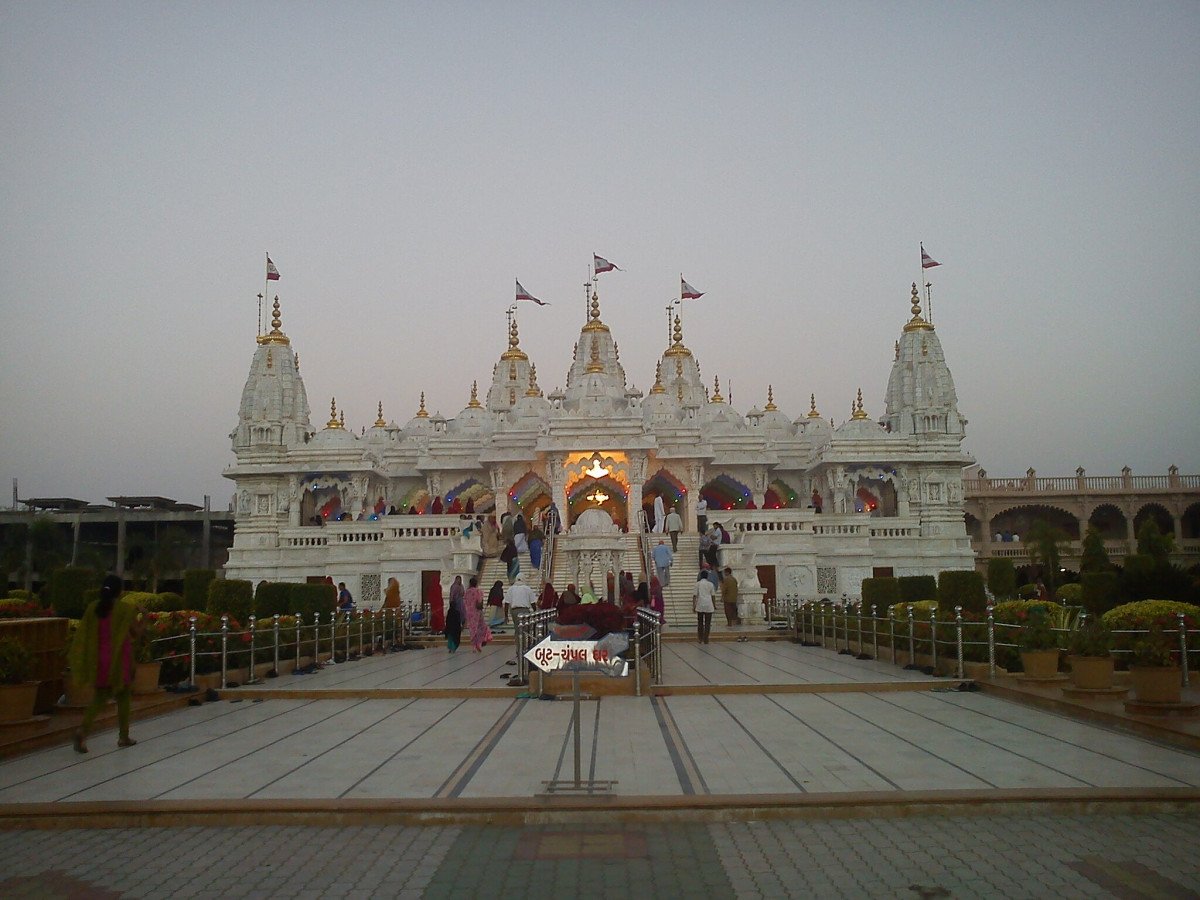
The Grand Exterior: The best photo spot is from the main courtyard, capturing the entire temple complex, including the seven soaring shikharas (spires), the large central dome, and the high podium. This perspective best captures the massive scale and the blindingly white pe...The Grand Exterior: The best photo spot is from the main courtyard, capturing the entire temple complex, including the seven soaring shikharas (spires), the large central dome, and the high podium. This perspective best captures the massive scale and the blindingly white perfection of the Makrana marble.
The Pillar Detail: Inside the main prayer hall, focus your camera on the close-up details of the 258 intricately carved marble pillars. Use a moderate zoom to isolate a single pillar's carvings of deities and mythological figures, highlighting the phenomenal artistry of the stone carvers.
The Golden Kalash: Use a telephoto lens to capture the golden kalashas (urns) atop the shikharas against the blue sky, symbolizing the temple's spiritual peak and the wealth of the construction.
Reflection in the Marble: The highly polished white marble floors, especially after a recent cleaning, provide a stunning surface for capturing the reflection of the inner arches and ceilings, adding an artistic dimension to the interior shots.
The Darshan Queue Frame: During a major festival like Diwali or Fuldol Utsav, photographing the large, colorful crowd of devotees against the pure white backdrop of the temple emphasizes the contrast between the human devotion and the architectural grandeur. :Photo Gallery
Things To Do
-
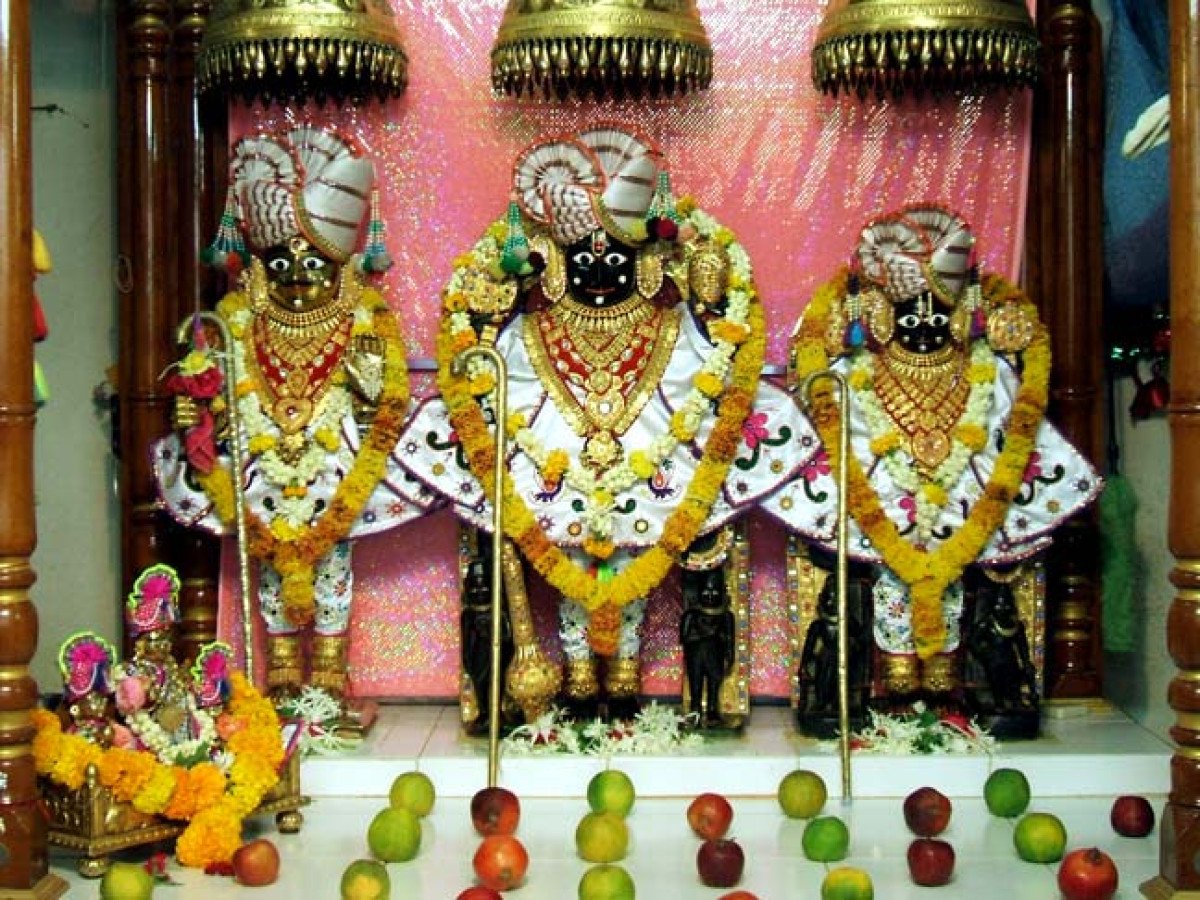
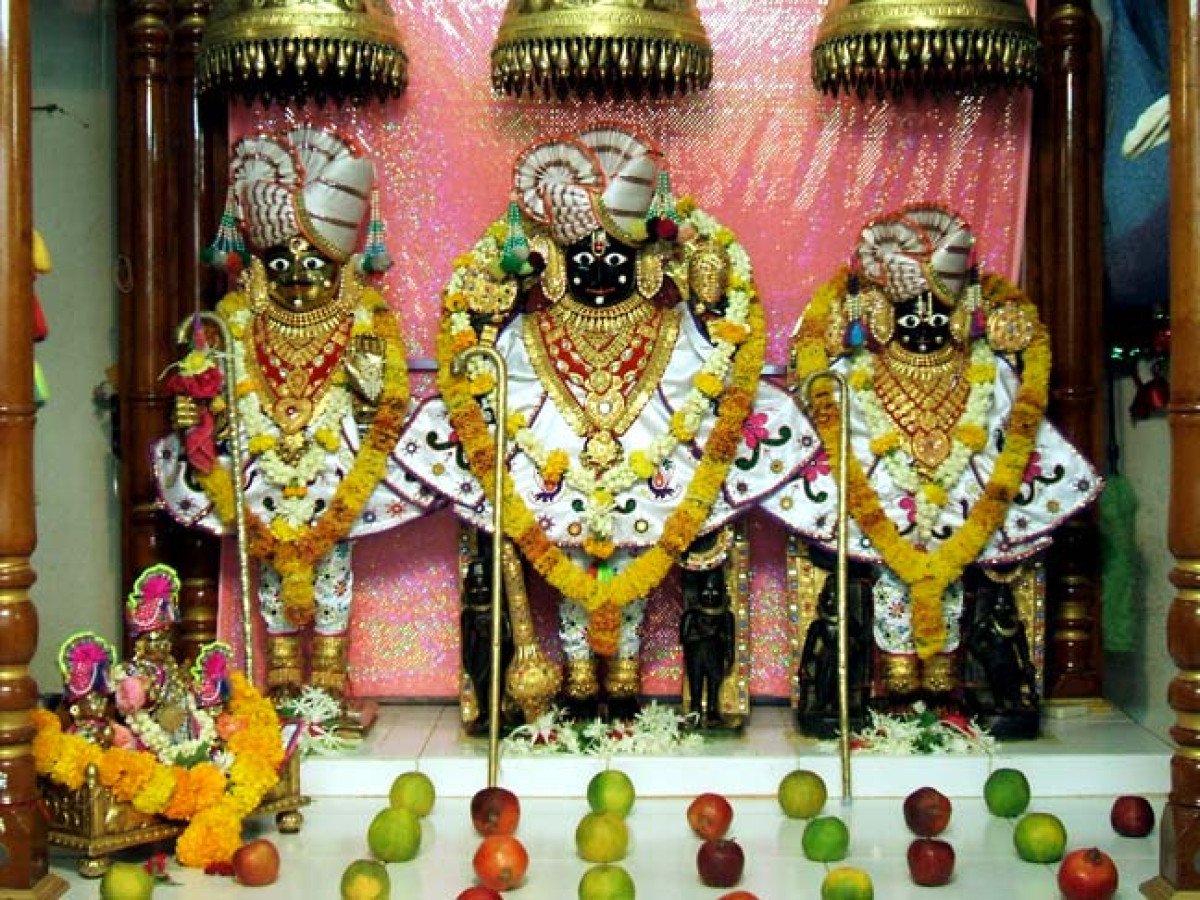
Darshan (Viewing the Deities): The foremost activity is offering prayers and performing Darshan (taking the holy sight) of the principal deities: Nar Narayan Dev, Lord Swaminarayan, Radha Krishna, Ghanshyam, and Sukh Shaiya. The temple is dedicated to formal worship, and participating in the atmosphere of devotion is the main purpose of the visit.
Attend the Arti Ceremonies: Plan your visit to coincide with one of the daily Arti (ritual of light) ceremonies, particularly the morning Mangala Arti or the evening Sandhya Arti. The collective singing of hymns and the ritualistic waving of lamps create a powerful, spiritually uplifting, and highly memorable experience.
Architectural Study and Photography: Walk slowly around the massive temple complex, closely examining the exquisite carvings on the ...Darshan (Viewing the Deities): The foremost activity is offering prayers and performing Darshan (taking the holy sight) of the principal deities: Nar Narayan Dev, Lord Swaminarayan, Radha Krishna, Ghanshyam, and Sukh Shaiya. The temple is dedicated to formal worship, and participating in the atmosphere of devotion is the main purpose of the visit.
Attend the Arti Ceremonies: Plan your visit to coincide with one of the daily Arti (ritual of light) ceremonies, particularly the morning Mangala Arti or the evening Sandhya Arti. The collective singing of hymns and the ritualistic waving of lamps create a powerful, spiritually uplifting, and highly memorable experience.
Architectural Study and Photography: Walk slowly around the massive temple complex, closely examining the exquisite carvings on the 258 marble pillars and the exterior of the 7 shikharas and domes. The sheer scale and detail of the craftsmanship, all completed without steel, are awe-inspiring and highly photogenic. Note the mythological figures and floral motifs in the stone.
Watch the 3D Film: Make sure to watch the informative, immersive 3D film about the life of Lord Swaminarayan and the history of the faith, which is often shown in a dedicated theater within the complex. This is an excellent way to gain a deeper understanding of the temple's spiritual context.
Enjoy the Prasadam: Enjoy the Prasadam (sanctified food) or a meal at the temple's cafeteria, which is typically well-maintained and offers simple, clean vegetarian food, contributing to the holistic temple experience.
Shopping for Religious Items: Visit the temple's book and souvenir shop to purchase religious texts, photographs of the deities, and small artifacts related to the Swaminarayan faith.
Contemplate Resilience: Reflect on the temple’s history as a symbol of rebuilding and faith after the 2001 earthquake. The new structure’s pristine marble and its rapid, dedicated construction embody the community's resilience and commitment. :
Information
-
Why Famous:
Post-Earthquake Resilience: The temple is globally famous as a symbol of the unwavering faith and resilience of the Swaminarayan community, rebuilt with immense resources and devotion after the complete destruction of the original structure in the 2001 earthquake. It is a m...Post-Earthquake Resilience: The temple is globally famous as a symbol of the unwavering faith and resilience of the Swaminarayan community, rebuilt with immense resources and devotion after the complete destruction of the original structure in the 2001 earthquake. It is a modern marvel of spiritual reconstruction.
Architectural Scale: Its fame rests on its dazzling, pristine construction entirely out of white Makrana marble and pink sandstone. The sheer size, featuring 7 shikharas and 258 carved pillars, makes it one of the largest and most expensive temples in Gujarat, attracting pilgrims and architectural enthusiasts alike.
Spiritual Significance: As the headquarters of the Nar Narayan Dev Gadi of the Swaminarayan Sampraday, it is a key pilgrimage center, drawing millions of devotees throughout the year, especially during major festivals like Diwali and Fuldol Utsav. : -
Architecture:
MRs.ru-Gurjara Grandeur: The New Swaminarayan Temple is built in the traditional MRs.ru-Gurjara style of temple architecture, which originated in Gujarat and Rajasthan. The entire structure, built without steel, relies on the gravity and interlocking joinery of stone, echoing a...MRs.ru-Gurjara Grandeur: The New Swaminarayan Temple is built in the traditional MRs.ru-Gurjara style of temple architecture, which originated in Gujarat and Rajasthan. The entire structure, built without steel, relies on the gravity and interlocking joinery of stone, echoing ancient Indian construction.
Dimensions: The temple is colossal, sitting on a high podium and covering an area of approximately 35,000 square feet. It features 7 majestic shikharas (spires), a massive central dome, 25 minor domes, and is supported by a staggering 258 intricately carved pillars.
Materials and Carvings: The primary materials are pure white Makrana marble and pink Bansipahadpur sandstone. Every surface is covered in detailed, highly skilled carvings depicting deities, celestial beings (apsaras), mythological scenes, floral motifs, and geometric patterns. The white marble creates an illusion of purity and brightness, making the temple shimmer from a distance, a key design element that reflects the faith's aesthetic values. : -
How To Reach:
By Air: Bhuj Airport (BHJ) is approximately 10 to 12 KMS from the new Swaminarayan Temple, which is located on Naranpar Road towards Madhapar. Taxis and auto-rickshaws are readily available outside the airport, and the journey takes around 30 to 40 minutes. The temple is a...By Air: Bhuj Airport (BHJ) is approximately 10 to 12 KMS from the new Swaminarayan Temple, which is located on Naranpar Road towards Madhapar. Taxis and auto-rickshaws are readily available outside the airport, and the journey takes around 30 to 40 minutes. The temple is a prominent landmark, so drivers will be familiar with the location.
By Train: Bhuj Railway Station (BHUJ) is about 4 to 5 KMS from the temple. An auto-rickshaw is the most practical option for this short distance, taking about 15 to 20 minutes. Be clear with the driver that you want the 'New Swaminarayan Temple' to avoid confusion with the location of the older temple site.
By Road: Bhuj is connected by national highways. If driving or taking a bus, the temple is located slightly away from the crowded city center, making road access relatively smoother. The main Bhuj Bus Port is a central drop-off point, requiring a final auto-rickshaw ride to the temple. The road to the temple is clearly signposted as it is a major religious and tourist destination.
By Local Transport: Since the temple is a little outside the core city, hiring an auto-rickshaw is necessary. It is advisable to negotiate a round-trip fare with the driver, particularly if you plan to spend time inside, as it can be harder to find an empty auto immediately outside the temple complex. The temple is a crucial stop on all local day tours. : -
Weather and Best Time to Visit:
Different Types of Seasons: The ideal period to visit the Shri Swaminarayan Temple (New) is the mild Winter season, spanning from October to March. The cool and comfortable weather is perfect for walking around the vast marble complex, which can get extremely hot during the...Different Types of Seasons: The ideal period to visit the Shri Swaminarayan Temple (New) is the mild Winter season, spanning from October to March. The cool and comfortable weather is perfect for walking around the vast marble complex, which can get extremely hot during the Summer months. While the temple is an indoor spiritual destination, the sheer heat radiating from the white marble during Summer (April to June) can make the outside parts of the complex challenging.
Different Parts of the Day: For spiritual purposes, the best time to visit is during the two daily Aarti times: the Mangala Aarti (very early morning, around 6:00 AM) and the Sandhya Aarti (evening, around 7:00 PM). For photography and architectural appreciation, the late afternoon (4:00 PM to 5:30 PM) offers the best light, as the setting sun makes the white marble shimmer with a brilliant, golden glow. Avoiding the busy midday darshan crowd also enhances the peace of the visit. : -
Near Tourist Places:
1. Kutch Museum (Approx.
4 KMS): Premier museum. 2. Hamirsar Lake (Approx.
4 KMS): Central lake. 3. Prag Mahal (Approx. 4.
5 KMS): Gothic palace. 4. Aina Mahal (Approx. 4.
5 KMS): Palace of Mirrors. 5. Ramkund Stepwell (Approx. 4.
5 KMS): Ancient stepwell. 6. Chhatedi Bhuj (Approx.
5 KMS): Royal cenotaphs. 7. Sharad Baug Palace (Approx.
5 KMS): Royal garden and museum. 8. Smritivan Memorial (Approx. 6.
5 KMS): Earthquake memorial. 9. Hira Laxmi Memorial (Approx.
6 KMS): Craft museum. 10. Vande Mataram Memorial (Approx.
7 KMS): Patriotic memorial. 11. Bhujia Hill/Fort (Approx. 6.
5 KMS): Historic fort.
Tourism Tips
-
Health & safety:
Footwear: Leave your shoes at the designated counter. The vast marble floor can become very hot during the midday sun, even in winter. Wear socks or carry thick socks to protect your feet when walking across the courtyard. ...Health & safety:
Footwear: Leave your shoes at the designated counter. The vast marble floor can become very hot during the midday sun, even in winter. Wear socks or carry thick socks to protect your feet when walking across the courtyard.
Dress Code:
Adhere strictly to the modest dress code: ensure that your upper arms and legs are covered (no shorts, mini-skirts, or sleeveless tops). This is non-negotiable for entry.
Packing:
Modest Clothes: Ensure all members of your group have appropriate clothing.
Socks: Essential for comfortable walking on the hot marble.
Water: Carry water, although facilities are available.
No Photography (Indoor): Be prepared to check your camera and phone if photography is strictly prohibited inside the main sanctum.
Accommodation: The temple is located near Madhapar. There are some excellent mid-range hotels and community-run guesthouses in the vicinity, which are good choices if you prioritize easy access to the temple.
Other Different Topics:
Temple Etiquette: Always maintain silence and respect the ongoing rituals. Do not point your feet toward the deities.
Aarti Timing: Arrive at least 30 minutes before the scheduled Aarti time to find a good spot and immerse yourself in the experience.
Watch the Film: Do not skip the 3D film experience; it provides excellent context on the temple's history and faith.
Pujari Consultation: If you have any spiritual questions, you can respectfully approach the priests (Pujari) for guidance. :
Reviews
FAQs
Bhuj Itineray And Cost:-
Shri Swaminarayan Temple Tourism:-
Other Places In Bhuj :-
Other States In India :-
Information about New and Updated Locations() of Gujarat Has Been Added :-
Card subtitle
Note:-
Information provided here in good Faith and for reference only.
Near Places
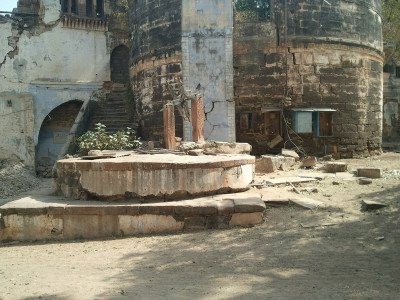
Aina Mahal
Some quick example text to build on the card title and make up the bulk of the card's content.
Go somewhere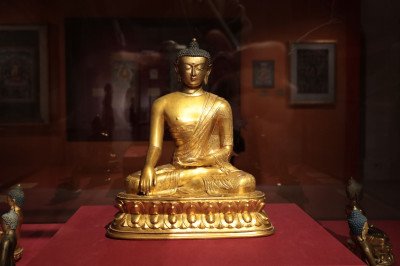
Bhartiya Sanskruti Darshan Museum
Some quick example text to build on the card title and make up the bulk of the card's content.
Go somewhere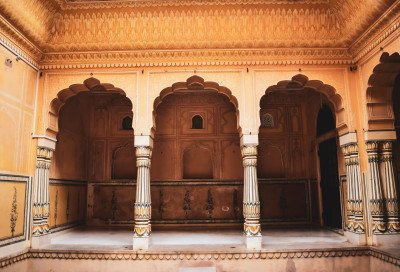
Bhujia Fort
Some quick example text to build on the card title and make up the bulk of the card's content.
Go somewhere
Bhujia Hill & Fort
Some quick example text to build on the card title and make up the bulk of the card's content.
Go somewhere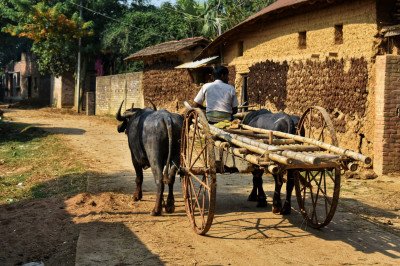
Bhujodi Handicraft Village
Some quick example text to build on the card title and make up the bulk of the card's content.
Go somewhere
Chhatardi
Some quick example text to build on the card title and make up the bulk of the card's content.
Go somewhere
Chhatedi
Some quick example text to build on the card title and make up the bulk of the card's content.
Go somewhere
Darbar Gadh
Some quick example text to build on the card title and make up the bulk of the card's content.
Go somewhere
Great Rann of Kutch
Some quick example text to build on the card title and make up the bulk of the card's content.
Go somewhere
Hamirsar Lake
Some quick example text to build on the card title and make up the bulk of the card's content.
Go somewhere
Hill Garden
Some quick example text to build on the card title and make up the bulk of the card's content.
Go somewhere
Hiralaxmi Memorial Craft Park
Some quick example text to build on the card title and make up the bulk of the card's content.
Go somewhere
Kalo Dungar
Some quick example text to build on the card title and make up the bulk of the card's content.
Go somewhere
Krantitirth
Some quick example text to build on the card title and make up the bulk of the card's content.
Go somewhere
Kutch Museum
Some quick example text to build on the card title and make up the bulk of the card's content.
Go somewhere
Lakhpat Fort
Some quick example text to build on the card title and make up the bulk of the card's content.
Go somewherein Other Cities